Hear from Our Customers
Most excavation problems in North Babylon don’t start with bad equipment they start with a contractor who didn’t know what they were walking into. Homes built in the 1950s and 1960s have utility lines, drainage systems, and septic infrastructure that were installed under completely different standards. When someone unfamiliar with that reality breaks ground on your property, the odds of a costly surprise go up fast.
When the excavation is done correctly from the start, the downstream effects are significant. Your drainage actually works the way it’s supposed to. Your foundation or pool sits on properly prepared ground. The grade your site is left at moves water away from your structure not toward it. In a town where the Town of Babylon has documented drainage challenges across the municipality and FEMA has flagged much of the south shore as flood-prone, getting the grade right isn’t optional it’s the whole job.
There’s also the underground utility reality specific to North Babylon. Long Island’s glacial soil is permeable and sandy, which means pipes and lines can shift over time in ways that don’t match original documentation. A contractor who understands this and who calls 811 before touching the ground protects you from the kind of damage that turns a straightforward project into a legal and financial headache.
We’re a Long Island excavation contractor that works specifically in North Babylon and the surrounding region not a regional outfit that treats every job the same regardless of where it lands. That distinction matters here. North Babylon’s subsurface conditions, its post-war residential character, and the permitting process through the Town of Babylon Building Department are things we deal with regularly not occasionally.
We know what it means to excavate near a property that backs up toward Carlls Creek. We understand the drainage dynamics of lots that sit close to Belmont Lake State Park. We’re familiar with the sandy glacial soil that defines Long Island’s subsurface and what it takes to backfill correctly so your site doesn’t settle six months after we leave.
Every project we take on in North Babylon is handled with a written quote, 811 compliance before any ground is broken, and a clear understanding of what the Town of Babylon requires from a permitting standpoint. You get a contractor who shows up prepared not one who figures it out as they go.
It starts with a site assessment. Before any equipment is scheduled, we look at what your project actually involves the scope of the dig, access conditions, proximity to existing structures, and anything about your specific lot that needs to be accounted for. In North Babylon, that often means evaluating how close you are to aging infrastructure, what the drainage situation looks like on your property, and whether the project requires a permit through the Town of Babylon Building Department on Sunrise Highway. If permits are needed, we walk you through what’s required so there are no delays once work begins.
Once the site is assessed and the quote is finalized in writing, we submit an 811 notification. This is New York State’s Call Before You Dig program, and it’s mandatory but more importantly, it’s the step that protects your property from underground utility strikes. In a community where homes have been modified and updated over decades, the utility map underground isn’t always what anyone expects. We don’t skip this step.
From there, excavation proceeds according to the agreed scope. Whether it’s a residential dig for a pool or addition, a drainage correction, a utility trench, or a commercial site prep along the Deer Park Avenue corridor, the work is executed to the grade and specification outlined in your quote. When we’re done, the site is left clean, properly graded, and ready for the next phase of your project not left for you to sort out.
Ready to get started?
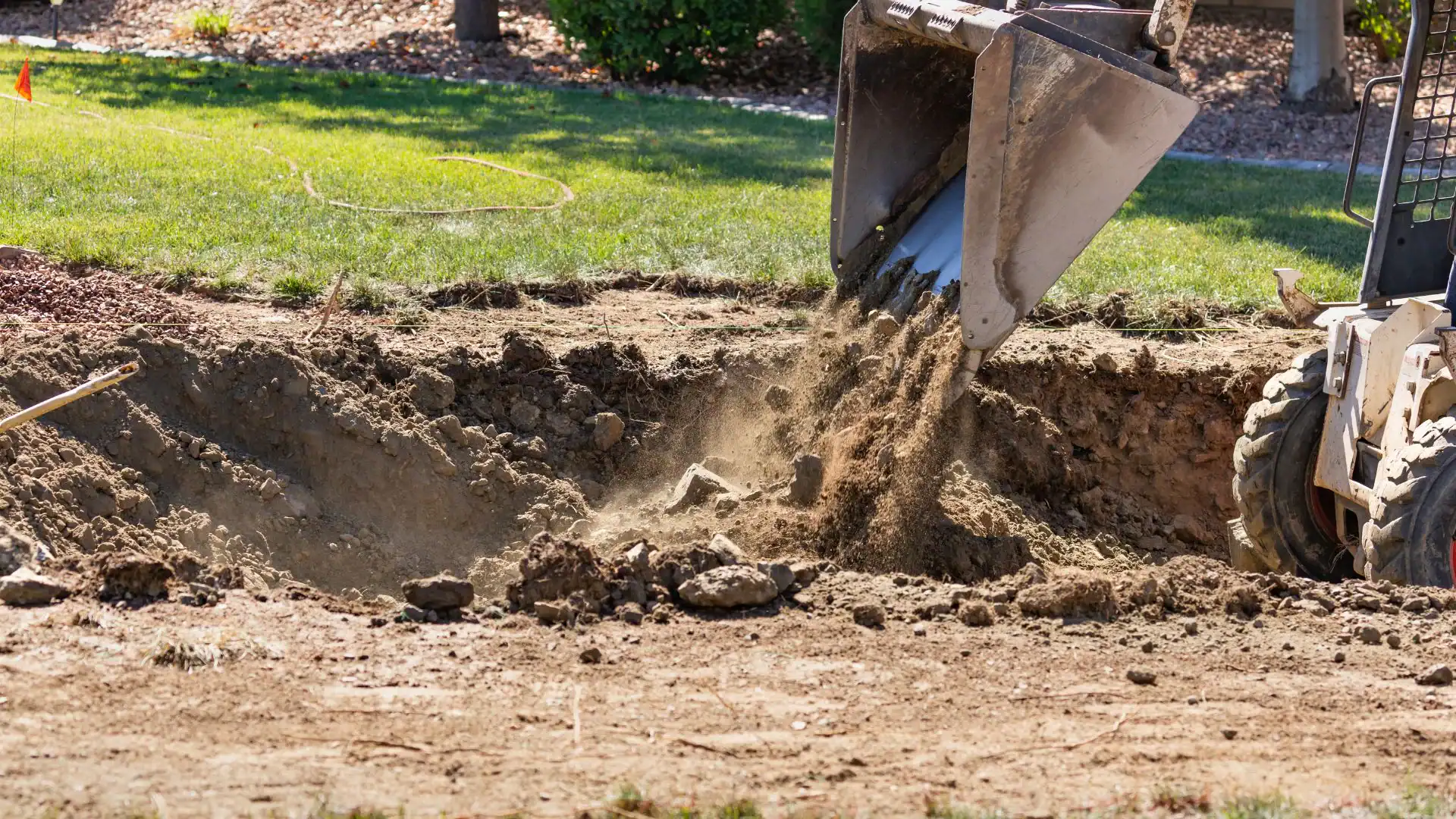
Residential excavation services in North Babylon cover the full range of what homeowners in this community actually need pool excavations, foundation digs for additions, drainage trenching, septic-area excavation, and utility line work. Given that the majority of homes here were built between the late 1940s and 1970s, a lot of this work happens in close proximity to older infrastructure that requires care, not just speed. We approach every residential project with that in mind.
Commercial excavation services along North Babylon’s Deer Park Avenue and Sunrise Highway corridors require a different kind of planning access constraints, traffic considerations, and tighter schedules that affect surrounding businesses. We handle commercial site prep and utility trenching in these environments with the equipment and coordination to get it done without creating disruption.
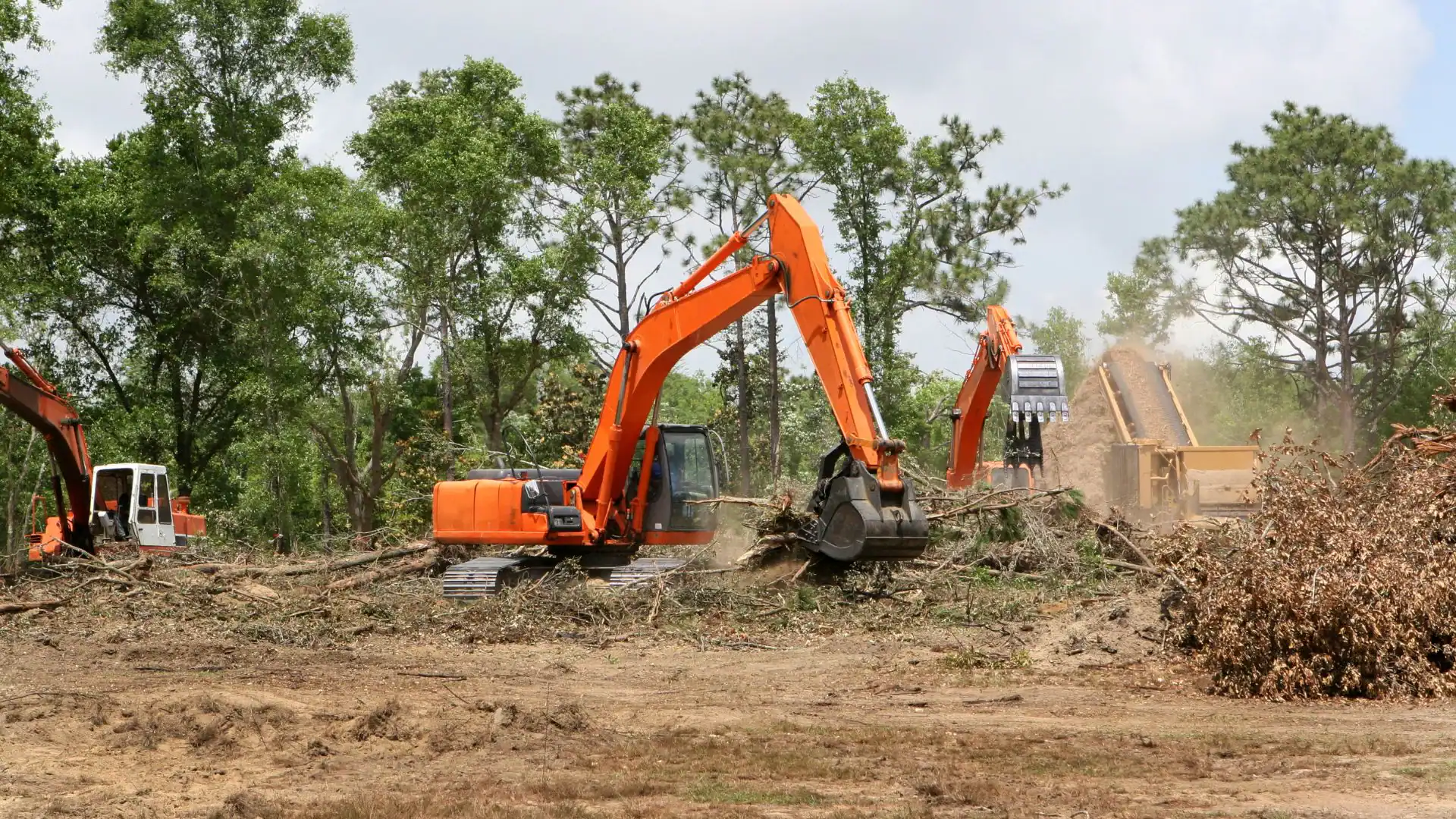
Dig and haul services in North Babylon are part of every excavation project we complete. In a dense suburban community where lots are modest and neighbors are close, spoil doesn’t just disappear it has to be managed and removed correctly. We handle that as part of the job, not as a surprise line item on your invoice. Excavation and grading services round out the work, ensuring that whatever we dig, the finished grade serves your drainage needs and meets the site conditions specific to your property in North Babylon.
In most cases, yes. The Town of Babylon requires a building permit before any construction, alteration, or significant excavation work begins on a property. The Building Division is located at 200 Sunrise Highway in Lindenhurst and handles permit applications for all of North Babylon. Demolition permits are also required separately when a structure is being removed as part of a larger project. Sewer excavation work has its own permit category with its own application requirements.
The permit process isn’t something most homeowners have navigated before, and that’s normal. What matters is making sure the right approvals are in place before work starts because a stop-work order mid-project is significantly more disruptive and expensive than pulling the permit correctly upfront. When you work with us, we’ll tell you exactly what’s required for your specific scope before we schedule a single piece of equipment.
811 is New York State’s mandatory utility notification program. Before any excavation begins residential or commercial contractors are legally required to contact 811 so that underground utility lines can be marked. This includes gas, electric, water, sewer, and telecommunications lines. Once the notification is submitted, utility companies have a set window to come out and mark their lines before digging can start.
In North Babylon specifically, this step matters more than it might in a newer community. Homes here have been updated, renovated, and modified over decades, and the underground utility picture on any given property can be more complex than what original documentation shows. Long Island’s sandy, glacial soil also allows lines and pipes to shift over time. Skipping 811 doesn’t just create legal exposure it creates real risk of hitting a live line, which can shut down your project, damage neighboring services, and result in significant liability. We submit an 811 notification on every project before any ground is broken, without exception.
Long Island’s soil is glacially deposited, which means it’s predominantly sandy and highly permeable compared to the clay-heavy soils found in other parts of the Northeast. That permeability affects excavation in a few specific ways. Sandy soil drains quickly, but it also shifts and settles more than denser soils which means backfill has to be done correctly or you’ll see settlement issues months after the job is finished. It also means that in certain areas, you can encounter groundwater at relatively shallow depths, particularly after significant rainfall.
In North Babylon, this plays out in practical terms on drainage projects, pool excavations, and foundation work. A trench that looks straightforward on paper can take on water quickly if the water table is elevated after a wet stretch. A contractor who understands this plans accordingly with the right equipment, the right sequencing, and the right backfill materials for Long Island conditions. This isn’t something that transfers from experience in other regions. It comes from working this ground specifically.
Excavation is the process of removing soil and material from a site to the required depth and shape for whatever is being built or installed. Grading is what happens after it’s the shaping of the remaining and backfilled soil to achieve the correct slope and elevation across the site. The two are connected, and the grading outcome is often what determines whether your project performs well long-term or creates problems.
For North Babylon homeowners, grading matters most in terms of drainage. The Town of Babylon has documented flooding and drainage challenges across the municipality, and properties that are left with incorrect grades after excavation can direct water toward foundations, into basements, or onto neighboring lots. FEMA has designated much of the south shore area as flood-prone, and while North Babylon’s position north of Sunrise Highway offers some elevation buffer, drainage is still a real consideration on individual properties. When we complete excavation and grading work in North Babylon, the finished grade is intentional designed to move water away from your structure and toward appropriate drainage paths.
Timeline varies significantly depending on the scope of the work. A straightforward utility trench on a residential lot in North Babylon might be completed in a single day. A pool excavation or foundation dig for an addition typically runs two to four days depending on lot access, soil conditions, and how much spoil needs to be removed. Larger drainage correction projects can run longer if they involve multiple areas of the property or significant regrading.
What affects timeline most in North Babylon specifically is access and underground conditions. Residential lots here are modest in size post-war suburban lots aren’t large and tight access can slow equipment movement. Encountering unexpected underground conditions, like an unmapped line or a section of older drainage infrastructure, adds time as well. This is why the site assessment before work begins matters. Understanding what you’re walking into allows for a realistic timeline estimate upfront, rather than a number that gets revised once the job is underway.
New York State does not issue a statewide license for general excavation or contracting work licensing is handled at the county and municipal level. In Suffolk County, home improvement contractors are required to be registered with the Suffolk County Department of Consumer Affairs. Beyond that, the Town of Babylon has its own permit and compliance requirements that any contractor working in North Babylon needs to operate within.
What this means practically is that a contractor can show up with a machine and no verifiable credentials, and there’s no single state-issued license number that immediately flags them as unqualified. The burden falls on you to ask the right questions. Ask for their Suffolk County registration, ask whether they carry general liability and workers’ compensation insurance, and ask specifically how they handle the Town of Babylon permitting process. A contractor who can answer those questions clearly and provide documentation isn’t just checking boxes they’re demonstrating that they understand the regulatory environment they’re operating in. That’s the baseline you should expect before anyone breaks ground on your property.