Hear from Our Customers
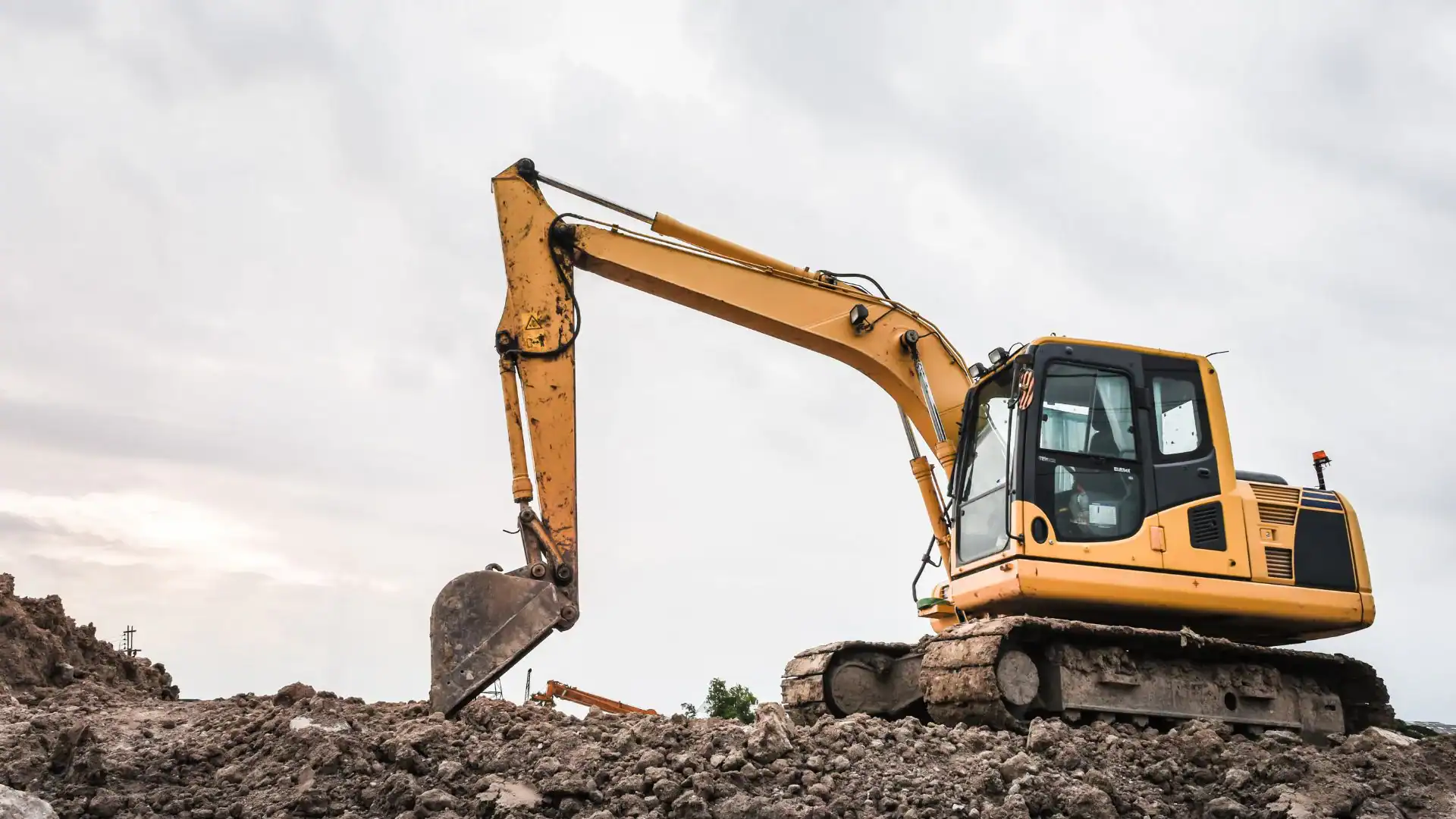
When excavation goes wrong in St. James, it rarely announces itself upfront. You find out three weeks in when the invoice jumps, when a stop-work order lands, or when standing water shows up where it never did before. Getting it right from the start means your project stays on schedule, your property stays intact, and you’re not fielding calls from a neighbor whose fence just got clipped.
St. James sits at around 151 feet above sea level, and that elevation comes with rolling terrain, grade changes, and glacial soil that shifts from workable sand to loose, unpredictable deposits within the same lot. That’s the reality of North Shore excavation. A contractor who’s worked these conditions knows how to read a site before the first bucket goes in, which is how you avoid the “unexpected conditions” line item that shows up on too many final invoices.
Established lots in this community also mean mature trees, tight setbacks, and neighbors close by. Precision matters here in a way it doesn’t on a raw, open site. When the work is done correctly, your yard looks like a job site came and left not like something went wrong.
We are a full-service excavation and land preparation contractor serving the North Shore of Long Island, with deep roots in St. James and the surrounding Smithtown area. The work we do in St. James isn’t the same as digging in a flat, sandy South Shore community and we don’t treat it that way. From pool excavation on sloped residential lots to drainage remediation on properties with glacial clay pockets, we scope each job based on what’s actually in the ground, not what we hope is there.
St. James homeowners invest seriously in their properties. With median home values pushing past $670,000 and lots that have been built out and landscaped over decades, there’s no room for a contractor who’s winging it. We operate fully licensed and insured, we pull the right permits through the Town of Smithtown Building Department, and we call 811 before any machine touches the ground every single time.
If you’ve worked with contractors before and know what “we’ll figure it out on-site” actually costs you, you’ll understand why we do it differently.
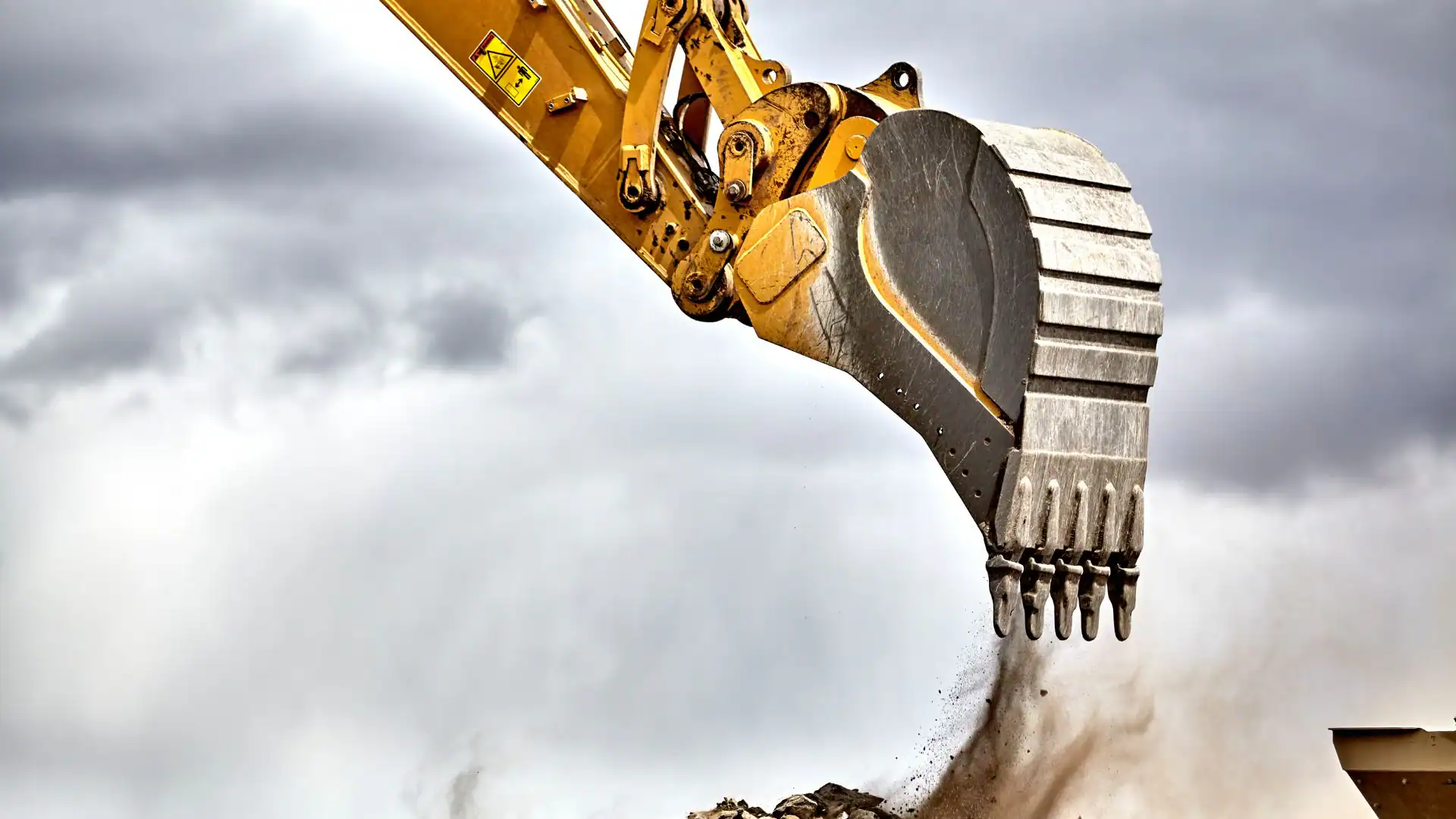
It starts with a site visit, not a phone estimate. St. James lots vary enough in grade, soil composition, and proximity to structures that quoting without seeing the property is how you end up with a number that doesn’t hold. We walk the site, look at what’s there, and give you a written scope that tells you exactly what’s included: excavation, spoil removal, haul, and any grading or restoration that’s part of the job.
Before any digging starts, we handle the regulatory side. That means confirming whether your project requires a permit under Chapter 154 of the Town of Smithtown Code which covers excavation and regrading on residential lots and coordinating with the Smithtown Building Department if it does. We also contact 811 to have underground utilities marked. St. James has aging infrastructure in many areas, and hitting a line isn’t just a delay it’s a liability.
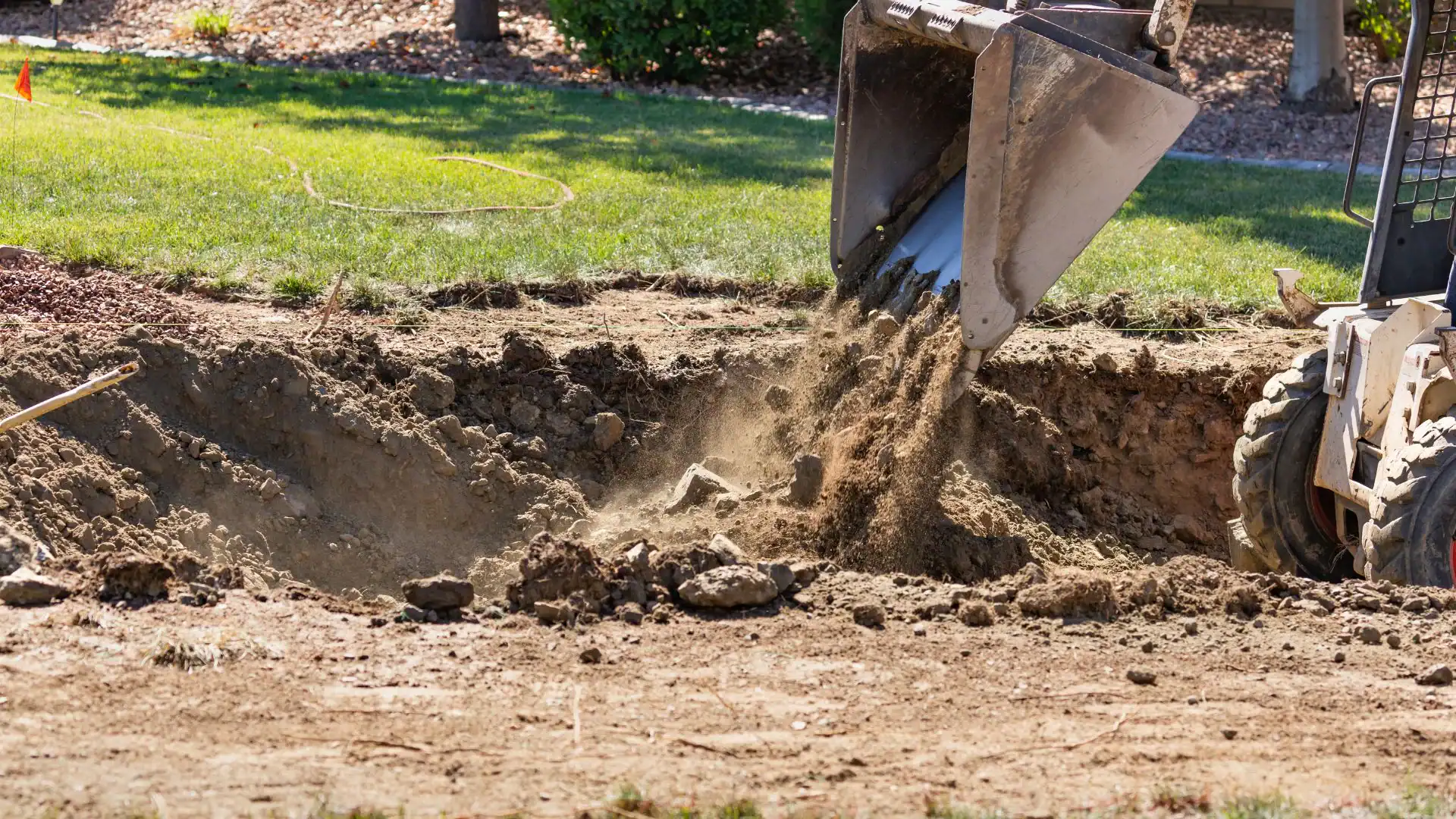
Once we’re on-site, we work with the equipment and crew matched to your specific scope. Pool excavation on a residential lot looks different from drainage remediation or foundation prep, and we don’t run the same approach on every job. When the work is done, we leave the site clean, graded to plan, and ready for whatever comes next whether that’s a pool installer, a builder, or just your landscaper finishing the job.
Ready to get started?
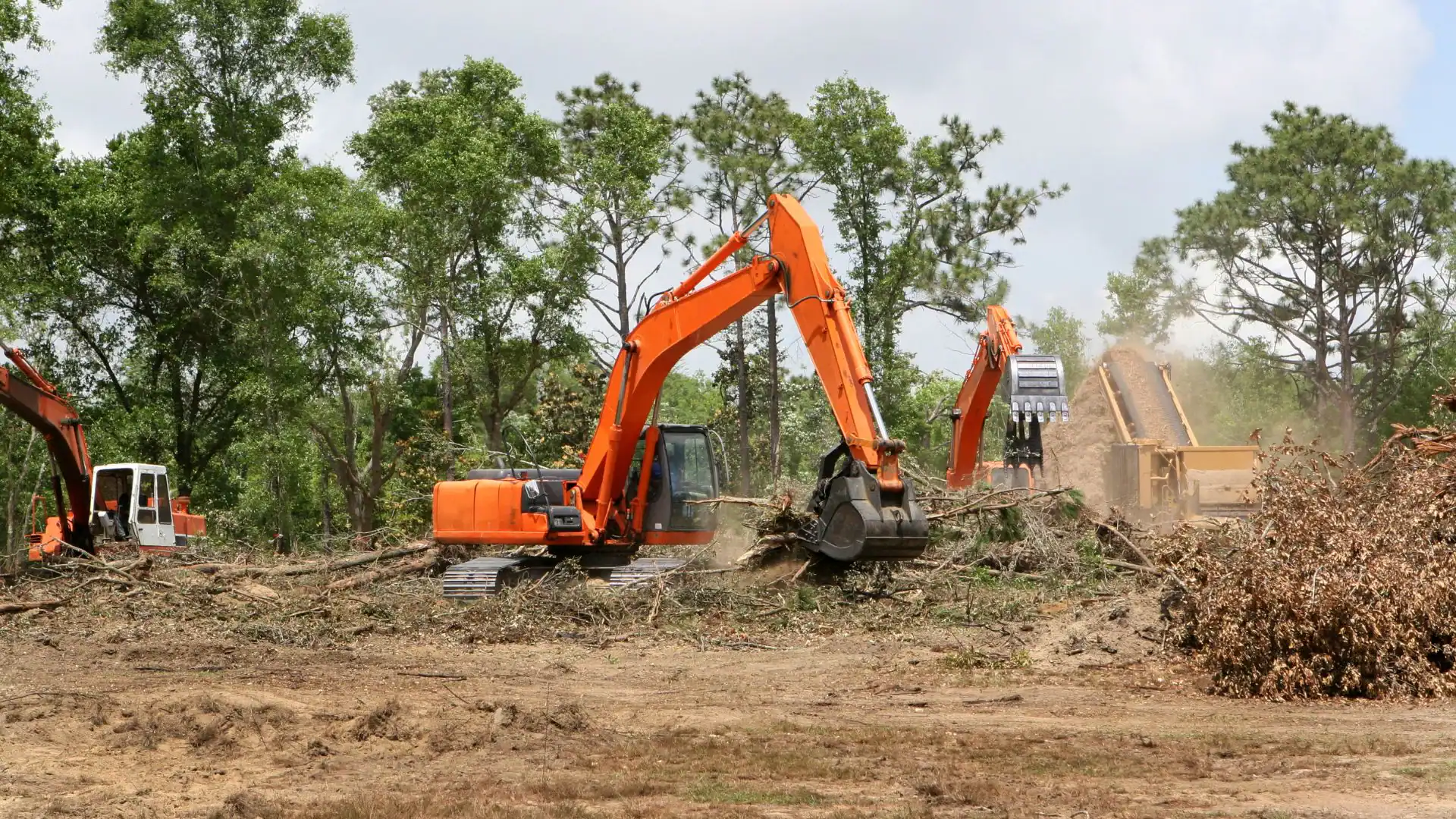
Most excavation projects in St. James aren’t simple digs. They involve grade changes that need to be managed, spoil that needs to go somewhere, and existing structures or landscaping that need to stay exactly where they are. Splitting that across multiple contractors means more coordination, more risk, and more chances for something to fall through the gap. We handle the complete earthworks scope land clearing, excavation, cut and fill grading, and dig and haul services in St. James, NY under one contract, one crew, and one point of accountability.
For residential clients in St. James, the most common projects we handle are pool excavation, drainage remediation, foundation and basement prep, retaining wall excavation on sloped lots, and cesspool or septic work tied to Suffolk County’s ongoing upgrade requirements. Each of these has its own site demands, and each one gets scoped individually based on what your property actually requires not a flat package that may or may not fit your situation.
Commercial and site preparation work in the broader Smithtown corridor including properties near the Hauppauge Industrial Park falls within our service range as well. If you’re breaking ground on something in this area and need a contractor who knows the local permit environment and can deliver a clean, graded site on schedule, that’s exactly what we do.
Most excavation and regrading work in St. James requires a permit under Chapter 154 of the Town of Smithtown Code. This applies to general regrading, earth removal, and most excavation work on residential lots including pool installations, drainage work, and foundation prep. The threshold isn’t just about how much dirt moves; it’s about whether the work materially alters the grade or drainage of your lot.
The permit process involves submitting site plans to the Town of Smithtown Building Department and, depending on scope, coordinating inspections at specific stages of the work. Minor excavations on lots under two acres with existing homes have their own set of requirements including rules about how deep an excavation can go relative to the property boundary grade. Getting this wrong can result in a stop-work order mid-project, which is far more expensive than handling the paperwork correctly upfront. We manage this process as part of every job we take on in St. James.
St. James sits on Long Island’s North Shore, which means you’re dealing with glacial moraine deposits rather than the uniform sandy soils you’d find in South Shore communities. In practical terms, that means the soil profile can shift within a single lot from workable medium-to-fine-grained sand to compacted till, clay-bearing layers, or loose sand pockets that require over-excavation and remediation before a foundation or pool shell can be set properly.
A geotechnical report from a St. James project confirmed exactly this: soils in the area are generally consistent with glacial outwash deposits, but some borings showed loose sand at depths that would affect bearing capacity if not addressed. You can also encounter boulders and cobbles on North Shore lots a reality that rarely comes up in South Shore excavation work. The soil here requires a contractor who reads the site and adjusts, not one who bids on assumptions and invoices you for the difference.
This is one of the more common challenges on established residential lots in St. James. Unlike a raw development site, your property has mature root systems, existing structures, and neighbors in close proximity all of which require the excavation to be executed with a level of precision that doesn’t apply on open ground. The approach changes based on what’s there: smaller equipment may be needed to work in tighter areas, root protection zones have to be respected, and spoil staging has to be planned so it doesn’t sit on top of lawn areas that would otherwise recover cleanly.
The practical answer is that a site visit matters more on an established lot than anywhere else. We can’t accurately scope a job like this without seeing the actual conditions where the trees are, where the access points are, what’s adjacent to the dig area, and how spoil is going to move off the property. If you’re planning a pool, drainage work, or any significant excavation on an established St. James lot, that’s the conversation we need to have before any numbers are put on paper.
Dig and haul refers to the excavation of material combined with the removal and off-site disposal of that material rather than leaving spoil on your property or redistributing it on-site. Whether you need it depends on your project. If you’re installing an in-ground pool, the excavated material has to go somewhere, and most residential lots in St. James don’t have the space to absorb that volume without creating drainage or grade problems elsewhere on the property.
For drainage remediation or regrading projects, some of the excavated material may be reused as fill in other areas of the lot which reduces the volume that needs to be hauled. But when spoil does need to leave, Suffolk County disposal costs are real, and they need to be in your quote from the beginning. One of the most common ways excavation bids mislead homeowners is by excluding haul and disposal from the initial number. We include it when it’s part of the scope, so the quote you see is the invoice you receive.
Timeline depends heavily on project type, site conditions, and where you are in the permitting process. A straightforward pool excavation on a reasonably accessible St. James lot can often be completed in one to two days of active digging. Drainage remediation, foundation work, or projects that involve significant cut and fill grading typically run longer anywhere from a few days to a week or more depending on scope and soil conditions.
What most homeowners underestimate is the front-end time: site visit, written quote, permit application through the Town of Smithtown Building Department, and the 811 utility marking process all happen before a machine arrives. During peak season roughly May through October, which is when most North Shore excavation work happens permit timelines and contractor availability both extend. If you have a project tied to a specific construction milestone, like a pool installation or a foundation pour, getting the excavation scoped and permitted early is the most important thing you can do to protect your schedule.
Licensing and insurance are the baseline not a differentiator. In New York, excavation work connected to building permits has to be performed by contractors who meet the Town of Smithtown’s requirements, and any contractor working near utilities is legally required to comply with the 811 Dig Safe law. If a contractor can’t produce a license number and a current certificate of insurance before the job starts, that’s your answer.
Beyond credentials, the questions that actually separate good contractors from bad ones in St. James are about local knowledge. Can they speak specifically to North Shore soil conditions? Do they know Chapter 154 of the Smithtown Town Code and what it requires for your project type? Have they worked on established residential lots in this area not just open commercial sites or South Shore subdivisions? A contractor who’s genuinely familiar with this market will be able to answer those questions without hesitation. One who isn’t will give you vague answers and a quote that doesn’t hold once they’re on-site.