Hear from Our Customers
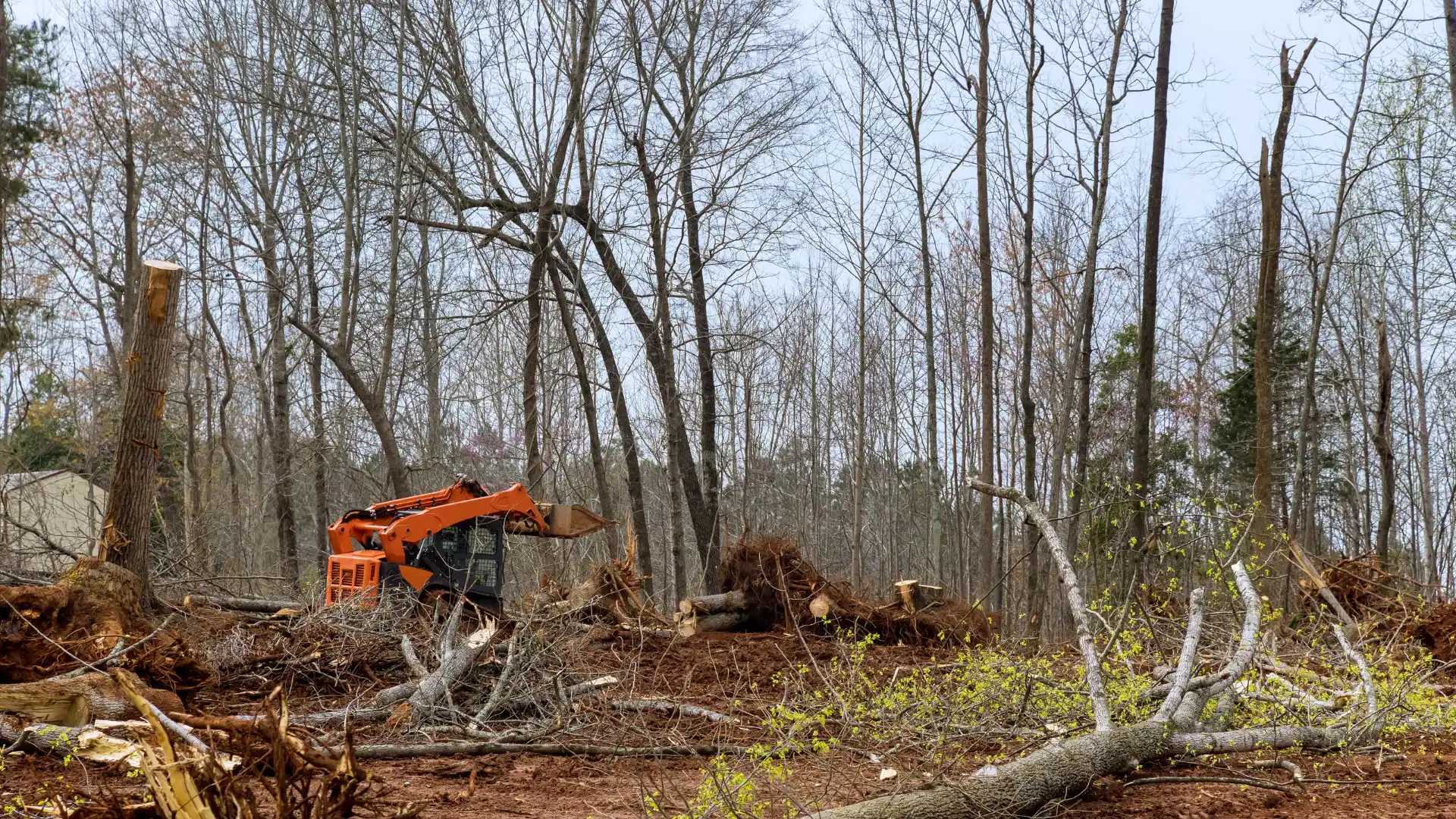
A lot of clearing jobs on Long Island’s South Shore go sideways before the first machine hits the ground. Not because the contractor didn’t work hard but because they didn’t know what they were walking into. Properties near Moriches Bay, Mudd Creek, and the tidal creek corridors that run through Center Moriches carry regulatory layers that most clearing operators simply aren’t prepared for. The result is stop-work notices, mandatory restoration orders, and a bill that’s nothing like the original quote.
When the job is done right, what you get is straightforward: a property that’s actually usable. Whether you’re building on a new lot, reclaiming a rear parcel that’s been overtaken by phragmites and oriental bittersweet, or clearing creek-front vegetation to restore bay access, the outcome is the same a clean site, a clear scope, and no regulatory surprises waiting for you after the fact.
Center Moriches waterfront properties also carry a specific debris concern that inland lots don’t. Vegetative debris left near a tidal creek or bay-adjacent area isn’t just unsightly it can become a compliance issue if it ends up in or adjacent to a regulated wetland. Full debris removal isn’t an add-on here. It’s part of how the job gets done.
We work on Long Island’s South Shore, and that means we know the difference between clearing a standard residential lot and clearing a property that backs up to a tidal creek in the Town of Brookhaven. We know what the NYSDEC wetland maps show for Center Moriches, what the Town of Brookhaven’s environmental permit process looks like, and what phragmites management near the Moriches Bay corridor actually requires.
That local knowledge isn’t a marketing line. It’s what keeps your project off the wrong side of a DEC notice. Every job we take in Center Moriches starts with a real site inspection not a drive-by estimate because this area doesn’t forgive contractors who skip that step.
We’re fully licensed and insured, and we’ll put both in front of you before any work starts. If a contractor you’re considering won’t do the same, that’s your answer.

It starts with a site inspection. We come out, walk the property, and assess what’s actually there vegetation density, access points, any DEC-regulated areas, and anything else that affects how the job gets done and what it costs. For Center Moriches properties near Mudd Creek or the bay-facing parcels along the southern edge of the hamlet, that assessment includes a review against the applicable NYSDEC tidal and freshwater wetland maps. You need to know what requires a permit before clearing starts not after.
Once we’ve assessed the site, you get an itemised quote broken down by scope: clearing, stump removal, debris processing, and any additional items. No single-line totals that leave room for interpretation later. If something on site differs materially from what we assessed, we talk to you about it before we adjust not after the invoice is in your hand.
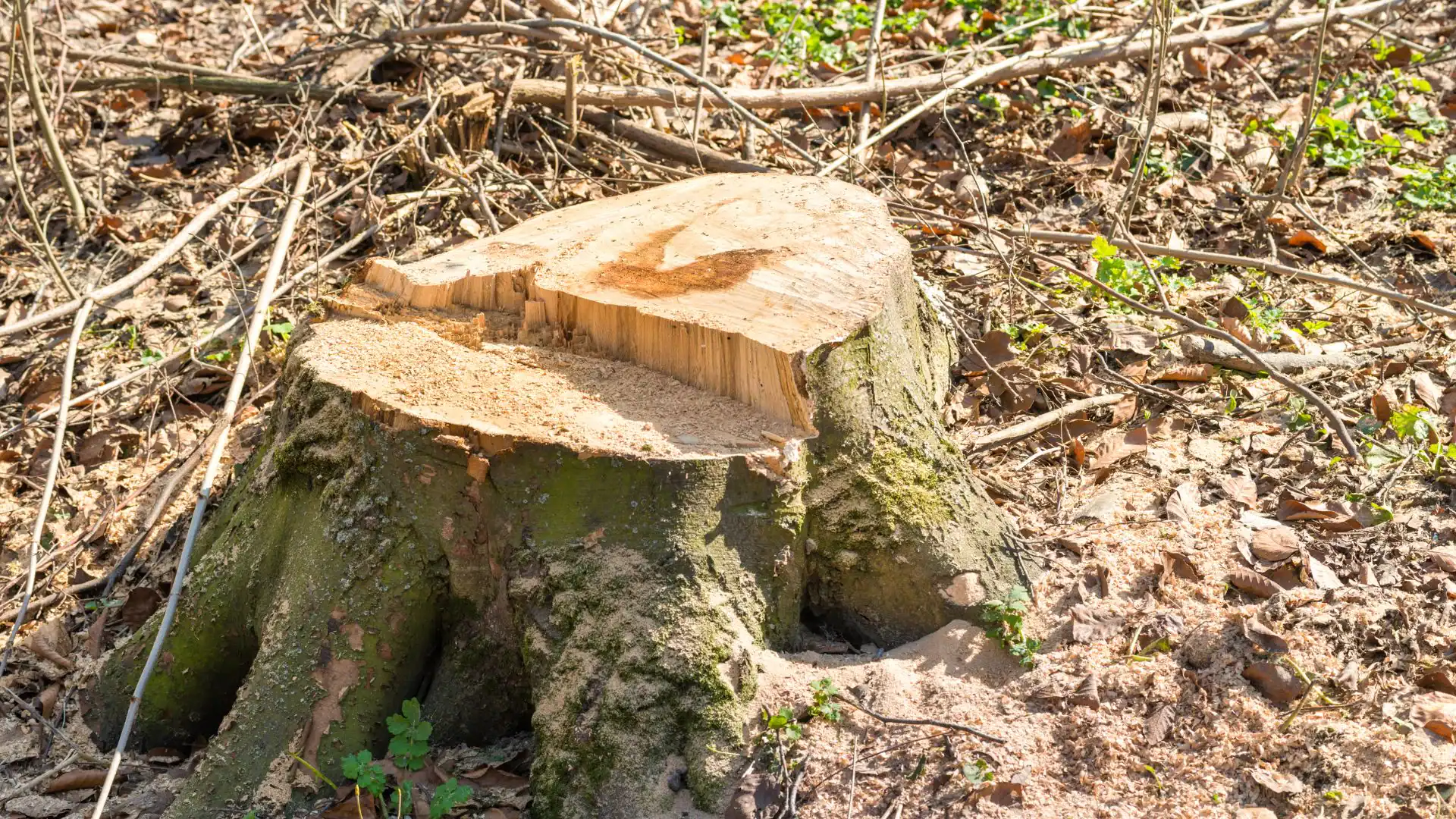
The work itself follows a documented sequence. Clearing comes first, then stump grinding to below grade, then debris removal from site. We don’t consider the job done until the site matches what we agreed at the start. For new construction lots like those in the Dongan Trails subdivision on Center Moriches’ main corridor that means builder-ready: clear, graded, and ready for the next crew to move in without spending their first day cleaning up after us.
Ready to get started?
Land clearing in Center Moriches isn’t one-size work. A waterfront lot on one of the tidal finger parcels south of Montauk Highway has different needs than a formerly agricultural parcel north of town that’s been sitting unmanaged for a decade. We handle both and everything in between.
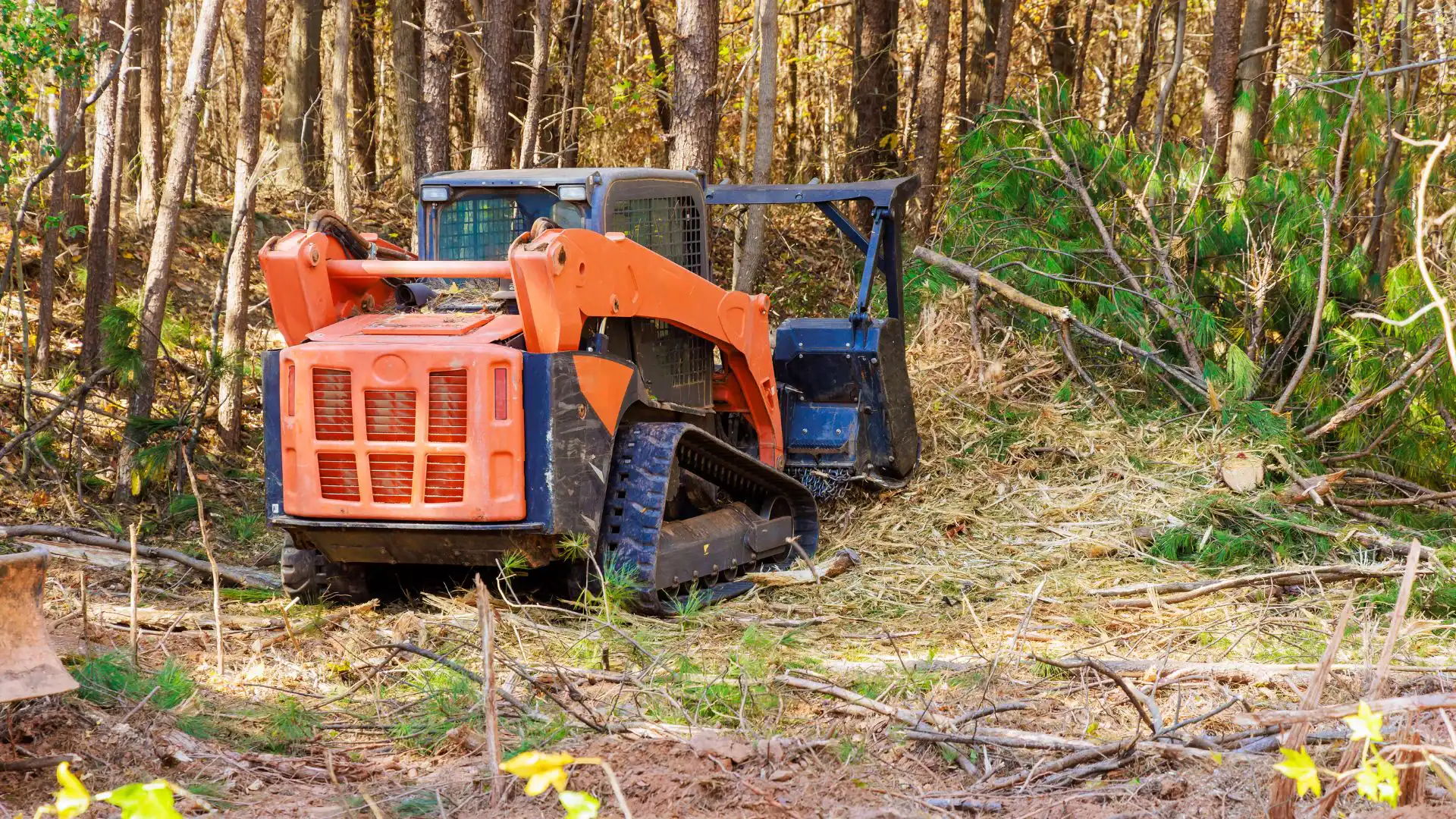
Brush clearing and vegetation removal services cover the overgrown lots, invasive species takeovers, and scrub-choked parcels that are common throughout this area. Phragmites, mugwort, oriental bittersweet, multiflora rose these aren’t plants you cut back once and forget. We remove them to the root system, dispose of material correctly, and advise on what management looks like going forward so you’re not back to square one in two seasons. For phragmites work near regulated wetland areas, we work within the NYSDEC’s General Permit framework for invasive species management so the removal itself doesn’t create a new compliance issue.
Land reclamation services are for the properties that have been left too long to call it a simple clearing job. These are the parcels some of them with agricultural histories going back generations in the Moriches area where invasive species have fully colonised the site and the above-ground vegetation is only part of the problem. We assess these honestly, scope them accurately, and give you a realistic picture of what reclamation involves before any work begins. Lot clearing for new construction, overgrown property clearing for residential use, and full land reclamation are all part of what we do scoped to the actual condition of your land, not a generic package.
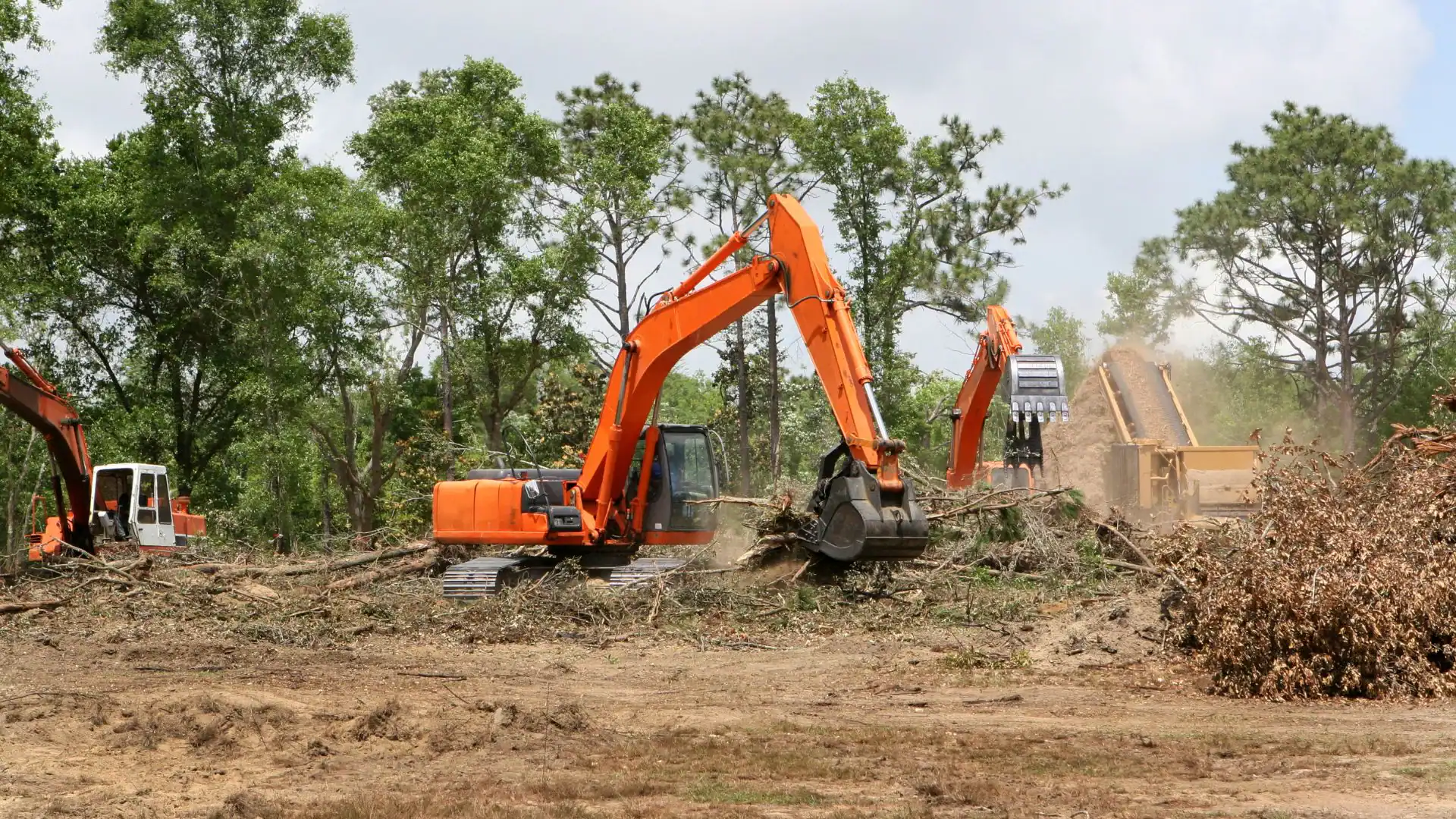
It depends on where your property sits relative to regulated wetland boundaries and in Center Moriches, that question matters more than in most places on Long Island. The NYSDEC regulates both tidal wetlands and freshwater wetlands, and the protected adjacent area around a regulated freshwater wetland extends 100 feet from the boundary. For tidal wetlands which are mapped and on file at the Suffolk County Clerk’s Office the regulated adjacent area can extend well beyond the visible wetland edge. If your property is near Moriches Bay, Mudd Creek, or any of the tidal creek corridors that cut through the hamlet, there’s a real possibility that some or all of your clearing scope falls within a regulated area.
The Town of Brookhaven also has its own wetlands and waterways permit requirements that operate separately from the state-level DEC process. Before any clearing work begins on a Center Moriches property, the applicable wetland maps need to be reviewed and the permit question needs to be answered. We do that as part of our site inspection process so you know what requires a permit before we quote, not after work has already started.
Clearing costs vary based on lot size, vegetation density, access conditions, and what the scope includes and in Center Moriches, the waterfront geography adds a few variables that don’t apply to inland jobs. Properties near tidal creeks or the bay may require permit coordination before clearing can begin, which affects timeline and occasionally scope. Stump removal, debris hauling, and rough grading are typically quoted as separate line items rather than bundled into a flat rate, because the volume of material on a neglected South Shore lot can vary significantly from one property to the next.
For a standard residential lot clearing job in this area full vegetation removal, stump grinding, and debris removal you’re generally looking at a range that reflects the actual scope of the work rather than a number pulled from a generic price list. We don’t quote Center Moriches jobs without a site inspection first, because a number given without seeing the property isn’t a real quote. What we can tell you is that every line item is explained before you sign anything, and the invoice matches the quote.
The most aggressive invasive species in the Center Moriches area is phragmites australis common reed. It colonises tidal wetland edges, creek banks, and low-lying areas throughout the Moriches Bay corridor, and it spreads fast once it gets established. Cutting it at the surface without addressing the root system doesn’t eliminate it it typically triggers regrowth within one season. Management near regulated wetland areas also needs to follow the NYSDEC’s General Permit framework for invasive species work, or the removal itself can create a compliance issue.
Beyond phragmites, overgrown residential and rural lots in this area commonly have oriental bittersweet a woody vine that overtakes shrubs and trees along with mugwort, multiflora rose, and increasingly, Japanese knotweed along disturbed ground and creek banks. These species are persistent and root-deep, which is why surface-level brush cutting rarely solves the problem long-term. Proper removal means getting to the root system, disposing of material correctly, and understanding which species you’re dealing with before you start because the removal approach isn’t the same for all of them.
Yes but it requires knowing exactly where the buffer begins and what the clearing scope includes relative to that boundary. Center Moriches waterfront and creek-front properties often have a portion of the lot that falls within the NYSDEC’s regulated adjacent area for tidal or freshwater wetlands. That doesn’t mean clearing is impossible it means the clearing scope needs to be assessed against the wetland maps before work begins, and any activity within a regulated area needs to either fall within an applicable permit or receive separate DEC approval.
In practice, many waterfront lot clearing jobs in Center Moriches can be completed or largely completed without triggering a full permit process, provided the scope is clearly defined and the regulated boundary is respected. Selective clearing that removes invasive species and overgrown vegetation while maintaining the buffer zone is often achievable. The key is having a contractor who knows where the line is before they start, not one who finds out mid-job when a neighbor calls the Town of Brookhaven’s environmental division. We review the applicable wetland maps as part of every site inspection on waterfront and creek-adjacent properties.
For a standard residential lot full vegetation removal, stump grinding, and debris removal most jobs in this area are completed within one to three days depending on lot size and vegetation density. Properties that have been neglected for an extended period, or parcels with significant invasive species coverage like phragmites or dense bittersweet, may take longer because the root removal and disposal process is more involved than a straightforward clearing job.
If permit coordination is required before work can begin which applies to some waterfront and creek-adjacent properties in Center Moriches that adds time to the overall project timeline, and it’s something we identify during the site inspection so you can plan accordingly. For new construction lots where you have a builder scheduled and a timeline to hit, we coordinate the clearing scope and schedule around your construction start date. The goal is to hand off a site that’s ready for the next phase of work not one that requires cleanup before your builder can begin.
Brush clearing typically refers to the removal of overgrown vegetation, shrubs, invasive species, and low-level growth without necessarily taking down mature trees or grinding stumps below grade. It’s the right scope for properties where the structure of the land is sound but the surface vegetation has gotten out of control. On Center Moriches waterfront properties, brush clearing is often the appropriate scope for managing creek-bank vegetation, restoring bay views, or addressing a phragmites problem along a tidal margin without triggering a full site disturbance.
Full land clearing goes further it includes all vegetation removal, tree felling, stump grinding to below grade, and typically rough grading to prepare the site for construction or landscaping. This is the scope for new construction lots, heavily overgrown parcels that need full reclamation, and properties where the goal is a clean, usable site from edge to edge. The right scope depends on what you’re trying to accomplish, and that’s a conversation we have during the site inspection not a decision we make for you based on what produces a larger invoice. Both services are available for Center Moriches properties, and both are quoted as itemised line items so you know exactly what’s included.