Hear from Our Customers
Most people don’t call a land clearing contractor because they want to. They call because something has gotten out of hand bamboo that’s taken over a corner of the yard, a rear lot that’s been swallowed by secondary growth over the past thirty years, or a property they just purchased that looks nothing like the listing photos once you walk the boundary line. Whatever got you here, the outcome you want is the same: land you can actually use.
For Commack homeowners, that outcome carries a little more weight than it does elsewhere. With home values sitting close to $860,000 in this area, what happens to your lot matters not just aesthetically, but financially. A cleared, properly finished site adds usable square footage to a property that’s already worth protecting. A job done poorly debris left behind, stumps at grade, soil disturbed near a neighbor’s fence creates new problems on top of the old ones.
The other thing that matters here specifically is compliance. Commack is split between the Town of Huntington and the Town of Smithtown, and each has its own tree ordinance. That’s not a technicality it’s a real regulatory difference that determines whether your clearing project needs a permit, and from which town. Getting that wrong can stop a project cold. Getting it right from the start means your site is ready when your contractor, landscaper, or builder shows up.
We work across Long Island, and Commack is territory we know well from the wooded northern neighborhoods near Sunken Meadow State Parkway that fall under the Town of Huntington, to the southern sections near Veterans Memorial Highway and the Hauppauge Industrial Park that fall under the Town of Smithtown. That dual-jurisdiction geography isn’t a footnote to us. It’s something we check before we quote.
We’re not a directory. We’re not a national platform routing your call to whoever’s available. When you reach out to us, you’re talking to the people who will be on your property with the equipment, the permits knowledge, and the accountability that comes with doing this work directly.
Commack’s vegetation profile mature oak canopy, decades of secondary growth on older lots, invasive species like bamboo and Japanese knotweed pushing in from neighboring properties is exactly the kind of clearing environment we work in every day. We know what needs to come out, what’s worth preserving, and how to leave a site that’s genuinely ready for whatever comes next.
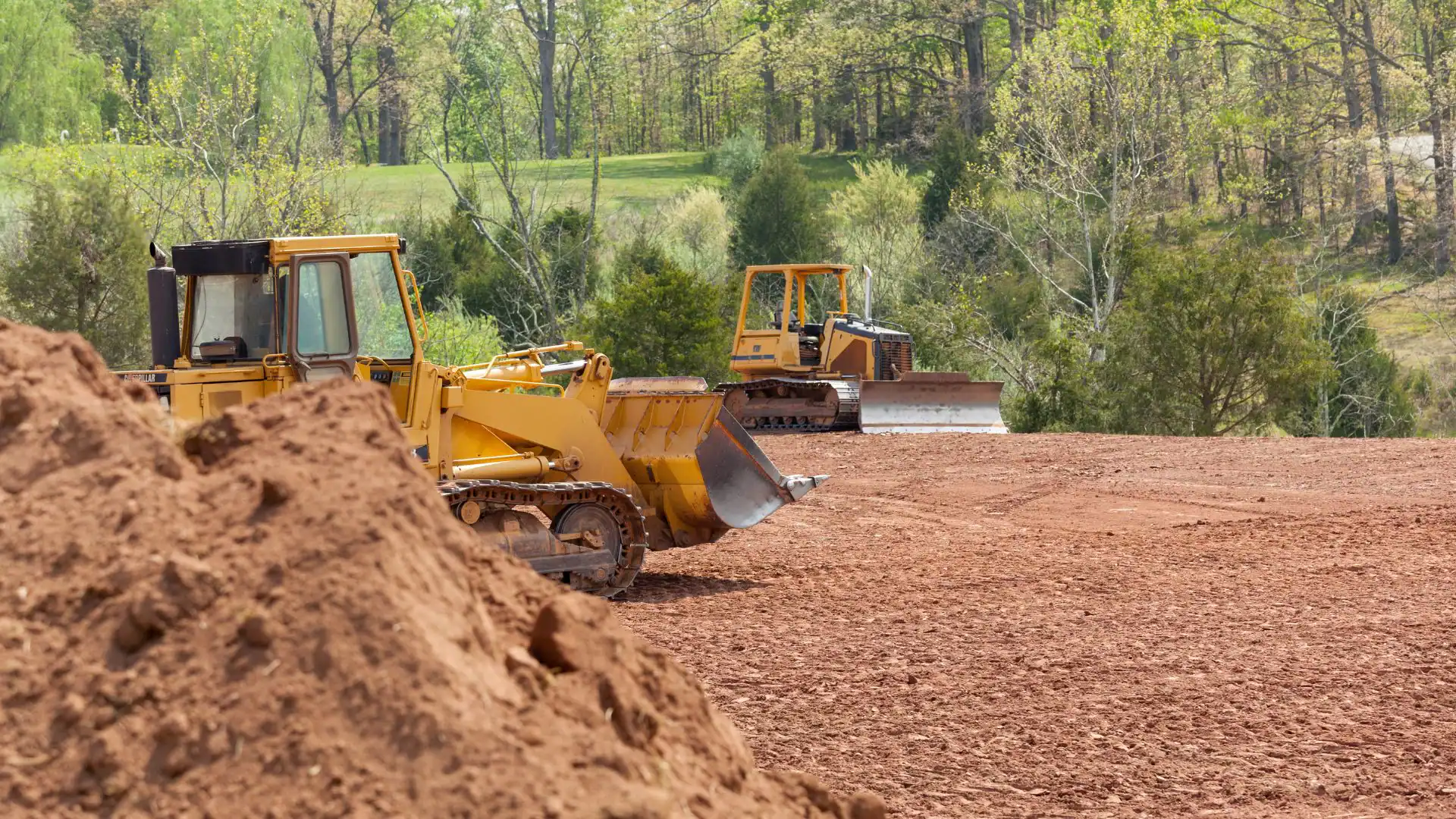
It starts with a site assessment. Before anything is quoted, we walk the property with you looking at what’s there, what needs to come out, what the ground conditions are, and what the clearing will involve at a practical level. For Commack properties, that assessment also includes a jurisdiction check: we confirm whether your parcel falls under the Town of Huntington or the Town of Smithtown, and we determine upfront whether a tree removal permit is required and from which office. That step alone saves a lot of headaches.
From there, you get a written, itemized quote. Clearing is separated from stump grinding, debris removal is its own line, and anything that could affect scope invasive species like running bamboo or Japanese knotweed, access limitations, proximity to neighboring structures is addressed before work begins, not after. There are no verbal agreements that shift at invoicing.
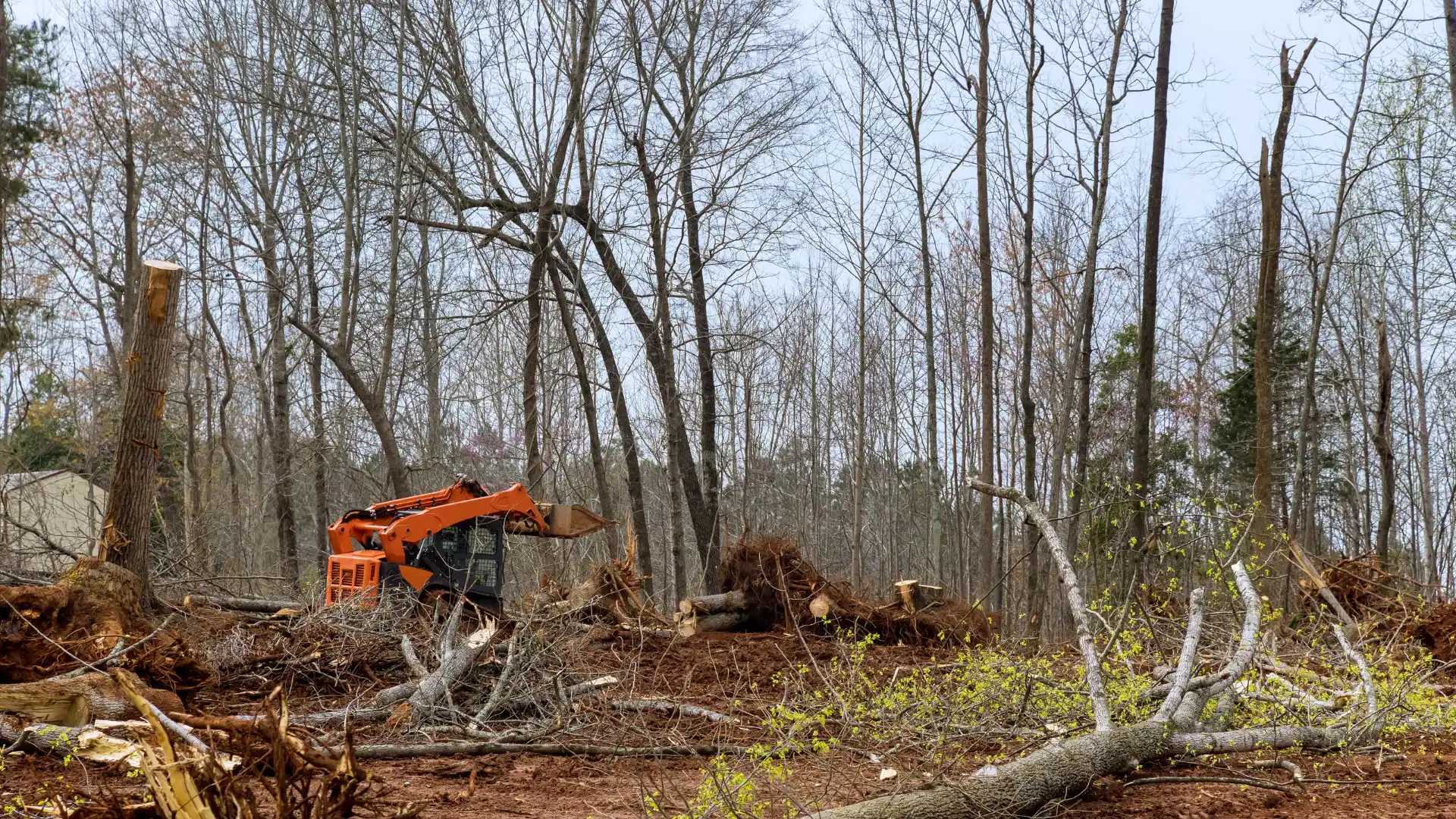
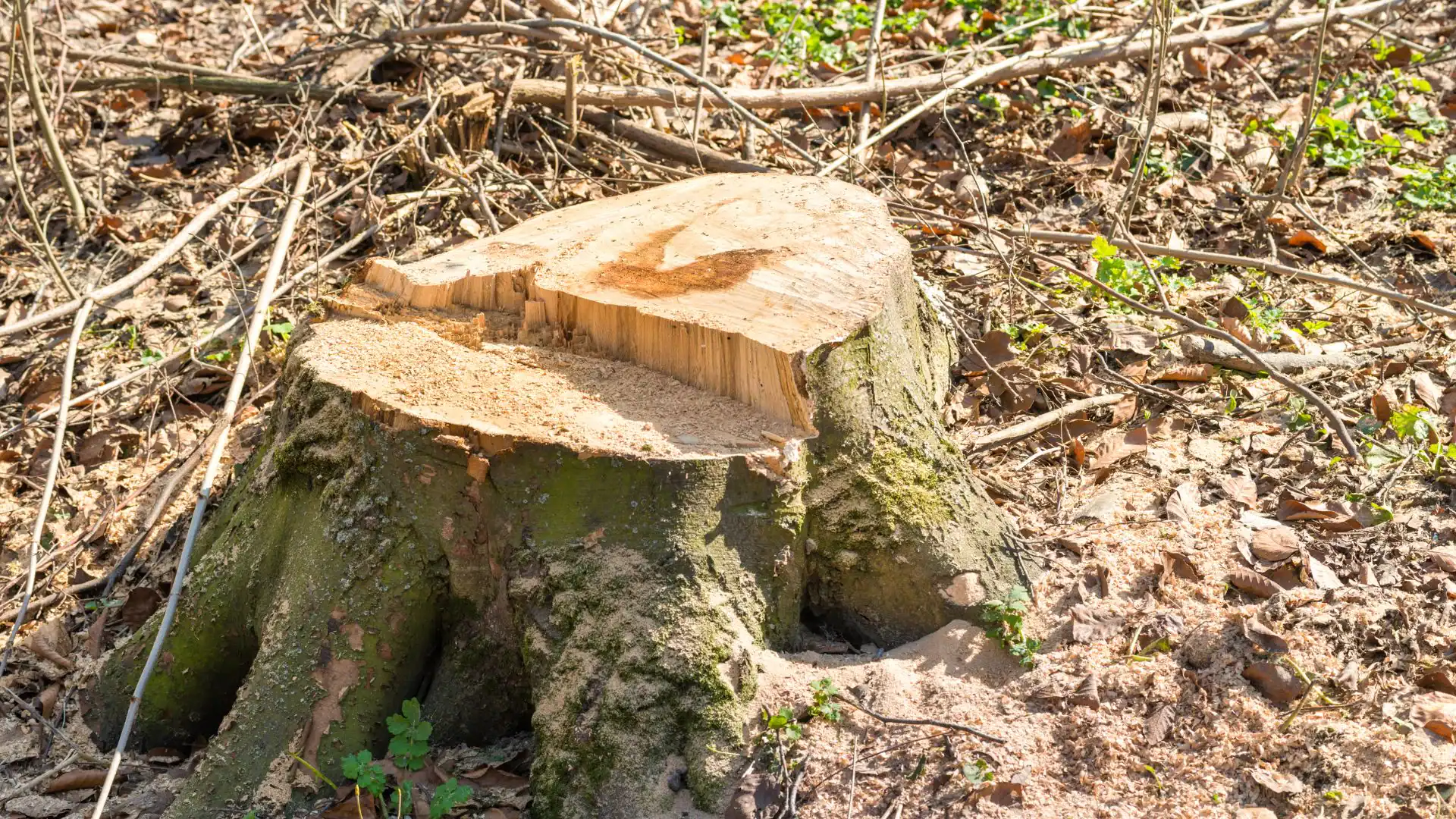
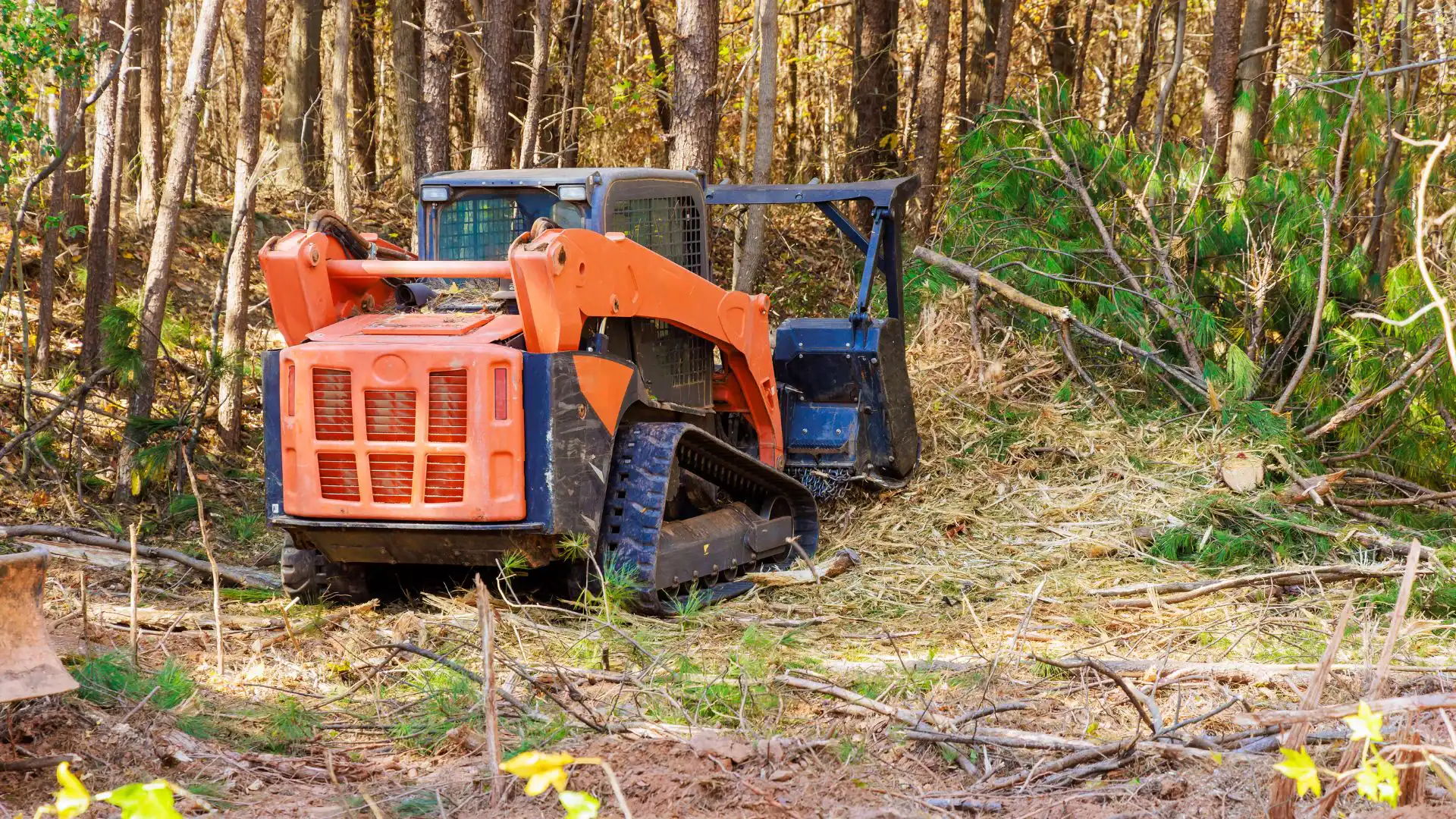
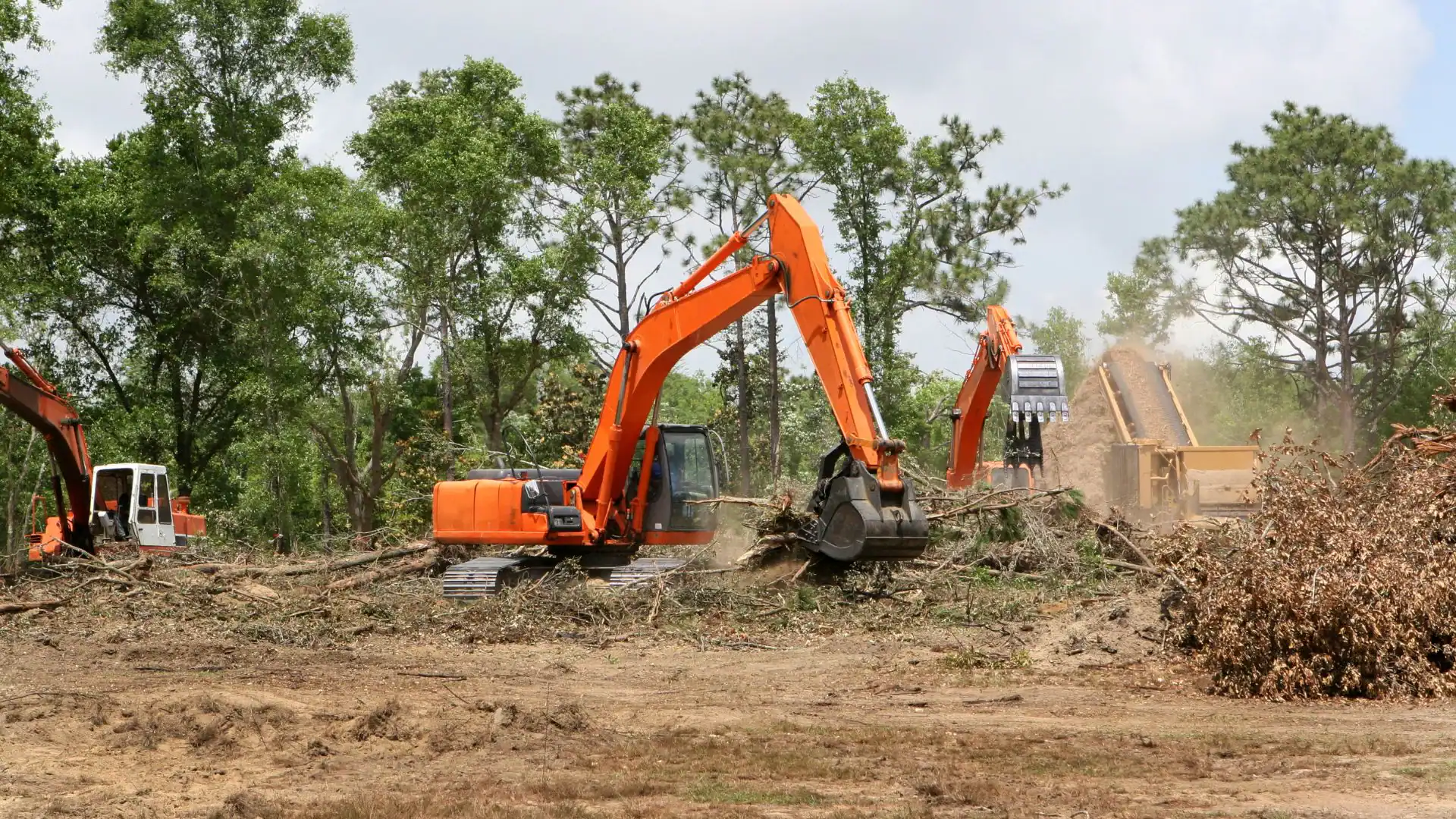
Once work starts, we move efficiently and carefully. Equipment is brought in with attention to neighboring trees, fences, and property lines because in a settled community like Commack, where lots are close together and neighbors are long-term, that care matters. When the job is done, the site is clean. Debris is removed or processed on-site, stumps are ground below grade, and the cleared area is left in a condition that’s ready for the next phase whether that’s construction, landscaping, or simply getting your yard back.
Ready to get started?
Not every property in Commack needs a full lot clearing. Some need targeted brush clearing along a boundary line that’s been colonized by multiflora rose and invasive shrubs. Some need land reclamation on a rear lot that hasn’t been touched in twenty years. Some are preparing for a pool, an addition, or a new construction start and need the full scope trees, stumps, understory, and debris handled cleanly and on schedule. We scope each job individually and quote accordingly, so you’re not paying for a full clearing when targeted vegetation removal is all that’s needed.
For overgrown property clearing in Commack, the most common challenge isn’t the size of the job it’s the species involved. Running bamboo and Japanese knotweed are both established invasive problems throughout Suffolk County, and both require more than cutting. Bamboo spreads via underground rhizomes that can re-sprout from the smallest fragment left in the ground. Japanese knotweed roots can reach nine feet deep and will push back through soil, mulch, and in some cases concrete if the root system isn’t properly addressed. We remove these species in a way that actually solves the problem, not just delays it.
Land reclamation services and lot clearing services in Commack are also frequently tied to construction timelines pool permits, building permits, accessory structure approvals. We work with those schedules, not against them, so your cleared site is ready when your next contractor needs it to be.
This is one of the most important questions to get right before any clearing begins in Commack and the answer depends on exactly where your property sits. Commack straddles two separate town jurisdictions: the Town of Huntington covers the northern portion of the hamlet, and the Town of Smithtown covers the southern portion. Each town has its own tree preservation ordinance, its own permit application process, and its own enforcement office. The Town of Huntington prohibits removing, damaging, or substantially altering any tree on private or public property without proper authorization, and extends those protections to activities like trenching near roots or altering grade around a trunk. The Town of Smithtown has a parallel ordinance that independently requires permits for tree removal or substantial alteration on any parcel.
Before we quote any clearing project in Commack, we identify which town’s rules apply to your specific parcel and determine whether a permit is required and from which office. You don’t need to navigate that yourself but you do need a contractor who handles it before work starts, not after a violation notice arrives.
Clearing costs vary based on lot size, vegetation density, species present, access conditions, and what’s included in the scope clearing only, stump grinding, debris removal, or some combination. For a typical residential lot in Commack, basic clearing of a moderately overgrown rear yard or boundary area might run anywhere from $1,500 to $5,000 depending on those variables. Larger lots, heavily wooded areas, or jobs involving invasive species like bamboo or Japanese knotweed will cost more because the work is more involved and cutting corners on invasive removal specifically tends to create a more expensive problem down the road.
What you should expect from any reputable contractor is a written, itemized quote not a ballpark number agreed to verbally that shifts when the invoice arrives. We separate clearing, stump grinding, and debris disposal as individual line items so you know exactly what you’re paying for. Commack homeowners are protecting significant property value, and transparent pricing is part of protecting that investment.
There’s no single best season, but there are strategic windows that work better depending on what you’re clearing and why. Spring is the busiest season on Long Island as homeowners plan construction and landscaping projects if you’re booking for spring, earlier is better because schedules fill quickly. Fall is a strong second window, particularly for homeowners preparing a site for a winter construction start. Deciduous trees losing their leaves in October and November actually makes it easier to assess the full scope of clearing in wooded areas, and firm fall ground handles equipment well.
Winter clearing is underutilized but genuinely practical in many situations. Dormant vegetation is easier to assess, frozen ground can support heavy equipment without the soil disturbance that wet spring conditions sometimes create, and schedules are more flexible. If you’re not on a hard construction timeline and want more scheduling flexibility, late fall through early winter is worth considering for Commack properties.
Yes but it requires the right approach, and it’s not a one-pass job in most cases. Running bamboo, which was commonly planted as a privacy screen on Long Island properties in the 1970s and 1980s, spreads via underground rhizomes that extend well beyond the visible above-ground growth. Cutting the canes without addressing the root system doesn’t remove bamboo it stimulates it. The plant responds to cutting by pushing new growth from the existing rhizome network, often more aggressively than before.
Effective bamboo removal in Commack involves mechanical removal of the root mass, not just surface cutting. Depending on how established the growth is and how far the rhizomes have spread including into neighboring lots the process may require multiple site visits over a growing season to confirm the root system has been fully addressed. We assess the full extent of bamboo growth before quoting, so you understand the scope and timeline before work begins, not partway through.
Commack has a significant stock of post-war homes built in the 1950s and 1960s, and many of those properties have rear lots or boundary areas that haven’t been actively managed in decades. What looks like a wooded rear yard on a listing often turns out to be a layered mix of mature native trees, decades of secondary growth black cherry, red maple, sumac and invasive species that have moved in from adjacent properties or wooded areas. Land reclamation on these sites is more involved than standard clearing because you’re working through multiple layers of established growth, not just surface brush.
The process starts with a thorough site walk to identify what’s present, what should be preserved, and what the clearing will realistically involve. From there, work is staged to move efficiently without damaging what stays neighboring trees, existing structures, underground utilities. The end result for most Commack reclamation jobs is a site that’s genuinely usable for the first time in years, whether the goal is a lawn, a landscaped space, or a cleared pad for construction.
A few things to check before anyone starts work on your property. First, ask for a certificate of insurance general liability coverage specifically and confirm it’s current. A contractor working on a Commack property without proper insurance puts you at financial risk if something goes wrong near a neighboring structure, fence, or tree. Second, ask for a written quote that itemizes the scope. Verbal agreements in this industry have a documented history of not holding a written document protects you if the number changes at invoicing.
Third, ask whether they’ve checked your permit requirements. Because Commack spans both the Town of Huntington and the Town of Smithtown, the applicable tree ordinance depends on where your parcel sits and a contractor who hasn’t verified that is a contractor who could create a compliance problem on your property. A legitimate operator handles that check as part of the quoting process, not as an afterthought. These aren’t complicated asks any reputable contractor should be able to answer all three without hesitation.