Hear from Our Customers
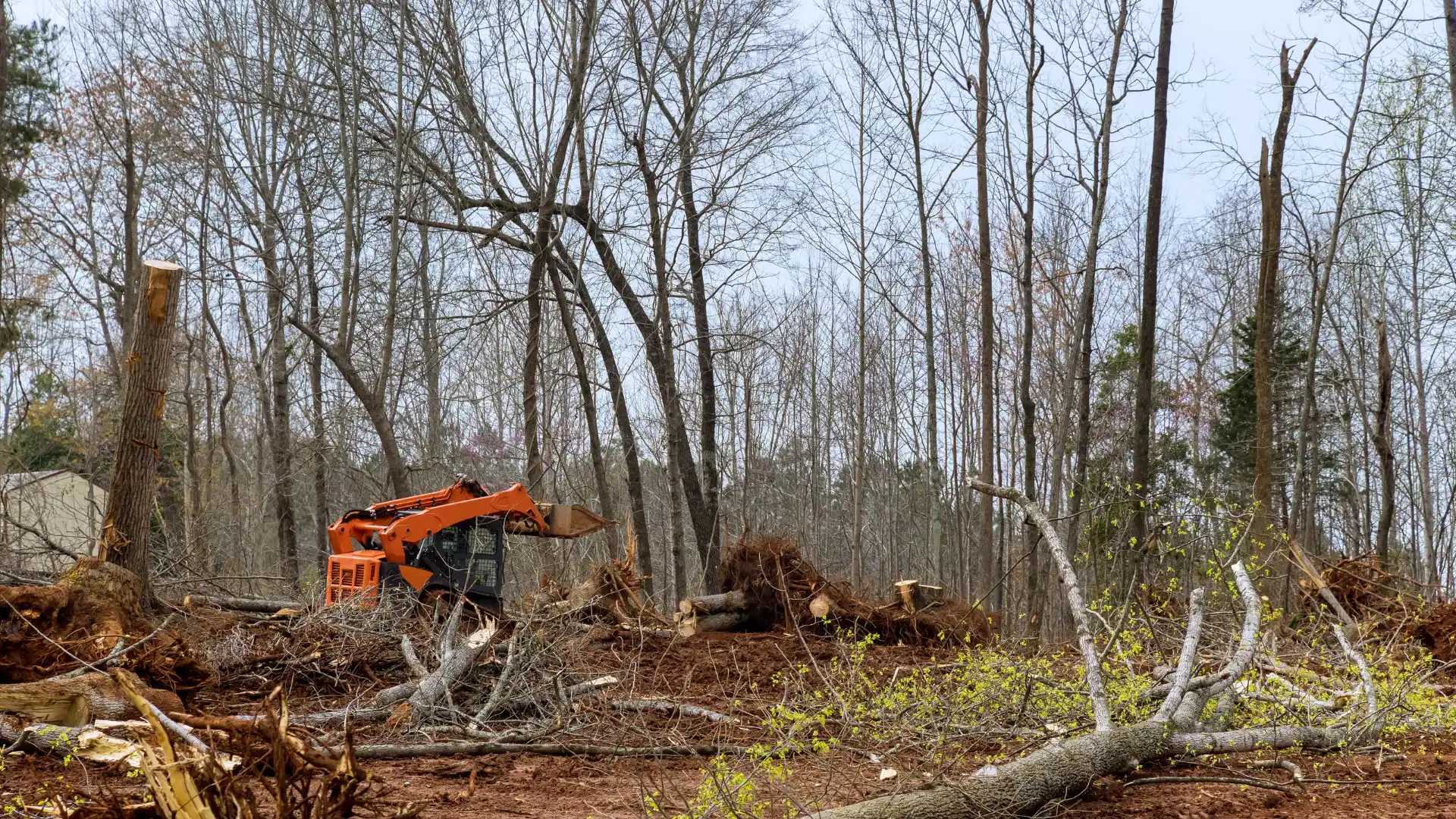
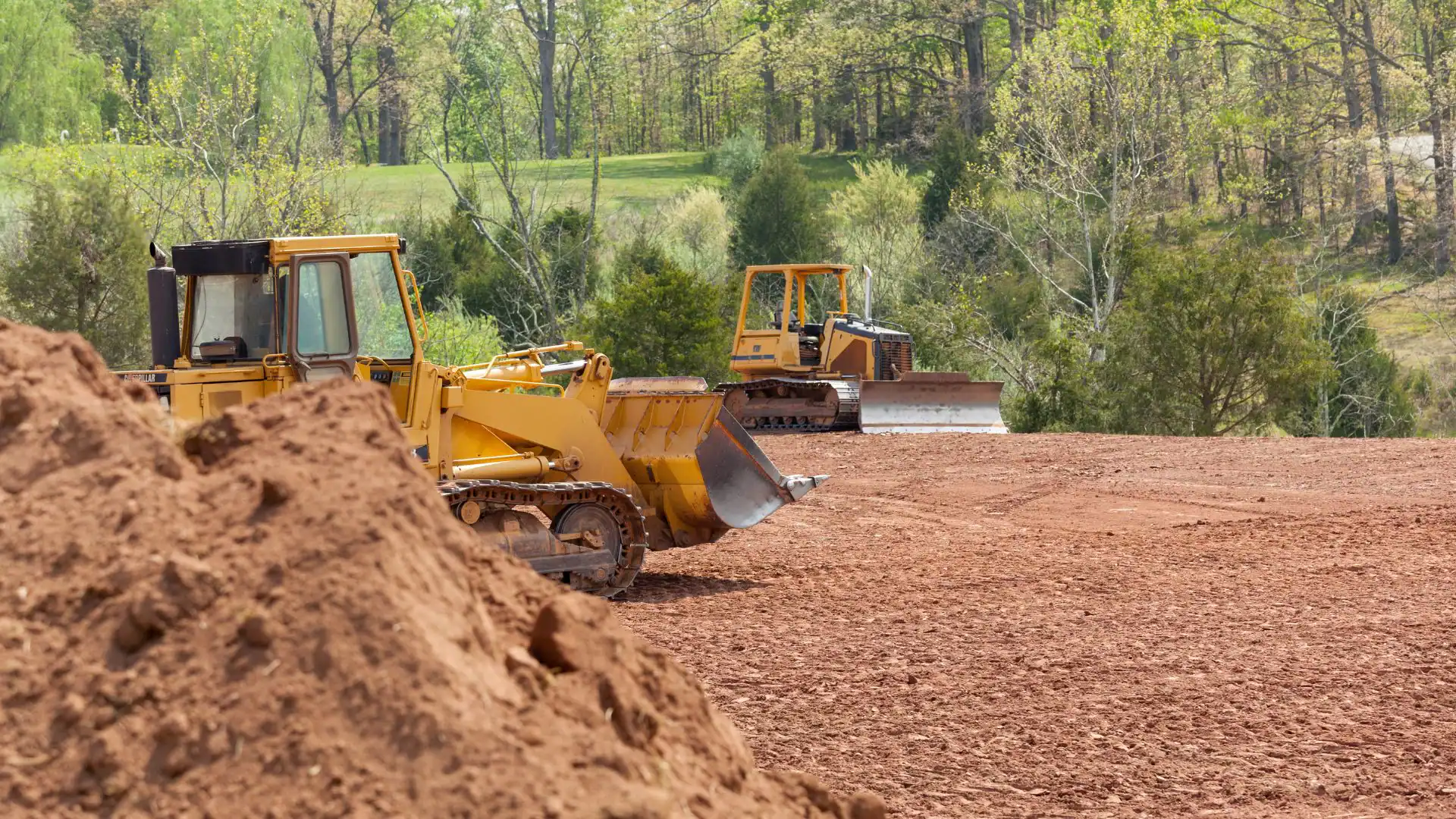
There’s a difference between a lot that’s been cleared and a lot that’s actually ready. When the job is done right, you’re not staring at a pile of brush pushed to the property line or a row of stumps that still need to go. You’re looking at a site that’s clean, graded to drain, and ready for whatever comes next a builder, a landscaper, or a real estate listing.
East Patchogue’s housing stock tells a specific story. The median home here was built around 1970, and a meaningful share of properties predate World War II. That means decades of unchecked growth self-seeded trees, invasive vines climbing fences and structures, shrubs that have consumed what used to be usable yard. When you finally decide to deal with it, you want it handled completely, not partially.
The South Shore adds another layer. Properties near the Swan River corridor or the edges of the Great South Bay wetland system carry real environmental exposure. A cleared lot that accidentally crossed a DEC wetland buffer isn’t just a landscaping problem it’s a state enforcement issue. Knowing where those lines are before the first tree comes down is what separates a smooth job from a costly one.
Gold Coast Landworks is a Long Island land clearing and earthworks contractor that works across Suffolk County including East Patchogue and the broader Patchogue-to-Bellport corridor on the South Shore. We’re not a tree service that added clearing to a service list. This is what we do, and we’ve built our process around the specific conditions and regulatory requirements that Long Island properties actually face.
That means we know the Town of Brookhaven’s Tree Clearing Permit requirements the 2-acre residential threshold, the 6-inch DBH rule for individual trees, and the landmark tree protections under Chapter 70 of the Town Code. We also know what DEC wetland buffer regulations look like for East Patchogue properties near the Swan River or the bay. These aren’t details we look up after you call. They’re part of how we quote every job.
What you get is a contractor who can tell you exactly what’s needed, what’s included, and what the site will look like when we leave before any equipment arrives.
It starts with a site assessment. Before we quote anything, we walk the property and look at what’s actually there tree coverage, invasive growth, stump count, access points for equipment, and proximity to any regulated wetland boundaries. For East Patchogue properties near the Swan River or the southern edge of the hamlet, that last part matters. We identify what can be cleared without additional permits and what might need DEC or Town review before work begins.
From there, you get an itemised quote. Not a single number that leaves you guessing a breakdown that shows clearing, stump grinding, debris removal, and any permit-related costs as separate line items. If the scope changes once work is underway because something unexpected turns up, you hear about it before we act on it.
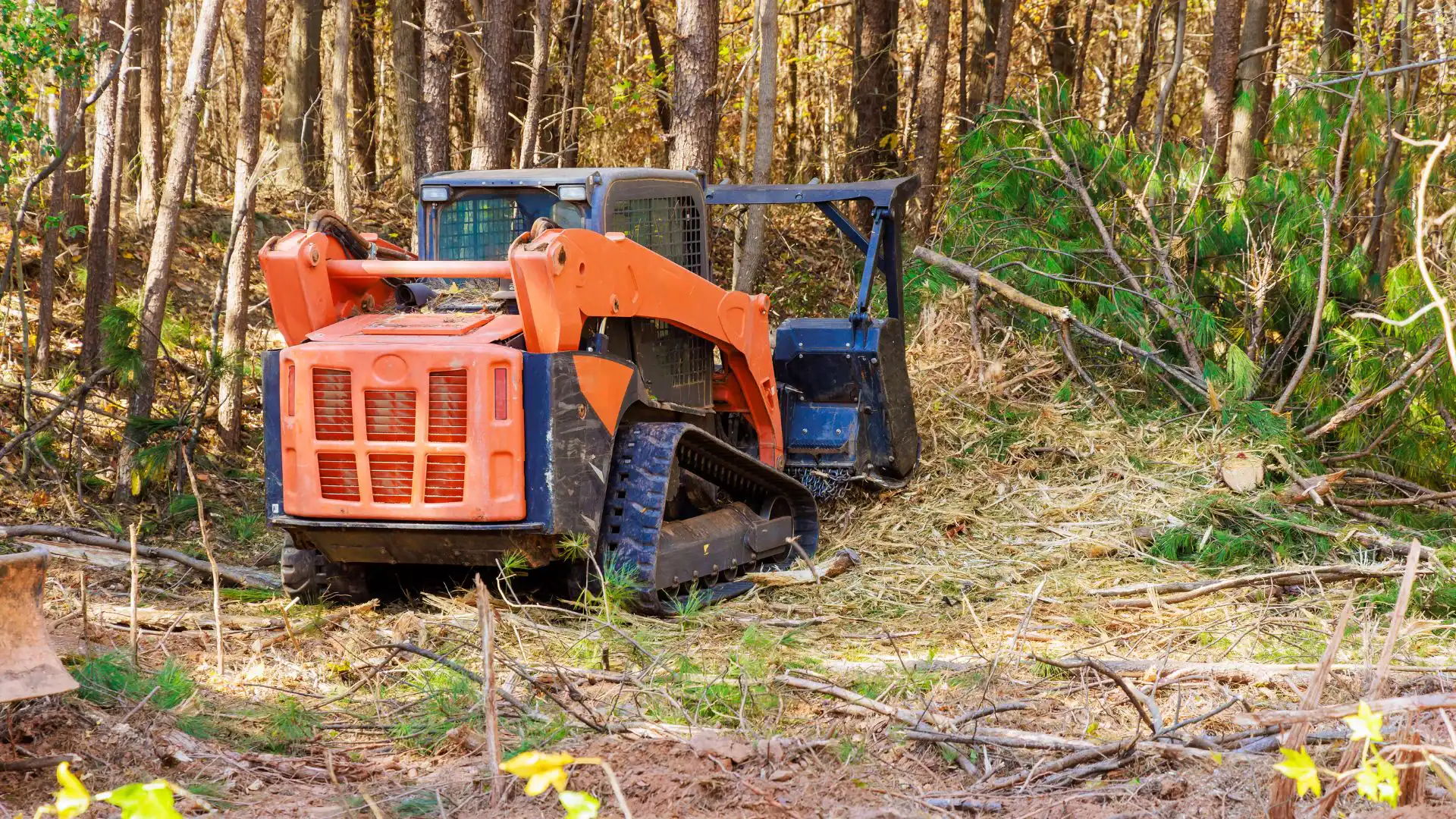
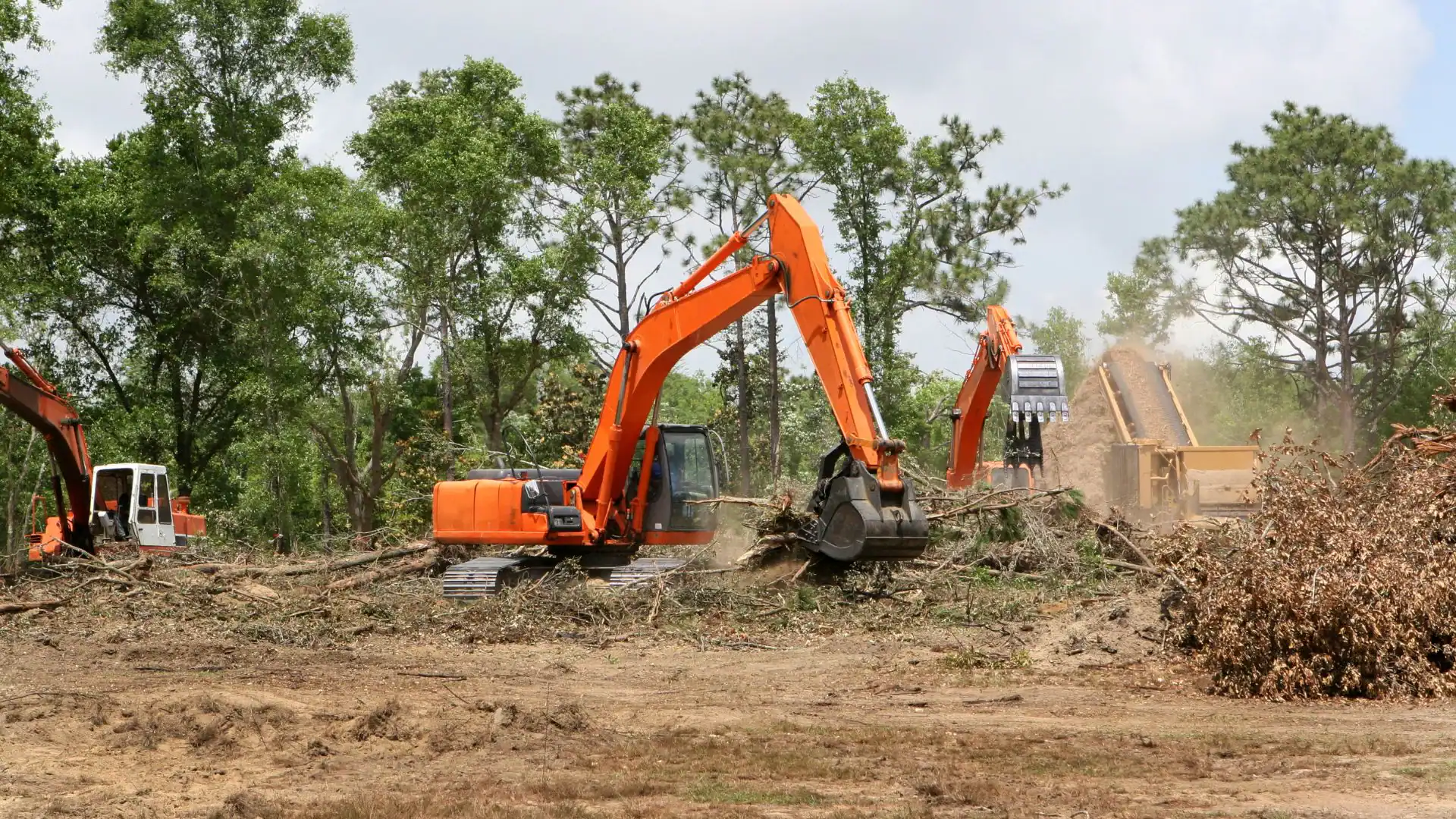
The clearing itself is sequenced to protect the surrounding property. Mature trees come down in sections where access is tight. Invasive species like Oriental bittersweet and porcelain berry both well-established across Long Island’s South Shore are removed at the root, not just cut back. When the job is complete, debris is hauled off-site and the area is left clean. No brush piles at the property line. No stumps left to deal with later. Just a site that’s ready for the next step.
Ready to get started?
Land clearing in East Patchogue isn’t one thing. Depending on your property, you might need full lot clearing ahead of a new build, targeted brush clearing to reclaim a yard that’s been taken over by invasive growth, or complete land reclamation on a parcel that hasn’t been touched in decades. We handle all of it and the scope of each job is defined upfront, not figured out as it goes.
For residential lots in East Patchogue, overgrown property clearing is one of the most common requests we see. Estate sale properties, long-term owner neglect, and years of unchecked invasive vine growth are the norm on older South Shore lots not the exception. We approach these jobs methodically: identify what’s invasive and what’s worth preserving, clear in the right sequence, grind stumps, and remove all debris from the site.
For properties in the development pipeline whether you’re subdividing, preparing for construction, or getting a parcel ready for sale we provide site clearing that meets Brookhaven Town requirements and leaves the lot in a condition your builder or surveyor can work with immediately. Every job includes a pre-work permit check, full debris removal, and a final walkthrough before we call it done. If your property is near a regulated water body, we flag that before the quote, not after.
It depends on your lot size and what you’re removing. In the Town of Brookhaven, a Tree Clearing Permit is required for residential properties of 2 acres or more including contiguous lots under the same ownership. For smaller residential lots in East Patchogue, individual tree removal still requires a permit application if the tree is 6 inches DBH (diameter at breast height) or larger. That application goes through Brookhaven’s Project Portal and requires photos and arborist review.
There’s also the question of landmark trees. Under Chapter 70 of the Town Code, any tree designated as a landmark cannot be removed without Town Board approval regardless of lot size. And if your East Patchogue property is near the Swan River or within reach of the Great South Bay wetland system, DEC freshwater or tidal wetland buffer regulations may apply on top of the Town’s requirements. Clearing within 100 feet of a regulated wetland without a DEC permit is a state-level issue, not just a local one. We check all of this before we quote your job so there are no surprises once work begins.
Clearing costs vary based on lot size, vegetation density, stump count, debris volume, and site access. For a standard residential lot in East Patchogue a typical single-family property with moderate overgrowth you’re generally looking at a range that reflects the full scope of work: clearing, stump grinding, and debris removal included. Smaller targeted jobs like brush clearing or invasive vine removal on a portion of the yard will come in lower. Larger parcels or heavily overgrown properties that haven’t been touched in years will come in higher.
What matters more than a ballpark number is getting an itemised quote that breaks down each component separately. That way you know exactly what you’re paying for and can make informed decisions about scope for example, whether to include stump grinding now or address it separately. We don’t provide single-number quotes that leave room for interpretation at invoice time. If something affects the price, you’ll know about it before the work starts, not after.
Several invasive species are well-documented across Long Island’s South Shore, and East Patchogue properties deal with them regularly. Oriental bittersweet is one of the most aggressive it wraps around trees and fences, girdles trunks over time, and regrows from root stock if you just cut it at the base. Porcelain berry looks similar and spreads just as readily. Japanese honeysuckle, English ivy, and Asian wisteria are also established in this area and can consume significant portions of a yard if left unchecked.
The critical thing to understand about invasive removal is that cutting above ground isn’t clearing it’s a temporary setback for the plant. Effective removal means addressing the root system, and in some cases treating cut stumps to prevent resprouting. We identify invasive species as part of the initial site assessment so the removal method matches what’s actually growing on your property. Disposing of invasive material also requires care some species can spread from cut material if it’s left on-site or composted improperly.
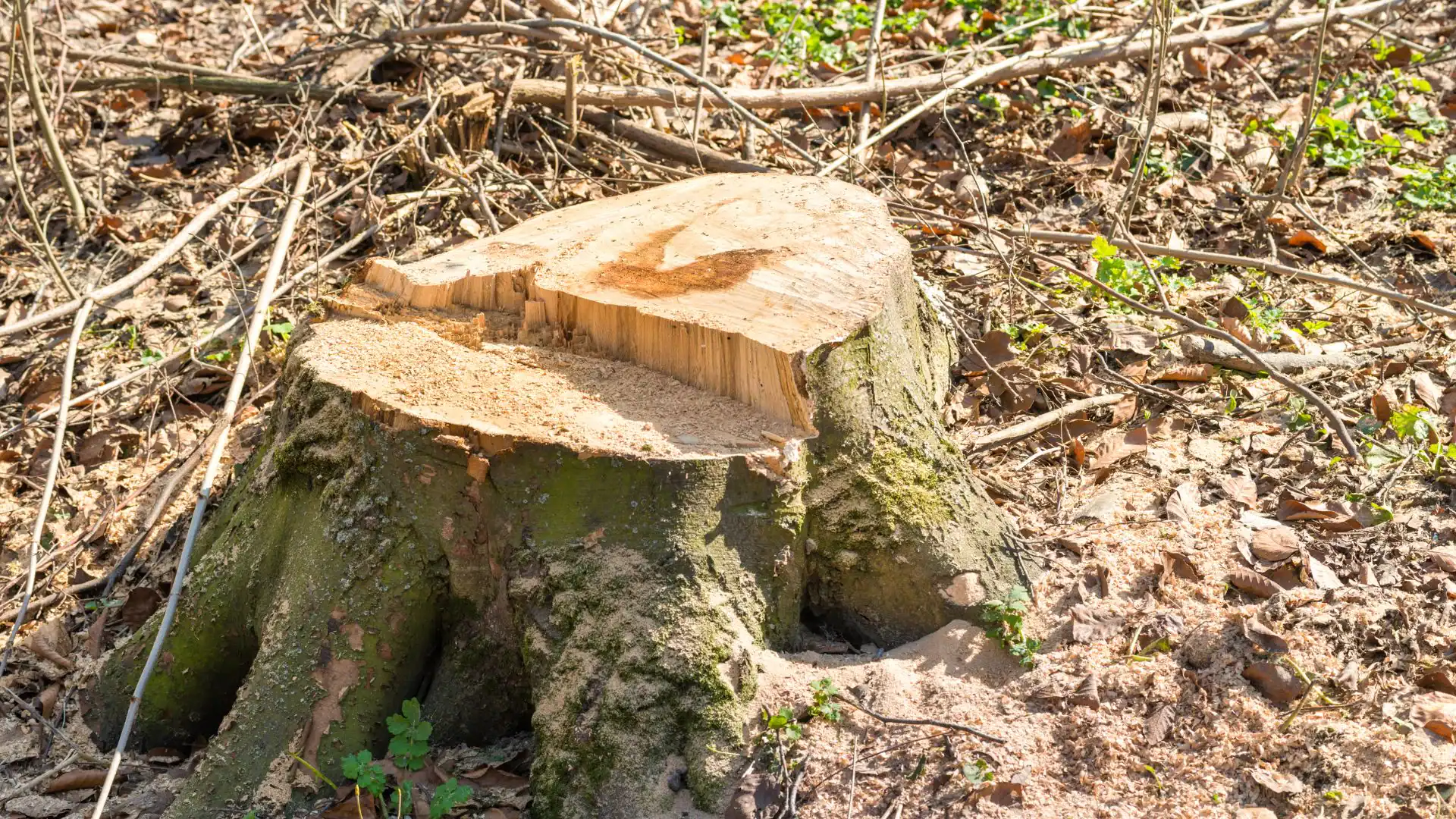
It should and with us, it does. Stump grinding and full debris removal are included in our standard clearing scope for East Patchogue jobs. We don’t consider a job complete if there are stumps left in the ground or brush piles sitting at the property line. That’s a common frustration with clearing contractors in this market, and it’s something we specifically address upfront in the quote process.
That said, the scope is always defined clearly before work begins. If there’s a reason to phase something for example, if you want to confirm a builder’s grading plan before final stump grinding we can structure the job that way. What we don’t do is leave ambiguity about what’s included. Your itemised quote will show stump grinding, debris hauling, and site cleanup as distinct line items so you know exactly what you’re getting. East Patchogue homeowners investing in a cleared lot deserve to know the full picture before a single tree comes down.
Clearing can happen year-round on Long Island, but there are practical considerations for each season. Spring and fall tend to be the most active booking periods spring because homeowners are preparing lots for construction or sale ahead of summer, and fall because the cooling weather makes heavy work more manageable and post-storm cleanup demand picks up after nor’easter season. Leaf fall in October and November also makes the full extent of overgrowth more visible, which sometimes prompts East Patchogue homeowners to finally address what they’ve been ignoring.
Summer is a fully active clearing season, though vegetation is at peak growth and the work is more demanding. Winter clearing is possible and sometimes advantageous dormant plants are easier to identify and remove, and frozen ground can actually improve heavy equipment access on softer South Shore soils. The main variable on the South Shore is post-storm demand following significant nor’easters or tropical weather events, which can create urgent clearing needs with tighter timelines. If you’re dealing with storm damage, reach out as soon as it’s safe to assess we don’t put storm work at the back of a long queue.
East Patchogue’s position on the South Shore means wetland proximity is a real consideration for a meaningful number of properties in the hamlet. The Swan River runs through the area, and the Great South Bay wetland system extends into the southern edges of the hamlet. New York State DEC regulates freshwater wetlands and their adjacent areas generally within 100 feet of the wetland boundary and tidal wetlands carry their own buffer requirements. Clearing within these regulated areas without a DEC permit can result in enforcement action that has nothing to do with what the Town of Brookhaven requires separately.
The most reliable way to check is through the DEC’s Environmental Resource Mapper, which shows regulated wetland boundaries by parcel. You can also request a pre-submission conference with the DEC for properties where the boundary is unclear. As part of our site assessment process for East Patchogue jobs, we identify potential wetland adjacency before we quote and if DEC review is likely required, we tell you that upfront so it’s factored into your project timeline. You shouldn’t find out about a wetland buffer issue after clearing has already started.