Hear from Our Customers
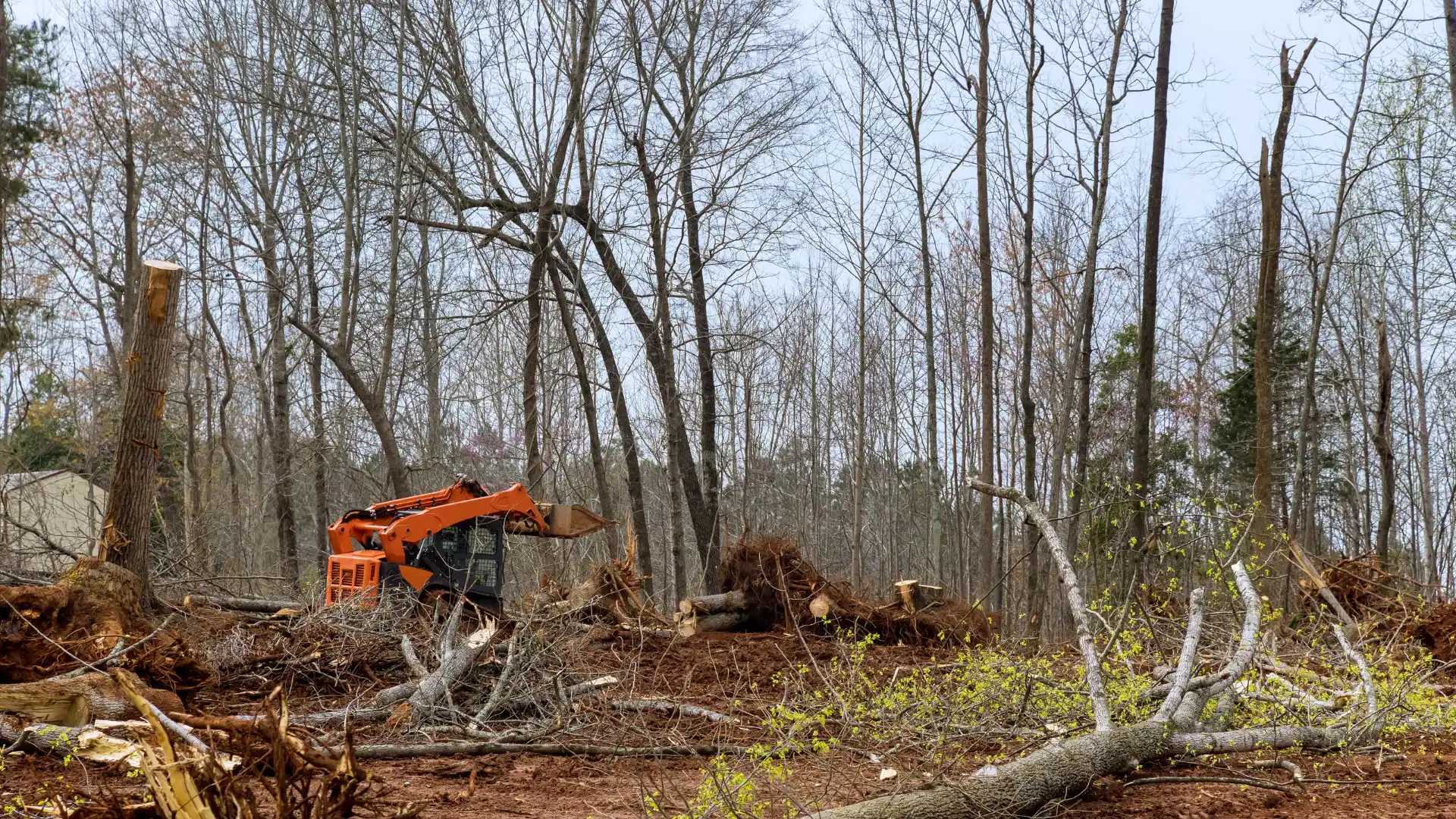
A lot of North Amityville properties have been carrying the same overgrowth for 20, 30, sometimes 40 years. Post-war homes that changed hands through estate sales. Rental properties vacated and left unchecked. Lots acquired by new buyers at a lower price precisely because the vegetation situation was bad. The clearing need is real and it doesn’t fix itself.
What you actually want is simple: a property you can use, sell, build on, or stop getting code enforcement notices about. That means the vegetation is gone, the stumps are dealt with, the debris is hauled away, and the site is clean when we leave. Not mostly clean. Not “we’ll come back for the rest.” Done.
North Amityville’s older residential lots come with a specific set of challenges. Tight access between structures, shared fence lines with neighbours, and invasive species that have been spreading unchecked for years bamboo that’s crossed property lines, Ailanthus trees growing through fences, porcelain berry smothering everything in the back yard. These aren’t problems a standard mow-and-blow service can solve. They need the right equipment, the right approach, and someone who actually knows what they’re dealing with before they quote you.
We’re a Long Island-based land clearing and earthworks contractor serving North Amityville, Copiague, East Farmingdale, North Lindenhurst, and the surrounding South Shore communities. We’re not a national directory farming leads to whoever picks up. We’re the crew that actually shows up, does the work, and knows the difference between a standard clearing job and one that needs a Town of Babylon land clearing permit before the first machine touches the property.
That local knowledge matters more than most people realize until something goes wrong. We understand the vegetation conditions on North Amityville’s residential lots the invasive species, the tight lot patterns, the older housing stock and we understand the regulatory environment that governs clearing work in this jurisdiction. When you get a quote from us, it reflects what the job actually involves. No surprises at the end.
It starts with a site assessment. Before we quote anything, we look at what’s actually on the property vegetation type and density, access conditions, proximity to neighbouring structures, and whether the job involves any invasive species that require a different removal approach. For properties in North Amityville, that assessment also includes a permit check. The Town of Babylon requires a land clearing permit for vegetation removal, and the application needs the Suffolk County Tax Map Number along with a description of existing site conditions. We handle that process and make sure everything is in order before work begins because starting without it isn’t worth the risk to you.
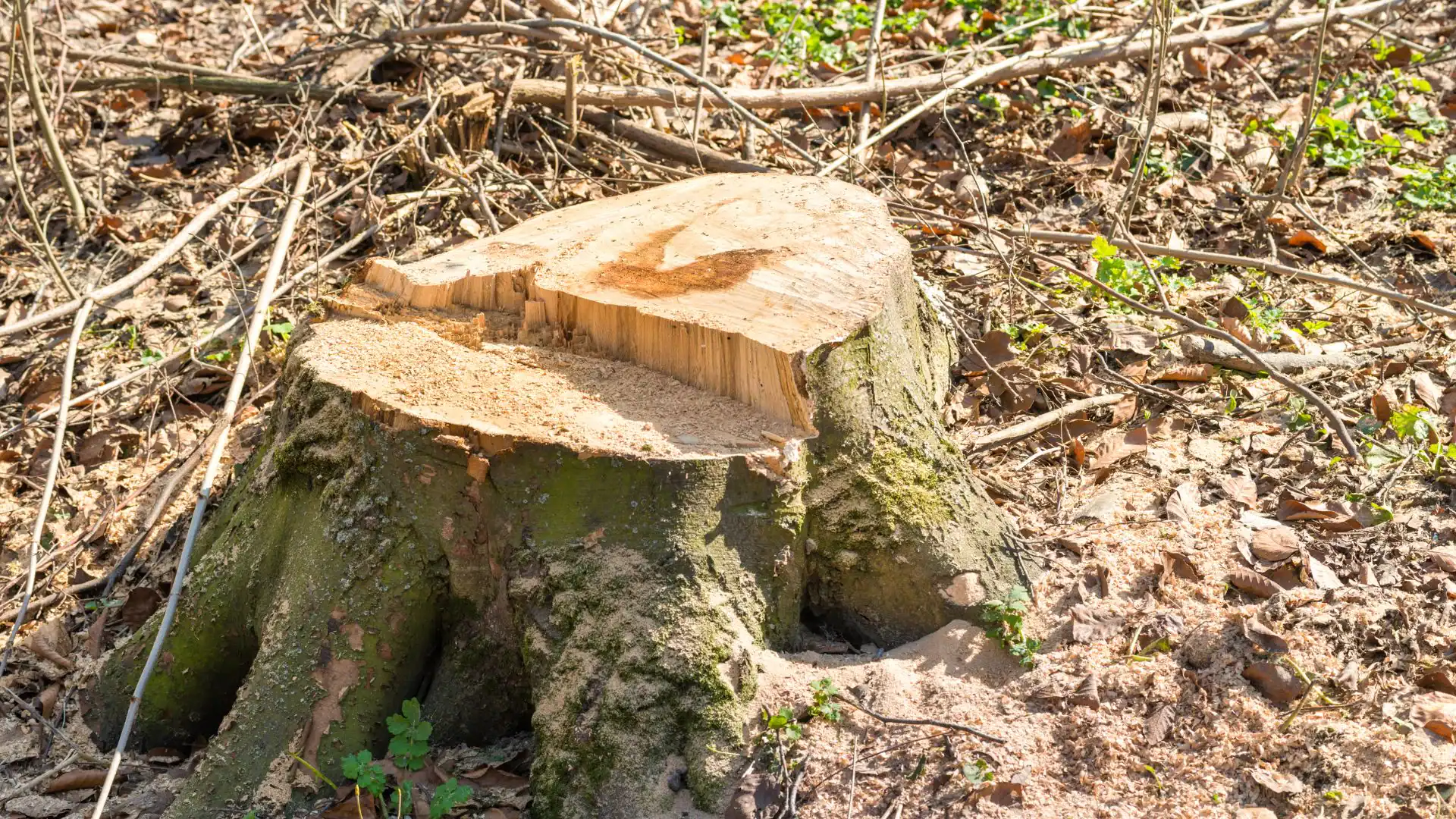
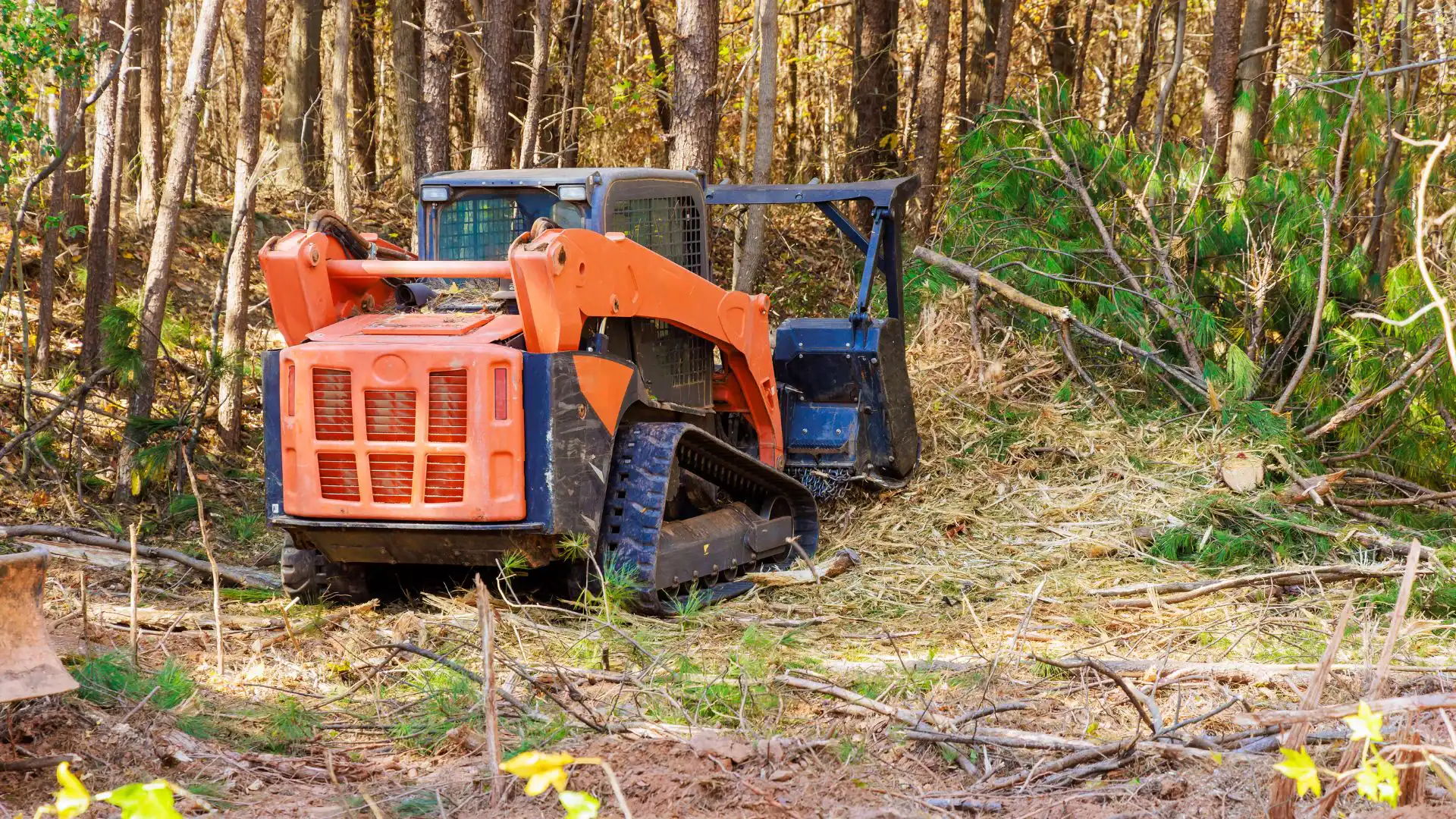
Once the permit is confirmed and the scope is agreed, we mobilise with equipment matched to the job. North Amityville lots are small and closely spaced, so we use machinery that can work in tight residential spaces without damaging fences, neighbouring plantings, or structures. Clearing comes first, then stump grinding, then debris removal and site cleanup. If invasive species are part of the picture bamboo, Japanese knotweed, Chinese tree of heaven those get addressed at the root level, not just cut back above grade.
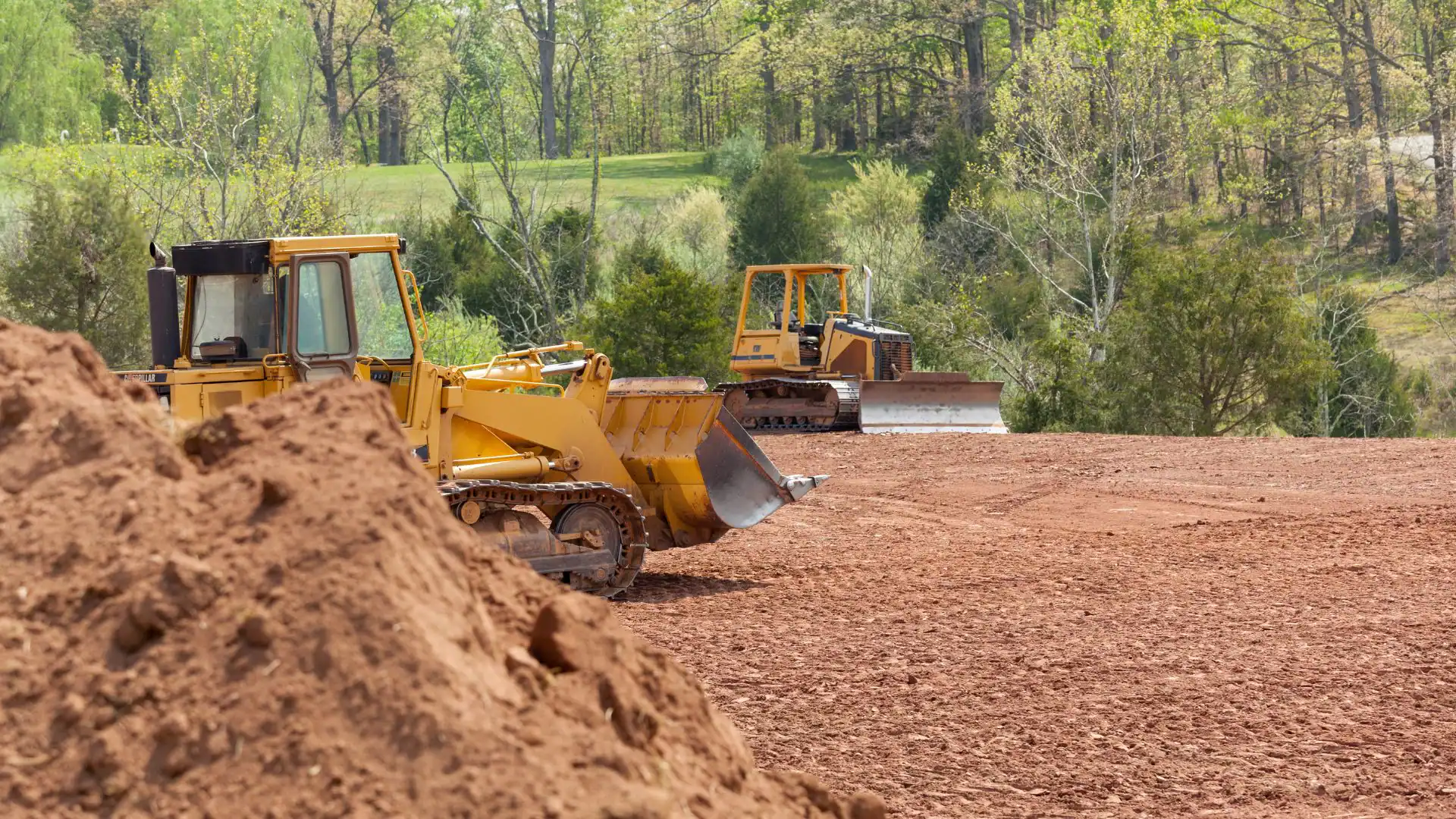
When we’re done, the site is clean. Debris is hauled, stumps are ground, and the property is ready for whatever comes next landscaping, construction, listing for sale, or simply passing a Town of Babylon code inspection without a violation notice attached.
Ready to get started?
Land clearing in North Amityville covers a wide range of situations, and the scope of the job depends entirely on what’s there. Full lot clearing for a property that’s been neglected for decades is a different job than targeted brush clearing along a fence line or overgrown property clearing on a recently purchased home. We handle all of it and quote each job based on what we actually see, not a flat rate that leaves you guessing what’s included.
For properties dealing with invasive species, the approach changes. Nassau and Suffolk Counties were the first in New York State to legislate against invasive plant species and for good reason. Bamboo, Japanese knotweed, porcelain berry, and Ailanthus are widespread in North Amityville’s residential lots, and they don’t respond to standard clearing methods. Cutting them back without addressing the root system just means they’re back by next season. We treat invasive species removal as a distinct scope item, quoted separately and handled with the equipment and technique the species actually requires.
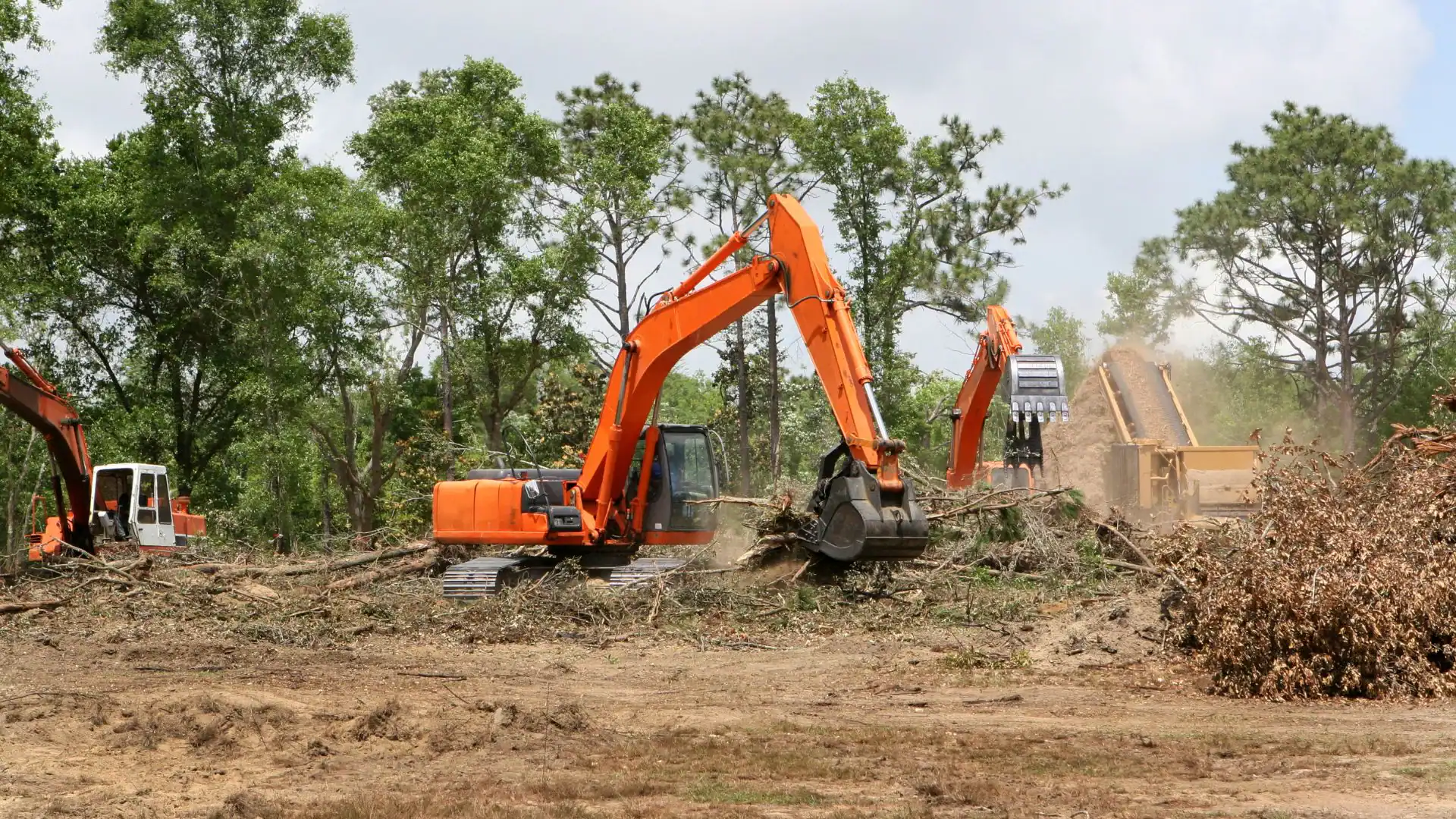
Land reclamation services are available for properties that have gone beyond overgrown where the original yard is no longer visible, structures are being affected by root systems, and the lot needs systematic restoration before it can be used for anything. Debris removal and haulage is included in every quoted scope, clearly itemised so you know exactly what you’re paying for before the job starts. In a dense residential community like North Amityville, where a pile of brush left on site can trigger a fresh code enforcement complaint, that’s not optional it’s part of the job.
Yes and this is one of the most important things to confirm before any clearing work begins on your property. The Town of Babylon requires a land clearing permit for the removal of trees and associated vegetation within its jurisdiction. The application goes to the Town’s Department of Planning and Development, Building Division, and it needs to include the Suffolk County Tax Map Number for your property along with a description of the existing vegetation and site conditions.
A lot of contractors in this area skip this step either because they don’t know about it or because they’re hoping you don’t. That puts you, the property owner, at risk of enforcement action after the fact. We confirm permit requirements before quoting every job in North Amityville, and we walk you through what’s needed so there are no surprises. If your property is near any drainage features or mapped wetlands, Suffolk County environmental regulations may also apply, and we flag those during the assessment as well.
The Town of Babylon’s Code Enforcement division actively enforces vegetation height ordinances residential grass cannot exceed eight inches, and vacant lot vegetation is capped at two feet. If you’ve received a Notice of Violation, you have 10 days to comply before a summons is issued. That’s a tight window, and it’s one of the most common situations we get called about in North Amityville.
If you’re already in that 10-day window, the first thing to do is call us and be upfront about the timeline. We prioritize scheduling for compliance-driven jobs because we understand what’s at stake. We’ll assess the property, confirm what the Town requires for compliance, and get the work done within a timeframe that keeps you out of further enforcement action. The clearing permit requirement still applies even in a compliance situation, so we handle that piece as part of the process rather than cutting corners to save time.
These two species are among the most difficult invasive plants to remove on Long Island, and they’re both extremely common in North Amityville’s residential lots. Bamboo particularly running bamboo spreads through underground rhizomes that can extend well beyond the visible plant. Japanese knotweed regrows from root fragments as small as a fingernail. Cutting either one back without addressing the root system doesn’t solve the problem it just delays it by a season or two.
Effective removal requires excavating or grinding the root mass, not just clearing the above-ground growth. For bamboo, that typically means mechanical excavation of the rhizome network. For knotweed, it often involves a combination of mechanical removal and follow-up treatment to prevent regrowth from any remaining root material. Nassau and Suffolk Counties were the first in New York State to establish “Do Not Sell” lists for invasive plant species precisely because these plants are so persistent and damaging. We scope invasive species removal as a separate line item in every quote so you know exactly what the remediation involves and what it costs.
Cost depends on what’s on the property, how dense the vegetation is, what access looks like, and whether invasive species are part of the scope. For a standard residential lot in North Amityville which tends to be smaller than a quarter-acre given the hamlet’s dense post-war layout basic clearing of moderate overgrowth typically runs somewhere in the range of $800 to $3,500. That range moves significantly based on vegetation density, stump count, and debris volume.
Invasive species removal bamboo, Japanese knotweed, Ailanthus commands a higher cost because the work is more involved and requires specialized equipment and technique. Debris haulage is a real cost factor too, particularly on lots where the volume of material is significant. We itemise every component of the quote clearing, stump grinding, debris removal, and any invasive species treatment so you can see exactly where the cost is coming from. There are no line items that appear on your invoice that weren’t on your quote.
There’s no single wrong time to clear a property in North Amityville, but fall tends to be the most practical season for a few reasons. Vegetation has finished its active growing cycle, leaf drop makes it easier to see the full extent of what’s on the lot, and ground conditions on Long Island’s sandy soils are typically firm enough for equipment access. Property owners planning spring construction or landscaping projects often clear in fall so the site has time to settle over winter.
Spring is also a high-demand window new homeowners who purchased over winter start clearing projects as soon as the weather allows, and invasive species like knotweed and porcelain berry are easiest to identify and assess before full leaf-out. Summer clearing is absolutely possible, though it’s worth knowing that knotweed and Ailanthus are at their most aggressive during the growing season, so the window between cutting and regrowth is shorter if root treatment isn’t part of the scope. If you’re working against a code enforcement timeline, the right time to clear is as soon as possible regardless of season.
It depends on how the job is scoped and quoted and this is exactly the kind of detail that causes problems when it isn’t clarified upfront. Some contractors quote clearing only and treat stump grinding and debris haulage as separate add-ons that show up on the final invoice without warning. That’s the most common complaint we hear from property owners who’ve been through a bad clearing experience.
With us, every quote is itemised. Clearing, stump grinding, and debris removal are each listed as separate line items so you know what’s included and what it costs before any work starts. In a dense residential community like North Amityville where lots are small, neighbours are close, and a pile of brush left on site can generate a fresh code enforcement complaint leaving debris behind isn’t an option we’re comfortable with. If debris haulage is in the quote, it gets done. The site is clean when we leave.