Hear from Our Customers
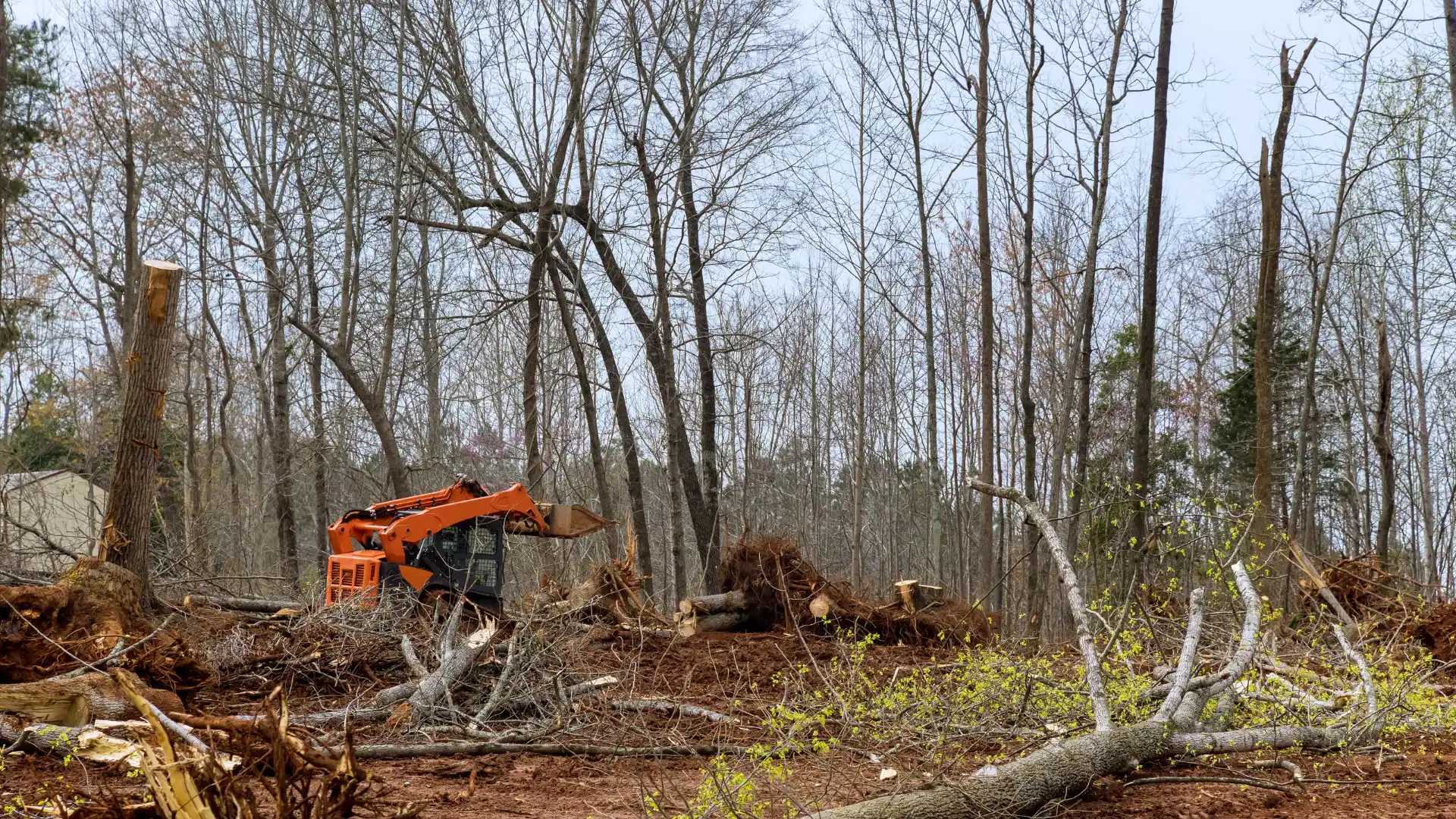
When a Riverhead property sits too long, it doesn’t stay the same. Scrub oak, pitch pine, multiflora rose, and invasive bittersweet move in fast especially in the humid summers that define this end of Long Island. What looked manageable in spring can be a serious overgrowth problem by fall, and by the time you’re ready to build or sell, you’re dealing with years of accumulated vegetation that basic equipment simply won’t handle.
The bigger issue for most Riverhead property owners isn’t the clearing itself it’s the compliance layer underneath it. Town of Riverhead Chapter 295 prohibits clearing within 150 feet of any freshwater wetland or watercourse without a written permit, and within 300 feet of tidal waters. With the Peconic River running through town and wetland boundaries scattered across parcels in Calverton, Aquebogue, and Jamesport, a lot of properties have setback requirements that the owner doesn’t even know exist. Clearing without checking that first is how you end up with an enforcement notice and a restoration order.
When the job is done right, you get a site that’s genuinely usable debris removed per Town Code requirements, boundaries respected, and land that’s ready for whatever comes next. Whether that’s a construction start, a replanting plan, or simply getting a neglected parcel back under control, the outcome should be clean, clear, and legally sound from the first day of work.
We operate across Long Island with a focus on doing clearing work the right way which in a town like Riverhead means understanding the land before the machines arrive. The Peconic River corridor, the former military parcels out in Calverton, the bluff properties in Baiting Hollow, the agricultural margins in Aquebogue these aren’t interchangeable. Each one has its own terrain, its own vegetation profile, and its own regulatory considerations.
That local knowledge isn’t incidental. It’s what keeps your project on schedule and out of trouble. We assess wetland setbacks, review applicable Town Code requirements, and flag any permit needs before quoting so you’re not hit with surprises mid-job. Suffolk County home improvement licensing and full liability insurance are in place on every project.
If you’re clearing land anywhere in the Riverhead area, you deserve a contractor who’s actually thought about what your specific parcel involves not one who shows up with a machine and figures it out as they go.
It starts with a site assessment. Before any equipment is scheduled, we look at your parcel what’s growing on it, what the terrain looks like, and whether there are any wetland boundaries, drainage systems, or setback zones that affect what can be cleared and how. In Riverhead, this step isn’t optional. Given the Peconic River corridor and the number of properties that sit near regulated freshwater wetlands, skipping the assessment is how jobs go sideways.
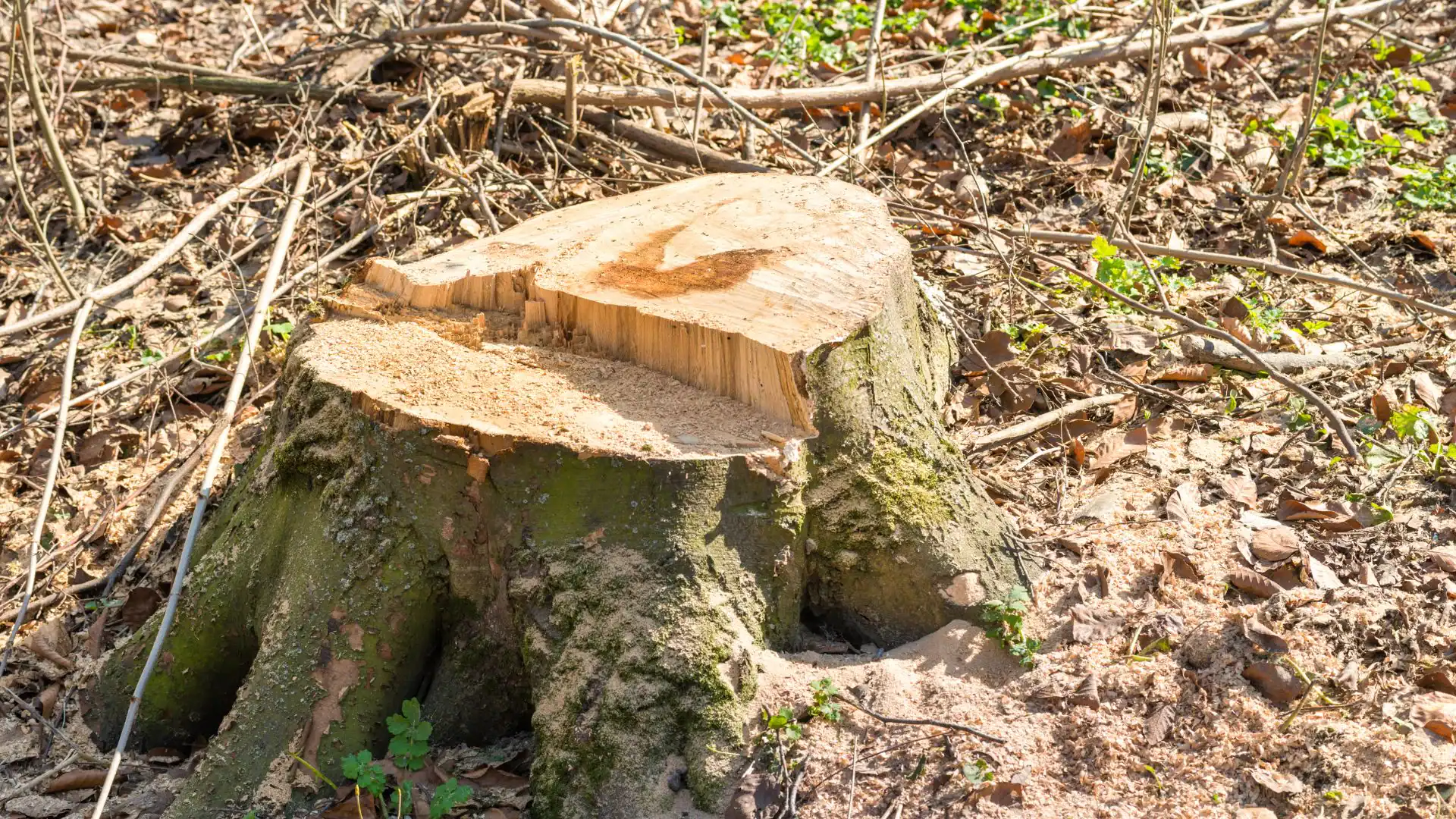
Once the scope is clear, you get a detailed quote that separates the work clearing, stump removal, debris haulage so you know exactly what’s included. If a permit is required under Town of Riverhead Chapter 295 or through the NYSDEC, we tell you before work begins, not after. Scheduling is built around your timeline, with fall and spring typically being the best windows for heavy machinery access on Riverhead’s varied soils.
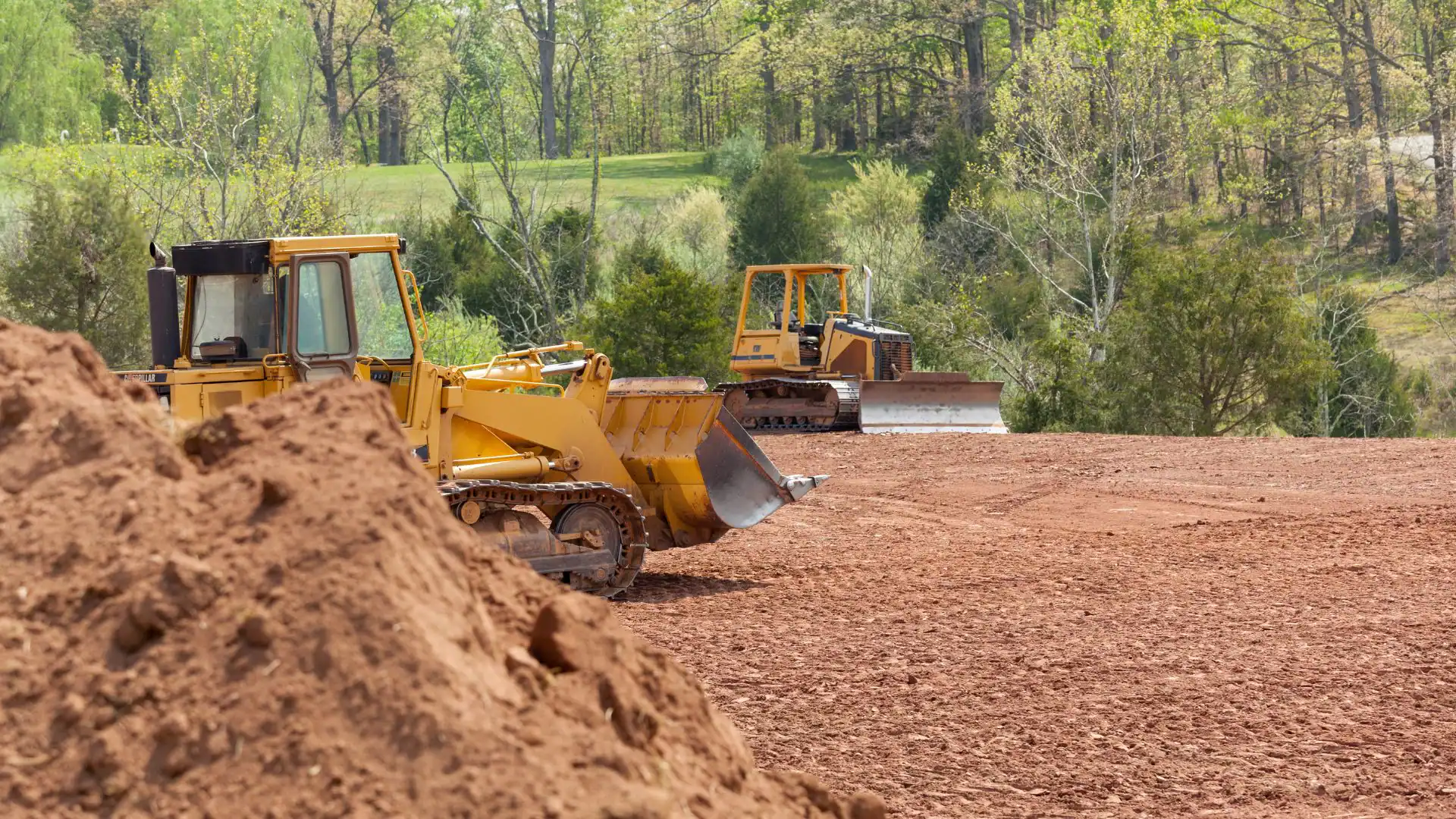
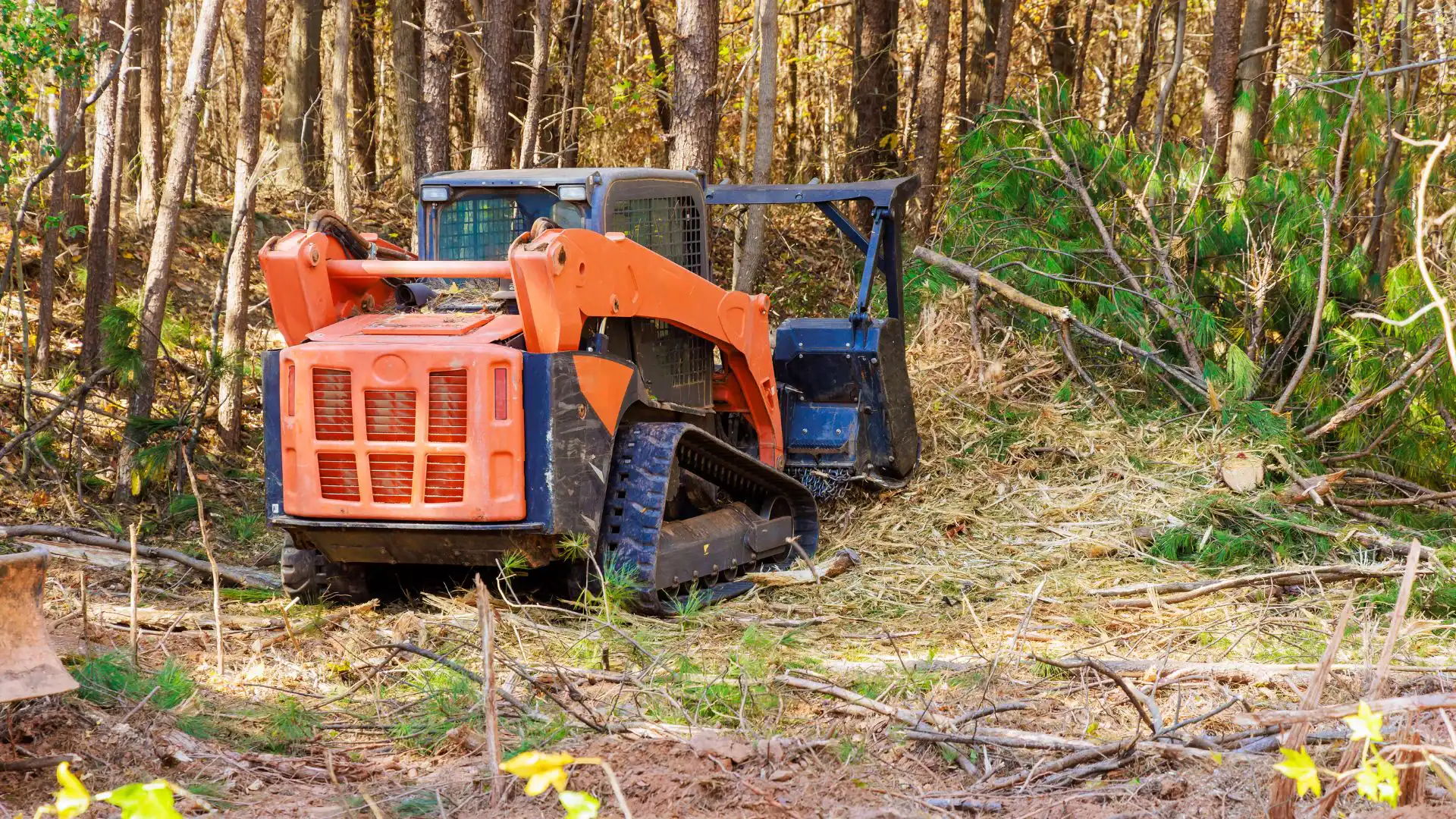
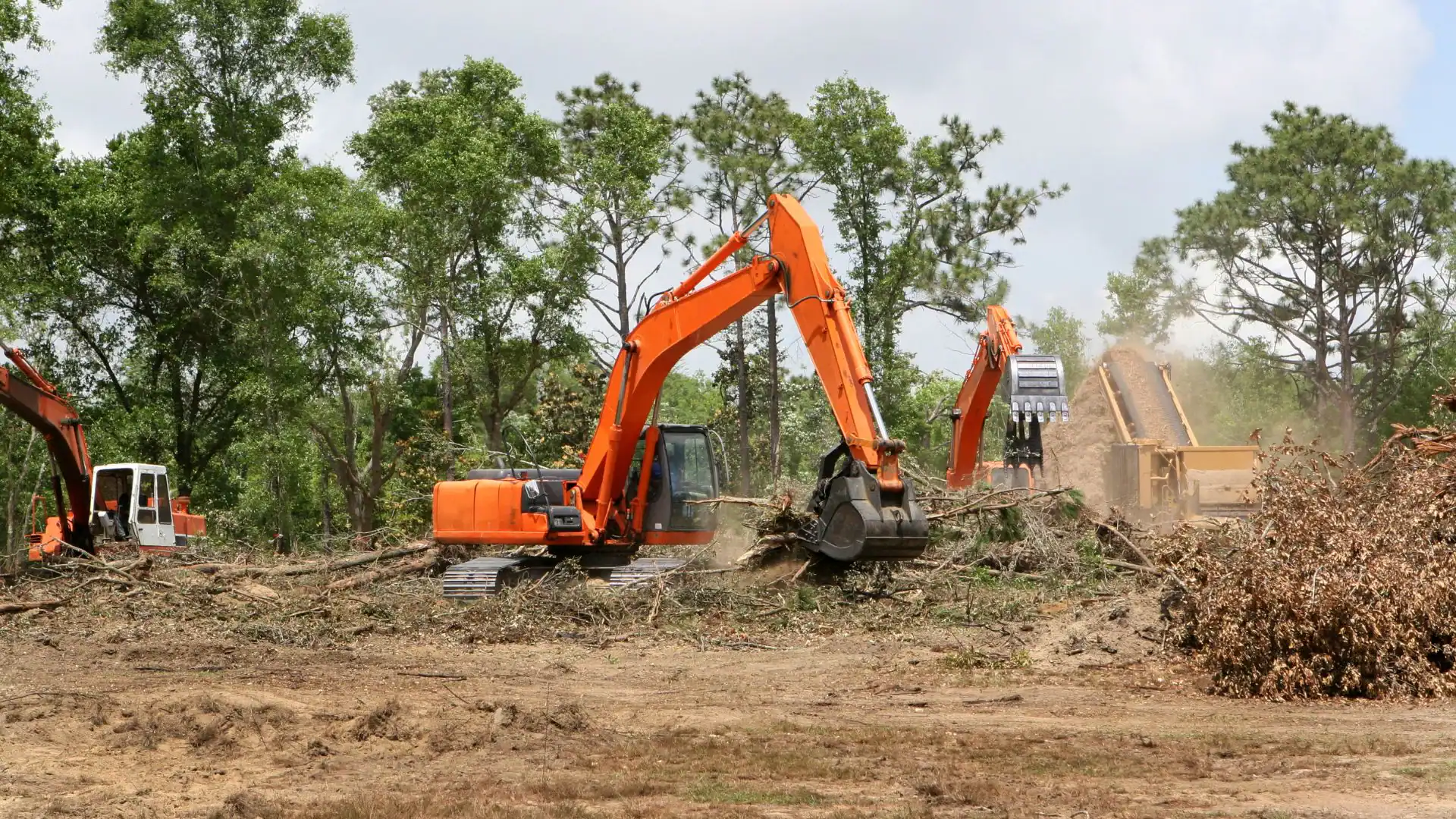
On the day of clearing, our crew works through the site systematically starting with the heaviest vegetation and working down to ground level. Debris is managed throughout, not piled and left. When the job wraps, the site is clean, compliant with Town Code debris requirements, and ready for the next phase of your project. You do a final walkthrough with us before we leave.
Ready to get started?
Riverhead isn’t one type of property, and land clearing services here aren’t one type of job. A Calverton lot with scrubby pitch pine and former industrial surrounds needs a completely different approach than an Aquebogue agricultural parcel that’s gone fallow for five years, or a Baiting Hollow bluff property with dense woody growth on steep terrain. The scope we build for your site reflects what’s actually there not a generic package applied to every job on the schedule.
For overgrown property clearing, that typically means working through layered vegetation invasive species like Phragmites, Oriental bittersweet, and Japanese knotweed are common across Riverhead’s rural and semi-rural parcels, and they require removal methods that address the root system, not just what’s visible above ground. For lot clearing services tied to a construction start, the focus is on getting the site to grade-ready condition within your builder’s timeline. For land reclamation services on former agricultural land, it often means restoring the parcel to a genuinely workable state not just surface clearing, but addressing compaction, drainage, and soil disturbance across the full footprint.
Every job includes a wetland setback check under Chapter 295, debris removal in compliance with Riverhead Town Code, and clear communication about what was done and why. If your property sits within the Agriculture Protection Zoning district, we account for those restrictions in the scope as well.
It depends on where your property sits relative to wetlands, watercourses, and tidal boundaries. Under Chapter 295 of the Riverhead Town Code, clearing within 150 feet of any freshwater wetland or natural drainage system or within 300 feet of tidal water requires a written permit from the Town of Riverhead before any work begins. Given how many parcels in this town sit near the Peconic River, its tributaries, or the wetland margins along the Long Island Sound, this setback requirement affects more properties than most owners expect.
On top of the Town Code, the New York State DEC independently regulates clearing near state-designated freshwater and tidal wetlands. If your parcel is near a stream, pond, or any mapped wetland boundary, DEC jurisdiction may apply regardless of the town permit question. The safest approach is to have both checked before you schedule any machinery. We do this as part of every Riverhead quote so you know where you stand before the job starts, not after.
Pricing in Riverhead varies more than most people expect, because the land here varies more than most places. A straightforward residential lot clearing job on a flat, accessible parcel in the Riverhead hamlet area will cost significantly less than reclaiming a heavily overgrown former agricultural parcel in Aquebogue or clearing a wooded bluff property in Baiting Hollow where equipment access requires extra planning. Acreage, vegetation density, terrain, stump count, and debris haulage distance all factor into the final number.
For a typical residential lot clearing job in Suffolk County, you’re generally looking at a range starting around $1,500 to $3,500 for a standard-sized lot, with larger or more complex parcels particularly those with significant invasive species, steep terrain, or dense woody growth running higher. The most reliable way to get an accurate number for your specific Riverhead property is a site assessment and itemised quote, which separates clearing, stump removal, and debris haulage so you can see exactly what you’re paying for.
Brush clearing typically refers to removing undergrowth, shrubs, invasive ground cover, and lighter woody vegetation the kind of work you’d do to manage overgrown field margins, clear fence lines, or reclaim a property that’s been neglected for a season or two. It’s generally less intensive than full land clearing and doesn’t always involve heavy machinery or stump removal.
Full land clearing services go further. They involve removing trees, stumps, root systems, and all surface vegetation to bring a site to a cleared, workable state the kind of result a builder needs before breaking ground. In Riverhead, the distinction matters because many properties have mixed conditions: a section of manageable brush alongside a stand of mature trees or a dense invasive thicket that requires a different level of equipment and effort. When you contact us, we’ll assess the full scope of your parcel and tell you clearly which approach applies or whether your job needs elements of both.
Invasive species are one of the most common complications on Riverhead properties, particularly on parcels that have been left unmanaged for more than a year or two. Phragmites australis is extensively documented along the Peconic River corridor and wetland margins throughout the town. Multiflora rose, Oriental bittersweet, Japanese knotweed, and autumn olive are widespread on agricultural margins and neglected rural lots in areas like Calverton, Jamesport, and Aquebogue.
The issue with most invasives isn’t just that they’re dense it’s that surface removal alone doesn’t solve the problem. Cut back multiflora rose or bittersweet without addressing the root system and it’ll be back within one growing season. Phragmites in particular can regenerate aggressively from root fragments left in the soil. Effective vegetation removal services for invasive-heavy properties require methods that go below the surface, and in some cases, follow-up management in subsequent seasons. We assess the specific invasive species present on your parcel and build the removal approach accordingly so the clearing actually holds.
Yes but it has to be done within the setback boundaries established by the Town of Riverhead and the NYSDEC, and in many cases a permit is required before any work begins. Under Chapter 295 of the Riverhead Town Code, the clearance zone is 150 feet from freshwater wetlands and watercourses, and 300 feet from tidal waters. The Peconic River and its tributaries are regulated under both the Town Code and the state’s freshwater wetlands framework, which means properties along or near the river corridor need to be assessed carefully before any clearing scope is defined.
What this means practically is that clearing can often proceed on the upland portion of a wetland-adjacent property, while a buffer zone closer to the water boundary is left undisturbed or managed under a permitted scope. We map the applicable setbacks on every Riverhead job before quoting, so you know exactly what portion of your parcel can be cleared, what requires a permit application, and what needs to stay untouched. Working within these boundaries protects you from enforcement action and keeps the project moving without regulatory interruption.
Fall is generally the strongest window for land clearing work in Riverhead. Ground conditions are typically firm and dry after the summer, which improves access for heavy machinery particularly on larger rural parcels in Calverton or Aquebogue where soft soils can limit equipment movement during wet periods. Leaf drop also makes site assessment easier, which means scope decisions are more accurate and surprises mid-job are less common.
Spring is the second peak season, driven by property owners who want to position their lots for a summer construction start. The trade-off in spring is that snowmelt and rain can leave soils soft through March and into April, which sometimes delays scheduling on heavier jobs. Summer clearing is workable but the rapid vegetation growth in Riverhead’s humid climate means conditions on neglected properties can deteriorate faster than the schedule allows. Winter clearing is viable on frozen ground and can actually benefit larger-scale jobs where firm soil improves machinery performance. Whatever time of year you’re planning, booking early gives you more flexibility on scheduling and better access to the equipment your specific job requires.