Hear from Our Customers
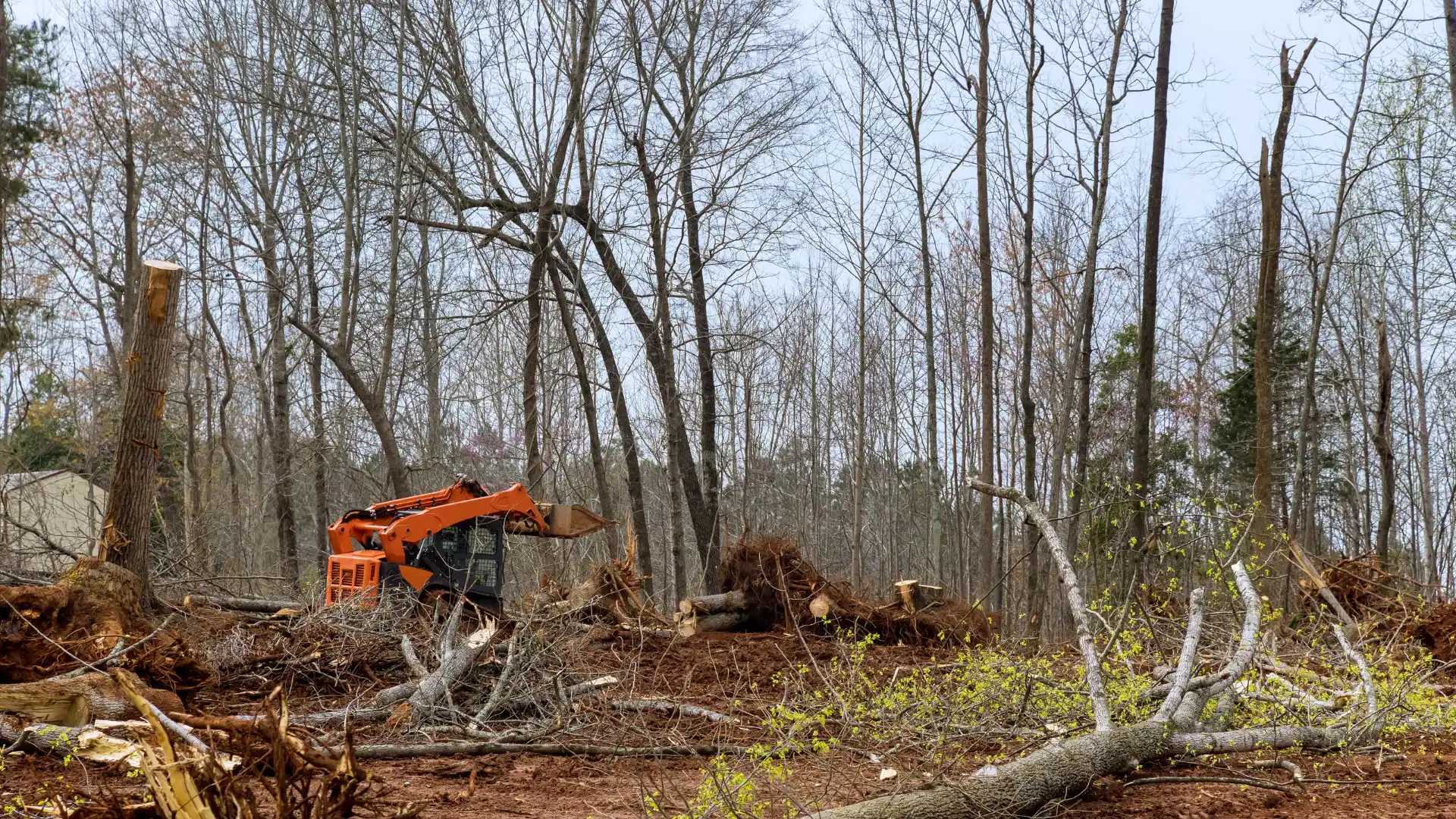
When your property in Wheatley Heights is overgrown, it’s not just an eyesore it’s costing you. Median home values in this area are approaching $543,000, and a neglected lot with decades of unchecked vegetation drags that number down. Clearing it properly doesn’t just improve the look of the property. It makes it usable, marketable, and worth what it should be in a Half Hollow Hills school district zip code.
The housing stock here tells a specific story. Most of these homes were built during Long Island’s post-war suburban boom, when the Town of Babylon’s population grew by nearly 500% in two decades. That means your lot has had a long time to develop and so has everything growing on it. Mature trees, dense shrub masses, and invasive species like running bamboo and multiflora rose don’t respond to half measures. They need the right equipment and someone who knows what they’re dealing with.
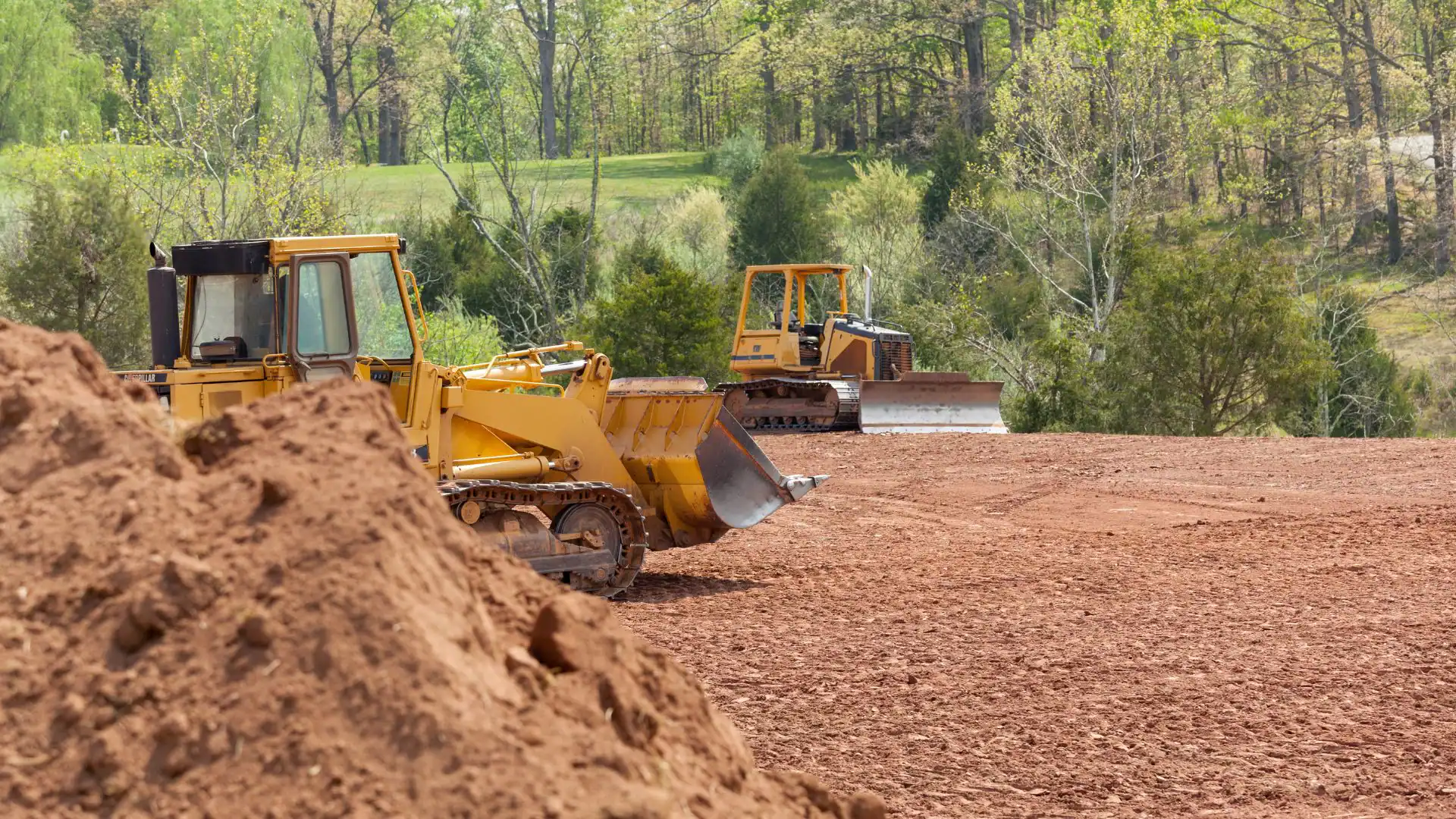
Once the land is cleared, the difference is immediate. You get usable outdoor space, a cleaner property line, and a lot that’s ready for whatever comes next whether that’s a renovation, a new build, a listing, or simply a yard you can actually walk through again.
We operate across Long Island with a focus on getting the details right and in western Suffolk County, the details matter more than most contractors let on. The Town of Babylon has its own land clearing permit requirements under Article XXX of its Zoning Code, and a lot of operators either don’t know that or don’t mention it until after the work is done. That’s not how we work.
Wheatley Heights sits in the lower Half Hollow Hills on a mix of glacial sand and clay soils the same composition that made this area one of Long Island’s premier brick-making regions in the 1800s. That soil profile affects how deep root systems grow and how vegetation behaves when it’s been left alone for years. It takes experience with this specific terrain, not a one-size-fits-all approach borrowed from a coastal property playbook.
Every job we take on starts with an honest site assessment, a transparent quote, and a clear conversation about what’s actually involved permits included.
It starts with a site visit. Before any equipment is scheduled, we walk through the property scope of vegetation, soil conditions, access points, and anything that needs to be flagged before clearing begins. For most jobs in Wheatley Heights, that includes a review of the Town of Babylon’s land clearing permit requirement under Article XXX. If your project exceeds 100 square feet of vegetation removal and most professional clearing jobs do a permit is required through the Town’s Department of Planning and Development before work can legally start. We build that step into the process from day one, not discovered after the fact.
Once permitting is confirmed and the job is scheduled, clearing begins systematically starting with the heaviest vegetation and working through to the perimeter. If bamboo is part of the picture, we treat that differently than standard brush. Running bamboo spreads through underground rhizomes, and surface cutting alone won’t stop it. The root system has to be addressed directly, or you’ll be back in the same situation within a season or two.
After clearing is complete, we remove debris from the site. No piles left behind, no half-finished edges, no mess for you to deal with afterward. The lot is left clean, level, and ready for whatever you’re planning next whether that’s construction, landscaping, a sale, or simply reclaiming the space.
Ready to get started?
Land clearing in Wheatley Heights isn’t one thing it depends entirely on what’s on your lot and what you’re trying to accomplish. Some properties need full lot clearing ahead of a renovation or new construction. Others need overgrown property clearing after years of neglect, an estate sale, or a long-absent owner. Some are dealing with a bamboo problem that’s been quietly spreading underground for years while only a few visible shoots showed above ground. Whatever the situation, we assess the scope honestly before putting a number on it.
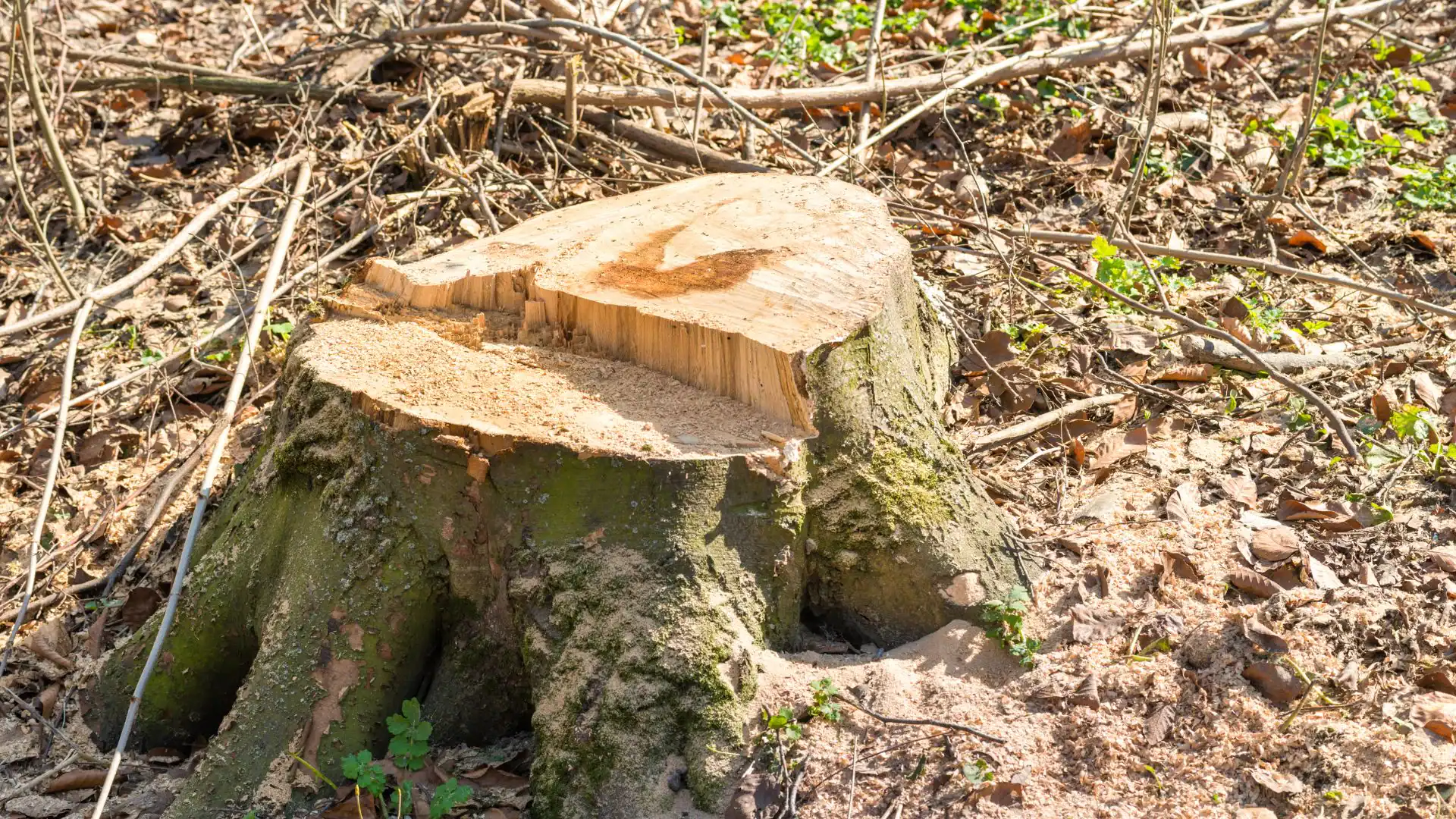
We cover the full range of what residential and investment properties in this area typically need: land clearing, brush clearing, lot clearing, vegetation removal, land reclamation on degraded or heavily overgrown sites, and bamboo removal with rhizome treatment. Stump removal and debris haulage are part of the conversation upfront not line items that appear on the final invoice after the fact.
Because this work falls under the Town of Babylon’s jurisdiction, we approach every job with compliance in mind from the start. Property owners in Wheatley Heights shouldn’t have to figure out the permit process on their own, and with us, they don’t have to. We handle the regulatory side as part of the job not handed back to you as a homework assignment after you’ve already signed.
Yes and this is one of the most important things to get right before any clearing work begins. Wheatley Heights falls within the Town of Babylon, which requires a land clearing permit under Article XXX of its Zoning Code before any trees, shrubs, or associated vegetation are removed from private or public property. The permit is obtained through the Town’s Department of Planning and Development, Building Division, and the threshold that triggers the requirement is clearing more than 100 square feet of vegetation a threshold that virtually every professional clearing job exceeds.
This applies not just to the property owner but to any contractor working on their behalf. An operator who starts cutting without a permit isn’t just cutting corners they’re exposing you to stop-work orders and potential fines that land on the property owner, not the contractor. Before any work begins on your Wheatley Heights property, the permit status needs to be confirmed. We build that step into how we approach every job in the Town of Babylon.
Clearing costs vary based on lot size, vegetation density, access conditions, and what’s being done with debris after the fact. For a standard residential lot in Wheatley Heights say, a post-war home with mature trees, established shrub masses, and possibly some invasive species you’re generally looking at a range that reflects the actual scope of work, not a low-ball number designed to get a foot in the door before the real costs show up.
What matters more than the headline number is what’s included. Stump removal, debris haulage, and permit-related costs should all be itemized in the quote before you agree to anything. A quote that excludes these items isn’t cheaper it’s incomplete. When you get a quote from us, those items are addressed upfront so the number you see is the number that reflects the full job, not just the part that sounds good on paper.
Running bamboo is one of the most common and frustrating calls we get from property owners in western Suffolk County, and Wheatley Heights is no exception. The problem with bamboo is that what you see above ground is only part of the story. Running bamboo typically Phyllostachys species spreads through underground rhizomes that can extend 3 to 5 feet per year in the sandy and clay-mixed soils common to the Half Hollow Hills area. Cutting it at the surface stops the visible growth temporarily, but the rhizome network survives and regrows aggressively, often within the same season.
Effective bamboo removal means addressing the root system directly, not just what’s above the soil line. This requires equipment and methods specifically suited to rhizome extraction not standard brush clearing gear. If a contractor quotes bamboo removal without mentioning the root system, that’s worth asking about directly. A job that only clears the surface will need to be done again, and again, until the underground network is actually dealt with.
Spring and fall are typically the highest-demand windows, and both have real advantages for clearing work in this area. Spring roughly March through May is when most property owners who’ve been watching overgrowth through the winter start moving on it. If you’re planning a renovation or construction project and want to be ready to break ground by summer, spring clearing is the right timing. Fall is the second peak window: leaf drop makes it easier to assess the full scope of what’s on the lot, and property owners preparing for spring projects often book fall clearing to get ahead of the rush.
Winter clearing is more viable in this part of Long Island than people expect. Frost-hardened ground can actually improve conditions for certain types of equipment, and the demand slowdown means better scheduling availability. If you’ve recently purchased a property in Wheatley Heights whether through an estate sale or a standard transaction there’s no reason to wait for spring if the lot needs clearing before you can move forward with your plans.
Most of the homes in Wheatley Heights were built during the post-war suburban boom of the 1940s through the 1960s which means the lots have had 60 to 80 years to accumulate vegetation. When these properties change hands through estate sales or long-held family ownership, the clearing scope can be significant: mature trees with established root systems, dense shrub masses that have merged into continuous thickets, invasive species like multiflora rose and Tree of Heaven that colonized the edges years ago, and in some cases bamboo that started as an ornamental planting and has since taken over a third of the backyard.
Overgrown property clearing on these lots isn’t a single-pass job. We approach it in stages heaviest vegetation first, then working through to the perimeter, with a clear plan for debris handling throughout. The goal is a clean, usable lot at the end, not just a reduction in visible overgrowth. If you’ve recently purchased one of these properties and are looking at a lot that feels more like a woodland than a yard, that’s exactly the kind of project we’re built for.
It can make a meaningful difference, and the numbers in this market support taking it seriously. With median home values in Wheatley Heights approaching $543,000, a neglected or heavily overgrown lot is a visible liability to buyers especially those who are purchasing specifically to be in the Half Hollow Hills Central School District and expect a property that reflects the value of that address. A cleared lot signals that the property has been maintained, makes the usable space easier to see and evaluate, and removes the visual barrier that causes buyers to mentally discount what they’re looking at.
From a practical standpoint, pre-listing clearing also removes a common negotiating point. Buyers who see overgrowth tend to price it in and usually not in your favor. Clearing the lot before it goes on the market means the property shows at its actual value rather than at a discount that reflects someone else’s estimate of what it would cost to deal with the vegetation. It’s a relatively straightforward investment relative to what it can return in a market where property values are already this high.