
Hear from Our Customers
A dry basement in Blue Point isn’t just about avoiding a wet floor. It’s about protecting a home that’s worth real money median sale prices here have climbed to over $800,000, and a moisture problem that shows up on a home inspection can cost you far more than the repair ever would have. When the water stops coming in, that lower level of your home stops being a liability and starts being usable space again.
The older the home, the more this matters. A large portion of Blue Point’s housing stock was built in the 1960s or earlier foundations that were never designed with today’s water table conditions in mind, and certainly not with the Great South Bay’s tidal influence factored in. When those foundations finally get properly sealed and drained, homeowners stop finding mold in the corners, stop running dehumidifiers on full blast all summer, and stop worrying every time a nor’easter rolls up the coast.
There’s also the air quality side of it that doesn’t get talked about enough. Moisture in a basement moves through the rest of the house. Mold spores don’t stay downstairs. For families in the Bayport-Blue Point area, especially those with kids, fixing the basement isn’t just a property decision it’s a health one.
We’re a Long Island-based waterproofing and foundation contractor working specifically in communities like Blue Point South Shore hamlets where the water table sits close to the surface, the soil saturates fast, and the bay doesn’t care how old your sump pump is. We’re not a national franchise routing your call through a call center. When you reach us, you’re reaching people who have worked in this area and understand what these conditions actually look like.
Blue Point sits between Sayville and Patchogue, right on the edge of the Great South Bay, within the Town of Brookhaven. The homes here are older, the lots are tight, and the water pressure these foundations deal with during a storm is different from what an inland Suffolk County home experiences. We’ve seen it firsthand, and we build our recommendations around what’s actually happening in your basement not around what’s easiest to sell.
It starts with a free in-person inspection. There’s no way to accurately assess a basement water problem over the phone especially not in a bay-adjacent community like Blue Point, where the entry points can range from a hairline foundation crack to water pushing up through the slab from below during a high-tide rain event. We walk the basement, identify every place water is getting in or could get in, assess the foundation type, check the existing drainage and sump situation, and look at exterior grading conditions before we say anything about solutions.
From there, you get a written, itemized estimate. Not a ballpark. Not a pressure-close. A clear breakdown of what the work involves, what it costs, and what the warranty covers. If your basement needs interior drainage and a new sump pump, we’ll tell you that. If it needs targeted crack injection and nothing more, we’ll tell you that too. The recommendation follows the diagnosis not the other way around.
Because Blue Point falls under the Town of Brookhaven’s jurisdiction, certain waterproofing work particularly interior drainage system installation or anything that involves breaking the slab may require a building permit through Brookhaven Town Hall. We handle that coordination as part of the process so you’re not navigating it on your own. Once work begins, most installations are completed within one to two days, and your basement is functional again the same week.
Ready to get started?
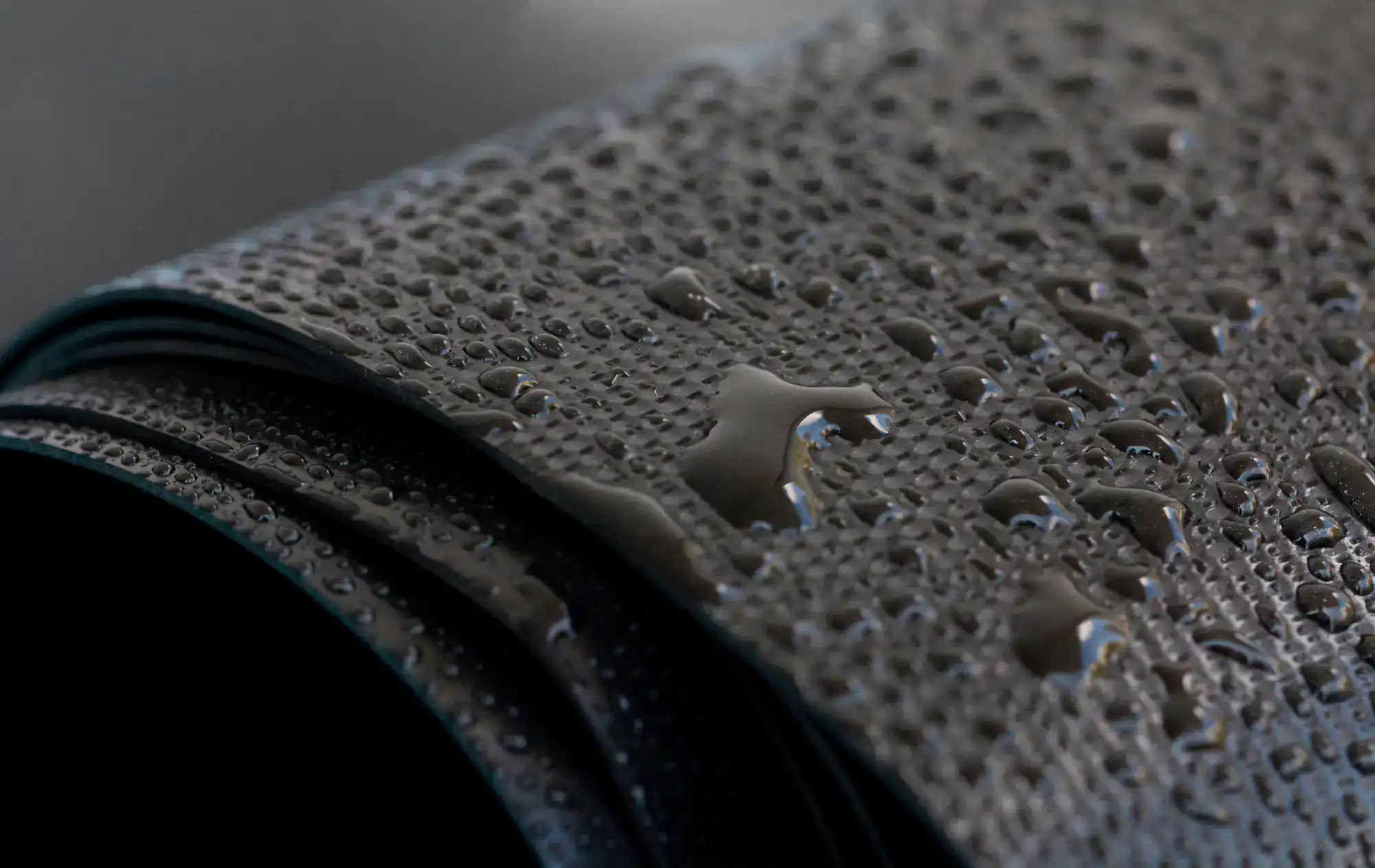
Not every wet basement in Blue Point needs the same solution, and the honest answer is that some need far less than what certain contractors will try to sell you. We cover the full range interior drainage systems with perimeter channels and sump pump installation, epoxy and polyurethane crack injection for foundation wall leaks, waterproof wall membrane application, exterior waterproofing where conditions warrant it, and sump pump replacement or upgrade including battery backup systems.
The battery backup piece is worth calling out specifically. In a coastal community that sits in the direct path of Atlantic storms, power outages and heavy water intrusion happen at the same time. A primary sump pump without a battery backup is a system that fails exactly when you need it most. For Blue Point homes especially those closest to the Great South Bay that’s not an optional add-on.
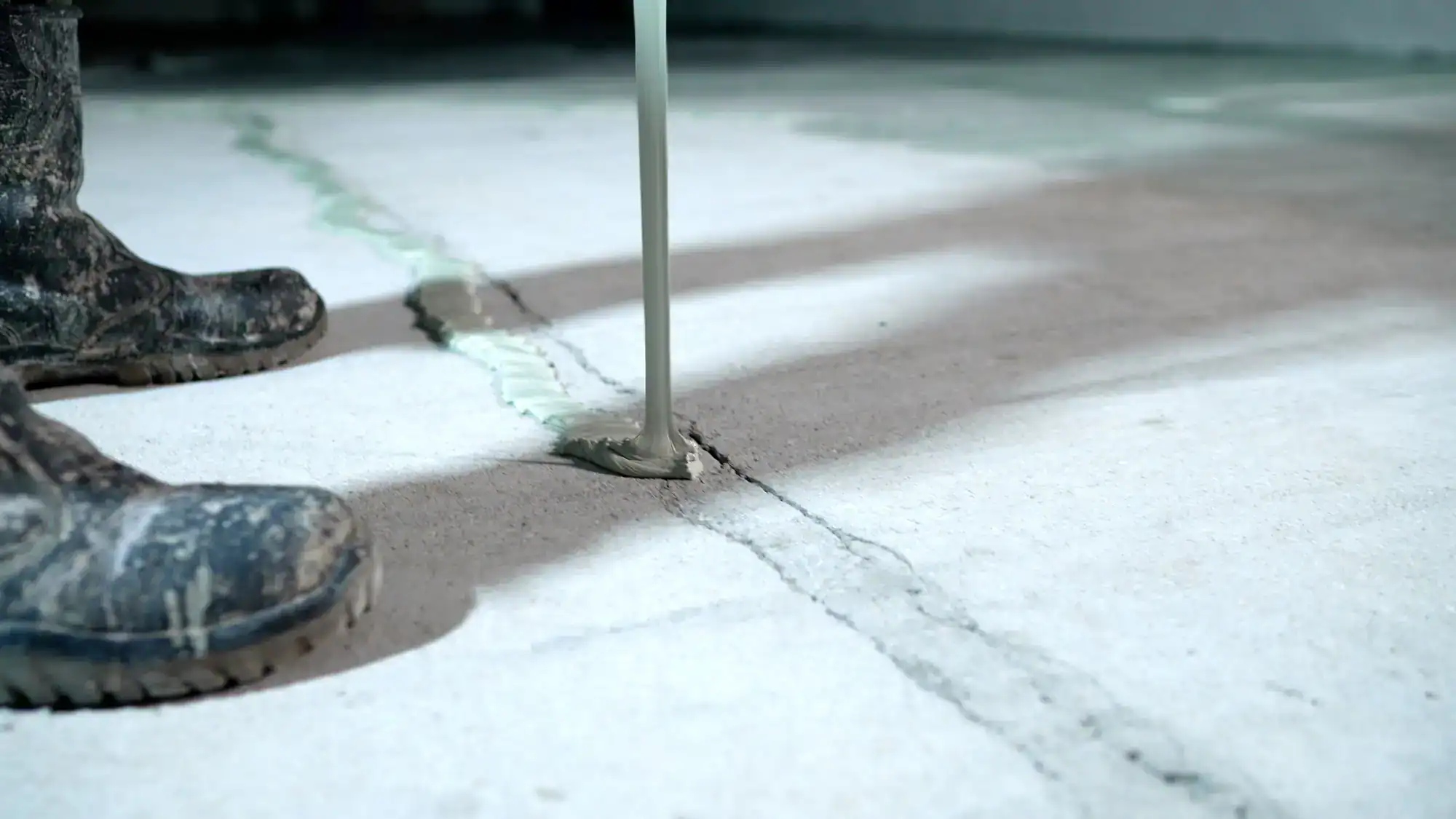
For the significant number of homes here built before 1970, foundation crack sealing is often the most targeted and cost-effective starting point. A single crack injected with epoxy or polyurethane, done correctly, is sealed against sustained hydrostatic pressure not patched with surface compound that pops out by spring. When interior drainage is warranted, we design the system around your specific basement dimensions and the water entry pattern we identified during inspection not a one-size-fits-all layout pulled from a catalog. Every recommendation is tied to what we actually found in your home.
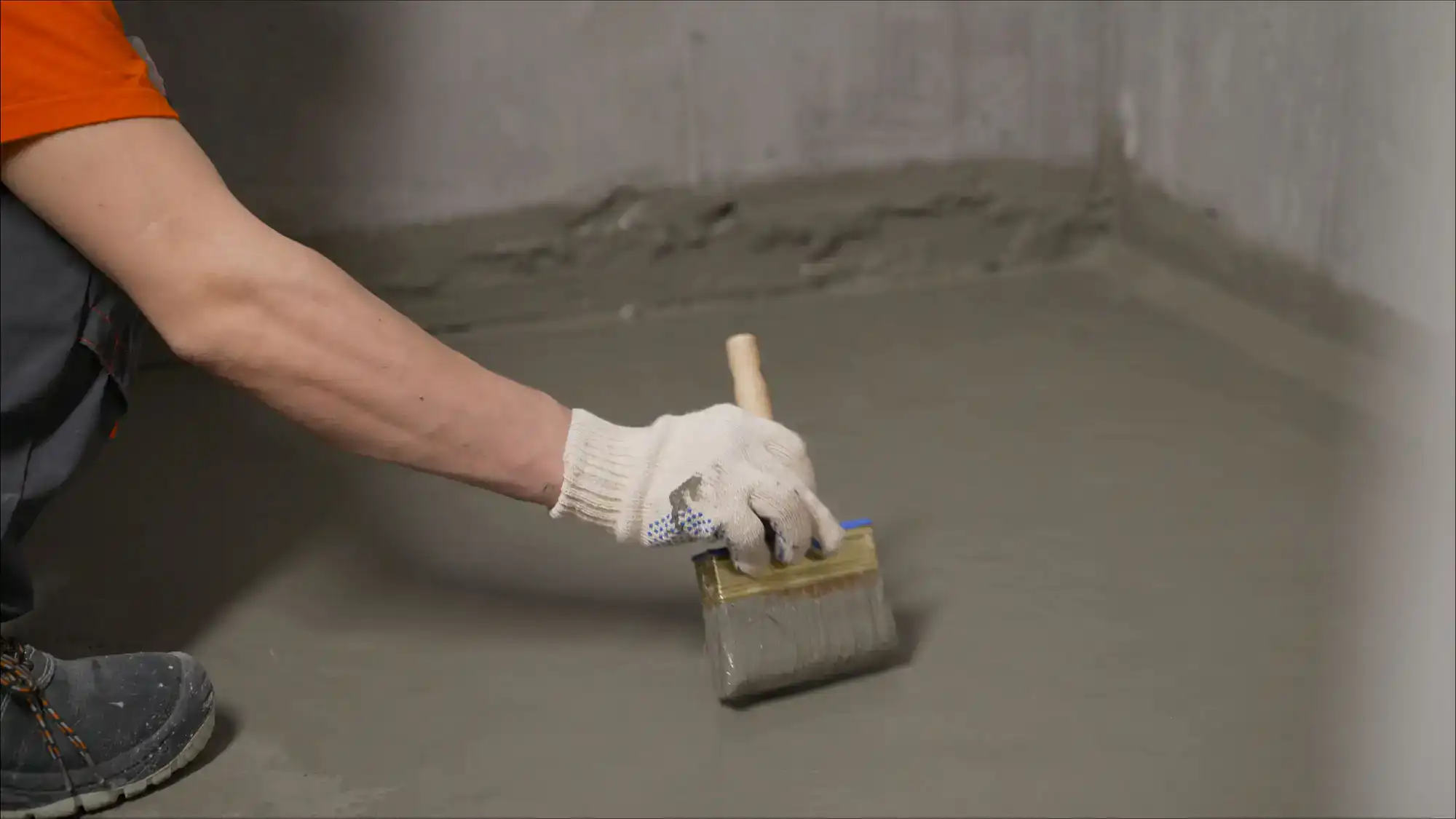
This is one of the more specific conditions that comes up in bay-adjacent communities like Blue Point, and it’s not something every waterproofing contractor fully understands. When the Great South Bay’s water table is already elevated from tidal activity and a heavy rain event hits on top of that, the ground around your foundation becomes saturated almost instantly. At that point, water isn’t just running down the outside of your walls it’s pushing up from below through the slab and through any crack or joint in the foundation under hydrostatic pressure.
The fix for this isn’t a surface sealant or a basic drain tile. It requires a drainage system designed to manage sustained upward and lateral pressure, paired with a sump pump that’s appropriately sized for the volume of water your specific basement deals with. In some cases, a battery backup sump system is the most important component because the storms that create this condition are the same storms that knock out power. A proper inspection will show exactly where the water is entering and what’s needed to manage it reliably.
Cost depends almost entirely on what the inspection reveals, so any contractor quoting you a number over the phone is guessing. That said, here are the realistic ranges for the most common work in homes like those found in Blue Point. Interior drainage system installation with a sump pump typically runs between $4,500 and $10,000 for most basement footprints in this area. Sump pump replacement or installation on its own is generally $600 to $1,900 depending on the unit and the discharge setup. Foundation crack injection epoxy or polyurethane runs roughly $800 to $1,500 per crack.
For older homes in Blue Point, particularly those built before 1970 with concrete block foundations, the cost can vary more because block foundations have more potential entry points than poured concrete. The condition of the existing drainage infrastructure, if any, also affects the scope. What matters is that you get a written, itemized estimate before any work starts so the number you’re quoted is the number you pay.
For most Blue Point homeowners, interior waterproofing is the more practical and effective long-term solution and that’s not a cost-cutting recommendation, it’s a conditions-based one. Exterior waterproofing involves excavating around the full perimeter of the foundation, which is disruptive, expensive, and in many cases unnecessary when the primary issue is hydrostatic pressure coming from a high water table rather than surface water intrusion.
Interior systems perimeter drainage channels, a properly sized sump pump, and targeted crack injection manage water after it reaches the foundation and redirect it before it causes damage. For a bay-adjacent community where water table pressure is a year-round factor, not just a seasonal one, interior drainage is often the more reliable long-term approach. Exterior waterproofing does have its place, particularly for newer foundations with membrane failures or significant exterior grading issues, and we’ll tell you if that’s what your home actually needs. But it’s not the default recommendation here.
It depends on the scope of work. Blue Point is a hamlet within the Town of Brookhaven, which means all building permits are issued through Brookhaven Town Hall there’s no separate local village office handling this. For interior drainage system installation that involves breaking the concrete floor slab, or for any work that modifies the foundation drainage system, a building permit is typically required under Brookhaven Town’s building code. Surface-level applications like crack injection on non-structural elements or sealant coatings generally don’t require a permit, but it’s worth confirming based on the specific scope.
The important thing is that permit requirements shouldn’t be a reason to skip necessary work or cut corners on scope. We handle permit coordination as part of the project process for work that requires it so you’re not left figuring out the Brookhaven Town application process on your own. We’ll let you know upfront whether a permit applies to your job and factor that into the timeline.
The honest answer is that you don’t know until someone walks your basement and looks at what’s actually happening. But there are patterns that tend to show up in Blue Point’s older housing stock that can point you in one direction or the other. If you have one or two visible cracks in a poured concrete wall with water staining or efflorescence around them, targeted crack injection is often all that’s needed. If you’re seeing moisture along the base of the walls, water coming up through the floor, or widespread dampness that doesn’t trace back to a single crack, that usually points to a drainage and hydrostatic pressure problem that requires a more comprehensive system.
Homes built before 1970 in Blue Point which make up a significant portion of the local housing stock often have concrete block foundations. Block foundations are more porous than poured concrete by nature, and water can enter through dozens of mortar joints rather than one or two discrete cracks. That doesn’t automatically mean a full interior drainage system is required, but it does mean the inspection needs to be thorough. A contractor who recommends a solution before walking your basement isn’t giving you an honest assessment.
Done correctly, a properly installed interior drainage system with a quality sump pump should last 20 to 30 years or more with the understanding that the sump pump itself is a mechanical component that typically needs replacement every 7 to 10 years, and that battery backup units need periodic battery replacement. The drainage channels and the waterproofing membrane components, when installed to a professional standard, are not things you should need to revisit frequently.
What tends to shorten the lifespan of waterproofing work in coastal South Shore communities like Blue Point is deferred maintenance specifically, ignoring a sump pump that’s running constantly or making unusual sounds, or letting new foundation cracks go unaddressed for several seasons. The conditions here are more demanding than they are for an inland home. The water table is shallower, the storm exposure is higher, and the freeze-thaw cycles through winter keep working on foundation concrete year after year. A written warranty gives you a baseline of protection, but staying attentive to how your system is performing especially after a major storm is what keeps a waterproofed basement performing the way it should for the long haul.