
Hear from Our Customers
When your basement stays dry year-round, you get that square footage back. The laundry room works without the mildew smell. The storage area isn’t a gamble after every rainstorm. If you’ve finished any part of your basement, you stop worrying every time a nor’easter rolls up the coast or a tropical system pushes rain sideways across Suffolk County for 36 hours straight.
Bohemia sits right along the Connetquot River watershed, and that matters more than most homeowners realize. The water table in this part of central Suffolk County can rise significantly during sustained rain events or spring snowmelt and when it does, it pushes against your foundation walls from below. That’s hydrostatic pressure, and it doesn’t care how well your gutters are maintained. Homes along the western side of Bohemia, closer to the state park preserve, feel this more acutely than most.
The other factor here is age. The majority of homes in Bohemia were built between the late 1940s and the early 1980s. The original damp-proofing on those foundations typically a thin asphalt coating applied at construction has long since broken down. What’s left is bare concrete or block, and bare concrete absorbs water. A properly waterproofed basement doesn’t just solve the problem you have today. It protects the equity you’ve built in a home that’s worth well over half a million dollars in today’s market.
We serve homeowners across Bohemia and the surrounding communities in the Town of Islip, including Oakdale and the broader Connetquot area. We’re not a national franchise routing calls through a distant office. When you call us, you’re talking to someone who knows Bohemia the housing stock, the soil conditions, the drainage patterns near the preserve, and the specific foundation types common to the post-war neighborhoods off Smithtown Avenue.
What sets us apart isn’t a product name or a slogan. It’s the way we approach every job. Before we recommend anything, we do a thorough in-home inspection interior and exterior to understand exactly where water is getting in and why. That matters because the right fix depends entirely on knowing the right cause. An interior drainage system is the correct answer for some homes. For others, it’s crack injection, exterior grading, or a new sump pump. We’re not going to sell you the expensive option when a simpler one solves the problem.
Every estimate is written, itemized, and free. No pressure to sign the day we visit. No phone quotes that bear no resemblance to the final invoice.
It starts with a free in-home inspection. A technician visits your home, walks the basement, examines the foundation walls and floor, checks the exterior grade and drainage, and asks you specific questions when does water appear, where does it show up first, does it happen during rain or after, is it worse in spring. That conversation matters. It shapes the entire diagnosis.
From there, we identify the source. In Bohemia, the most common causes we see are hydrostatic pressure from a seasonally elevated water table, foundation cracks that have widened through years of freeze-thaw cycles, failed or undersized sump pumps, and deteriorated mortar joints in older block foundations. Each of these has a different fix. We walk you through what we found, explain the cause in plain terms, and present the solution that actually addresses it not the most expensive option on our menu.
Once you approve the work, we schedule and complete the job with minimal disruption to your home. If the scope requires a permit through the Town of Islip’s Building Division, we handle that coordination on your behalf. When the work is done, you’ll have a written warranty and a foundation that’s been addressed at the source not patched over.
Ready to get started?
Basement waterproofing isn’t one thing. It’s a category that includes several different approaches, and which one is right for your home depends on what’s driving the water in. We handle the full range interior drainage systems, foundation crack sealing, exterior waterproofing, sump pump installation and replacement, and crawl space waterproofing so we’re not limited to recommending what we happen to specialize in. We recommend what fits your situation.
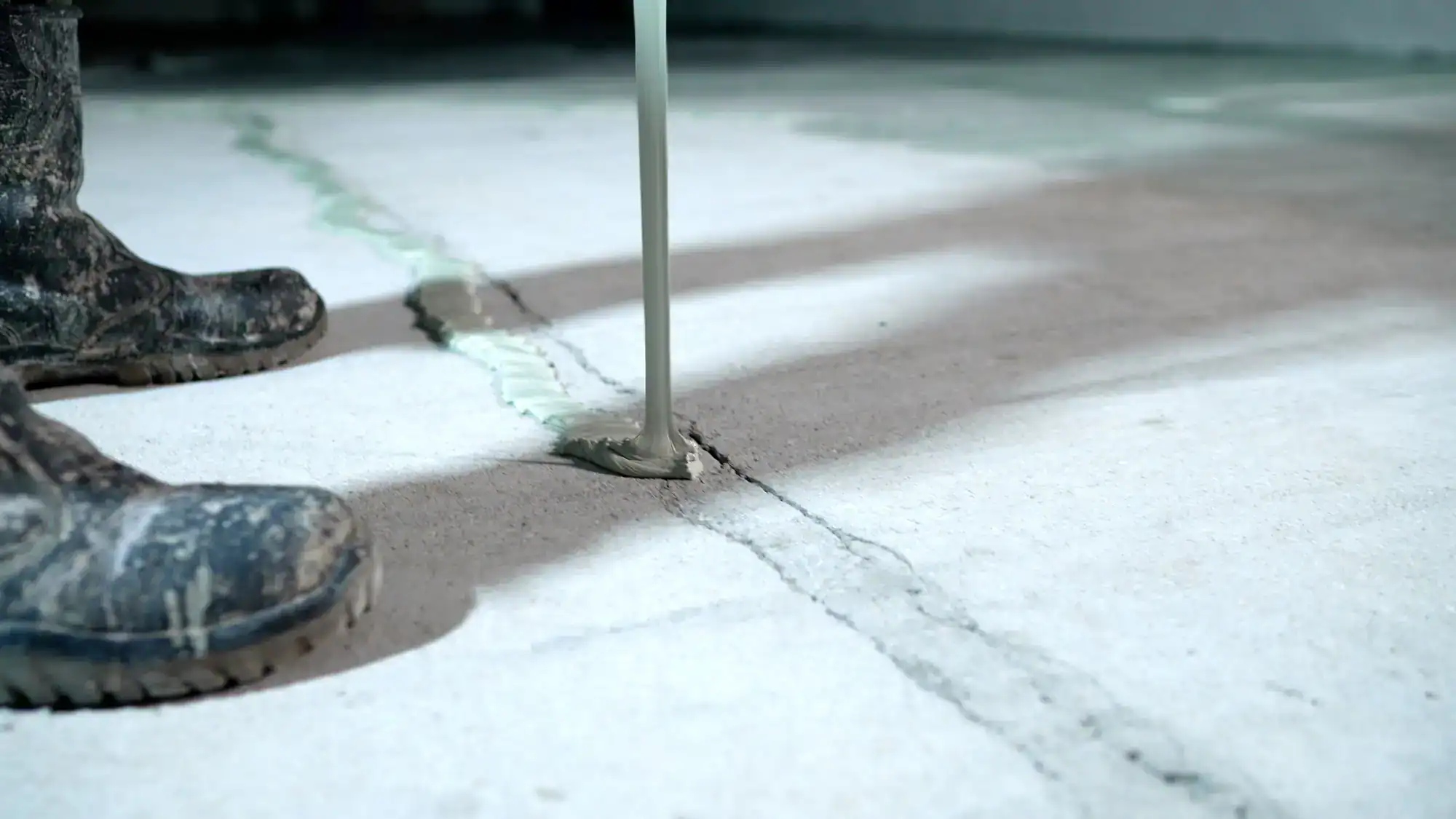
For the post-war ranch and cape homes that make up most of Bohemia’s residential streets, the most common scopes we see are epoxy or polyurethane crack injection for poured concrete foundations, interior perimeter drainage systems for homes with persistent hydrostatic pressure, and sump pump upgrades that include battery backup systems. That last one matters specifically here Long Island’s storm patterns mean power outages happen during the same events that send the most water toward your foundation. A sump pump without a battery backup is a liability waiting to surface.
Foundation crack sealing typically runs $800 to $1,500 per crack. Sump pump installation generally falls between $600 and $1,900 depending on the system. Full interior waterproofing on a standard Bohemia basement runs in the range of $8,000 to $15,000 depending on square footage and scope. Every project comes with a written warranty. If you’re planning to sell, ask us about transferability a warranted, waterproofed basement is a documented asset on a home inspection report in a market where buyers are spending $600,000 and up.
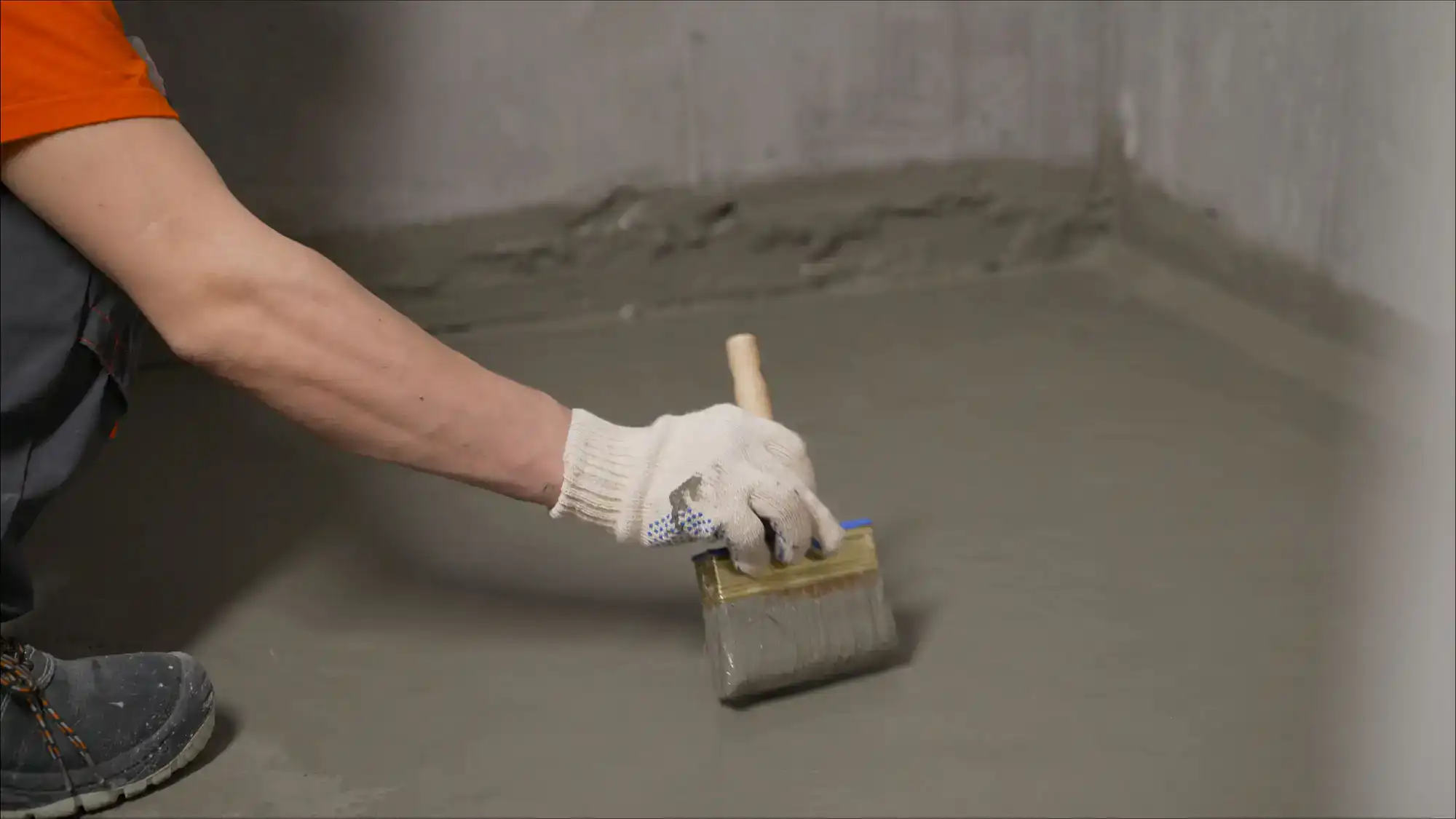
Intermittent flooding almost always points to hydrostatic pressure water building up in the soil around your foundation until it finds a way in. In Bohemia, this is especially common because the area sits within the Connetquot River watershed, where the water table can rise meaningfully during sustained rain events or spring snowmelt. When the ground is already saturated and a significant storm hits, the pressure against your foundation walls and floor increases fast.
The reason it doesn’t happen every time is that the soil has to reach a saturation threshold first. Light rain drains before pressure builds. A heavy event or a slow, multi-day rain pushes the water table high enough to force intrusion through cracks, mortar joints, or the cove joint where your wall meets the floor. That’s the entry point most homeowners don’t see until they’re looking for it. We’ll identify where water is getting in during our inspection and whether an interior drainage system, crack repair, or exterior grading correction is the right response for your Bohemia home.
Cost varies based on the scope of work, the size of your basement, and what’s actually causing the problem which is why we don’t give phone quotes. That said, here are honest ranges so you’re not walking into a consultation blind. Foundation crack injection typically runs $800 to $1,500 per crack. Sump pump installation falls between $600 and $1,900 depending on the system and whether you’re adding battery backup. Full interior waterproofing on a standard Bohemia basement typically 800 to 1,200 square feet in the post-war ranch and cape homes that dominate this area generally runs $8,000 to $15,000.
The more useful number to keep in mind is the cost of doing nothing. Median home values in Bohemia are sitting in the mid-$500,000 to mid-$600,000 range and climbing. A wet basement flagged on a buyer’s inspection report can cost you far more in concessions or lost deals than the waterproofing work itself would have. Spending $5,000 to $10,000 now to protect $600,000 in equity is a straightforward calculation for most homeowners who think it through.
Damp-proofing is what most homes in Bohemia got when they were built a thin asphalt-based coating applied to the exterior of the foundation wall before backfilling. It was designed to slow moisture vapor transmission, not to handle actual water pressure. After 50 to 70 years, that coating has degraded significantly. It’s not doing much for the homes on Smithtown Avenue or Sycamore Avenue that were built in the 1950s and 1960s.
Waterproofing is a different category entirely. It’s engineered to manage actual water intrusion either by directing water away from the foundation before it builds pressure, or by capturing it at the perimeter and draining it out before it spreads across your floor. Interior drainage systems, exterior membrane applications, and crack injection are all waterproofing approaches. Damp-proofing is a construction-era coating. Waterproofing is a system. If your home is more than 30 years old and you’ve never had the foundation assessed, you’re likely relying on something that stopped being effective a long time ago.
For most interior waterproofing work applying drainage systems, sealing cracks, or installing a sump pump permits are typically not required under Town of Islip guidelines, as this type of work is generally classified as repair and maintenance rather than structural alteration. That said, there are exceptions. If the work involves modifying how water discharges to a public drainage system, or if it includes any structural changes to the foundation itself, a permit may be required through the Town of Islip’s Building Division.
The honest answer is that permit requirements depend on the specific scope of your project, and we clarify that during the inspection and estimate process. If a permit is required for your job, we handle the coordination with the Town of Islip on your behalf you don’t need to navigate that process yourself. We make sure the work is done correctly and documented properly, which matters both for the integrity of the job and for your records if you ever sell the home.
For most Bohemia homeowners, yes and the reason is specific to Long Island’s storm patterns. The same weather events that send the most water toward your foundation are the ones most likely to knock out power. Nor’easters, tropical systems, and heavy summer thunderstorms all hit this area regularly, and outages along Veterans Memorial Highway and the surrounding residential streets during these events are not rare. A primary sump pump that loses power during a major storm is a pump that stops working at the worst possible moment.
A battery backup system keeps the pump running for several hours sometimes longer depending on the unit even when the power is out. For homes near the western edge of Bohemia closer to the Connetquot River State Park Preserve, where the water table is already elevated, this isn’t a luxury upgrade. It’s basic protection. Battery backup sump pump systems typically add $300 to $600 to the cost of a primary installation, and they’ve prevented more basement floods during Long Island storms than most homeowners realize until they actually need one.
The honest answer is that you can’t know for certain without a proper inspection and anyone who tells you otherwise over the phone is guessing with your money. That said, here’s how the decision generally breaks down. Exterior waterproofing addresses the foundation from the outside it involves excavating around the perimeter, applying a waterproof membrane, and improving drainage away from the structure. It’s the most comprehensive approach, but it’s also more invasive and more expensive. It makes the most sense when the source of intrusion is clearly external and accessible.
Interior waterproofing manages water that has already reached the foundation perimeter capturing it in a drainage channel and routing it to a sump pump before it spreads across your floor. For the post-war homes throughout Bohemia, where exterior excavation may be complicated by mature landscaping, existing hardscape, or lot constraints, interior systems are often the more practical and cost-effective solution. Some homes need both. The inspection process is what determines which approach fits your specific foundation, your water intrusion pattern, and your property conditions not a default recommendation that gets applied to every job regardless of what’s actually happening.