
Hear from Our Customers
A dry basement isn’t just a comfort thing it’s a financial one. In Lake Grove, where median home values are pushing toward $700,000, water damage doesn’t stay in the basement. It spreads into your walls, your subfloor, your HVAC system, and eventually your home’s resale value. Getting ahead of it now is significantly cheaper than dealing with the fallout later.
The homes in Lake Grove were mostly built between the late 1950s and early 1970s, and original concrete block and poured concrete foundations from that era weren’t built with modern waterproofing in mind. Mortar joints soften over decades. Concrete develops hairline cracks. Each winter freeze-thaw cycle widens those cracks a little more. By the time you’re noticing a musty smell or water pooling after a heavy rain, the problem has usually been building for years.
Once the source is addressed whether that’s a foundation crack, hydrostatic pressure from the water table, or poor drainage around the house you get usable square footage back. You stop worrying every time a storm rolls through. And if you’re ever planning to sell, a documented and warranted dry basement is something buyers and their inspectors will notice immediately.
We work across central Suffolk County, and Lake Grove is home territory. That matters more than it sounds. The soil conditions here a mix of sandy loam and clay pockets left behind by glacial deposits behave differently from one street to the next. A property near the Route 347 and Middle Country Road corridor, downslope from the Smith Haven Mall’s commercial runoff, deals with different drainage pressure than a home tucked into a residential street off Stony Brook Road. We know the difference because we’ve worked both.
Every inspection starts with the exterior grading, drainage, downspout discharge before we ever look inside. That’s how you find the actual source, not just the symptoms. We’re licensed, insured, and familiar with the Town of Brookhaven’s permit process for the work we do here, so nothing gets done that leaves you exposed down the road.
It starts with a free in-home inspection not a sales call. We walk the exterior first, checking how the ground slopes away from your foundation, where your downspouts are discharging, and whether there’s any obvious drainage issue that’s directing water toward the house. This step alone rules out or confirms a lot of what’s happening before we ever go inside.
Inside, we look at the foundation walls for efflorescence, staining, active cracks, and moisture patterns. We check the sump pit and pump whether it’s functioning, whether the float is set correctly, and whether there’s a battery backup in place. For Lake Grove homes built in the 1960s, we pay close attention to mortar joint conditions in block foundations, which are one of the most common failure points in this area’s housing stock.
From there, you get a written estimate that spells out exactly what’s needed and why. If the fix is straightforward a crack injection, improved grading, or a sump pump replacement that’s what you’ll hear. We don’t upsell a full interior drainage system when a simpler solution will actually solve the problem. Work that involves sump pump plumbing connections or interior slab penetrations may require a permit through the Village of Lake Grove or the Town of Brookhaven, and we handle that process as part of the job.
Ready to get started?
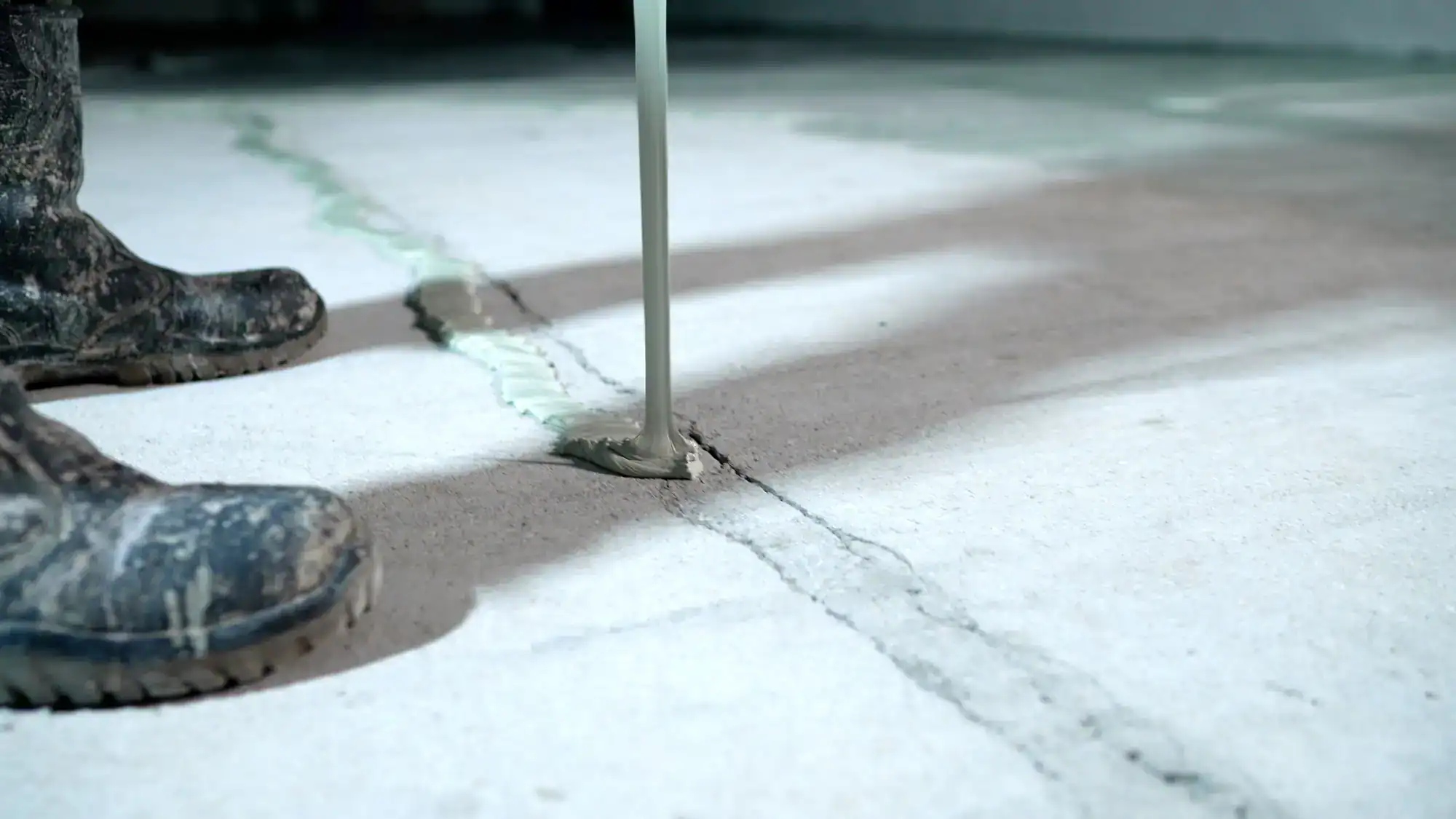
Not every wet basement in Lake Grove needs the same fix. Some homes need foundation crack sealing epoxy or polyurethane injection that bonds directly to the concrete, stops water infiltration, and prevents the crack from widening further through freeze-thaw cycles. This is often the right call for poured concrete foundations with isolated cracks that haven’t yet compromised the structural integrity of the wall.
Other homes particularly those with concrete block foundations or chronic groundwater pressure need an interior drainage system with a properly sized sump pump. This approach manages water that enters through the floor-wall joint or through the wall itself, routing it to a sump pit and pumping it out before it reaches the floor. In Lake Grove, where the water table can rise quickly after heavy rain or snowmelt, a battery backup sump pump isn’t optional it’s what keeps the system working when a storm knocks out power at the worst possible moment.
For homes with grading or exterior drainage issues, we waterproof basement walls from the outside combined with proper soil regrading and downspout extensions to address the problem at the source before water ever reaches the foundation. Suffolk County has specific requirements around sump pump discharge that direct water to a dry well or approved drainage point rather than the sanitary sewer, and every installation we do here is set up to meet that standard.
The most common reason is hydrostatic pressure water in the soil surrounding your foundation builds up after rain or snowmelt and pushes inward through any available gap. In Lake Grove, this is compounded by two things: the area’s glacially deposited soils, which include clay pockets that hold water longer than sandy soil, and the age of the housing stock. Foundations built in the 1960s weren’t designed with today’s drainage expectations in mind, and decades of freeze-thaw cycles have created cracks and joint failures that give water a direct path in.
It’s also worth looking at what’s happening above ground. If your downspouts discharge close to the foundation, if the soil has settled and now slopes toward the house, or if you’re on a lot that’s downslope from neighboring properties or commercial runoff near the Route 347 corridor, water has even more reason to concentrate at your foundation walls. A proper inspection looks at all of these factors together not just what’s visible on the inside.
It depends heavily on what the actual problem is, which is why any quote you get over the phone without an inspection isn’t worth much. That said, here’s a realistic range: foundation crack injection typically runs between $400 and $1,200 per crack depending on length and method. A sump pump installation including the pump, basin, and discharge line generally falls between $600 and $1,900. A full interior drainage system with sump pump for a typical Lake Grove basement runs anywhere from $4,500 to $10,000 depending on the perimeter footage and complexity.
For homeowners in Lake Grove, it helps to frame this against what you’re protecting. With median home values approaching $700,000, a $6,000 waterproofing system that prevents mold remediation, structural repair, and a damaged sale negotiation is a straightforward investment. The cost of doing nothing tends to compound over time especially in a home that’s already 55 to 65 years old.
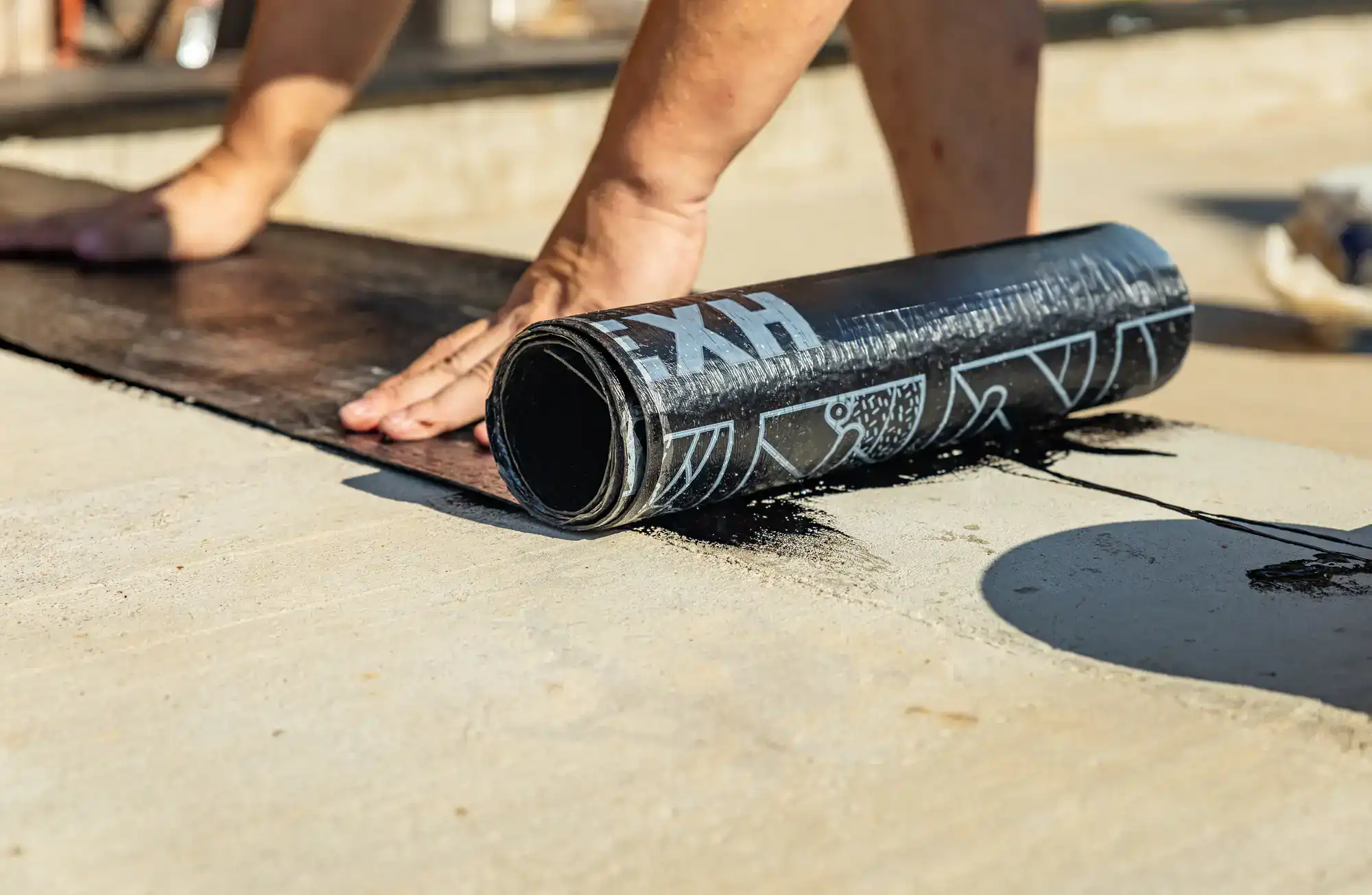
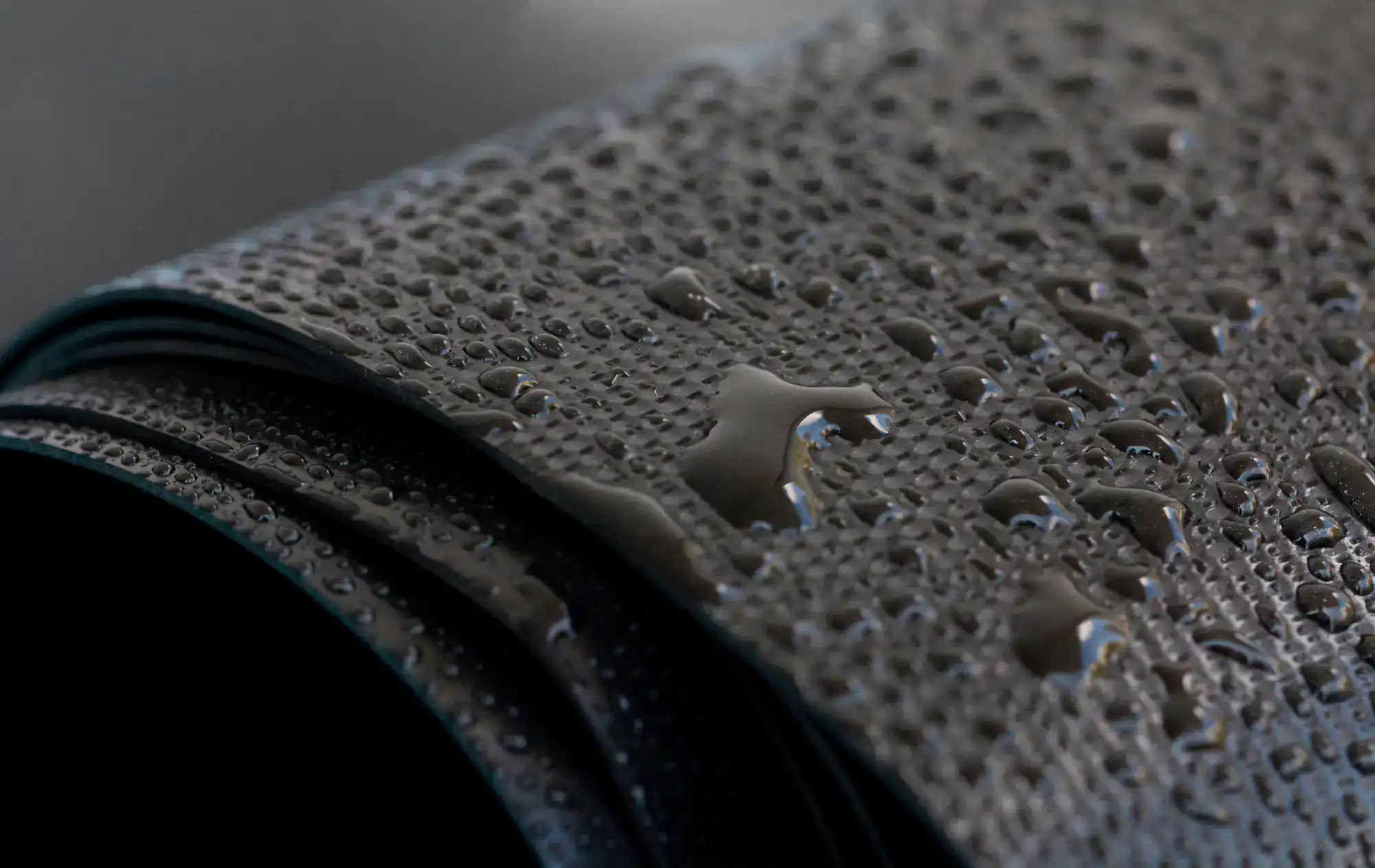
Exterior waterproofing addresses the problem from the outside excavating around the foundation, applying a waterproof membrane or coating to the exterior wall, and improving drainage so water doesn’t accumulate against the foundation in the first place. It’s the most comprehensive approach, and when done correctly, it stops water before it ever contacts the wall. The tradeoff is cost and disruption excavation is labor-intensive, and landscaping around the foundation gets disturbed.
Interior waterproofing doesn’t stop water from entering the wall it manages water that does get in, routing it to a drainage channel and sump pit before it reaches the floor. For many Lake Grove homes where exterior excavation isn’t practical or cost-justified, a well-designed interior system is the right long-term answer. The honest answer is that the best approach depends on your specific foundation type, the source of the water intrusion, and your property’s drainage conditions which is exactly what the inspection is designed to determine.
It depends on the scope of work. Simple crack sealing or applying a surface sealant generally doesn’t require a permit. But if the job involves installing a sump pump with plumbing connections, breaking the concrete floor slab to install an interior drainage system, or any exterior excavation near the foundation, you’re likely looking at permit requirements through either the Village of Lake Grove or the Town of Brookhaven or both, depending on the specific work.
Suffolk County also has regulations around sump pump discharge. Water pumped out of your basement needs to discharge to a dry well or an approved drainage point not into the sanitary sewer system, which is a common violation that can create problems down the road. Any reputable contractor working in Lake Grove should know these requirements and handle the permit applications as part of the project. If a contractor tells you permits aren’t necessary for significant structural or plumbing work, that’s worth questioning before anything gets started.
The answer comes down to where the water is coming from and how much of it there is. If you have a single visible crack in a poured concrete wall and water only appears during heavy rain directly through that crack, injection repair is often the right and sufficient fix. It seals the crack from the inside, bonds to the concrete, and stops the intrusion without the need for a larger drainage system.
If water is coming in along the floor-wall joint, seeping through multiple points in a block foundation, or appearing even when there’s no visible crack that’s typically a sign of hydrostatic pressure from a rising water table, which is a real and documented condition in central Suffolk County. In that case, crack sealing alone won’t solve it. You need a system that manages the water coming in under pressure. A sump pump is also essential for any Lake Grove home that doesn’t currently have one or that has an older pump without a battery backup given how quickly the water table rises here after a significant storm.
A waterproofed basement won’t add a specific dollar figure to your Zillow estimate, but it absolutely protects the value you already have and that distinction matters a lot in the Lake Grove market. When a buyer’s inspector walks into a basement and finds active moisture staining, efflorescence on the walls, or a sump pump that’s been running constantly, it becomes a negotiating point immediately. Price reductions, repair credits, and even collapsed deals are common outcomes when basement water issues surface during due diligence.
A documented, warranted waterproofing system tells a different story. It shows the problem was identified and properly addressed not patched with hydraulic cement and a coat of paint. In a market where homes regularly list above $700,000 and buyers are sophisticated enough to bring experienced inspectors, that documentation carries real weight. For homeowners in Lake Grove who are within five to ten years of selling or who want the option to finish and use that basement square footage in the meantime waterproofing is one of the more defensible investments you can make in the house.