
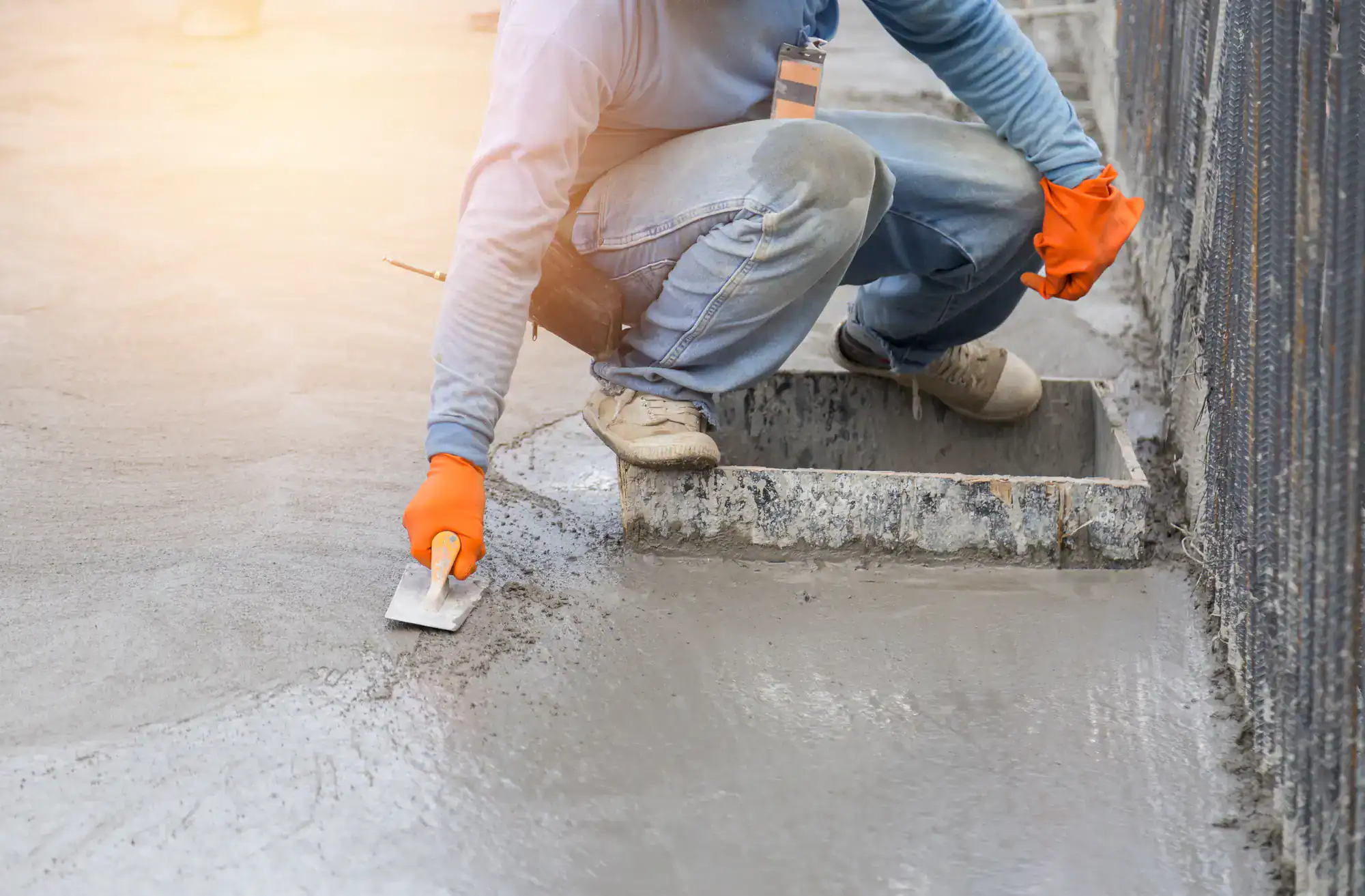
Hear from Our Customers
Here’s what most homeowners in Lake Ronkonkoma don’t realize until it’s too late: the lake isn’t just a landmark it’s a live indicator of your water table. When that lake level climbs, as it did dramatically in 2007 when it hit its highest point since the 1960s, the hydrostatic pressure building against your foundation walls climbs with it. That pressure doesn’t announce itself. It shows up as a damp corner, a white mineral stain on the block wall, or a crack that wasn’t there last spring.
Once your basement is properly waterproofed, that pressure has somewhere to go that isn’t through your walls. You get usable square footage back. You get air quality that isn’t being compromised by moisture feeding mold behind your drywall. And if you’re thinking about selling in a market where Lake Ronkonkoma homes move fast and inspectors flag wet basements immediately you get a documented, transferable warranty that removes one of the most common deal-killers at the negotiating table.
A lot of the homes in this area were originally built as summer bungalows in the 1940s and 1950s. They were converted to year-round use, but their foundations weren’t redesigned for it. Block walls with aging mortar joints, no original drainage systems, shallow footings these homes need real waterproofing, not a coat of paint on the wall and a hope for a dry summer. That’s exactly the kind of work we do here.
The most common complaint homeowners have about waterproofing contractors isn’t the price it’s being sold a $12,000 interior drainage system when a foundation crack injection would have done the job. We don’t work that way. Every job starts with an in-person inspection, a real conversation about what’s happening and why, and a written estimate that reflects what your specific home actually needs.
Lake Ronkonkoma sits across two town lines Brookhaven and Smithtown which means permit requirements can differ depending on which side of that line your property falls on. We know how to navigate that. We’ve worked in the basements of older homes throughout central Suffolk County, from the resort-era conversions near the lake to the post-war ranches further inland, and we understand what the Ronkonkoma Moraine’s outwash soils do to groundwater movement in this community specifically.
You won’t get a phone quote from us. You’ll get someone who shows up, looks at the actual problem, and tells you what it’s going to take to fix it.
It starts with a free in-home inspection. We come to your Lake Ronkonkoma property, walk the basement interior, check the foundation exterior where accessible, look at how the ground slopes away from the house, and assess your current drainage situation. In a community where groundwater conditions vary by how close a property sits to the lake and what the soil profile looks like on that specific lot, a phone call isn’t a substitute for eyes on the problem.
Once we understand what’s driving the moisture whether that’s hydrostatic pressure through the floor slab, seepage through mortar joints in a block wall, an active crack in a poured concrete foundation, or a sump system that’s aged out we walk you through the options. We explain what each one does, what it costs, and why we’re recommending it over the alternatives. No pressure, no same-day-only pricing.
From there, the work is scheduled and completed with minimal disruption to your household. Interior drainage systems are installed below the floor slab and tied into a sump pump system sized for your home’s actual water load. Foundation cracks are sealed using epoxy or polyurethane injection depending on the crack type and whether it’s active or dormant. Because Lake Ronkonkoma straddles Brookhaven and Smithtown, we handle the permit process for the correct town jurisdiction so that’s never your problem to figure out.
Ready to get started?
Basement waterproofing isn’t one thing it’s a category that covers several distinct problems, and the right fix depends entirely on what’s causing the water. For Lake Ronkonkoma homes dealing with active groundwater pressure from the area’s highly permeable outwash soils, interior basement waterproofing with a perimeter drainage channel and sump pump installation is often the most effective long-term solution. Water that can’t be stopped at the wall is intercepted at the footing, redirected to the sump pit, and pumped out before it reaches the floor.
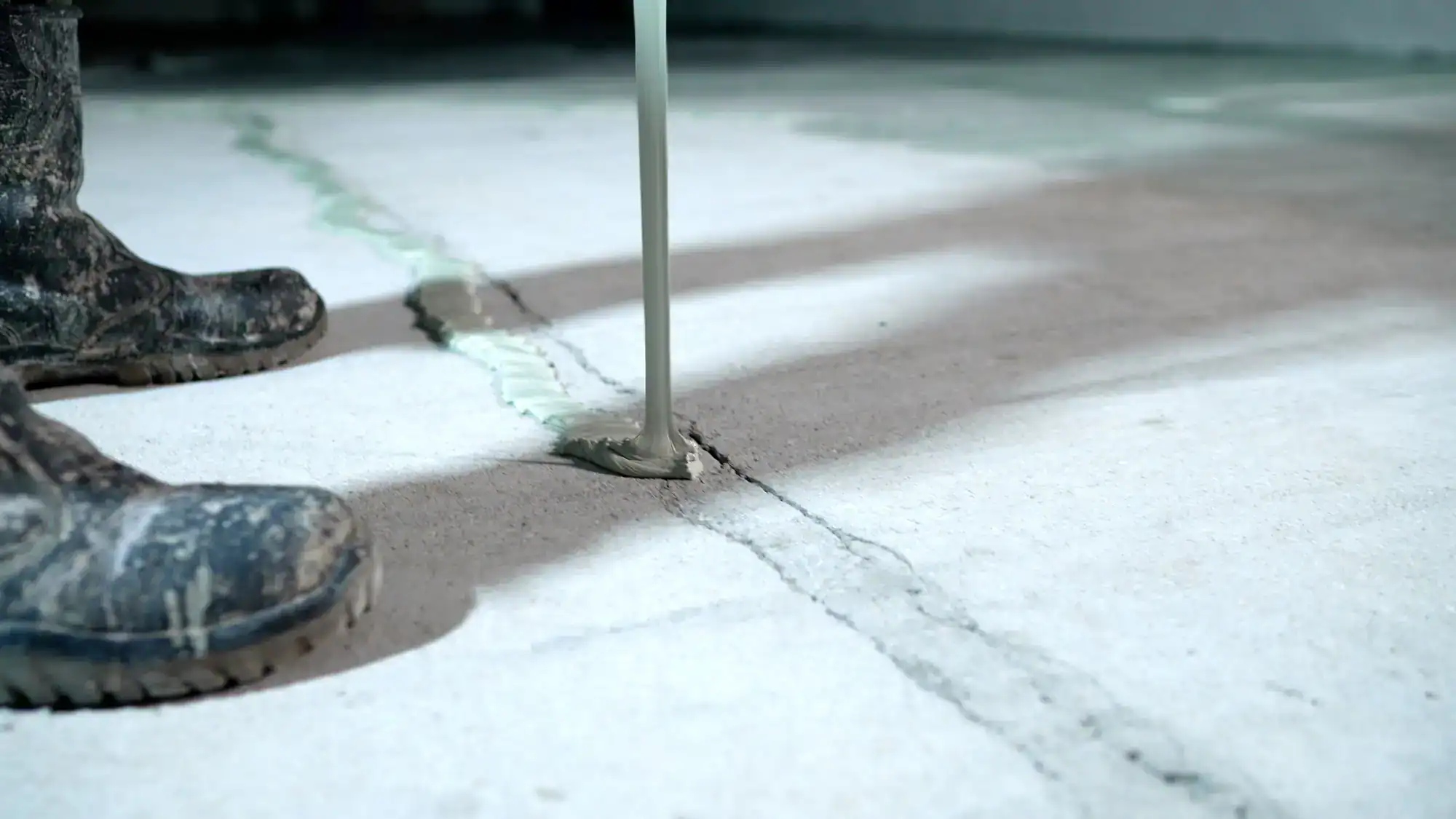
For foundation crack sealing, we use either epoxy injection which bonds the crack structurally and restores tensile strength or polyurethane foam injection, which is better suited for cracks that are actively wet or subject to movement. Both methods are far less invasive and far less expensive than interior drainage systems, and for homes where a crack is the primary entry point rather than a broader drainage failure, they’re often all that’s needed. Waterproofing basement walls with a hydraulic cement or crystalline coating is another option for block foundations where mortar joint seepage is the issue.
For homes near the lake where the water table can rise significantly in wet years, we also strongly recommend battery backup sump pump systems. The same nor’easters and summer storms that spike groundwater levels in this area are the ones that knock out power. A battery backup keeps your sump running through the outage which is exactly when you need it most.
This is one of the most common questions we hear from homeowners in Lake Ronkonkoma, and the answer has everything to do with how the area’s groundwater system works. The lake itself has no surface outlet no stream flowing out, no drainage ditch. Its water level is controlled entirely by the local water table. When the water table rises due to regional aquifer rebound or a wet season, the lake rises too. And when the lake rises, so does the groundwater pressure against every foundation in the area.
That means your basement can take on water during a dry stretch if the water table is elevated from rainfall weeks earlier, or from reduced regional groundwater pumping that allows the aquifer to rebound. The Lake Ronkonkoma area is specifically identified in Suffolk County planning documents as a cyclical aquifer rebound flooding zone some homes here have documented flooding histories going back to 1936. If your basement is wet without an obvious rain event to blame, groundwater pressure is almost certainly the cause, and it won’t resolve on its own.
Cost varies significantly depending on what’s actually causing the problem and what solution is appropriate. Foundation crack sealing using epoxy or polyurethane injection typically runs between $800 and $1,500 per crack it’s a targeted fix for a specific entry point. Sump pump installation on its own generally falls between $600 and $1,900 depending on the system and whether a battery backup unit is included. A full interior drainage system with perimeter channel and sump pump the right solution for homes with broader groundwater pressure issues typically ranges from $4,500 to $10,000 depending on basement size and the complexity of the drainage layout.
What we’d caution against is letting cost be the only driver. In Lake Ronkonkoma’s real estate market, where median home values sit around $525,000 and homes go under contract quickly, a wet basement that shows up in a buyer’s inspection can trigger a price reduction that far exceeds what waterproofing would have cost. A written, transferable warranty from a licensed contractor is a documented asset at the time of sale not just peace of mind while you’re living there.
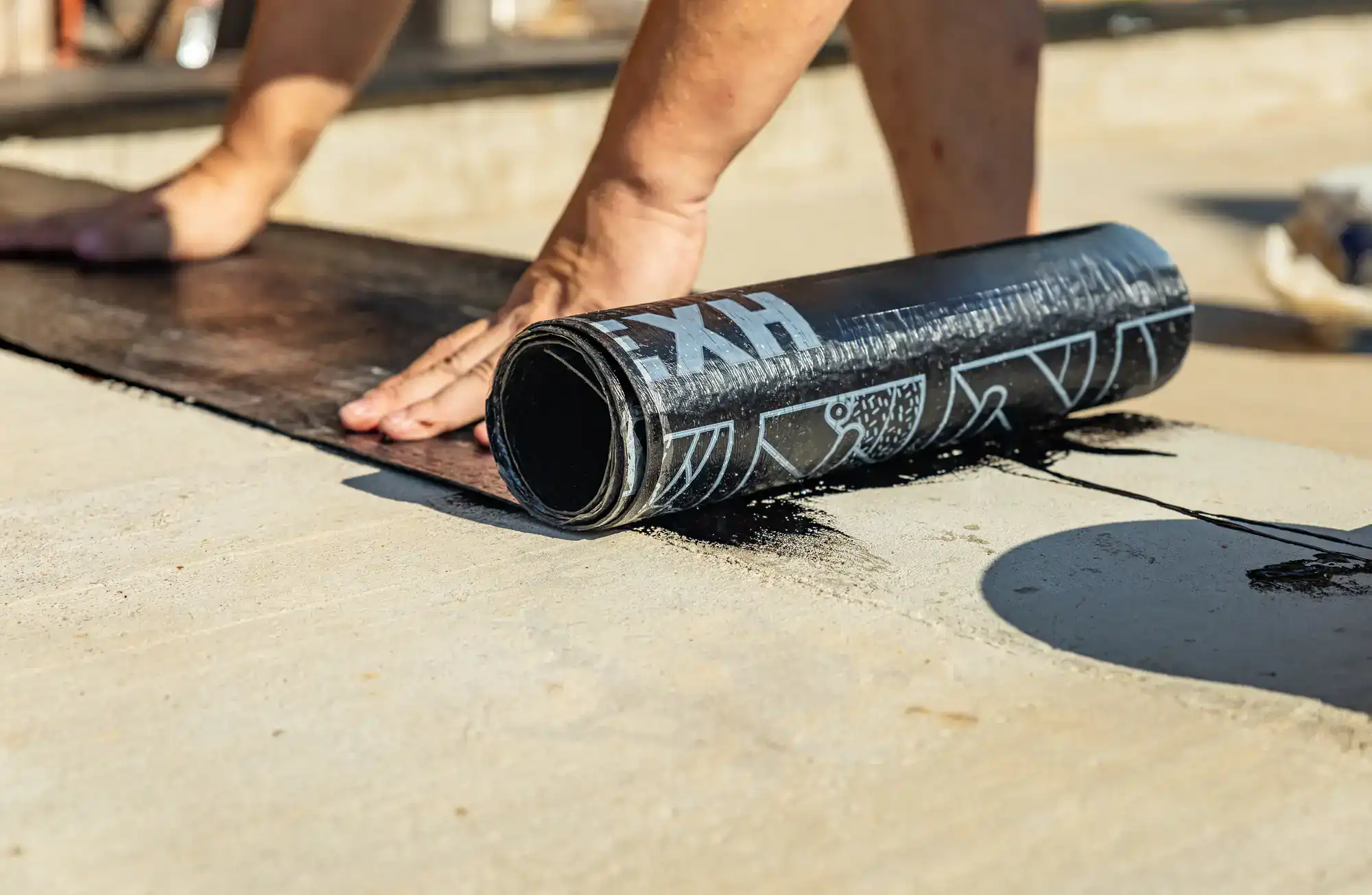
Exterior waterproofing means excavating around the foundation, applying a waterproof membrane or coating directly to the outside of the foundation wall, and installing drainage board and a footing drain to redirect water before it ever contacts the wall. It addresses the source directly and is generally considered the most comprehensive approach but it’s also the most disruptive and expensive, and it’s not always necessary or practical depending on the home’s landscaping, access, and what’s actually driving the moisture.
Interior basement waterproofing doesn’t stop water from entering the wall it intercepts it at the footing before it reaches the floor and routes it to a sump pump. For Lake Ronkonkoma homes dealing with rising groundwater pressure from below rather than surface water running toward the foundation, interior systems are often the more practical and cost-effective solution. They work with the water table rather than trying to hold it back entirely. The right answer depends on your specific home, your soil conditions, and where the water is actually coming from which is exactly why we inspect before we recommend anything.
It depends on the scope of the work and, importantly, which side of the town line your property sits on. Lake Ronkonkoma is split between the Town of Brookhaven and the Town of Smithtown, and each town has its own building department and permit process. For most crack injection and basic waterproofing wall treatments, permits are typically not required. But for interior drainage system installation, sump pump installation with exterior discharge, or any excavation work for exterior waterproofing, permits are generally required under the relevant town’s building code and the Suffolk County Sanitary Code.
This is one area where working with a contractor who actually knows this community matters. A national franchise operator unfamiliar with the Brookhaven-Smithtown split may not know which permit office applies to your address or may skip the permit process entirely, which creates problems at resale or with your homeowners insurance. We handle the permit process as part of the job so you’re never left figuring that out on your own.
For most homes in Lake Ronkonkoma, it’s genuinely necessary and the reason is specific to this community. The groundwater flooding events that hit hardest in this area are caused by the same storms that knock out power: nor’easters, heavy summer thunderstorms, and tropical systems that push through Long Island. Your primary sump pump runs on electricity. The moment the power goes out during one of those storms, your primary pump stops right when the water table is rising fastest and your basement needs the most protection.
A battery backup system runs independently of your home’s power supply and kicks in automatically when the primary pump loses power or is overwhelmed by inflow volume. It’s not a luxury for Lake Ronkonkoma homes it’s the part of the system that actually works during the moments that matter. We recommend it for any home within the area where groundwater pressure is a documented factor, which is most of them.
This is an important distinction, and it’s one that a lot of homeowners get confused about often because contractors blur the line to justify larger scopes of work. Waterproofing manages water intrusion. Foundation repair addresses structural failure. They’re related, but they’re not the same thing, and one doesn’t automatically require the other.
In Lake Ronkonkoma, a significant portion of the older housing stock particularly the homes that started as summer bungalows in the 1940s and 1950s have block foundations with aging mortar joints. Seepage through those joints is a waterproofing problem, not a structural one. A horizontal crack running along the middle of a block wall, however, can indicate lateral soil pressure causing structural movement and that’s a different conversation. Vertical cracks in poured concrete foundations are common and typically waterproofable via injection. Stair-step cracks in block foundations can go either way depending on severity and pattern.
The only way to know for sure is an in-person inspection by someone who has actually worked in these older foundations. We’ll tell you honestly what you’re dealing with and if it turns out the issue is structural rather than just water management, we’ll tell you that too rather than waterproofing over a problem that needs a different fix.