
Hear from Our Customers
You didn’t move to Manorville for a wet basement. You came for the space, the Pine Barrens setting, the ESM schools, and the kind of quiet that’s harder to find the further west you go on Long Island. A water problem underneath all of that doesn’t just damage drywall it threatens the foundation of an investment that, in this market, is likely worth close to $600,000 or more.
What most homeowners in Manorville don’t realize is that the geology here works against you in a specific way. There’s a documented clay formation the Manorville clay, named by the USGS that sits beneath east-central Suffolk County and slows the downward movement of groundwater. Add the fast-draining Pine Barrens sandy soil above it, and you’ve got a situation where rainwater moves quickly through the surface, hits that clay layer, and gets redirected straight toward your foundation walls and footing. That’s not a fluke. That’s the ground your house sits on.
Most of Manorville’s housing stock was built between the mid-1980s and early 2000s. If your home is in that range and has never had a waterproofing inspection, the original drain tile, membrane, or sump system may be at or past the end of its service life even if you haven’t seen standing water yet. Catching it now costs a fraction of what it costs after the damage is done.
We serve Long Island homeowners with the kind of local knowledge that actually changes how a job gets done. That means understanding that a home in Manorville backing up to the Pine Barrens Reserve has different drainage dynamics than a home in a coastal town. It means knowing that a 1993-built home in Manorville is squarely in the window where original waterproofing systems start to fail. And it means knowing that the Peconic River watershed and the clay-impeded water table in this part of Suffolk County create pressure conditions that generic solutions don’t fully address.
We don’t quote over the phone. We don’t push same-day decisions. Every job starts with a free in-home inspection we look at your foundation inside and out, explain what we find, and tell you what it actually needs. If a simple crack injection solves it, that’s what we’ll tell you. If it needs more, we’ll walk you through exactly why.
It starts with the inspection. We come to your Manorville home, walk the basement, examine the walls and floor for signs of seepage, efflorescence, or active cracking, and check the exterior foundation and grading while we’re there. We’re looking for the source not just the symptom. In a lot of Manorville homes, that means tracing water back to either hydrostatic pressure from the clay-impeded water table below, lateral seepage through foundation wall cracks, or a drainage system that’s no longer doing its job.
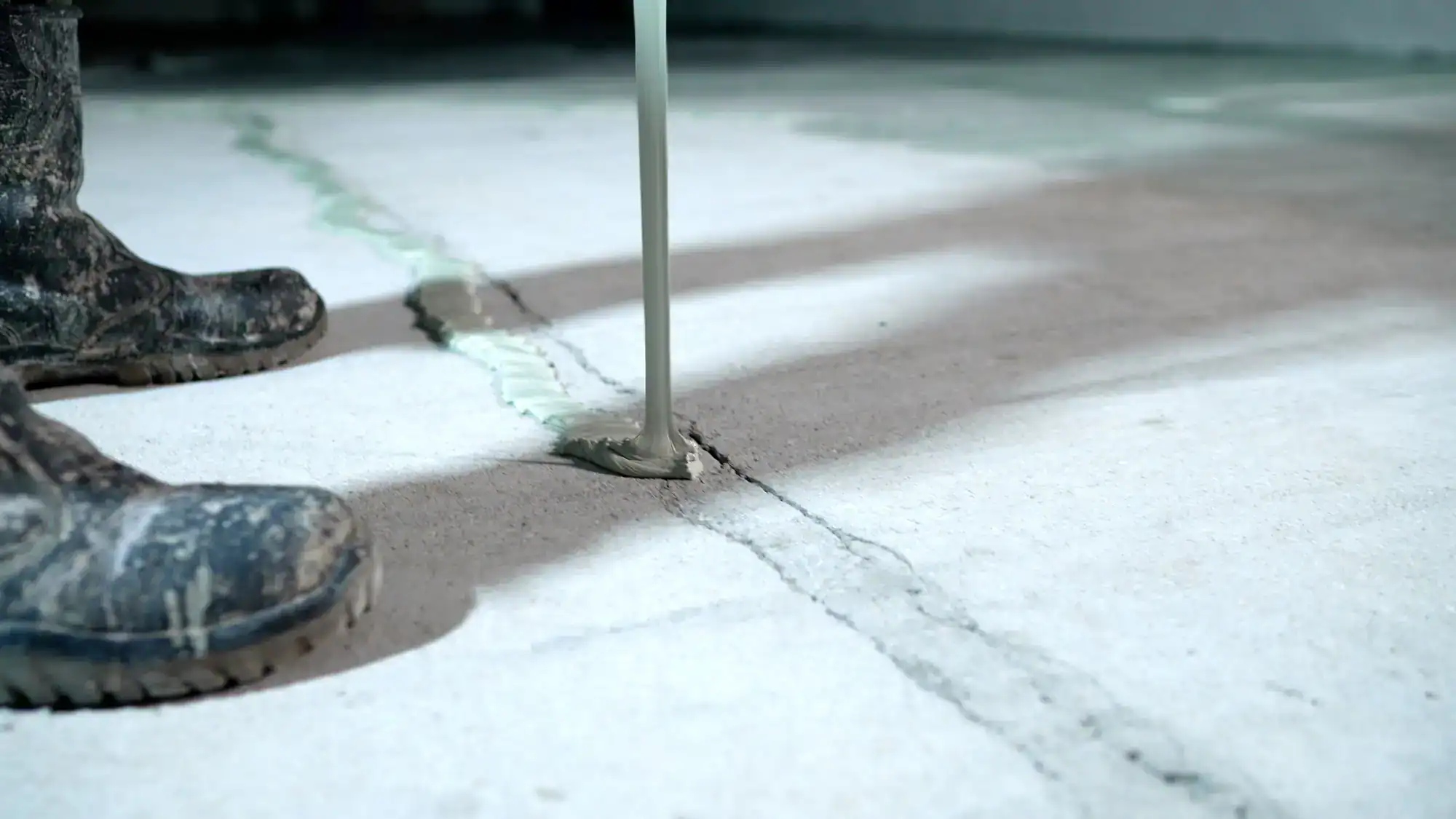
Once we know what’s driving the problem, we put together a scope of work that matches it. That might mean epoxy or polyurethane crack injection to seal a foundation crack before Manorville’s freeze-thaw cycle opens it further. It might mean installing an interior perimeter drainage system that collects water at the base of the walls and routes it to a sump pit. It might mean a new sump pump installation or adding a battery backup unit so your basement stays protected when a coastal storm takes the power out, which happens here.
Because Manorville spans both the Town of Brookhaven and the Town of Riverhead, permit requirements can vary depending on where your property sits. Any work that involves structural modifications or penetrating the foundation may require a building permit from the relevant town. We’ll walk you through what applies to your job before anything starts no surprises.
Ready to get started?
Basement waterproofing in Manorville isn’t one-size-fits-all, and the services we provide reflect that. Foundation crack sealing addresses what Manorville’s winters make worse a hairline crack in October becomes a structural concern by March after repeated freeze-thaw cycles force water in, freeze it, and expand the gap. Epoxy injection restores the structural integrity of the concrete. Polyurethane foam injection flexes with the wall and creates a waterproof seal that holds even as the foundation moves slightly with the seasons.
Interior basement waterproofing specifically a perimeter drain system is the right call when the water table itself is the problem. Given the Manorville clay layer and the volume of groundwater that builds up in east-central Suffolk County during a wet spring or after a nor’easter, interior drainage manages the pressure rather than fighting it. Water gets collected at the perimeter, routed to a sump pit, and pumped out before it can cause damage.
Sump pump installation and replacement round out what most Manorville homes in the 20-to-35-year age range actually need. If your pump is original to the house, it’s likely on borrowed time. We install primary systems and battery backup units because the worst basement flooding in this area almost always happens during the same storms that knock out the power. A dry basement after a storm isn’t luck. It’s the right system installed correctly.
Spring is the highest-risk season for basement water intrusion in Manorville, and there’s a specific reason for it. The combination of winter snowmelt and April and May rainfall saturates the ground quickly and because of the Manorville clay layer documented by the USGS, that water can’t percolate downward the way it would in purely sandy soil. It pools at the depth where your foundation walls and footing sit, building hydrostatic pressure that pushes through cracks, joint seams, and any point where the original waterproofing membrane has degraded.
If your basement has been wet every spring for a few years running, that’s not a coincidence it’s a pattern driven by the geology beneath your property. The fix depends on where the water is coming in. Wall cracks respond well to injection sealing. Seepage through the floor or wall-floor joint usually points to a drainage and sump system problem. A proper inspection will tell you which one you’re dealing with before any money gets spent.
Cost varies based on what the basement actually needs, and anyone who quotes you a number without seeing the space first isn’t giving you a real estimate. That said, here’s a realistic range for the most common services in Manorville: foundation crack injection typically runs $800 to $1,500 per crack depending on length and severity. Sump pump installation generally falls between $600 and $1,900 depending on the unit and whether a battery backup is included. A full interior perimeter drainage system the kind designed to manage the hydrostatic pressure Manorville’s water table creates typically ranges from $4,500 to $10,000 depending on the size of the basement and the complexity of the job.
With median home values in Manorville approaching $600,000, the cost of waterproofing is proportionate to what you’re protecting. Deferred maintenance on a failing drainage system or an ignored foundation crack almost always costs more in the long run both in repair costs and in the impact on your home’s value when it comes time to sell.
Both methods have their place, and the right answer depends on what’s causing the problem. Exterior waterproofing applying a membrane directly to the outside of the foundation wall is the most comprehensive solution when it’s accessible. It addresses the source of water intrusion before it ever contacts the foundation. The downside is cost and disruption: it requires excavating around the perimeter of the house, which is a significant undertaking, especially on larger Manorville properties with mature landscaping.
Interior waterproofing doesn’t stop water from reaching the foundation, but it manages it effectively once it does. A properly designed interior drainage system handles the hydrostatic pressure that Manorville’s clay-impeded water table creates collecting water at the perimeter, routing it to a sump, and removing it before damage occurs. For most Manorville homeowners dealing with seepage rather than a failed exterior membrane, interior waterproofing is the more practical and cost-effective solution. The inspection will tell you which approach fits your specific situation.
It depends on the scope of the work and exactly where your property sits. Manorville is split between two towns the majority of the hamlet falls within the Town of Brookhaven, while the northeast corner falls within the Town of Riverhead. Simple crack sealing or sump pump replacement generally doesn’t require a permit. However, work that involves cutting into the basement floor, installing a new perimeter drainage system, or making any structural modifications to the foundation typically does require a building permit from the applicable town building department.
Suffolk County also has environmental regulations tied to groundwater protection the county relies on the Long Island aquifer as its sole drinking water source, so drainage work that could affect groundwater flow may be subject to additional review. Before any work begins, we’ll identify which jurisdiction applies to your property and walk you through what’s required. Working with a properly licensed contractor ensures the work is done in a way that can be permitted, inspected, and documented which matters when you go to sell the home.
The average sump pump lasts about 10 years. If your Manorville home was built in the 1990s which describes the majority of the housing stock here and you’ve never replaced the pump, it’s worth having it evaluated regardless of whether you’ve had an obvious failure. Pumps don’t always announce themselves before they quit. The most common warning signs are unusual noise during operation, the pump running more frequently than it used to, visible rust or corrosion on the unit, or water in the pit that isn’t being cleared as quickly as it should be.
Beyond the primary pump, battery backup is something every Manorville homeowner should consider seriously. The worst flooding events on Long Island almost always come with power outages nor’easters, tropical remnants, and summer thunderstorms that roll through the area can knock out power for hours at exactly the moment your pump is working hardest. A battery backup unit keeps the system running when the grid goes down. It’s a relatively modest addition to the cost of a pump installation, and it’s the difference between a dry basement and a flooded one after a storm.
Yes and more directly than most homeowners expect. Manorville’s real estate market is active, with homes regularly trading above $600,000 and buyers coming in with experienced agents and thorough home inspectors. Basement moisture, efflorescence on the walls, or any sign of active seepage is one of the most common issues flagged in inspection reports and it’s one of the fastest ways to lose negotiating leverage or derail a deal entirely. A buyer’s inspector who finds a wet basement will either kill the contract or hand the buyer a reason to demand a price reduction that far exceeds what waterproofing would have cost.
A documented, transferable waterproofing warranty changes that dynamic completely. It tells the buyer’s agent that the issue was identified, professionally addressed, and guaranteed by a contractor who is still in business. In a market where buyers are paying premium prices for homes near the Pine Barrens and the ESM school district, removing a basement moisture concern from the inspection report is a real selling advantage not just a maintenance checkbox.