
Hear from Our Customers
When water stops coming in, a lot of other problems stop too. The musty smell that’s been creeping upstairs goes away. The wall staining stops spreading. The floor stays dry through March, through the nor’easters, through the weeks after heavy rain when the ground around your foundation is completely saturated. That’s what a properly waterproofed basement actually feels like and it’s a bigger quality-of-life shift than most homeowners expect.
For North Babylon specifically, this matters more than it might somewhere else on Long Island. The Town of Babylon sits in one of the most documented high-water-table zones in all of Suffolk County. After a hard rain, that water doesn’t just run off it rises. It pushes against your foundation walls from the outside, finds the hairline cracks that have been widening since your house was built, and works its way in. If your home was built between 1945 and 1975, which describes the majority of North Babylon’s housing stock, the original waterproofing membrane applied at construction is long gone.
With median home values now around $604,000 in this area, a wet basement isn’t just a nuisance it’s a liability. Buyers’ inspectors flag it immediately, and sellers lose negotiating power fast. A dry, professionally waterproofed basement with a transferable warranty changes that conversation entirely.
We are a Long Island-based waterproofing contractor serving North Babylon and the surrounding communities throughout Suffolk County. Every job starts with a free, in-person inspection not a phone estimate because the actual cause of water intrusion in a 60-year-old North Babylon foundation cannot be accurately assessed from a description over the phone.
North Babylon’s geology is a patchwork. Sandy outwash soils that let water travel sideways toward your foundation sit right alongside clay-bearing pockets that hold moisture against your walls for days after a storm. A home near Belmont Lake State Park can have completely different drainage behavior than a home three streets over toward Deer Park Avenue. We account for that. The fix we recommend is based on what’s actually happening at your specific property not a templated system we apply to every job regardless of conditions.
We’re licensed, insured, and registered with the Suffolk County Department of Consumer Affairs, which is the legal baseline for any contractor doing home improvement work in this area. We back every job with a written warranty, and we don’t subcontract the work out to third-party crews.
It starts with a free on-site inspection. One of our team members comes to your home, walks the basement, and looks at the foundation walls, floor joints, and any visible cracks or staining. We’re looking for where the water is entering, what’s driving it hydrostatic pressure from the water table, lateral seepage through the soil, or active cracks in the foundation wall and what the right fix is for your specific situation. You get a written estimate before anything else happens.
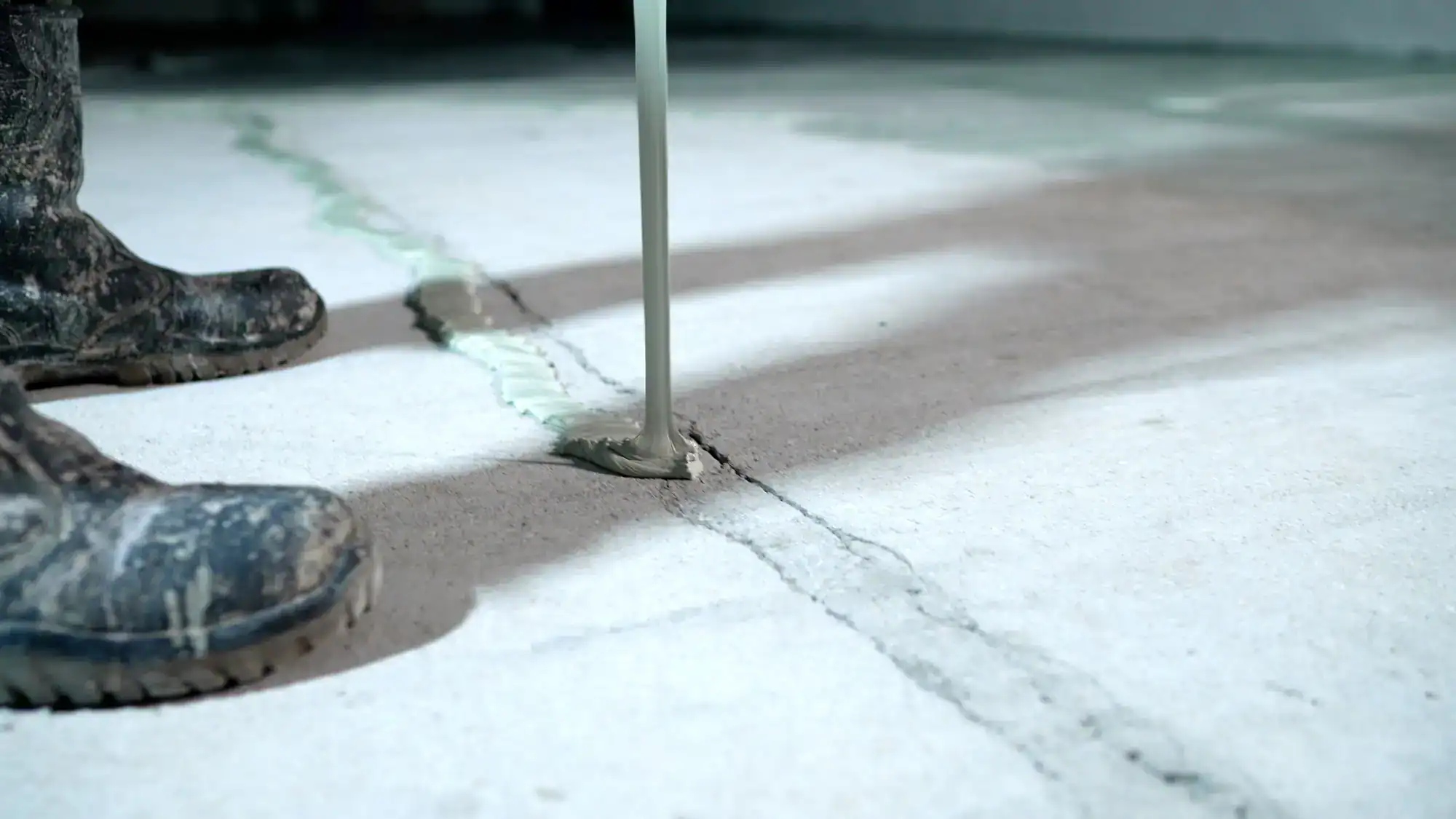
From there, the scope depends entirely on what we find. For active foundation cracks, we use epoxy or polyurethane injection to fill the crack from the inside out bonding directly to the concrete rather than just covering the surface. For homes where groundwater is pushing in along the floor perimeter, an interior drainage channel system intercepts that water before it can pool and routes it to a sump pump for removal. Sump pump installations in North Babylon always include a battery backup unit, because the storms most likely to flood your basement are the same ones most likely to knock out your power.
One thing worth knowing: the Town of Babylon has specific regulations about where sump pump discharge water can go. It cannot discharge to the street or into the sanitary sewer it needs to go to an approved on-site drainage point like a dry well or seepage pit. We handle all of that correctly and make sure the installation is fully compliant before we leave.
Ready to get started?
Basement waterproofing in North Babylon isn’t one service it’s a category that covers several different problems with several different solutions, and the right one depends on your foundation type, your soil conditions, and where the water is actually coming from. Here’s what we handle.
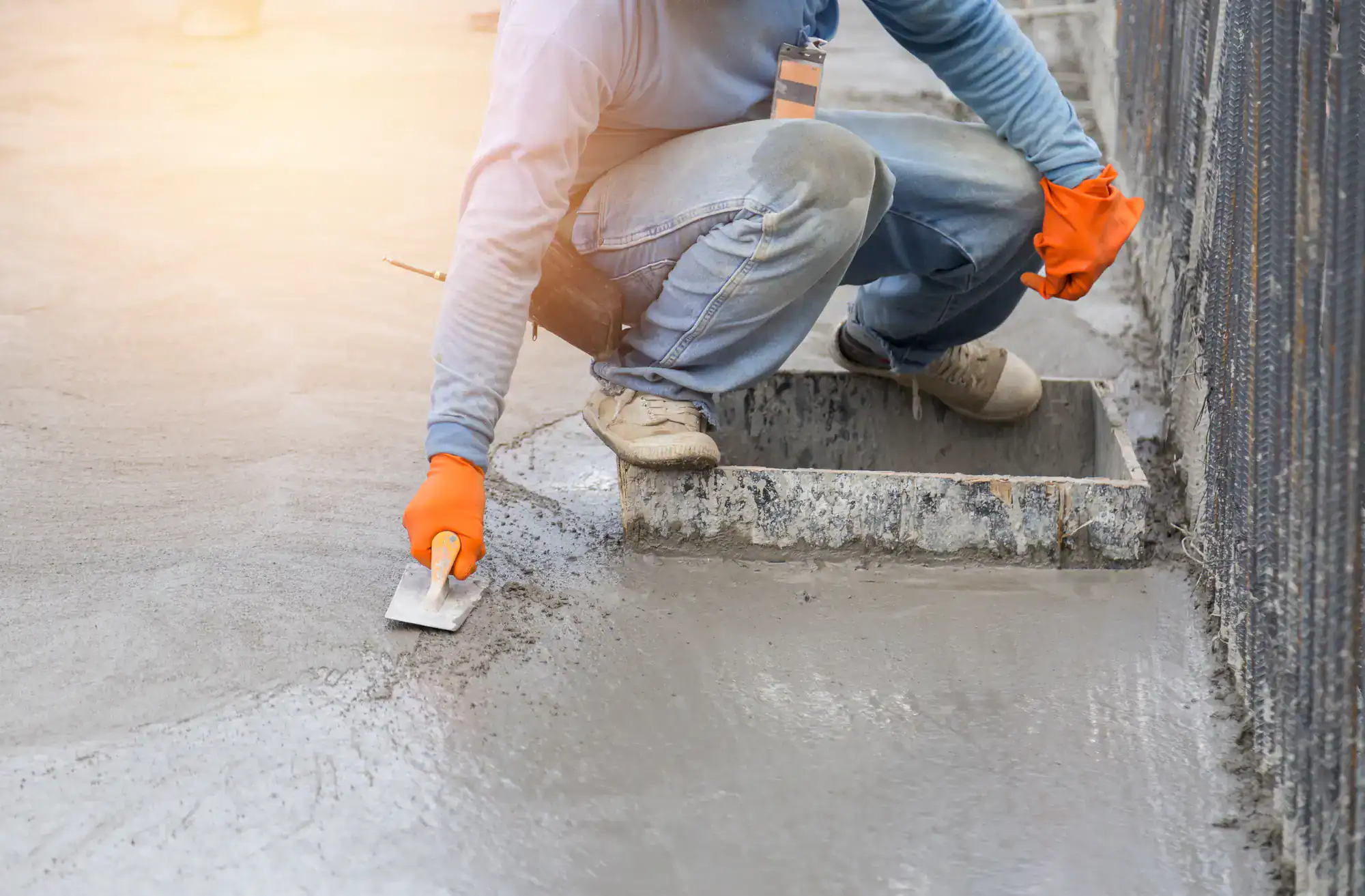
Foundation crack sealing addresses active cracks in poured-concrete or concrete-block walls the kind of foundation found in nearly every post-war home in North Babylon. We use injection-based repair that fills the crack structurally, not just on the surface. Waterproofing basement walls with surface paint or hydraulic cement might slow things down temporarily, but it won’t hold against sustained hydrostatic pressure. Injection does. Interior basement waterproofing installing a perimeter drainage channel that captures water at the footing level and routes it to a sump is the right solution when groundwater is entering along the floor-wall joint or through the floor itself, which is common in the lower-lying sections of North Babylon where the water table sits closest to the surface. Sump pump installation and replacement rounds out the system, and we size the pump to handle the actual groundwater volume your property sees not a one-size-fits-all unit. For homes in FEMA-designated flood zones within the Town of Babylon, we make sure every installation meets floodplain management requirements for materials and placement.
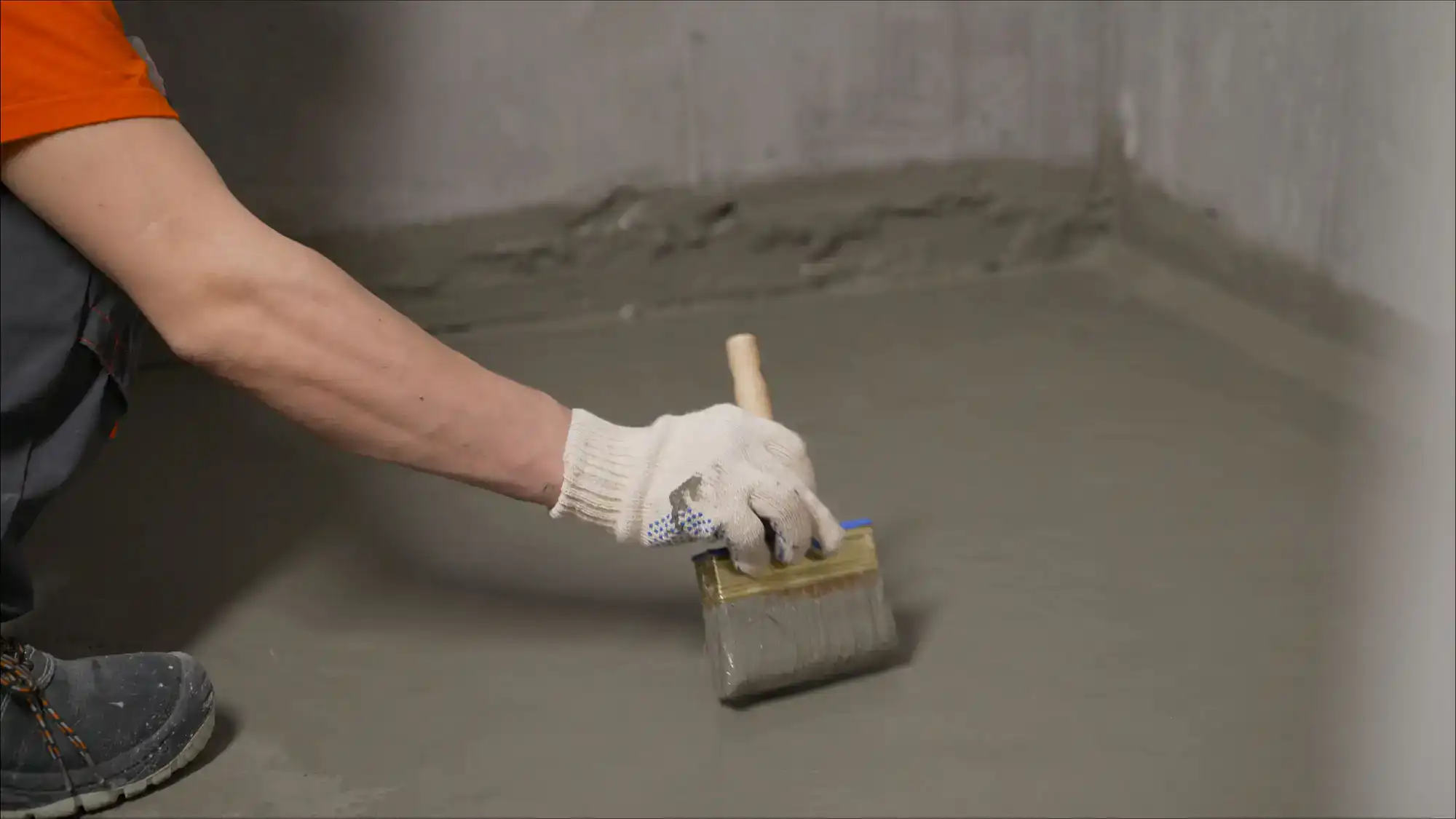
The short answer is that North Babylon sits in a high-water-table zone within the Town of Babylon, and the drainage infrastructure in most of this area was built in the 1950s and 60s the same era as the houses. During heavy rain, that system gets overwhelmed. When it does, water that would normally flow south toward the Great South Bay has nowhere to go, and it rises against whatever it finds including your foundation walls.
The longer answer involves your specific foundation. If your home was built during North Babylon’s post-war suburban boom, you likely have a poured-concrete or concrete-block foundation that has now been through 60-plus years of freeze-thaw cycling. Cracks that were invisible at construction have widened over time, and the original waterproofing applied at the time of construction has degraded completely. Water finds those openings during every significant rain event. The fix depends on where exactly it’s entering which is why a proper inspection matters before any work is recommended.
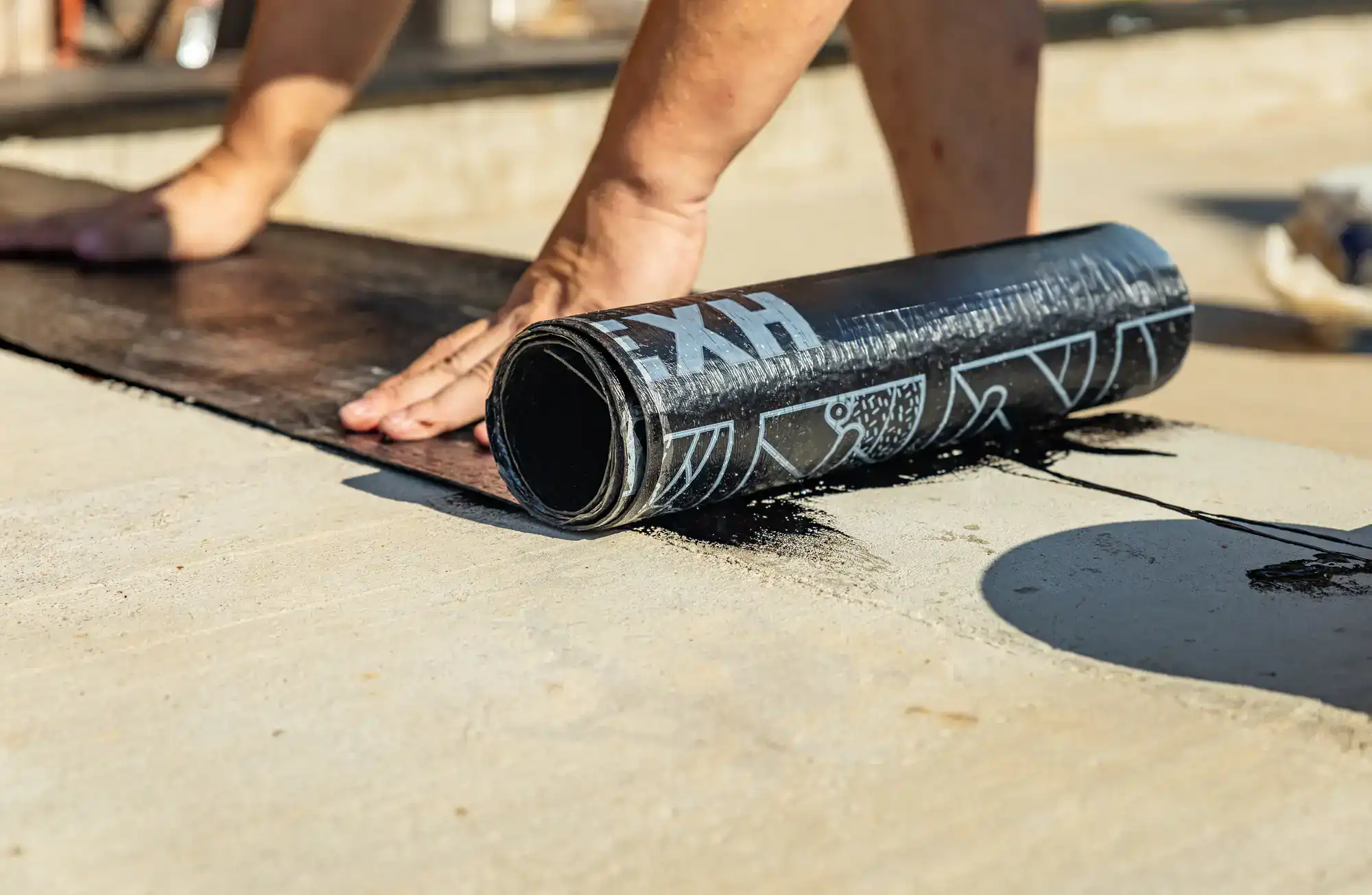
Exterior waterproofing means excavating around the outside of your foundation, applying a waterproof membrane or coating to the exterior wall, and installing drainage board and a footing drain to redirect water away before it reaches the wall. It’s the most comprehensive approach, but it’s also the most disruptive and expensive and in many North Babylon neighborhoods, it’s not practical because driveways, landscaping, or adjacent structures make full excavation difficult or impossible.
Interior waterproofing doesn’t stop water from reaching the wall it manages water after it enters the foundation perimeter. A drainage channel is installed along the inside perimeter of the basement floor, water is intercepted at the footing level, and it’s routed to a sump pump for removal. For most North Babylon homes dealing with hydrostatic groundwater pressure, interior waterproofing is the more practical and cost-effective long-term solution. It also doesn’t require disturbing your yard, driveway, or landscaping. Which approach makes sense for your home depends on your specific foundation conditions that’s what the inspection determines.
Cost varies significantly depending on what the problem actually is. A single foundation crack sealed with epoxy or polyurethane injection typically runs in the range of $800 to $1,500 depending on the length and location of the crack. A full interior drainage system with sump pump installation for a standard North Babylon basement roughly 1,000 to 1,200 square feet generally falls between $6,000 and $12,000. More extensive work involving multiple systems or a severely compromised foundation will cost more.
What’s worth keeping in mind is the cost of not acting. Foundation repair the kind required when water intrusion is allowed to continue cycling through freeze-thaw expansion in an already-cracked wall can run $15,000 to $30,000 or more. Mold remediation in a basement that has been wet for years typically costs $2,000 to $6,000 on top of whatever waterproofing work is needed. In a market where North Babylon homes are listing around $604,000, a wet basement is also a disclosure issue that costs sellers real money at closing. A proper inspection and written estimate will tell you exactly what you’re dealing with and what it will cost to fix it.
It depends on the scope of work. Foundation crack repair using injection methods epoxy or polyurethane typically does not require a building permit in New York State. However, if the work involves installing an interior drainage system, modifying the basement floor, or making any structural changes to the foundation, a permit from the Town of Babylon Building Department may be required.
Sump pump installation also comes with a specific local requirement worth knowing: the Town of Babylon and Suffolk County both prohibit sump pump discharge to the street or into the sanitary sewer system. Discharge must go to an approved on-site drainage point, typically a dry well or seepage pit. Any contractor working in North Babylon should know this and handle it correctly as part of the installation if they don’t bring it up, that’s a red flag. Additionally, for properties in FEMA-designated flood zones within the Town of Babylon, any substantial improvement to the structure must comply with floodplain management regulations. We handle all permit and compliance questions as part of the job.
A sump pump removes water that has already entered the area around your foundation it doesn’t stop water from getting there in the first place. Whether a pump alone is sufficient depends on what’s driving the water intrusion. If your issue is purely rising groundwater in a high-water-table zone which is common in parts of North Babylon, particularly in lower-lying areas south of the Southern State Parkway a properly sized sump pump with a battery backup can manage the problem effectively on its own.
But if you have active cracks in your foundation walls, water is entering through a specific failure point that a sump pump won’t address. The pump will remove water after it pools, but the wall will continue to deteriorate, and the crack will continue to widen through freeze-thaw cycling every winter. In that case, crack sealing or an interior drainage channel system needs to be part of the solution. The inspection tells us which situation you’re actually in and we won’t recommend a full system if a targeted fix is what’s genuinely needed.
The most common signs don’t look like cracks at first. White chalky deposits on the basement wall called efflorescence are mineral deposits left behind when water moves through the concrete and evaporates. That’s water moving through your foundation wall, even if you can’t see an obvious opening. Staining along the base of the wall, a persistent musty smell, or any visible bowing or bulging in a concrete-block wall are all signs that water has been working against your foundation for some time.
In North Babylon, the freeze-thaw cycle is a major driver of hidden crack formation. Water that has worked its way into a hairline crack during a wet fall freezes when temperatures drop, expands, and widens the crack often in a location behind stored items or in a corner that doesn’t get looked at regularly. Homes built during the post-war era here have foundations that have been through this cycle sixty or more times. A professional inspection uses more than a visual scan it looks at moisture patterns, wall movement, and floor-joint behavior to identify where water is entering even when the entry point isn’t obvious to the eye.