

Hear from Our Customers
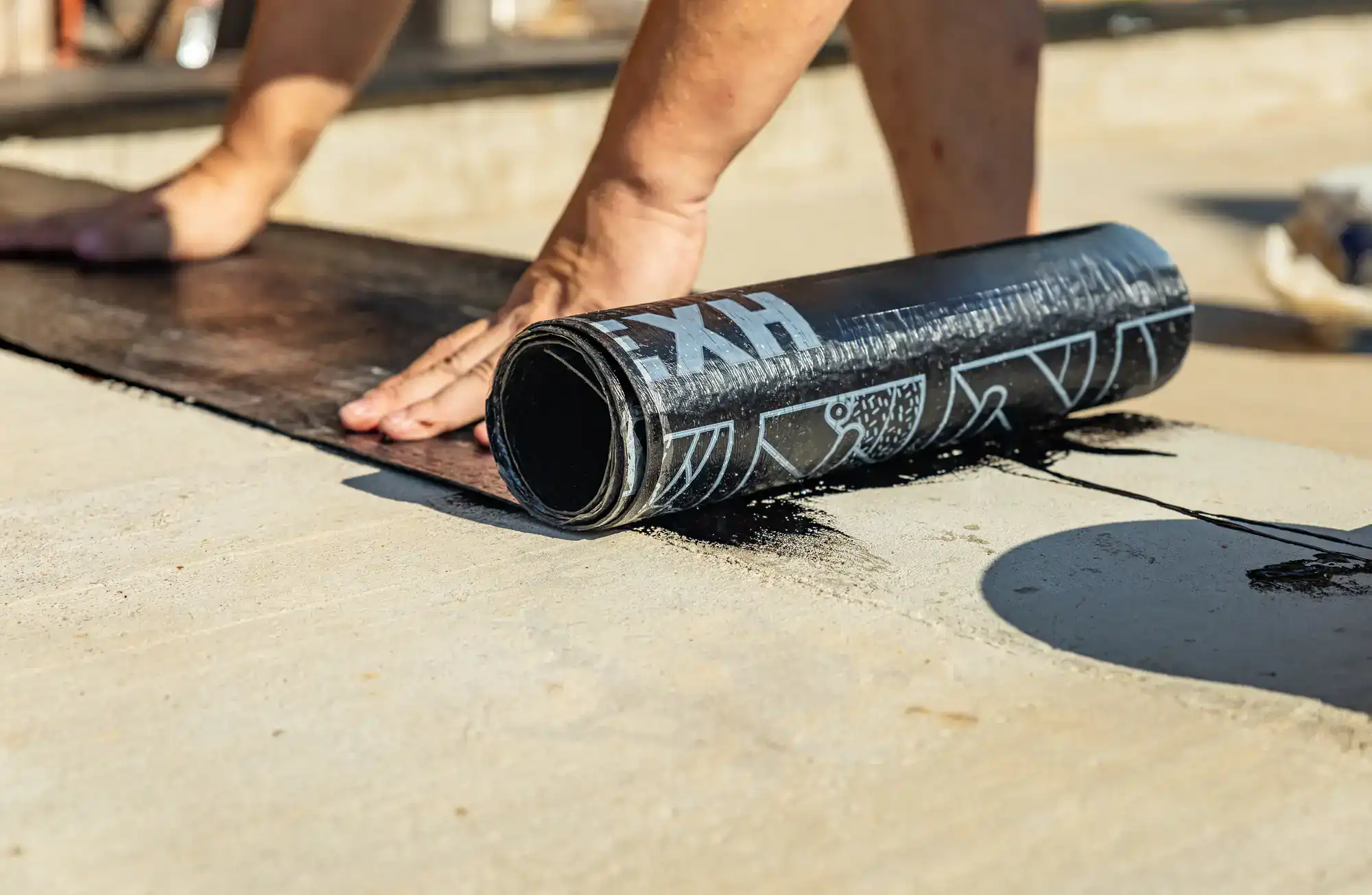
Most homeowners in North Patchogue don’t call about a flooded basement. They call about a smell. A stain on the wall. Water in the corner after every heavy rain. It starts small and if you’ve already tried hydraulic cement or waterproofing paint and it came back, that’s not a product failure. That’s a sign the source of the problem was never actually addressed.
When water intrusion gets resolved properly, the basement stops being something you avoid. The musty smell goes away. The mold risk drops. Your HVAC isn’t fighting humidity it was never designed to handle. For families living in homes built between the 1940s and 1960s which describes a lot of North Patchogue that kind of relief matters more than people expect.
There’s also the financial side. Patchogue-area home values have climbed steadily as the village has grown into one of Long Island’s more desirable communities. A wet basement is one of the first things a buyer’s inspector flags, and it can kill a deal or force a price cut. A properly waterproofed basement with a written warranty does the opposite it becomes a documented selling point that removes one of the most common buyer objections before it ever comes up.
We’re a Long Island waterproofing and foundation contractor. We work in the same climate, on the same housing stock, and in the same soil conditions as the homes we’re fixing in North Patchogue and across the South Shore. That matters more than it sounds.
The Patchogue area has specific conditions that affect how water moves through and around a foundation. The terrain around Canaan Lake sits at roughly 25 feet above sea level. The soil in parts of North Patchogue holds water instead of draining it. And a large portion of the homes here were built in an era when dampproofing meant a thin coat of tar that’s been gone for decades. We understand what causes these problems in this area not just in general.
Every job starts with a real inspection. We look at the foundation, identify where water is entering, explain what we’re seeing in plain language, and give you a written estimate before any work begins. No phone quotes. No pressure. Just an honest assessment of what’s happening and what it takes to fix it.
It starts with a free on-site inspection. We look at the interior and exterior of the foundation, check for cracks, assess drainage patterns around your home, and identify where water is actually entering. In North Patchogue, that step matters a lot two houses on the same street can have completely different water problems depending on their soil type, elevation, and how close they sit to the Canaan Lake drainage corridor. We don’t skip this step, and we don’t quote over the phone.
Once we know what we’re dealing with, we walk you through what we found and what we recommend. If it’s a foundation crack that needs sealing, we explain why epoxy or polyurethane injection is the right call and what it does to the wall long-term. If the problem calls for an interior drainage system and sump pump, we explain how it works, what size system fits the actual water volume your basement sees, and what happens during a power outage. You’ll understand the plan before we start.
Work in North Patchogue falls under the Town of Brookhaven’s building permit jurisdiction. For structural or drainage work that requires a permit, we handle that process so you’re not left navigating Brookhaven Town’s building division on your own. When the job is done, you get a written warranty and a clear explanation of what was installed and how to maintain it.
Ready to get started?
Basement waterproofing isn’t one thing. It’s a category that covers several different problems with several different solutions and matching the right solution to the actual cause is where most of the value is.
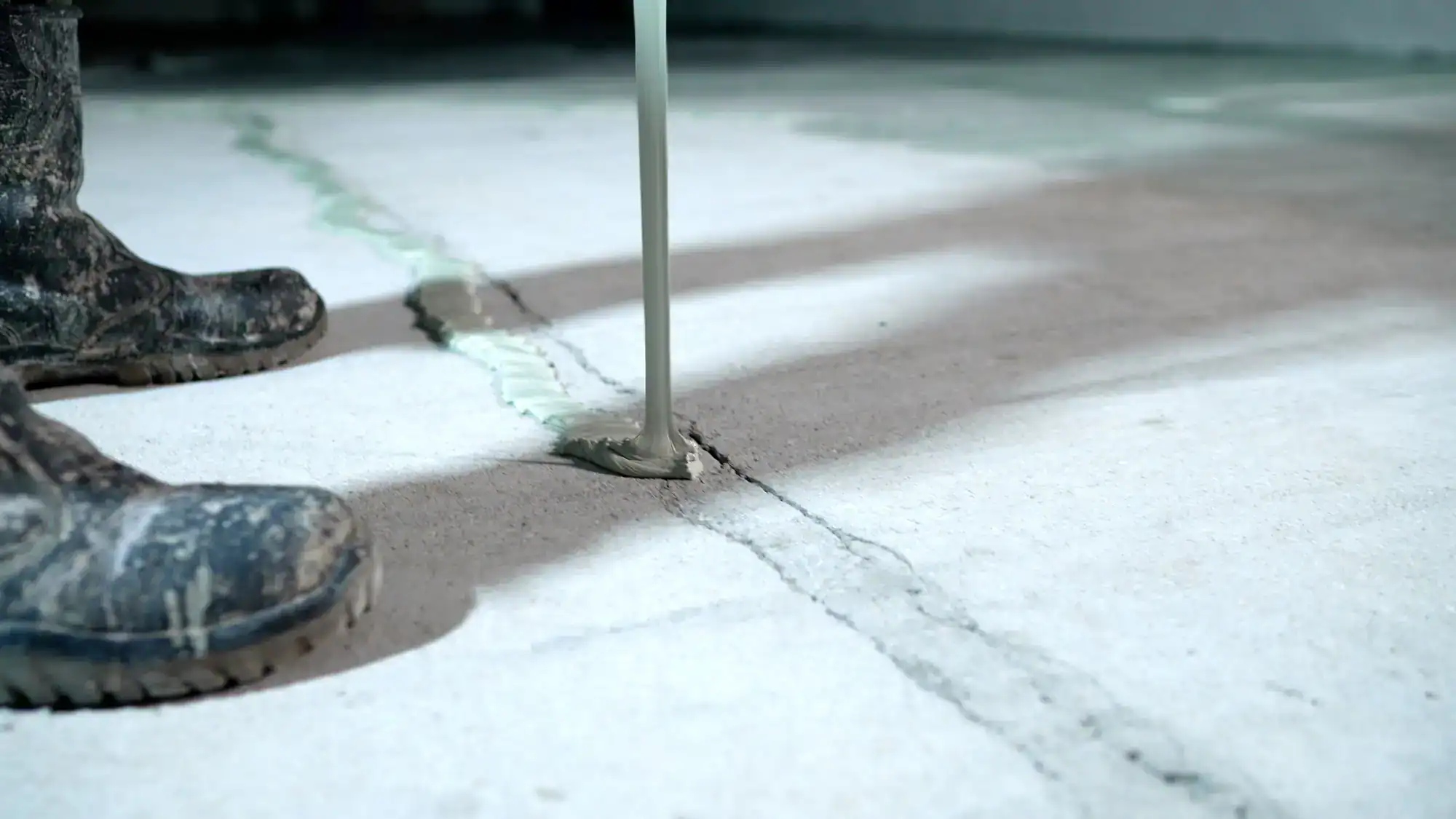
For homes in North Patchogue dealing with foundation cracks, we use epoxy and polyurethane injection to seal the crack from the inside out. This isn’t a surface patch it bonds to the concrete and restores the wall’s ability to resist hydrostatic pressure. Suffolk County’s winters bring multiple freeze-thaw cycles every year, and a crack that’s small in October can be actively leaking by March. Addressing it early is significantly less expensive than waiting until the crack widens or water damage compounds.
For homes where the water table is the primary issue which is common in low-lying areas near Canaan Lake an interior drainage system combined with a properly sized sump pump is often the most effective long-term solution. We install sump pump systems with battery backup, because the storms that raise the water table in North Patchogue are the same storms that knock out power. A pump that stops working during a nor’easter is a liability, not a safeguard. We also address waterproof basement walls where surface moisture and vapor intrusion are contributing to the problem. Every service is scoped to what your specific foundation actually needs not a default package applied to every job.
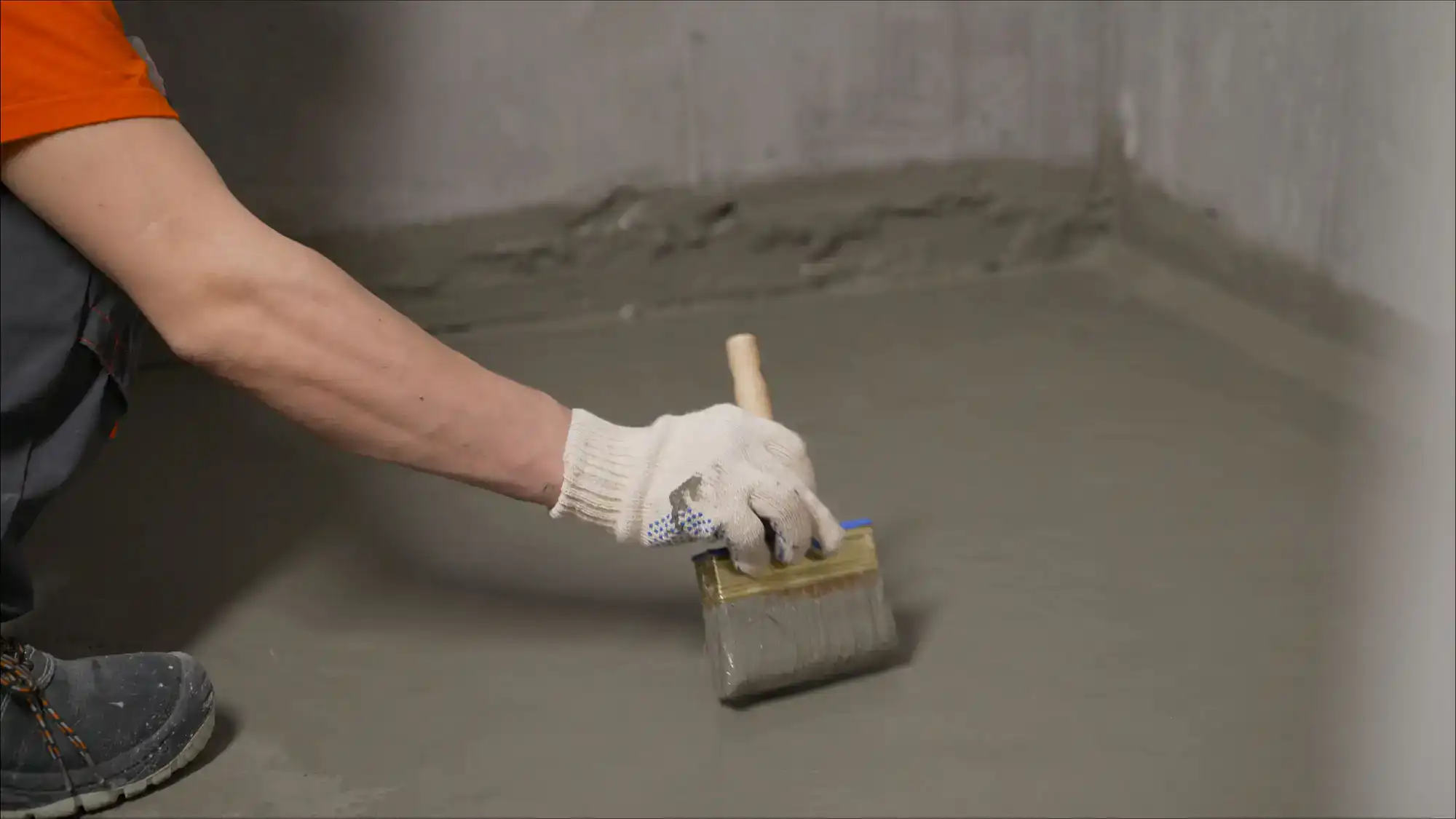
The most common reason is that the water has a path into your foundation that hasn’t been closed. That path could be a crack in the wall, a gap where the wall meets the floor, deteriorated mortar joints in a concrete block foundation, or hydrostatic pressure building up in the soil around the foundation after the ground becomes saturated. In North Patchogue specifically, the low-elevation terrain around the Canaan Lake drainage corridor means the water table can rise quickly after a significant rain event faster than it does in higher-elevation communities to the north like Medford or Holtsville.
The other common factor is that many homes in this area were built between the 1940s and 1960s. The original dampproofing on those foundations typically a tar-based coating applied at construction has been degraded for decades. It was never designed to handle sustained hydrostatic pressure, and it wasn’t a waterproofing membrane to begin with. If your basement has been wet for years and surface fixes haven’t held, the original foundation protection is almost certainly gone and needs to be replaced with a system that actually works.
Exterior waterproofing means excavating around the foundation, applying a waterproof membrane to the outside of the wall, and installing drainage to direct water away before it ever contacts the foundation. It’s the most comprehensive approach when it’s practical but it requires significant excavation, which isn’t always feasible depending on how close the home sits to neighboring properties, driveways, or landscaping. In a compact, densely-settled hamlet like North Patchogue, exterior excavation isn’t always the right call.
Interior waterproofing manages water after it reaches the foundation perimeter, using drainage channels installed along the interior footing and a sump pump to collect and discharge it before it reaches the basement floor. For homes where the primary problem is hydrostatic pressure from a high water table which is common in lower-elevation areas of North Patchogue interior drainage is often the most effective and least disruptive solution. The right approach depends on what’s causing the water intrusion, which is why a proper inspection has to come before any recommendation.
Cost varies significantly depending on what’s actually causing the problem and what the solution requires. A foundation crack sealed with epoxy injection typically runs between $800 and $1,500 per crack. A sump pump installation generally falls between $600 and $1,900 depending on the system and whether a battery backup is included. A full interior drainage system for a standard basement can range from $4,500 to $10,000 or more depending on the perimeter footage and the complexity of the installation.
For North Patchogue homeowners, it helps to think about this in context. Foundation repair the next step if water intrusion is left unaddressed typically costs between $10,000 and $30,000. Mold remediation after sustained moisture exposure runs $2,000 to $6,000 on top of whatever waterproofing work is still needed. The cost of acting when you first notice the problem is almost always a fraction of the cost of waiting. We provide written, itemized estimates after every inspection so you know exactly what you’re paying for before any work begins.
It depends on the scope of work. North Patchogue is an unincorporated hamlet within the Town of Brookhaven, which means the Town of Brookhaven’s Building Division handles permit requirements not a village building department. For surface-level crack sealing or minor interior work, a permit may not be required. For structural foundation work, exterior excavation, or the installation of an interior drainage system with a new sump pit, a permit is typically required.
Sump pump discharge is also regulated in Suffolk County. You can’t discharge directly into the street, into the storm drain system, or onto neighboring property and given that Long Island’s entire drinking water supply comes from groundwater, the county takes these regulations seriously. When you work with us, we’re familiar with Brookhaven Town’s requirements and handle the permit process for applicable work. You won’t be left figuring out the building department on your own.
Not every foundation crack is a structural emergency but not every crack is harmless either, and the difference matters. Hairline cracks that run vertically or diagonally are often the result of normal concrete curing and settling over time. In older North Patchogue homes particularly those built in the 1940s through 1960s these cracks have had decades to develop, and many have been widened by repeated freeze-thaw cycles over Suffolk County winters. At that stage, they’re actively letting water in even if the wall itself is still structurally sound.
Horizontal cracks are a different story. A horizontal crack in a basement wall, especially in a concrete block foundation, can indicate lateral pressure from the soil outside which is a structural concern that goes beyond waterproofing. Stair-step cracking in block foundations can also signal settling or soil movement. The only way to know for certain is an in-person inspection. We look at the crack pattern, the wall condition, and the surrounding drainage situation before making any recommendation because the right answer depends on what’s actually happening, not what it looks like from a photo.
For most homes in North Patchogue, yes and here’s the practical reason. The storms that are most likely to overwhelm your basement are the same storms most likely to knock out your power. Nor’easters and strong coastal storms hit Long Island’s South Shore hard, and power outages during those events are common. A standard sump pump runs on electricity. If the power goes out at 2 a.m. during a storm that’s dumping three inches of rain in four hours, a pump without battery backup is useless at exactly the moment you need it most.
Battery backup systems keep the pump running during outages, and combination systems can handle significantly higher water volumes than a primary pump alone. For homes in lower-elevation areas of North Patchogue particularly those near the Canaan Lake drainage corridor the water table can rise fast enough during a major storm that the primary pump alone may not keep up. A battery backup isn’t an upsell. It’s the part of the system that makes the rest of it reliable when the conditions that actually threaten your basement arrive.