
Hear from Our Customers
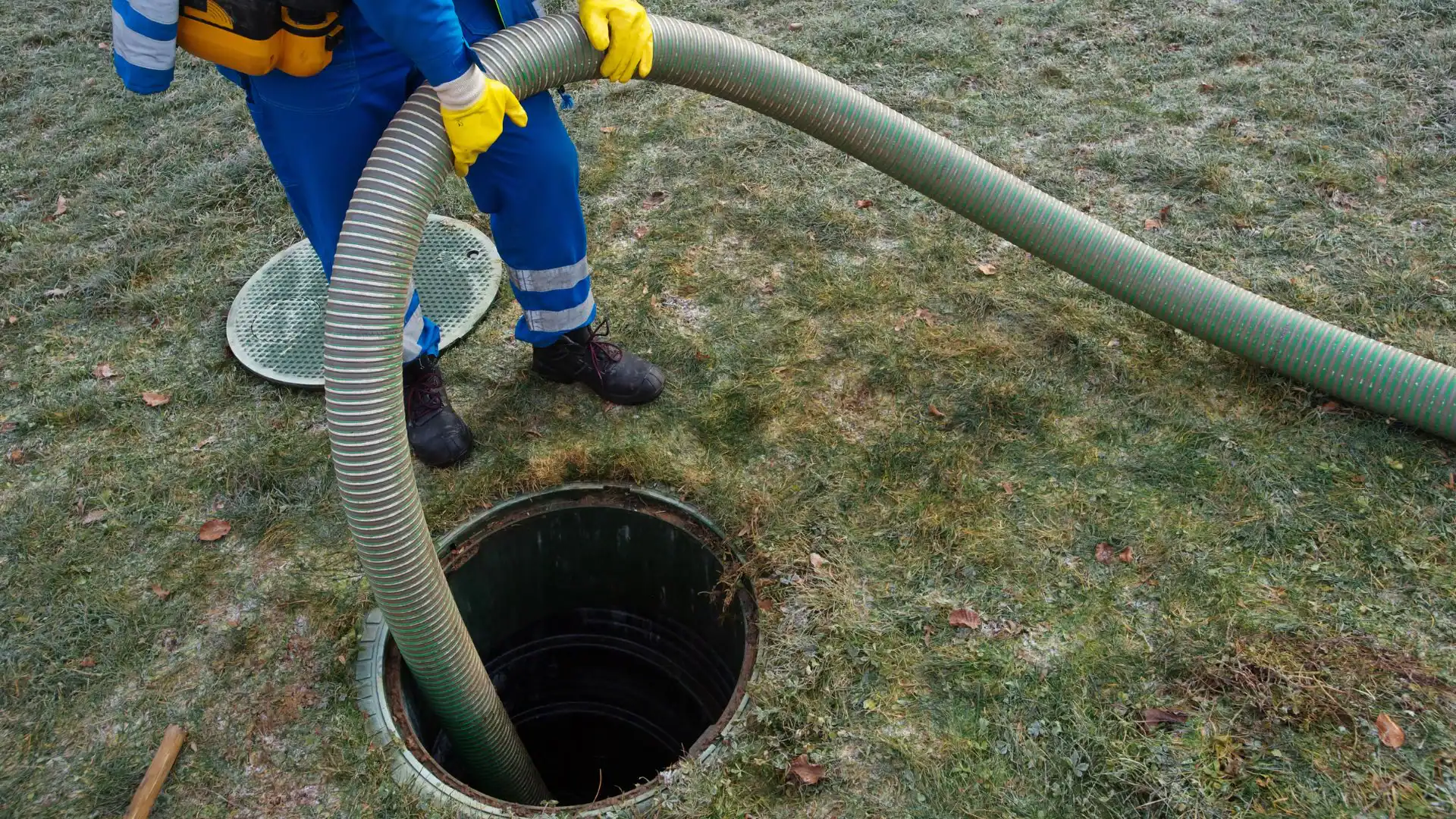
Most drainage problems in Bay Shore aren’t caused by bad luck they’re caused by systems that weren’t designed for this specific environment. The Gardiners clay layer that runs beneath the South Shore blocks water from draining downward the way it would in inland Suffolk County towns. Add a water table that’s already elevated from the Great South Bay, and you’ve got soil that saturates fast and stays that way. A drainage system that works in Holbrook or Ronkonkoma won’t necessarily cut it here.
When we install landscape drainage services correctly for Bay Shore conditions, the difference is immediate and lasting. Your yard stops holding water after every storm. You stop watching the ground near your foundation stay wet for days. The lawn recovers, the soggy low spots disappear, and you stop losing sleep every time a nor’easter rolls through.
There’s also a financial reality worth understanding. Foundation repairs from water damage run anywhere from $23,000 to $48,000. The average water damage insurance claim pays out just under $14,000 which rarely covers the full picture. A professionally installed yard drainage system in Bay Shore typically costs a fraction of either figure. It’s not a luxury expense. It’s the math that makes sense when you’ve got real money invested in a South Shore property.
Gold Coast Landworks is a landscape drainage contractor serving Bay Shore and the surrounding South Shore communities West Bay Shore, Brightwaters, East Islip, West Islip, and the broader Town of Islip area. This isn’t a service area we added to a list. It’s the terrain we work in, and the difference between those sandy outwash soils near the bay and the more forgiving ground further inland is something we account for on every single project.
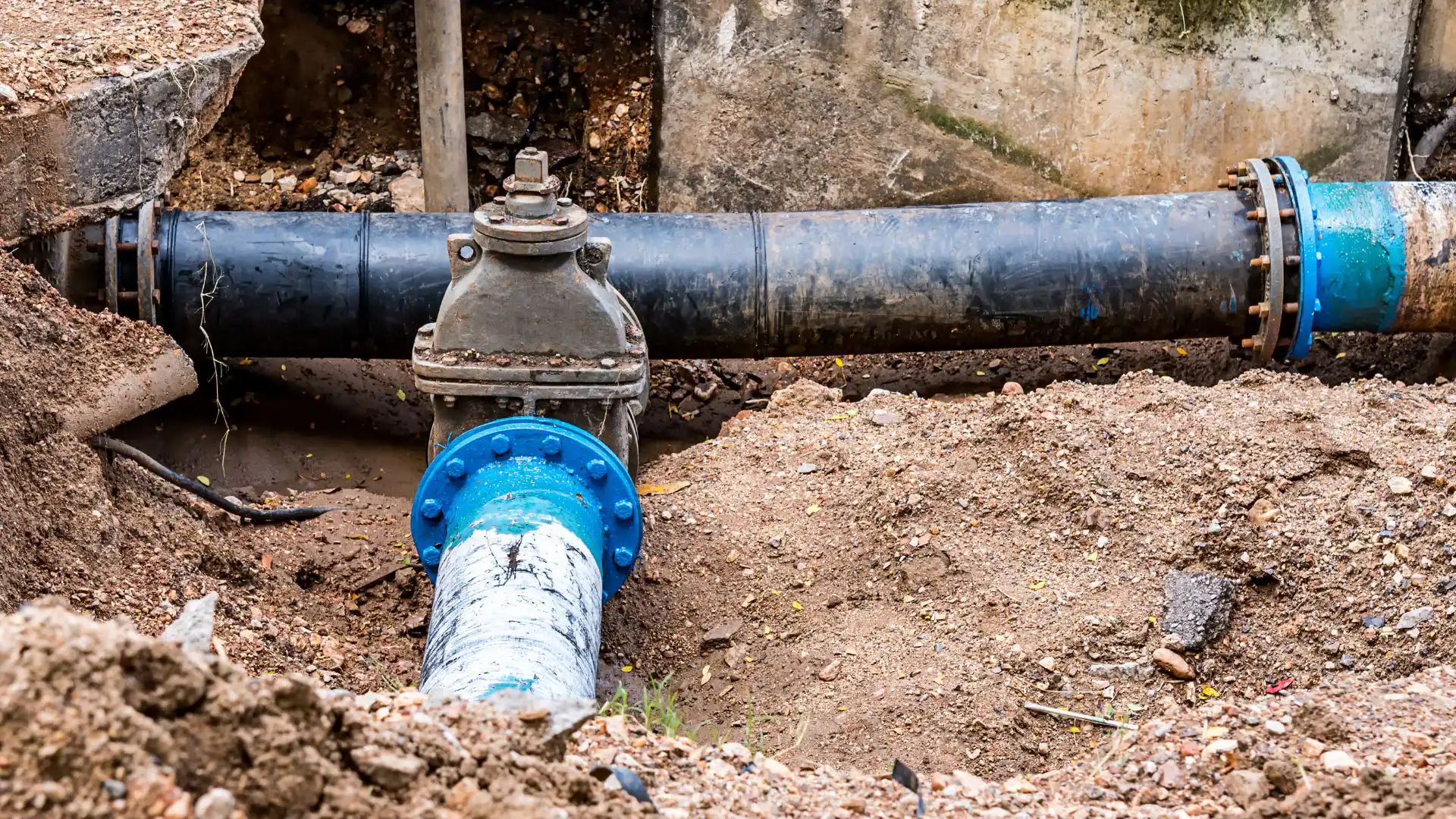
We’re not a plumbing company that handles yard drainage on the side. Landscape drainage is the work grading, French drains, catch basins, dry wells, channel drains, and surface water management systems designed to move water off and away from your property before it ever becomes a structural problem. Every project we complete starts with a thorough site assessment, ends with a written workmanship warranty, and is handled correctly under Town of Islip permitting requirements from start to finish.
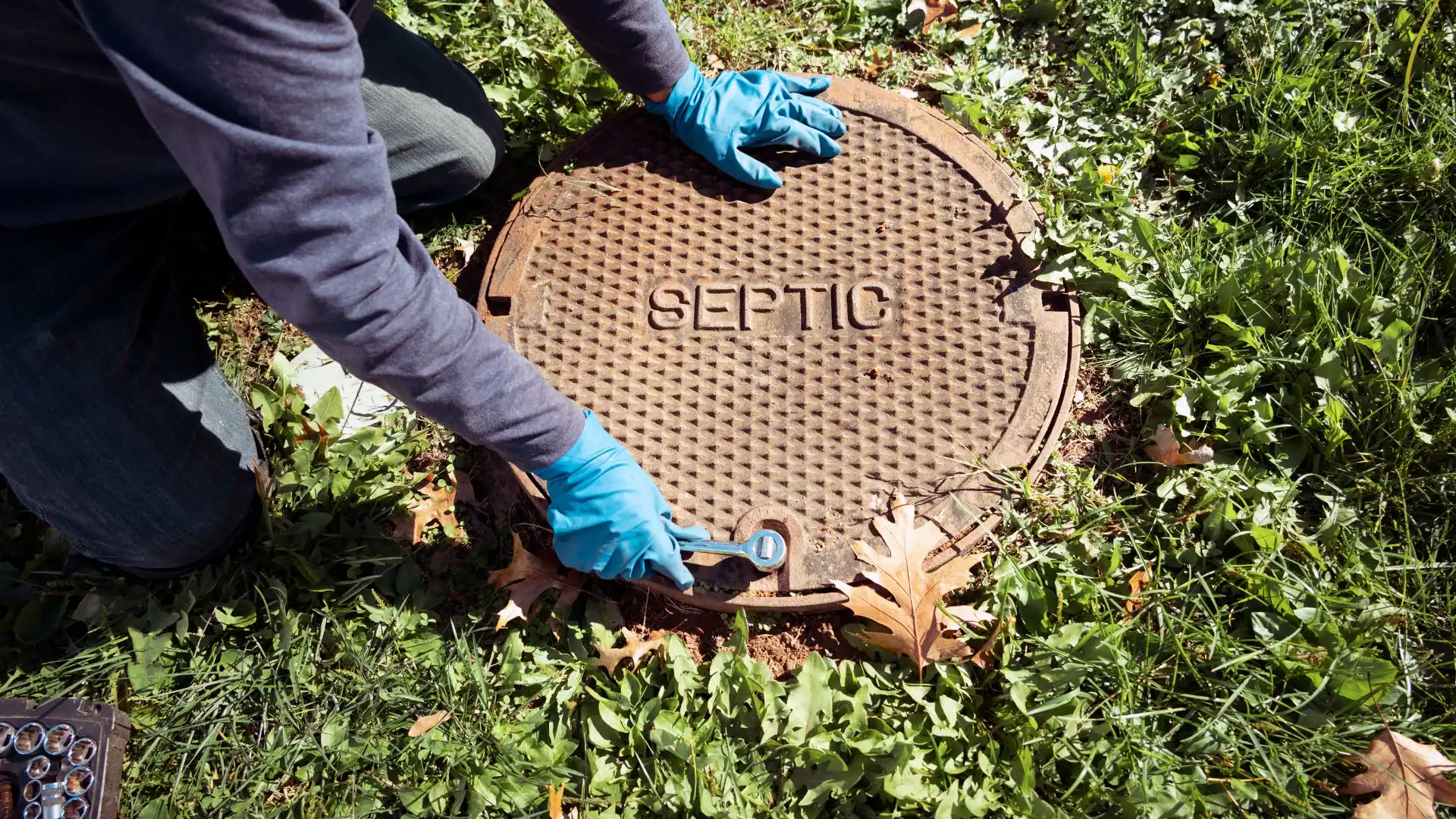
It starts with a site assessment, and that’s not a formality. In Bay Shore, understanding where the water is coming from matters as much as knowing where it needs to go. We map the full flow path across your property the grade, the low points, the soil behavior, the proximity to the water table before a single recommendation is made. A lot of drainage fixes fail because someone skipped this step and went straight to installing a French drain that only addressed part of the problem.
Once we understand the full picture, we design a system sized for the conditions your property actually faces. That means accounting for peak storm events not just average rainfall. Bay Shore gets hit with nor’easters, intense summer thunderstorms, and in bad years, tropical storm remnants that dump several inches of rain in a matter of hours. A system that handles light rain but fails in a real storm is a failed system. We also handle all required Town of Islip permitting, including stormwater pollution prevention plans where applicable, so the work is documented and above board.
Installation is followed by full landscape restoration. The turf, topsoil, and any disturbed landscaping get put back properly. When we leave, your yard should look like a drainage system was installed not like an excavation crew came through and moved on.
Ready to get started?
The drainage solutions we install on Bay Shore properties are chosen based on what the site actually needs, not a one-size-fits-all package. French drains are common here because they’re effective at intercepting and redirecting subsurface water especially on properties where the Gardiners clay layer prevents downward percolation. Catch basins handle surface water collection at low points in the yard. Dry wells provide a controlled discharge point for redirected water. Channel drains manage concentrated surface runoff along driveways, patios, and hardscaped areas. In most cases, the right solution is a combination of these systems working together.
For properties in Brightwaters or along the bay-facing edges of Bay Shore where tidal influence is a real factor, the design has to account for the fact that the water table fluctuates with conditions in the Great South Bay. That changes how and where water can be discharged, and it affects system sizing. This is exactly the kind of local detail that separates a drainage contractor who knows the South Shore from one who doesn’t.
Every project we complete includes a written quote with itemized scope before any work begins, full compliance with Town of Islip Building Division requirements, and a written workmanship warranty. If you’ve already had drainage work done that isn’t holding up, a site assessment will identify what was missed and what it takes to fix it correctly this time.
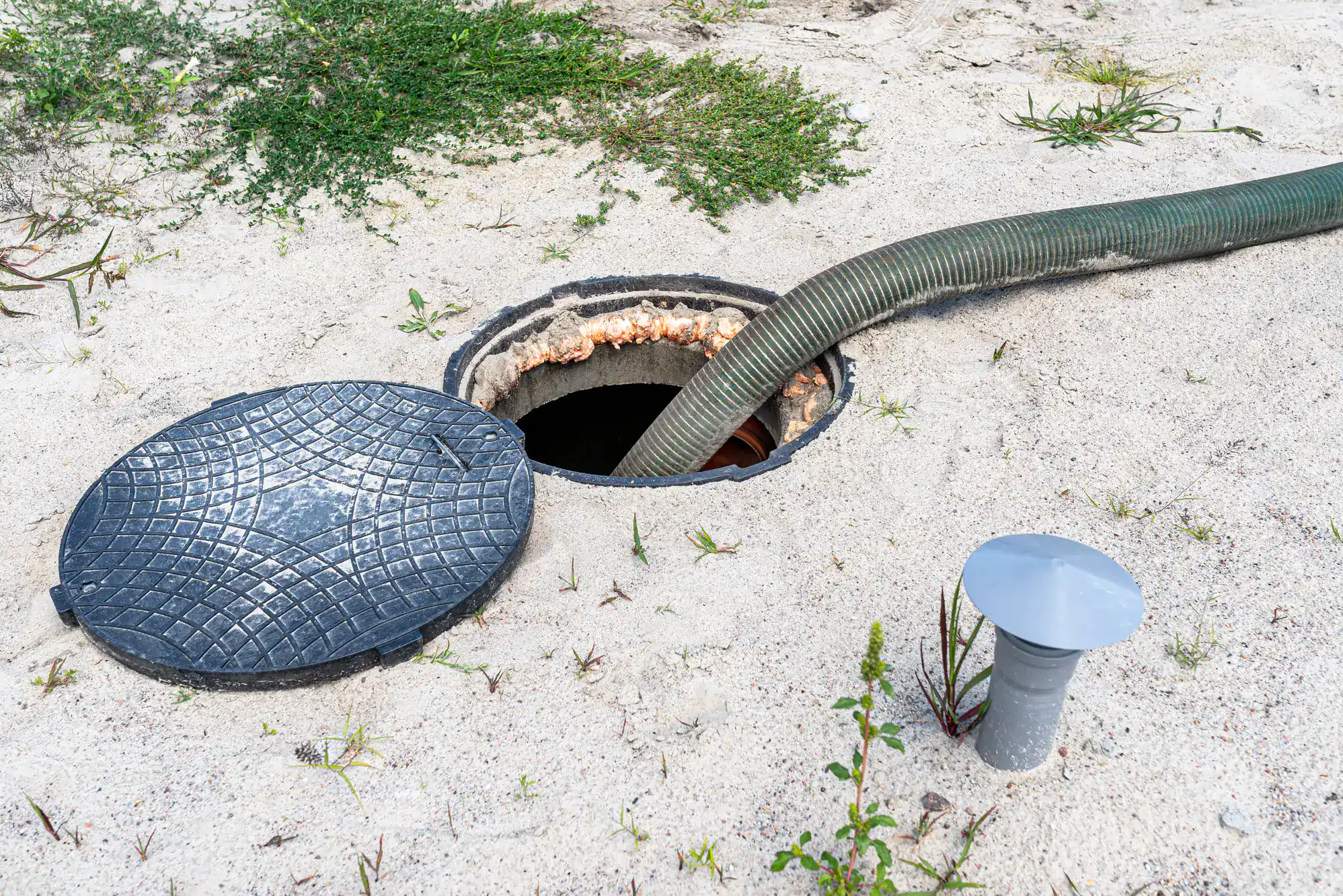
This is one of the most common questions from Bay Shore homeowners, and the answer comes down to what’s happening beneath the surface. Bay Shore sits on historically low-lying coastal terrain, and the water table in this area is elevated year-round due to the proximity of the Great South Bay. The Gardiners clay layer that runs beneath much of the South Shore also limits how quickly water can percolate downward through the soil. So even in moderate rain, if the ground is already near saturation which it often is in Bay Shore there’s simply nowhere for the water to go.
The result is that properties here can flood from rainfall amounts that wouldn’t cause any issue in an inland Suffolk County town. It’s not a flaw in your yard specifically. It’s a condition of the terrain. The fix is a drainage system designed with those conditions in mind one that moves water laterally off the property rather than relying on the soil to absorb it downward.
When you search for drainage help in Bay Shore, a lot of what comes up is plumbing companies. That’s worth understanding before you make a call. Plumbers handle pipe blockages, backed-up floor drains, and connections to municipal stormwater infrastructure. If your drain pipe is clogged or your sump pump is failing, that’s a plumber’s job.
If your yard is flooding, water is pooling near your foundation, or your lawn stays wet for days after a storm, that’s a landscape drainage problem and it requires a completely different type of contractor. Landscape drainage services involve grading the land, installing French drains, catch basins, dry wells, and channel drains, and managing how water moves across and through your property before it ever reaches a pipe. Calling a plumber for a yard drainage problem is a common and expensive mistake. The two trades solve different parts of the water problem.
It depends on the scope of the work, but for most drainage installations in Bay Shore, the answer is yes and it matters. Bay Shore falls under the jurisdiction of the Town of Islip Building Division, which enforces stormwater management regulations as part of its Municipal Separate Storm Sewer System program. Larger drainage projects may also require a Stormwater Pollution Prevention Plan submitted to the Town Engineer before work begins.
Working with a contractor who skips the permit process saves time upfront but creates real problems later. Unpermitted drainage work can trigger code violations, fail inspections, and surface as an issue during title searches when you sell the property. We handle all required Town of Islip permitting as part of every project so the work is documented, compliant, and won’t come back to cause problems down the road.
Most residential yard drainage installations in the Bay Shore area fall somewhere between $2,100 and $7,200, with the average project landing around $4,600. That range shifts depending on the size of the property, the complexity of the drainage issue, the number of systems involved French drains, catch basins, dry wells and whether the existing grade needs significant correction before a drainage system can function properly.
Bay Shore properties sometimes require more involved solutions than comparable properties in inland towns because of the high water table and the Gardiners clay layer. A system that needs to move water laterally across a flat, near-sea-level lot with limited discharge options is more complex to engineer than one on a property with natural topographic relief. The best way to get an accurate number is a site assessment that looks at the full picture. What’s worth keeping in mind is that the cost of a drainage installation is almost always a fraction of what foundation repairs or repeated water damage ends up running.
A properly designed drainage system should handle your worst storms not just a light Tuesday afternoon shower. This is especially important in Bay Shore, where the South Shore gets hit with nor’easters, intense summer thunderstorms, and occasionally tropical storm remnants that deliver several inches of rain in a short window. On top of that, storm surge from the Great South Bay can push water onto Bay Shore properties from the south at the same time rainfall is arriving from above. That’s a compounding load that an undersized system won’t handle.
When we design a drainage system for a Bay Shore property, sizing is based on peak storm conditions not average rainfall. The capacity of the French drains, catch basins, and discharge points are calculated to manage the kind of events that actually cause flooding here. A system that works in normal conditions but fails in a real storm isn’t a solution. It’s a partial fix that gives you a false sense of security until the next major weather event proves otherwise.
This is a situation we run into regularly on South Shore properties, and there are a few common reasons a previous drainage installation doesn’t hold up in Bay Shore specifically. The most frequent issue is that the system was designed without fully accounting for the local water table elevation or the Gardiners clay layer beneath the South Shore. A French drain that works well on a property with deep, permeable soil may discharge into ground that’s already saturated in Bay Shore which means the water has nowhere to go and backs up into the same areas it came from.
Other common failures include catch basins that were sized for average rain rather than peak storm events, discharge points placed too close to the problem area, and systems that addressed surface water without accounting for the subsurface flow path. A new site assessment can identify exactly what the previous installation missed. From there, the fix might be an extension of what’s already there, a redesign of the discharge strategy, or an additional system component that addresses the part of the water flow that wasn’t handled the first time. Either way, the assessment gives you a clear picture before any additional money is committed.