
Hear from Our Customers
The yard stops being something you dread after a storm. No more standing water sitting against the foundation for days, no more soft spots that never fully dry out, no more watching the lawn turn into a swamp every time a nor’easter rolls through. When a drainage system is designed correctly for your property, the difference is immediate and obvious.
For Blue Point homeowners, that matters more than most people realize. Living at low elevation on the South Shore means your yard is working against natural odds a water table that sits close to the surface, soils that can go from dry to saturated faster than almost anywhere else in Suffolk County, and storm surge from the bay that turns a heavy rain event into something much more serious. A drainage system that was designed for an inland yard in Holbrook or Holtsville is not the same thing as one designed for where you actually live.
The longer-term picture is just as important. Water that pools near a foundation doesn’t stay outside forever. It works its way in through cracks, through slab edges, through the path of least resistance and by the time you see the damage, you’re looking at foundation repair costs that start around $23,000 and climb fast. A properly installed drainage system typically runs between $2,000 and $7,000. That’s not a home improvement expense. That’s the most cost-effective protection you can put into a property worth $700,000 or more.
Most drainage problems don’t get solved because the contractor skipped the part where they actually figure out what’s going on. They see water pooling in one spot, they put a French drain there, and they leave. Then it rains again. We start every project with a thorough site assessment mapping where the water is coming from, how it’s moving across the property, where it’s going, and what the soil conditions are doing underneath. Only after that does a solution get proposed.
We work across the South Shore communities of Suffolk County, and Blue Point’s coastal conditions are something we know well. The proximity to the Great South Bay, the high water table, the way the ground behaves differently here than it does a few miles north these aren’t abstract concerns. They directly affect how a drainage system needs to be designed to actually perform. We’re familiar with Town of Brookhaven permitting requirements, and we handle that side of the process so you don’t have to.
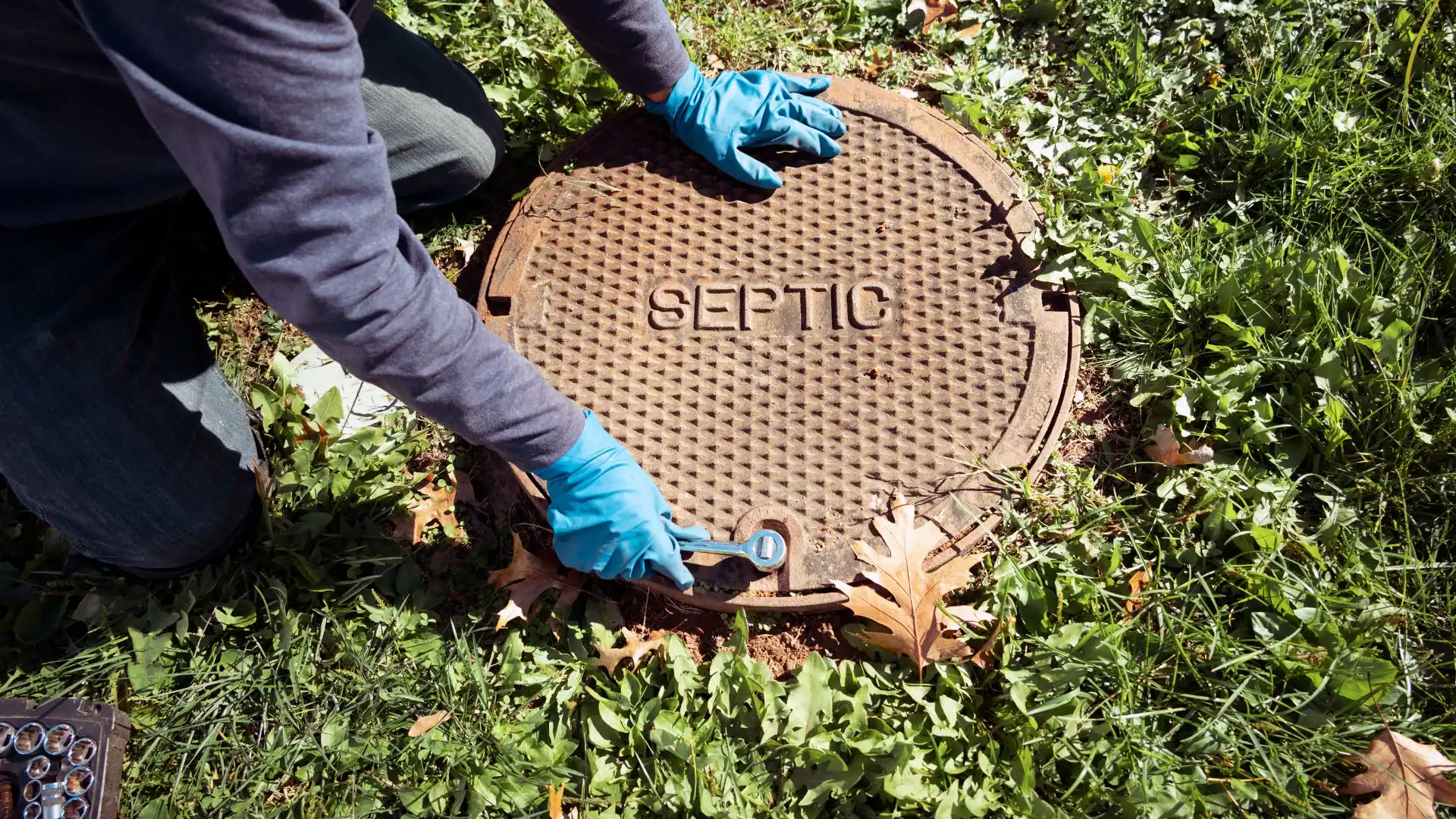
It starts with a site visit. Before anything is quoted or scheduled, someone walks the property with you to understand the full picture where water is entering, how it’s moving, what the soil is doing, and where a discharge point is feasible. In Blue Point, that assessment includes looking at proximity to the Great South Bay shoreline and Namkee Creek, because properties near regulated wetlands or waterways can trigger Town of Brookhaven permitting requirements that affect how and where drainage infrastructure gets installed. Knowing that upfront saves time and prevents problems later.
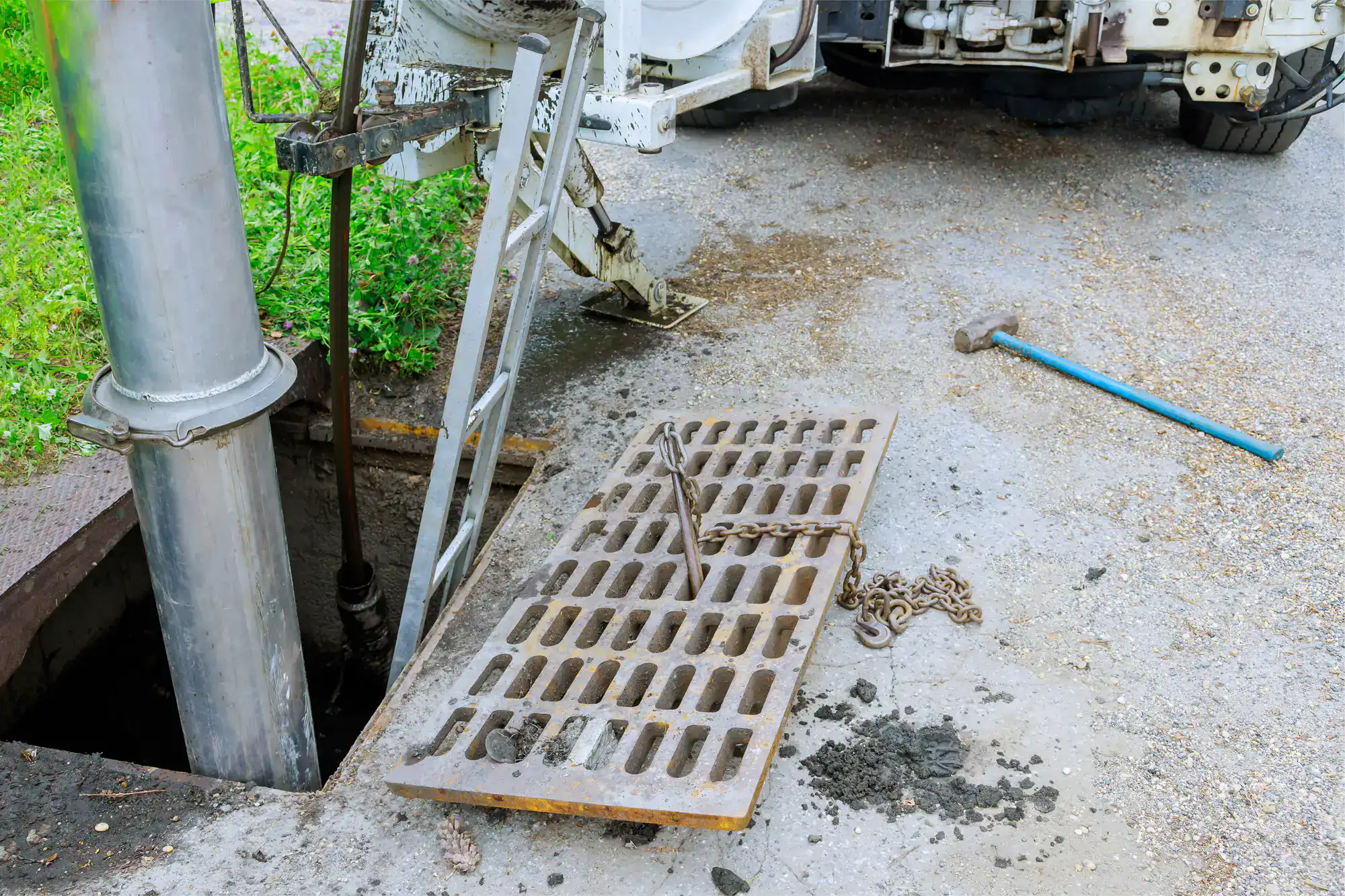
Once the assessment is done, you get a written quote that breaks down every part of the project labor, materials, scope, and timeline. No verbal estimates that shift once work begins. The installation itself involves excavating the drainage path, placing the appropriate system components whether that’s a French drain, catch basin, channel drain, dry well, or a combination and then backfilling and restoring the lawn and any disturbed landscaping or hardscaping. The yard gets put back together, not just left in a state of organized disruption.
After the work is complete, the system gets walked through with you so you understand how it functions and what to expect during the next heavy rain. Every installation is backed by a written workmanship warranty, so if something doesn’t perform the way it was designed to, that’s covered.
Ready to get started?
The drainage services we provide in Blue Point cover the full range of what South Shore residential properties actually need. French drains for redirecting subsurface water away from foundations and low-lying areas. Catch basins and channel drains for managing surface runoff from driveways, patios, and rooflines. Dry wells for controlled subsurface discharge though in Blue Point, dry well placement and depth require careful evaluation given the high water table and Suffolk County’s strict groundwater protection requirements for the sole-source aquifer that supplies Long Island’s drinking water. Grading and regrading for properties where the yard slope is working against drainage rather than with it.
Blue Point’s housing stock adds another layer of complexity. Homes here range from late 1800s Colonial Revivals and early farmhouses to mid-century Cape Cods and ranch-style homes many of which were built before modern drainage standards existed and have little to no engineered drainage infrastructure in place. If your home was built in the 1940s or 1950s, there’s a reasonable chance the yard is managing water the same way it always has: poorly. That’s a solvable problem, but it requires a contractor who understands the age and character of what they’re working around.
Every project in Blue Point also accounts for the Town of Brookhaven’s stormwater and grading regulations, including Chapter 35 requirements for adequate drainage on regraded properties and Chapter 81 considerations for any work near the bay or Namkee Creek. That compliance piece is handled as part of the project not handed back to you as homework.
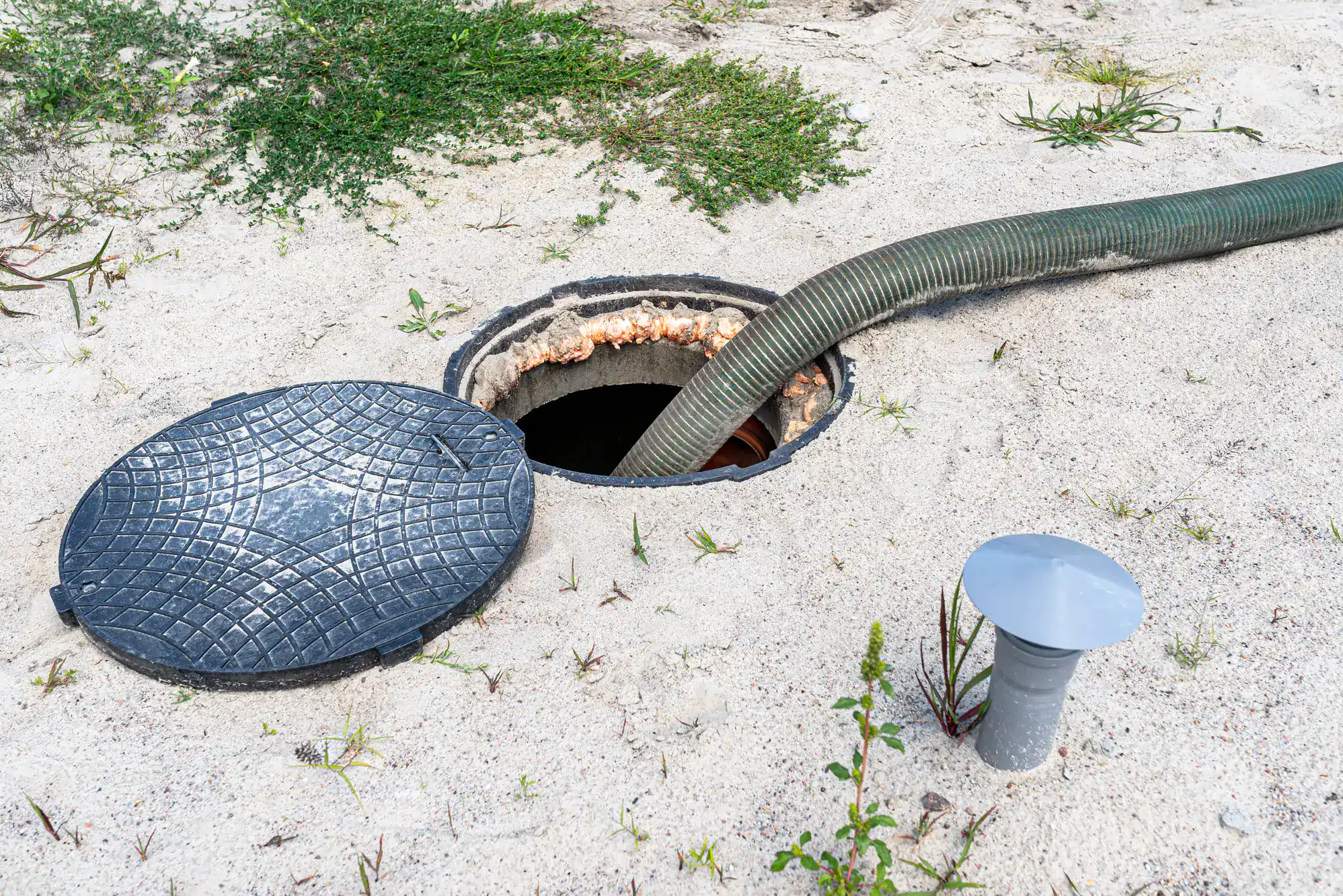
This is one of the most common questions from homeowners along the South Shore, and the answer almost always comes back to the water table. Blue Point sits at roughly 10 feet above sea level on the Great South Bay, which means the water table here is naturally close to the surface. After a period of sustained rain or even during a high-tide event the ground can become so saturated that there’s simply nowhere left for additional water to go. Even a modest rainstorm becomes a flooding event because the soil is already at or near capacity.
The other factor is soil composition. The South Shore’s geology includes sandy glacial outwash in some areas and clay-heavy or peat-rich layers in others. Clay doesn’t drain it holds water. If your yard sits above a clay layer, surface water can pool for days even when the surrounding ground looks dry. A proper drainage assessment identifies which of these conditions is driving the problem on your specific property, because the fix for a high water table situation is different from the fix for a clay drainage barrier. Getting that diagnosis right before any installation begins is what determines whether the system actually works.
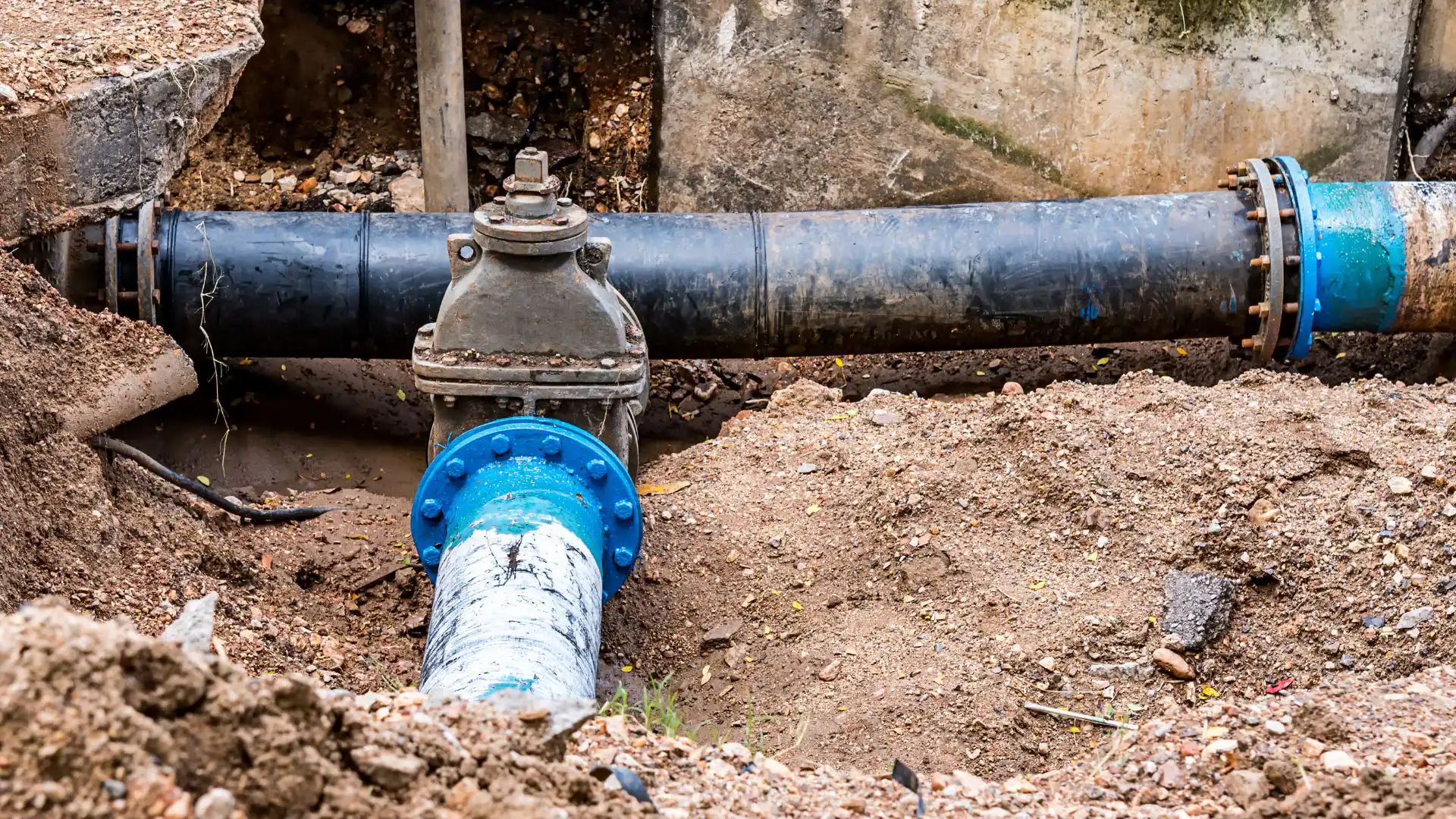
The honest answer is that you often need more than one. Drainage problems on residential properties are rarely caused by a single issue, and a single solution rarely solves them completely. A French drain handles subsurface water it intercepts groundwater or water moving through the soil and redirects it away from a structure or low-lying area. A catch basin handles surface water it collects runoff from driveways, patios, or roof drainage and routes it to a discharge point. A dry well disperses water into the ground at a controlled rate. Grading addresses situations where the yard’s slope is directing water toward the house instead of away from it.
Most properties in Blue Point need a combination of these, because the water is usually coming from more than one direction. What determines the right mix is a thorough site assessment looking at where water enters the property, how it moves across the yard, what the soil conditions are underneath, and where a discharge point is feasible given the proximity to the bay and any regulated wetland areas. That assessment is where the project starts, and it’s the part that most failed drainage jobs skipped.
It depends on the scope of the project, but it’s a question worth taking seriously. Blue Point falls under Town of Brookhaven jurisdiction, and Brookhaven has specific regulations that can apply to drainage and grading work. Chapter 35 of the Town code requires that adequate drainage facilities be provided for any property that undergoes regrading. For larger projects that disturb one or more acres, a Stormwater Pollution Prevention Plan is required under New York State DEC requirements. And for any work near the Great South Bay shoreline or Namkee Creek which forms Blue Point’s western boundary with Bayport Brookhaven’s Chapter 81 wetlands and waterways regulations may require a separate permit before work can begin.
Beyond the Town, Suffolk County’s Department of Health Services may also have review requirements for drainage systems that discharge to groundwater, given Long Island’s sole-source aquifer designation. None of this is meant to be discouraging it’s just the reality of working in a coastal community with a sensitive environment. We handle the permitting and compliance research as part of every project. If a permit is required, we identify that upfront and manage the process, so it doesn’t become an unexpected delay or a problem after the fact.
This situation is more common than it should be, and it almost always traces back to one of a few root causes. The most frequent is that the contractor addressed the visible symptom water pooling in a specific spot without diagnosing where the water was actually coming from. If the source isn’t addressed, the system can’t keep up, and the flooding continues. The second common cause is undersizing: a French drain or catch basin that would handle average rainfall but gets overwhelmed during a nor’easter or a heavy summer thunderstorm, which are the exact conditions Blue Point properties face most often.
The third cause is a discharge problem. If the drainage system doesn’t have a viable, unobstructed path to move water away from the property or if the discharge point is too close to the house or positioned in a way that water works its way back the system recirculates the problem instead of solving it. When we assess a property where previous drainage work has failed, the first step is figuring out which of these issues is at play. That diagnosis drives the fix. There’s no value in layering a second system on top of a first one that was designed incorrectly.
Most residential drainage projects in Blue Point fall somewhere between $2,000 and $7,000, with the average landing around $4,500 to $5,000 for a complete system that addresses the primary drainage issue on the property. Simpler jobs a single French drain run or a catch basin installation with a clear discharge path can come in toward the lower end. More complex projects involving multiple system components, significant regrading, or properties near the bay where permit requirements add scope will run higher.
A few factors specific to Blue Point tend to affect cost. High water table conditions sometimes require deeper excavation or more engineered discharge solutions than a standard installation. Properties near Namkee Creek or the Great South Bay shoreline may require permitting through the Town of Brookhaven before work begins, which adds time and process to the project. And homes with aging infrastructure which is common in a community with housing stock dating back to the early 1900s sometimes reveal additional issues once excavation starts. We provide written quotes that break down every component before work begins, so there are no surprises mid-project. The quote you receive is the number you can plan around.
Fall is actually one of the better times to schedule drainage installation in Blue Point, and here’s why: the nor’easter season starts in October, and the South Shore gets hit harder than most of Long Island when those storms come through. The January 2024 nor’easter caused documented severe flooding along Bluepoint Road in nearby Oakdale a reminder that these aren’t rare events. Getting a drainage system in the ground before that season hits means your property is protected when the weather turns, rather than sitting on a waiting list while the yard floods again.
The practical window for installation in Blue Point runs from early spring through late fall, with the sweet spot being late summer through October the ground is workable, the contractor schedule is more flexible than peak season, and you’re ahead of the worst storm months. Frozen ground in deep winter makes excavation difficult and is generally not ideal, but the shoulder seasons on either side are very workable. If you’ve been thinking about addressing a drainage problem but waiting for the “right time,” fall is a legitimate answer not just a sales pitch. The storms that test these systems most are the ones that come in from the Atlantic between October and March, and being ready for them starts with scheduling before they arrive.