
Hear from Our Customers
When drainage is done right, you stop planning your week around rain forecasts. No more soggy patches that kill your grass, no more water creeping toward your foundation after a heavy nor’easter, no more watching a garden bed drown that you spent years building. The problem gets fixed at the source not just patched at the symptom.
Brookhaven’s terrain makes drainage more complicated than most homeowners expect. The town spans from the North Shore hills near Rocky Point and Mount Sinai all the way down to the flat coastal plain along the Great South Bay in Shirley and Mastic Beach. Those are completely different drainage environments. A yard on the South Shore sits close to the water table with almost no natural slope to move water away. A yard on the North Shore deals with fast-moving runoff that concentrates at the bottom of slopes and erodes everything in its path. The fix for one is not the fix for the other.
What you get when the work is done: a yard that drains during heavy rain, stays dry between storms, and doesn’t threaten your foundation every time a tropical system moves up the Eastern Seaboard. After August 2024 when Brookhaven was the hardest-hit area in Suffolk County’s first-ever flash flood emergency that’s not a luxury. It’s the baseline your property should already be at.
We’re a landscape drainage company serving Brookhaven, NY and the surrounding Suffolk County area. The work here isn’t about digging a trench and calling it done. It’s about understanding how water moves across your specific property where it enters, where it travels, and where it’s causing damage before any equipment shows up.
Brookhaven is one of the most geographically diverse towns on Long Island, and that matters when you’re designing a drainage system. The glacial soils near Farmingville behave completely differently than the low-lying coastal terrain near the Great South Bay. The dense suburban lots in Coram and Centereach have different runoff challenges than the wooded hillside properties up near Ridge or Rocky Point. We know these differences, and we account for them.
Every project starts with a real site assessment. You get a clear explanation of what’s causing the problem, what it will take to fix it, and a written estimate before anything begins. No vague answers, no surprise costs.
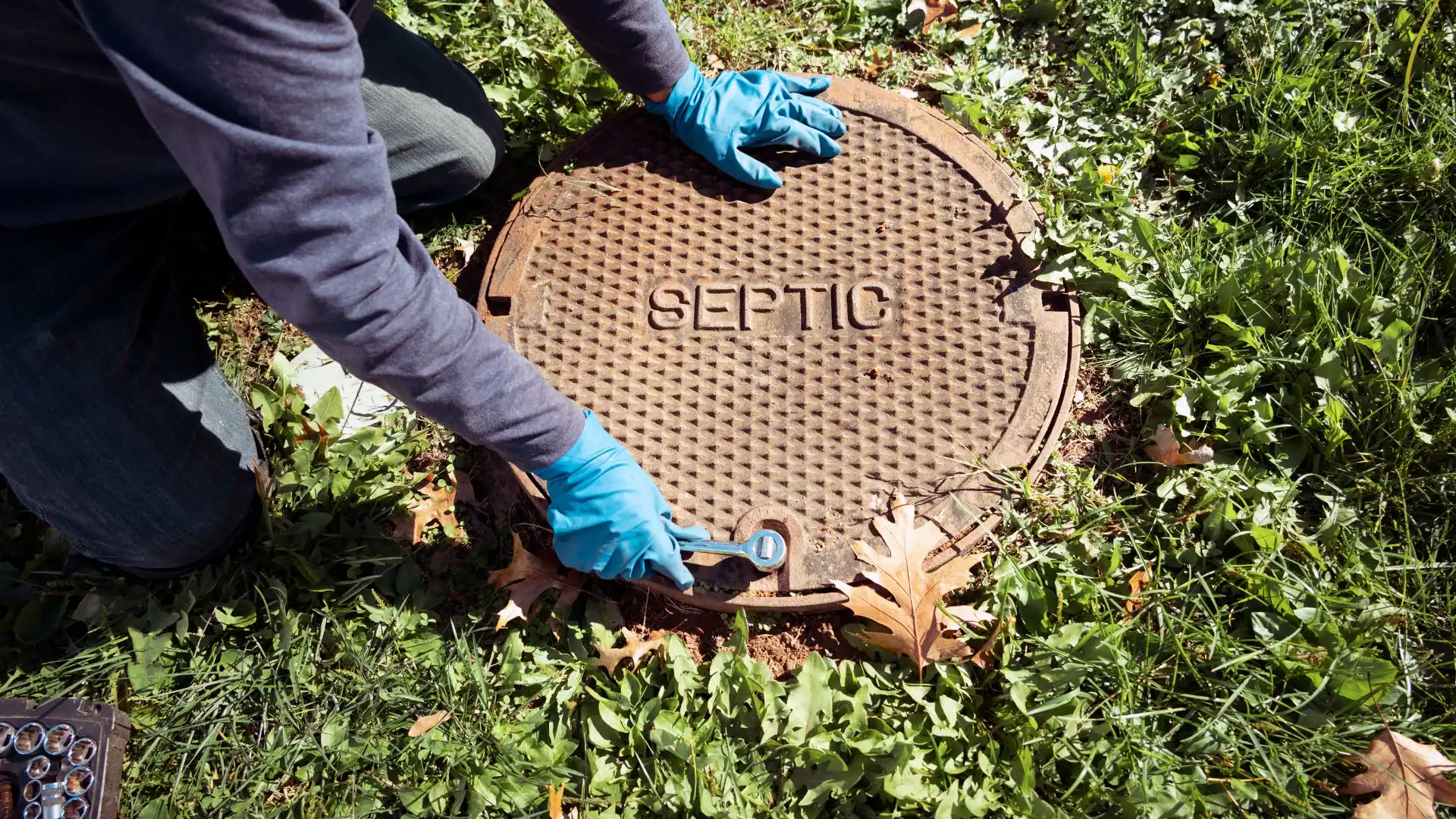
It starts with a site assessment. Before any work is proposed, the property gets walked thoroughly looking at how water enters, where it pools, what the slope is doing, and what the soil conditions are telling us. In Brookhaven, that last part matters more than most people realize. Parts of north-central Suffolk County have a clay subsoil layer that sits underneath what looks like normal sandy Long Island soil. If a previous drainage system failed on your property, that clay layer is often why.
Once the assessment is complete, you get a clear written proposal. Depending on what’s needed, the solution might involve regrading to correct slope issues, a French drain to intercept subsurface water, catch basins to collect surface runoff, downspout extensions to move roof water away from the foundation, or some combination of all of these. The Town of Brookhaven has specific stormwater regulations including Stormwater Pollution Prevention Plan requirements for larger projects and FEMA floodplain development permits for properties in designated flood zones. Where permits are required, we handle that process as part of the project.
When the work is done, the yard is restored. Disturbed turf gets repaired, topsoil is replaced, and the finished system integrates with your existing landscape. The goal is a yard that looks right and drains right not a yard that shows where a drainage contractor was.
Ready to get started?
Our yard drainage services in Brookhaven, NY cover the full range of what a property might need surface drainage, subsurface drainage, regrading, erosion control, and foundation water management. The specific solution depends on what’s actually happening on your property, which is why no two projects look exactly the same.
For South Shore properties in areas like Shirley, Mastic, and Mastic Beach, shallow water tables and flat terrain mean the system has to work harder to move water away with minimal natural slope. For North Shore properties in Rocky Point, Mount Sinai, or Ridge, the challenge is usually fast-moving hillside runoff that concentrates at the base of slopes and erodes turf and beds. For the denser central hamlets Coram, Selden, Centereach, Medford the issue is often impervious surfaces overwhelming the soil’s ability to absorb water during heavy rain events.
Every drainage system we install is designed to handle peak rainfall conditions, not just average rain. After what happened in August 2024 a storm that caused an estimated $20 million in combined damages across Brookhaven and Smithtown and triggered a federal disaster declaration sizing a system for normal conditions isn’t enough. Your drainage system should be ready for the next extreme event, because on Long Island, that event will come.
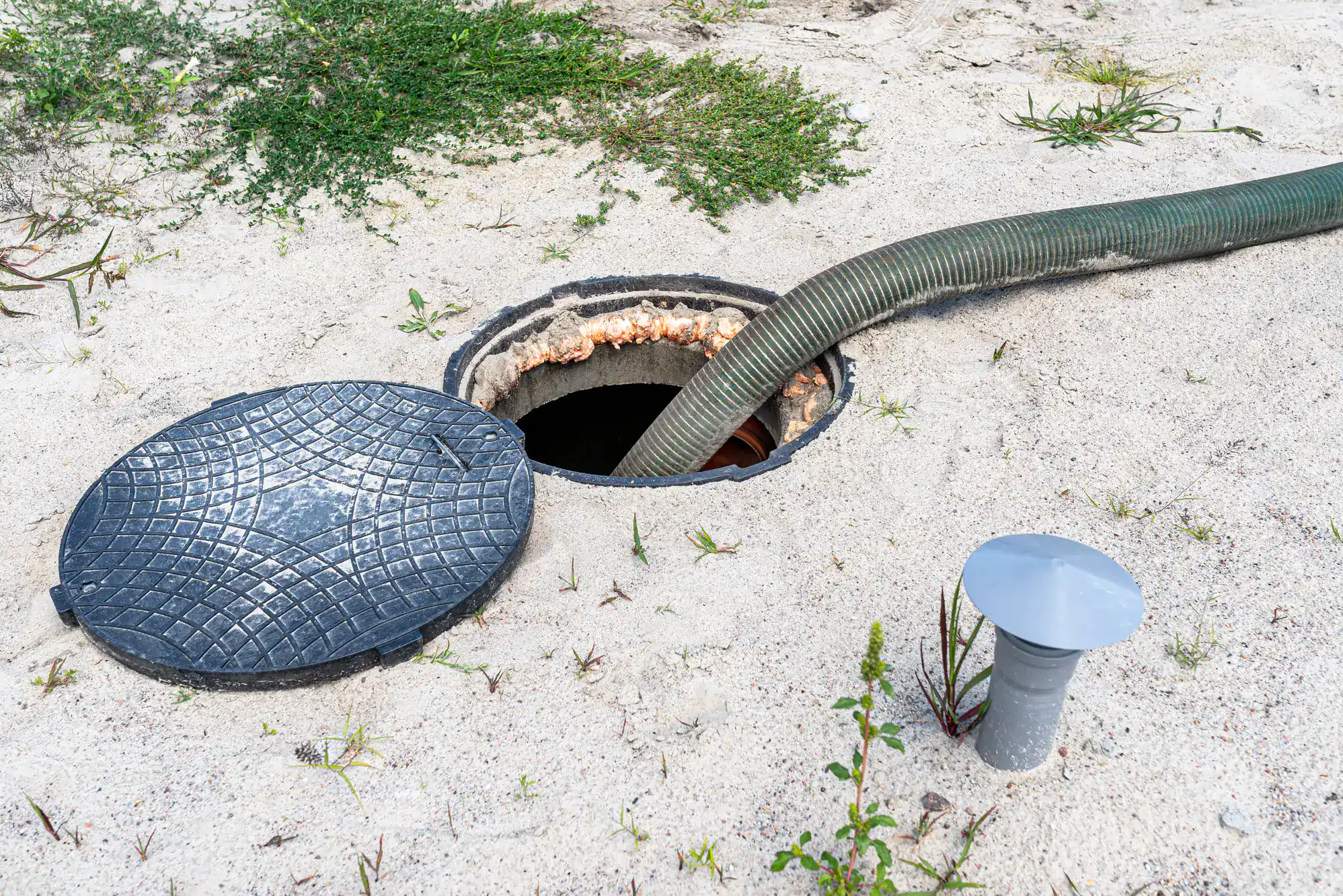
This is one of the most common situations we run into in the Brookhaven area, and there are a few predictable reasons it happens. The most frequent culprit is a system that was undersized designed for average rainfall rather than the kind of intense, concentrated storms that hit Suffolk County. A system that handles a typical spring rain can be completely overwhelmed by a storm like the one in August 2024.
The other common failure is installation without a proper site assessment. If the contractor didn’t map where the water was actually coming from not just where it was pooling the drain ends up in the wrong place. Water finds another path and the problem continues. In parts of Brookhaven, there’s also a clay subsoil layer in north-central Suffolk County that sits beneath sandy topsoil. A French drain installed without accounting for that layer will saturate and stop functioning within a season or two. A proper diagnosis before installation is what separates a system that lasts from one that fails at the first real test.
For most residential drainage projects in the Brookhaven area, you’re looking at a range of roughly $3,000 to $10,000 depending on the scope of work. Simple surface drainage fixes or targeted downspout extensions sit at the lower end. A full French drain system with catch basins, regrading, and turf restoration is toward the higher end of that range. Projects that require permits particularly for properties in FEMA-designated flood zones within the Town of Brookhaven may add to the overall cost depending on what’s required.
The more useful way to think about cost is in context. The average water damage insurance payout nationally is nearly $14,000 per claim. Foundation repair from water intrusion runs $23,000 to $48,000. A drainage system that prevents one serious flooding event pays for itself many times over. After the August 2024 storm, Brookhaven homeowners were eligible for grants of up to $50,000 for storm-related repairs that insurance didn’t cover which gives you a clear picture of what the cost of inaction actually looks like in this town.
It depends on the scope of the project. For smaller residential drainage work a French drain, a catch basin, or regrading a section of yard permits may not be required. But for projects that involve soil disturbance of one or more acres, the Town of Brookhaven requires a Stormwater Pollution Prevention Plan submitted to the Town’s Stormwater Management Officer in compliance with NYSDEC General Permit GP-0-25-001. The Town also requires soil percolation testing on sites proposed for development or redevelopment, conducted by a qualified professional.
If your property falls within a Special Flood Hazard Area under FEMA’s flood maps and the Town of Brookhaven has a number of these zones, particularly on the South Shore a floodplain development permit is required before drainage or grading work can begin. Getting this wrong can result in stop-work orders or a system that can’t be legally completed. We handle the permit process as part of the project for any work that requires it, so you’re not left navigating the Town’s regulatory requirements on your own.
They solve different parts of the same problem, and most properties in Brookhaven need both. A French drain is a subsurface system a perforated pipe wrapped in gravel and filter fabric that intercepts water moving through the soil and redirects it away from the area you’re trying to protect. It’s the right tool when water is saturating the ground and staying there, particularly in areas where the soil’s natural drainage capacity is limited.
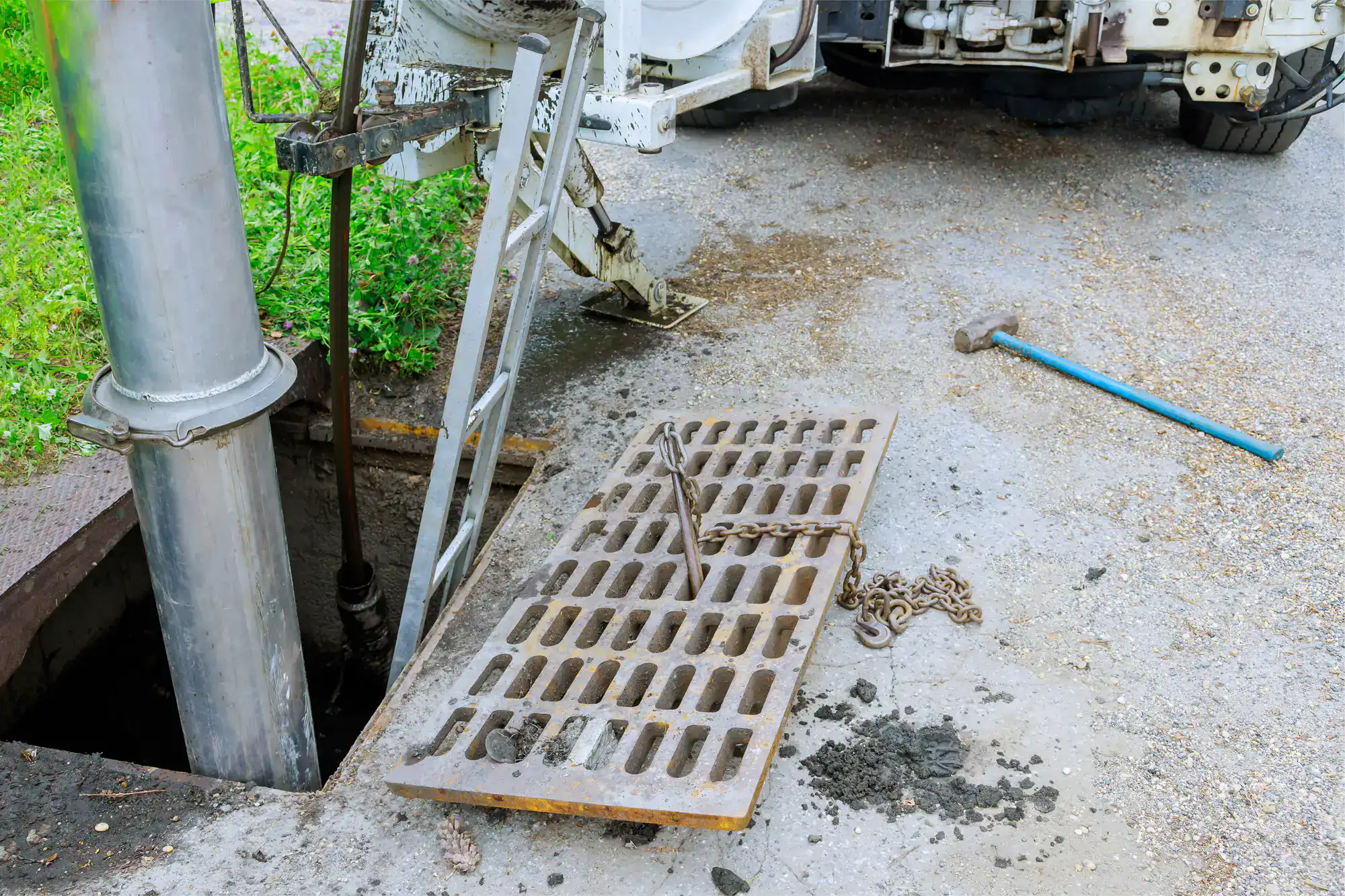
A catch basin is a surface collection point a grated inlet that captures water pooling on top of the ground and channels it into an underground pipe. It’s the right tool when you have a low spot that collects runoff from a larger area, like a driveway that acts as a funnel or a backyard depression that turns into a pond after rain. In many Brookhaven properties especially in the flatter South Shore hamlets or in dense suburban areas like Coram and Centereach where impervious surfaces push runoff across the yard you need both working together. The site assessment determines which combination makes sense for your specific property.
A properly designed and installed drainage system should last 20 to 30 years or more with minimal maintenance. The key word is properly. Systems that fail early almost always have one of three problems: no geotextile filter fabric around the drain pipe, which means soil and silt migrate into the system and clog it within a few years; inadequate slope on the drain line, which means water sits stagnant instead of flowing out; or a design that didn’t account for the actual soil conditions on the property.
On Long Island, freeze-thaw cycles are also a factor that mainland drainage systems don’t always have to contend with. Pipes can shift during winter freeze events, and saturated soil that freezes can heave and displace a system that wasn’t installed deep enough. A drainage system built for Brookhaven’s four-season climate sized for peak summer storms, designed to handle spring snowmelt, and installed at a depth that accounts for winter ground movement will outlast one that was designed for a warmer, more forgiving climate. Annual inspection of inlet grates and outlet points is about all the maintenance a well-built system needs.
Standard homeowners insurance typically does not cover damage caused by surface water flooding water that enters from outside the home due to rain, storm surge, or overland flow. That type of coverage falls under a separate flood insurance policy, usually through FEMA’s National Flood Insurance Program. If your property is in one of the Special Flood Hazard Areas mapped within the Town of Brookhaven, your mortgage lender may already require you to carry it.
What standard homeowners insurance may cover is sudden and accidental water damage from a specific event a pipe that bursts, a sump pump that fails during a storm. But gradual water damage from poor drainage, foundation seepage, or a yard that’s been flooding repeatedly over time is typically excluded. The August 2024 storm brought this reality into sharp focus for thousands of Brookhaven homeowners who found their damage wasn’t covered and had to rely on the federal disaster declaration and state grant programs to recover. A drainage system that prevents the water from reaching your home in the first place is the most reliable form of protection because it doesn’t depend on what your policy says after the fact.