
Hear from Our Customers
When drainage works the way it should, you stop losing usable outdoor space after every storm. No more soggy corners near the pool deck, no more water sitting against the foundation, no more wondering whether the next nor’easter is going to undo everything you’ve put into this property. The problem is solved and it stays solved.
East Hampton’s geography makes drainage more complicated than most places. The South Fork’s sandy glacial soils drain well on an average day, but they get overwhelmed fast when a coastal storm rolls in from the Atlantic or Gardiner’s Bay. Add a shallow water table in low-lying areas near Accabonac Harbor or Napeague, and you have conditions that demand a system designed specifically for this land not a one-size-fits-all French drain pulled from a catalog.
For second-home owners especially, this matters more than it might seem. A drainage problem that develops over winter doesn’t announce itself until you’re back for the summer. Getting it fixed right before the season starts means your property is ready when you are. That’s the outcome worth investing in.
Gold Coast Landworks is a landscape drainage contractor serving East Hampton and the surrounding South Fork communities, including Springs, Amagansett, Wainscott, and Montauk. We work on residential properties across East Hampton Village and understand that drainage work here isn’t the same as drainage work anywhere else on Long Island.
The coastal exposure, the shallow groundwater near the harbor watersheds, the estate-scale properties with expensive landscaping that can’t just be torn up and left these are the conditions we work in every day in East Hampton. That familiarity matters when we’re designing a system for your specific lot, not just running pipe and calling it done.
We’re fully licensed and insured in New York State. Every project starts with a real site assessment, and every installation is backed by a workmanship warranty. You’ll know exactly what’s being done, why, and what to expect when it’s finished.
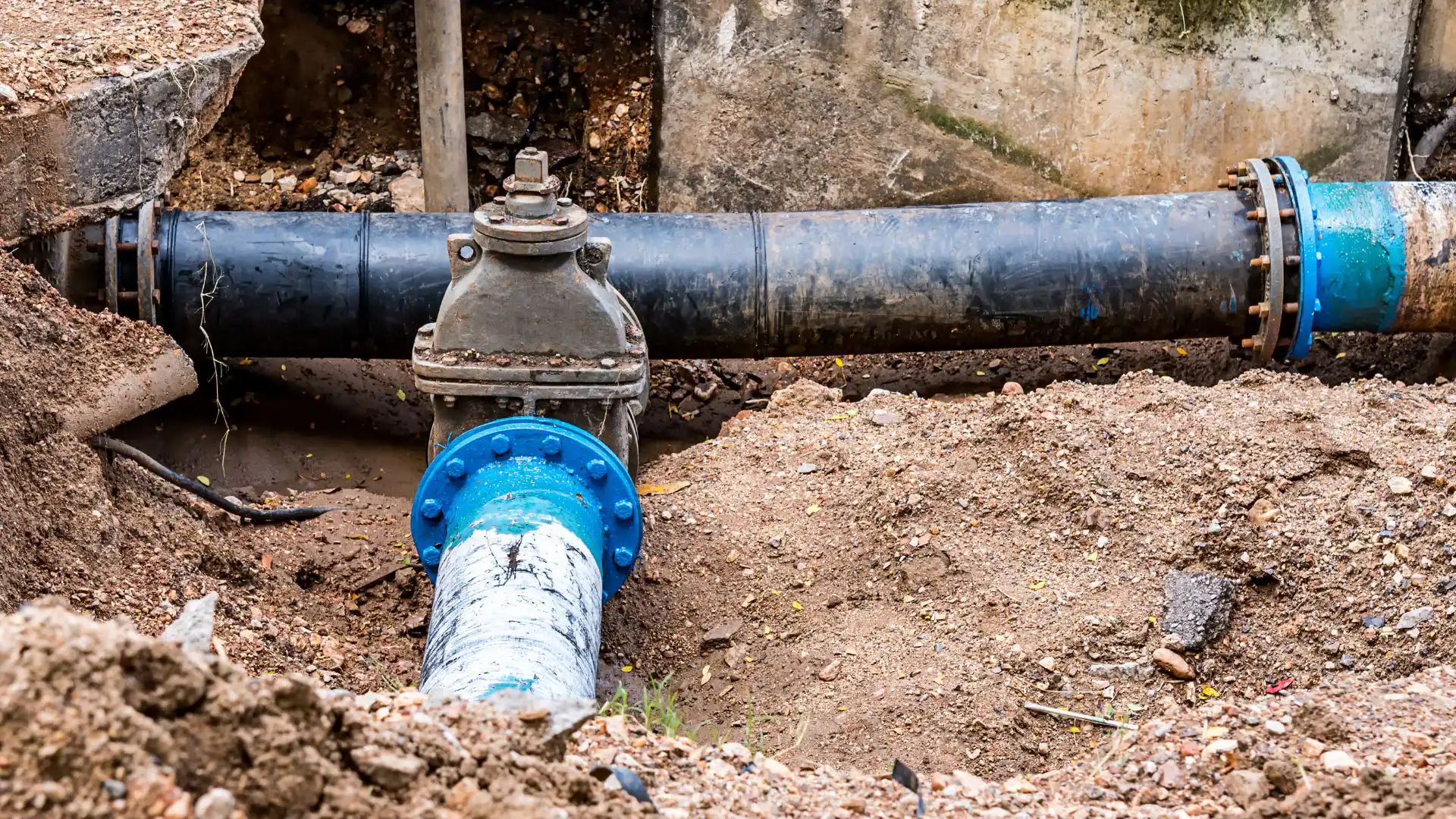
It starts with a site assessment not a sales visit. Before anything gets marked or dug, we walk the property and trace where the water is actually coming from. That means looking at the full drainage path: where it enters, where it stalls, where it’s getting close to something it shouldn’t. In East Hampton, that often means accounting for a water table that sits closer to the surface than most homeowners expect, particularly on properties near Accabonac Harbor, Georgica Pond, or the lower-lying areas of Springs and Napeague.
Once we understand the problem, we design a system built for your specific conditions whether that’s a French drain, catch basin, dry well, surface regrading, or some combination of all of them. We size everything for peak storm events, not average rainfall. The January 2024 storms that flooded Beach Lane in Wainscott and Gerard Drive in Springs are exactly the kind of events your system needs to handle.
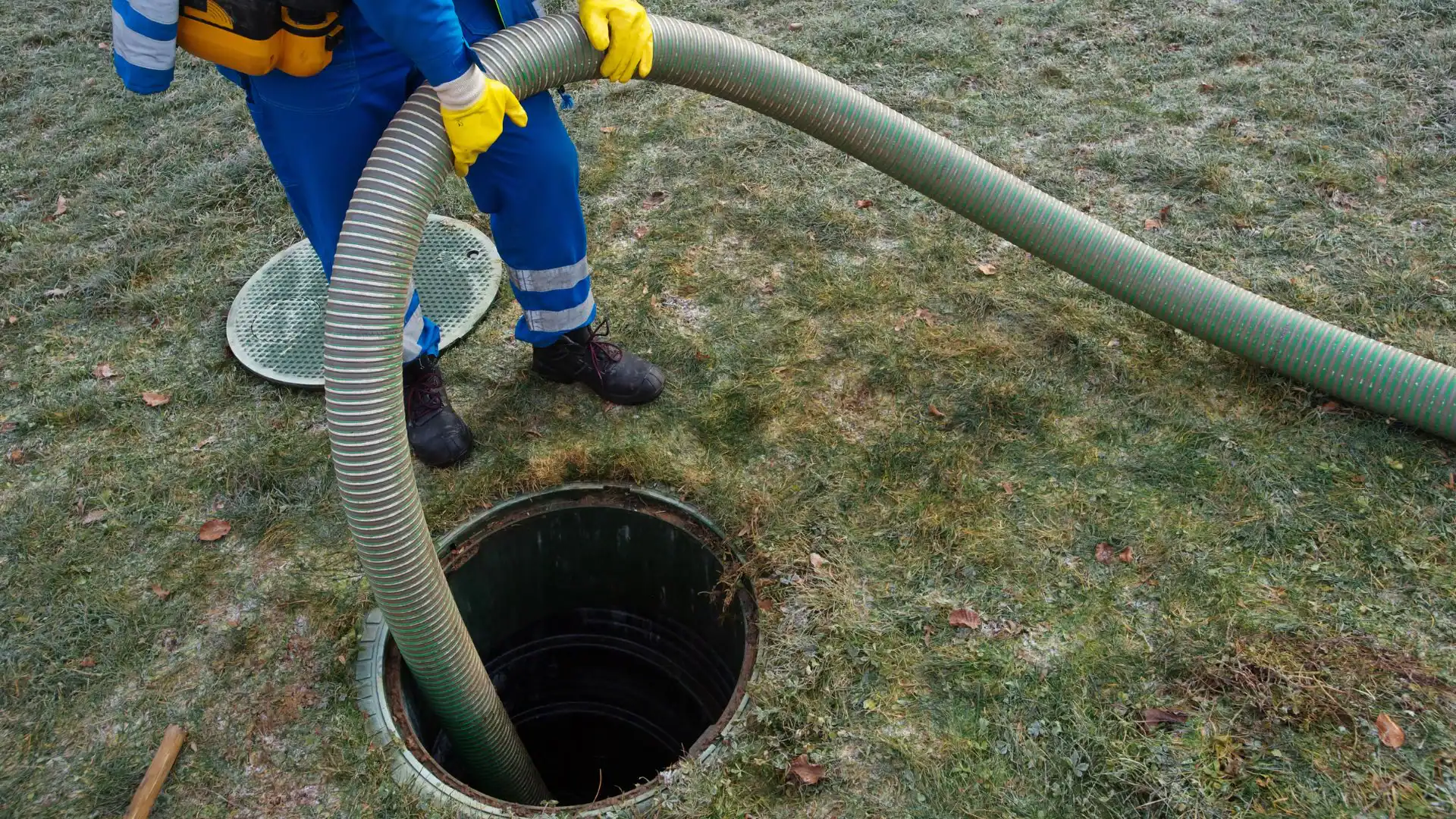
Installation is handled start to finish by our crew. When the work is done, we restore your lawn, topsoil, and any disturbed landscape features. You won’t be left with a trench running through your garden. The property goes back together just without the water problem.
Ready to get started?
Drainage work on East Hampton properties covers a wider range of conditions than most contractors are used to dealing with. Large estate lots generate significant runoff from impervious surfaces driveways, pool decks, patios, tennis courts and that water needs somewhere to go that isn’t your foundation or your neighbor’s yard. We install French drains, trench drains, channel drains, catch basins, and dry wells, and we handle grading corrections when the ground itself is directing water the wrong way.
For properties near protected water bodies Accabonac Harbor, Georgica Pond, Lake Montauk, Northwest Creek drainage work comes with regulatory considerations. East Hampton operates under an MS4 stormwater permit, and projects within certain watersheds require additional documentation. We’re familiar with the town’s stormwater requirements and will advise you on what applies to your specific property before work begins.
Landscape restoration is included in every project. East Hampton properties carry significant landscaping investment, and we treat that as part of the job not an afterthought. Turf, garden beds, and hardscape areas disturbed during installation are restored before we leave. What you get at the end is a property that drains correctly and looks the way it did before we showed up.
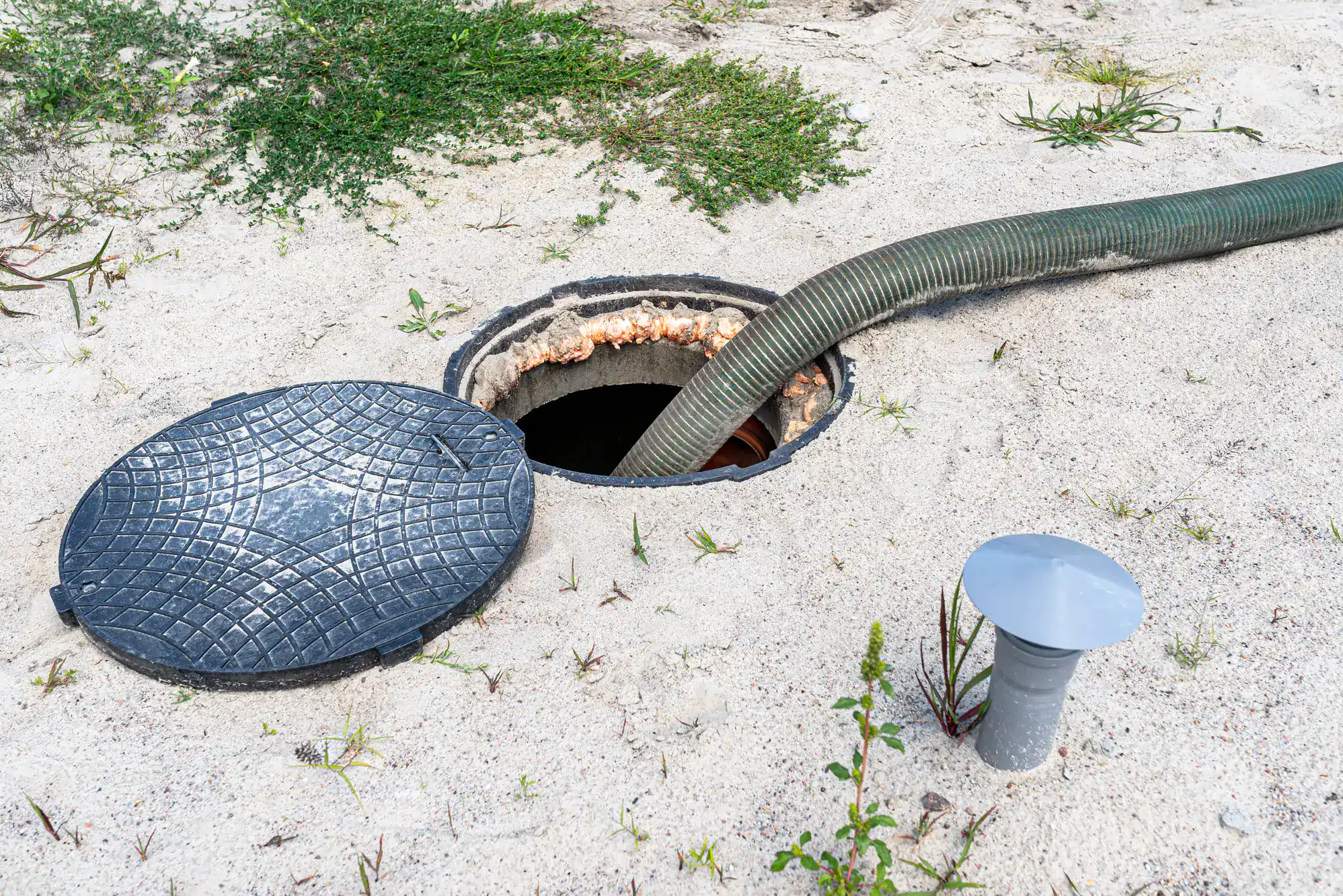
Sandy soils on the South Fork have a reputation for draining well, and under normal conditions that’s true. But sandy soil has limits. When a nor’easter or tropical storm drops two to three inches of rain in a few hours, even highly porous soil can’t absorb water fast enough especially if the water table is already elevated from prior rainfall or coastal conditions. In low-lying areas near Accabonac Harbor, Napeague, or the Springs waterfront, the water table can sit close enough to the surface that percolation essentially stops during wet periods.
The other common factor is impervious surface runoff. Large driveways, pool surrounds, and patio areas shed water quickly and concentrate it in specific areas of the yard. If your grading directs that runoff toward a low spot or toward the house, the soil underneath gets overwhelmed regardless of how porous it is. The fix usually involves redirecting that surface water before it reaches the problem area not just trying to absorb it in place.
For most residential drainage projects in East Hampton, you’re looking at a range of roughly $2,500 to $10,000 depending on the scope of work. A straightforward French drain installation on a smaller lot might fall toward the lower end of that range. A more complex project involving multiple catch basins, a dry well, grading corrections, and landscape restoration on a larger estate property can push higher sometimes significantly, depending on access, soil conditions, and the extent of the system needed.
What’s worth keeping in mind in a market like East Hampton is the cost comparison. One inch of floodwater causes an average of $27,000 in home damage. Foundation repairs from chronic water intrusion typically run $23,000 to $48,000. Against those numbers, a properly designed drainage system is one of the most straightforward investments you can make in a high-value property. We provide written quotes before any work begins so you know exactly what you’re committing to no surprises after the fact.
It depends on the scope of the project. For most private residential drainage installations a French drain, catch basin, or dry well on your own property a building permit is typically not required. However, East Hampton operates under an EPA/NYSDEC MS4 stormwater permit, and any construction activity that disturbs one or more acres of land requires authorization under New York State’s SPDES general permit for stormwater discharges.
If your property is within one of the town’s sensitive watershed areas Accabonac Harbor, Georgica Pond, Lake Montauk, or Northwest Creek additional documentation may be required under the town’s Stormwater Pollution Prevention Plan jurisdiction. Properties in Springs near the harbor, or anywhere adjacent to a protected water body, should be assessed for these requirements before work begins. We review permit requirements as part of every site assessment so you’re not caught off guard, and we’ll handle the documentation if it’s needed.
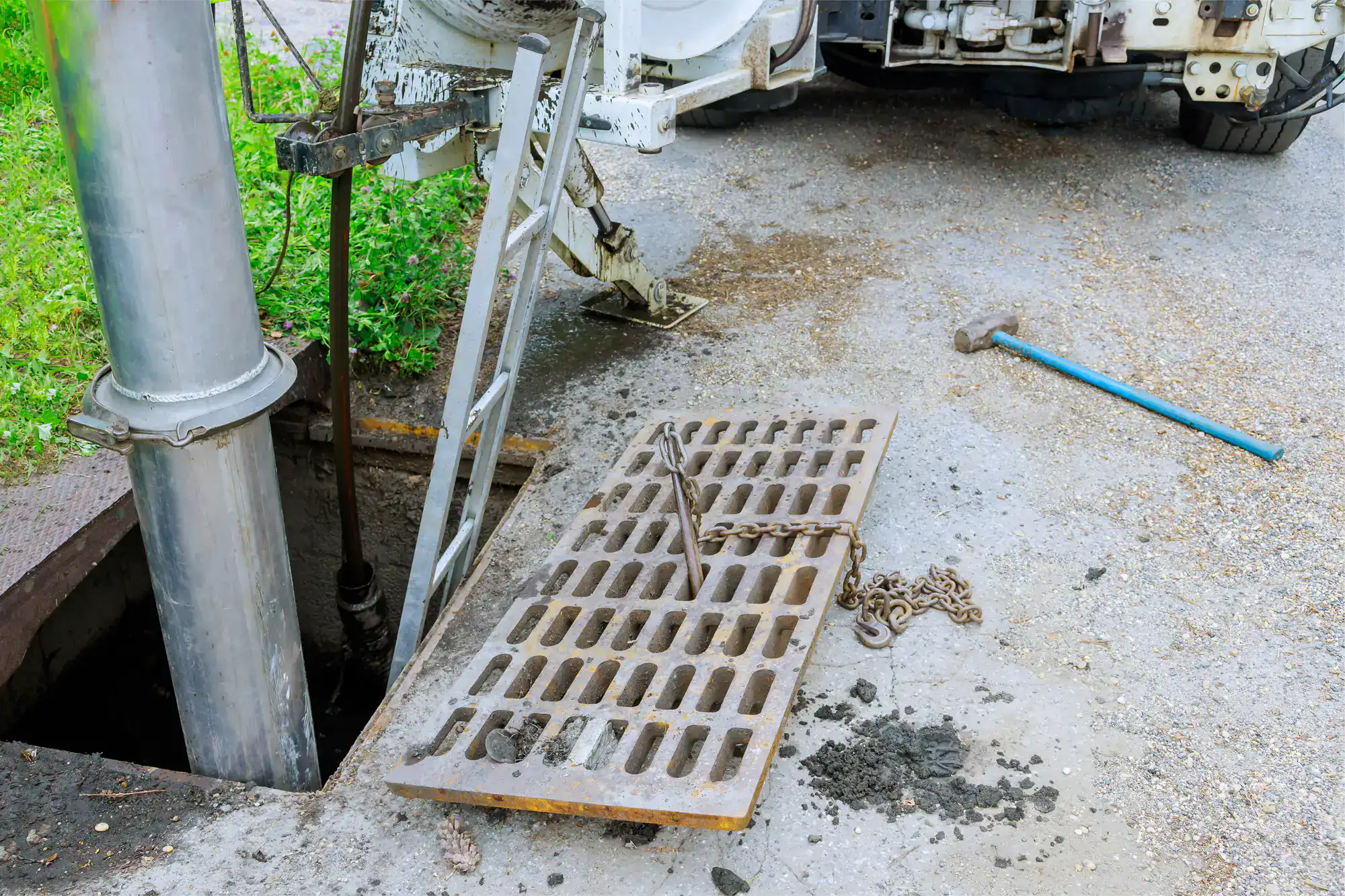
A French drain is a perforated pipe buried in a gravel-filled trench, designed to collect groundwater or subsurface water that’s seeping through the soil and redirect it to a discharge point. It works well for areas where water is rising up from below or saturating the soil over a broad area. A catch basin is a surface inlet essentially a grated box set into the ground that captures surface water runoff and channels it away through a pipe. It’s the right tool when water is pooling on top of the ground rather than coming up through it.
In practice, many East Hampton properties need both. You might have surface runoff from a large driveway or pool deck that needs a catch basin, combined with subsurface saturation in a low area of the lawn that needs a French drain to pull the water out of the soil. The right answer depends on what’s actually happening on your property, which is why a proper site assessment matters before any decision is made about which system to install.
This is one of the most common situations we encounter. A homeowner had drainage work done, it seemed fine for a season, and then a bigger storm came through and the problem came back or it never fully went away. When that happens, it’s almost never random. There’s a specific reason the system failed: the pipe was undersized for the actual storm volume, the discharge point was too close to the structure, the system didn’t account for the shallow water table that’s common in East Hampton, or the original diagnosis missed a contributing source of water entirely.
The way we prevent that from happening is by doing the diagnostic work first, before anything gets installed. We trace the full water path, evaluate soil conditions at depth, check how close the water table sits during wet periods, and identify every source contributing to the problem. The system we design is built around what’s actually happening on your property not a standard template applied to every yard. We also back our work with a written workmanship warranty, so if something doesn’t perform the way it should, that’s on us to fix.
Both seasons work, but they serve different purposes depending on your situation. Fall installation after the summer season winds down and before the ground freezes gives the system time to settle and get tested by autumn rain and early-season nor’easters before the following summer. If you noticed a drainage problem during the summer, fall is a smart time to address it while the details are fresh and the property is accessible.
Spring installation makes sense if you’re working against a Memorial Day deadline which is a real and common situation for seasonal homeowners who discover a problem when they return to open the property in East Hampton. The window between late March and mid-May is typically workable in East Hampton before the ground gets too saturated or the summer schedule fills up. The one consideration is that spring soil conditions on the South Fork can be wet, which affects excavation timing. We’ll tell you honestly if conditions on your property need a few weeks to dry out before we can do the job right because rushing a drainage installation in saturated soil doesn’t do either of us any favors.