
Hear from Our Customers
Standing water in your yard isn’t just an eyesore. Left unaddressed, it saturates your soil, erodes your landscaping, and works its way toward your foundation quietly, over months, until the damage shows up somewhere expensive. Foundation repairs on Long Island run $23,000 to $48,000. A properly installed drainage system typically costs a fraction of that. The math isn’t complicated.
What makes East Quogue different is what you’re up against. Properties near Tiana Bay and the Shinnecock Bay corridor don’t just deal with rainfall they deal with a water table that sits high year-round and bay-driven flooding during nor’easters and tropical systems. The National Weather Service has specifically named East Quogue in flash flood warnings for the East End. That’s not a freak event. It’s a recurring condition that your drainage system needs to be designed for.
For seasonal homeowners, there’s another layer to this. If your property sits empty from October through May, drainage problems don’t wait for you to come back. They develop over the winter, compound through snowmelt and spring rain, and greet you in June when you’re hoping to enjoy your property not fix it. A drainage system that works without anyone watching it isn’t a luxury here. It’s the whole point.
Gold Coast Landworks is a landscape drainage contractor serving East Quogue and the surrounding Southampton Town communities. We work on properties where the conditions are real coastal soils, high water tables, bay flood exposure, and a regulatory environment under Southampton Town’s stormwater management code that requires someone who actually knows what Chapter 236 means before they pick up a shovel.
We’re not a plumbing company that added drainage to a service list. This is what we do. We assess how water moves across your specific property, identify where it’s coming from, and install systems designed to handle the volume and conditions your land actually faces not a generic solution copied from a job three towns over.
East Quogue sits between Shinnecock Bay, Tiana Bay, and the Atlantic. Every property here has its own drainage story. We’re here to read it correctly.
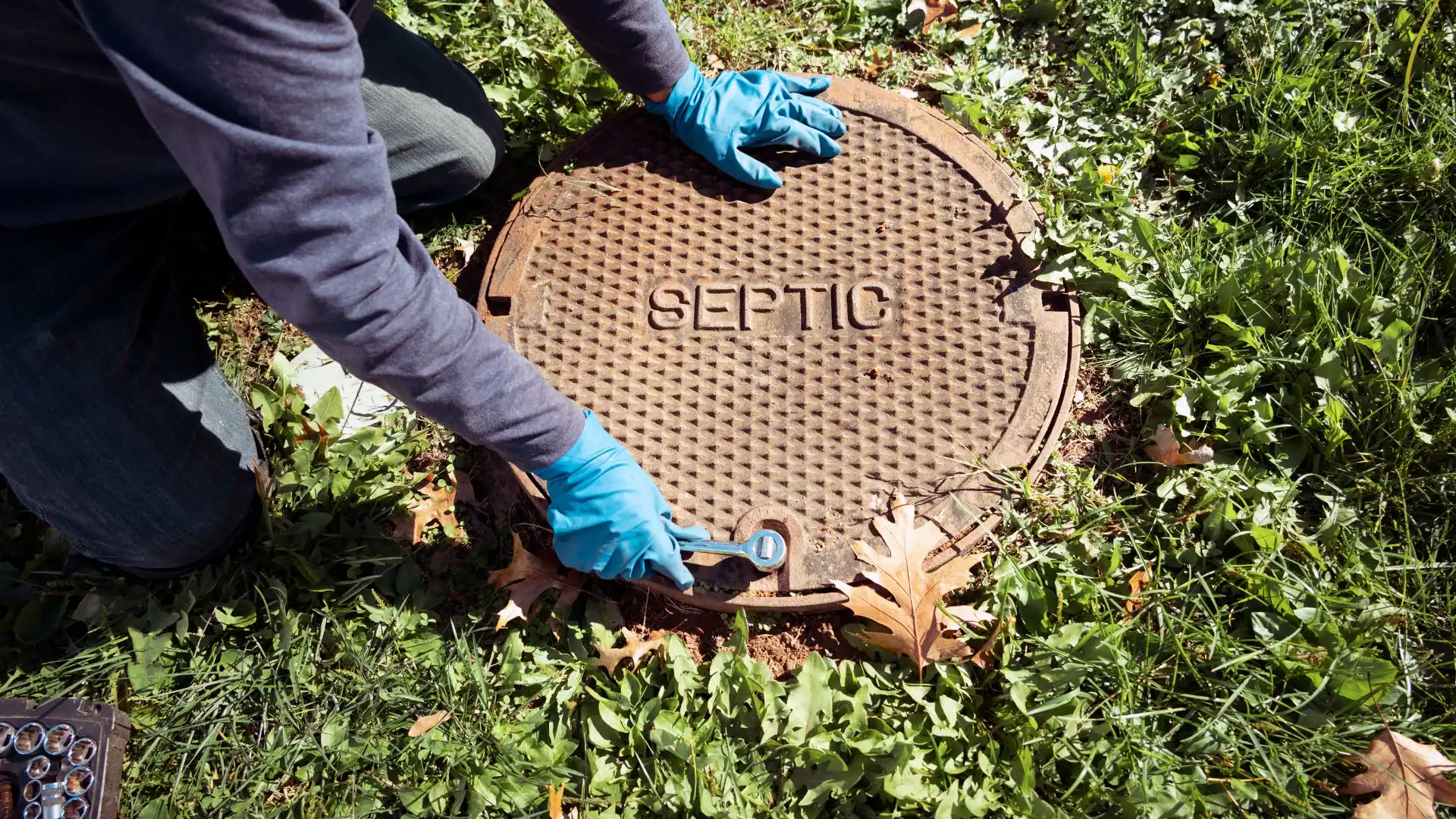
It starts with a site assessment. Before any equipment shows up, we walk the property and map how water is actually moving where it enters, where it collects, and what’s preventing it from draining. In East Quogue, that means accounting for soil type, proximity to the bay, and your property’s relationship to the water table. The soils north of Montauk Highway behave differently than the sandier coastal lots to the south, and the solution needs to reflect that.
From there, we design the right system for your specific conditions. That might be a French drain to intercept and redirect subsurface water, a catch basin network to handle surface runoff, a dry well to manage roof drainage, or a combination of all three. If your project falls under Southampton Town’s stormwater management code or if your property is near a wetland setback along one of the bay systems we handle the permitting conversation before work begins, not after.
Installation is clean and deliberate. Turf is cut, not torn. Pipe is graded correctly so water flows rather than sits. And when the system is in, we restore the surface topsoil, seed, grade so your yard looks like a yard again. For seasonal homeowners who won’t be on-site during the work, we communicate clearly at every stage and don’t consider the job done until the property is back in order.
Ready to get started?
Drainage work in East Quogue covers a wider range of conditions than most residential drainage jobs. Depending on your property, the right solution could involve French drain installation to manage subsurface water movement, catch basins to collect and redirect surface runoff, dry wells to handle roof and downspout discharge, or regrading to correct slope problems that are sending water toward your home instead of away from it. In some cases, it’s all of the above working together.
Every system we install is sized for peak storm conditions not a light April shower. On the South Fork, that means accounting for nor’easters, the kind of sustained rainfall that saturates even sandy coastal soils, and the added pressure of a high water table during wet seasons. Properties near Dune Road and the Tiana Beach area face a different set of challenges than interior lots north of Montauk Highway, and the system design reflects that difference.
We’re also fully familiar with Southampton Town’s permitting requirements. If your project requires a SPDES permit, involves work near a wetland buffer, or falls within a FEMA-mapped flood zone, we know the process. That matters in a town where the regulatory environment is real and enforced and where a drainage system installed without proper review can create more problems than it solves.
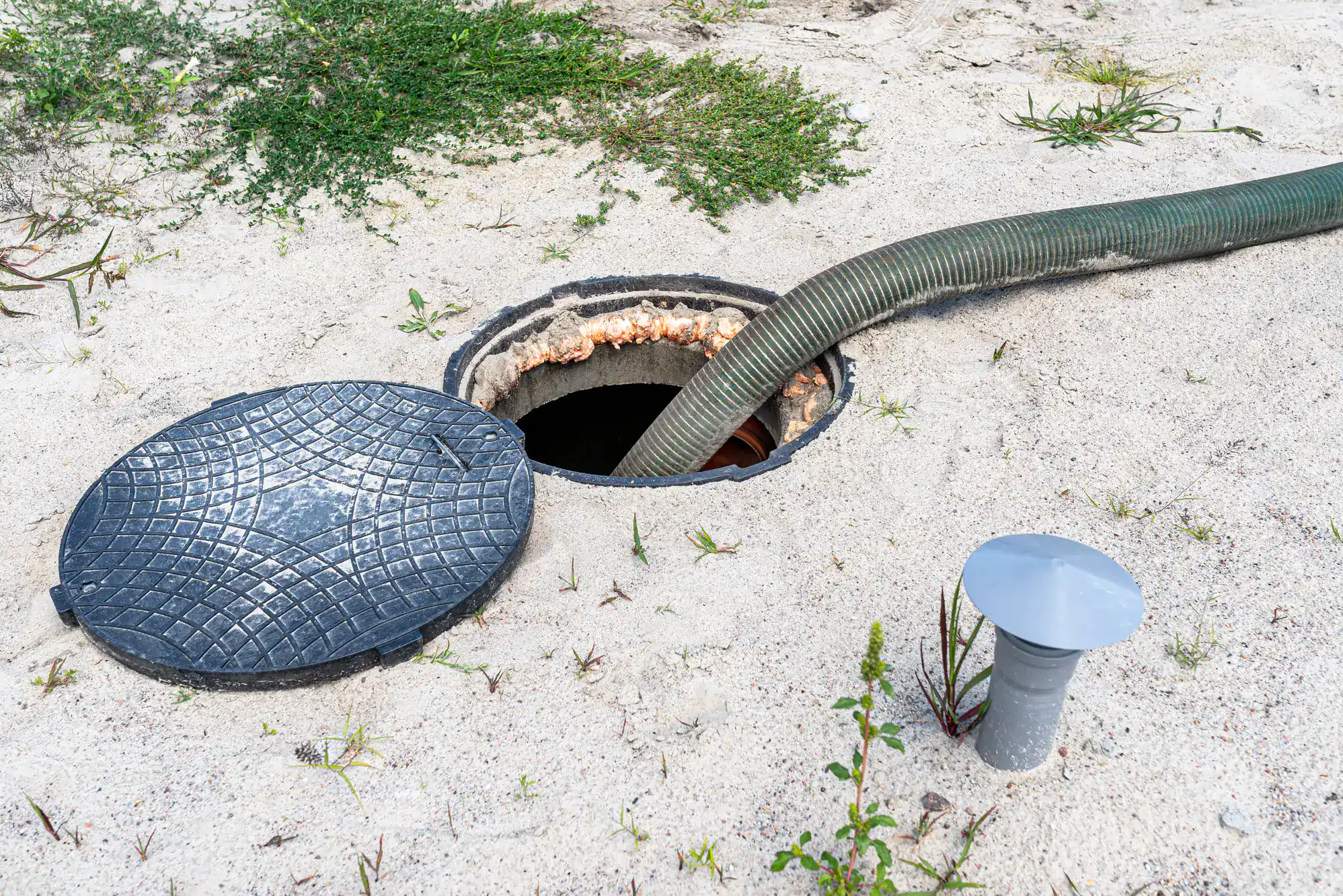
In East Quogue, light-to-moderate rain can cause significant yard flooding for a few reasons that have nothing to do with how much water fell. The most common culprit is a high water table. Because the hamlet sits between Shinnecock Bay, Tiana Bay, and the surrounding coastal wetlands, the ground beneath your lawn is often already holding water especially in spring and after extended wet stretches. When rain hits saturated soil, there’s nowhere for it to go, so it pools on the surface.
Slope is the other major factor. If your lawn doesn’t have enough grade to move water away from low points, it collects. This is especially common on properties that have been landscaped or regraded over the years without drainage in mind. A site assessment will tell you quickly whether you’re dealing with a water table issue, a slope issue, or both and those two problems require different solutions.
A French drain handles subsurface water it’s a perforated pipe buried in gravel that intercepts groundwater or water moving through the soil and redirects it away from problem areas. A catch basin handles surface water it’s an inlet that collects water pooling on your lawn or hardscape and channels it through an underground pipe to a discharge point. They solve different problems, and on many East Quogue properties, you actually need both.
If your yard floods because water is moving through the ground toward your foundation or low spots, a French drain is typically the right tool. If you have water sitting on the surface after rain especially near a driveway, patio, or low area of the lawn a catch basin addresses that more directly. The site assessment is what determines which applies to your property. Anyone who quotes you a system without walking your yard first is guessing.
Nationally, residential yard drainage installation averages around $4,600, with most projects falling between $2,100 and $7,200. On the East End of Long Island, those numbers tend to run higher labor costs in the Hamptons market are above national averages, and properties here often involve more complex conditions: high water tables, proximity to wetlands, bay flood exposure, and terrain that requires more careful system design.
A straightforward French drain on a smaller property might come in at the lower end of that range. A more comprehensive system combining catch basins, underground pipe runs, dry wells, and regrading on a larger or more complex lot will cost more. The only way to give you an accurate number is to assess the property. What we can tell you is that a properly installed system typically pays for itself the first time it prevents a foundation problem or saves a basement from flooding. In East Quogue’s real estate market, that’s not a small thing.
It depends on the scope of the project and where your property sits. East Quogue falls under Southampton Town’s jurisdiction, which has a comprehensive stormwater management code Chapter 236 that governs land disturbance and drainage work. Projects that disturb one or more acres of land require a New York State SPDES General Permit for stormwater discharges. Smaller projects may not require a formal permit, but if your property is near a wetland buffer which is common for lots adjacent to Shinnecock Bay, Tiana Bay, or any of the creek systems in the area Southampton Town’s wetlands regulations under Chapter 325 may apply.
The practical answer is that you shouldn’t assume a drainage project is permit-free just because it feels like a straightforward yard job. We review the regulatory requirements as part of every project scoping conversation. If permits are needed, we handle that process before work begins not after the fact.
Yes, but the design has to account for what’s actually happening in those areas. Properties near Dune Road and the Tiana Beach corridor don’t just deal with rainfall they deal with tidal influence, bay water infiltration during storm events, and a water table that in some spots is only a few feet below the surface. The Town of Southampton has documented the flooding risk along Dune Road and has conducted emergency berm work specifically to protect the bayside communities behind it. That context matters when you’re designing a drainage system.
For these properties, standard residential drainage solutions often need to be adapted. Dry wells may not be viable if the water table is too high water can’t drain downward into already-saturated ground. The emphasis shifts toward surface collection, controlled discharge, and in some cases, elevating or regrading portions of the landscape to reduce vulnerability. It’s a more nuanced conversation, and it starts with understanding your specific lot’s relationship to the bay and the water table beneath it.
This is a legitimate concern for East Quogue’s large seasonal homeowner population. A well-installed drainage system should function through a Long Island winter without active management but “well-installed” is the operative phrase. Freeze-thaw cycles can shift improperly bedded pipe, crack catch basin grates, and cause French drain outlets to heave if they weren’t set at the right depth. Systems installed without proper geotextile fabric around the gravel bed tend to silt up within a year or two, which means by the time you return in June, the drain that worked last summer is now clogged.
What protects a system through the off-season is how it was built in the first place correct pipe depth, proper gravel bedding, geotextile fabric to keep soil out of the aggregate, and outlets positioned so they don’t collect standing water that freezes and backs up. When we install a system, we build it for year-round performance, not just the summer months you’re here to see it work.