
Hear from Our Customers
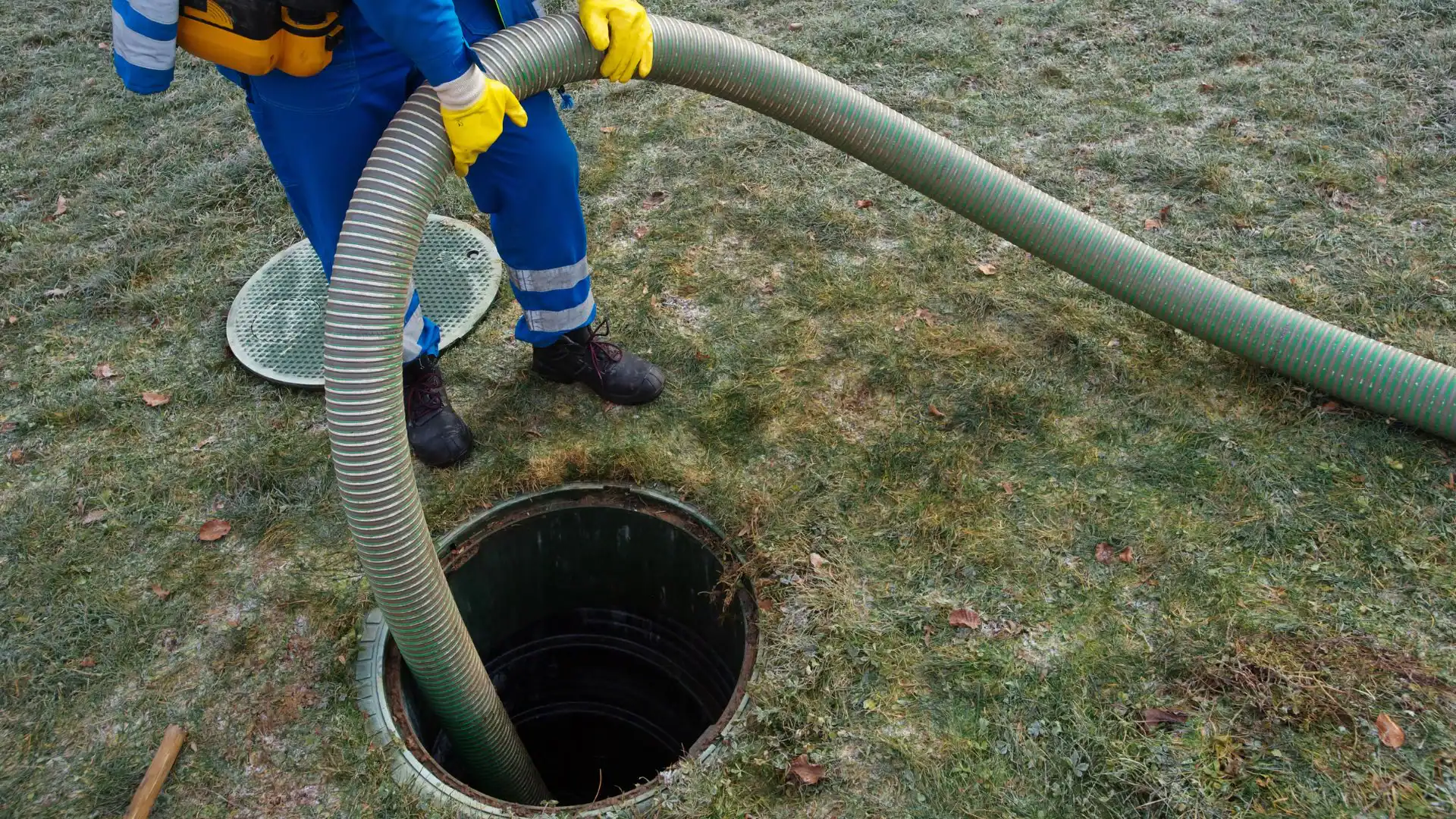
Most drainage contractors think about rainfall. In Greenport, that’s only half the equation. The water table here sits close to the surface year-round, and during a nor’easter or a high-tide event, water isn’t just falling it’s rising from below. Drywells in village streets have been documented bubbling up before high tide even arrives. If your drainage system wasn’t designed with that in mind, it was designed to fail.
When a properly engineered drainage system is in place, you stop watching the forecast with dread. The yard that turned into a swamp after every storm stays firm. The water that used to push toward your foundation gets redirected before it causes the kind of damage think $23,000 to $48,000 in foundation repairs that no homeowner wants to deal with.
For properties near Widow’s Hole, Fifth Street Beach, or anywhere in the lower-lying sections of Greenport, the right drainage system isn’t a luxury. It’s the difference between a yard that functions and a yard that’s a liability every time the weather shifts. Whether you’re a year-round resident or a seasonal owner protecting a significant investment on the North Fork, getting this right matters.
Gold Coast Landworks is a landscape drainage contractor serving Greenport and the North Fork and East End of Long Island. We work specifically in the earthworks and drainage space not plumbing, not general landscaping. Our focus is on how water moves across and through land, and how to design systems that handle it correctly the first time.
Greenport isn’t a town you can serve from a distance or apply a suburban formula to. The coastal hydrology here is different. The housing stock Victorian clapboards, gray-shingled saltboxes, compact village lots requires a different approach than a half-acre ranch in mid-Suffolk. We understand the Village of Greenport’s regulatory environment, including floodplain development permits and the village’s own Chapter 142 drainage ordinance, and we handle that process as part of the project.
We also understand that many homeowners in Greenport have already tried a fix that didn’t hold up. If that’s you, we start with a thorough site assessment not a sales pitch so you know exactly what’s driving the problem before any work begins.
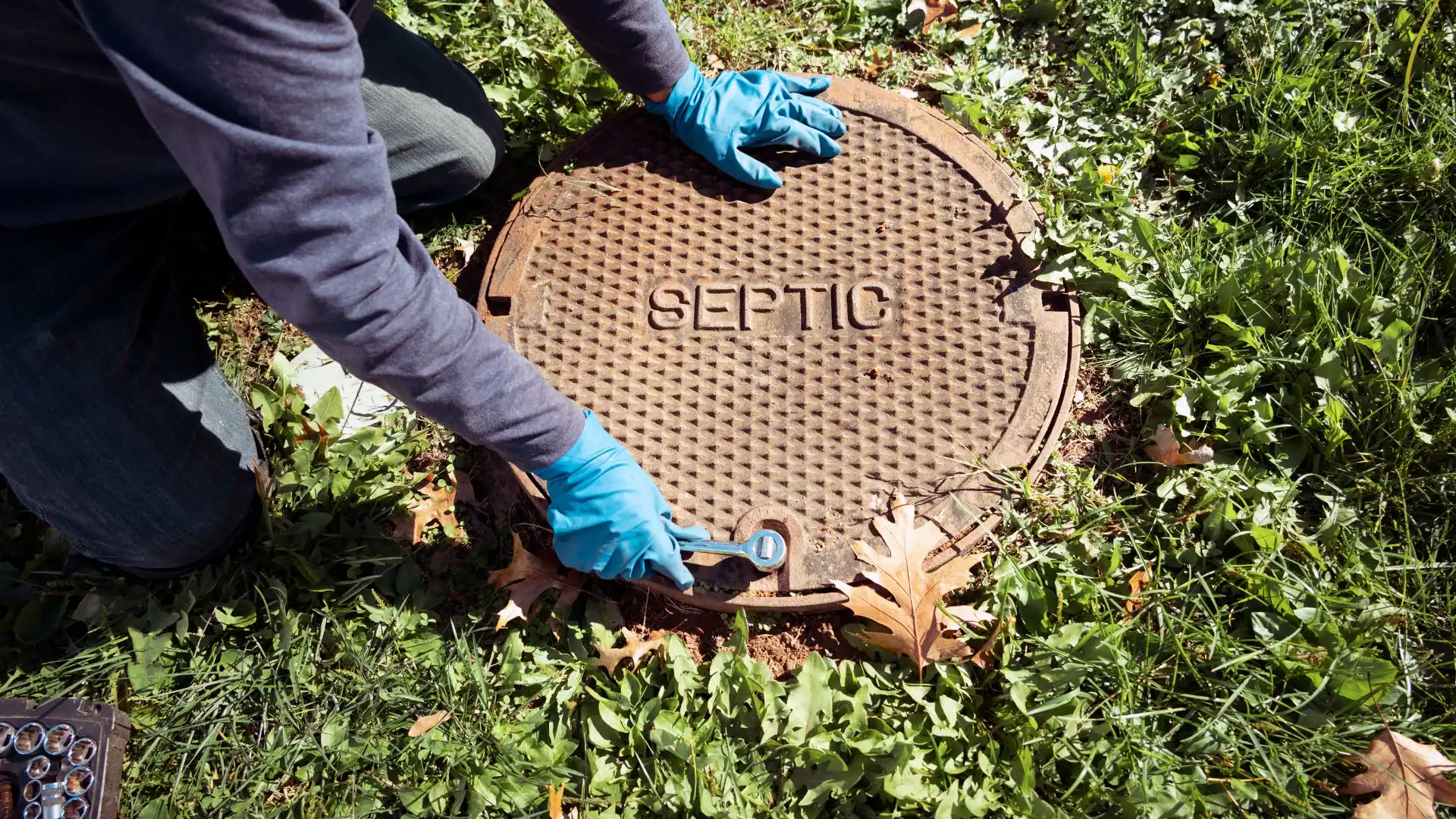
It starts with a site assessment. Before anything gets designed or installed, we walk the property and map out the full picture where water is entering, how it’s moving across the site, where it’s pooling, and what’s driving it. In Greenport, that means accounting for tidal influence, groundwater elevation, and proximity to the water, not just surface drainage patterns. That diagnostic step is what separates a system that works from one that looks right on paper and fails in the first storm.
From there, we put together a drainage plan that matches your specific site conditions. That might mean a French drain, a catch basin, a dry well, channel drains, regrading, or a combination of several approaches working together. If your property falls within a FEMA flood zone which covers significant portions of Greenport we handle the floodplain development permit through the Village Building Department and ensure the design complies with Chapter 142. You don’t have to navigate that yourself.
Installation is followed by full yard restoration. The disruption is real drainage work requires opening up the ground but when we’re done, the property is put back together properly. Lawn, landscape, and grade are all addressed before we leave. The goal is a yard that looks right and drains right.
Ready to get started?
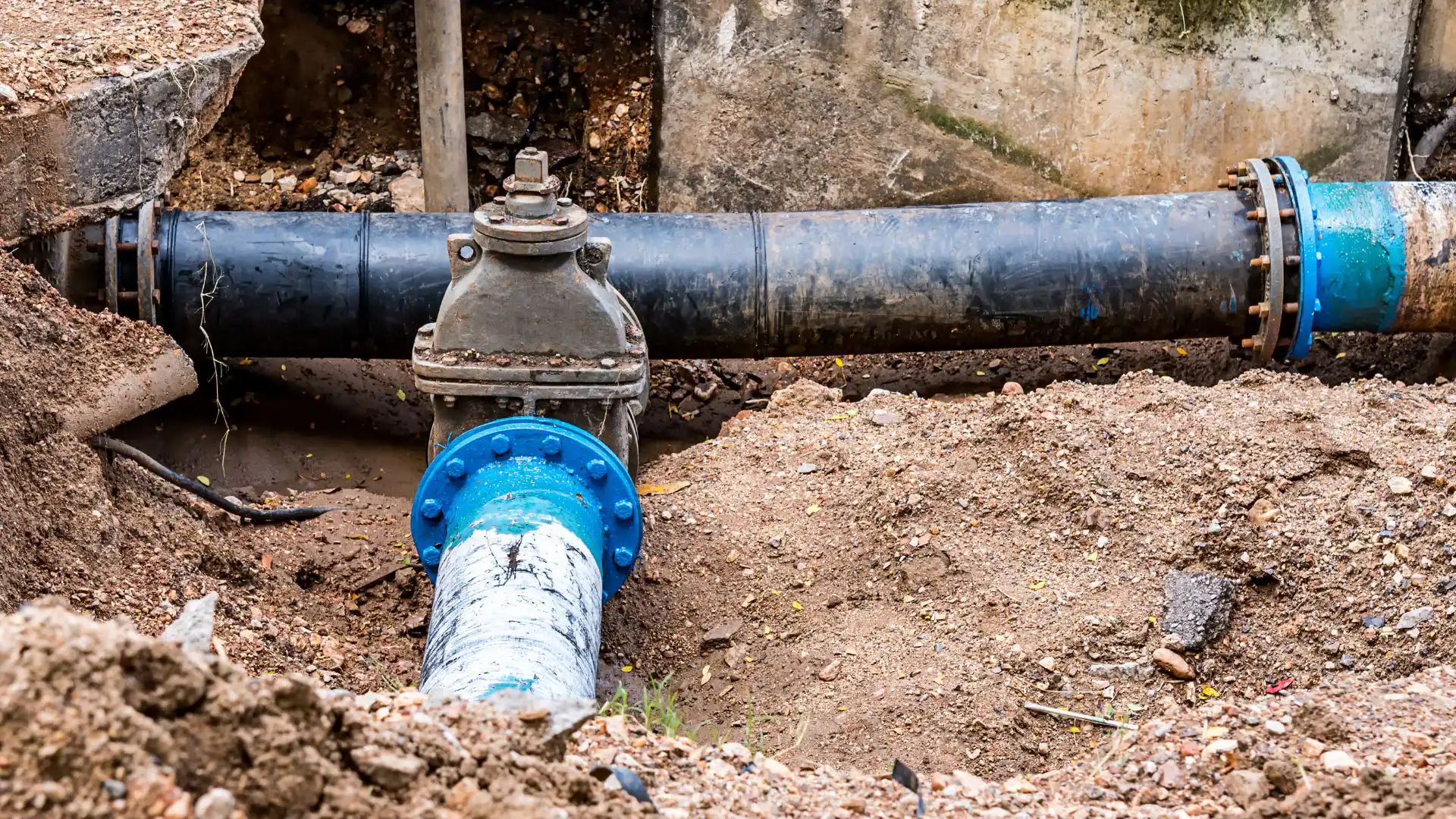
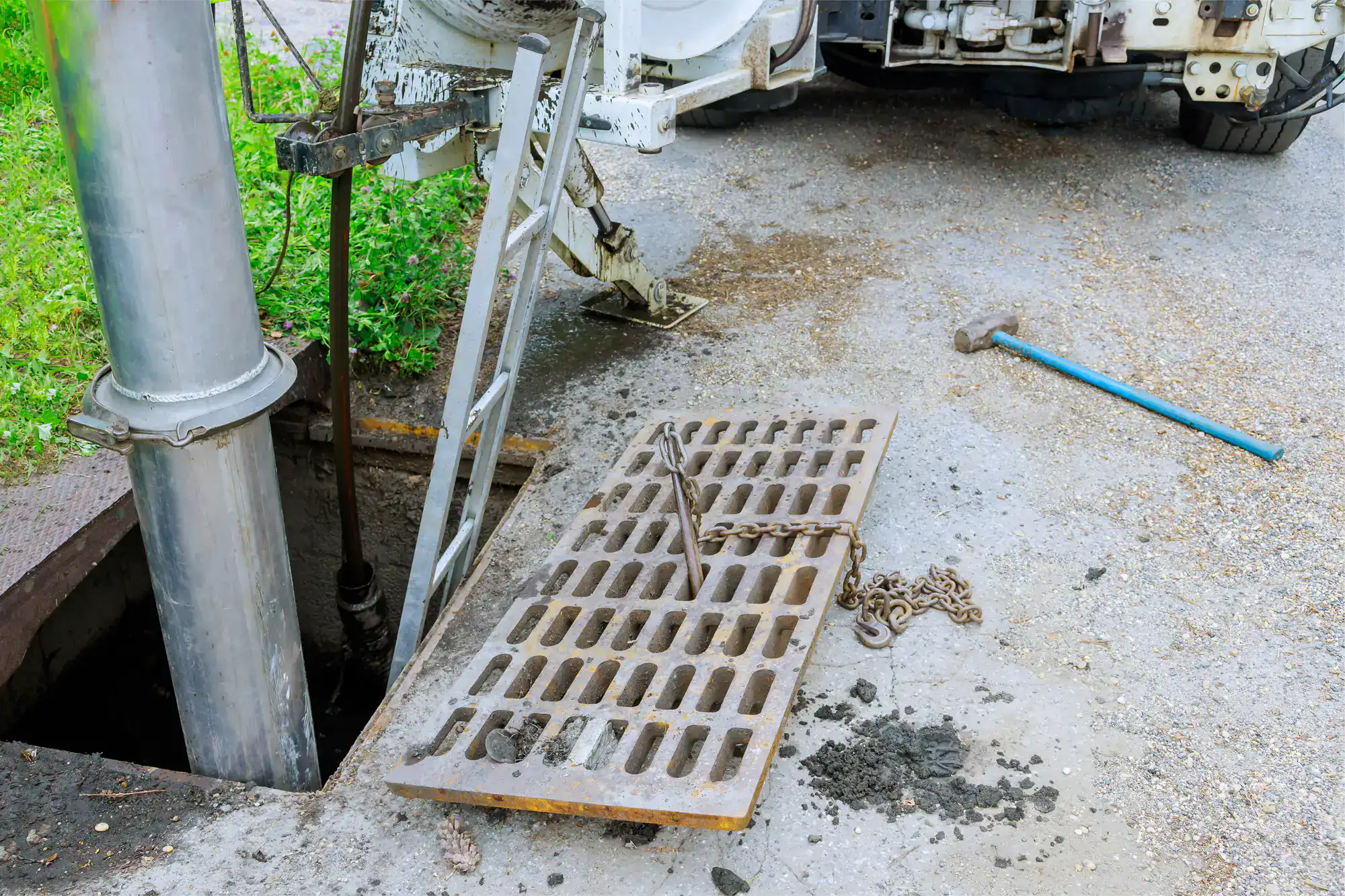
Drainage services in Greenport cover a range of systems depending on what the site actually needs. French drains redirect subsurface water away from foundations and low-lying areas. Catch basins collect surface runoff at the point of entry. Dry wells manage controlled infiltration where soil conditions allow. Channel drains handle concentrated surface flow along driveways or hardscape edges. Regrading corrects slope problems that send water toward structures instead of away from them. Most projects in this village involve more than one of these working together.
What makes drainage work in Greenport different is the layered set of conditions every system has to account for. Properties near the waterfront whether that’s along Peconic Bay, near Widow’s Hole, or adjacent to the Sound face groundwater emergence risks that inland systems simply don’t. Sea level rise is already measurable here, and the low-lying sections of Greenport that flood today will face greater frequency over time. Systems we install are sized and designed with that trajectory in mind.
Every project also accounts for the compact lot sizes and historic character that define Greenport’s residential streetscape. Neighboring properties are close, mature trees and established plantings are common, and the visual integrity of the yard matters. Drainage work here has to be done thoughtfully not just functionally.
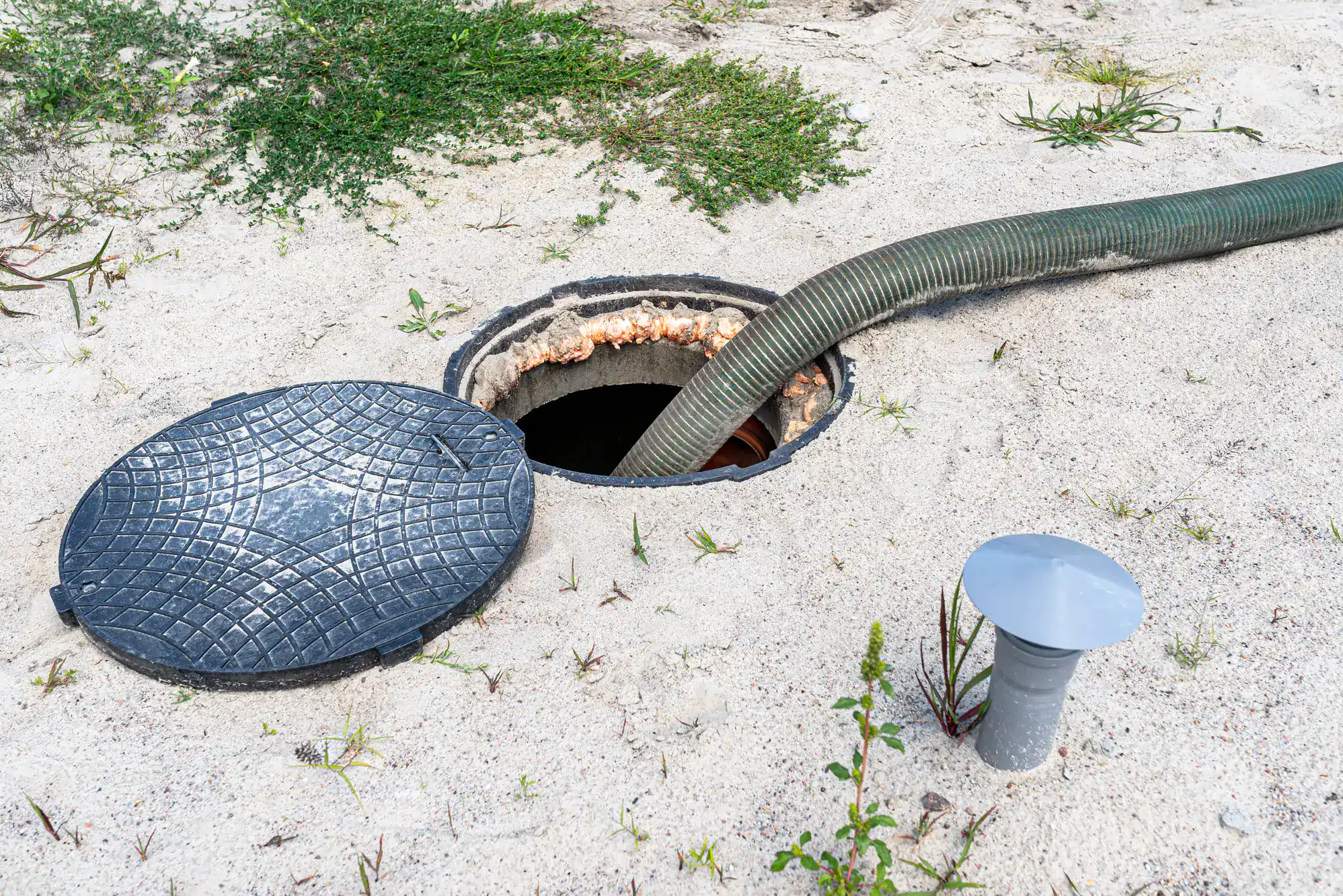
This is one of the most common questions we hear from homeowners in Greenport, and the answer almost always comes back to groundwater. Greenport sits surrounded by water on three sides Long Island Sound, Peconic Bay, and the tidal inlet at Widow’s Hole and the water table in many parts of the village sits close enough to the surface that it doesn’t take much to push it over. During high tides or storm events, the groundwater elevation rises, and yards that seem fine in dry conditions become saturated quickly.
The other factor is Greenport’s aging stormwater infrastructure. When the street drains are already at capacity, water has nowhere to go but onto private property. If your yard is flooding without significant rainfall, the problem is almost certainly subsurface which means surface-only fixes like regrading alone won’t solve it. A proper site assessment will identify whether you’re dealing with a groundwater issue, a surface drainage issue, or both, and we design a system that addresses the actual cause.
It depends on the scope of the work, but in many cases, yes. The Village of Greenport has its own building department and its own regulatory requirements that don’t apply in the same way to unincorporated hamlets elsewhere on the North Fork. If your property falls within a FEMA-designated flood hazard area which covers a meaningful portion of Greenport given its coastal location a floodplain development permit is required before any drainage work begins. That application needs to include drainage plans, elevations, and dimensional information.
Beyond floodplain permits, Greenport’s Chapter 142 its Coastal and Freshwater Wetlands, Floodplain and Drainage Law governs any work that affects watercourses, tidal wetlands, or natural drainage systems within the village. And if your drainage system connects to or discharges into the village’s storm sewer infrastructure, there are MS4 stormwater compliance requirements to meet as well. We handle the permitting process as part of every project, so you’re not left trying to figure out which forms go to which office.
There’s no single answer, because the right system depends on what’s driving the problem on your specific site. For properties dealing with surface runoff water that flows across the yard from a higher elevation or from the street catch basins and channel drains are often the starting point. For subsurface water and groundwater issues, French drains and dry wells are more appropriate, though their effectiveness depends heavily on soil conditions and groundwater depth.
In Greenport, the challenge is that many properties face both problems simultaneously. A system designed only for rainfall won’t hold up when the water table rises during a tidal event. That’s why the site assessment matters so much it tells us what’s actually happening on your property, not just what the most common solution is. For homes near Widow’s Hole or Fifth Street Beach in particular, we design systems that account for the tidal component explicitly, rather than treating the property like a standard inland yard drainage project.
Most residential yard drainage projects fall somewhere between $2,100 and $7,200, with the national average around $4,600. Where your project lands within that range depends on the scope how much linear footage of drain pipe is needed, whether catch basins or dry wells are involved, how much regrading is required, and what restoration work is needed after installation. French drain installation in the Greenport area specifically has been quoted in the range of $2,800 to $6,500 for a complete solution.
What’s worth keeping in mind is the cost comparison. Foundation repairs from water damage run $23,000 to $48,000. A single basement flooding incident averages $10,000 to $26,000 in remediation costs. Water damage claims account for more than a quarter of all home insurance claims nationally, with an average payout just under $14,000. A properly installed drainage system even at the higher end of the range is a fraction of what deferred maintenance costs when the damage finally catches up. We provide written, itemized quotes before any work begins so you know exactly what you’re getting.
It’s a real and measurable factor, especially for a village like Greenport that’s already dealing with tidal flooding in its low-lying areas. New York State’s Sea Level Rise Task Force has documented that sea levels in this region are rising and will continue to rise, which means the groundwater emergence flood hazard the risk of the water table rising to meet the ground surface increases over time in coastal communities. Areas that flood occasionally today will flood more frequently as baseline sea levels creep upward.
For homeowners on the North Fork, this has a practical implication for drainage system design. A system sized only for current conditions may underperform within a decade as the baseline shifts. We design drainage systems with that trajectory in mind accounting not just for what’s happening now, but for where conditions are headed. If you’re investing in a drainage solution for a property in Greenport, it should be built to handle what’s coming, not just what’s already happened.
This is more common than most homeowners realize, and it’s almost never random. The most frequent cause is a system that was designed for rainfall-only conditions in a location where tidal and groundwater dynamics are equally important. A dry well that performs fine during a summer thunderstorm can bubble up completely during a nor’easter when the water table is already elevated because it has nowhere to discharge when the ground is already saturated from below. It’s a design mismatch.
The second common cause is undersizing. A system that handles a moderate rain event but overwhelms in a heavy storm was probably sized to average rainfall rather than peak storm conditions which on the North Fork means nor’easters that bring sustained, heavy rainfall on top of coastal surge. Before recommending any solution, we do a full site assessment of what you have, how it was installed, and what conditions it’s failing under. In many cases, an existing system can be modified or supplemented rather than replaced entirely. The goal is an honest diagnosis first, not a sales pitch for a full reinstall.