
Hear from Our Customers
If your lawn stays soggy for days after rain, water creeps toward your foundation, or your backyard turns into a swamp every spring, the problem usually isn’t the rain. It’s the Smithtown clay layer sitting beneath a large portion of Hauppauge that physically blocks water from moving downward. Standard drainage assumptions don’t apply here. Water has nowhere to go except sideways across your lawn, against your house, and eventually into places you really don’t want it.
A properly designed drainage system changes that. You get a yard you can actually use, a foundation that isn’t under constant water pressure, and the peace of mind that comes with knowing your property is protected not just patched. For homeowners in Hauppauge’s 1960s and 1970s housing stock, that also means replacing original drywells that have quietly lost capacity over the past 40 to 60 years, often without any warning until a heavy storm reveals the failure.
The Northeast Branch of the Nissequogue River basin runs directly through this area. Hundreds of homes here have experienced documented groundwater flooding water that rises from below, not just pools from above. A drainage solution that only addresses surface water misses half the problem. What you need is a system designed around how water actually moves in Hauppauge, not how it moves somewhere else.
We’re a Long Island landscape drainage contractor who works across western Suffolk County, and Hauppauge is an area we know well the soil conditions, the groundwater behavior near Blydenburgh County Park, the way the Nissequogue basin affects properties that have never seen a drop of surface flooding but still end up with wet basements every spring.
We also know that Hauppauge is split between the Town of Smithtown and the Town of Islip at Townline Road. That matters because your permits, your building department, and your drainage compliance requirements depend entirely on which side of that line your property sits on. Most homeowners don’t know which town they’re in. Most contractors don’t either. We do, and we handle that process so you don’t have to figure it out yourself.
Every project gets a written quote, a clear scope of work, and full yard restoration when the job is done. You won’t be left with bare soil and a drainage system that works but a yard that looks like a construction site.
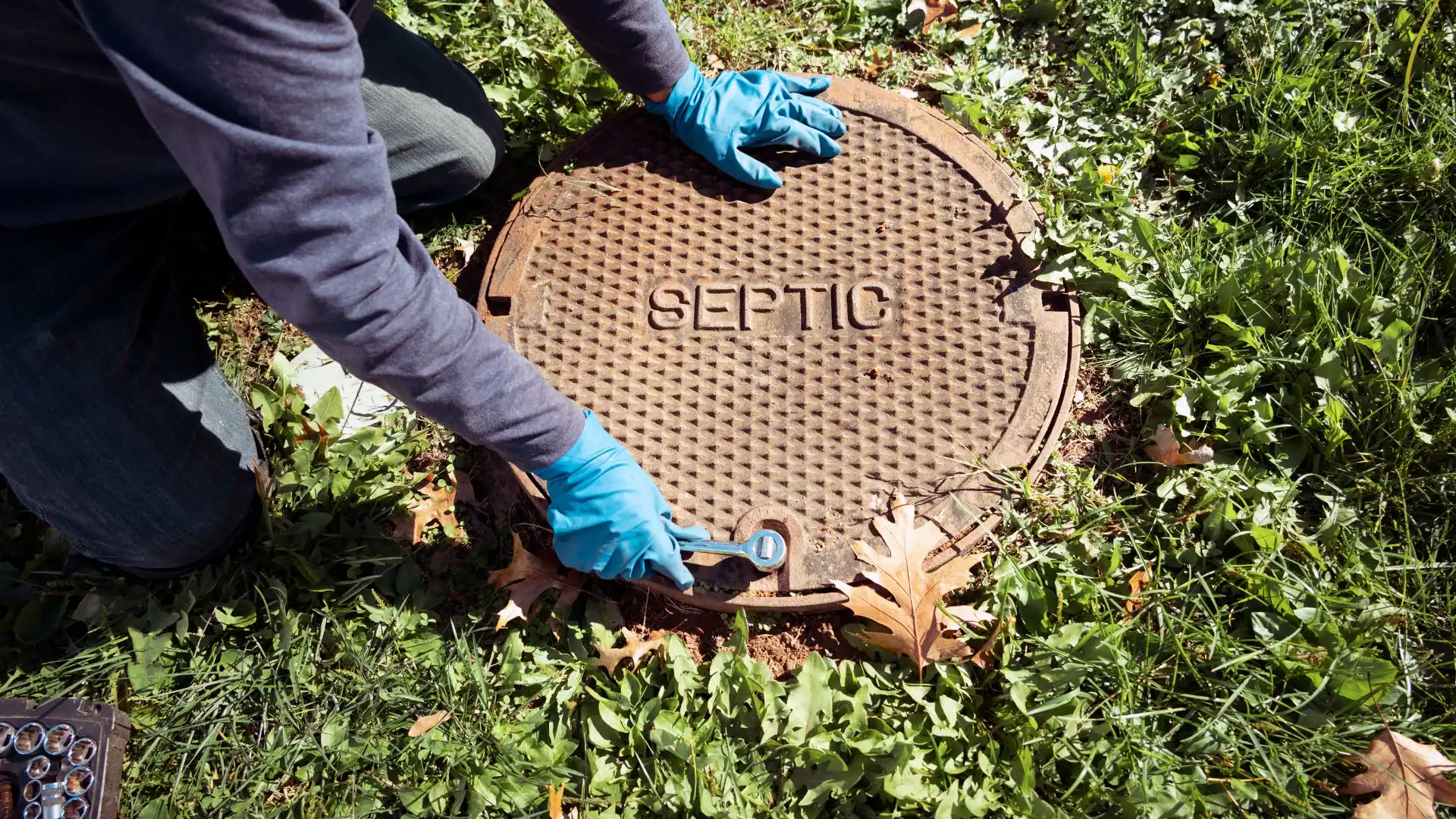
It starts with a site assessment. We come out, walk the property, and look at where water is moving, where it’s stopping, and why. In Hauppauge, that means evaluating the surface grade, checking for signs of Smithtown clay interference, and understanding whether you’re dealing with surface runoff, shallow groundwater rise, a failed drywell, or some combination of all three. The diagnosis drives the design not the other way around.
From there, we put together a written quote that breaks down exactly what’s being installed, where, and why. Whether the solution is a French drain, a catch basin, a channel drain, a dry well replacement, or a full regrading of the yard’s drainage path, you’ll understand what you’re getting before any work begins. If your property falls under Town of Smithtown jurisdiction, we handle that permitting process. Same for Town of Islip. You don’t need to know which building department to call that’s our job.
Installation is done with restoration in mind from the start. Excavation is kept as clean as possible, and when the drainage system is in the ground and functioning, we restore the disturbed lawn, topsoil, and landscaping to match the surrounding yard. The goal is a property that drains correctly and looks exactly like it should not a yard that traded a flooding problem for an eyesore.
Ready to get started?
Hauppauge isn’t a one-size-fits-all drainage market. The Smithtown clay layer rules out purely downward-percolation solutions on many properties, meaning French drains here need to be designed with lateral discharge routing not just a perforated pipe dropped into the ground. Catch basins and channel drains need to be sized for peak rainfall, not average rainfall. The August 2014 storm that set a New York State record with 13.57 inches of rain in 24 hours hit Islip, immediately south of Hauppauge, and it hit the same drainage basin your yard sits in. A system that can’t handle that kind of event isn’t a system it’s a temporary fix.
The drainage services we provide in Hauppauge include French drain installation, catch basin installation, trench and channel drain systems, dry well installation and replacement, surface regrading, and subsurface drainage design. For properties near Blydenburgh County Park or in the lower-lying areas adjacent to the Nissequogue River basin, we pay particular attention to groundwater rise patterns and design discharge points accordingly. Every solution is specific to the property what works on a raised lot on the north side of Veterans Memorial Highway may be entirely wrong for a flat lot closer to the park.
Suffolk County’s sole-source aquifer also means drywell placement and construction have to meet county environmental standards not just drainage standards. We understand those requirements and build them into every installation from the start.
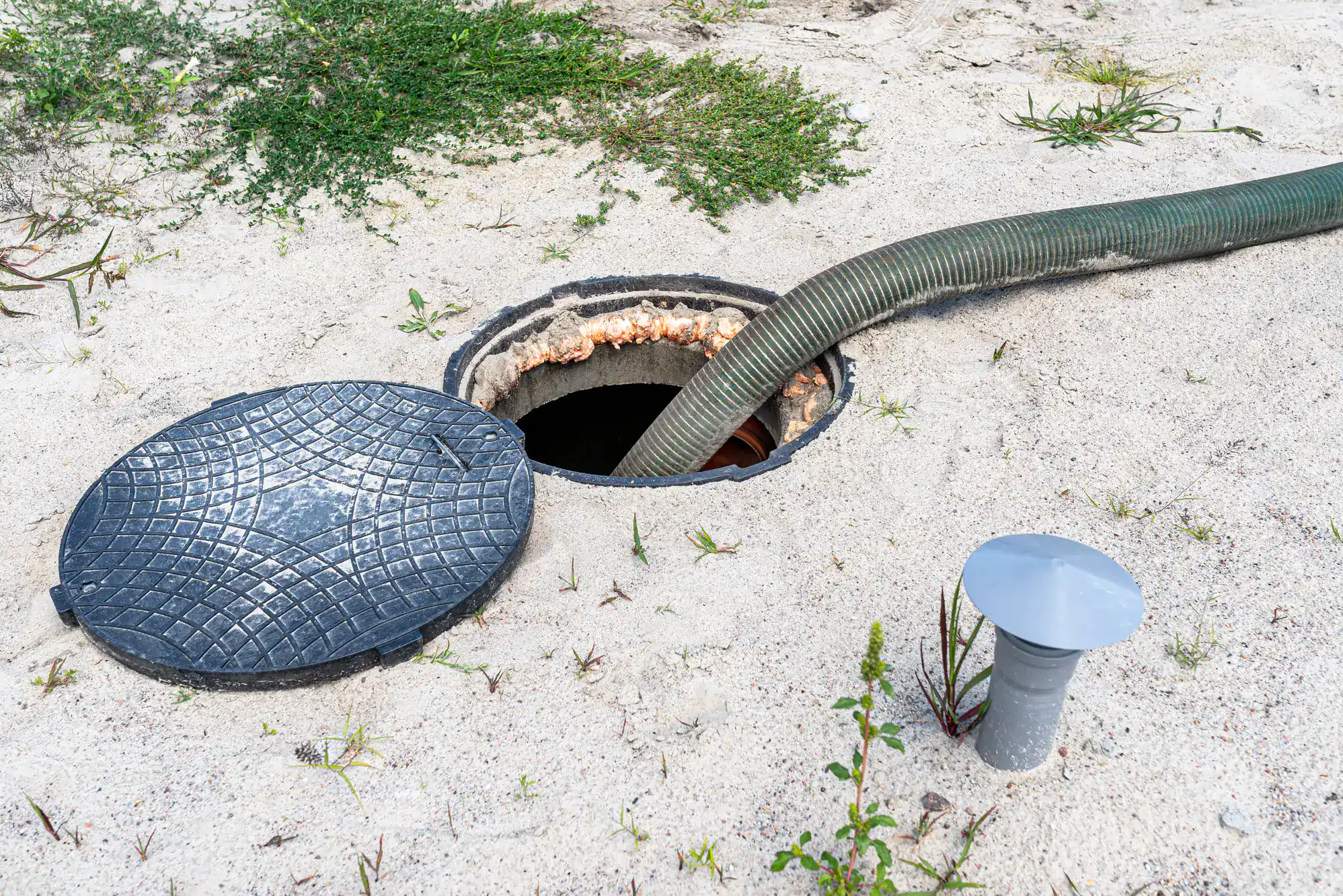
The most common reason is that the drainage system was designed without accounting for the Smithtown clay layer. This is a documented clay unit in north-central Suffolk County that sits beneath large portions of Hauppauge and physically prevents water from moving downward through the soil. A French drain or drywell that relies on downward percolation will fail here the water hits the clay and has nowhere to go, so it backs up or reroutes to the surface.
The fix isn’t always a bigger system. It’s a correctly designed system. That means evaluating where the clay sits on your specific property, designing the drainage path to move water laterally toward an appropriate discharge point, and sizing the system for peak rainfall events not just the average storm. If your current system was installed without a soil assessment or without understanding the Nissequogue basin’s shallow groundwater behavior, there’s a good chance the design itself is the problem, not just the installation.
A plumber works on pipes clearing blockages, repairing broken lines, connecting drains to municipal sewer or stormwater systems. If your indoor drain is backing up or your sewer line is clogged, that’s a plumber’s job. But if your yard is flooding after rain, your lawn stays waterlogged for days, or water is pooling against your foundation, that’s a landscape drainage problem and it requires a completely different set of skills and solutions.
Landscape drainage work involves evaluating how water moves across and through your property, grading the land to redirect surface flow, installing French drains, catch basins, channel drains, and dry wells, and designing systems that account for your soil conditions and groundwater behavior. In Hauppauge, where the Smithtown clay layer and the Nissequogue basin create drainage challenges that go well beyond a blocked pipe, calling a plumber for a yard flooding problem often results in money spent on a solution that doesn’t address the actual cause.
It depends on the scope of the work and which part of Hauppauge your property is in. Hauppauge is split between the Town of Smithtown and the Town of Islip, divided by Townline Road (County Route 76). Properties north of Townline Road fall under Town of Smithtown’s building department. Properties south of it fall under Town of Islip. Each town has its own permit process, and the requirements differ.
For most residential drainage projects a French drain, a catch basin installation, or a drywell replacement a permit may be required depending on the scope of excavation and whether the system connects to or discharges near a municipal stormwater structure. Suffolk County also has environmental regulations governing drywell placement, since the county’s drinking water comes entirely from the sole-source aquifer beneath Long Island. We identify which jurisdiction applies to your property, determine what permits are needed, and handle that process as part of the project so you’re not navigating two different town halls on your own.
Most residential drainage installations in the Hauppauge area fall somewhere between $3,000 and $10,000, depending on the size of the property, the complexity of the drainage problem, and what type of system is required. A straightforward French drain on a smaller lot will land toward the lower end. A full drainage design that includes catch basins, lateral discharge routing, and drywell replacement on a larger property with Smithtown clay complications will be closer to the higher end.
The more useful number to keep in mind is what deferred drainage costs. Foundation repairs from water damage run $23,000 to $48,000. The average water damage insurance claim is nearly $14,000. Every dollar invested in proper drainage protection saves an estimated $5 to $8 in future damage. For a home in Hauppauge where median values are above $700,000 and the groundwater flooding risk is documented and real, a properly installed drainage system isn’t an upgrade it’s the cheapest structural protection available to you.
Drywell failure is usually silent until it isn’t. Most drywells installed in Hauppauge’s 1960s and 1970s housing stock are now 40 to 60 years old, and they don’t fail with a loud announcement they fail gradually as silt and sediment fill the surrounding soil and the system loses its ability to absorb water. The first sign is usually a yard that used to drain fine after rain but now stays wet for two or three days. Another common sign is water pooling in the same spot repeatedly, even after smaller storms that never caused problems before.
If you’ve noticed your downspout discharge area staying saturated, your lawn developing soft or sunken spots near where the drywell was installed, or surface water appearing in areas that were never an issue before, those are all indicators worth having assessed. In Hauppauge, where the Smithtown clay layer can accelerate the silting process by limiting how far water disperses from the drywell, these systems often fail faster than homeowners expect. A site assessment will tell you whether the existing drywell can be rehabilitated or needs to be replaced entirely.
Late summer and fall roughly August through November tend to be the best window for drainage installation in Hauppauge. The ground is workable, the soil isn’t saturated from snowmelt or spring rain, and completing the project before winter means your system is in place and functioning before the nor’easter season and spring thaw cycle that drives the most significant flooding in this area.
That said, drainage problems don’t wait for ideal installation conditions, and neither should you. If water is actively threatening your foundation or your yard is flooding repeatedly, the right time to act is now not next spring. Spring installations are entirely workable, and summer projects give the restored lawn time to establish before fall. The one window we’d generally steer away from is mid-winter, when frozen ground makes excavation difficult and turf restoration isn’t possible. Outside of that, the more important factor is getting the system designed correctly for Hauppauge’s specific conditions the timing matters far less than the design.