
Hear from Our Customers
When water stops pooling against your foundation, you stop worrying about what’s happening behind your walls. That shift from watching puddles grow to not thinking about rain at all is what a properly designed drainage system actually delivers. It’s not a cosmetic fix. It’s structural protection for a home that, in North Babylon, is likely worth over $600,000.
The housing stock here tells the story. Most of these homes went up in the 1950s and 1960s, built fast for returning veterans on land that was graded for that era not for the rainfall volumes Long Island sees today. Decades of patio additions, driveway repaving, and garden modifications have quietly rerouted water toward foundations instead of away from them. What feels like a new problem is usually the result of years of small changes stacking up.
North Babylon’s proximity to Carlls River and Belmont Lake also means the local water table sits higher than most homeowners expect, especially after a heavy storm. When the ground is already saturated, even moderate rain has nowhere to go. The right drainage system accounts for all of this not just the visible puddle, but the full picture of how water moves across your specific lot.
A lot of drainage contractors show up, install a French drain, and move on. If the problem comes back and it often does when the diagnosis was wrong you’re left starting over. We approach every job differently: the assessment comes before anything else. We look at how water enters your property, where it stalls, and where it needs to go before a single shovel hits the ground.
We work throughout North Babylon and the surrounding South Shore communities, which means we understand the specific drainage patterns, soil conditions, and water table dynamics that affect properties in this area. From the neighborhoods near Belmont Lake State Park to the residential streets running off Deer Park Avenue, we’ve seen what happens when drainage is designed for a different era and we know how to fix it.
Every project comes with a written quote, a clear scope of work, and a workmanship warranty. No verbal estimates. No surprises after the job starts.
It starts with a site assessment. Before anything is quoted or scheduled, we walk your property and evaluate the full drainage picture where water enters, how it moves, where it collects, and what’s causing it to stay. In North Babylon, that often means accounting for elevated water table conditions near Carlls River, lot grading that’s shifted over decades, and impervious surfaces like driveways and patios that have changed the original flow path of the yard.
From there, we put together a written quote that outlines the recommended system whether that’s a French drain, catch basin, dry well, channel drain, yard regrading, or a combination of approaches. The scope is specific to your property, not a one-size package. If the project requires a permit through the Town of Babylon’s Building Department, we handle that process as part of the job. Suffolk County also has stormwater regulations that govern how drainage systems discharge, and every system we install is designed to comply.
Once the work is done, we restore the yard. The lawn gets put back. The landscaping gets addressed. When we leave, your property should look better than it did before we arrived because the thing that was quietly damaging it is gone.
Ready to get started?
The drainage systems we install are sized for current rainfall, not historical averages. Long Island’s annual precipitation has measurably increased over the past two decades, and a system designed even fifteen years ago may already be undersized for what North Babylon receives today. We factor that into every design.
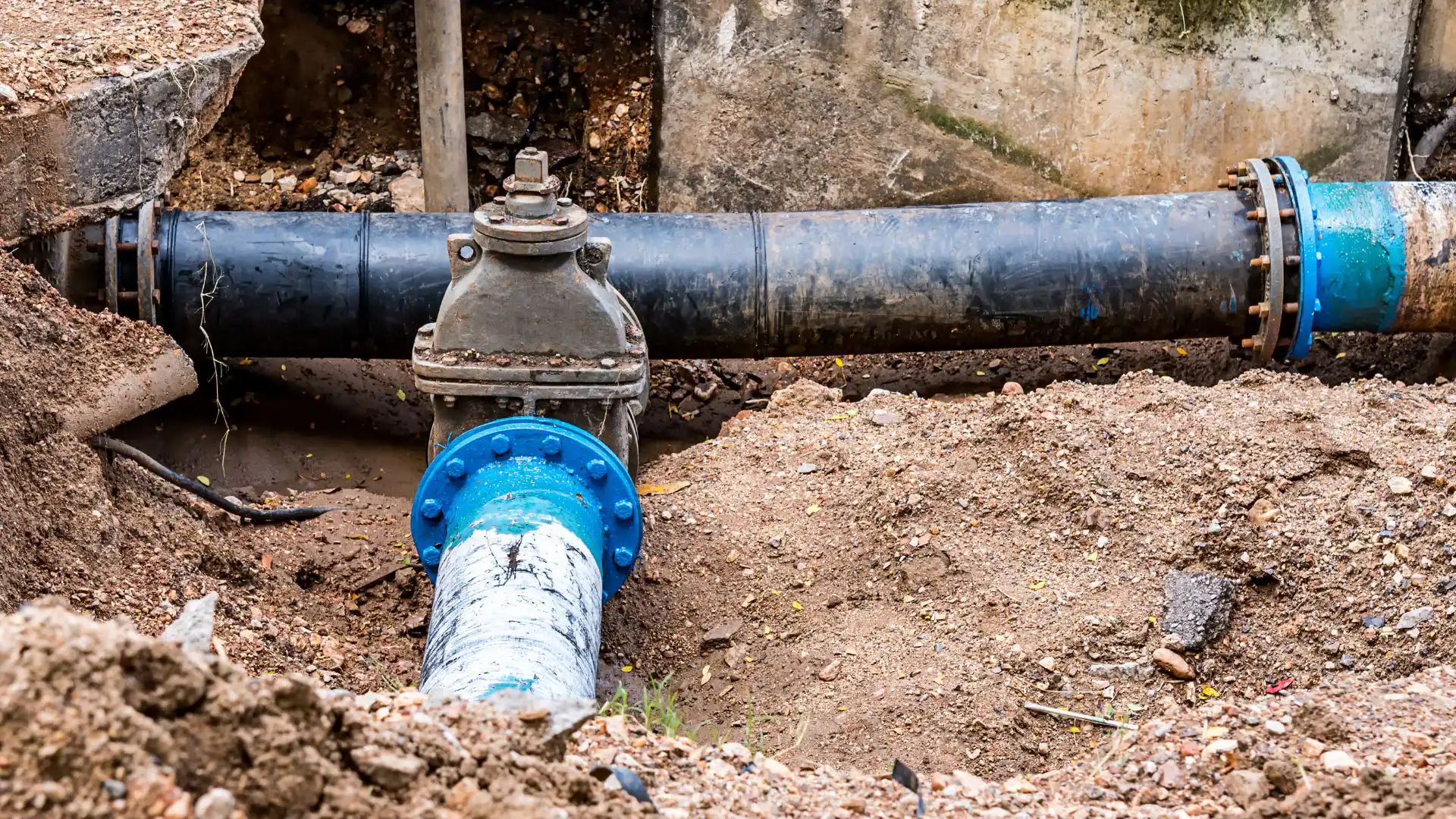
The specific solutions we install depend entirely on what your property needs. French drains redirect subsurface water away from foundations and low-lying areas. Catch basins and channel drains capture surface water at collection points before it spreads. Dry wells provide an underground discharge point for collected water. Yard grading and regrading correct the slope of the land itself often the most direct fix when the original lot grade has been compromised by years of landscaping changes. Many North Babylon properties need a combination of these approaches because the problem has more than one source.
What you won’t get from us is a single-solution answer applied to every job. The post-WWII homes along the streets near Phelps Lane Park have different drainage dynamics than a newer build near the Southern State Parkway corridor. We treat them differently because they are different. The goal is a system that handles the next nor’easter, and the one after that, without you thinking twice about it.
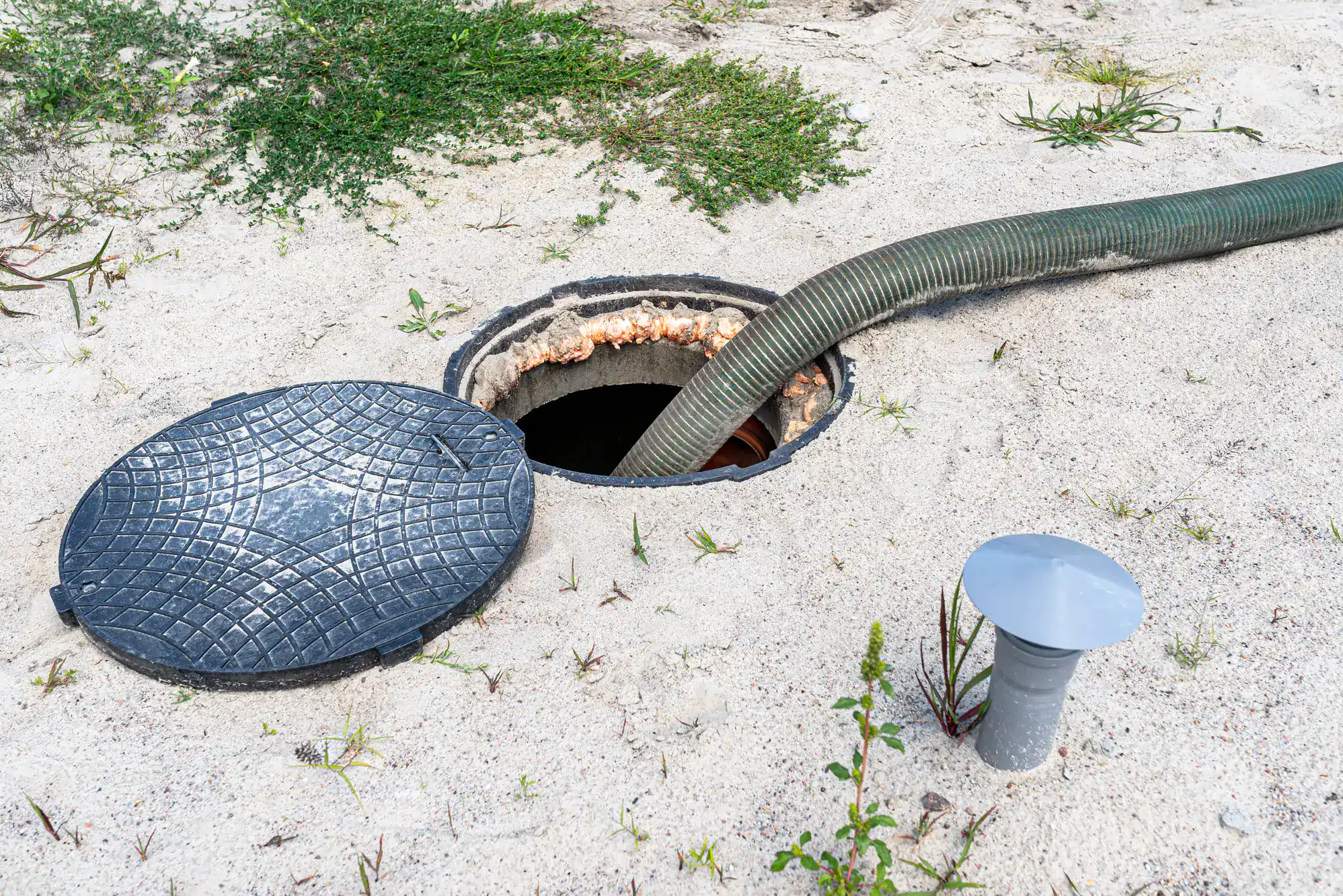
This is one of the most common questions we hear from homeowners in North Babylon, and the answer usually comes down to two things: soil saturation and lot grading. North Babylon sits close to Carlls River and Belmont Lake, which means the local water table can be elevated for days after a significant storm. When the ground is already holding as much water as it can, even a moderate rainfall event has nowhere to go so it sits on the surface.
The other factor is lot grading. Most of the homes in North Babylon were built in the 1950s and 1960s, and the original grade of those lots has changed over time. Patios, raised garden beds, driveway repaving, and added structures have slowly redirected water toward the house instead of away from it. What looks like a sudden flooding problem is usually the result of years of small changes that finally crossed a threshold. A proper drainage assessment identifies which of these factors is driving your specific issue and designs a fix that addresses the actual cause, not just the symptom.
If you search “drainage North Babylon,” most of what comes up are plumbers. That’s worth understanding before you make a call. Plumbers work on pipes they clear blockages, repair sewer lines, and address water inside the home. They are not trained or equipped to solve the reason your yard floods, which is a landscape and grading problem, not a pipe problem.
A landscape drainage contractor which is what we are addresses how water moves across and through land. That means evaluating your lot’s slope, your soil’s absorption capacity, the path water takes from your roof downspouts across your yard, and where it ultimately needs to discharge. If you’ve already had a plumber out and the yard is still flooding, that’s not a failure on the plumber’s part. It’s a sign the problem was never a plumbing issue to begin with. Calling the right type of contractor from the start saves you time, money, and a second round of digging up your yard.
Drainage costs vary based on what your property actually needs, but for a typical North Babylon residential project a French drain, catch basin installation, or yard regrading you’re generally looking at a range of $4,000 to $12,000 depending on scope, access, and system complexity. Properties with multiple drainage failure points, significant grading issues, or discharge path challenges will sit toward the higher end of that range.
The more useful way to think about cost is what you’re protecting. The median home in North Babylon sells for around $626,000. Foundation repairs from chronic water intrusion run $23,000 to $48,000. Basement flooding remediation averages $10,000 to $26,000 per incident. A properly installed drainage system addresses the source of those costs before they happen. Every project we scope starts with a written quote so you know the full number before any work begins, with no add-ons after the fact.
It depends on the scope of the work. For most standard drainage installations a French drain, dry well, or catch basin on a typical residential lot a permit through the Town of Babylon’s Building Department is not required. However, projects that involve significant regrading, retaining wall construction, or any connection to the municipal stormwater system may require a permit before work begins.
Suffolk County also has stormwater regulations that govern how drainage systems discharge. Specifically, the county prohibits illicit connections to the municipal storm sewer system and discharges that damage neighboring properties. These aren’t obscure rules they’re the legal framework that determines whether your drainage system is installed correctly from a regulatory standpoint. We handle permit research and compliance as part of every project. If a permit is required for your job, we manage that process. You don’t have to figure out the Town of Babylon’s building department requirements on your own.
The honest answer is that the best time is before the next major storm which on Long Island’s South Shore can arrive any month of the year. That said, spring and fall tend to be the most practical windows for drainage installation in North Babylon. Spring reveals the drainage failures that built up over winter, and the ground is workable. Fall gives you a chance to get ahead of nor’easter season, which is when the South Shore sees its most intense rainfall events.
Summer is also a viable installation window, though intense convective thunderstorms can complicate scheduling around excavation work. Winter installation is possible during mild stretches but is generally less predictable. If your yard flooded this past season and you’re thinking about fixing it, the time to schedule an assessment is now not the week before the next storm. Lead times for drainage projects extend in peak season, and the properties that get addressed first are the ones where the homeowner didn’t wait for the problem to repeat itself.
In most cases, yes but the answer depends on what’s actually causing water to reach your foundation. For the majority of North Babylon homes, foundation moisture comes from one of three sources: improper lot grading that directs surface water toward the house, downspout discharge that terminates too close to the foundation, or subsurface water movement through soil that’s lost its drainage capacity over time. All three of these are landscape drainage problems, not structural ones and all three are addressable with the right system.
Where it gets more complicated is when foundation water intrusion has been happening long enough to cause actual structural damage. In that case, a drainage system addresses the source of the problem, but a structural engineer or foundation specialist may also need to assess what the water has already done. We’ll tell you honestly during the site assessment whether what you’re dealing with is a drainage problem we can solve, or whether it involves a layer of damage that requires additional professional input. The goal is to give you an accurate picture of what’s happening not to oversell a drainage system as a fix for something that needs more than that.