
Hear from Our Customers
Most North Bellport homeowners don’t call a drainage contractor until they’ve already watched their backyard sit underwater for three days after a nor’easter. By then, the frustration is real and so is the risk to your foundation, your lawn, and the value of a home that’s likely worth over $400,000 today.
Here’s what changes when the drainage problem is actually solved: you stop dreading the forecast. Your yard is usable again after rain, not a week later. Water isn’t pooling near your foundation or seeping toward your basement. And you’re not making another call to a cesspool company or a plumber who’ll address the pipes but leave the real problem untouched.
North Bellport’s soil is primarily sandy, which sounds like it should drain fast and it does, until a sustained storm pushes the water table up close to the surface. At that point, the soil has nowhere to send the water, and yards that handle light rain fine become completely saturated. A drainage system designed for those peak conditions not just average rainfall is what actually protects your property here. That’s the difference between a system that was installed and one that was designed.
We’re a Long Island landscape drainage company that works specifically in Suffolk County which means we already understand what we’re walking into before we set foot on your North Bellport property. We know the South Shore’s soil profile. We know how the water table behaves in communities like North Bellport during a sustained coastal storm. And we know that most of the drainage search results in this area point people toward plumbing and cesspool companies which is exactly the wrong direction when the problem is how water moves across your land.
North Bellport is a community in the middle of real change. New homes are going up on Ecke Avenue, the Montauk Highway corridor is being revitalized, and older mid-century homes throughout the hamlet are finally getting the attention they’ve needed for decades. Whether your home was built in 1979 or you’re breaking ground on something new, we bring the same approach: find the actual source of the problem, design a system that handles it, and leave your yard better than we found it.
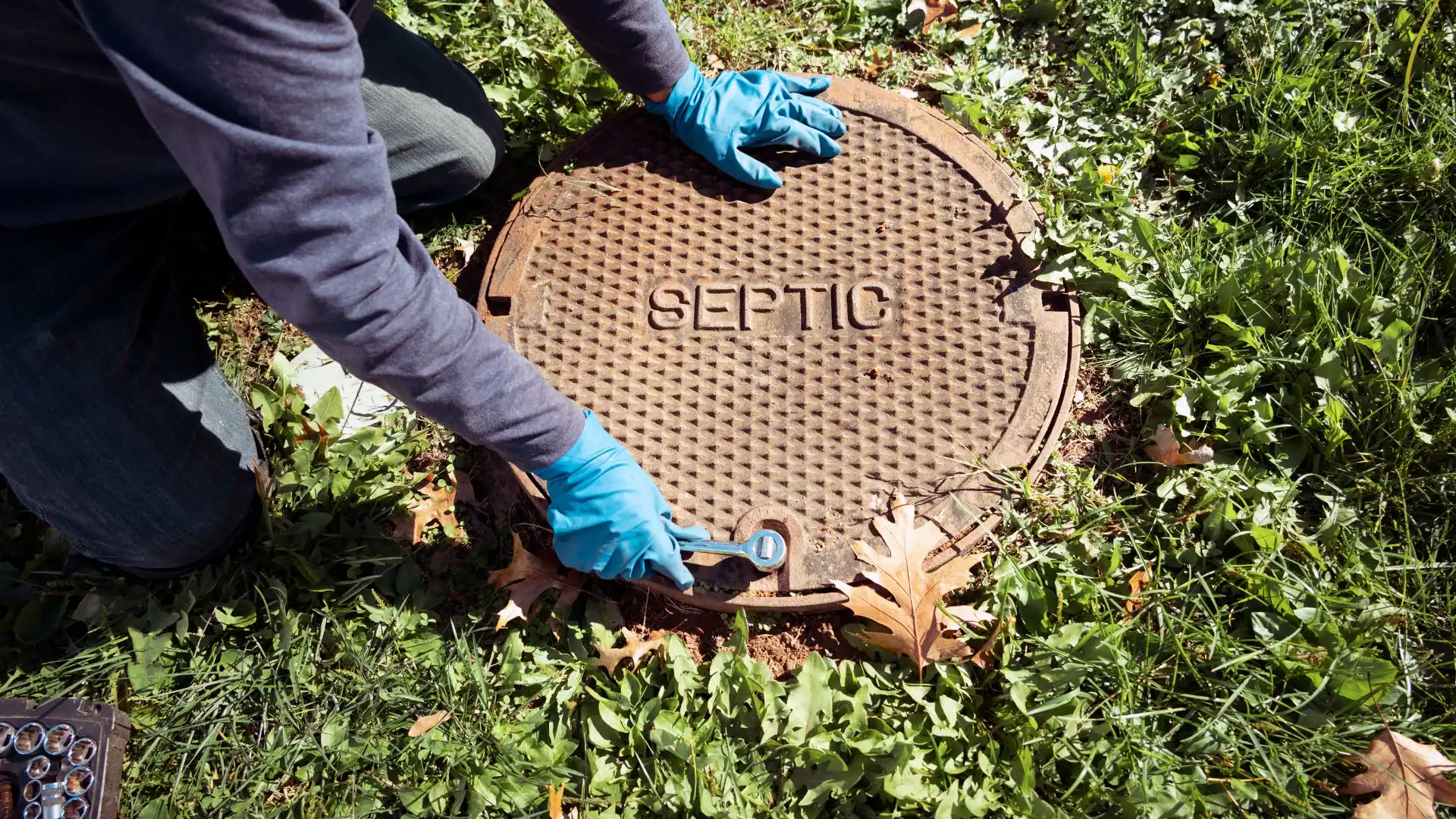
It starts with a site assessment not a quick glance and a ballpark number. We walk your property, look at how water is actually moving across it, identify where it’s collecting and why, and assess the soil and grade conditions specific to your lot. In North Bellport, that assessment always accounts for groundwater depth and how your yard interacts with the area’s widespread cesspool infrastructure, because those two systems affect each other more than most homeowners realize.
From there, you get a written quote that breaks down exactly what’s being installed, where, and why. No verbal estimates that turn into surprise invoices. If the project falls under Town of Brookhaven’s stormwater requirements including the prohibition on redirecting runoff onto neighboring properties we design the system to comply from the start, so you’re not dealing with a code issue or a neighbor complaint after the work is done.
Installation is clean and deliberate. Excavation is kept to what’s necessary, and when the work is done, disturbed turf and landscaping are restored as part of the project not left for you to deal with. The goal isn’t just a functioning drainage system. It’s a yard that looks right and works right, and a process that didn’t feel like a disruption to your life.
Ready to get started?
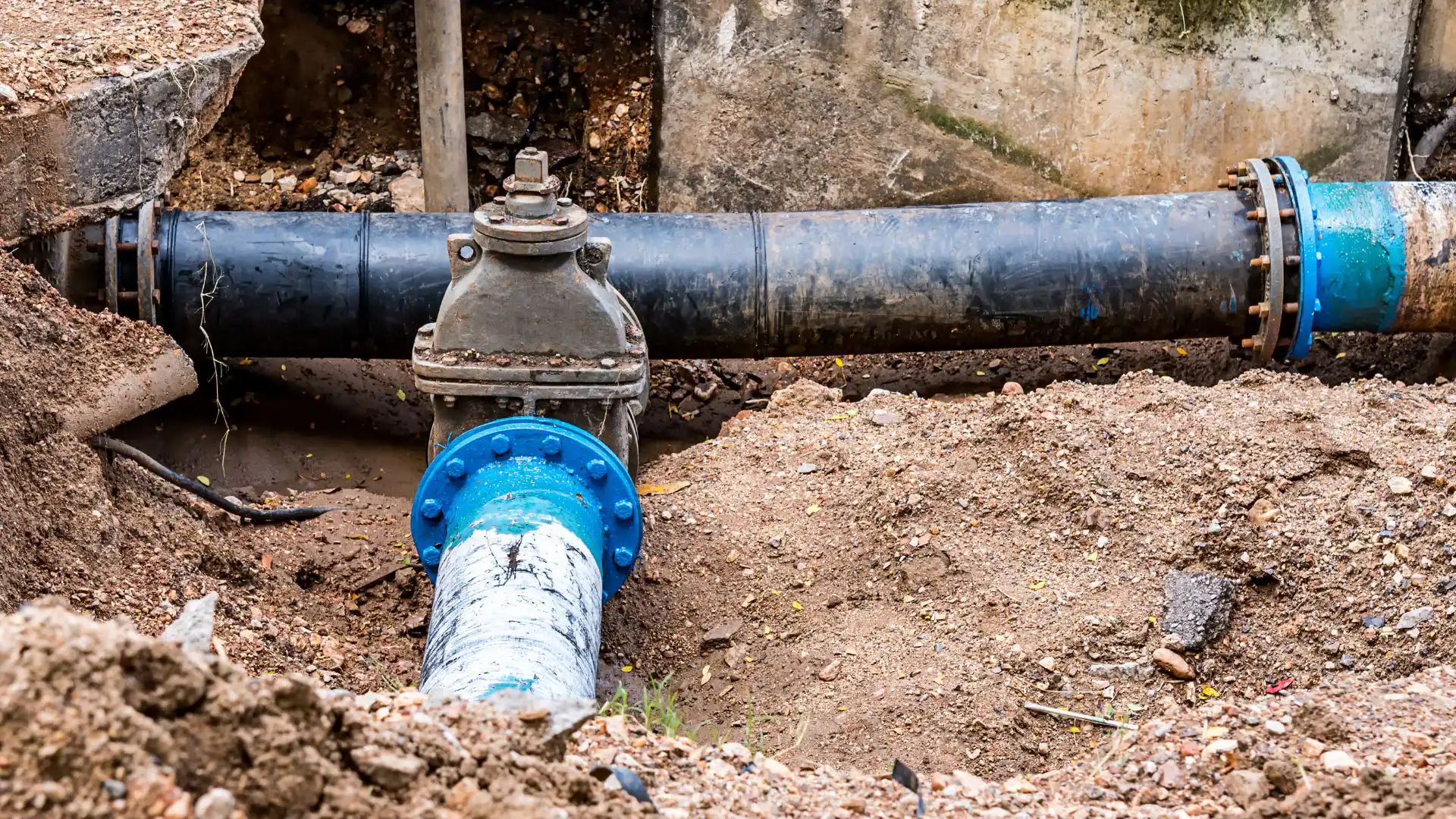
Our landscape drainage services in North Bellport, NY cover a range of solutions depending on what your property actually needs French drains, catch basins, dry wells, surface regrading, or a combination of all of them. The right answer depends on your specific lot, your soil conditions, how your yard is graded, and where the water is ultimately going to go. There’s no one-size approach here, and a contractor who shows up with the same solution for every yard is going to miss the mark eventually.
For most North Bellport properties roughly 75% of which are detached single-family homes, many built between 1960 and 1990 the drainage system is aging right alongside the house. Perforated pipes collapse. Catch basins fill with silt. French drains lose their effectiveness after 20 to 30 years. If your yard has started flooding in the last few years when it didn’t used to, the drainage system has likely reached the end of its useful life. We assess what’s there before recommending anything new, and we’ll tell you honestly whether a repair will do the job or whether a replacement is the right call.
Every project includes a written workmanship warranty. You know what’s being installed, what it’s designed to handle, and what happens if it doesn’t perform. That’s not a bonus that’s the baseline for how this should work.
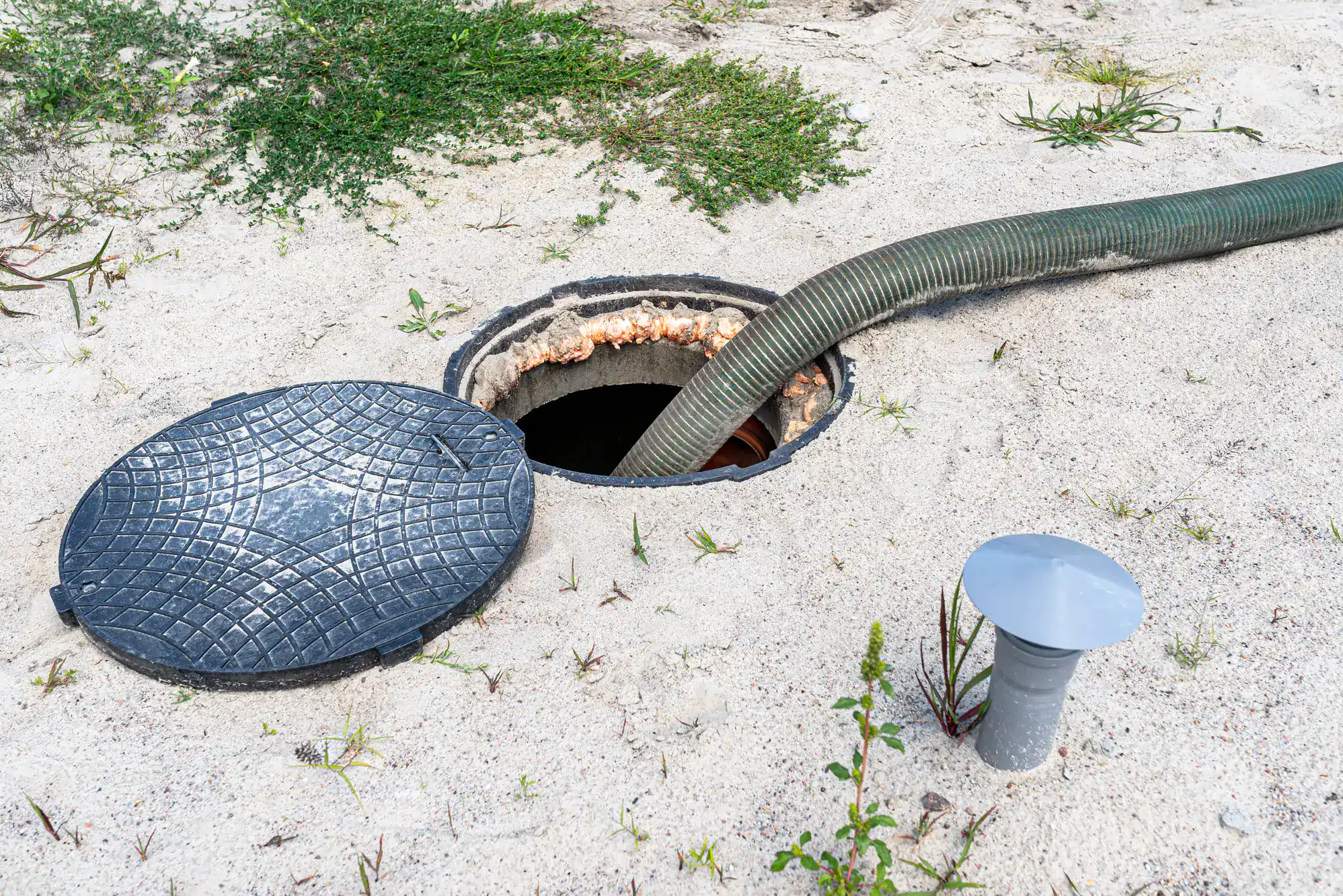
This is one of the most common questions we hear from homeowners on Long Island’s South Shore, and the answer almost always comes back to the water table. North Bellport’s soil is primarily sandy, which drains quickly under normal conditions but during sustained rainfall, the water table rises close to the surface. When that happens, the soil becomes fully saturated and has nowhere left to send incoming water, even if the rain itself isn’t that intense. The yard floods not because of the rain alone, but because the ground underneath is already full.
The fix isn’t just about adding a drain. It’s about designing a system that accounts for where the water table sits during a storm event and creating a path for water to move before it pools. That requires a proper site assessment, not a generic French drain installation. If your yard floods regularly during nor’easters or extended rain periods, working with a drainage contractor who understands South Shore groundwater conditions is the right call.
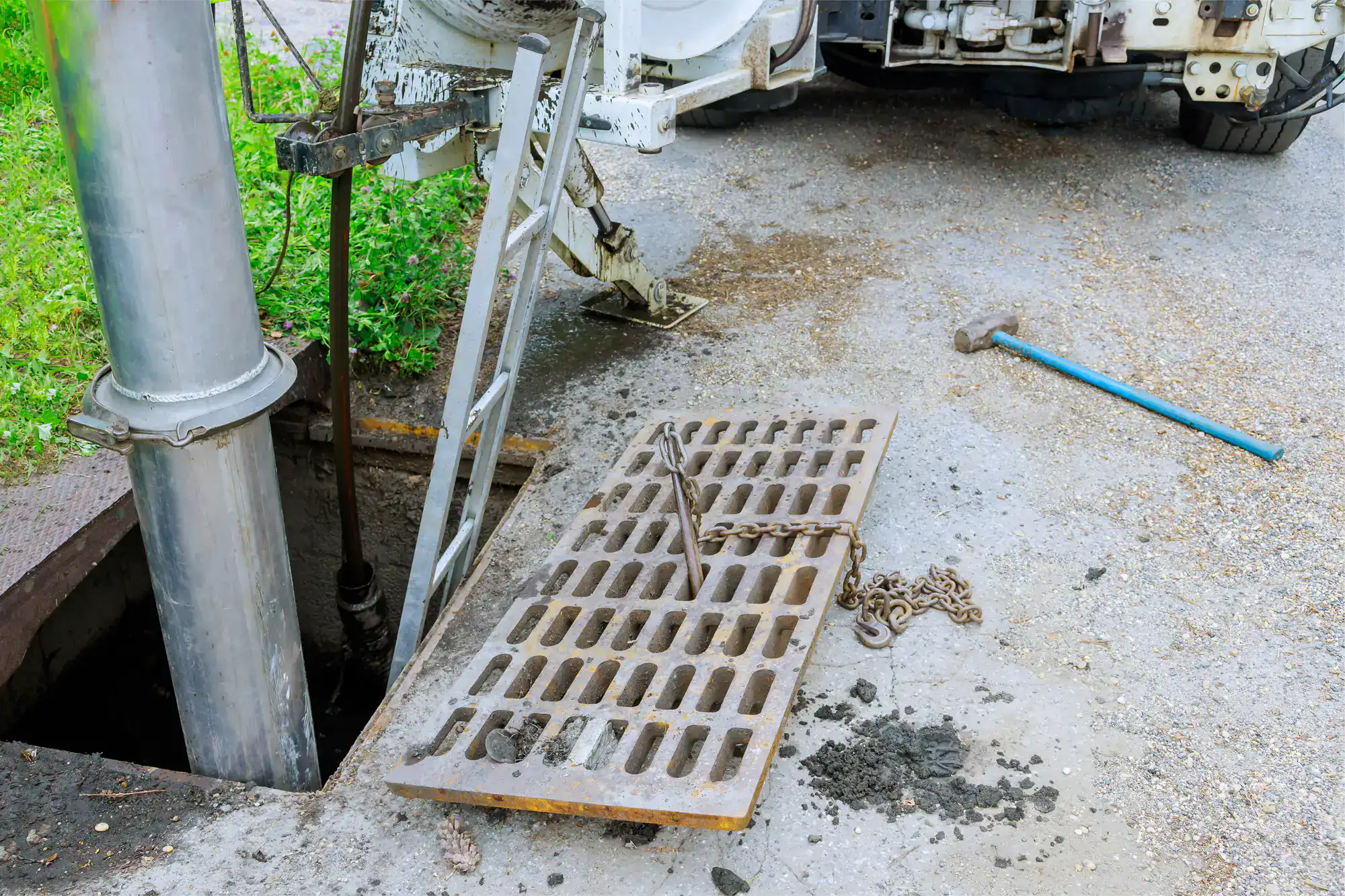
It’s a fair question, especially in North Bellport, where the local search results for drainage services are dominated by plumbing and cesspool companies. The short answer is that we solve different problems. Plumbers and cesspool contractors deal with what happens inside pipes blockages, septic system function, sewer connections. We deal with how water moves across and through your land grading, surface flow, French drains, catch basins, dry wells, and stormwater management.
If your yard is flooding, calling a plumber is like calling a roofer because your foundation is cracked. They’re both contractors, but they’re not solving the same problem. In North Bellport, roughly 70% of properties rely on cesspools or septic systems, which means many homeowners have already called a cesspool company about a flooding yard and gotten a partial answer at best. Landscape drainage is a distinct discipline, and it’s the one that actually addresses why water is sitting on your property in the first place.
It depends on the scope of the work, but the Town of Brookhaven does have stormwater management regulations that apply to drainage projects in North Bellport. The most important rule to understand upfront: stormwater cannot be redirected onto neighboring properties without prior approval from the Town. Any drainage system needs to discharge to an approved outlet not your neighbor’s yard, and not an unapproved surface connection.
For larger projects or anything involving new development or significant land disturbance, a Stormwater Pollution Prevention Plan (SWPPP) may be required, along with a soil percolation test conducted by a qualified professional. Properties near wetlands or waterways may also fall under Brookhaven’s Chapter 81 wetlands regulations, which require additional review before work begins. We design every project with these requirements in mind from the start so you’re not dealing with a compliance issue after the work is already done.
Most residential drainage projects in North Bellport fall somewhere between $2,100 and $7,200, with an average around $4,600. The range is wide because the right solution varies significantly from one property to the next a simple French drain on a flat lot is a very different project from a full catch basin and dry well system on a property with complex grading and a high water table.
What’s worth keeping in mind is the cost of not addressing it. The average water damage insurance payout is nearly $14,000 per claim. Foundation repair from water intrusion runs $23,000 to $48,000. A basement flooding event can cost $10,000 to $26,000 on its own. Against those numbers, a properly designed drainage system isn’t an expense it’s protection for a home that, in North Bellport, has likely tripled in value since 2000. We provide a written quote before any work starts, so you know exactly what you’re investing and what you’re getting for it.
The clearest sign is a yard that used to drain adequately and no longer does. In North Bellport, where the median home was built around 1979, most drainage systems if they were installed at all are approaching or past the end of their useful life. Perforated pipes can collapse over time. Catch basins fill with silt and debris. French drain fabric loses its effectiveness after 20 to 30 years as fine soil particles clog the material. A system that worked in 1990 may be completely non-functional today.
The way to know for certain is a proper site assessment. We look at what’s in the ground, test whether it’s still moving water, and give you an honest read on whether a repair will do the job or whether the system needs to be replaced. We don’t recommend a full replacement when a repair will solve the problem but we’ll tell you clearly when one is necessary. That assessment is the starting point for every project.
Both windows work well, and each has a practical advantage. Fall installation before the ground freezes means your system is in place and ready before the next nor’easter season. On Long Island’s South Shore, that matters. Nor’easters can bring 1.5 to 3 inches of sustained rainfall, and the South Shore’s back bays and coastal areas are prone to flooding during high tide events that accompany these storms. Having a functioning drainage system before that season starts is a real advantage.
Spring installation makes sense if you’re coming off a winter that revealed drainage problems you hadn’t noticed before snowmelt combined with spring rain creates sustained soil saturation that shows exactly where a system is failing. Either timing works. What doesn’t work is waiting through another full storm season because the project felt like something to deal with later. The longer standing water sits near your foundation or in your yard, the more work it does to the soil and structure underneath.