
Hear from Our Customers
Most North Lindenhurst homes were built between the 1940s and 1960s a time when stormwater management wasn’t part of the plan. The result is what you’re probably already dealing with: water that pools for days, soggy turf that never fully dries out, and that slow creep of moisture working its way toward your foundation every time it rains. That’s not bad luck. That’s a drainage system that was never there in the first place.
When a proper drainage system is in place, you stop watching the weather with dread. Your yard drains after a summer thunderstorm. Your foundation stays dry through a nor’easter. The grass grows where it’s supposed to, and you’re not moving sandbags or running a shop vac in March. That’s the difference between a yard that works and one that just sits there holding water.
The South Shore’s high water table makes this more urgent than people realize. In this part of Suffolk County, groundwater sits close to the surface and after significant rainfall, it rises. That pressure pushes against basement floors and foundation walls whether you can see cracks or not. A well-designed drainage system intercepts water at the surface before it ever gets that far, and that’s where the real protection lives.
We’re a landscape drainage contractor serving North Lindenhurst and the surrounding Town of Babylon area. The work here isn’t generic it’s designed around the flat terrain, clay soil pockets, and post-war housing stock that define this part of the South Shore. Every project starts with a real site assessment, not a quick glance and a proposal.
That matters because the most common reason drainage systems fail isn’t bad materials it’s a bad diagnosis. A French drain installed at the wrong point in the water flow path won’t solve anything. We map how water actually moves across your property before recommending a single thing, which means the system we install is designed to work for your yard, not just any yard in the 11757 zip code.
Every project is fully permitted through the Town of Babylon, properly insured, and backed by a written workmanship warranty. You’ll know what the fix is, what it costs, and what to expect before anyone touches your property.
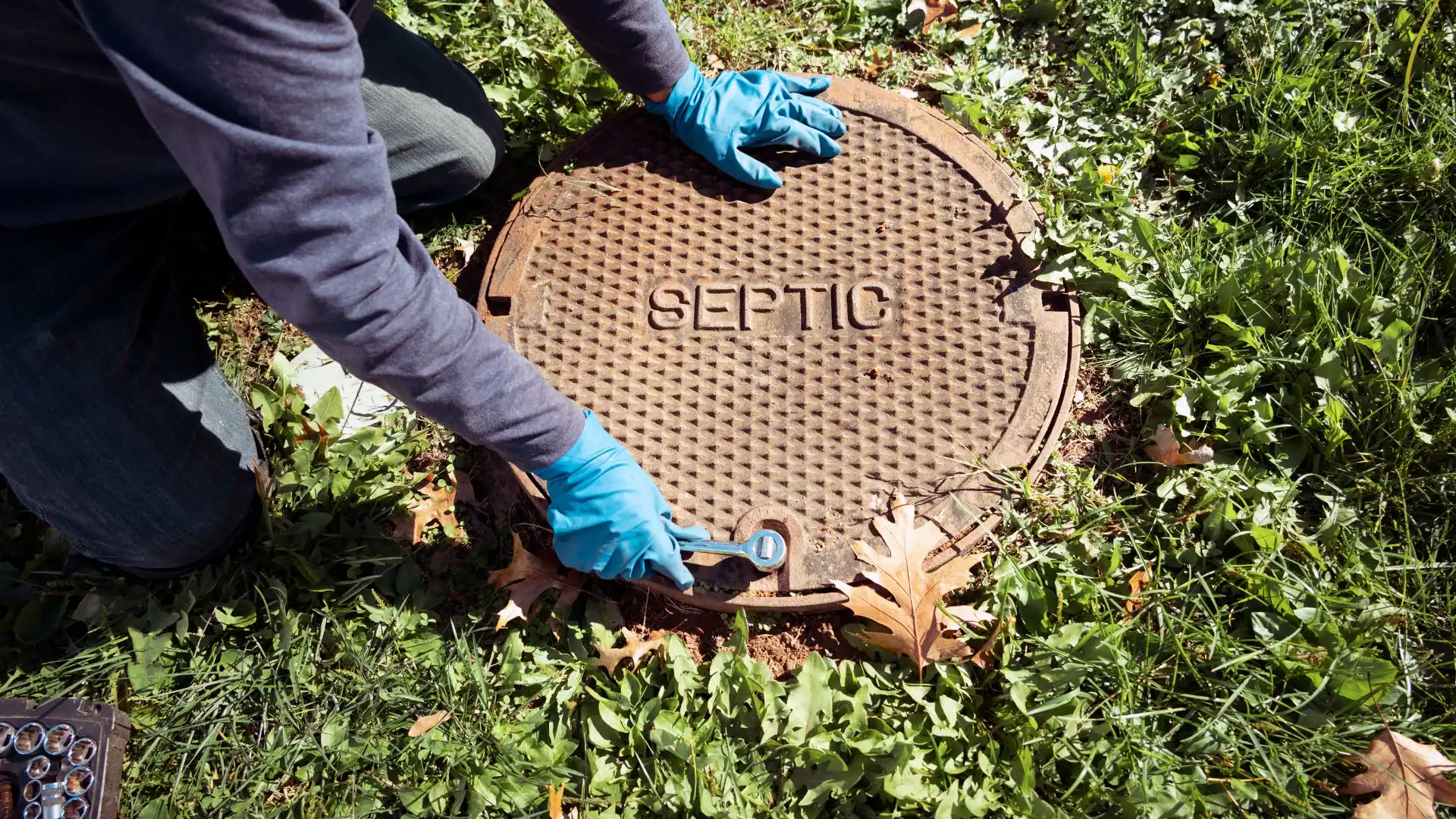
It starts with a site assessment. Before anything is quoted or installed, we walk your property and trace the full path water takes where it enters, where it stalls, and where it needs to go. In North Lindenhurst, that often means accounting for clay soil that holds water against foundation walls, minimal natural slope, and drainage infrastructure that’s either decades old or nonexistent. The assessment drives everything that comes after.
From there, we design a system that fits your specific situation. That might be a French drain that intercepts subsurface water before it reaches your foundation, a catch basin that pulls surface water off a low-lying area of the yard, a channel drain along a driveway or patio edge, or a combination of all three. If the work involves excavation near sewer lines which it sometimes does in older North Lindenhurst neighborhoods we handle the Sewer Excavation Permit with the Town of Babylon. You don’t have to deal with that.
Installation is clean and deliberate. We use proper geotextile fabric, correctly sized pipe, and adequate fall so water actually moves through the system rather than sitting in it. When the work is done, the yard is restored topsoil, turf, cleanup. The goal is that when we leave, the only visible difference is that your yard finally drains.
Ready to get started?
The drainage services we provide in North Lindenhurst cover the full range of what South Shore properties typically need. French drain installation, catch basin placement, channel drains, dry wells, yard regrading, and downspout drainage correction are all part of the work. Many homes in this hamlet have water pooling near their foundations specifically because downspouts discharge too close to the house a fix that’s straightforward but makes a significant difference in how much pressure builds up against the foundation wall over time.
What’s included isn’t just the installation. It’s the diagnosis, the design, the permitting, and the restoration. The Town of Babylon’s own Department of Public Works has acknowledged that raising neighborhood grades across entire streets isn’t something the municipality can accomplish and they explicitly encourage homeowners to make drainage improvements on their own properties. We’re the contractor that makes that practical. We handle the process end to end so you’re not navigating permit offices or trying to coordinate multiple contractors to get one problem solved.
Most residential drainage projects in this area fall between $2,145 and $7,163, depending on scope and complexity. That range is a fraction of what foundation repair costs and a small fraction of what cumulative water damage adds up to over time. A written quote breaks everything down before work begins. No surprises, no add-ons mid-job.
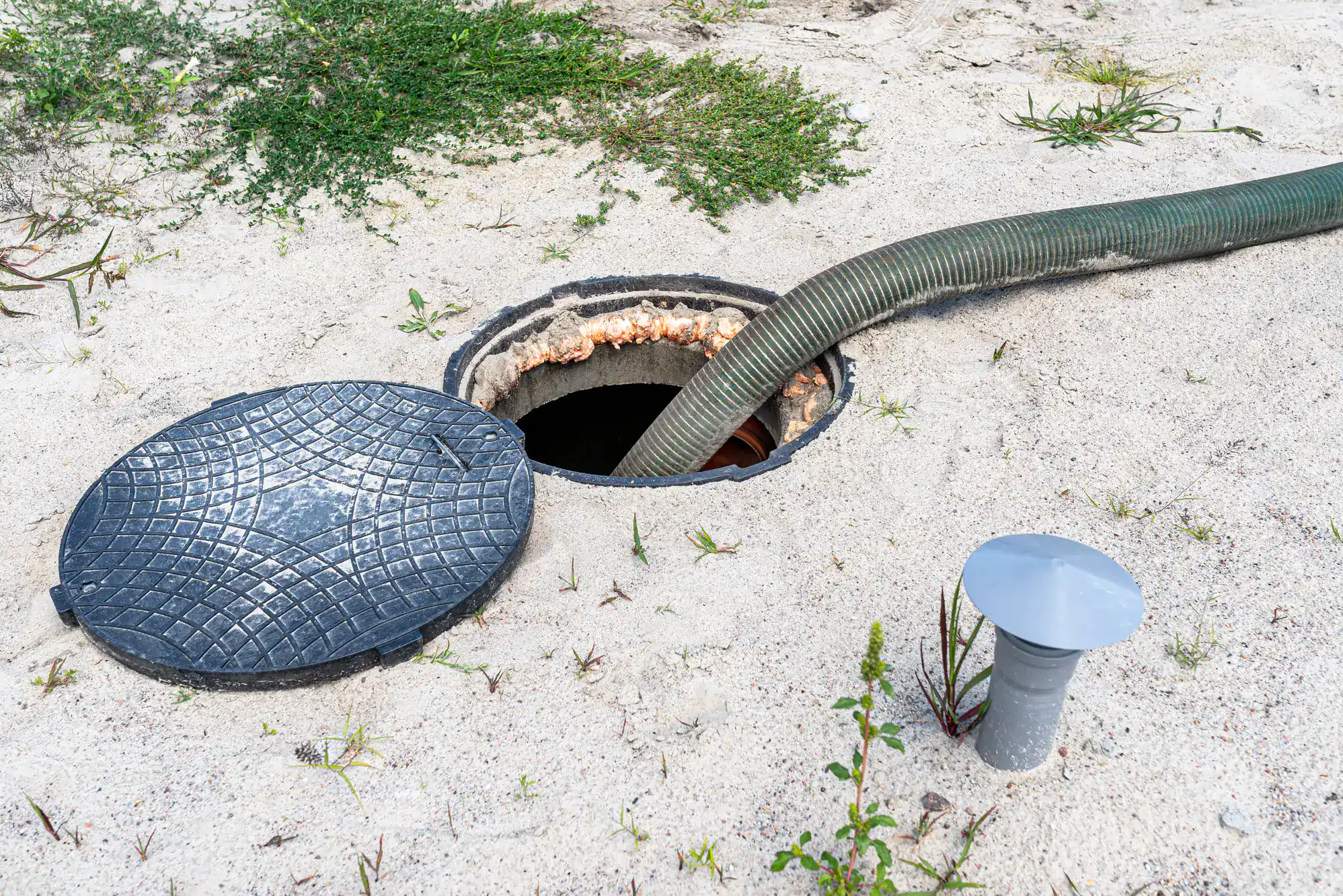
This is one of the most common things homeowners in North Lindenhurst describe, and it usually comes down to two things working against each other: clay-heavy soil that doesn’t absorb water quickly, and a high water table that’s already close to the surface before the rain even starts. When the ground is already saturated which happens frequently in this part of Suffolk County after back-to-back rain events even a moderate storm has nowhere to go. The water sits on the surface because the soil underneath is already full.
The flat terrain of the South Shore makes this worse. Unlike the North Shore’s natural slopes that help water move, the ground around North Lindenhurst doesn’t give water much direction on its own. Without a properly graded yard and an installed drainage system to intercept and redirect that water, it collects in the lowest points of your property which is often right next to your foundation or in the middle of your lawn. The fix isn’t complicated, but it does need to be designed around how your specific yard sits, not just a generic installation.
This is worth clarifying because a lot of homeowners call the wrong type of contractor first and end up spending money without solving the problem. Plumbers handle what happens inside your pipes blocked drains, sewer line issues, backed-up fixtures. Landscape drainage contractors handle what happens outside, on and through the land itself how water moves across your yard, where it pools, how it’s graded, and what systems are installed to intercept and redirect it before it ever reaches your foundation or basement.
If your yard floods after rain, if water pools near your house, if your lawn stays soggy for days that’s a landscape drainage problem, not a plumbing problem. A plumber can’t regrade your yard or install a French drain. We can. The confusion is common, especially in older North Lindenhurst neighborhoods where the drainage infrastructure was minimal to begin with and homeowners aren’t always sure what category their problem falls into. If water is coming from the ground or the surface, it’s a drainage contractor you need.
In North Lindenhurst and much of the South Shore of Long Island, the water table sits close enough to the surface that it plays a direct role in basement and yard flooding even when there’s no visible crack or obvious entry point. If your basement floor feels damp after heavy rain, if you notice moisture seeping through concrete joints rather than through a specific crack, or if your yard stays wet long after the rain has stopped, those are signs that groundwater is involved, not just surface runoff.
The simplest way to check is to dig a small test hole in your yard about two feet deep after a significant rain event. If water fills the hole within a few hours, your water table is high enough to be contributing to the problem. A proper drainage assessment will factor this in when designing a solution because a system built only for surface water will underperform when groundwater pressure is part of what’s pushing against your foundation. Understanding both factors is what separates an effective installation from one that partially works.
It depends on the scope of the work. Most standard yard drainage installations French drains, catch basins, dry wells, and basic regrading don’t require a building permit in the Town of Babylon. However, if the work involves any excavation near sewer lines, a Sewer Excavation Permit is required. This is a Town of Babylon Department of Public Works requirement, and it involves sign-off from the Commissioner of Public Works, the contractor, and the homeowner before excavation can begin.
In older North Lindenhurst neighborhoods where underground infrastructure is aging and sometimes not well-documented, this step matters. Digging without the proper permit near a sewer line creates liability and can result in stop-work orders or fines. We handle the permitting process as part of every project we know what’s required in the Town of Babylon, we pull the necessary permits, and we make sure the work is done in compliance. You don’t need to figure out which permits apply or make trips to Town Hall.
Most residential drainage projects in North Lindenhurst fall between $2,145 and $7,163, with the national average sitting around $4,622. The range is wide because scope varies significantly a single French drain along one side of the house is a very different job from a full yard drainage system with multiple catch basins, a dry well, and regrading. The complexity of your soil conditions, the size of the affected area, and whether permitting is involved all affect the final number.
What’s worth keeping in perspective is what you’re protecting against. The average water damage insurance claim pays out just under $14,000. Foundation repair from water intrusion runs $23,000 to $48,000. Mold remediation after a basement flooding event adds another $10,000 to $26,000 in many cases. Against those numbers, a properly installed drainage system isn’t an expense it’s the cheapest form of property protection available for a home in this area. We provide detailed written quotes that break down every line item before work begins, so you know exactly what you’re getting and what it costs.
Drainage installation does involve excavation, and it’s fair to want to know what your yard looks like when the work is done. The honest answer is that some disruption is part of the process trenches need to be dug to lay pipe, and catch basins or dry wells require more significant digging depending on depth and placement. In a typical North Lindenhurst yard, where lots are modest in size and lawns are well-maintained, that’s a legitimate concern.
We include full yard restoration as part of every drainage project. That means backfilling trenches properly, replacing topsoil, and restoring turf to the affected areas. The drainage components themselves catch basin grates, cleanout caps are set flush with the ground and integrated into the landscape rather than left looking like an afterthought. The goal is a yard that looks clean when we leave, not one that looks like a construction site that got abandoned. Most homeowners find that once the grass fills back in, the only visible sign that work was done is that the yard finally drains the way it should.