
Hear from Our Customers
If your yard has flooded more than once, you already know the drill. The storm rolls in off Long Island Sound, the ground saturates fast, and by morning you’re looking at standing water that takes days to go anywhere. That’s not just frustrating it’s a slow threat to your foundation, your landscaping, and the structural integrity of your property.
Riverhead’s terrain doesn’t do homeowners any favors. Much of the town especially through Calverton and the interior hamlets sits on flat glacial outwash soil. It drains reasonably well on a normal day, but when a nor’easter drops several inches in a few hours, that soil hits its limit quickly. Properties near the Peconic River waterfront or along Peconic Bay in Aquebogue face an added layer: rising water levels that have nothing to do with what’s falling on your lawn.
The right drainage system changes what happens after a storm. Water moves where it’s supposed to move. Your yard recovers in hours, not days. Your foundation stays dry. And the next time a storm warning goes out, you’re not holding your breath because you’ve already handled it.
Gold Coast Landworks is a landscape drainage company serving Riverhead and the broader North Fork. What separates the work we do from a generic drainage install is what happens before the equipment arrives a real site assessment that maps where water is coming from, where it needs to go, and what’s standing in the way.
Riverhead isn’t a one-size town. A drainage problem in Baiting Hollow looks completely different from one near the Peconic River waterfront or on a large flat lot in Calverton. We know that because we’ve worked throughout this area and we design every system around the actual conditions on your specific property, not a default fix applied everywhere.
We’re fully licensed and insured, and we work within Riverhead’s stormwater management code including the wetland setback requirements that affect a significant number of properties near the river and the bay. You get a written quote, a clear scope of work, and a contractor who’s accountable from the first visit to the final grade.
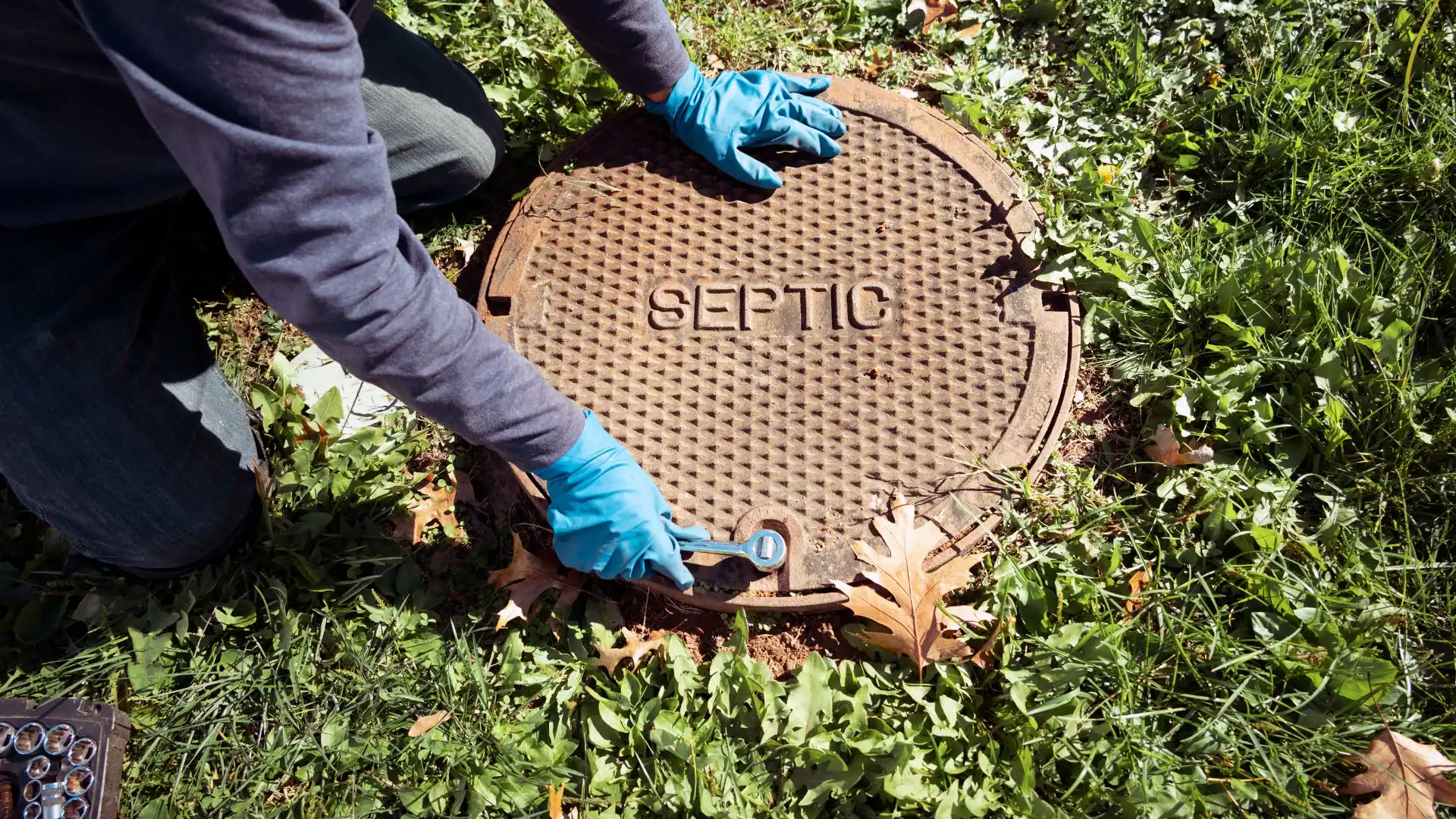
It starts with a site walkthrough not a quick glance, but a real assessment of how water moves across your property. We look at grading, soil conditions, proximity to wetlands or the water table, and where the water is ultimately going to go once we redirect it. In Riverhead, that last part matters more than most people realize. Town code is explicit: you cannot divert stormwater in a way that sends it onto a neighboring property or overloads an existing drainage system. Every design we build accounts for that from the start.
Once we understand the full picture, we put together a written scope and a clear quote. No verbal estimates that shift once the excavator shows up. You know the cost, the timeline, and exactly what’s being installed before anything gets approved. If your property falls within 150 feet of a freshwater wetland or 300 feet of a tidal wetland which applies to a real portion of Riverhead given the Peconic River and Peconic Bay we factor in those setback requirements and handle the permitting process where it’s required.
Installation is clean and deliberate. When the drainage system is in, we restore the disturbed lawn and landscaping so you’re not left with a construction site. The last thing we do before we leave is confirm the system is functioning the way it was designed to function.
Ready to get started?
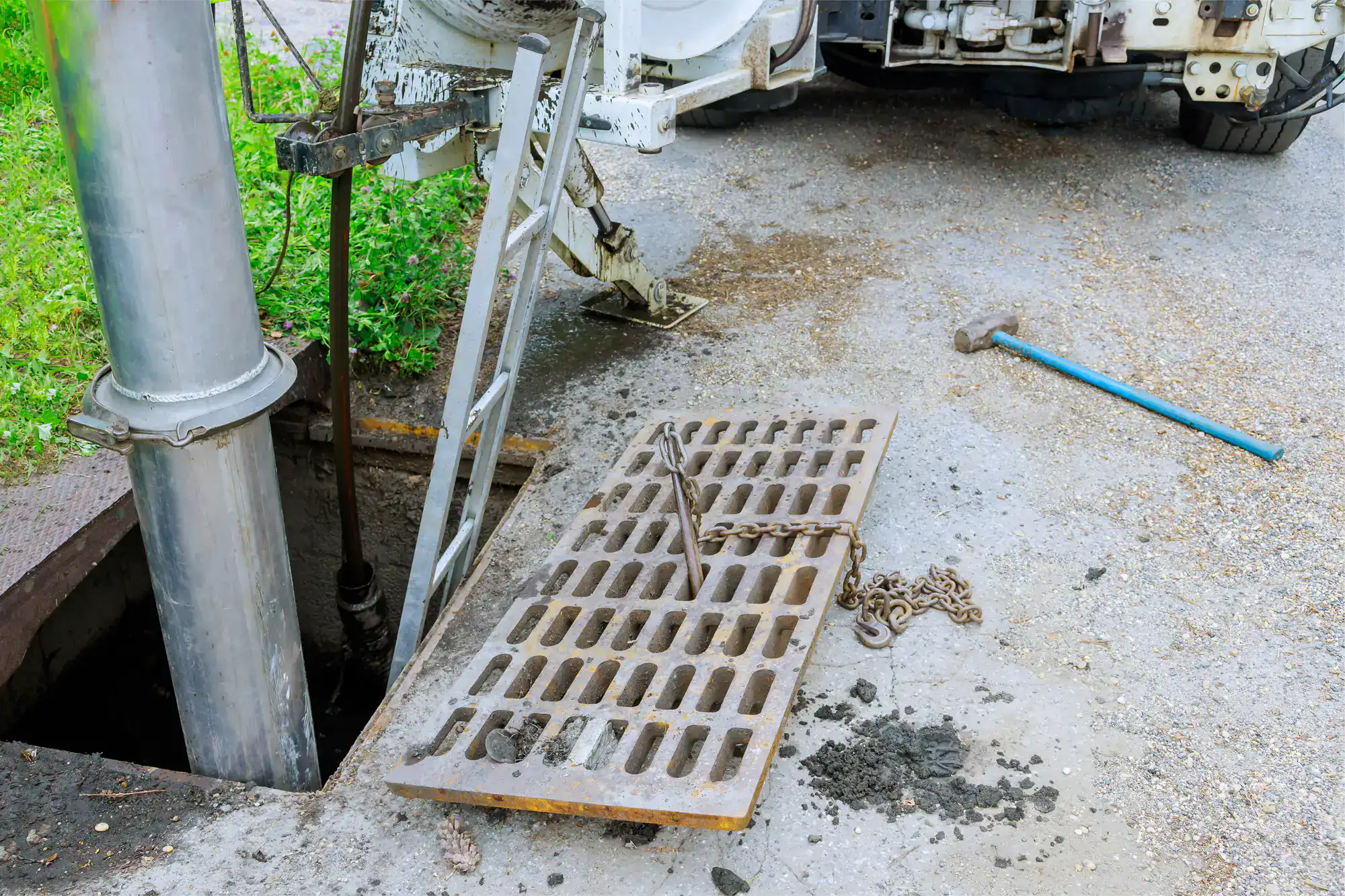
Yard drainage in Riverhead isn’t a single solution. Depending on where your property sits and what the water is actually doing, the right system might be a French drain that intercepts subsurface water before it reaches your foundation, a catch basin that pulls surface water off a low-lying area, a channel drain across a paved surface, or a full regrading of the yard to establish proper slope. In many cases, it’s a combination. We design around your property’s specific conditions not around what’s easiest to install.
For properties in Aquebogue and Jamesport along Peconic Bay, coastal flooding dynamics require systems that can handle both surface runoff and elevated water table conditions during storm events. For larger lots in Calverton or Wading River, the challenge is often getting water to move across flat terrain to a viable discharge point far enough from the structure. Downtown Riverhead properties near the river face their own set of considerations, including potential flood zone designations under the town’s Flood Damage Prevention chapter.
Every drainage system we install is backed by a written workmanship warranty. If your property is near active development particularly around the Calverton area where new construction is reshaping local runoff patterns we factor that into the design as well. The goal is a system that holds up through the next nor’easter and the one after that.
It depends on the scope of the work and where your property is located. For straightforward drainage improvements on a standard residential lot, a permit may not be required. But if your project involves grading changes, new impervious surfaces, or any work near a wetland, the answer changes.
Riverhead’s Town Code is specific about this. Properties within 150 feet of a freshwater wetland boundary or 300 feet of a tidal wetland boundary are subject to additional standards under the town’s wetland regulations. Given the Peconic River running through the hamlet core and the bay-facing properties in Aquebogue and Jamesport, a significant number of Riverhead lots fall into that category. Larger projects particularly new construction or substantial site improvements may also require a Stormwater Pollution Prevention Plan approved by the town’s Stormwater Management Officer before work can begin. We handle the permit research and filing process as part of the job, so you’re not left figuring that out on your own.
The national average for professional yard drainage installation runs around $4,600, with most projects falling somewhere between $2,100 and $7,200. In the Long Island market where labor and material costs run higher than the national average expect Riverhead projects to sit at the upper end of that range or above it, depending on the complexity of the system and the size of the area being addressed.
A basic French drain on a small residential lot will cost significantly less than a multi-component system designed to manage surface runoff, subsurface water, and discharge on a larger Calverton or Baiting Hollow property. The most important thing to know is that drainage is protective spending, not discretionary spending. One inch of floodwater causes an average of $27,000 in home damage. Foundation repair from water intrusion runs $23,000 to $48,000. A properly installed drainage system is a fraction of those costs and it prevents the damage entirely rather than responding to it after the fact.
Flat terrain is one of the most common drainage challenges on Long Island, and it’s especially relevant in the interior sections of Riverhead Calverton, Northville, and parts of the town that sit on the flat glacial outwash plain that covers much of eastern Suffolk County. When there’s no natural slope to carry water away from structures, you have to engineer one.
The most effective solutions for flat properties typically involve a combination of approaches. French drains intercept water below the surface and carry it to a designated discharge point. Catch basins collect surface water at low points before it has a chance to pool. In some cases, regrading the yard to establish even a slight pitch away from the structure is the most important step because no drainage system performs well if the ground is still directing water toward your foundation. The right answer depends on your soil conditions, your lot size, and where the water can realistically go. That’s exactly what the site assessment is for.
Yes. Water that consistently pools near a foundation doesn’t just sit there. It exerts hydrostatic pressure against the foundation walls, it saturates the soil and causes it to expand and contract with freeze-thaw cycles, and over time it finds its way through any crack or gap it can reach.
In Riverhead, this risk is compounded by the town’s documented flooding history. Nor’easters that bring sustained heavy rain over several hours the kind that have flooded the Peconic River waterfront and inundated sections of Aquebogue don’t give saturated soil anywhere to go. That water has to go somewhere, and if your drainage isn’t directing it away from your structure, the foundation is the path of least resistance. Foundation repair from water damage costs $23,000 to $48,000 on the low end. A drainage system that prevents that damage costs a fraction of that and it works every storm, not just the one that finally broke something.
This is one of the most common situations we hear about, and it almost always comes down to one of a few root causes. The system was undersized for peak rainfall meaning it handles a normal rain but gets overwhelmed when a real storm hits. The discharge point was inadequate, so water backs up instead of exiting the system. Geotextile fabric was skipped during installation, which means the drain filled with silt within a year or two and stopped functioning. Or the upstream source of the water improper grading, a neighbor’s runoff, a nearby development that changed local drainage patterns was never identified or addressed.
In Riverhead specifically, the ongoing development around Calverton and the Route 58 corridor has altered runoff patterns for some nearby properties. If new construction went in near you and your drainage problems started or got worse around the same time, that’s not a coincidence. A proper site assessment looks at the full picture not just your yard in isolation and designs a system that accounts for where the water is actually coming from.
Riverhead has a meaningful amount of wetland-adjacent land between the Peconic River corridor, the Peconic Bay shoreline in Aquebogue and Jamesport, and the freshwater wetlands scattered throughout the town’s interior. If your property falls within 150 feet of a freshwater wetland boundary or 300 feet of a tidal wetland boundary, the town’s wetland regulations apply to any drainage work you do.
What that means practically is that certain types of excavation, grading, and discharge work require review and approval before the job starts. It does not mean drainage work is off the table it means it needs to be designed and permitted correctly. Contractors who ignore these setbacks put you at risk of code violations, stop-work orders, and the cost of undoing work that wasn’t approved. We research the wetland status of every Riverhead property we assess before we design anything, and we handle the permitting process where it’s required. You get a drainage system that’s built to last and built to code not one that creates a new problem while solving the original one.