
Hear from Our Customers
When a drainage system is working the way it should, you stop thinking about your yard every time rain is in the forecast. No more soggy corners that never dry out. No more water creeping toward your foundation after a nor’easter rolls through. No more guessing whether this storm is the one that finally gets into the basement.
Saint James properties sit on glacial clay soils that don’t absorb water the way sandy South Shore lots do. When it rains hard and on the North Shore, it rains hard that clay holds the water near the surface and redirects it. Toward your foundation. Toward your crawl space. Toward the low corner of your yard where the grass has been dead for two seasons. The topography here doesn’t help either. At 151 feet of elevation, Saint James has more grade change than most of Long Island, which means water moves with purpose across these properties. A properly designed drainage system accounts for all of that where the water comes from, where it wants to go, and how to redirect it before it does damage.
With median home values near $944,000 in this area, the math is straightforward. A professional drainage installation typically runs between $2,145 and $7,163. Foundation repairs from chronic water intrusion run $23,000 to $48,000. Fixing the drainage now isn’t just the smart call it’s the cheaper one.
We handle drainage the way it should be handled starting with a real assessment of the property before anything gets designed or installed. That means understanding the full water flow path: where it enters, where it travels, and where it ends up. Too many drainage jobs fail because someone installed a single French drain where the problem required a connected system. We find the source, not just the symptom.
We serve Saint James and the surrounding North Shore communities, including Smithtown, Kings Park, Nesconset, and Stony Brook. These aren’t just towns on a list they’re neighborhoods we’ve worked in, with soil profiles and drainage challenges we understand firsthand. The clay-heavy terrain behind the historic corridors along North Country Road behaves differently than a flat inland lot, and the systems we design reflect that.
Every project comes with a written quote, a clear scope of work, and a workmanship warranty. When the job is done, the yard is restored. You won’t be left with a trench and a bill.
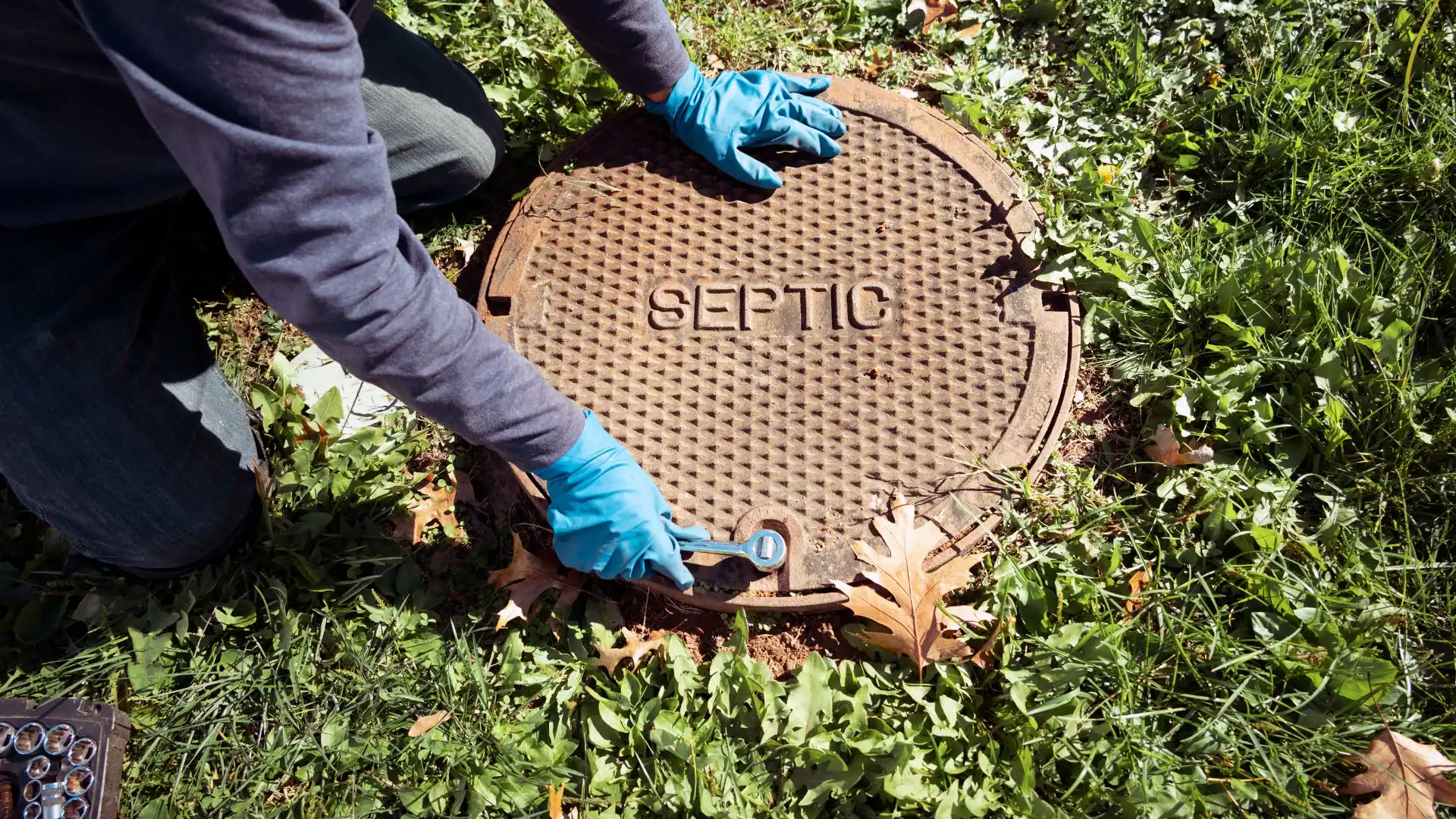
It starts with a site assessment. Before any equipment shows up or any trenches get dug, we walk the property and map the water. Where does it pool? Where is it coming from? Is the grading pushing water toward the house? Is there an existing system that’s failed or was never adequate to begin with? That assessment drives everything the design, the materials, and the scope.
From there, we put together a system designed for your specific property and its actual conditions. In Saint James, that often means accounting for the dense clay soil profile, any grade changes across the lot, and the volume of water that a serious nor’easter can deliver across northern Suffolk County. We size systems for peak rainfall events, not just average ones because a system that works in a light rain but fails when it matters isn’t a functioning system.
Installation is followed by landscape restoration. Drainage work requires excavation, and excavation disrupts lawns and landscaping. We don’t consider the job done until the yard looks right again. For Saint James homeowners with mature trees, established gardens, and carefully maintained outdoor spaces, that final step isn’t a formality it’s part of what you’re paying for. We also make sure every installation complies with Town of Smithtown drainage requirements and Suffolk County stormwater regulations, so there are no surprises after the work is complete.
Ready to get started?
There’s no single drainage solution that works for every yard, and anyone who tells you otherwise hasn’t spent much time working on North Shore properties. What your yard needs depends on where the water is coming from, what the soil profile looks like, how the lot is graded, and whether there’s existing infrastructure that’s contributing to the problem or failing outright.
For surface water that pools and won’t drain, French drain systems and catch basins are often the right approach intercepting water before it reaches the foundation and directing it away from the structure. For properties where the grade is working against you, regrading and swale installation can redirect the entire flow path. Dry wells are commonly used throughout the Smithtown area to tie into the region’s groundwater recharge system, but they need to be correctly sized and positioned to function properly. In some cases, a combination of these systems is the only way to address the full picture.
Freeze-thaw cycles are also part of the equation here. Every winter in Saint James, repeated freezing and thawing can crack drainage pipes and compromise systems that were working fine in the fall. We install with materials and methods designed to hold up through Long Island winters, and we can assess whether an existing system has been quietly failing before the next wet season begins. Whatever the property needs, the goal is the same water moves away from your home, your foundation stays dry, and your yard functions the way it should year-round.
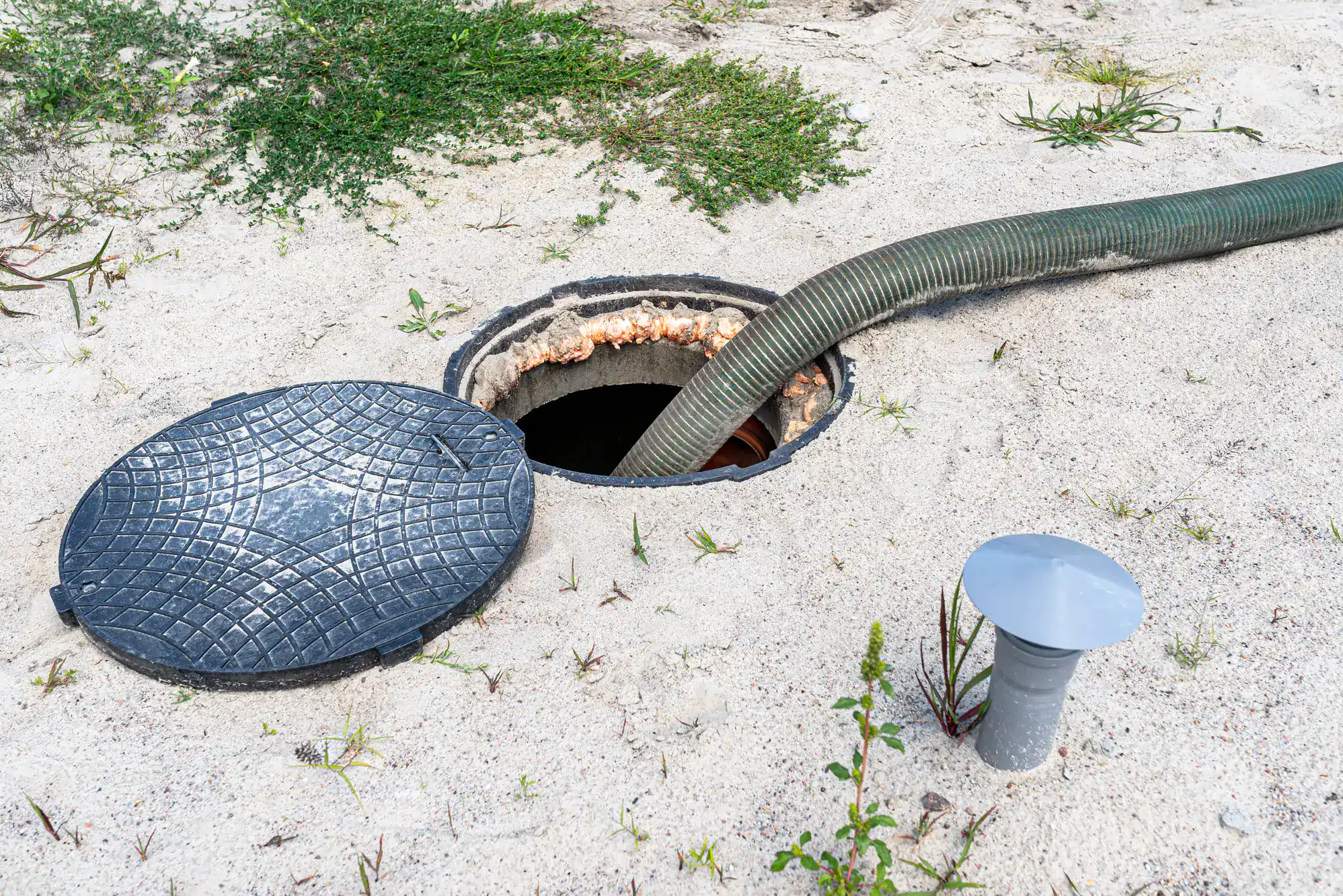
The most common reason yards flood repeatedly in Saint James comes down to the soil. The North Shore sits on glacial clay deposits that are dense and largely impermeable when water hits saturated clay, it has nowhere to go but sideways and upward. Unlike the sandy soils found in South Shore communities, clay doesn’t absorb rainfall quickly, so even a moderate storm can leave water sitting on the surface for days.
Topography plays a role too. Saint James has real elevation and grade changes compared to flat inland communities, and slopes that look fine in dry weather can channel significant water volume toward your house during a heavy rain. Older homes in the area many built during the post-WWII expansion or earlier often have drainage infrastructure that was never designed for the water volumes these properties actually receive. If your yard floods every time it rains, the problem isn’t going to resolve itself. It’s a hydrology issue that needs a designed solution, not a wait-and-see approach.
For most residential drainage projects, you’re looking at a range of roughly $2,145 to $7,163 depending on the scope the size of the area being addressed, the complexity of the system, the number of components involved, and how much excavation and landscape restoration is required. Simpler French drain installations on smaller properties sit toward the lower end. Properties that need catch basins, regrading, dry wells, or a combination of systems will be toward the higher end or beyond it.
What matters more than the number is what you’re comparing it to. Foundation repairs caused by chronic water intrusion in Suffolk County run $23,000 to $48,000. Basement flooding incidents average $10,000 to $26,000 per event. In a market where Saint James homes are valued near $944,000, a drainage system that actually works is one of the better investments a homeowner can make. We provide written quotes with a clear breakdown of scope and cost before any work begins no vague estimates, no surprises at the end.
These three systems do different things, and the right choice depends on what your specific property is dealing with. A French drain is a perforated pipe buried in a gravel-filled trench that intercepts subsurface water and redirects it away from a structure or problem area. It’s effective for managing groundwater and slow-moving surface water that’s saturating the soil around a foundation or in a low-lying area of the yard.
A catch basin is an above-grade inlet essentially a grated box set into the ground that captures surface water runoff and channels it into an underground pipe system. It’s the right tool when water is pooling on the surface quickly during heavy rain events. A dry well is an underground chamber that collects water and allows it to slowly percolate into the surrounding soil. Dry wells are commonly used throughout the Smithtown area because they tie into the region’s groundwater recharge system, but they need to be correctly sized for the volume of water they’re expected to handle. In many Saint James properties, the most effective solution combines more than one of these systems working together.
For most standard residential drainage projects French drains, catch basins, grading, dry well installation the permitting requirements are relatively straightforward, and a qualified contractor handles the compliance side. That said, there are real regulatory layers to be aware of in this area. Saint James falls within the Town of Smithtown’s jurisdiction, and any drainage work that connects to or affects town infrastructure, including recharge basins, requires coordination with the Smithtown Highway Department.
Suffolk County also enforces stormwater management regulations under Chapter 763 of the County Code, which governs how drainage systems interact with the municipal storm sewer system and designated water recharge protection areas. The New York State DEC’s SPDES permit program applies to construction projects disturbing one acre or more, though most residential drainage jobs fall below that threshold. The practical point for homeowners is this: make sure whoever you hire understands these requirements. A contractor who redirects water onto a neighboring property or into a recharge basin without authorization creates liability that lands on you, not them.
The clearest sign is that water is pooling somewhere it didn’t used to pool, or that a previously dry area of the yard is now consistently wet. But there are subtler indicators worth paying attention to. If you’re finding water near the foundation after storms that weren’t a problem a few years ago, if catch basin grates are backing up or overflowing, or if you’re noticing soft or sunken areas in the lawn along where a drain was previously installed, those are all signs the system isn’t functioning the way it should.
In Saint James specifically, freeze-thaw cycles are a major cause of silent drainage failure. When water freezes inside perforated drainage pipe, it expands and can crack or shift the pipe from the inside. A system that performed fine through October can be compromised by March without any visible sign above ground. The worst drainage season on Long Island tends to be early spring snowmelt combines with still-saturated ground and the first heavy rains of the season, and that’s when failed systems reveal themselves. If you’re seeing problems in spring, there’s a good chance the damage happened over winter. An assessment before the next wet season can catch that before it becomes a bigger issue.
Drainage work does require excavation, and excavation does disrupt the surface there’s no way around that. But how much disruption happens, and how well the yard is restored afterward, depends entirely on how the contractor approaches the job. Saint James properties often have mature trees, established garden beds, and lawns that have been maintained for decades. We treat that as part of the scope, not an afterthought.
Before any digging starts, we map the root systems of significant trees and route trenches to avoid damaging them where possible. Mature tree roots can also interfere with drainage infrastructure over time roots will find perforated pipe so system design in heavily wooded yards accounts for that. When the installation is complete, disturbed lawn areas are restored with topsoil and seed or sod, and any landscaping that was affected is addressed before we consider the job finished. The goal is a yard that drains correctly and looks the way it did before we arrived or better. For homeowners along the established neighborhoods near North Country Road and throughout the hamlet, that restoration quality isn’t optional. It’s what the job actually includes.