
Hear from Our Customers
When drainage works the way it’s supposed to, you stop thinking about your yard every time the sky gets dark. No more watching water creep toward your foundation after a storm. No more soggy turf that stays wet for days. No more guessing whether this is the season something finally gives.
For St. James homeowners, that’s not a small thing. The rolling terrain along Lake Avenue, Moriches Road, and the older residential streets throughout the hamlet creates unpredictable water flow slopes that funnel runoff toward the wrong places, low spots that collect water with nowhere to go. A properly designed drainage system accounts for all of it, not just the puddle you can see on the surface.
There’s also the cesspool factor that most contractors never bring up. The majority of homes in St. James rely on cesspools or septic systems, and a yard that stays chronically saturated puts real stress on the drain field. Fix your drainage, and you’re also protecting the underground infrastructure that keeps your home functional two problems solved with one well-executed project.
We are a landscape drainage contractor serving St. James and the surrounding Smithtown area. This isn’t a plumbing company that dabbles in yard drainage, and it isn’t a general landscaper who installs a French drain and hopes for the best. Drainage is the work site assessment, system design, installation, and full yard restoration when the job is done.
What sets our process apart is what happens before any equipment arrives. Every project starts with a thorough site assessment mapping how water actually moves across your specific property, identifying where it’s coming from, and sizing the system for peak storm events, not just average rainfall. That’s the step most contractors skip. It’s also the reason most drainage fixes fail.
St. James properties have their own character established lots, mature landscaping, homes that in many cases have been standing since the mid-20th century. The drainage solutions here need to match that. We work with the property you have, not a generic blueprint.
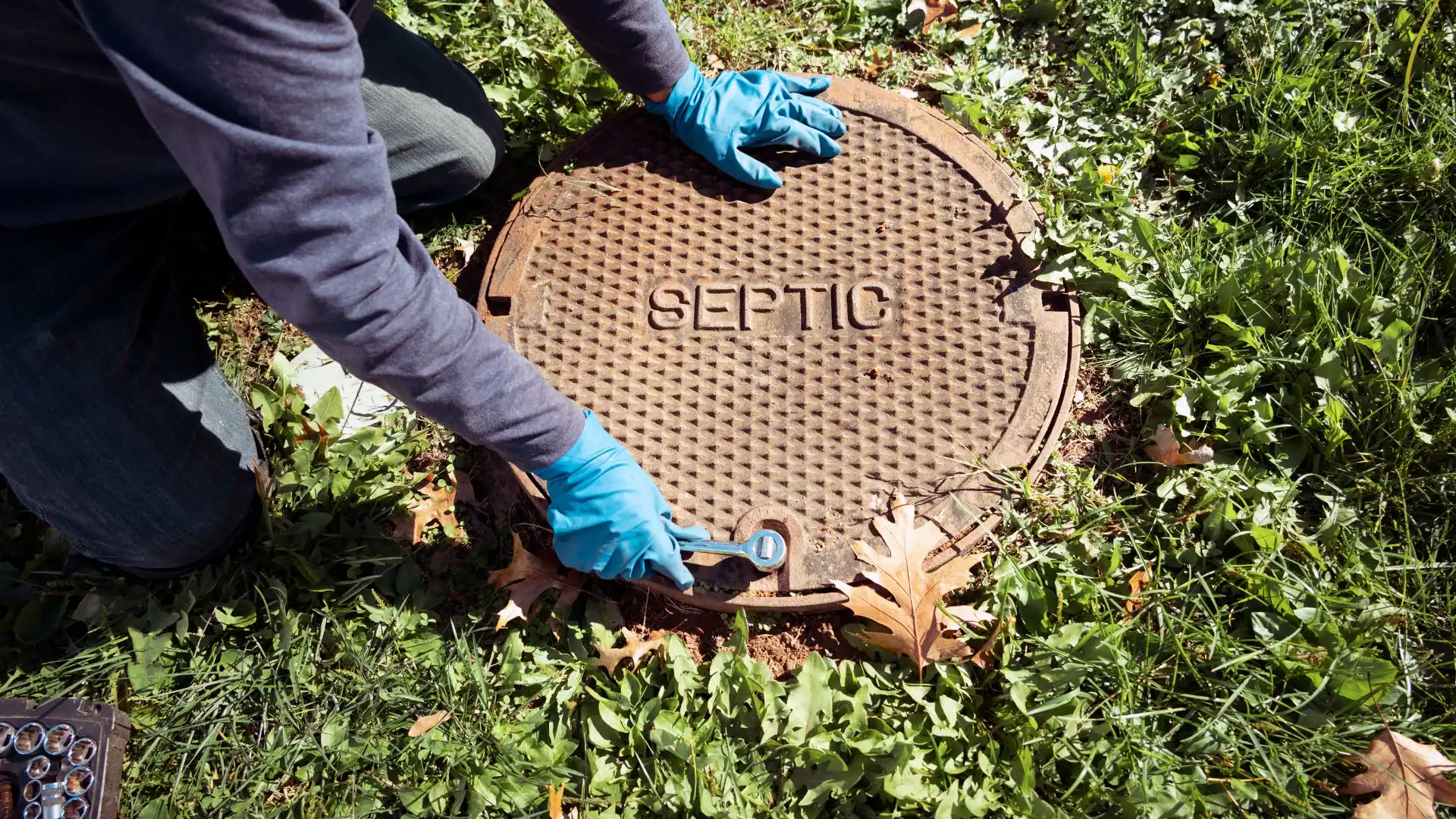
It starts with a site assessment. Before anything is quoted or scheduled, our team walks your property to understand how water is moving where it’s entering, where it’s pooling, what the grade is doing, and what’s already in the ground. On North Shore properties like those throughout St. James, this step matters more than most homeowners realize. The terrain here isn’t flat. Water takes different paths on different lots, and a system designed without that context is a system that will eventually fail.
From there, a drainage plan is put together and a written quote is provided. You’ll know exactly what’s being installed, where it’s going, and what the finished project will look like before a single shovel breaks ground. If a permit is required through the Town of Smithtown Building Department, we handle that as part of the process. The Smithtown Highway Department maintains the public drainage infrastructure on the road side of the right-of-way. Everything on your side of that line is your responsibility and that’s exactly what our work addresses.
Installation comes next, followed by full yard restoration. Turf, topsoil, and any disturbed landscaping are reinstated as part of the project. The goal isn’t just a system that works it’s a yard that looks right when our crew leaves.
Ready to get started?
Our landscape drainage services in St. James, NY cover the full range of what a property might need French drains, catch basins, channel drains, dry wells, surface regrading, and integrated systems that combine multiple components depending on what the site requires. There’s no single fix that works everywhere, which is why the assessment drives everything.
The homes throughout St. James many built between the 1950s and 1980s often have original drainage infrastructure that’s decades past its functional life. Silted French drains, undersized dry wells, and grading that’s shifted over years of landscaping changes are common findings. If a previous contractor installed something that stopped working, there’s usually a reason and it’s usually diagnosable. Understanding what failed and why is part of what makes the next fix actually hold.
Suffolk County’s stormwater regulations and Town of Smithtown code both factor into how drainage work is permitted and executed here. Projects that disturb significant soil area may require coordination with county or state stormwater requirements under New York’s SPDES program. We handle that regulatory context as part of the project you don’t need to navigate it yourself. What you get at the end is a drainage system designed for your St. James property, installed correctly, and backed by a written workmanship warranty.
The August 18–19, 2024 storm was a slow-moving system that dropped nearly 10 inches of rain in the Stony Brook area in a matter of hours. The National Weather Service issued a rare flash flood emergency and specifically named St. James as one of the communities with active water rescues underway. Part of Harbor Road in Stony Brook collapsed, Stony Brook University postponed its move-in day, and Suffolk County declared a State of Emergency.
What that event exposed for a lot of St. James homeowners was that their existing drainage or lack of it wasn’t built for that kind of rainfall intensity. Most residential drainage systems are sized for average storm events. When a storm like August 2024 hits, undersized or poorly designed systems are overwhelmed almost immediately. If your yard flooded that night, the problem isn’t bad luck. It’s a drainage system that was never designed for what Long Island’s North Shore can actually produce.
This is one of the most common points of confusion in the St. James market, and it’s worth being direct about. Plumbers fix pipes, clogged drains, cesspool backups, and sewer line issues. If your problem is a blocked drain inside the house or a cesspool that needs pumping, that’s a plumbing call. If your problem is water pooling in your yard, running toward your foundation, or staying saturated after every storm that’s a landscape drainage problem, and a plumber can’t solve it.
Landscape drainage addresses how water moves across and through your property surface grading, subsurface drainage systems, catch basins, and water flow paths. It requires a site assessment, a drainage design, and excavation and installation work that a plumber isn’t equipped to do. Searching for drainage help in St. James will surface a lot of plumbing companies. That’s not a knock on them they’re just the wrong trade for this specific problem.
Most residential drainage projects in the St. James area fall somewhere between $2,500 and $8,000, depending on the scope of work, the size of the property, and how complex the drainage solution needs to be. A straightforward French drain or single catch basin installation sits toward the lower end. A more involved system multiple drainage components, significant regrading, or a property with a complicated water flow path will land higher.
The more useful way to think about the cost is relative to what you’re protecting. St. James homes are valuable. Foundation repairs from water intrusion average $23,000 to $48,000. A single water damage insurance claim pays out an average of $13,954 and that’s assuming the damage is covered. A drainage system that prevents that scenario isn’t an expense. It’s the most cost-effective form of property protection available for a home on the North Shore. Every project with us comes with a written quote before any work begins, so you know exactly what you’re committing to.
Yes and this connection gets overlooked more often than it should. Most homes in St. James, like the majority of Suffolk County, rely on cesspools or septic systems rather than municipal sewer connections. Those systems depend on the surrounding soil being able to absorb and filter effluent through the drain field. When the soil around your drain field stays chronically saturated because yard drainage is poor and water has nowhere to go the drain field loses its ability to function properly.
The result is accelerated cesspool stress, more frequent pumping needs, and in serious cases, premature system failure. A full cesspool replacement in Suffolk County is a significant expense. Proper yard drainage keeps the soil conditions around your cesspool healthy, which extends the life of the system and reduces the frequency of maintenance calls. It’s two problems with one root cause, and fixing the drainage addresses both.
The most common reason drainage systems fail is that the original contractor treated the symptom rather than the cause. A drain was installed where the water was pooling, not where the water was coming from. The system was sized for average rainfall, not for the kind of storm event that actually overwhelms a yard. Or the materials used particularly the filter fabric around a French drain were low quality and silted up within a few years, cutting off drainage capacity entirely.
If your yard flooded again after a previous drainage installation, one of those three things is almost certainly what happened. The way to find out is a proper site assessment one that maps the full water flow path across your property, evaluates what’s already in the ground, and identifies where the original design fell short. That assessment is where every project with us starts, and it’s what separates a fix that holds from one that fails the next time a serious storm moves through the Smithtown area.
The Town of Smithtown Highway Department does excellent work maintaining the public drainage infrastructure more than 470 miles of roads, catch basins, and recharge basins throughout the town. If there’s a drainage issue on a town road or within the public right-of-way, the highway department is the right call. Their number is (631) 360-7500.
But their responsibility ends at the property line. Everything on your side of the right-of-way your yard, your grading, your drainage systems is your responsibility under Town of Smithtown code. That includes maintaining any stormwater recharge basins on your property, which town code requires property owners to keep functional. If water is pooling in your yard, running toward your house, or backing up near your foundation, the town won’t address it. That’s where we come in. We handle everything on the homeowner’s side of that line from the initial assessment through installation and yard restoration.