
Hear from Our Customers
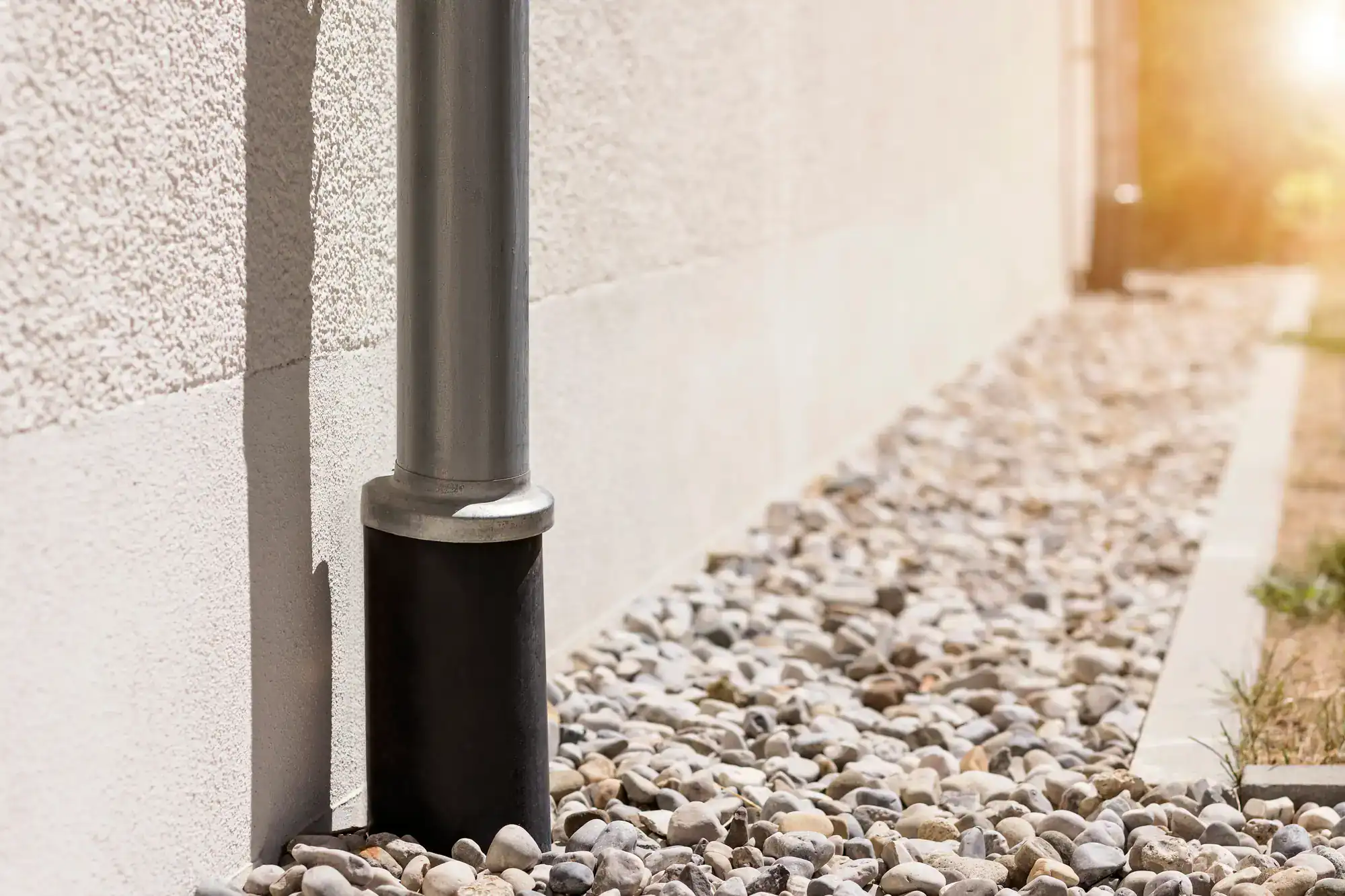
Standing water in a Bohemia yard isn’t just an eyesore. Every time it pools near your foundation, it’s pushing against walls that were likely built 50 to 70 years ago without any engineered perimeter drainage. The post-WWII housing stock that defines most of Bohemia’s neighborhoods was constructed when drainage standards were minimal. That means your home almost certainly has no system in place to redirect groundwater just original grading that may have shifted over decades and foundation waterproofing that degraded long ago.
Once a properly installed French drain system is in place, the difference is immediate and lasting. The soggy corner of the yard dries out. The basement stays dry after nor’easters that used to leave you running a shop vac. Your sump pump, if you have one, stops cycling constantly because water is being intercepted before it even reaches the foundation.
For Bohemia homeowners near the Connetquot River State Park Preserve, there’s an added layer to this. The river system on Bohemia’s western edge raises the water table seasonally particularly after sustained spring rainfall or a heavy nor’easter. A French drain system designed for those conditions doesn’t just manage surface runoff. It accounts for the groundwater behavior specific to this part of Suffolk County, so the system holds up when conditions are at their worst.
We’re a drainage contractor serving homeowners across Long Island’s South Shore, including Bohemia and the surrounding communities in the Town of Islip. We work in this area because we understand it the glacial outwash soils, the Connetquot watershed influence, the aging housing stock, and the Town of Islip permit requirements that govern drainage work here.
We’re not a plumbing company that installs French drains on the side, and we’re not a general landscaper who picked up a drainage job. This is the work we do. When we assess a Bohemia property, we’re looking at your specific lot grading, your proximity to the Connetquot River drainage basin, your foundation age, and your existing infrastructure not running a generic checklist.
Every project starts with a free on-site assessment. No phone diagnosis, no ballpark guesses. Drainage problems in Bohemia are site-specific, and the only honest way to tell you what your yard needs is to come look at it.
It starts with the on-site assessment. We walk your property, read the grading, identify where water is entering and where it needs to go. In Bohemia, that assessment includes evaluating your proximity to the Connetquot River watershed if you’re on the western side of the hamlet, checking for any Town of Islip permit requirements that apply to your specific installation, and confirming utility locations through New York State’s 811 marking process which is a legal requirement before any excavation begins, not optional.
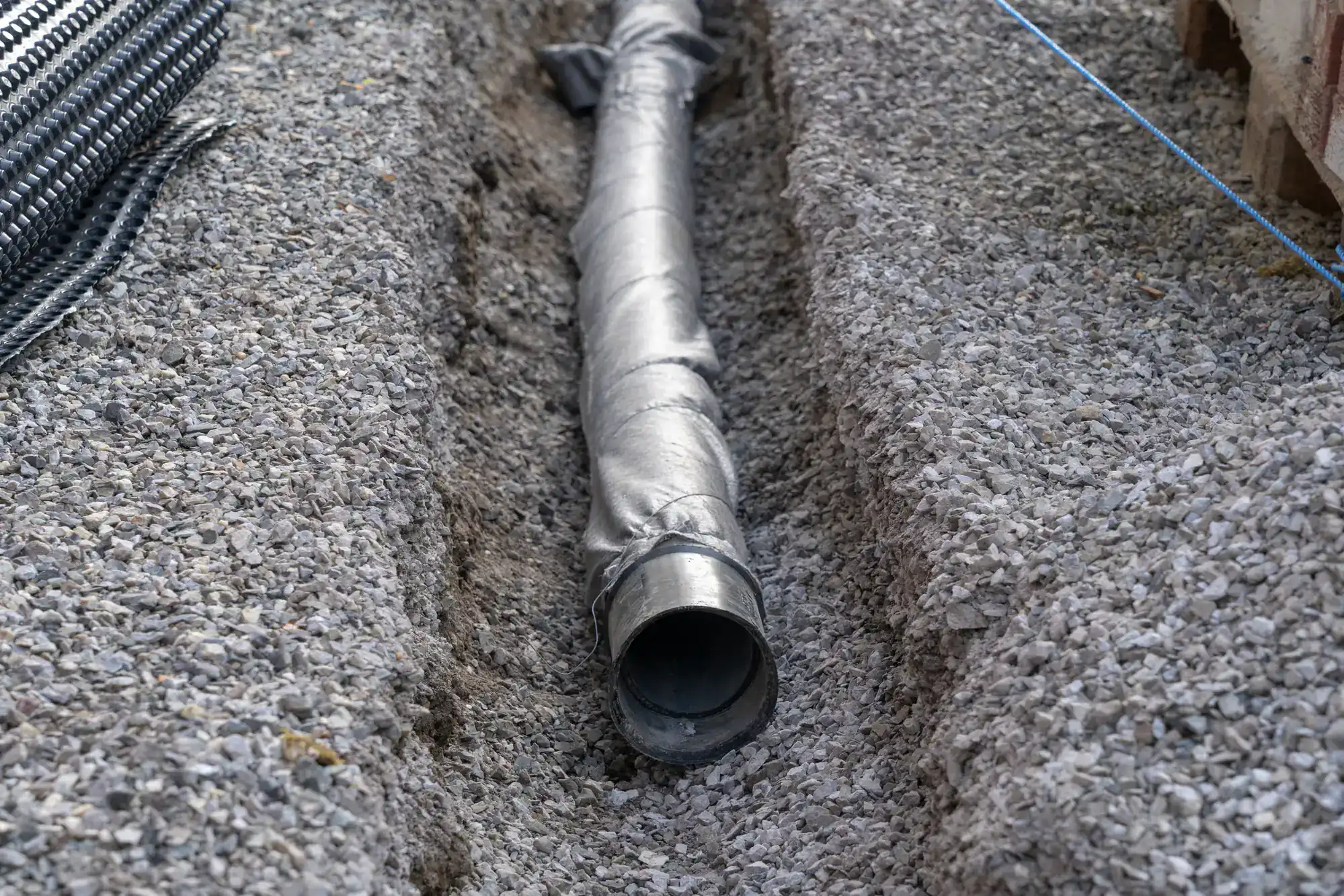
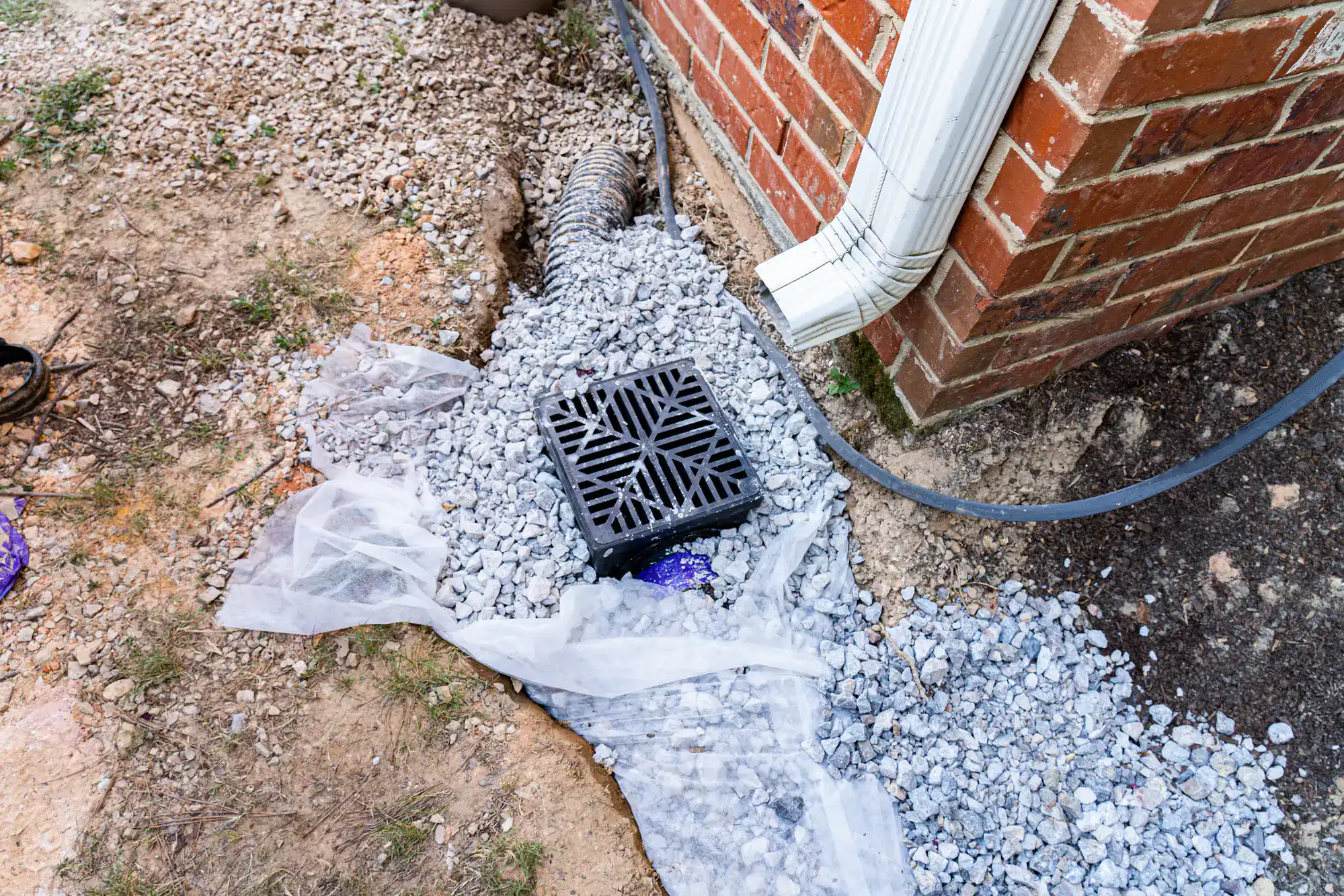
Once the system is designed, we excavate the trench at the correct depth and slope. Depth matters here. Long Island does experience freeze-thaw cycles, and a French drain pipe buried too shallow will crack and fail within a few years. We install perforated pipe wrapped in geotextile filter fabric, surrounded by washed angular gravel, with a defined outlet point engineered to handle peak flow from a major storm event the kind of sustained rainfall a nor’easter delivers to this part of the South Shore.
After the pipe is set and the trench is backfilled, we restore the surface. Topsoil is replaced, and the area is seeded or matched to your existing lawn. Bohemia homeowners typically have larger lots with established landscaping, and we treat that accordingly. The disruption is temporary. The drainage benefit is not.
Ready to get started?
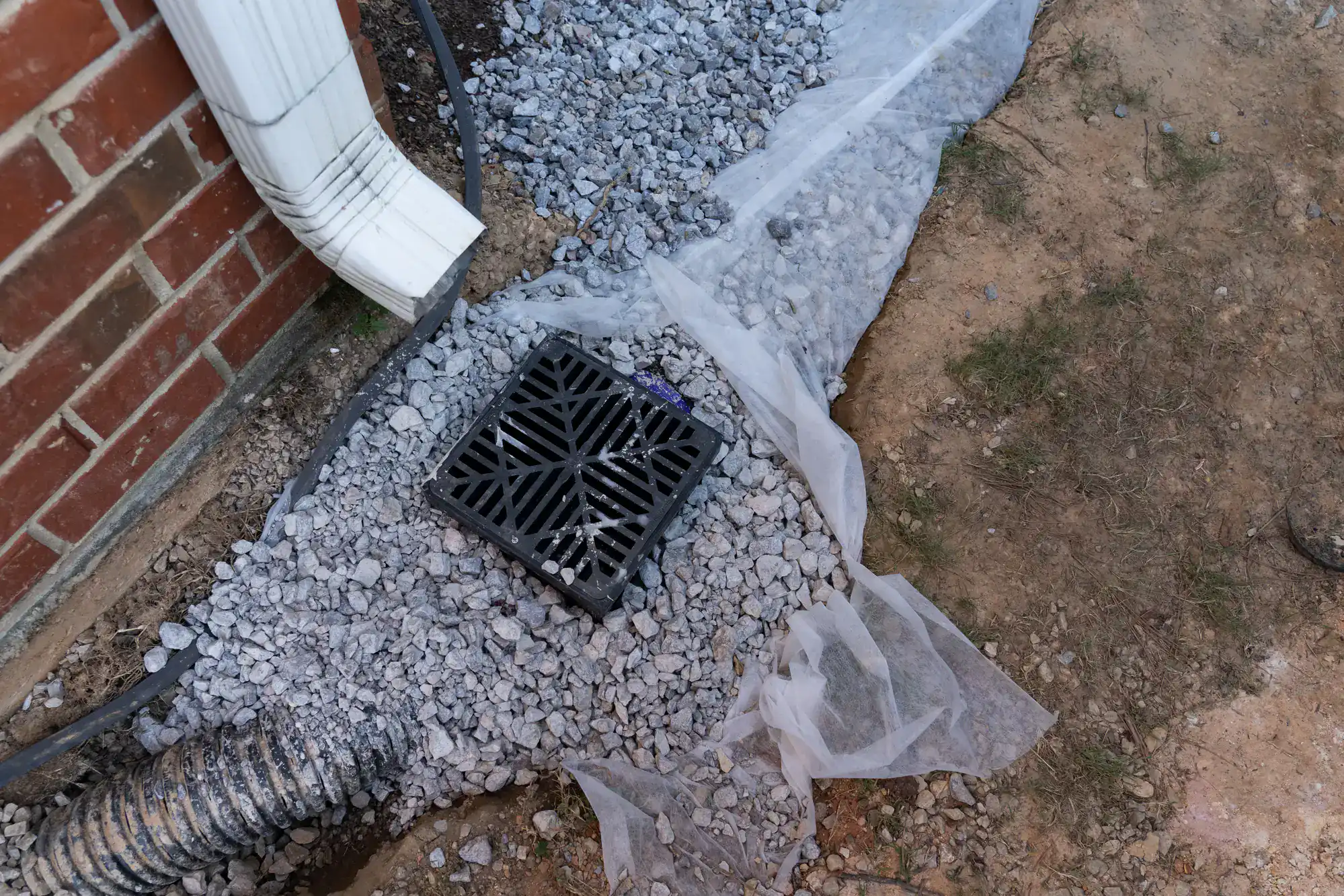
A French drain installation from us isn’t a trench with a pipe dropped in it. The system is specified for how water actually behaves in Bohemia sandy glacial outwash soils that move water quickly, a seasonal water table that rises near the Connetquot River basin, and a housing stock that was never built with perimeter drainage in mind. Every component pipe diameter, gravel type, fabric specification, trench slope, and outlet placement is chosen for this environment.
For homeowners dealing with yard drainage issues, the system intercepts surface runoff and shallow groundwater before it saturates the lawn or migrates toward the foundation. For homeowners with wet basements, a perimeter French drain system redirects water away from the foundation wall entirely, working alongside your existing sump pump rather than leaving it to fight the problem alone. If your sump pump runs every time it rains, that’s usually a sign the water is reaching the foundation unchecked a French drain system changes that equation.
We also handle everything that comes before the first shovel goes in. That means 811 utility marking, any required Town of Islip building permits, and for properties near the Connetquot River State Park Preserve awareness of any DEC buffer zone considerations that may apply to your lot. You don’t have to figure out which calls to make. We do that.
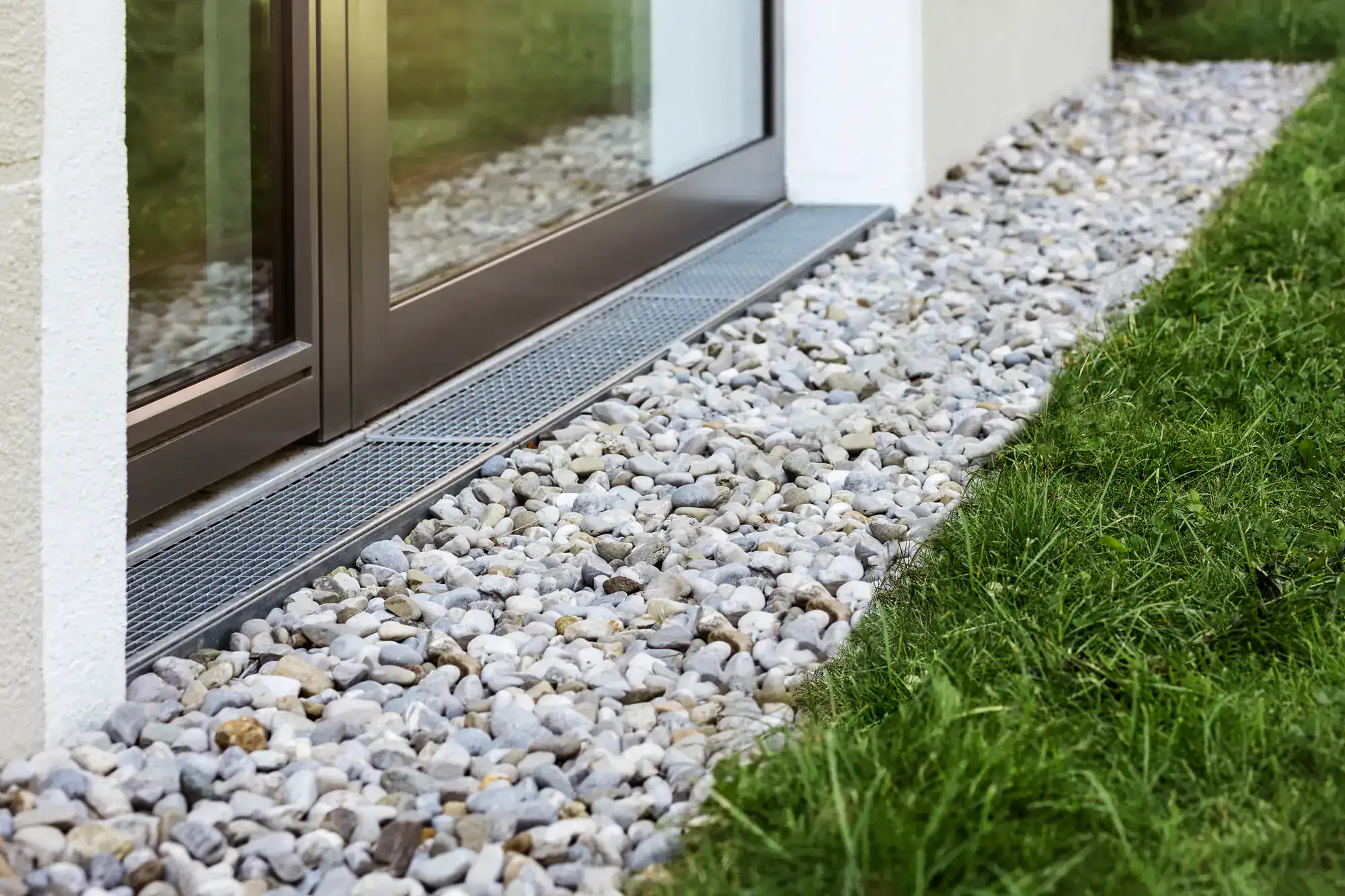
It depends on the scope and location of the installation. In Bohemia, drainage work falls under Town of Islip jurisdiction, and projects that alter surface water flow, involve excavation near a property line, or connect to the municipal stormwater system may require a permit through the Town of Islip’s Building Division. Beyond the permit question, New York State law requires 811 utility marking before any excavation that applies to every project, regardless of size.
If your property sits near the Connetquot River State Park Preserve or within a mapped wetland buffer zone, there may also be New York State DEC review involved before work can begin. This isn’t a reason to avoid the project it’s just a reason to work with a contractor who knows the process. We handle permit applications, utility marking coordination, and any pre-installation regulatory steps as part of the project. You don’t need to navigate the Town of Islip’s building department on your own.
Most residential French drain installations fall somewhere between $5,000 and $15,000, depending on the length of the system, the depth required, the complexity of the outlet, and whether the project involves a simple yard drainage issue or a full foundation perimeter system. On Long Island, labor costs run higher than national averages, and material specifications for a system that holds up to South Shore storm conditions nor’easters, heavy spring rainfall, freeze-thaw cycles aren’t the cheapest on the shelf.
The more useful number to think about is the cost of doing nothing. Foundation crack repair and waterproofing on Long Island runs $15,000 to $50,000. Mold remediation starts around $3,000 and goes up quickly depending on how far it’s spread by the time it’s found. A properly installed French drain system that lasts 30 to 40 years costs a fraction of either of those outcomes. For a Bohemia homeowner who has invested in a property in the Connetquot school district market, that math is straightforward.
Persistent standing water in a Bohemia yard after rain is almost always a drainage problem, but the specific cause matters for choosing the right solution. The most common culprits are flat or reversed grading that directs water toward a low point in the yard, compacted soil or hardscape that prevents water from absorbing, or a seasonally elevated water table which is a real factor in parts of Bohemia near the Connetquot River drainage basin, where groundwater rises measurably after sustained rainfall.
A French drain system is the right solution when water is pooling because it has nowhere to go when the ground is saturated and surface runoff is sitting rather than moving. If the problem is purely a grading issue, regrading alone might help. But in most Bohemia yards with chronic standing water, the grading has already settled over decades and the soil behavior means water will find its way back to the same low point regardless. A French drain intercepts and redirects that water at the source, which is a permanent fix rather than a seasonal workaround.
Yes and in most cases, a French drain system makes your sump pump significantly more effective. A sump pump reacts to water that has already reached the foundation and collected in the sump pit. It’s doing its job, but it’s the last line of defense. A French drain system installed around the foundation perimeter intercepts groundwater before it reaches the wall, reducing the volume of water the sump pump has to manage and lowering the hydrostatic pressure against your foundation in the process.
If your sump pump runs constantly during every storm, that’s a signal that water is reaching the foundation in high volume and the pump is working hard to keep up. That pattern, over time, puts wear on the pump and still allows hydrostatic pressure to build against foundation walls that in most Bohemia homes built 50 to 70 years ago were never designed to handle sustained water pressure. A French drain system and sump pump working together is a complete water management solution. One without the other leaves gaps.
A properly installed French drain system lasts 30 to 40 years. The key word is properly. The most common reasons French drains fail prematurely are pipe burial depth that’s too shallow for freeze-thaw conditions, filter fabric that’s too thin or absent entirely allowing fine soil particles to clog the gravel over time and outlet placement that doesn’t account for peak storm flow. On Long Island, where nor’easters can deliver three to five inches of rain in under 48 hours, an undersized or poorly sloped system will back up and fail under load.
The way to know it was installed correctly is to ask about the materials and specifications before the work starts. What diameter pipe? What type of filter fabric single or double-punched geotextile? Washed angular gravel or rounded pea gravel? What is the designed outlet capacity? A contractor who can answer those questions specifically, and explain why each choice matters for Bohemia’s specific soil and storm conditions, is a contractor who knows what they’re building. A contractor who gives vague answers about “quality materials” is worth a second look.
For most Bohemia homeowners dealing with a wet basement, an exterior French drain system is the more effective long-term solution because it addresses the source of the problem rather than managing water after it’s already inside. An exterior perimeter French drain intercepts groundwater and surface runoff before it reaches the foundation wall, eliminating the hydrostatic pressure that forces water through cracks, joints, and porous concrete over time.
Interior waterproofing systems interior drains, vapor barriers, interior sump configurations are legitimate tools, but they work by collecting and removing water that has already entered the foundation. They don’t stop water from reaching the wall. In Bohemia, where many homes sit on glacial outwash soils that move water quickly and where the housing stock is largely 50 to 70 years old with degraded original waterproofing, the exterior French drain approach tends to produce more durable results. That said, the right answer depends on your specific foundation condition, lot grading, and water entry points which is exactly what a free on-site assessment is designed to determine.