
Hear from Our Customers
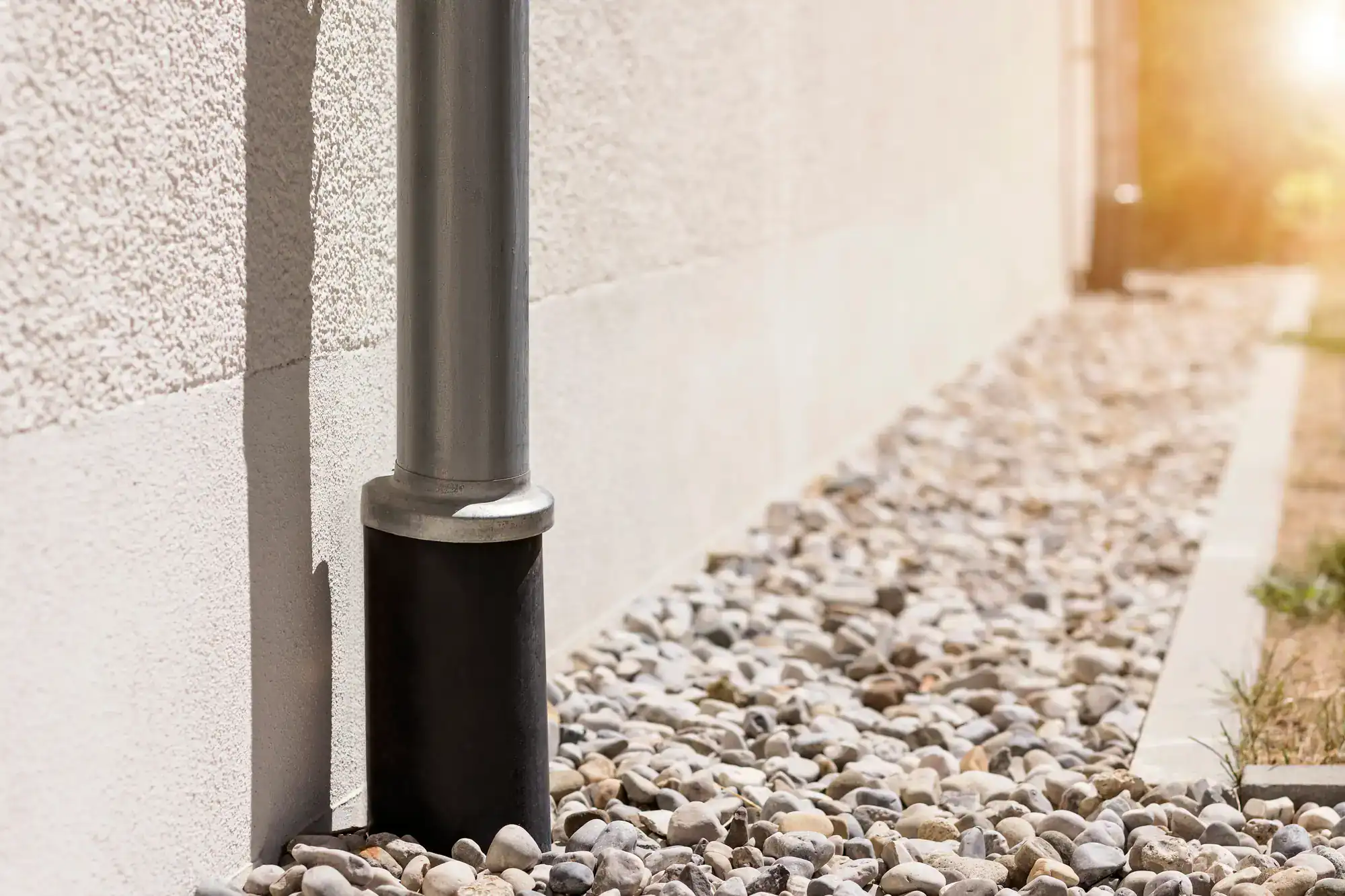
Standing water in your Deer Park yard isn’t just an eyesore. In this hamlet, where a lot of the housing stock is pushing 60 to 70 years old and was built without any real drainage planning, that water is sitting against foundation walls that were never designed to handle sustained hydrostatic pressure. Over time, that pressure wins. You get cracks, seepage, and eventually a basement that smells like a problem you can’t ignore.
A properly installed french drain system intercepts groundwater before it ever reaches your foundation. Your yard dries out after rain instead of staying soggy for days. Your basement stays dry through March and April, when snowmelt and spring rain hit at the same time which is when most Deer Park homeowners realize they have a real issue on their hands.
The soil in western Suffolk County isn’t uniform. Inland clay pockets hold water the way a sponge does, and when construction machinery compacted that soil back in the 1950s, it made things worse. A drainage system that works has to be designed for that reality the right depth, the right gravel, the right fabric. When it is, it lasts 30 to 40 years. That’s not a sales line. That’s just what a correctly installed system does.
We work throughout the Town of Babylon and western Suffolk County. That means we’re familiar with the specific drainage conditions that affect Deer Park homes the clay-heavy transition soils, the aging post-war foundations, and the Town of Babylon’s stormwater regulations that govern how drainage work has to be done here.
We’re not a basement waterproofing chain. We’re not a national brand with a local phone number. We’re a drainage contractor that focuses specifically on residential drainage installation and does that work correctly. There’s a difference between a company that offers french drains as one of fifteen services and one that understands why some installs fail in Long Island clay while others last for decades.
When you call us, you’re talking to someone who can look at your yard near Deer Park Avenue or your basement off the Edgewood side of the hamlet and tell you exactly what’s going on and what it will take to fix it the right way.
It starts with a site assessment. Before any digging happens, we look at where the water is coming from, where it needs to go, and what the soil conditions on your specific property are doing. In Deer Park, that assessment matters more than most people realize the soil variability in this part of Suffolk County means a system that works on one property might be completely wrong for the lot next door.
Once we know what we’re working with, we design the system around your property’s actual drainage pattern. We handle 811 utility marking before any excavation that’s a legal requirement in New York State, and it’s our responsibility to initiate it, not yours. If your project requires a permit through the Town of Babylon Building Department, we walk you through that process as well. Drainage work near wetlands or regulated areas in the Town of Babylon may also require NYSDEC review, and we account for that upfront.
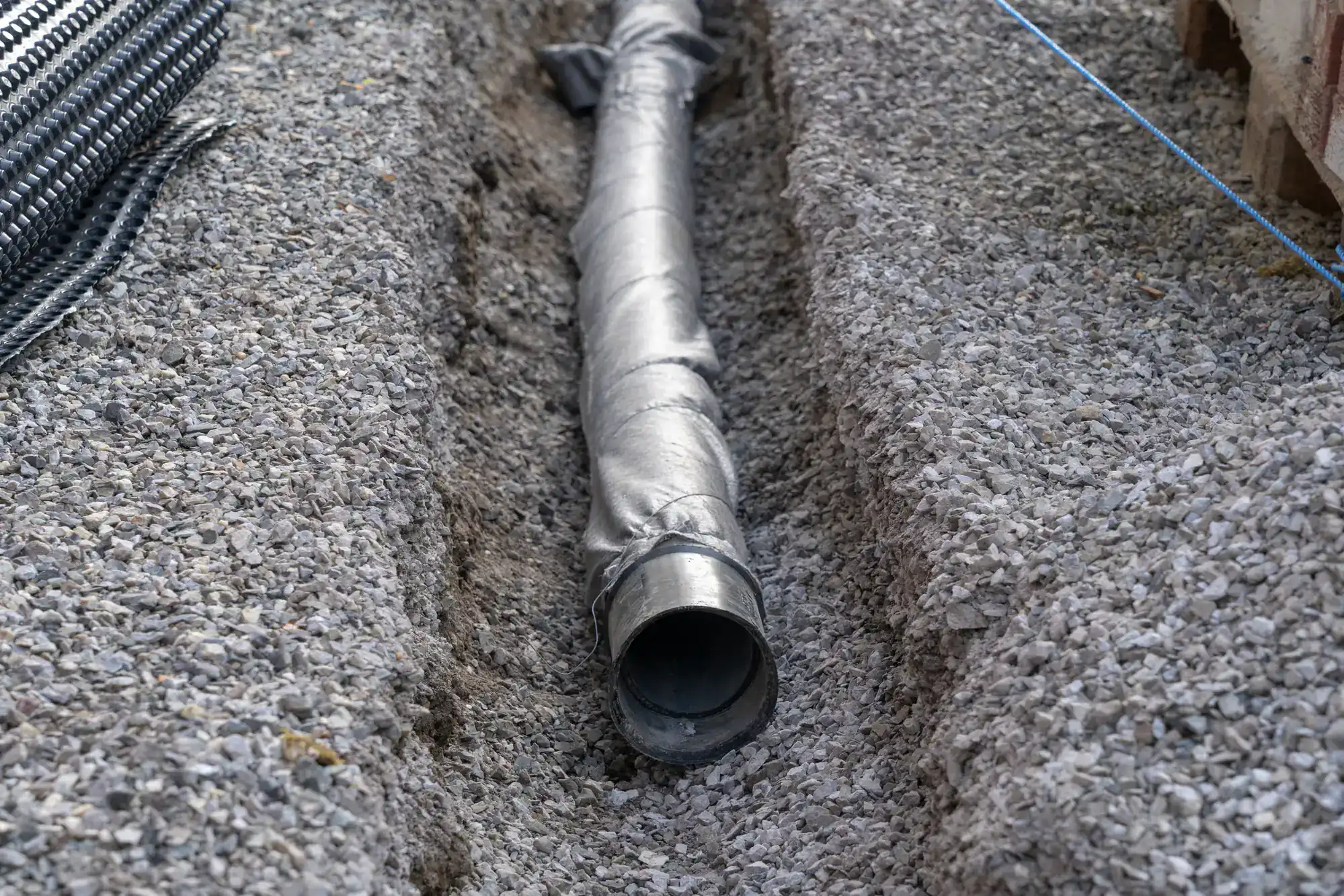
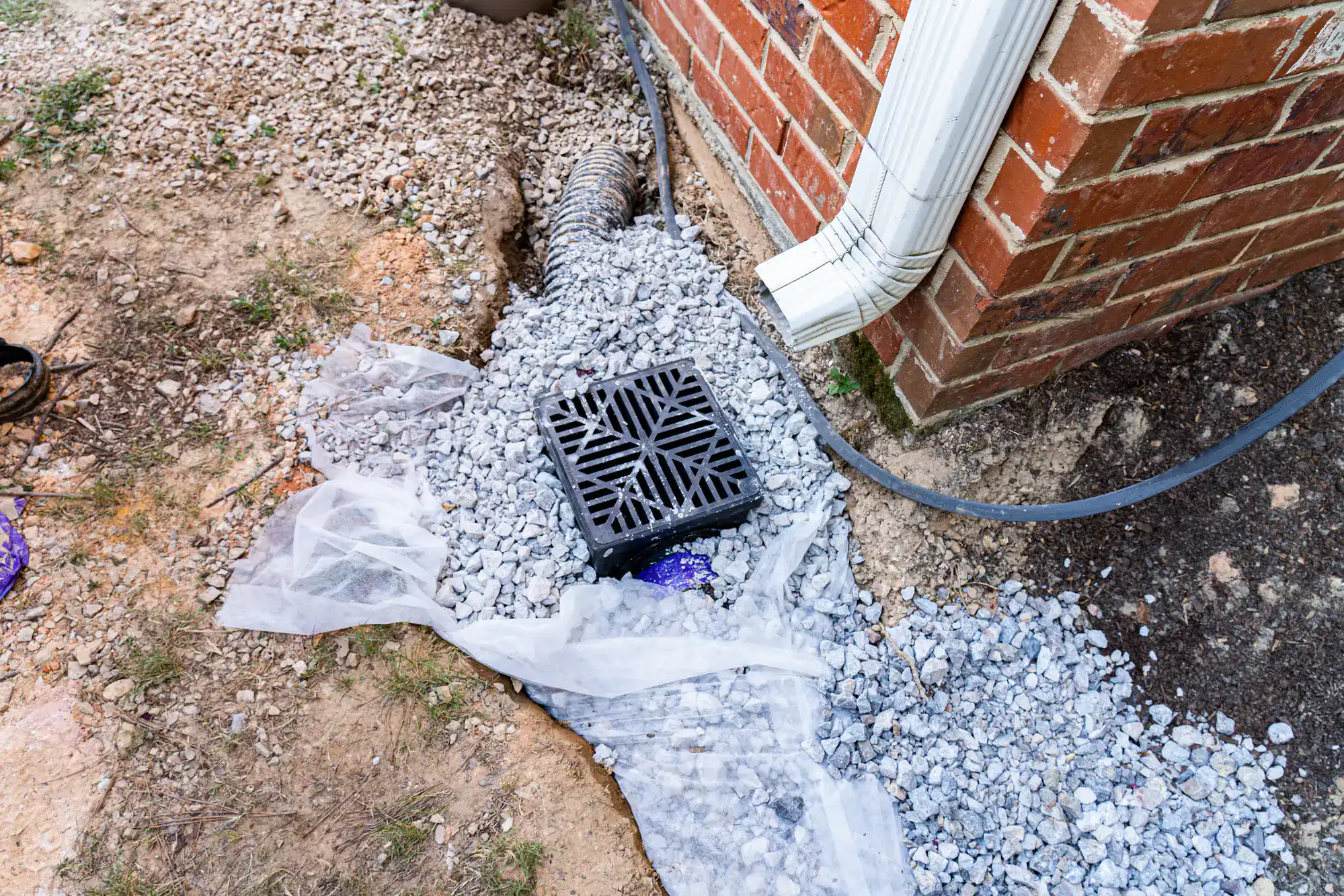
The installation itself involves trenching, laying perforated pipe at the correct depth deep enough to survive Long Island’s freeze-thaw winters without cracking surrounding it with the right gravel and filter fabric, and routing the outlet to a safe discharge point. When the work is done, your yard is restored. Topsoil back in place, grass reseeded to match. The trench that took a day to dig disappears within a season. The drainage system it left behind doesn’t.
Ready to get started?
Most of the drainage problems we see in Deer Park fall into two categories: surface water that won’t move and foundation perimeter issues that are letting water into the basement. Sometimes it’s both. The right system depends on what’s actually happening on your property and that’s something we determine during the site assessment, not before we show up.
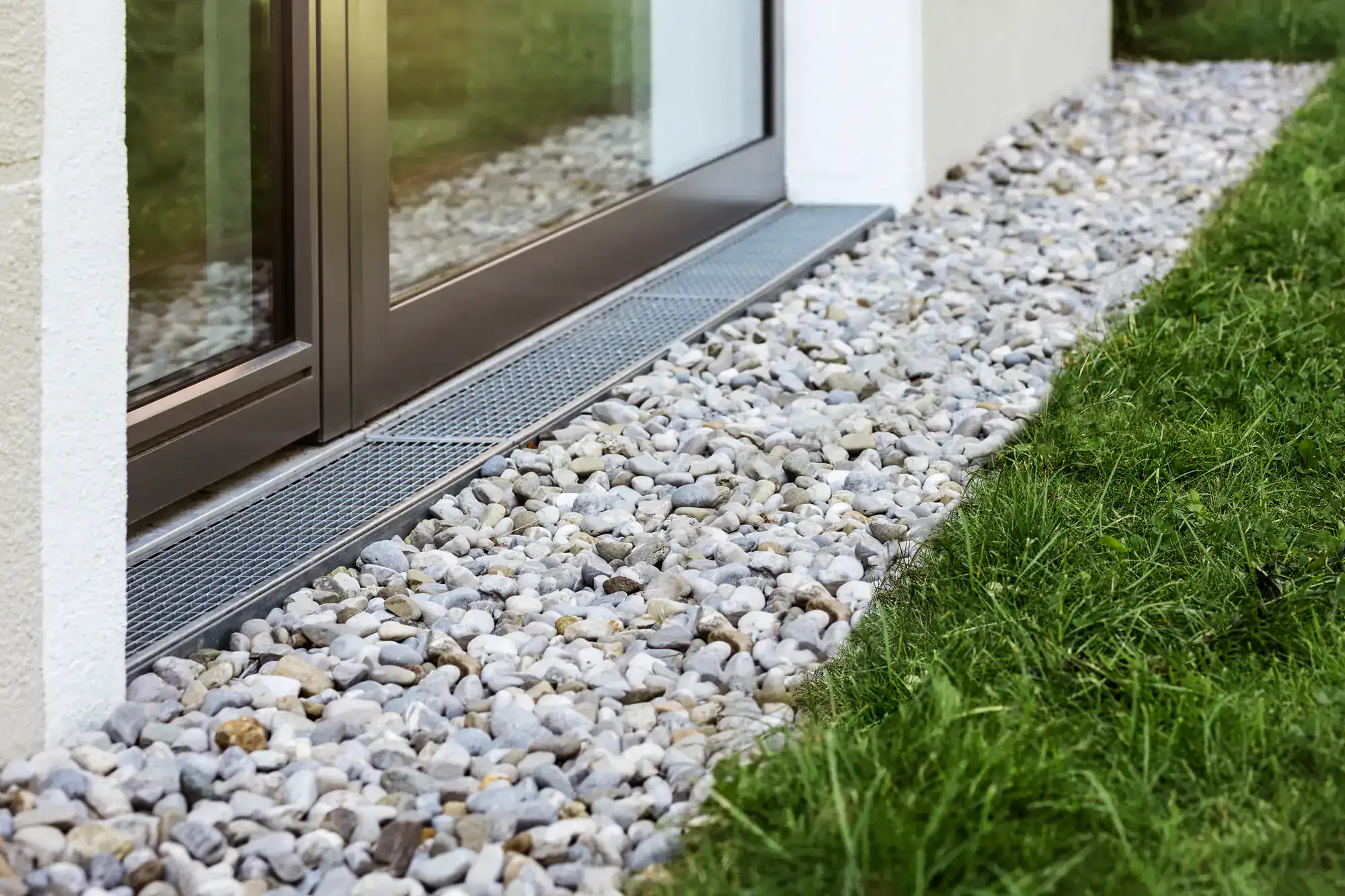
For yard drainage, a french drain intercepts surface water and subsurface flow before it pools on your lawn or works its way toward your foundation. For homes where water is already getting into the basement, an exterior perimeter french drain system addresses the source of the problem the hydrostatic pressure building up against your foundation wall without requiring interior demolition. In cases where interior drainage is the better fit, we can discuss that option as well. Either way, the system is engineered for Deer Park’s specific soil conditions and the freeze-thaw cycle that Long Island winters put drainage infrastructure through every year.
Suffolk County averages close to 47 inches of rain annually well above the national average and there’s no true dry season here. Your drainage system needs to handle consistent, year-round moisture load, not just a single heavy storm. That’s the standard we design to, and it’s why properly installed systems in this area hold up for decades instead of failing after the first hard winter.
It depends on the scope of the work and where your property is located. The Town of Babylon’s stormwater management code specifically Chapter 189 governs drainage work that alters surface water flow patterns. If your french drain outlet connects to a municipal storm sewer, Chapter 190 applies as well. Properties near wetlands or in regulated areas may require a separate NYSDEC permit before work begins.
For most standard residential french drain installations in Deer Park, the permit picture is manageable but it has to be handled correctly. Unpermitted drainage work that connects to municipal infrastructure or disturbs regulated areas can create real problems down the line, especially when you go to sell. We determine what’s required for your specific property during the site assessment and handle the coordination with the Town of Babylon Building Department at 200 E Sunrise Highway in Lindenhurst. You don’t have to figure that out on your own.
Soil variability. Deer Park sits in a transition zone between the sandy soils of the Long Island pine barrens to the east and the denser, clay-heavy soils found further inland. Clay holds water the way a sponge does it doesn’t drain, it saturates. And when construction crews compacted that soil back in the 1950s and 1960s during the post-war building boom, they made it even less permeable. Your neighbor two lots over might be sitting on a slightly different soil profile and draining just fine. You might be sitting on a clay pocket that’s been holding water since the subdivision was built.
This is exactly why a site assessment matters before any drainage work is designed. A french drain system that’s sized and positioned correctly for your soil conditions will move water effectively. One that’s installed without understanding what’s underneath your yard is a temporary fix at best and a waste of money at worst. We’ve seen enough failed installs in western Suffolk County to know the difference.
Most residential french drain installations in the Deer Park area fall somewhere between $5,000 and $12,000, with the national average sitting around $9,250. Where your project lands in that range depends on a few things: the linear footage of pipe required, the depth needed to get below Long Island’s frost line, the soil conditions on your property, and whether any permitting or utility coordination adds to the scope.
The number that matters more than the installation cost is what you’re protecting. Homes in Deer Park are trading between $400,000 and $650,000. Foundation crack repair runs $15,000 to $50,000. Mold remediation starts at $3,000 and goes up fast. A wet basement can reduce your home’s resale value by 10% or more which on a $500,000 home is $50,000 you don’t get back. A properly installed french drain system that lasts 30 to 40 years isn’t a home improvement expense. It’s the most straightforward equity protection decision most homeowners in this area can make.
That depends on where the water is coming from. If your basement is getting wet because of hydrostatic pressure building up against your foundation wall which is the most common cause in Deer Park’s aging ranch and split-level homes an exterior perimeter french drain system addresses the source of the problem directly. It intercepts groundwater before it ever reaches the wall, so the pressure that was forcing water through cracks and porous concrete never builds up in the first place.
Interior waterproofing systems manage water after it’s already gotten in. They’re not the wrong answer in every situation, but they’re treating a symptom rather than the cause. In many cases, an exterior french drain is the more effective and longer-lasting solution and it doesn’t require tearing up your basement floor. The right answer for your home depends on a proper site assessment. We’ll tell you honestly what we’re seeing and what approach makes the most sense for your specific situation, not just the one that’s easier to sell.
Deep enough to stay below the frost line and on Long Island, that means a minimum of 36 inches in most cases, though site conditions can push that deeper. Deer Park temperatures regularly drop into the 20s and teens during winter, and the freeze-thaw cycle here is real. A pipe buried too shallow will freeze, expand, crack, and fail often within the first or second winter after installation. That’s one of the most common reasons french drain systems fail prematurely on Long Island, and it’s almost always the result of a contractor cutting corners on depth to save time.
Proper installation depth isn’t optional. It’s the difference between a system that holds up for 30 to 40 years and one that needs to be dug up and replaced after two winters. We install to the depth your property and Long Island’s climate actually require not the minimum that gets the job done on paper.
For most residential properties in Deer Park, the physical installation takes one to two days. Larger projects homes with significant perimeter drainage needs or more complex grading situations can run a bit longer. The timeline that most homeowners don’t account for is what comes before the digging: the site assessment, any required 811 utility marking (which New York State law requires before any excavation), and permit processing through the Town of Babylon if your project requires it.
The best time to install a french drain system in Deer Park is late summer or fall, before the ground freezes. A system installed in October is ready to handle spring snowmelt and the April rain events that tend to be when Deer Park homeowners realize their drainage situation is worse than they thought. Spring installations are absolutely possible, but demand is highest then scheduling earlier gives you more flexibility and puts the system in the ground before the season when it matters most.