
Hear from Our Customers
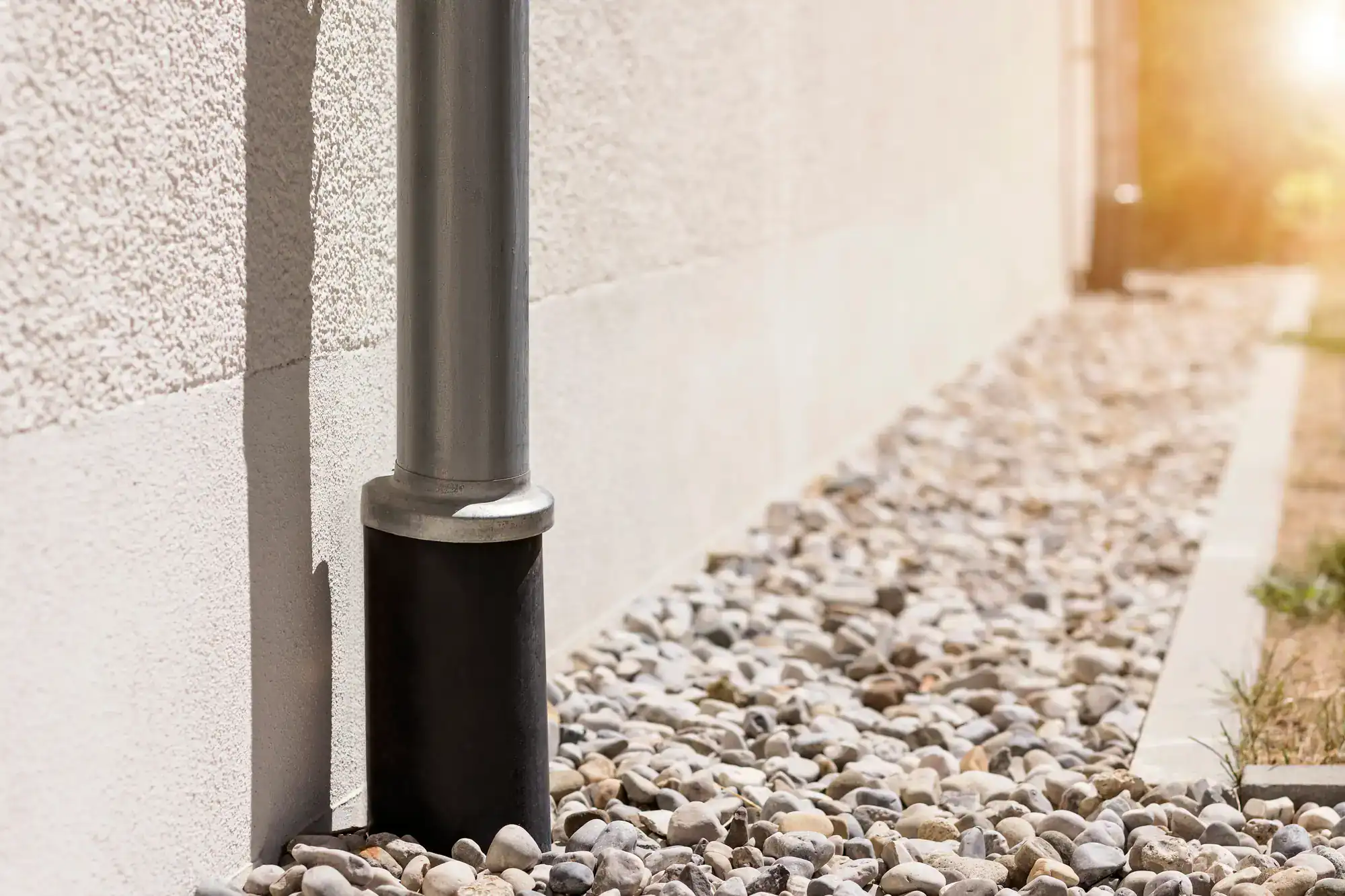
When drainage fails in Wheatley Heights, it rarely announces itself all at once. It’s the corner of your basement that smells off after a heavy rain. The patch of lawn that never fully dries out. The slow creep of water toward a foundation wall that was poured in 1968 without a single inch of waterproofing membrane. By the time it’s obvious, the damage is already in motion.
A properly installed French drain system intercepts that water before it reaches your foundation pulling it away from the structure and routing it to a safe outlet. For homes built on the clay-bearing soils of the lower Half Hollow Hills, that’s not a luxury. It’s the fix your property has needed since it was built. Suffolk County sees close to 50 inches of rain a year with no real dry season to speak of, which means saturated soil isn’t a seasonal problem here. It’s a year-round one.
The result on the other side of this is straightforward. Your yard drains. Your basement stays dry. The freeze-thaw cycles that push water into aging foundation cracks stop doing damage. And the home you chose for the Half Hollow Hills school district the one you’ve been building equity in for years is actually protected.
We’re a drainage and landworks contractor that works in the Town of Babylon. That distinction matters more than it sounds. Wheatley Heights falls under Town of Babylon permit requirements, stormwater management codes, and drainage regulations that are specific to this municipality not Nassau County, not the Town of Huntington, not generic Long Island. We know what needs to be filed, what gets inspected, and what the soil conditions in this part of Suffolk County actually look like below the surface.
The homes here are mostly ranch-style and Cape Cods built in the 1960s and 1970s, sitting on clay-heavy ground with grading that’s had 50-plus years to settle the wrong way. That’s the exact profile we work with. We also account for cesspool systems a real factor on a lot of Wheatley Heights properties when designing where a drain discharges. Getting that wrong creates a different problem entirely, and it’s the kind of thing a contractor unfamiliar with Long Island infrastructure tends to miss.
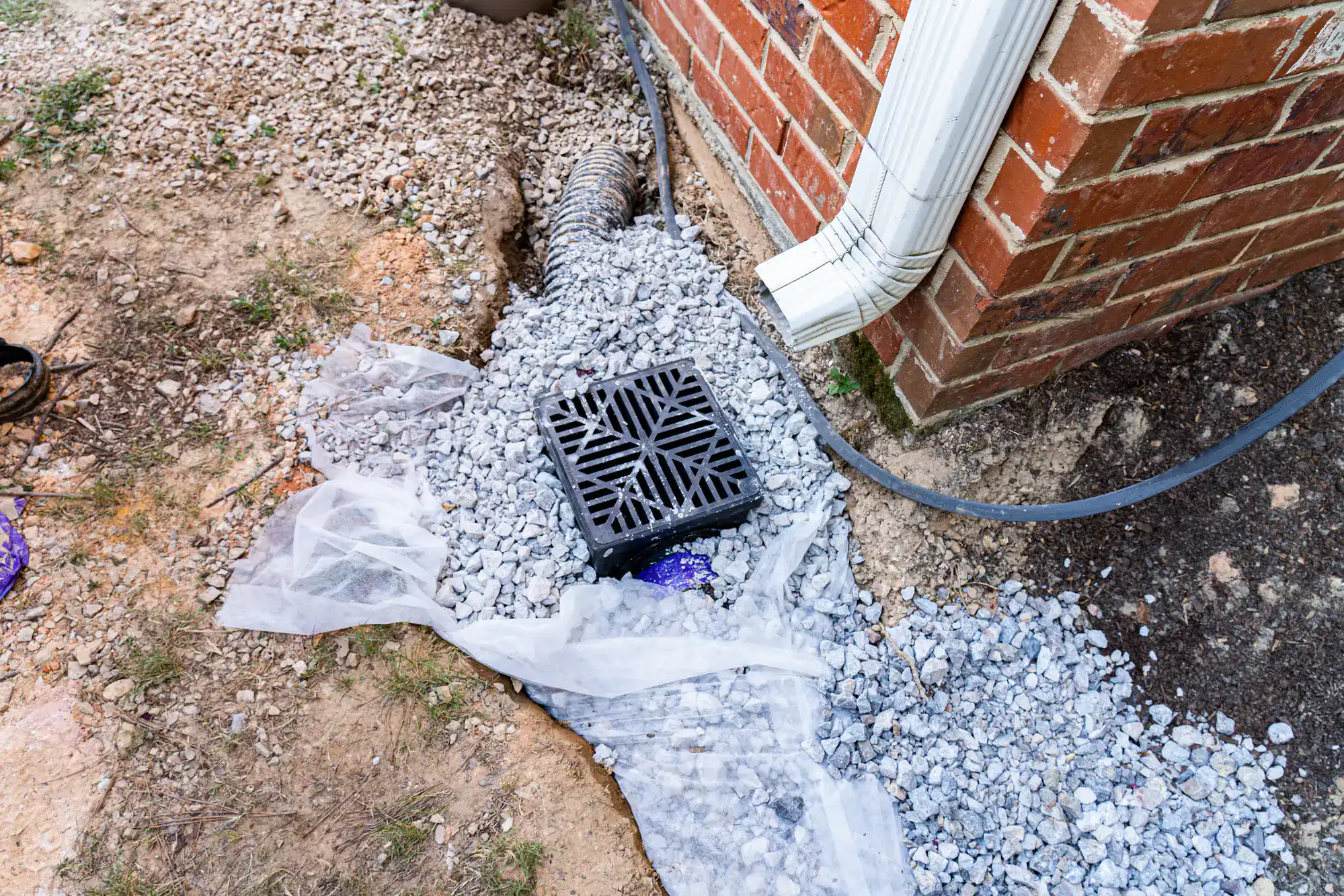
It starts with a free on-site assessment. We walk your property, find where the water is coming from, check your existing grade, and look at where it needs to go. On Wheatley Heights properties, that also means identifying whether you’re on a cesspool system because the outlet location for your French drain has to account for that. We’re not guessing at your problem from a phone call. We’re diagnosing it in person before we ever quote you a number.
Once we’ve assessed the site, we design the system around your specific conditions. The trench depth, pipe type, gravel specification, and geotextile filter fabric all get selected for your yard not pulled from a standard template. Before any excavation starts, we call 811 to have underground utilities marked. That’s a legal requirement in New York State, and it’s non-negotiable on every job we do.
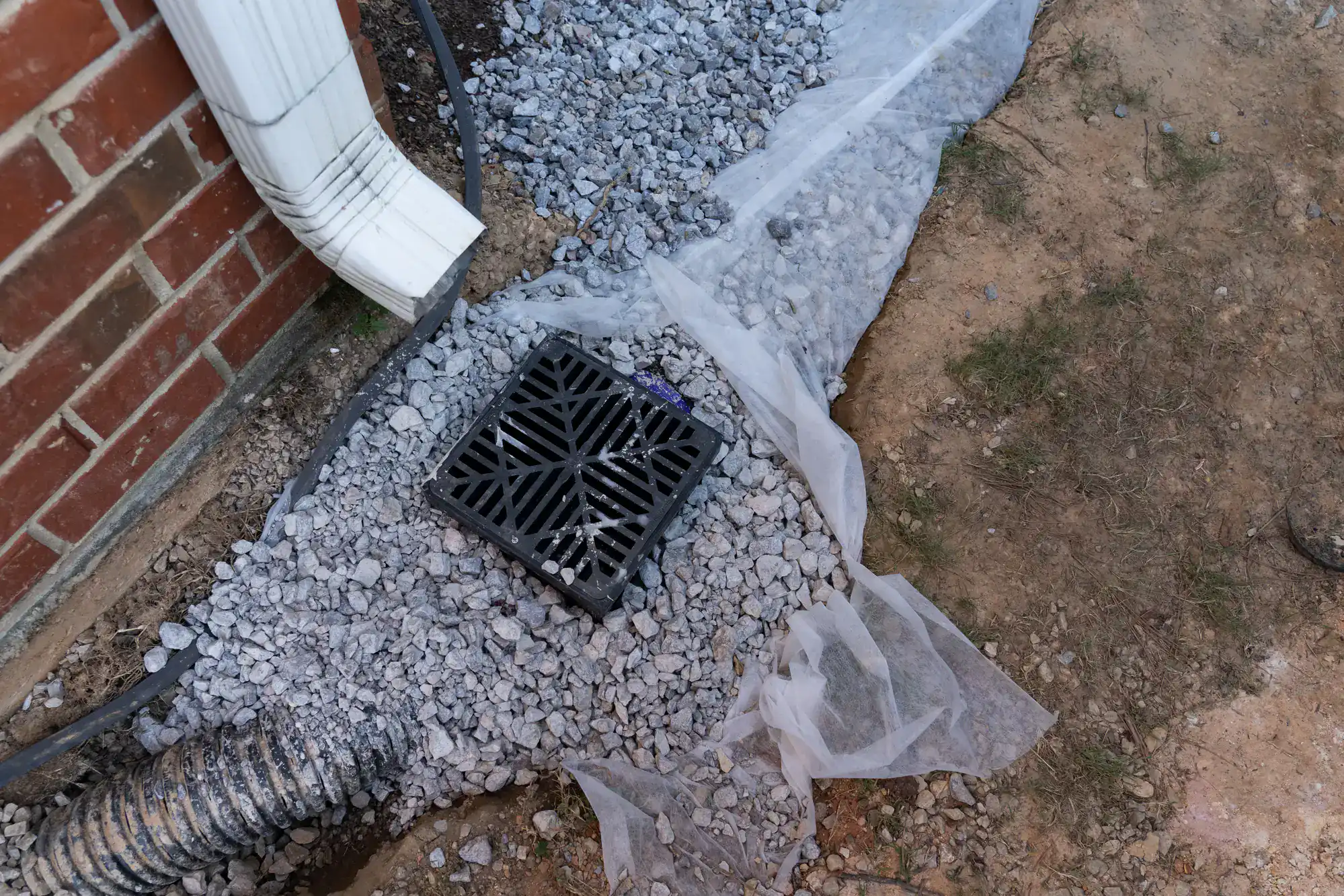
Installation typically takes one to three days for a residential French drain system in Wheatley Heights. We handle the Town of Babylon permit process on your behalf application, plan coordination, and inspection sign-off. When the work is done, we backfill with topsoil, grade the surface to proper drainage slope, and restore the lawn. Within a growing season, most yards look like we were never there. The drainage, though, is permanent.
Ready to get started?
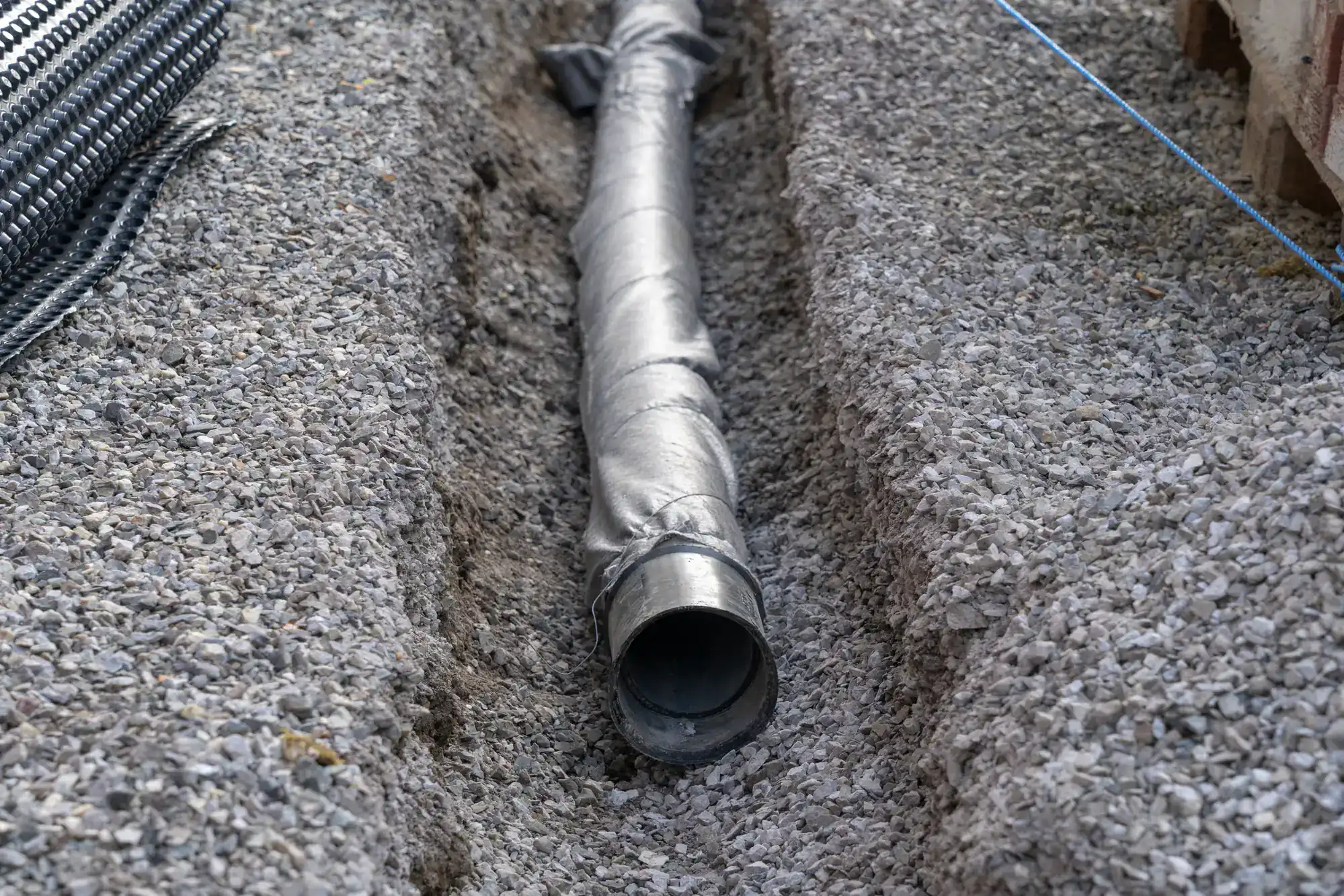
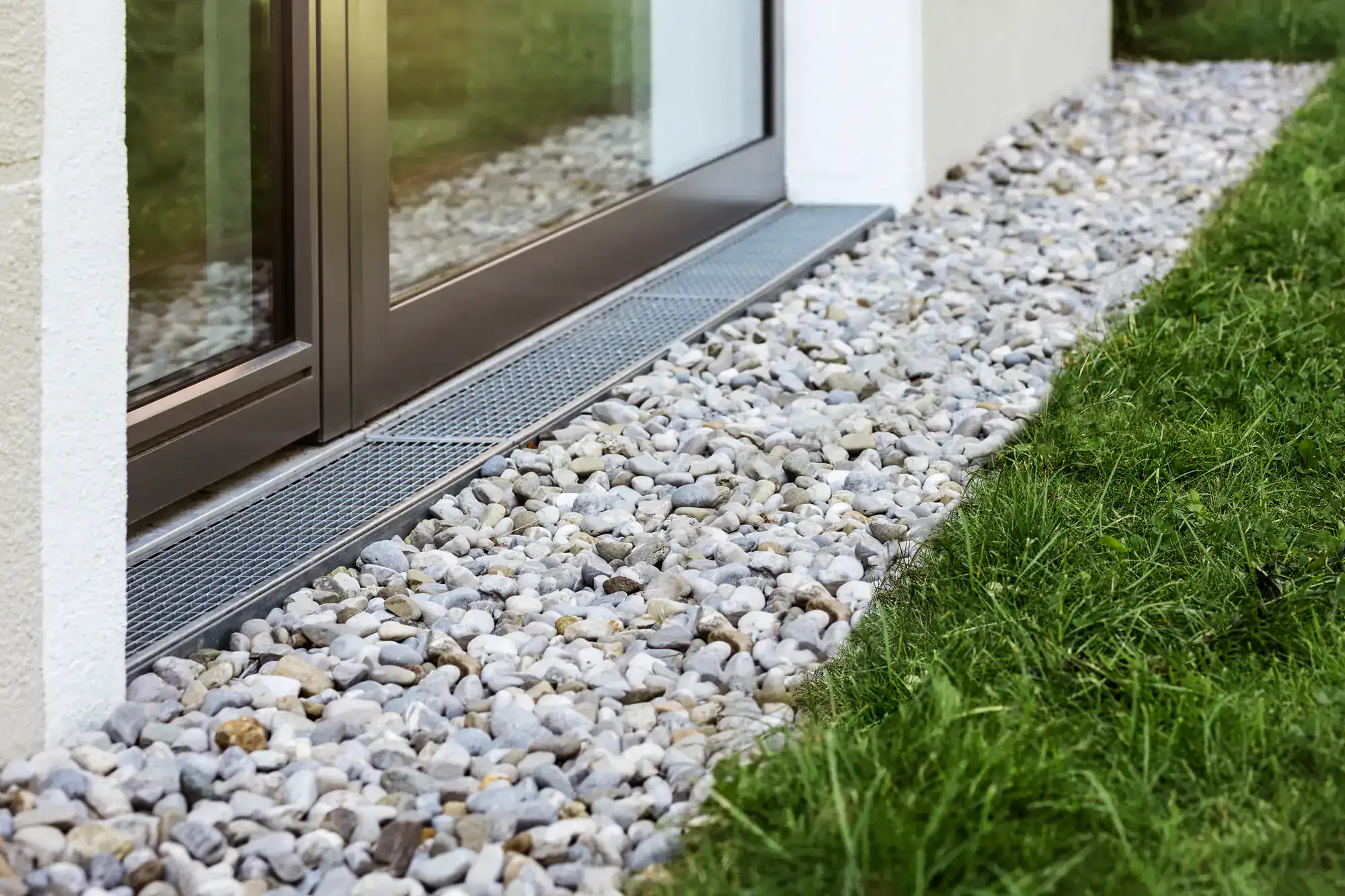
Every French drain system we install in Wheatley Heights uses perforated SDR pipe, washed angular gravel that holds its void space over time, and double-punched geotextile filter fabric wrapped around the entire gravel bed not just the pipe. That last detail is where a lot of cheaper installs fail within a few years. Silt infiltrates the gravel, the system loses its drainage capacity, and you’re back to a wet yard. The fabric spec we use is the reason our systems keep working.
For Wheatley Heights homes specifically, we address the two most common drainage failure points: perimeter foundation drainage for homes with aging basement walls and no original waterproofing, and surface yard drainage for properties where clay soil and settled grading have created chronic standing water. Some properties need both. The site assessment tells us which.
We also handle every permit required by the Town of Babylon’s Division of Building including the drainage permit required under Chapter 181 of the Town Code for any drainage work affecting a structure. If your property is in a section of Wheatley Heights that requires NYSDEC stormwater compliance for the scope of work, we handle that coordination too. You get a fully permitted, inspected, and documented installation which matters when you eventually go to sell a home in a market where buyers and their attorneys look at everything.
Yes, in most cases. The Town of Babylon requires a permit for drainage work that connects to or affects building drainage systems, under Chapter 181 of the Town Code. If your French drain is tied to foundation perimeter drainage or discharges in a way that affects stormwater flow, a permit is required before work begins. The Town recently moved its permit application process to an online platform through OpenGov, which has streamlined the filing process but it still requires proper documentation, plan submission, and inspection sign-off.
The reason this matters beyond legal compliance is practical. An unpermitted drainage installation can create disclosure obligations when you sell your home and may complicate a title search. Buyers’ attorneys in Suffolk County ask about unpermitted work, and drainage systems are exactly the kind of structural improvement that comes up. We pull every required permit on your behalf so the installation is fully documented and clean on record.
The most likely reason is the soil composition underneath your lawn. The lower Half Hollow Hills area where Wheatley Heights sits has clay-bearing soil that drains slowly. Unlike the sandy outwash soils found closer to Long Island’s south shore, clay holds water rather than releasing it. When rain falls faster than the soil can absorb it, water pools on the surface and stays there until it either evaporates or slowly percolates down. On a lot of properties here, it just sits.
The second factor is grading. Most homes in Wheatley Heights were built in the 1960s and 1970s, and the original grading has had decades to settle. In many cases, the ground now slopes toward the foundation rather than away from it which means every rain event pushes water directly at your basement wall. A French drain system for your yard addresses both issues: it intercepts the subsurface water before it saturates the root zone and routes it away from the structure entirely.
For a residential French drain installation in Wheatley Heights, most projects fall somewhere between $5,000 and $12,000 depending on the length of the system, the depth required to reach proper drainage, and whether you need perimeter foundation drainage, yard surface drainage, or both. Properties on cesspool systems sometimes require additional outlet planning, which can affect the scope. The site assessment is where we determine what your specific property actually needs and that assessment is free.
The number that puts the cost in context is what drainage failure actually costs when left unaddressed. Foundation crack repair and waterproofing in the New York market runs $15,000 to $50,000. Mold remediation starts at $3,000 and climbs quickly once it’s in the walls. With Wheatley Heights home values now near or above $600,000, the equity at stake is real. A properly installed French drain system that lasts 30 to 40 years is, by almost any comparison, the cheaper outcome.
The right answer depends on where the water is coming from and where it needs to go. A French drain is the right tool when you have subsurface water that needs to be intercepted and redirected chronic yard saturation, water migrating toward a foundation wall, or hydrostatic pressure building up against a basement. If your issue is primarily surface runoff from a high spot in the grade or a concentrated flow from a downspout, the solution might involve regrading, a catch basin, or a combination approach.
On Wheatley Heights properties specifically, we also evaluate cesspool placement before recommending any outlet location. Discharging a French drain near an active cesspool field is a problem, and it’s one that requires knowing your property layout before designing the system. That’s one of the reasons we start every project with an in-person site assessment rather than a phone estimate. There’s no way to give you an accurate recommendation without seeing the property.
There is excavation involved we’re digging a trench, and we won’t pretend otherwise. But restoration is part of the job, not an afterthought. After the system is installed, we backfill with topsoil, grade the surface to the correct drainage slope, and seed or sod the disturbed area to match your existing lawn. Most residential installations in Wheatley Heights are completed in one to three days, and within a growing season the yard recovers fully.
If you have mature landscaping, garden beds, or established plantings near the work area, we identify those during the site assessment and plan the trench route to minimize impact where possible. The goal is a yard that looks normal and drains correctly not a yard that looks like it was dug up. We’ve worked on the established owner-occupied properties that define this neighborhood, and we treat the lawn with the same care we’d want applied to our own.
A properly installed French drain system the right pipe, the right gravel, the right filter fabric, and the right outlet lasts 30 to 40 years in Suffolk County conditions. The climate here is actually harder on drainage systems than most homeowners realize. You’re dealing with close to 50 inches of annual rainfall with no real dry season, freeze-thaw cycling through the winter that can heave shallow pipes and compromise gravel beds, and clay-bearing soil that puts consistent pressure on any system that isn’t built to handle it.
The systems that fail early almost always come down to one of three things: corrugated plastic pipe that collapses under soil pressure, filter fabric that was skipped or only wrapped around the pipe instead of the full gravel bed, or an outlet that wasn’t designed to handle the actual water volume. When silt infiltrates the gravel, the system loses drainage capacity and eventually backs up. The material specifications we use perforated SDR pipe, angular washed gravel, and full-bed geotextile fabric are chosen specifically because they hold up under these conditions for the long term.