
Hear from Our Customers
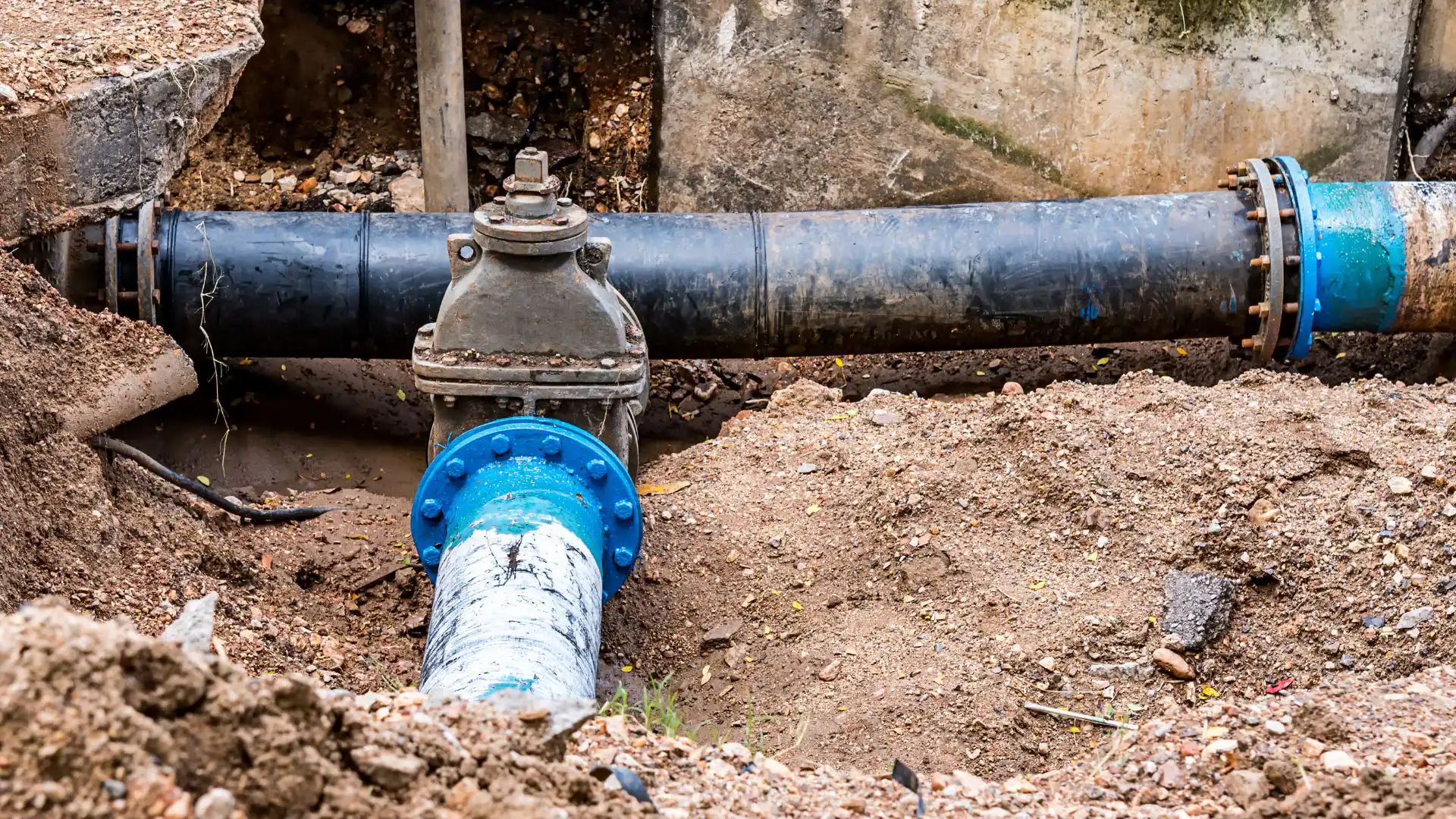
Standing water after every storm isn’t just annoying it’s quietly doing damage. Saturated soil pushes moisture toward your foundation. Pooling water kills grass, breeds mosquitoes, and turns your yard into something you avoid instead of use. When drainage is done right, that stops. Your lawn recovers, your foundation stays dry, and you stop dreading the next rainstorm.
Copiague’s South Shore location makes this more urgent than it sounds. The terrain here is almost entirely flat there’s no natural slope to carry water away from your home the way there is in hillier parts of Long Island. And because the water table sits high throughout much of Copiague, especially in the neighborhoods south of Montauk Highway toward the Great South Bay, the ground can be saturated before the rain even starts. That combination flat land and a high water table is exactly why so many Copiague properties flood repeatedly, even after homeowners have tried fixes that worked elsewhere.
The good news is that these conditions are well understood and very solvable. A properly designed drainage system accounts for your property’s specific grade, your soil’s saturation point, and where water actually needs to go once it’s collected. The result isn’t just a drier yard it’s a property that holds its value, stays structurally sound, and works the way it should year-round.
We’re a Long Island landscape drainage company that works specifically in the conditions you’re dealing with in Copiague sandy South Shore soil, elevated water tables, tight postwar lots, and the kind of flat terrain that gives water nowhere to go without help. This isn’t plumbing work we added to a service list. Drainage is what we do.
Copiague sits in the Town of Babylon, and that matters more than most homeowners realize. Permitting, stormwater code compliance, and NYSDEC requirements for properties near the Great South Bay and Copiague’s canal network are all specific to this municipality. We know those requirements and handle them as part of the job so you’re not left navigating the Town of Babylon Building Department on your own or finding out after the fact that something needed a permit.
From the canal-front homes of American Venice to the inland streets of Deauville Gardens, the drainage challenges in Copiague are real, specific, and fixable. We’ve worked in this area long enough to know the difference.
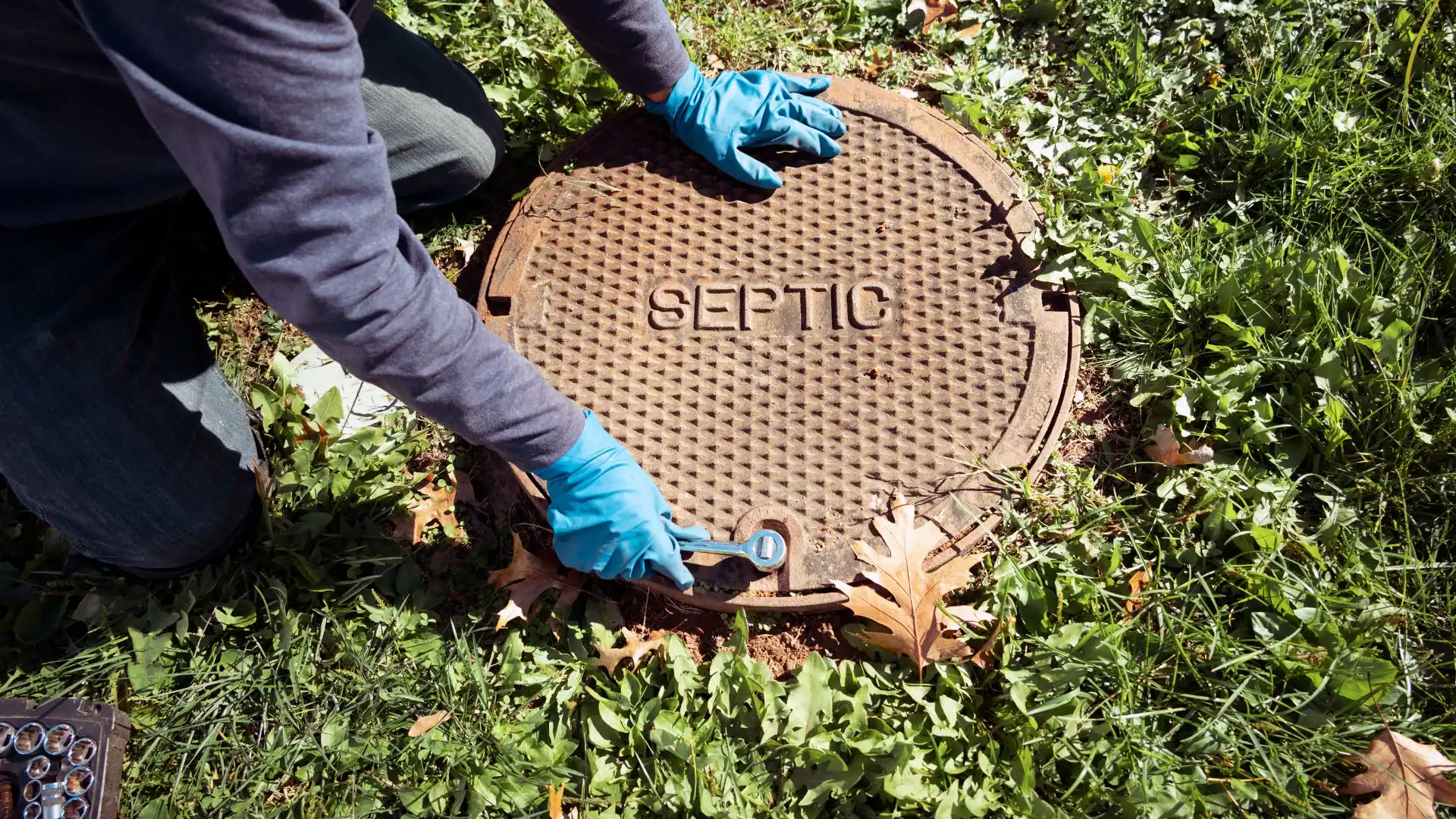
It starts with a site assessment not a sales pitch. We come out, walk the property, and look at where water is entering, where it’s pooling, and what’s causing it. In Copiague, that often means checking grade levels across a flat lot, identifying whether the issue is surface runoff or a water table problem, and understanding how close the property sits to the bay or any of Copiague’s canal systems. That context shapes everything about the solution we recommend.
Once we’ve assessed the site, we put together a clear scope of work with a written quote. You’ll know what’s being installed, where it’s going, and what it’s going to cost before anything gets started. For properties in or near regulated areas particularly those south of Montauk Highway or adjacent to Copiague’s waterways we handle any required Town of Babylon permits or NYSDEC coordination upfront, so there are no surprises mid-project.
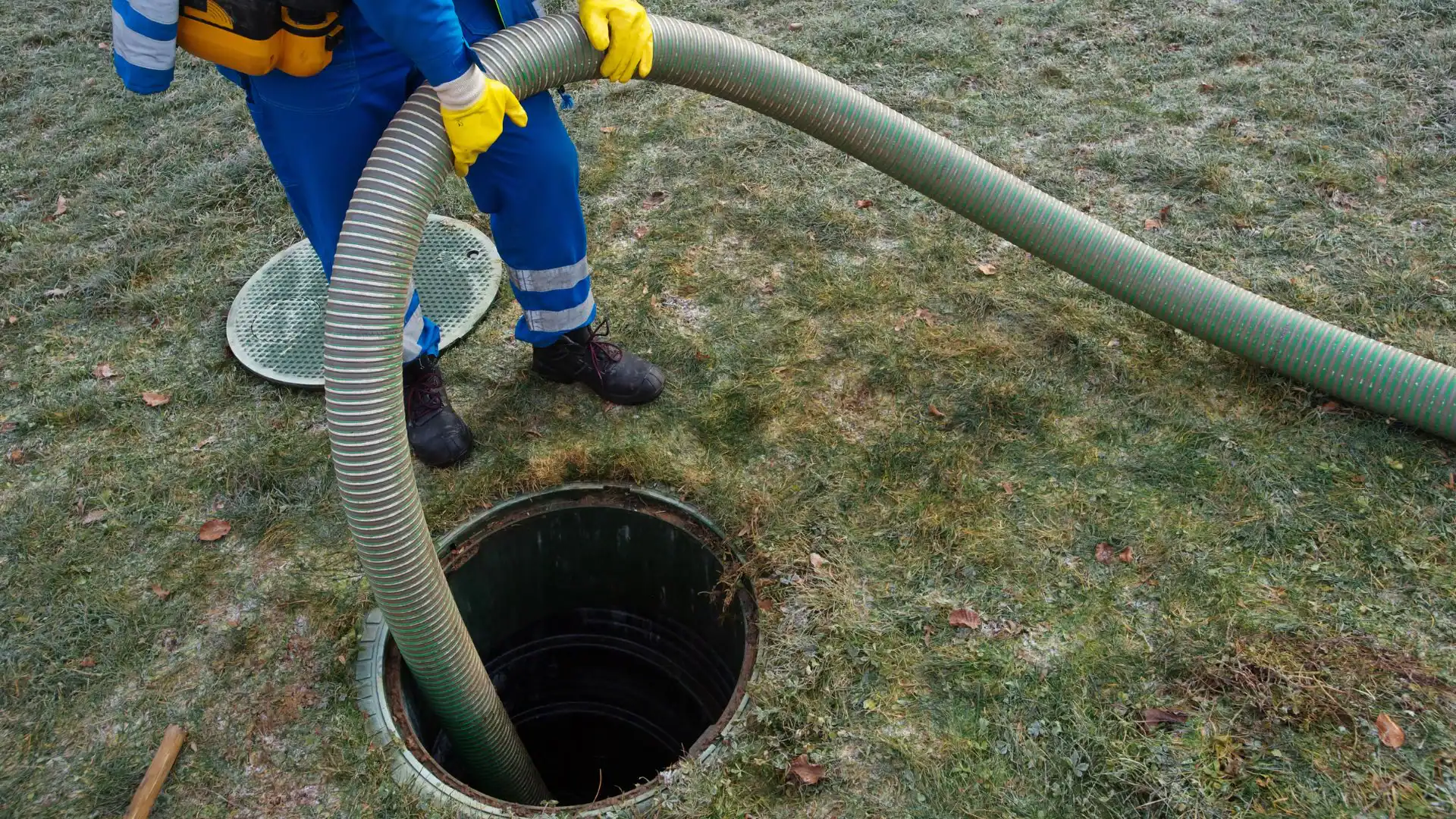
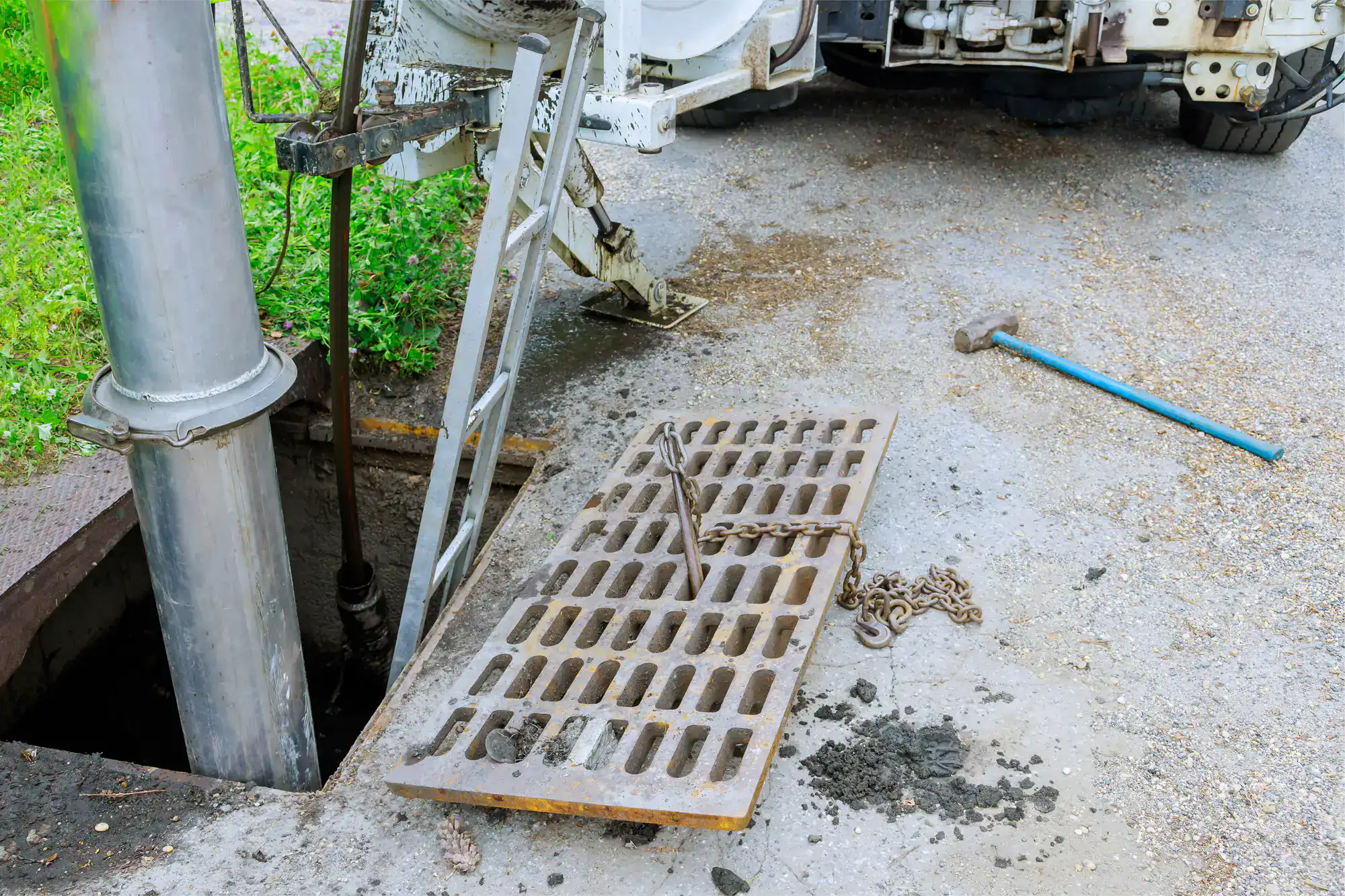
Installation typically involves excavation, placement of the drainage infrastructure whether that’s a French drain, catch basin, channel drain, or a combination and proper backfill and lawn restoration when we’re done. Your yard isn’t left torn up. When we finish, the system is in the ground, the lawn is restored, and water has somewhere to go the next time it rains.
Ready to get started?
The drainage work we do in Copiague covers the full range of what South Shore properties actually need. French drains for subsurface water movement, catch basins and channel drains for surface collection, dry wells where soil conditions allow for proper percolation, and full-system grading corrections when the root issue is how the land itself is pitched. Every approach depends on what your property is actually doing with water not a one-size formula.
For homeowners in the southern neighborhoods American Venice, Amity Harbor, and Hawkins Estate bay proximity and tidal influence are real factors in system design. A drain that discharges toward a waterway that’s already at capacity during a storm isn’t a solution. We account for that. For inland properties in Deauville Gardens or along the streets north of the LIRR tracks, the challenge is usually flat terrain combined with aging infrastructure from postwar construction that was never designed with modern drainage expectations in mind. The fix there looks different, and we design it accordingly.
Every project includes a written workmanship warranty. The system is sized for peak rainfall events not just average conditions because Copiague gets Nor’easters, tropical remnants, and summer storms that test drainage infrastructure hard. Average isn’t good enough here.
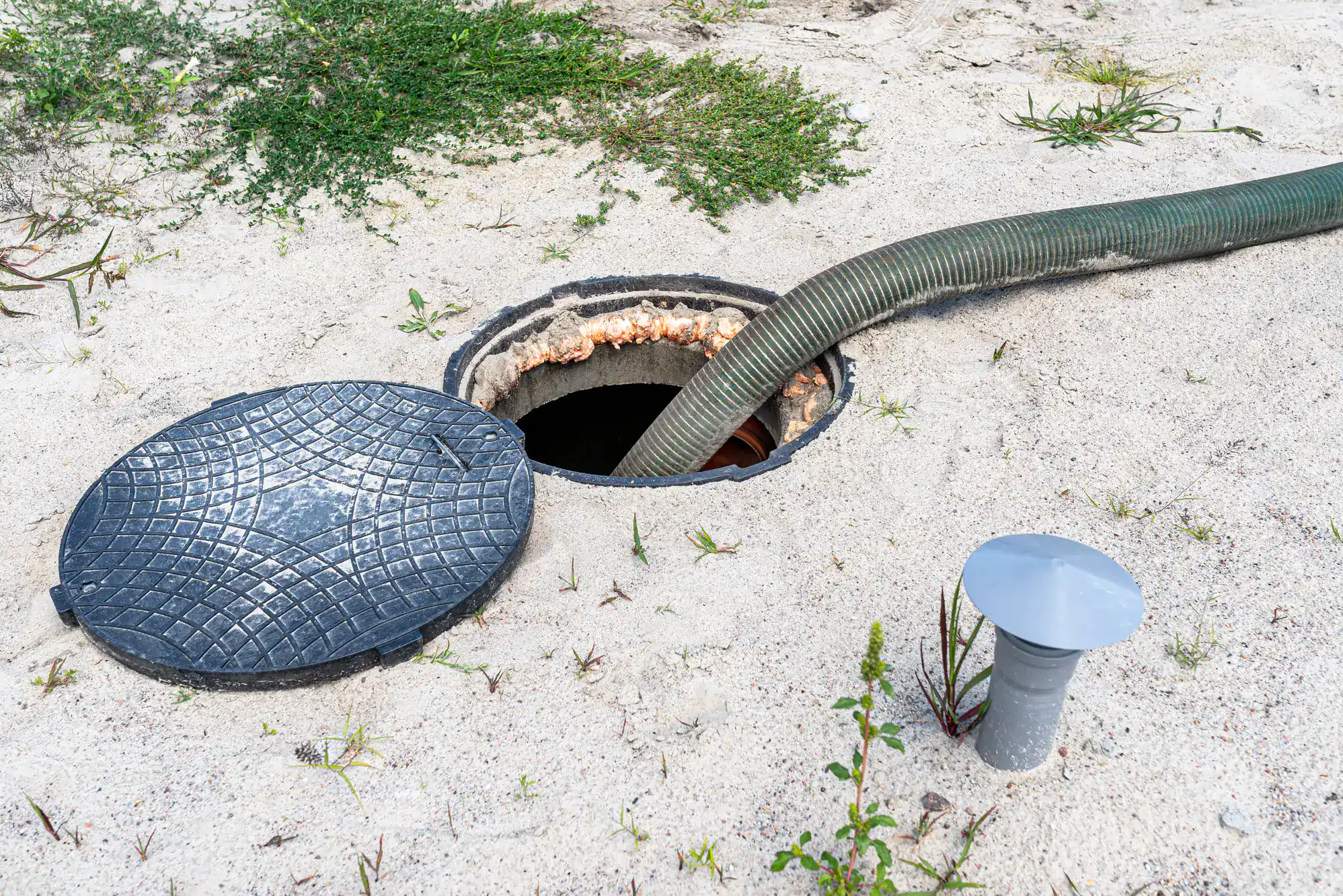
This is one of the most common situations we run into on Long Island’s South Shore. A previous fix a single catch basin, some added topsoil, a basic surface drain addressed a symptom without identifying the actual cause. In Copiague specifically, the combination of flat terrain and a high water table means water often has nowhere to go even when a drain is present. If the water table is already elevated, a dry well or French drain designed for average conditions won’t have the capacity to handle a significant storm.
The other common issue is discharge. A drainage system that collects water but sends it somewhere that can’t receive it a low-lying area, a saturated lawn, or a waterway that’s already full will back up and fail. A proper site assessment looks at the full picture: where water enters, where it needs to go, and whether the receiving point can actually handle the volume during peak conditions. That’s what separates a fix that holds from one that fails in the next storm.
Most residential drainage projects in Copiague fall somewhere between $2,500 and $8,000, depending on the scope of work, the size of the property, and what the site assessment reveals. A straightforward French drain installation on a smaller inland lot will sit toward the lower end. A more complex system for a canal-adjacent property in American Venice where tidal influence, NYSDEC permit requirements, and saltwater-resistant materials may be factors will run higher.
What’s worth keeping in mind is the cost comparison. Foundation repair from water damage runs $23,000 to $48,000. A single basement flooding event averages $10,000 to $26,000 in remediation costs. With Copiague’s median home value sitting near $525,000, a properly installed drainage system is one of the most cost-effective investments a homeowner can make. We provide written quotes before any work begins, so you know the number before you commit.
It depends on the scope of the work and where your property is located within Copiague. Drainage projects that connect to or affect the town’s stormwater infrastructure, or that involve excavation near a town road, typically require permits from the Town of Babylon Building Department or Highway Department. The Town of Babylon regulates stormwater discharges through its Municipal Separate Storm Sewer System permit under New York State DEC guidelines, and work that ties into that system needs to comply.
For properties near the Great South Bay, Copiague’s canals, or other regulated wetlands particularly in the American Venice, Amity Harbor, and Hawkins Estate neighborhoods a NYSDEC wetland permit may also be required before drainage work can begin. This is not a step you want to skip or discover after the fact. We handle permit coordination as part of the project, so you’re not left figuring out Town of Babylon’s process on your own.
These are three different tools that solve different parts of a drainage problem, and the right choice depends on what your property is actually doing with water. A French drain is a subsurface trench filled with gravel and perforated pipe that intercepts groundwater or surface water moving through the soil and redirects it away from a structure or low spot. It’s one of the most common solutions for soggy lawns and water that seeps toward foundations.
A catch basin is a surface-level inlet typically a grated box that collects water pooling on the ground and routes it through underground pipe to a discharge point. It’s well-suited for driveways, patios, and low spots where water visibly ponds after rain. A dry well is an underground chamber that stores collected water and allows it to slowly percolate into the surrounding soil. In Copiague, dry wells work best on inland properties where the water table isn’t already at or near the surface for bay-adjacent properties, percolation capacity is often limited during heavy storms, and a dry well alone won’t be sufficient.
It affects them significantly, and it’s one of the reasons generic drainage advice doesn’t always apply to South Shore properties. When the Great South Bay is elevated during a Nor’easter, a tropical storm, or a significant rainfall event the water table throughout southern Copiague rises with it. Properties in American Venice, Amity Harbor, and Hawkins Estate are most directly exposed, but the effect extends further inland than many homeowners expect.
When the water table is high, the ground loses its ability to absorb additional water. Drainage systems that rely on percolation dry wells, certain French drain configurations can become temporarily overwhelmed. This is why systems designed for South Shore bay-adjacent properties need to account for both surface collection and a discharge path that doesn’t depend on the ground being dry enough to accept water. The 2012 Hurricane Sandy impact on Copiague demonstrated what happens when tidal surge and rainfall combine on properties that weren’t designed for it a relevant reference point for understanding why proper system design matters here.
Honestly, the best time is before the next storm that floods your yard which is a real answer, not a deflection. That said, late summer through early fall tends to be a practical window for most Copiague homeowners. The ground is workable, the heavy spring and summer storm season has passed, and there’s enough time before the fall Nor’easter season to have a functioning system in place.
Spring is when most drainage calls come in, because that’s when the problem is impossible to ignore snow melt combines with April and May rainfall on already-saturated ground, and yards that were borderline manageable all winter become visibly unworkable. If you’re calling in spring, we can still assess and install during that season. Winter installation is generally not ideal in Copiague due to freeze-thaw cycles that affect excavation and backfill, but a site assessment can happen any time of year, and getting on the schedule early means you’re not waiting through another flood season to get the work done.