
Hear from Our Customers
When a French drain system is working the way it should, you stop thinking about rain. You stop checking the basement after every storm. You stop watching the back corner of your yard turn into a muddy mess every March when the snowmelt hits and the ground is already saturated. That’s what a properly installed drainage system actually gives you not just drier soil, but peace of mind you stopped expecting.
For Ridge homeowners, that outcome is harder to achieve than it sounds. Many properties here back up directly to Rocky Point Pine Barrens State Forest or Brookhaven State Park, which means your yard isn’t just managing its own precipitation it’s receiving runoff from hundreds of acres of undeveloped upland. Most original drainage systems were never designed for that load. Add in the seasonal groundwater fluctuations that come with living on a major aquifer recharge zone, and you’ve got conditions that overwhelm a lot of properties every spring without fail.
A French drain system designed for these specific conditions changes that. Water gets intercepted before it reaches the foundation, channeled away from problem areas, and discharged properly. Your yard dries out within a day or two after heavy rain instead of staying soggy for a week. And the foundation that’s been absorbing hydrostatic pressure every wet season finally gets some relief.
We serve Long Island homeowners who are done guessing at drainage problems. Our work spans Nassau and Suffolk Counties, and we know Ridge and the surrounding area well the soil variability you get in the transition zone between Pine Barrens outwash and glacial moraine, the way the water table behaves near the Central Pine Barrens recharge area, and what it takes to design a drainage system that actually holds up through a Ridge winter.
We also know the Town of Brookhaven’s stormwater regulations, which matter more than most homeowners realize. Chapter 86 of Brookhaven’s town code governs how drainage modifications are designed and where water can legally discharge. We build every system to meet those requirements from day one, so there are no surprises after the job is done.
Every project starts with a free on-site assessment. No phone quotes, no guesswork. We come out, walk your property, and design a system around your specific conditions not a generic template.
It starts with the site assessment. We come out, walk the property, and figure out exactly what’s happening where the water is entering, where it’s pooling, what the soil profile looks like, and whether upland flow from adjacent preserved land is part of the equation. For Ridge properties that border Pine Barrens land, that last point often changes the entire system design. You can’t solve an upland runoff problem by only addressing what’s happening at the surface of your own lot.
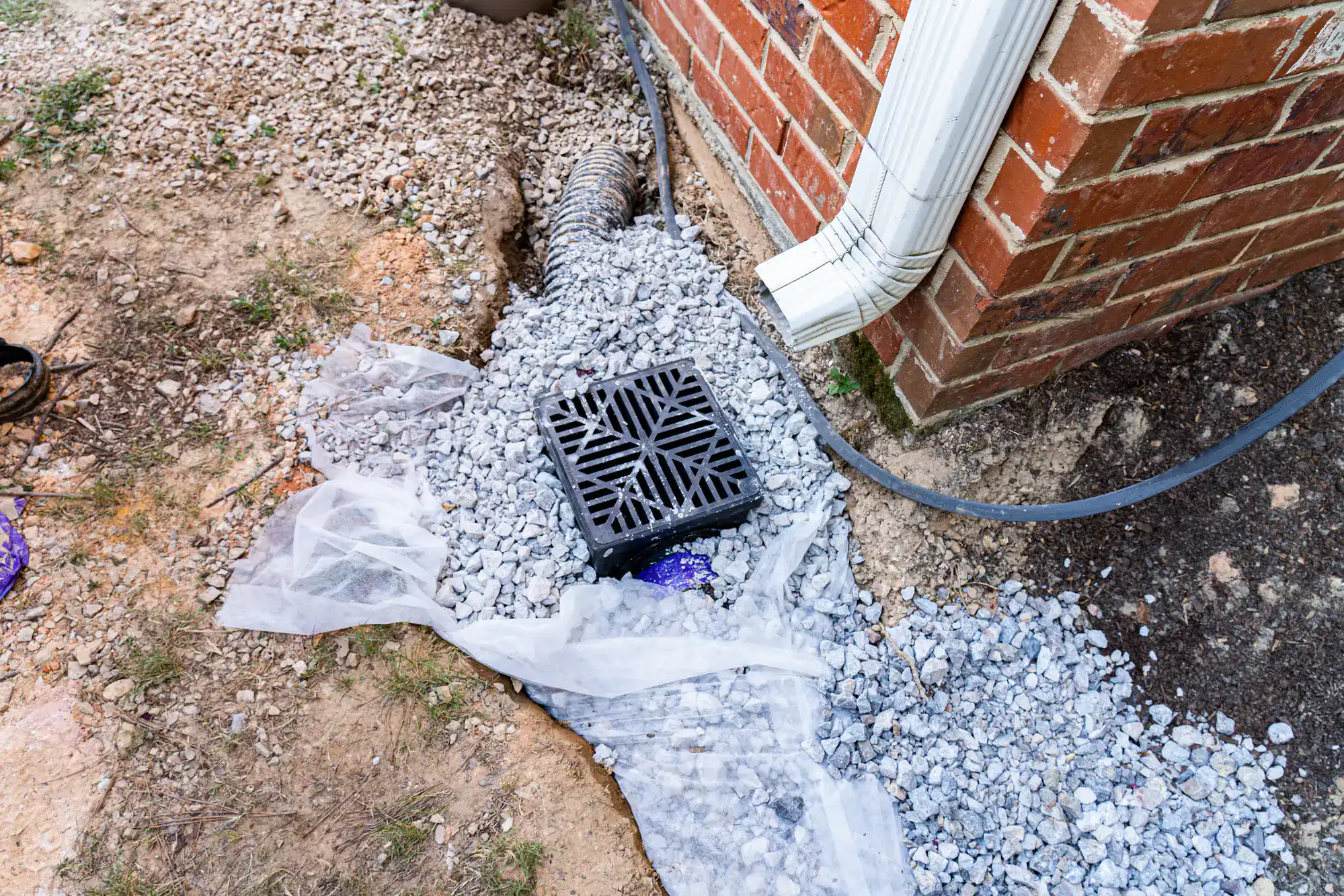
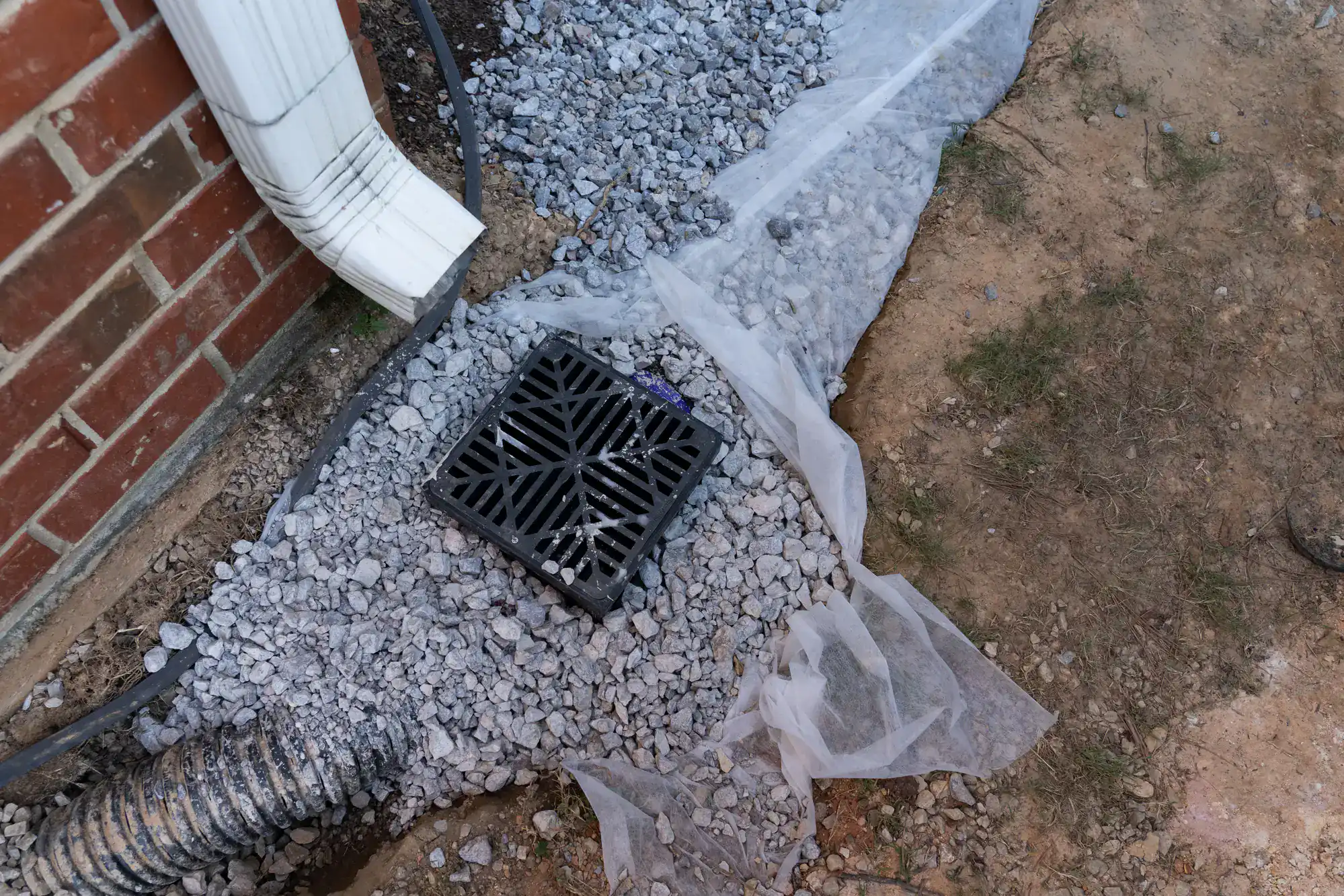
From there, we design the system. That means determining the correct pipe depth for Long Island’s freeze-thaw cycle shallow installs crack their first winter selecting the right geotextile filter fabric, specifying washed angular gravel, and identifying a compliant outlet point. In Ridge, where municipal sewer infrastructure isn’t available, that typically means a dry well or a natural discharge point. We handle the utility marking coordination through 811 before any excavation begins, which is required by New York State law regardless of project size.
Installation is straightforward once the design is right. We excavate the trench, lay the system correctly, backfill, and restore the yard. For wooded Ridge lots with mature trees, we work carefully around root systems and re-establish the surface as close to its original condition as possible. When we’re done, you’ll have a system built to last 30 to 40 years not one that needs to be redone in five.
Ready to get started?
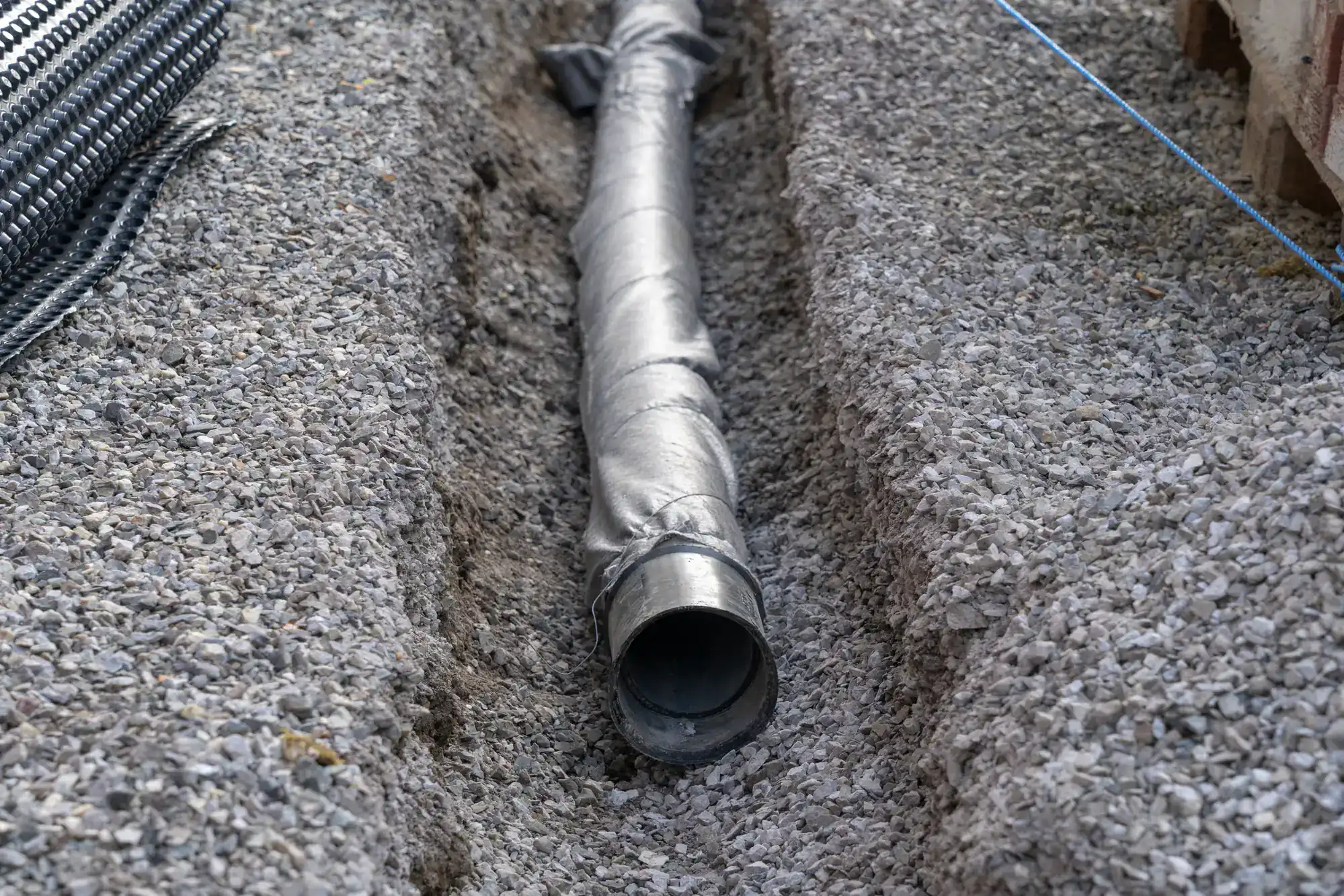
Every French drain installation we complete in Ridge is built with the same material standards: perforated pipe at the correct diameter for the drainage load, double-punched geotextile filter fabric to keep the gravel clean and the pipe clear, washed angular gravel that maintains its void space over time, and a properly sloped outlet that moves water consistently without pooling. These aren’t upgrades they’re the baseline. Systems built with corrugated pipe and no fabric fail within a few years, and we won’t install one.
For Ridge specifically, system design accounts for several factors that don’t apply everywhere else. Sandy Pine Barrens soils can drain well under normal conditions but saturate quickly when the water table rises and USGS monitoring has confirmed that groundwater levels in this area respond significantly to above-normal precipitation years. Homes on wooded lots also face root intrusion risk over time, so we incorporate cleanout access points into every system to allow future inspection without excavation.
If your drainage problem involves both yard saturation and basement water intrusion, we assess both during the site visit and design a system that addresses the full picture. Some Ridge properties need a yard-focused French drain. Others need a perimeter system closer to the foundation. Some need both. We’ll tell you what your property actually requires and why.
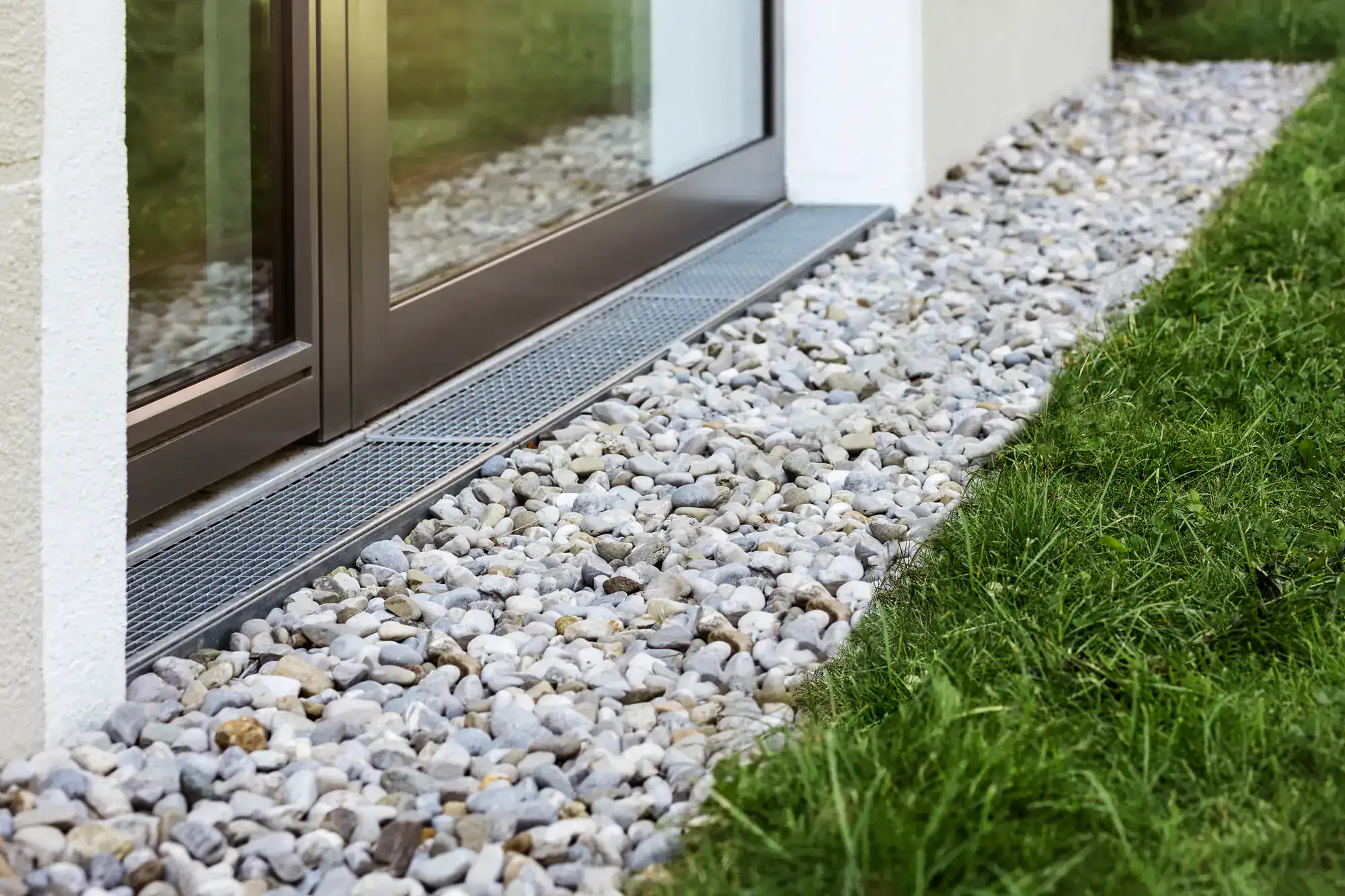
It does, and it’s one of the more important site factors we look at for Ridge properties. The Central Pine Barrens is a primary recharge zone for Long Island’s sole-source aquifer, which means the water table in this area responds quickly and noticeably to precipitation. In a wet year, groundwater can rise to within a few feet of the surface and when that happens, even the sandy, permeable soils that normally drain well become saturated. A French drain system designed without accounting for that dynamic will underperform exactly when you need it most.
There’s also the upland runoff factor. If your Ridge property backs up to Rocky Point Pine Barrens State Forest, Brookhaven State Park, or the Ridge Pine Barrens State Forest, your yard is receiving water from a much larger area than just your own lot. That changes the sizing and placement of the system significantly. We look at both the groundwater behavior and the surface flow pattern during the site assessment before any design decisions are made.
For most straightforward yard drainage systems in Ridge, a building permit isn’t required. But that doesn’t mean Brookhaven’s regulations don’t apply. The Town’s Chapter 86 stormwater management code prohibits redirecting runoff onto adjacent private or public property without prior approval, and Chapter 86A restricts discharge into the municipal storm sewer system without authorization. That means the outlet point for your French drain has to be designed correctly not just wherever is convenient.
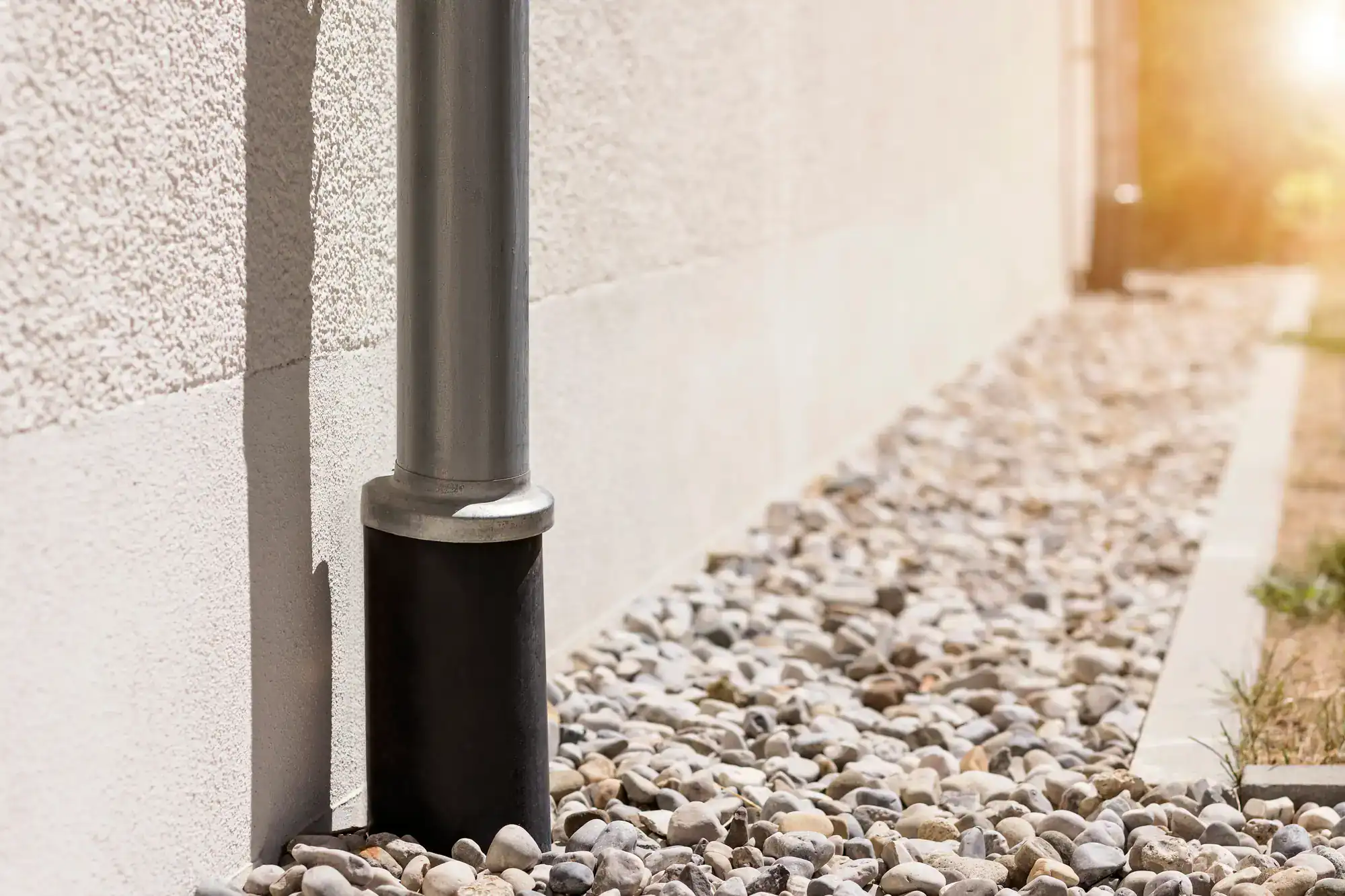
In Ridge, where municipal sewer infrastructure isn’t available, compliant outlets typically mean a properly sized dry well or a natural discharge point. If your property is near a wetland buffer which is possible given Ridge’s proximity to preserved Pine Barrens land there may be additional setback requirements under Chapter 81 of the town code. We’re familiar with Brookhaven’s regulatory framework and design every system to meet local requirements from the start. You won’t find out about a code issue after the trench is already dug.
For a residential French drain installation in Ridge, most projects fall somewhere between $5,000 and $12,000 depending on the scope linear footage, system depth, outlet type, and whether the problem involves yard drainage, foundation perimeter drainage, or both. Long Island labor costs run above national averages, and properties with wooded lots or complex soil conditions require more careful work, which affects the total.
The more useful number to keep in mind is what you’re protecting. With median home values in Ridge approaching $460,000, a drainage problem that goes unaddressed long enough can cost you far more than the installation. Foundation crack repair runs $15,000 to $50,000. Mold remediation starts at $3,000 and escalates fast. A wet basement discovered during a home inspection can knock 10% or more off your asking price. A properly installed French drain system is a fraction of any of those costs and it lasts 30 to 40 years when it’s built right. We provide written, itemized proposals after the site assessment so you know exactly what you’re getting and why.
This is one of the most common questions we hear from Ridge homeowners, and the answer usually comes down to the water table. Sandy Pine Barrens soils drain well when the groundwater is low but after a wet fall and winter, the water table rises significantly in this part of Suffolk County. By the time snowmelt and spring rains arrive in March and April, the soil’s capacity to absorb additional moisture is already maxed out. Water has nowhere to go, so it sits.
There’s also the subsurface variability to consider. Ridge sits in a transition zone between Pine Barrens outwash plain and glacial moraine deposits, which means the soil profile isn’t uniform across the hamlet. Some lots have highly permeable sandy substrate all the way down. Others sit on localized clay lenses or denser glacial till that acts as a barrier to downward drainage. A proper site assessment identifies which situation you’re dealing with, because the system design is different for each.
A properly installed French drain system the right pipe, the right fabric, the right gravel, and the right depth should last 30 to 40 years. The systems that fail early almost always come down to one of three problems: insufficient pipe depth, wrong materials, or no geotextile filter fabric.
In Ridge’s climate, pipe depth matters a lot. Long Island’s freeze-thaw cycle can crack pipes installed at less than 18 to 24 inches, and once a pipe cracks and shifts, the slope that makes the system function is gone. On wooded Ridge lots, root intrusion is the other long-term risk. Tree roots actively seek out moisture, and perforated pipe is exactly the kind of water source they’ll find over time. We account for this during design by incorporating cleanout access points that allow the system to be inspected and cleared without excavation. A system that can be maintained is a system that lasts.
Almost certainly, yes at least in part. A significant portion of Ridge’s housing stock was developed between the 1960s and the 1990s, and drainage standards during that era were far less rigorous than they are today. Most homes built in that period either have no dedicated drainage system at all, or they have one built with corrugated pipe and no geotextile filter fabric a combination that silts up and stops functioning within 10 to 20 years under normal conditions.
If your home was built before 1990 and you’re dealing with a wet basement or chronically soggy yard, the original drainage infrastructure has almost certainly reached the end of its useful life. It may have worked adequately for the first decade or two, but it’s been quietly failing since then. The good news is that replacing it with a properly engineered modern system solves the problem for the next 30 to 40 years. We see this regularly on Ridge properties, and the site assessment will tell us quickly whether the original system is salvageable or needs to be replaced entirely.