
Hear from Our Customers
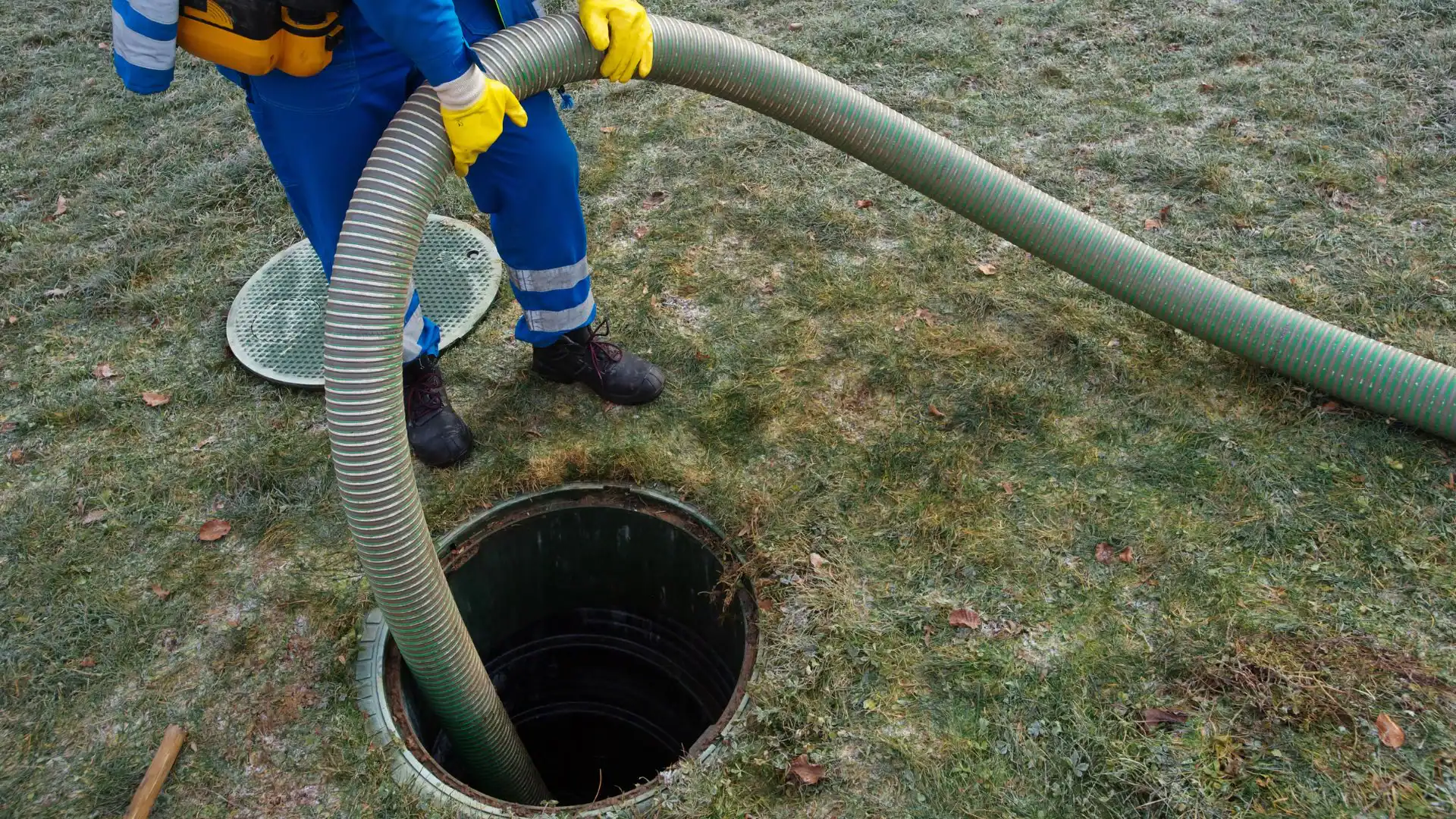
Standing water isn’t just an eyesore. For Ridge homeowners many of whom have watched the same low spot get worse every year it’s a slow threat to a home worth close to half a million dollars. When water sits against a foundation long enough, the damage doesn’t announce itself. It builds quietly, and by the time you notice it, you’re looking at repair bills that dwarf what a proper drainage system would have cost.
What makes Ridge different from a lot of Suffolk County communities is the soil situation. The Pine Barrens surrounding the area are naturally sandy and fast-draining, which makes it easy to assume drainage shouldn’t be a problem here. But most Ridge residential lots built out between the 1970s and 1990s have had their native soil disturbed, compacted, and regraded in ways that completely change how water moves. Add thirty to fifty years of settling, and grading that was marginal at construction has become a real problem. A yard that takes three days to dry out after a nor’easter isn’t draining the way it should.
For homeowners in Leisure Village, Leisure Glen, and Leisure Knoll, there’s another layer to this. Attached and semi-attached homes share lot lines, and drainage that isn’t designed correctly doesn’t just affect your property it affects your neighbor’s. A system designed by someone who understands Brookhaven Town’s stormwater code protects you from that liability before it ever becomes a conversation you don’t want to have.
We serve Ridge and Suffolk County homeowners who are done guessing at drainage problems. The work is straightforward: show up, assess the actual conditions on your specific property, and design a system that handles what Long Island actually throws at it not what average rainfall charts suggest.
Ridge is a community where reputation travels fast. Between the HOA networks in Leisure Village and Leisure Glen, the tight-knit neighborhoods off William Floyd Parkway, and the word-of-mouth culture that comes with a community where over a third of residents have lived here long enough to know every contractor story in the area, doing the job right the first time isn’t optional. It’s the only way to stay in business here.
Every project comes with a written quote before work begins, a clear scope of what’s being done and why, and a workmanship warranty that holds up when the next big storm rolls through. No surprises on the invoice, no disappearing after the job is done.
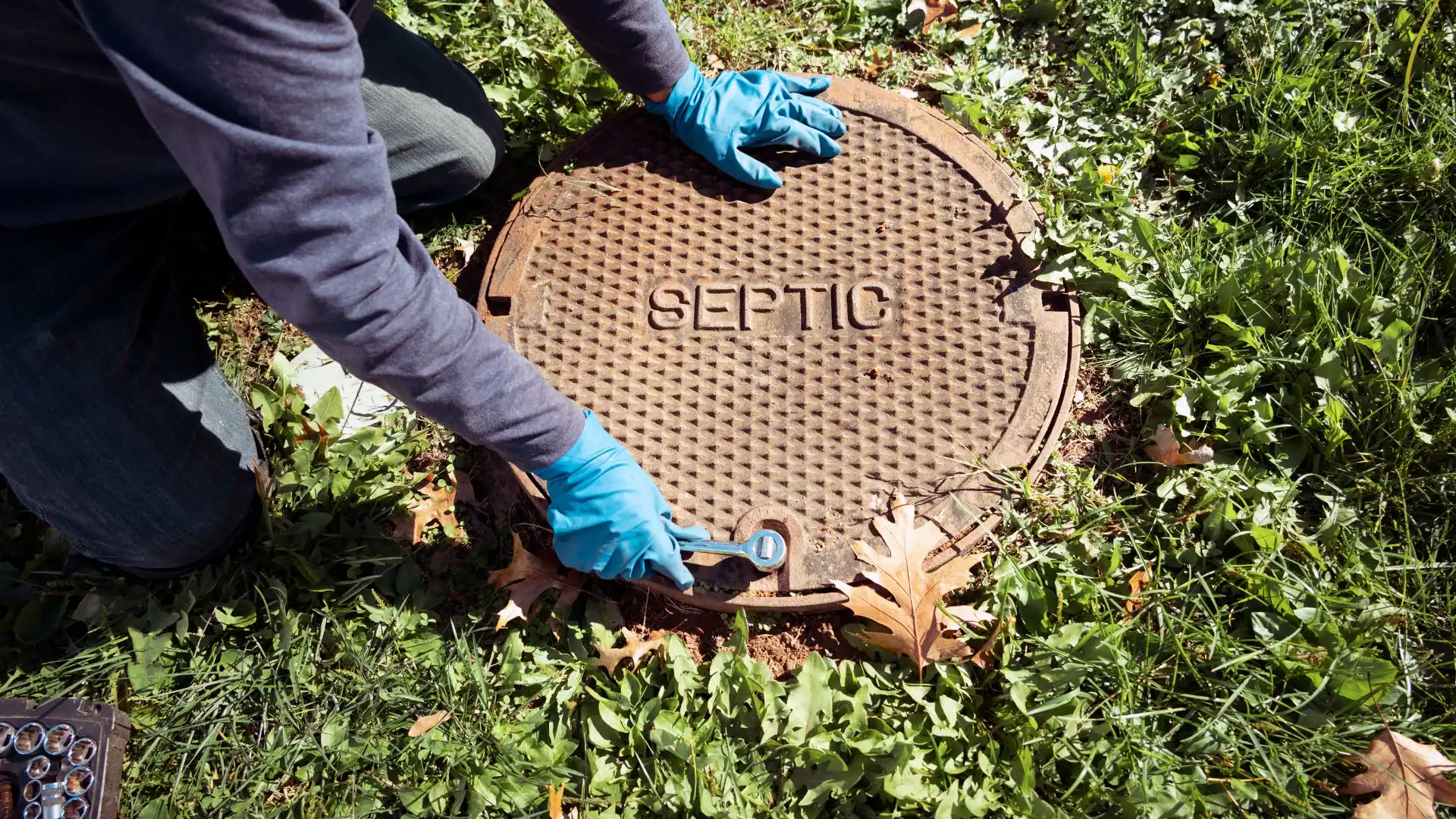
It starts with a site assessment. Before anything gets quoted or installed, the property gets a real look where water is entering, how the grading is sitting, what the soil is doing, and whether the issue is surface drainage, a groundwater problem, or both. In Ridge, that last distinction matters more than most people expect. The USGS has specifically documented groundwater emergence flooding as a hazard for Long Island, meaning that in some cases, a yard that won’t dry out isn’t just a surface grading issue the water table itself is rising to meet the surface after heavy rain. Installing a French drain without understanding that won’t solve the problem.
Once the assessment is done, you get a written quote that breaks down what’s being installed, where, and why. If the scope needs to change once work begins, that conversation happens before anything moves forward not after. For properties in Brookhaven Town, the design also accounts for the local stormwater code, which prohibits redirecting drainage onto neighboring properties. That’s a rule that matters a lot in Ridge’s attached-home communities, and it shapes how every system we install here gets designed.
Installation is followed by full restoration topsoil, turf, and any disturbed landscaping brought back to condition. When our crew leaves, the yard should look like the work was done cleanly, not like a trench ran through it last week.
Ready to get started?
The drainage systems we install in Ridge are sized for peak storm conditions specifically the kind of multi-day nor’easters that can drop four to six inches of rain across Suffolk County before the ground has any chance to recover. A system designed around average rainfall looks fine in a light spring shower and fails completely when it counts. Every component pipe sizing, fall gradient, inlet placement, and discharge point gets specified for what Long Island’s worst storms actually deliver.
Depending on what the assessment finds, solutions range from surface regrading and swale installation to French drains, catch basins, dry wells, and channel drain systems. These aren’t upsells they’re tools, and the right one depends entirely on what’s happening on your specific property. A catch basin that works well for a driveway apron is the wrong call for a backyard with a groundwater problem. The assessment determines the solution, not the other way around.
For homeowners in the Leisure Communities, we give additional consideration to HOA requirements and shared infrastructure. Work in these communities is coordinated carefully clean, quiet, and done with the awareness that your neighbors are close and the HOA has standards. Brookhaven Town’s drainage regulations are built into every design, and any project that requires permits is handled with full compliance from the start.
The most common reason is a combination of settled grading and compacted soil. Ridge’s residential neighborhoods were largely developed between the 1970s and 1990s, and the grading on those lots has had thirty to fifty years to shift. What was marginally adequate at construction often isn’t anymore low spots have deepened, slopes have flattened, and water that used to sheet off the yard now pools in it.
There’s also a groundwater factor that’s specific to Long Island. During sustained rainfall events particularly nor’easters the water table can rise close enough to the surface that the ground becomes saturated from below, not just above. When that’s happening, surface drainage improvements alone won’t fully solve it. That’s why the assessment matters: identifying whether you’re dealing with a surface problem, a groundwater problem, or both determines what kind of system will actually work.
For most residential drainage projects in the Ridge area, you’re looking at a range of roughly $3,000 to $8,000, depending on the scope of the problem and what the assessment finds. Nationally, the average sits around $4,622, with simpler surface grading corrections on the lower end and more complex systems involving catch basins, French drains, and dry wells toward the higher end.
The most important thing to understand about drainage cost is what you’re comparing it to. Foundation repair from water intrusion runs $23,000 to $48,000. A single basement flooding event averages $10,000 to $26,000 in damage. For a Ridge home valued at close to $460,000 to $484,000, a properly installed drainage system isn’t an expense it’s the cheapest form of property protection available. Get a written, itemized quote before agreeing to anything, and be cautious of quotes that come in dramatically below market rate without a clear explanation of what’s being left out.
It depends on the scope of the project. Smaller drainage improvements minor regrading, adding a catch basin, or installing a French drain on a standard residential lot typically don’t require a formal permit. However, larger projects involving significant land disturbance may require a Stormwater Pollution Prevention Plan (SWPPP) stamped by a licensed Professional Engineer, and any work near regulated wetlands triggers additional NYSDEC oversight. Ridge’s proximity to Brookhaven State Park and the Pine Barrens means some properties sit closer to wetland buffers than their owners realize.
Beyond permits, Brookhaven Town’s stormwater code has a rule that every homeowner in Ridge should know: drainage systems cannot redirect stormwater onto neighboring properties without prior approval from an authorized body. This is especially relevant in the Leisure Communities, where lot lines are close and shared drainage infrastructure is common. A contractor who doesn’t know this rule or ignores it creates legal exposure for you, not for them. Make sure whoever you hire understands Brookhaven’s requirements before they start digging.
This is one of the most common situations in Ridge’s older housing stock, and it almost always comes down to one of a handful of diagnostic failures. The most frequent: the system was sized for average rainfall, not peak storm conditions. A French drain that handles a steady spring shower can be completely overwhelmed by a nor’easter dropping four to six inches over two days. If your yard flooded during a major storm but drains fine after lighter rain, that’s likely what happened.
Other common failure points include pipes installed without adequate fall meaning water sits in the pipe rather than moving toward the outlet and systems installed without geotextile fabric, which allows silt to migrate into the pipe and clog it within a year or two. There’s also the groundwater issue specific to Long Island: if the water table is rising during heavy rain, a French drain designed only for surface water won’t address what’s coming from below. A proper reassessment of the existing system can usually identify which of these is the culprit and what it takes to correct it.
Drainage work in Leisure Village, Leisure Glen, and Leisure Knoll involves a few considerations that don’t apply to standard single-family lots. First, the attached and semi-attached home formats mean that drainage from one unit’s yard can directly affect adjacent units which makes proper system design especially important and Brookhaven Town’s rule against redirecting stormwater onto neighboring properties especially relevant. A drainage fix that simply pushes water toward the property line isn’t a fix; it’s a liability.
Second, HOA-governed communities often have rules about what work can be done, when, and how. We coordinate projects in these communities with that in mind work is done cleanly, quietly, and with awareness of shared spaces and community standards. In some cases, aging shared drainage infrastructure in these communities may be a contributing factor to individual homeowners’ problems, which is worth understanding before investing in a unit-level solution that can only partially address the issue.
There’s no single answer, and any contractor who leads with a specific solution before assessing your property should give you pause. In Ridge specifically, the right system depends on what’s actually causing the problem and that varies more than most homeowners expect, even within the same neighborhood.
For properties where the issue is surface grading and compacted soil, regrading combined with a French drain or dry well is often the right call. The sandy subsoil that underlies most of Ridge’s Pine Barrens-adjacent lots can accept infiltration well once water gets past the compacted surface layer. For properties dealing with groundwater emergence where the water table rises during sustained rainfall the solution needs to account for what’s happening below the surface, not just on top of it. Catch basins and channel drains work well for driveways and hardscape areas where surface water concentrates quickly. In many Ridge properties, the right answer is a combination of two or three of these approaches working together. The assessment is what determines that, and it’s the most important part of the entire process.