
Hear from Our Customers
Springs isn’t built like a typical Long Island suburb. The water table here is shallow especially near Accabonac Harbor and Three Mile Harbor and it rises fast when rain comes in off the South Fork. When 2 to 3 inches fall in a day, which happens more than a few times a year out here, saturated soil has nowhere to drain vertically. That’s when yards flood, basements get wet, and the slow damage to your foundation begins.
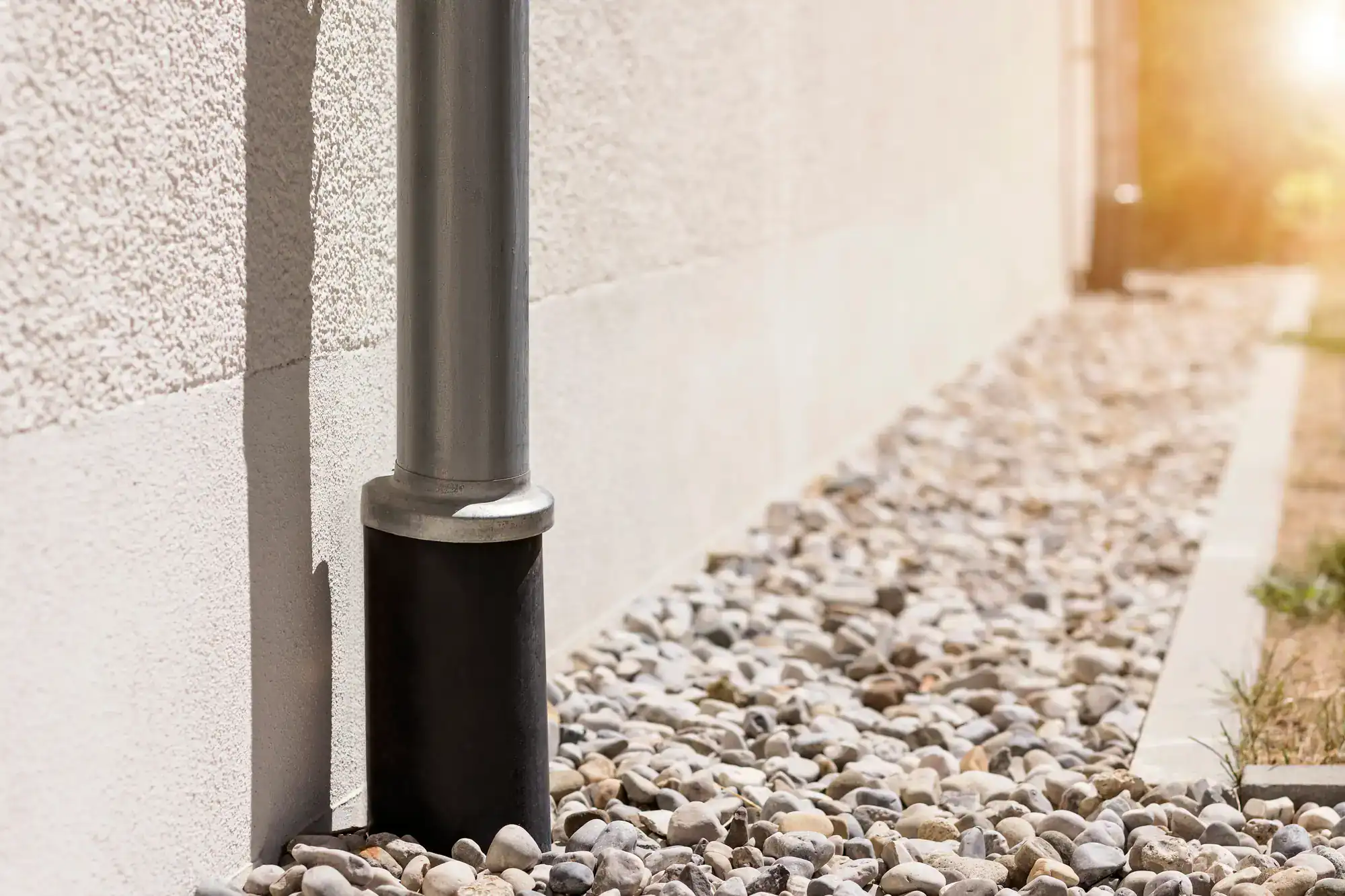
A properly installed French drain system intercepts that water before it reaches your home. It redirects it away from your foundation and discharges it into a recharge basin that returns it safely to the ground which is also exactly what East Hampton Town’s stormwater code requires. You get a dry yard, a protected crawl space or basement, and a foundation that isn’t quietly deteriorating season after season.
For a Springs property worth $1 million or more, this isn’t an optional upgrade. Foundation repair runs $15,000 to $50,000. Mold remediation starts at $3,000 and climbs quickly in older construction. A wet basement can shave 10% or more off your sale price. A French drain installation that costs a fraction of those figures and lasts 30 to 40 years is one of the most straightforward investments you can make in a home out here.
We’re a residential drainage contractor serving the Long Island market, with deep experience on the East End. We understand what makes drainage work in Springs different from anywhere else on the island the tidal influence on the water table near Accabonac Harbor, the mix of glacial outwash and till soils across the peninsula, and the East Hampton Town regulations that govern where and how stormwater can be discharged.
We’ve worked on properties along Old Stone Highway, near the harbor corridors, and throughout Springs and East Hampton. We know the roads, the soil conditions, and the permit requirements and we handle all of that before a single shovel goes in the ground.
When you call us, you’re not getting a crew that’s going to show up, dig a trench, and move on. You’re getting a team that diagnoses the actual source of your water problem first because surface runoff and rising groundwater require different solutions and then builds a system designed for your specific property.
It starts with a site assessment. Before we recommend anything, we walk your property and identify where the water is coming from, where it’s pooling, and what’s causing it. In Springs, that diagnosis matters more than in most places properties near Accabonac Harbor can have water table conditions that shift with tidal cycles, and what looks like a surface drainage problem is sometimes a groundwater issue that requires a different approach entirely.
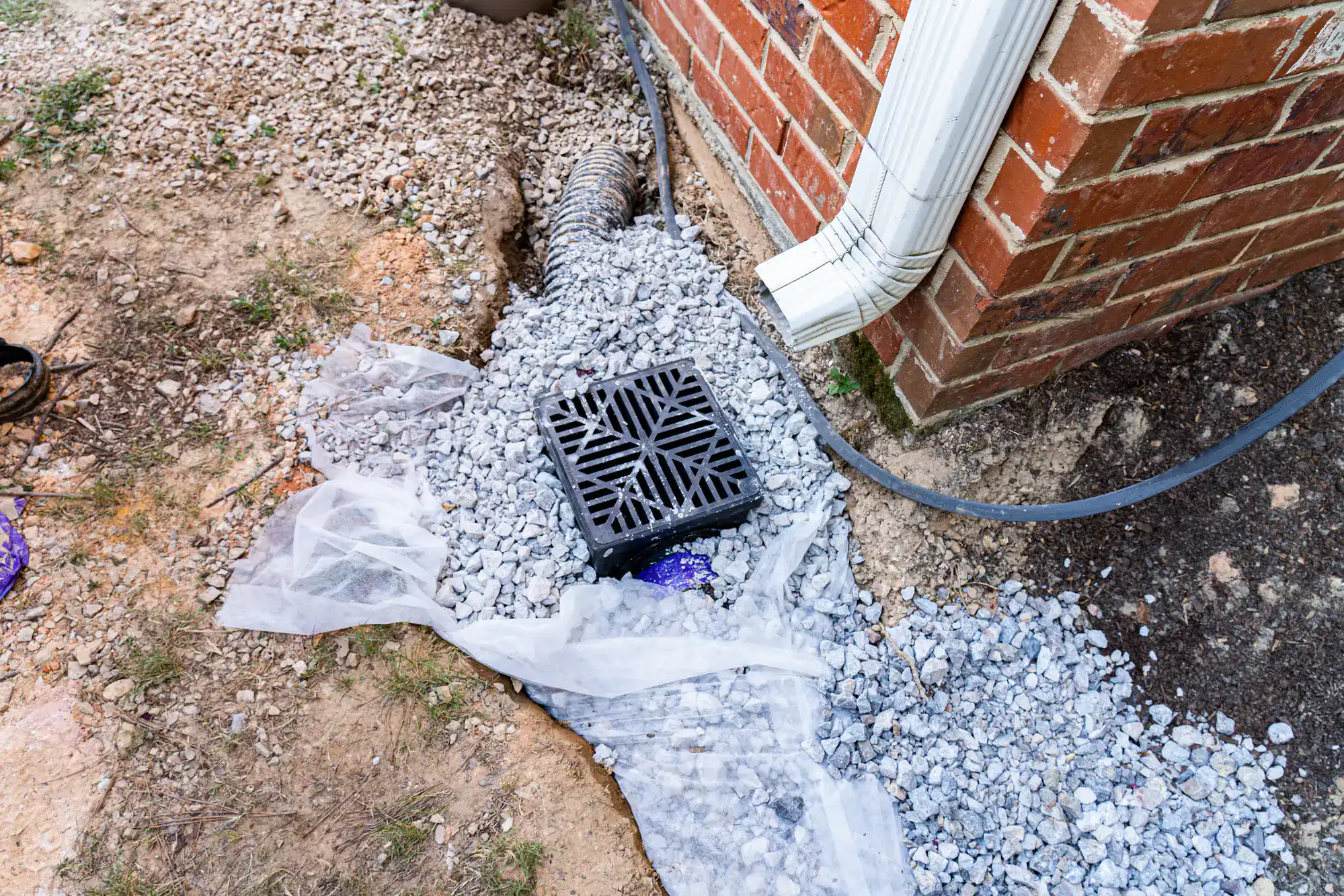
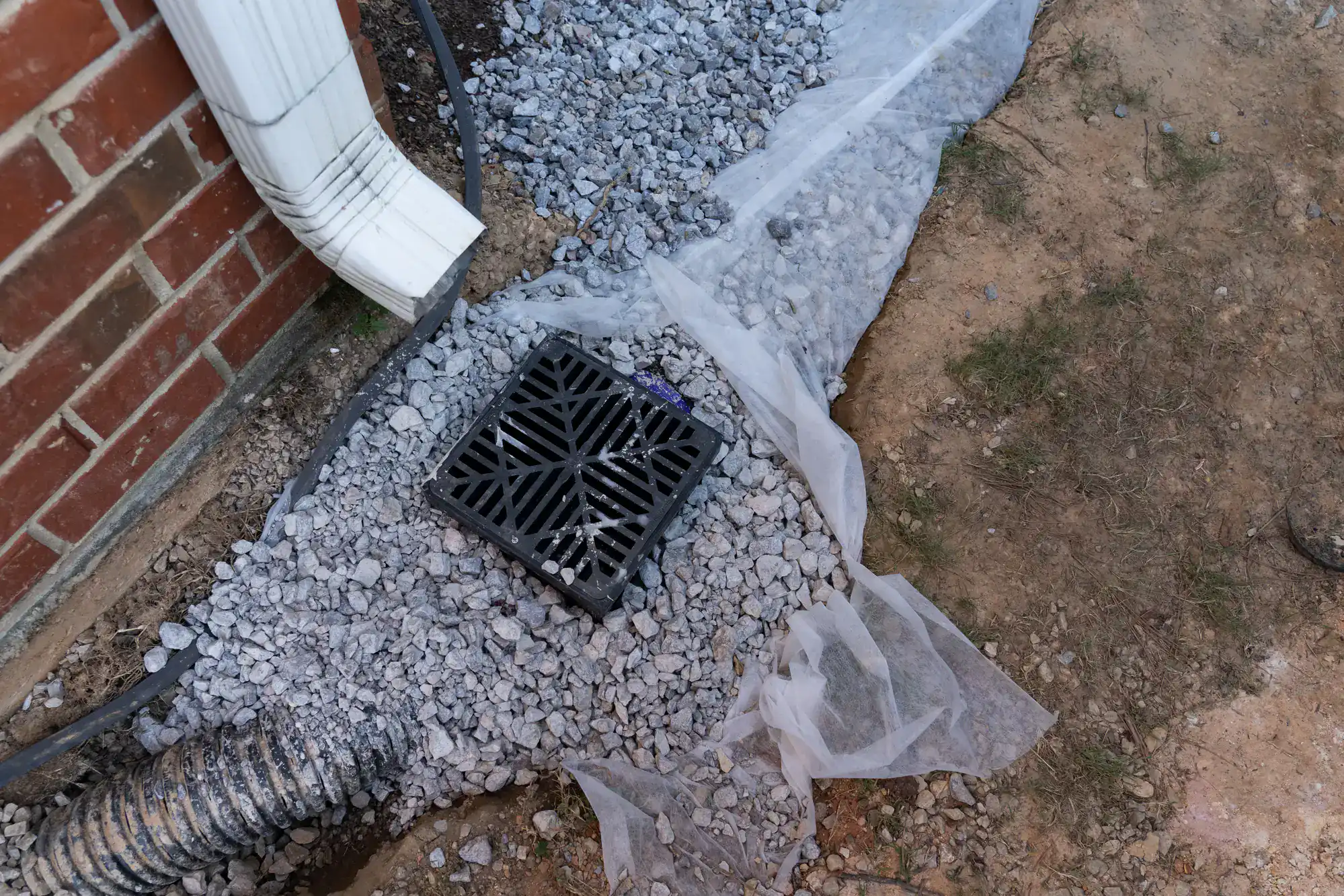
Once we know what we’re dealing with, we design a system around your property. That means determining the right trench depth, the correct pipe slope typically one inch of drop for every eight to ten feet of run and the right outlet point. East Hampton Town requires stormwater to be returned to the ground rather than discharged to the street or neighboring properties, so most systems we install in Springs connect to a dry well or recharge basin. We also call 811 before any excavation, every time older Springs properties often have cesspools, irrigation lines, and utilities that aren’t always where you’d expect them.
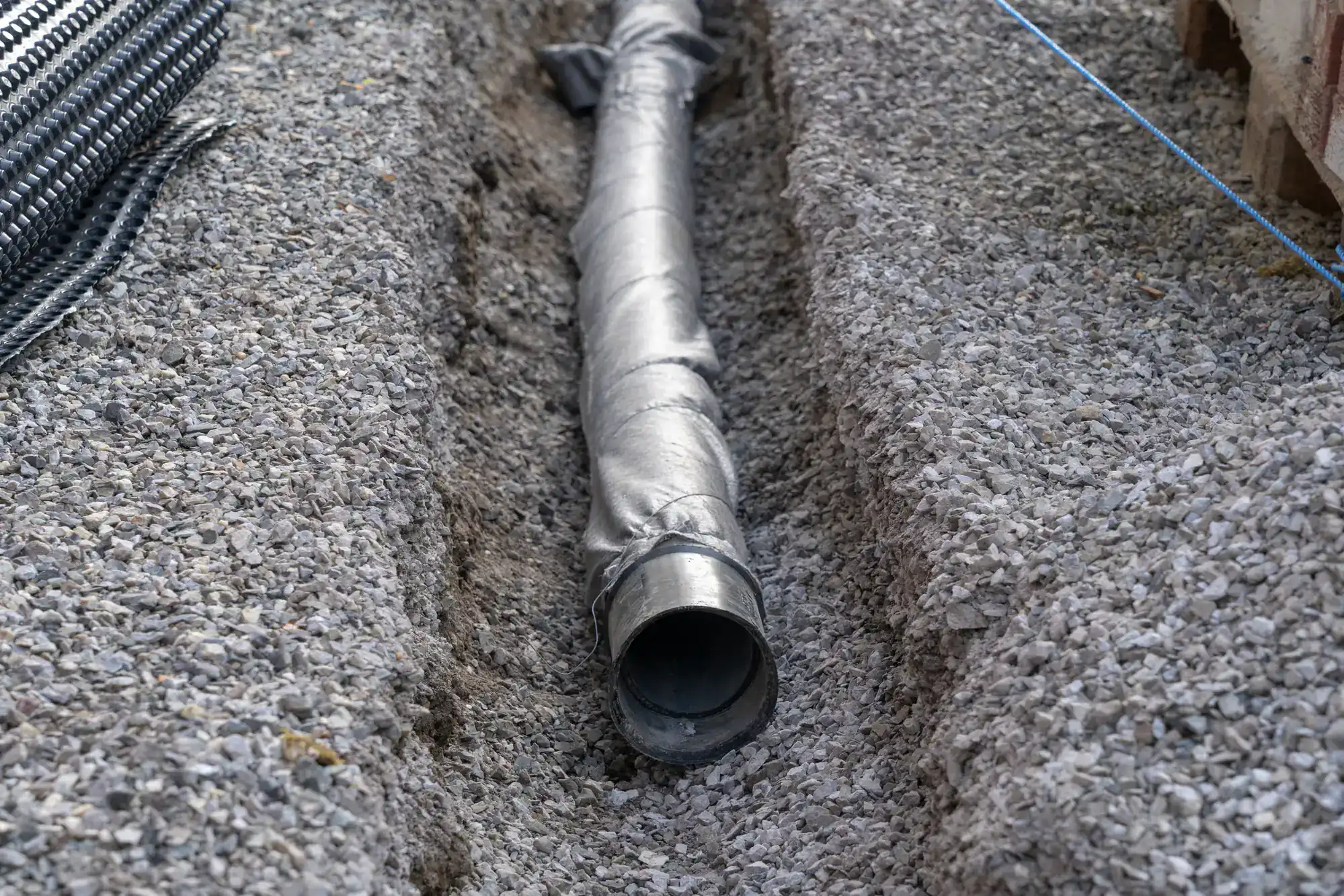
Installation uses double-punched geotextile filter fabric, washed angular gravel, and perforated SDR pipe. Not corrugated flex pipe. Not landscaping fabric. The materials that actually hold up in Long Island’s glacial soils over the long run. When the work is done, we restore your yard matching topsoil, seed, and grade so the disruption is temporary and the drainage benefit is permanent.
Ready to get started?
Every French drain system we install in Springs is designed around the specific conditions of that property. That includes soil composition, proximity to tidal water, existing grade, the location of cesspools and underground utilities, and the environmental sensitivity of the watershed you’re in. Properties near Accabonac Harbor and Three Mile Harbor sit within state-designated Significant Coastal Fish and Wildlife Habitat watersheds. Work in those areas sometimes requires coordination with East Hampton Town’s Natural Resources Department or the NYSDEC, and we handle that research before we propose anything.
For properties within the NYS Special Groundwater Protection Area which includes sections of Springs along Neck Path and near Old Stone Highway there are additional considerations around how drainage systems are designed and where they discharge. These aren’t obstacles. They’re details a contractor working in this area needs to know, and we do.
What you get is a complete residential French drain installation: site assessment, system design, permit research, professional installation with proper materials, and full yard restoration when we’re done. If your property has a basement or crawl space taking on water, we assess whether an exterior perimeter drain addresses the problem or whether a more comprehensive approach is needed. The goal is always the same a system that works for your property, complies with East Hampton Town code, and holds up for decades without needing to be redone.
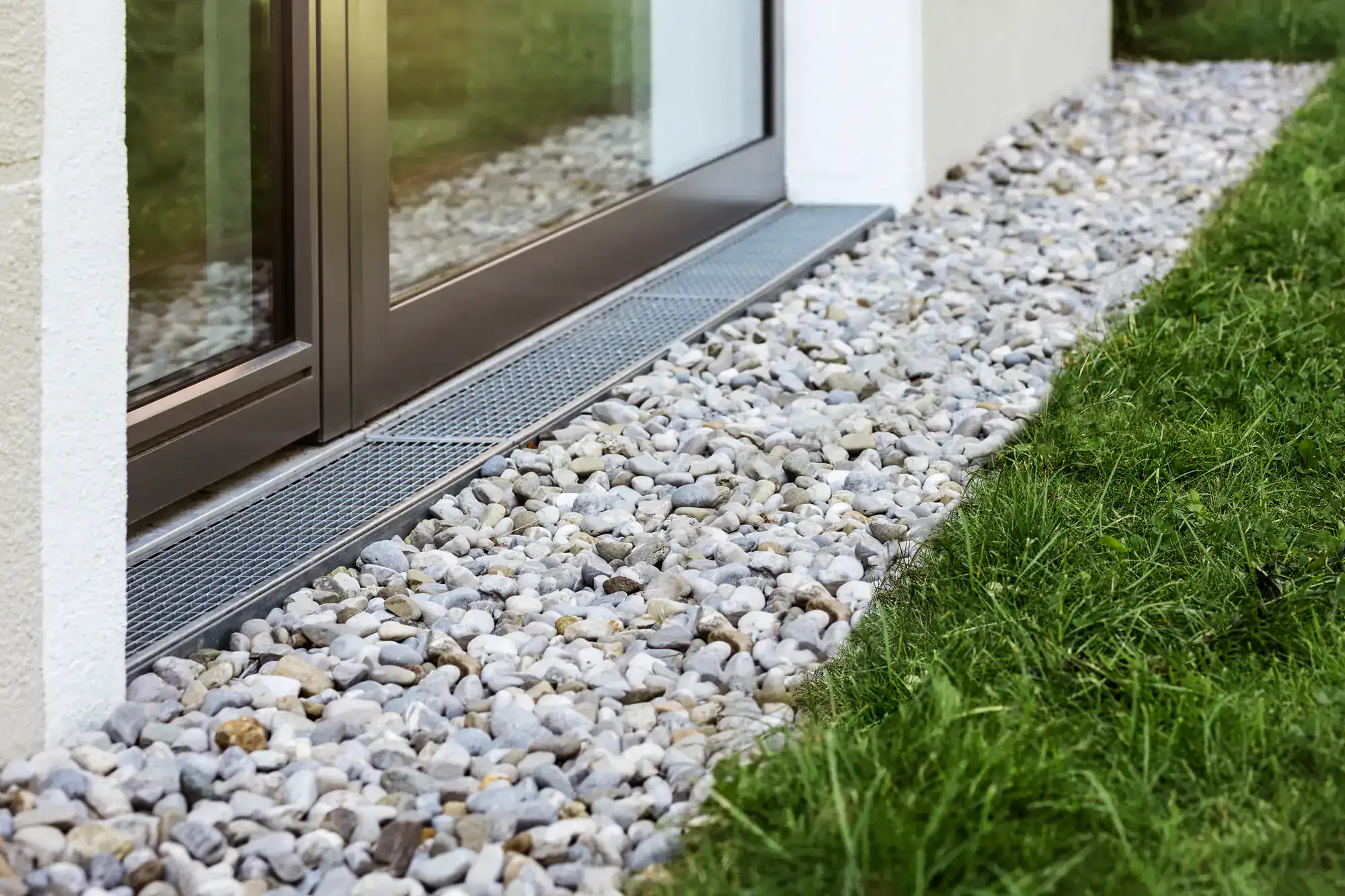
It depends on where your property sits and how the system discharges. In most cases, a standard residential French drain installation in Springs doesn’t require a formal building permit but East Hampton Town does have stormwater management requirements that affect how the system must be designed. Specifically, the town requires that stormwater be returned to the ground through a recharge basin or dry well rather than discharged to the street or a neighboring property. That means the outlet design matters, and it needs to be done correctly from the start.
If your property is near Accabonac Harbor, Three Mile Harbor, or within the NYS Special Groundwater Protection Area which includes portions of Springs along Neck Path and Old Stone Highway there may be additional environmental review involved before work begins. We handle all permit research and regulatory coordination as part of the process. You don’t need to figure out East Hampton Town’s regulatory framework on your own.
French drain installation generally runs $20 to $60 per linear foot, with most full residential projects falling between $5,000 and $9,500 depending on the scope, depth, and complexity of the system. In Springs and the broader East Hampton market, factors like proximity to tidal water, the need for a dry well or recharge basin at the outlet point, and the presence of mature landscaping or underground utilities can all affect the final number.
The more useful way to think about the cost is what it protects. Foundation repair on a home in this market runs $15,000 to $50,000. A wet basement that’s left unaddressed long enough leads to mold remediation costs starting around $3,000 and climbing fast in older construction. And a drainage problem that’s visible during a home inspection or showing can meaningfully reduce what a buyer is willing to pay. A properly installed system that lasts 30 to 40 years is a straightforward investment by comparison.
Sandy soil drains well when there’s somewhere for the water to go vertically. In Springs, that’s often not the case. The peninsula geography with Accabonac Harbor to the west and south and Three Mile Harbor to the north means the water table is shallow and rises quickly during heavy rain or snowmelt. When the water table climbs close to the surface, even sandy glacial soil becomes saturated because it can’t drain downward fast enough. The water has to go somewhere, and it ends up sitting in your yard.
This is one of the most common misdiagnoses in drainage work on the South Fork. A contractor who assumes sandy soil means good drainage and installs a shallow system may not solve the problem at all. The right approach starts with understanding whether you’re dealing with surface runoff, a rising water table, or both because those require different system designs. We assess this before recommending anything, which is why the systems we install actually work.
A properly installed French drain system should last 30 to 40 years. The systems that fail in five or ten years almost always come down to one of four problems: the wrong geotextile fabric, insufficient gravel depth, improper pipe slope, or no defined outlet point. In Long Island’s glacial soils which include a mix of fine sand, silt, and clay depending on where you are on the peninsula using the wrong filter fabric is particularly damaging. Fine particles migrate through the fabric over time, clog the gravel bed, and the system stops working.
We use double-punched geotextile filter fabric, washed angular gravel, and perforated SDR pipe on every installation. These aren’t premium add-ons they’re the baseline materials for a system that holds up. We also design every system with a proper outlet, which in Springs typically means a dry well or recharge basin that complies with East Hampton Town’s stormwater requirements. Cutting corners on any of these elements is how you end up calling a second contractor to redo the work a few years later.
Yes, in many cases it’s the most effective solution but it depends on where the water is coming from. If water is entering your basement because of surface runoff and poor grading around the foundation, an exterior French drain installed along the perimeter of the home intercepts that water before it reaches the foundation wall. That’s a very solvable problem. If the water is coming up through the floor because of a rising water table which is a real scenario in harbor-adjacent areas of Springs the approach needs to account for that hydrostatic pressure, and a perimeter drain alone may not be sufficient.
Springs has a meaningful stock of mid-century homes with original drainage design that predates modern standards. Many of those basements were never properly waterproofed, and drainage was an afterthought. The good news is that a well-designed system installed today can address decades of deferred drainage planning. We assess both the interior and exterior conditions before recommending a solution, so you know exactly what you’re getting and why.
Accabonac Harbor is a New York State Significant Coastal Fish and Wildlife Habitat, and East Hampton Town takes its protection seriously. If your property drains toward the harbor which includes most of the western and southern portions of Springs there are stormwater management considerations that go beyond a standard installation. The town’s MS4 stormwater permit with the EPA and NYSDEC exists specifically because Accabonac Harbor has exceeded allowable pathogen levels, and every drainage project in this watershed is part of a larger picture.
In practical terms, this means your French drain system needs to be designed so that water is captured and recharged into the ground not allowed to sheet-flow across the surface toward the harbor carrying fertilizers, pet waste, or other contaminants. A dry well or leaching basin at the outlet point is the right approach for most harbor-adjacent properties, and it’s also what East Hampton Town code requires. We design every system with this in mind and handle any regulatory coordination that’s needed before work begins. Doing it right here isn’t just about your property it’s about the harbor that defines this community.