Hear from Our Customers
A lot of clearing contractors will show up, knock down what’s in the way, and leave. That works fine in plenty of places. Springs isn’t one of them. When your property sits near Accabonac Harbor or within the Harbor Protection Overlay District, the wrong clearing approach doesn’t just create a mess it creates fines, stop-work orders, and mandatory revegetation requirements that can set your project back months.
What you actually want is a cleared site that holds up to scrutiny. That means knowing your lot’s clearing percentage limits under East Hampton Town Code before anything gets touched, understanding whether your property falls within a regulated overlay district, and removing vegetation in a way that doesn’t trigger a Natural Resources Special Permit review after the fact.
Beyond the compliance side, there’s a practical reality that Springs property owners deal with constantly: the vegetation here is dense, persistent, and in many cases invasive. Japanese knotweed, oriental bittersweet, phragmites along the harbor edges these aren’t plants you can just cut back. They come back harder. A thorough land clearing job in Springs means addressing what’s actually there, not just what’s visible from the road. When it’s done right, you’re left with land that’s genuinely usable, compliant, and ready for whatever comes next.
We provide land clearing services across Springs and the broader East Hampton area and the work here is different from anywhere else on Long Island. The Town of East Hampton has its own clearing code, its own overlay districts, and its own Natural Resources Department that actively enforces them. That’s not a complication we work around. It’s something we factor in from the first conversation.
Springs is a community with real stakes. Whether you’re on a wooded lot off Springs-Fireplace Road, managing a waterfront parcel near Accabonac Harbor, or dealing with years of overgrowth on a property that’s been in the family for decades the clearing work needs to be done by someone who understands the land, the regulations, and what a clean result actually looks like here.
We show up, we assess the full scope, and we give you a clear picture of what’s involved before any equipment moves. No guesswork, no surprises.
It starts with a site assessment. Before we quote anything, we walk the property with you or on your behalf if you’re not local and look at what’s there, what needs to go, and what the Town of East Hampton’s clearing limits allow for your specific lot. If your property is near Three Mile Harbor or within the Harbor Protection Overlay District, we factor that in at this stage, not after the fact.
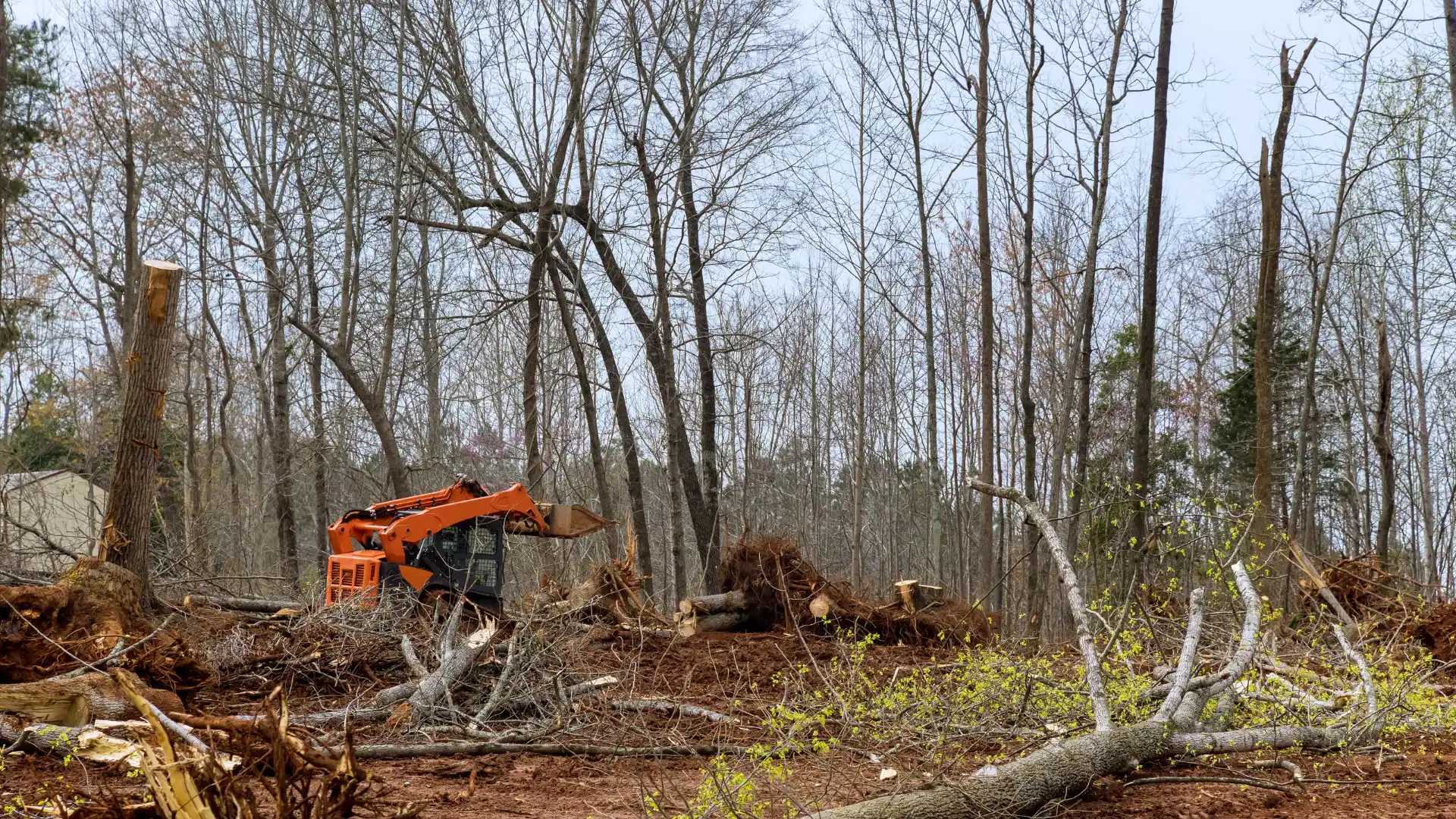
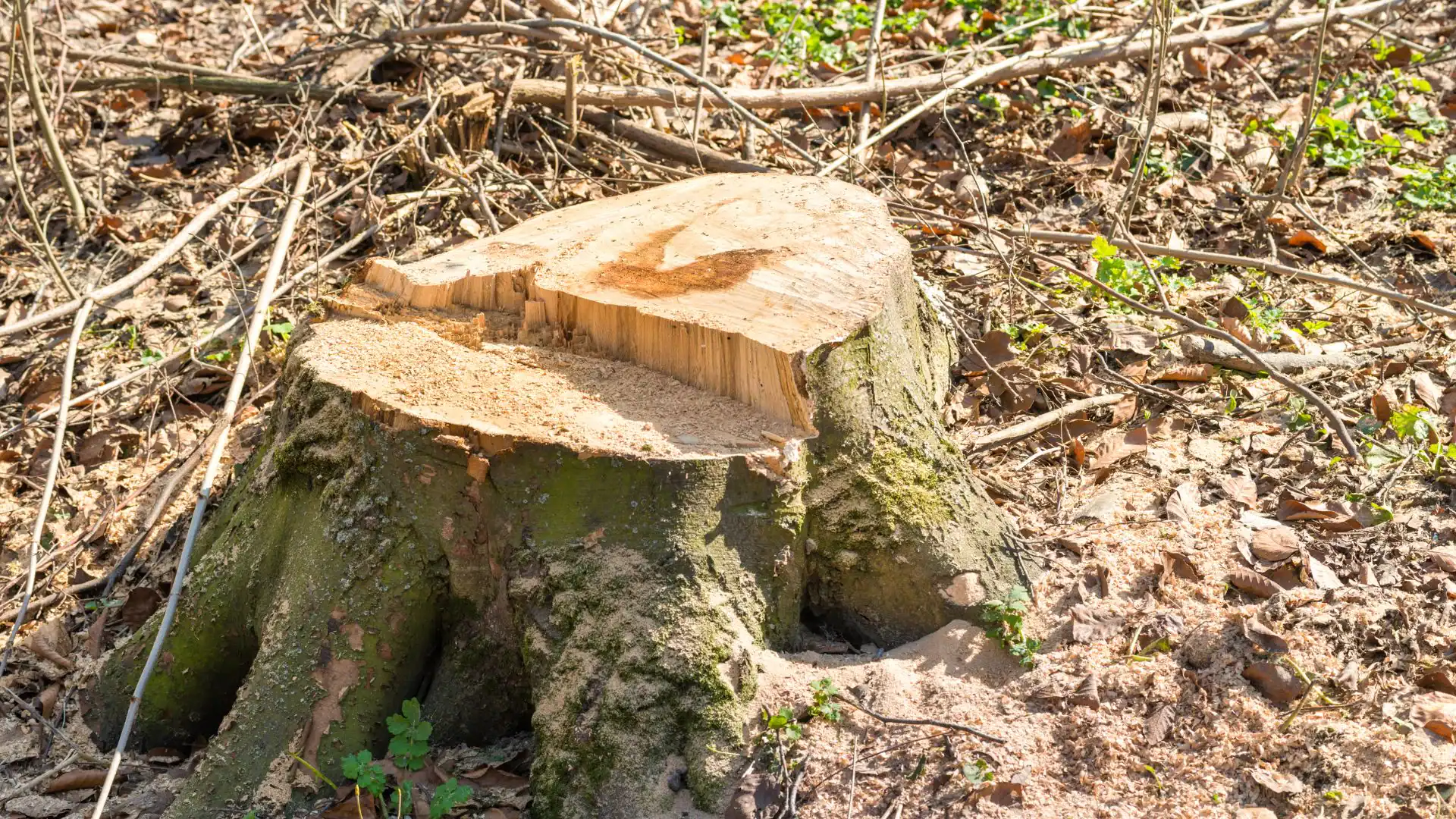
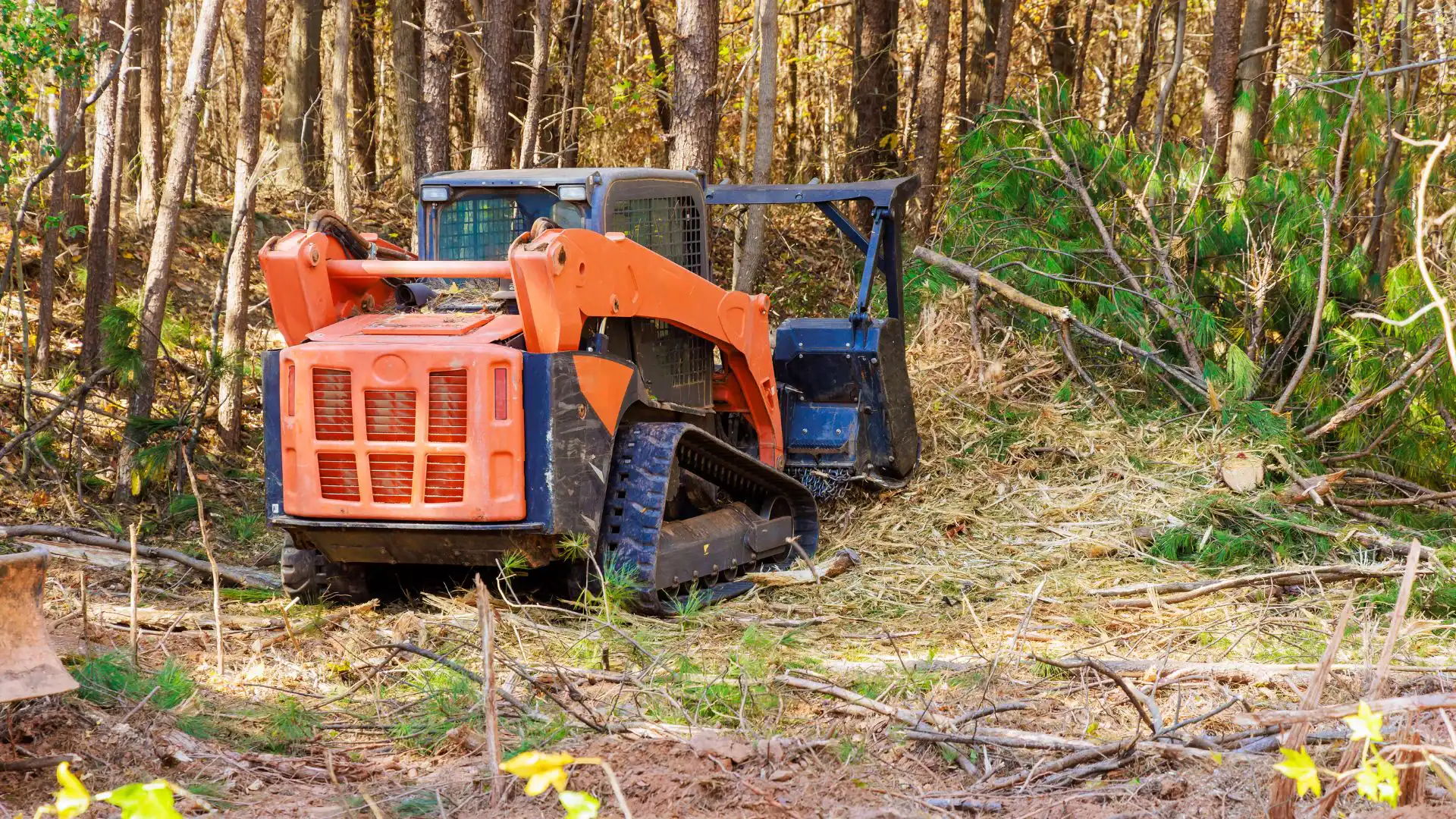
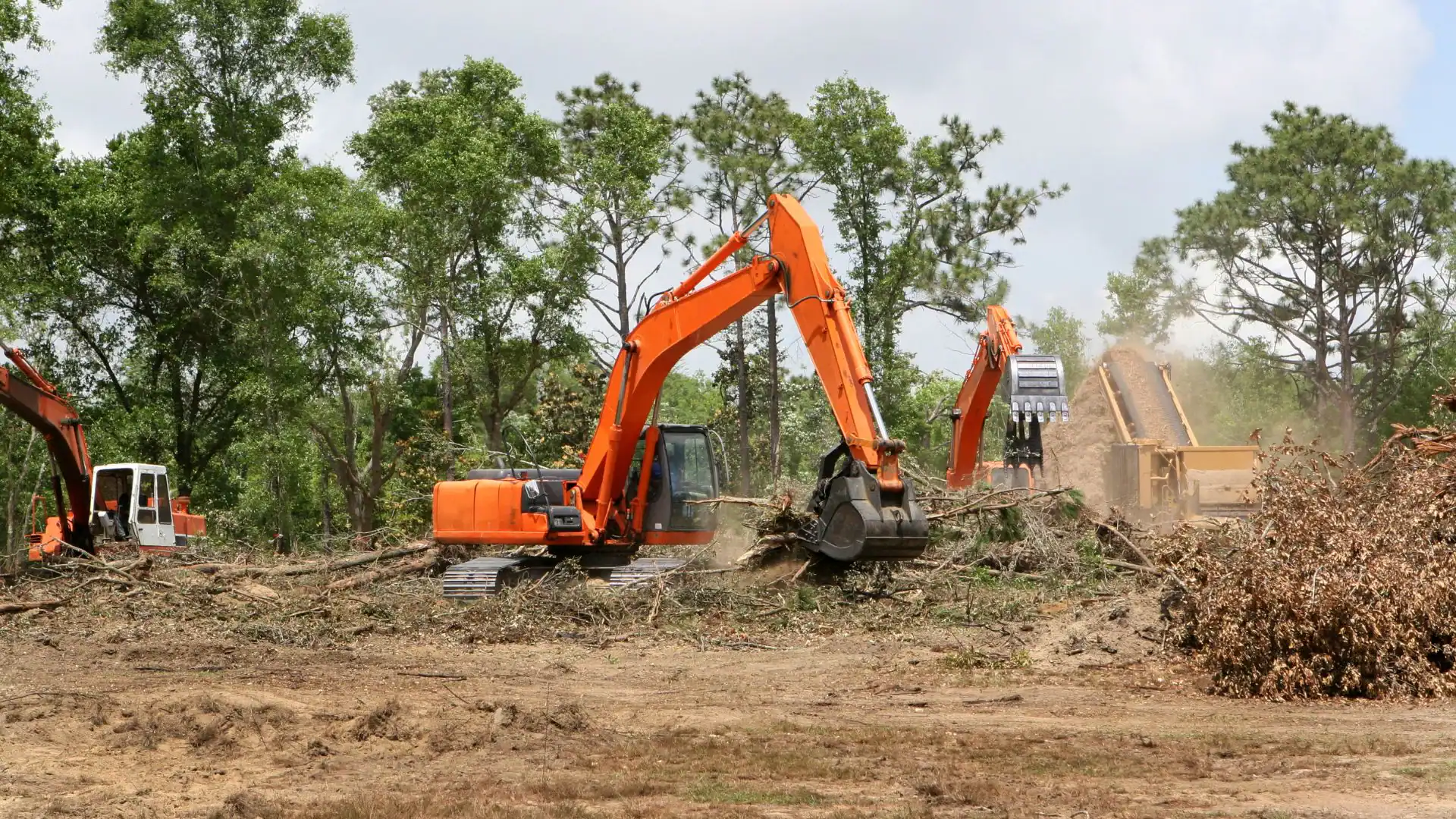
Once the scope is clear and the quote is approved, we mobilize the right equipment for the job. Springs properties vary a lot some are wooded lots with mature oak and pitch pine, others are overgrown scrub with years of invasive species layered in. We work methodically, removing vegetation, treating invasive root systems where needed, grinding stumps, and keeping the site clean as we go. Debris is either chipped on site or hauled off that’s confirmed in your quote, not decided at the end.
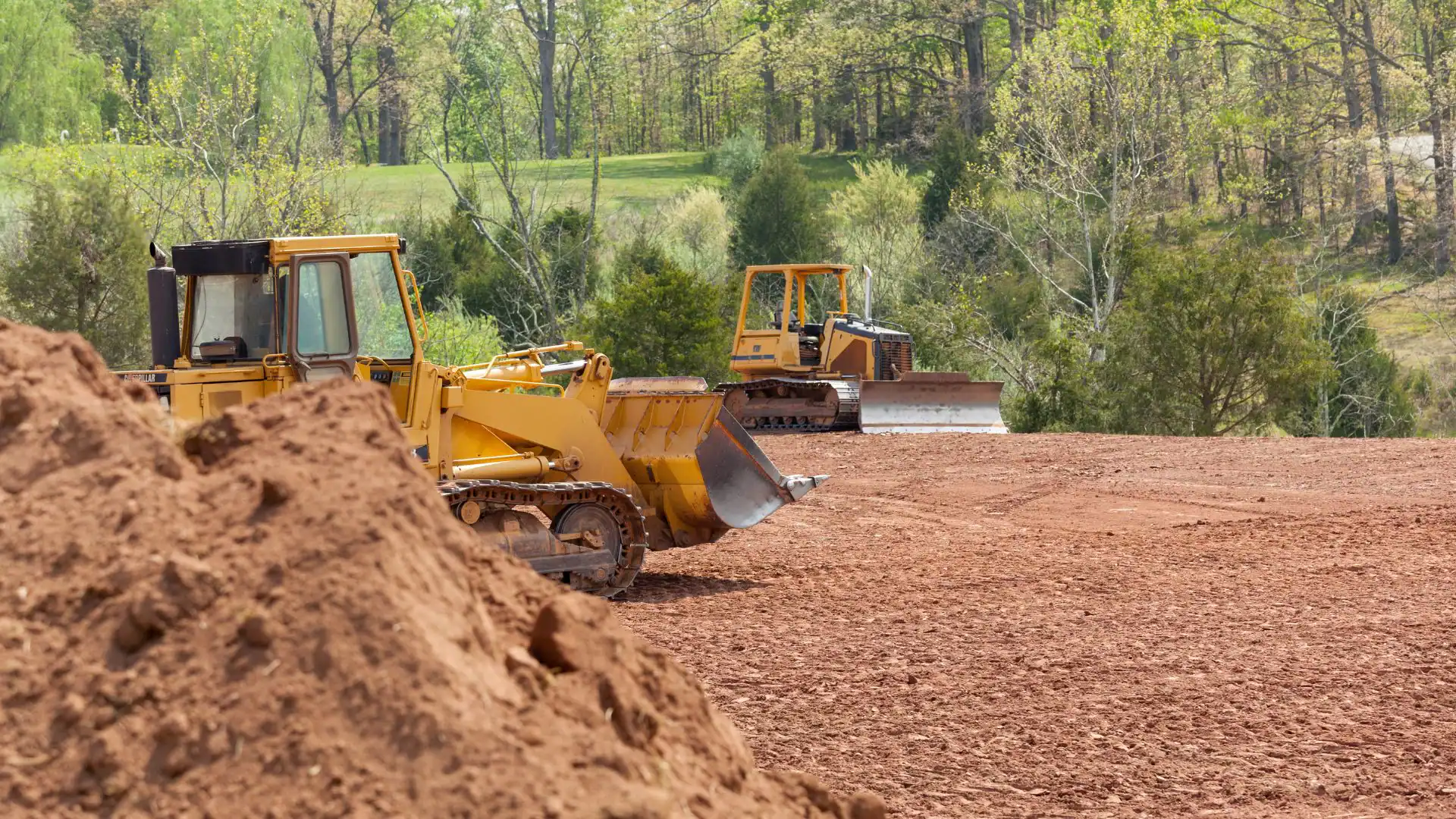
When the job is done, you get a site that’s cleared to the permitted limits, clean, and documented. If your project requires any Town approvals or permit coordination, we walk you through that before work begins not after something’s already been flagged.
Ready to get started?
Land clearing in Springs covers a lot of ground sometimes literally. We handle the full range: lot clearing for new construction or renovation prep, brush clearing services for overgrown residential properties, targeted vegetation removal services for invasive species, and full land reclamation services for properties that have been neglected for years. If you’ve purchased a vacant lot on the East End and it looks more like a thicket than a building site, that’s exactly the kind of job we’re set up for.
What makes Springs different from most other towns is the regulatory layer that sits on top of every clearing job. East Hampton Town Code restricts not just tree removal but brush, groundcover, and understory vegetation which means even a modest clearing job can trigger the clearing percentage limits if it’s not handled correctly. Properties near Accabonac Harbor or Three Mile Harbor face additional setback and overlay district requirements on top of that. We assess all of this before quoting, so you know exactly what’s permissible and what the job will cost.
We also take invasive species seriously. Phragmites, Japanese knotweed, and oriental bittersweet are widespread in Springs particularly near the harbor edges and wetland margins. Cutting them without treating the root system accelerates regrowth. Our vegetation removal services in Springs address these plants properly, using removal and disposal methods that give your land a real, lasting result rather than a temporary fix.
It depends on your lot size, zoning district, and where your property sits relative to Springs’ protected water bodies and overlay districts. East Hampton Town Code restricts the percentage of a lot that can be cleared in residential districts, and that definition is broader than most people expect it includes not just trees but brush, groundcover, leaf litter, and understory vegetation. So even work that doesn’t involve a single tree can still count against your clearing limit.
If your property falls within the Harbor Protection Overlay District which covers significant areas of Springs adjacent to Accabonac Harbor and Three Mile Harbor there are additional setback and clearing restrictions on top of the base code. And if your clearing work is near a wetland or regulated water body, you may also need a Natural Resources Special Permit from the Town, a NYSDEC permit, or both. We recommend having someone assess your specific lot before you assume you’re in the clear. That’s the first thing we do before quoting any job in Springs.
Springs has a significant invasive species problem, particularly near the harbor edges, wetland margins, and older residential properties that haven’t been actively managed. The most common ones we deal with are Japanese knotweed, oriental bittersweet, multiflora rose, phragmites (common reed), and autumn olive. Each of these has a different growth habit and requires a different removal approach and all of them will come back aggressively if you only cut the above-ground growth without treating the root system.
Phragmites near Accabonac Harbor and Three Mile Harbor is particularly persistent. It spreads through underground rhizomes and can re-establish from root fragments left in the soil. Effective removal involves cutting, treating root systems with appropriate methods, and in some cases follow-up monitoring to catch regrowth before it takes hold again. Japanese knotweed is similarly aggressive it can regrow from a piece of root smaller than your fingernail. Our vegetation removal services in Springs are designed to address these plants at the root, not just clear the surface so the problem looks solved until next season.
There’s no single number that applies to every Springs property, and any contractor who gives you a price before walking the site isn’t giving you a real quote. The cost of land clearing in Springs depends on the size of the area being cleared, the density and type of vegetation, whether invasive species are present, whether stump grinding is needed, and how debris will be handled chipped on site or hauled off. All of those variables affect the final number.
What’s worth understanding in the Springs context specifically is that the cost of professional clearing is almost always a small fraction of the property value here. East End land values are among the highest in New York State, and the cost of getting clearing work wrong fines, stop-work orders, mandatory revegetation, permit complications can far exceed the cost of the clearing itself. The right question isn’t “how cheap can I get this done?” It’s “who understands the regulations well enough to make sure this doesn’t come back to bite me?” We provide itemized quotes that separate clearing, stump removal, debris disposal, and any permit advisory work, so you know exactly what you’re paying for before anything starts.
The Harbor Protection Overlay District is a layer of East Hampton Town Code that applies to properties within or adjacent to the Town’s protected harbors including Accabonac Harbor and Three Mile Harbor, both of which border Springs. If your property falls within this overlay district, you’re subject to additional setback requirements and restrictions on clearing, grading, and filling that go beyond the standard residential clearing limits.
The practical effect is that properties near the water in Springs face a more complex approval process than inland properties. You may be able to clear a higher percentage of your lot under the base residential code, but the Harbor Protection Overlay District can reduce what’s permissible near the water’s edge. This is one of the reasons it’s so important to assess your specific property before any work begins the rules aren’t uniform across Springs, and what applies to a lot on Springs-Fireplace Road may be very different from what applies to a waterfront parcel on Gerard Drive or near Lion Head Beach. We review these overlay district requirements as part of every site assessment in Springs.
Autumn is genuinely one of the best windows for land clearing on the East End, and Springs is no exception. By September and October, the ground is typically dry and firm enough for equipment access on most properties, the foliage has thinned out enough to see what you’re actually dealing with, and tick activity which is a real concern in Springs given the East End’s high rates of Lyme disease is significantly reduced compared to spring and summer. If you’re planning to build or make major improvements in the following year, getting your clearing done in autumn gives you a clean site ready for spring permitting and construction timelines.
That said, there’s no single wrong time to clear in Springs. Winter clearing on frozen ground can actually improve equipment access on wetter properties, and spring clearing is in high demand for owners trying to prepare for summer construction. The more important factor than timing is scheduling the East End contractor market is competitive, particularly in peak season. If you have a project in mind, reaching out early gives you more flexibility on timing and a better chance of getting on the schedule when it works for you.
Yes and this is one of the most practical and underappreciated benefits of clearing overgrown land in Springs. The East End has among the highest rates of Lyme disease in the United States, and the dense leaf litter, low scrub, and edge vegetation that characterizes neglected Springs properties is prime habitat for deer ticks. Clearing that vegetation doesn’t eliminate ticks entirely, but it removes the conditions they depend on the moisture, the shade, the leaf litter layer and makes your property significantly less hospitable to them.
For Springs property owners who have been dealing with tick pressure on an overgrown lot, a thorough brush clearing job is a meaningful intervention, not just an aesthetic one. This is especially relevant for families with children or pets using the property regularly, or for second-home owners returning to a property that’s been sitting unmanaged between visits. The combination of clearing dense scrub, removing invasive groundcover, and cleaning up accumulated debris makes a real difference in tick habitat and it’s a benefit you get as a direct result of the clearing work, not something extra you need to add on.