
Hear from Our Customers
When drainage is working the way it should, you stop watching the weather with that familiar knot in your stomach. No more soggy corners that never dry out, no more water creeping toward the foundation, no more lawn that looks half-dead because it’s been sitting in standing water since the last storm rolled through.
For Islip Terrace homeowners specifically, this matters more than most people realize. The South Shore’s sandy soil drains well under normal conditions but when the water table rises after a heavy rain, that same soil stops absorbing anything. Water has nowhere to go. And with most homes in Islip Terrace built in the 1950s, the original lot grading has shifted over decades of landscaping changes, additions, and natural settlement. What drained fine in 1960 may now be directing water straight toward your foundation.
A properly designed drainage system changes that equation. It moves water away from your home before it has the chance to cause the kind of damage cracked foundations, flooded basements, destroyed landscaping that costs $23,000 to $48,000 to fix. With median home values in Islip Terrace sitting around $562,000, protecting that investment with the right drainage work is one of the most straightforward decisions you can make as a homeowner.
Most drainage problems get misdiagnosed. A contractor shows up, installs a French drain, and leaves and the yard still floods after the next storm because the actual source of the problem was never identified. That’s the most common reason homeowners call us after already paying someone else.
We serve the South Shore of Long Island, and Islip Terrace is a community we know well. We understand what the water table does here seasonally, what 1950s housing stock typically looks like from a drainage standpoint, and what the Town of Islip requires when drainage work involves permits or stormwater discharge. We’re not applying a generic fix and hoping it holds we’re assessing your specific property, identifying where water enters, where it pools, and where it needs to go.
When the work is done, your yard should look right and function correctly. That’s the standard we hold ourselves to on every job.
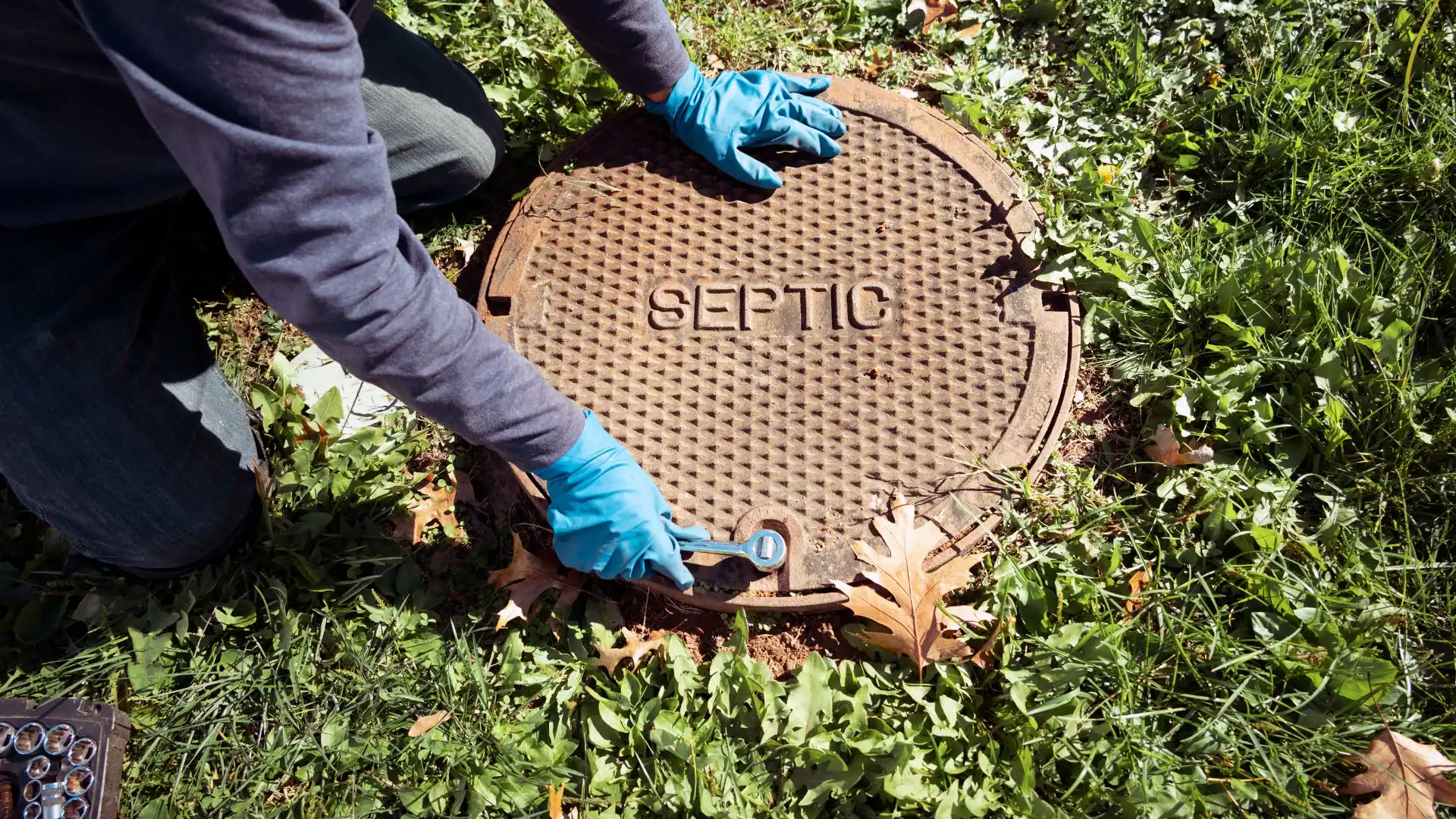
It starts with a site assessment. Before any equipment shows up, we walk your property and map out where water is entering, where it’s collecting, and what the soil and grade conditions are telling us. In Islip Terrace, that assessment always accounts for the South Shore water table because a dry well installed in soil that’s already saturated at a certain depth isn’t going to solve anything. The solution has to match the actual conditions on your lot.
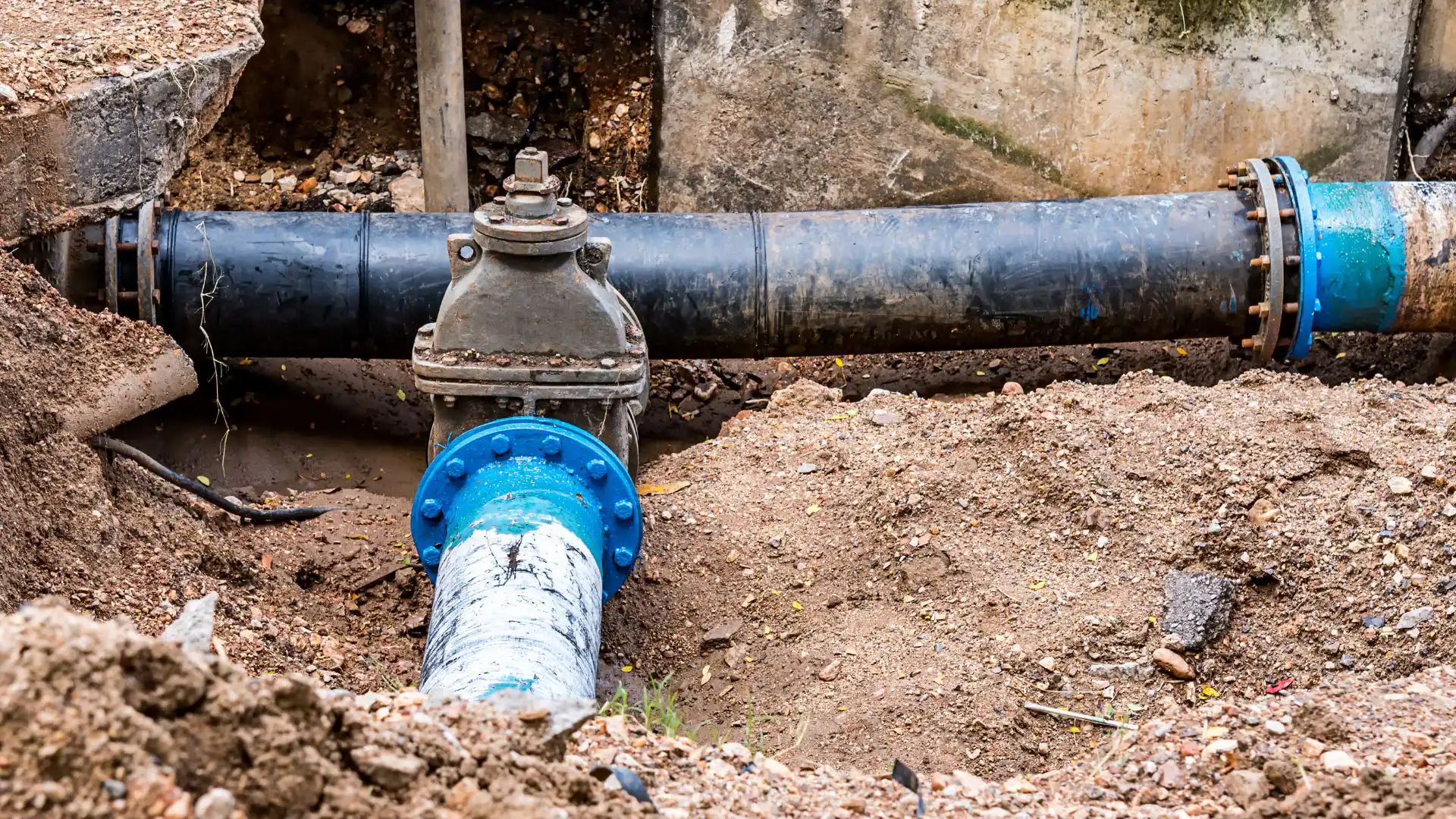
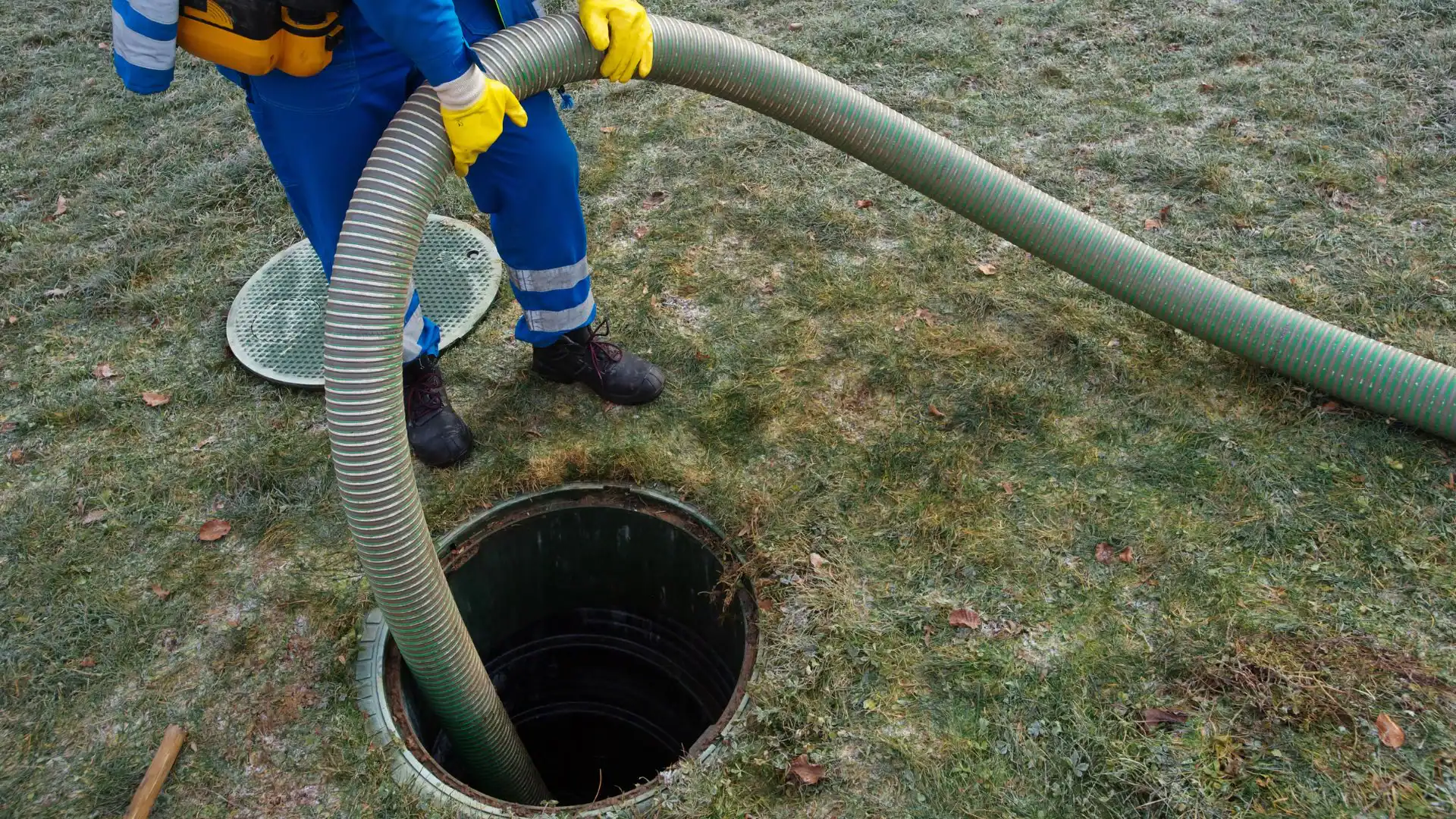
From there, we design a system around your property’s specific needs. That might mean a French drain to intercept water before it reaches the foundation, a catch basin to collect surface runoff from a low point in the yard, a dry well for controlled subsurface discharge, or a combination of these. If the work requires a permit under the Town of Islip’s stormwater ordinance which applies to drainage that connects to or discharges into the town’s storm sewer system we handle that coordination so you’re not left navigating it yourself.
Installation is followed by full site restoration. Disturbed turf gets replaced, topsoil is restored, and the drainage components are integrated into the landscape cleanly. The goal isn’t just a system that works it’s a yard that looks like the work was done right.
Ready to get started?
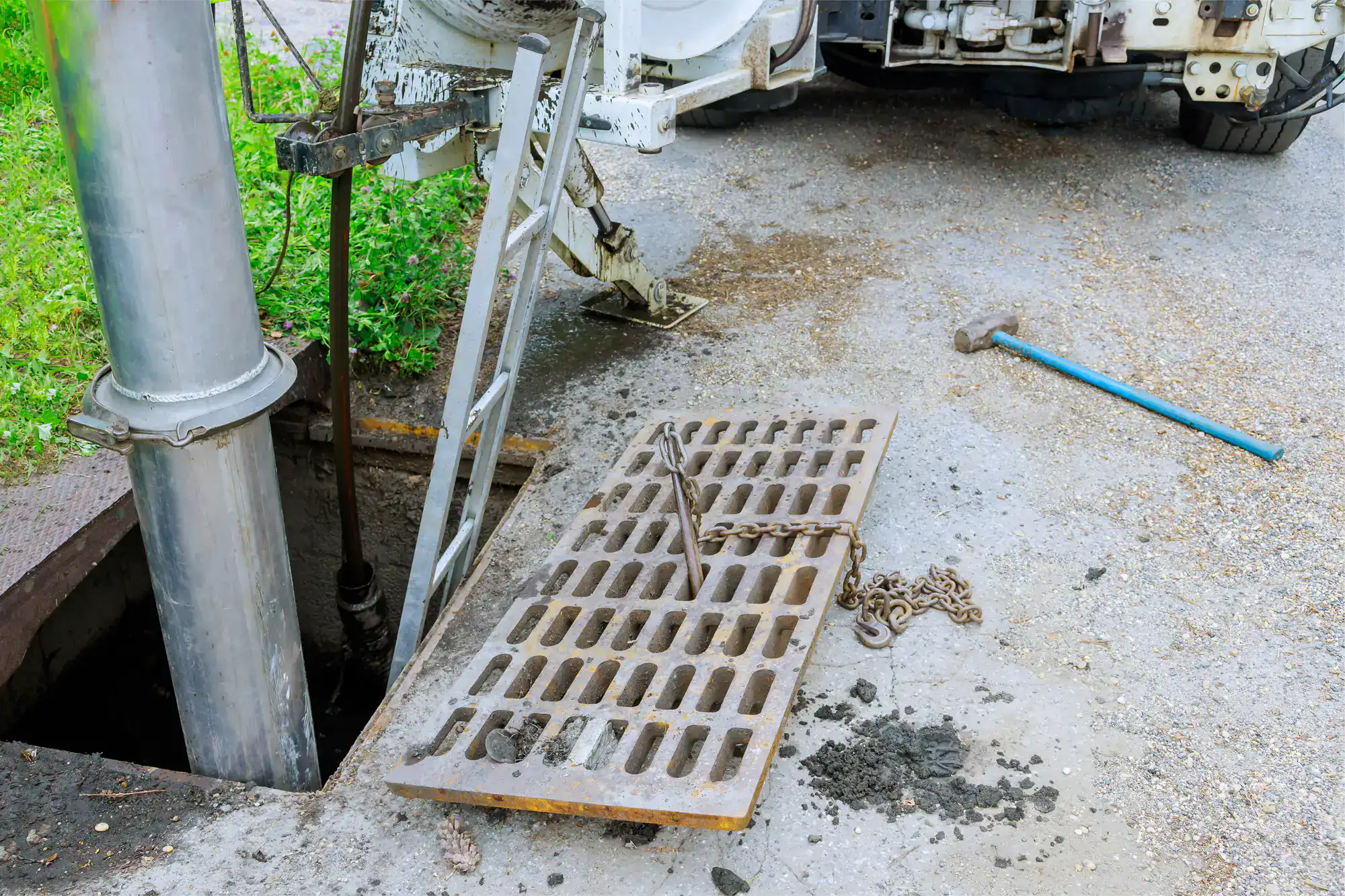
Yard drainage in Islip Terrace isn’t one-size-fits-all, and the right solution depends heavily on what’s actually happening on your property. French drains work well for intercepting subsurface water moving toward a foundation. Catch basins handle surface runoff that collects in low points. Dry wells provide a controlled discharge point for water that needs to move below the surface though on the South Shore, their placement has to account for where the water table sits seasonally. Trench drains and channel drains are often the right answer for driveways and hardscaped areas where surface water has no natural outlet.
What we bring to every project in Islip Terrace is a system designed around the real conditions on your lot the grade, the soil profile, the proximity to the foundation, and the discharge options available. We’re fully insured, we carry the licensing required for home improvement work in Suffolk County, and we’re familiar with the Town of Islip’s stormwater management program and what it requires for permitted drainage work.
Most residential drainage projects in this area fall in the $2,145 to $7,163 range, depending on scope. That’s a fraction of what foundation repair or repeated basement flooding costs and it’s a number worth knowing before you decide whether to keep waiting on the problem.
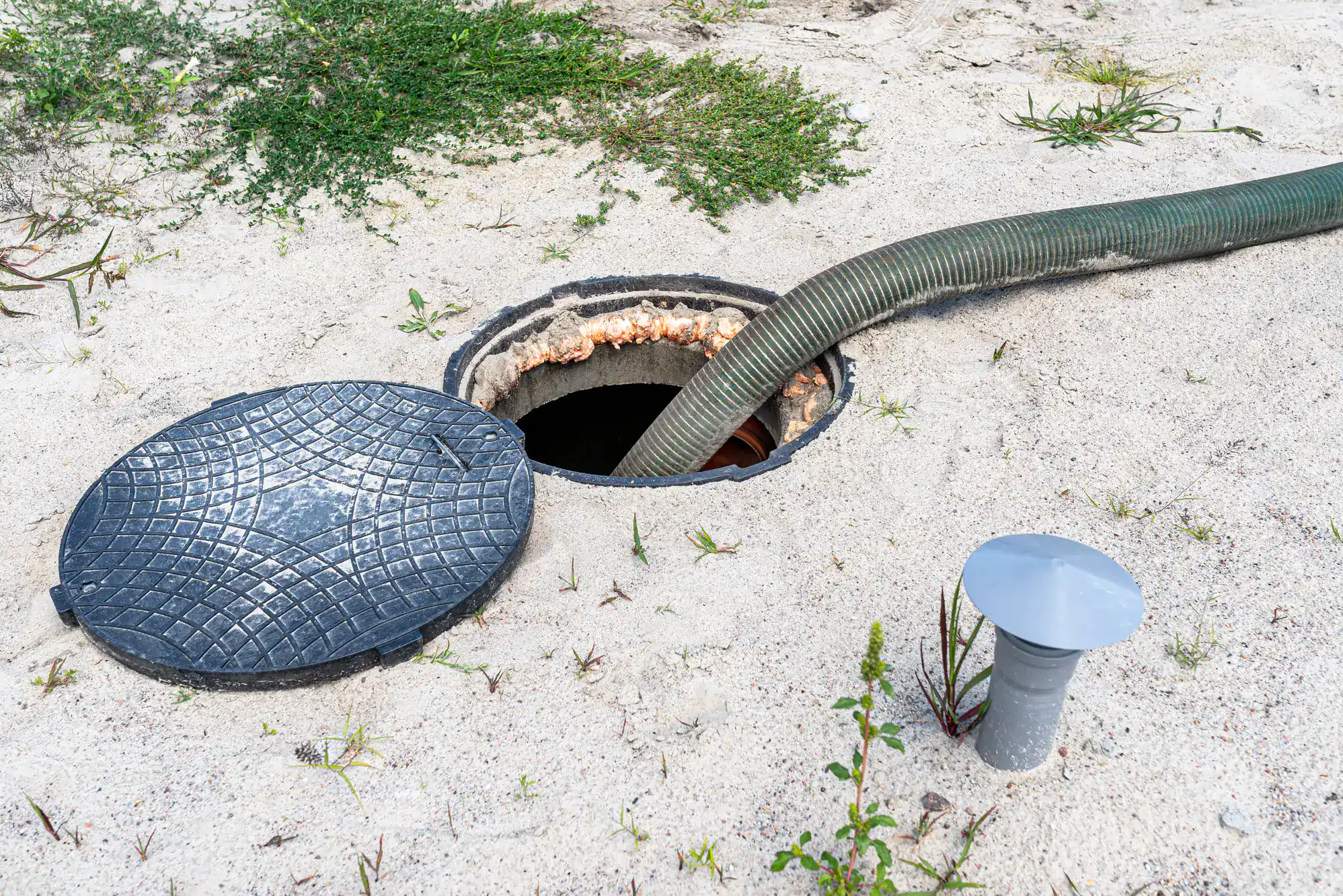
This is probably the most common question we get, and it’s a fair one because the line isn’t always obvious. Plumbers handle pipe blockages, sewer connections, and indoor drain systems. They’re the right call when water is backing up through a fixture, when a pipe is broken, or when a sewer line needs attention. What they don’t do is solve the problem of how water moves across and through your yard.
That’s landscape drainage work. If water is pooling in your yard after rain, collecting near your foundation, or leaving your lawn soggy for days, the issue is almost certainly about grade, soil saturation, and surface water management not a blocked pipe. A landscape drainage contractor assesses the land itself: where water enters, where it collects, what the soil will absorb, and where it needs to be directed. In Islip Terrace, where most homes were built before engineered yard drainage was standard practice, this kind of assessment is often the first time a property has ever had its drainage evaluated properly.
For most residential properties in Islip Terrace, professional drainage installation falls somewhere between $2,145 and $7,163, with the national average sitting around $4,622. Where your project lands in that range depends on what the property actually needs a single catch basin and outlet pipe is a different scope than a full French drain system with regrading and landscape restoration.
What’s worth keeping in mind is the comparison. Foundation repair from water damage runs $23,000 to $48,000. A basement flooding event typically costs $10,000 to $26,000 to remediate. Insurance companies pay an average of nearly $14,000 per water-related property damage claim. In a community where the median home value is around $562,000 and annual property taxes average $10,000, spending $3,000 to $6,000 to protect that investment is a straightforward calculation. We provide detailed written quotes before any work begins, so you know exactly what you’re paying for and why.
Sandy soil drains quickly under normal conditions. The issue on the South Shore of Long Island is that the water table fluctuates significantly, and after a heavy rain event, it can rise close enough to the surface that the soil has no room left to absorb anything. When that happens, even sandy ground becomes effectively impermeable, and water sits on the surface until the water table drops back down.
This is a fundamentally different problem than what homeowners in clay-heavy soil areas deal with, and it requires a different approach. A system that works by simply moving water into the ground may underperform if the discharge point is at or near the seasonal water table. In Islip Terrace, drainage systems need to be designed with the South Shore’s groundwater dynamics in mind not adapted from a template built for inland or North Shore conditions. That’s exactly the kind of site-specific assessment we conduct before recommending any solution.
It depends on the scope of work. The Town of Islip operates a formal stormwater management program under the federal Clean Water Act, and certain types of drainage work particularly anything that connects to or discharges into the town’s storm sewer system may require a permit through the Town of Islip Building Division. Significant grading or earth disturbance can also trigger permit requirements.
Work that stays entirely within your property and discharges into a dry well or subsurface system typically has fewer regulatory hurdles, but it’s still worth confirming before work begins. One thing to be aware of: unpermitted drainage work that should have been permitted can create complications when you sell your home, since buyers and their inspectors in this price range look carefully at site improvements. We’re familiar with the Town of Islip’s stormwater ordinance and handle permit coordination as part of the project when it’s required so you’re not left figuring that out on your own.
A few signs that it’s worth addressing sooner rather than later: water consistently pooling within six feet of your foundation, a lawn that stays visibly wet for more than 48 hours after a normal rain event, soft or spongy ground near the house, water staining or efflorescence on basement walls, or a yard that’s been progressively getting worse over the last few years. Any one of these is worth a site assessment.
The August 2014 storm when the Islip weather station recorded 13.57 inches of rain in 24 hours, setting a New York State record is a useful reference point. A drainage system that barely keeps up under average conditions will fail completely when a storm like that hits. If your yard showed real problems during a heavy storm in recent years, that’s the system telling you it’s already at its limit.
Yes and this situation comes up more often than you’d think. The most common scenario is a homeowner who had a French drain or dry well installed, and the yard still floods. In most of these cases, the issue isn’t that drainage systems don’t work it’s that the previous system was either undersized, installed in the wrong location, or designed without a proper understanding of the property’s actual water flow and soil conditions.
In Islip Terrace, we’ve seen dry wells installed too close to the seasonal water table to be effective, and French drains that intercept water in one area while redirecting it toward a different problem spot. A correct diagnosis starts with understanding the full picture: where water enters the property, what the grade is doing, what the soil will absorb at different times of year, and where a proper discharge point exists. If a previous system didn’t solve the problem, that’s a diagnostic failure not proof that the problem can’t be fixed. We assess what’s already there, identify why it isn’t working, and design a solution around the actual conditions on your property.