
Hear from Our Customers
When water gets into a basement in Islip Terrace, it rarely shows up all at once. It starts as a damp smell after a storm, a small stain on the wall, or a wet patch near the slab. Then one spring after the snow melts and the water table climbs it becomes a real problem. The South Shore sits on groundwater that rises fast, and it pushes hard against anything in its way. A foundation that’s been doing its job since 1963 has taken a lot of cycles.
Once the water is out and the source is sealed, what you get back isn’t just a dry room. You get usable square footage, cleaner air circulating through your home, and a basement that isn’t quietly rotting the structure above it. For families in Islip Terrace, that matters mold doesn’t stay in the basement. It moves through your HVAC system into every room where your kids sleep and eat.
And in a market where homes in Islip Terrace are selling near $638,000, a documented waterproofing fix isn’t just maintenance. It’s something a buyer’s inspector will look for, and something a transferable warranty can turn into a selling point rather than a red flag.
We work on the kind of homes that define Islip Terrace ranch-style houses and hi-ranch builds from the 1950s and 1960s, with concrete block foundations that have been through more freeze-thaw cycles than most people realize. That kind of foundation has specific failure points, and finding them takes someone who’s actually worked on them, not someone reading from a checklist.
Every job starts with a real inspection interior and exterior before anything is recommended. The Town of Islip Building Division at 655 Main Street has its own permit requirements for basement work, and we know what’s required and handle it, so you’re not left navigating that alone.
What you won’t get from us is a same-day sales pitch or a quote over the phone. You’ll get a clear explanation of what’s causing your problem, what it takes to fix it, and what it costs in writing, before any work begins.
It starts with a free in-home inspection. Not a phone estimate, not a square footage calculation an actual walk-through of your basement, your foundation, and the exterior grade around your home. In Islip Terrace, where most homes sit on aging concrete block foundations with original tar-based damp-proofing that’s long since broken down, the inspection matters more than most people expect. The source of water intrusion isn’t always obvious, and the wrong diagnosis leads to the wrong fix.
Once the cause is identified whether it’s hydrostatic pressure from the South Shore water table, a foundation crack that’s been widening through winter freeze-thaw cycles, a failed drainage grade, or something else entirely you’ll get a written estimate that explains what’s being done and why. If the scope of work requires a permit through the Town of Islip Building Division, that’s handled as part of the process.
The work itself is done cleanly and completely. Whether that means epoxy injection for a specific crack, a full interior drainage system, a sump pump installation, or a combination of approaches, the job isn’t finished until the fix is verified. And everything is backed in writing so you know exactly what’s covered and for how long.
Ready to get started?
The waterproofing work we do in Islip Terrace is shaped by what’s actually happening here aging mid-century foundations, a water table that climbs after every significant storm, and soil conditions along the South Shore that hold moisture against foundation walls longer than most homeowners realize. That context drives every recommendation.
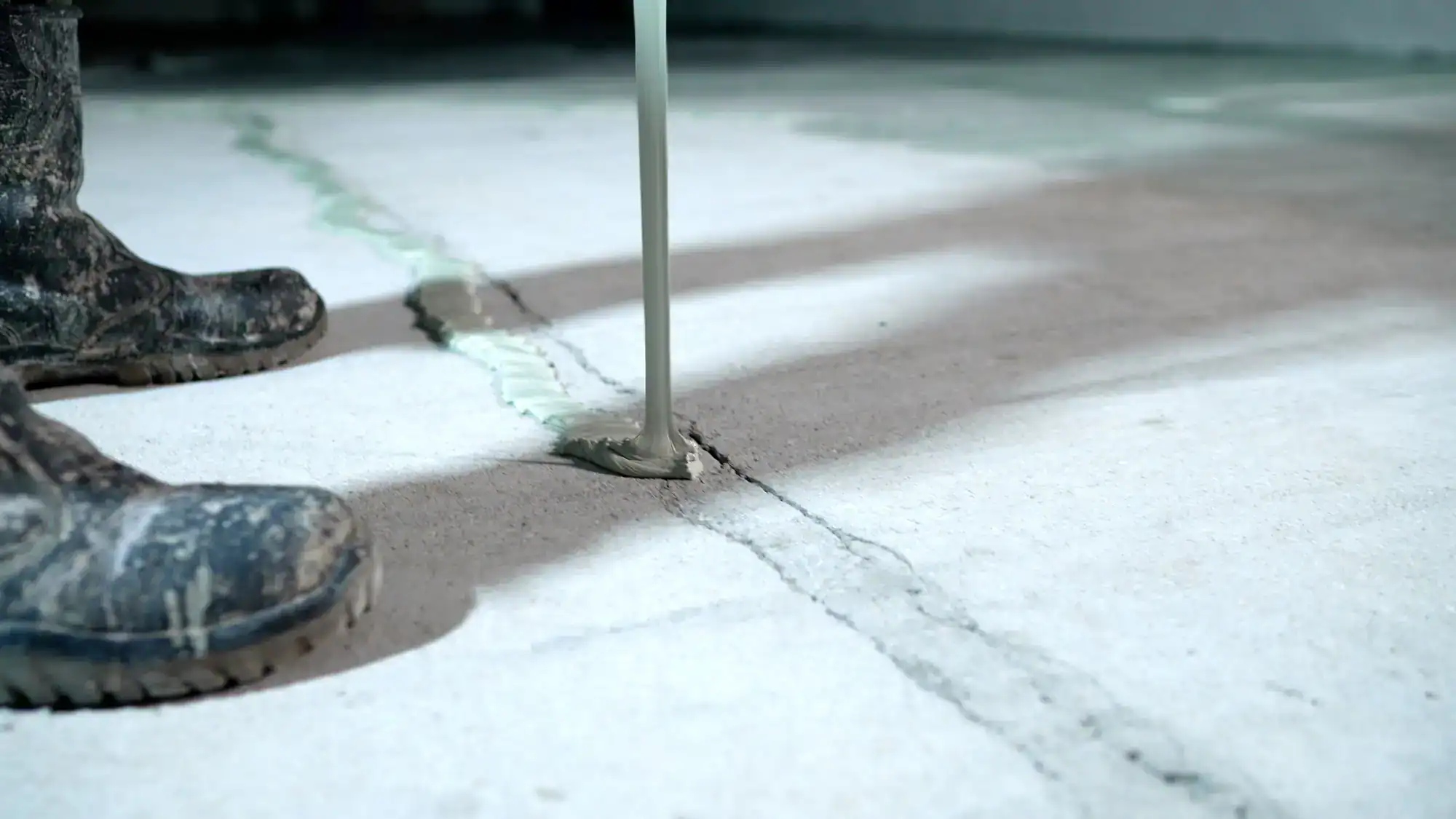
Foundation crack sealing uses epoxy or polyurethane injection to bond directly to the concrete from the inside out not a surface coating that peels under pressure. For homes dealing with consistent water intrusion from hydrostatic pressure, interior drainage systems channel water away from the foundation before it can cause damage, paired with a properly sized sump pump to handle the volume. Battery backup systems are available for the moments that matter most: the middle of a nor’easter when the power goes out and the water is rising.
For Islip Terrace homeowners in the 11752 ZIP code, waterproofing work that involves breaking the basement floor slab or adding electrical connections for a sump pump typically requires permits through the Town of Islip. We carry the required Workers’ Compensation and Disability Insurance with the Town listed as certificate holder which protects you from liability and keeps the job above board. Every service comes with a written warranty on both materials and labor.
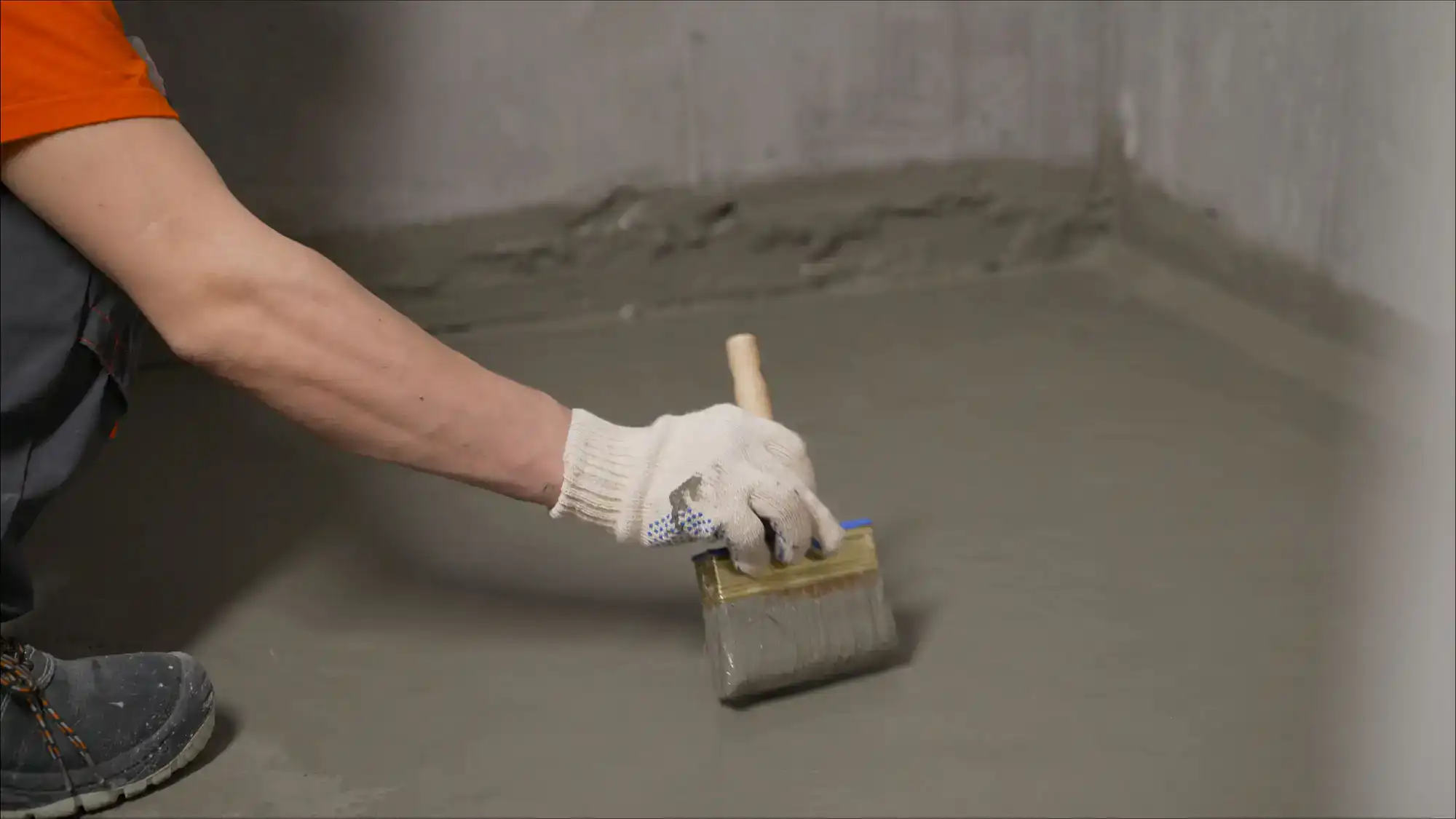
This is one of the most common patterns we see in Islip Terrace, and it comes down to how the South Shore water table behaves. During dry stretches, groundwater sits low enough that it doesn’t reach your foundation. But after a significant storm or during spring snowmelt the water table rises quickly and starts pushing against your basement floor and walls from the outside. That pressure is called hydrostatic pressure, and it doesn’t need a visible crack to find its way in. It can move through porous concrete, mortar joints in block foundations, and the cold joints where your floor meets your walls.
In a home built in the 1950s or 1960s, which covers most of Islip Terrace’s housing stock, the original damp-proofing that was applied during construction has long since degraded. What’s left is bare concrete or block that absorbs moisture under pressure. The fix depends on the source sometimes it’s targeted crack injection, sometimes it’s a perimeter drainage system, and sometimes it’s improving the exterior grade so water moves away from the foundation instead of pooling against it. That’s exactly why an inspection comes before any recommendation.
The honest answer is that it depends on what’s actually causing the problem, and that’s not a dodge it’s the reason a phone quote is meaningless for this kind of work. That said, here’s a realistic range: foundation crack repair using epoxy injection typically runs $800 to $1,500 per crack. A sump pump installation alone is generally $600 to $1,900 depending on the pump and whether a battery backup is added. A full interior drainage system for a typical Islip Terrace basement runs $4,500 to $10,000 or more depending on the size of the space and the complexity of the drainage layout.
For context, the median home value in Islip Terrace is around $562,000. A $5,000 to $10,000 waterproofing investment represents less than 2% of your home’s value and it protects against mold remediation costs that average $2,000 to $6,000 and structural foundation repairs that can reach $10,000 to $30,000 if water damage is left unaddressed. The free inspection will give you a written estimate specific to your home, your foundation type, and what’s actually causing the issue.
It depends on the scope of the work. If the job involves breaking the basement floor slab to install an interior drainage system, that’s considered a structural alteration and typically requires a building permit from the Town of Islip Building Division at 655 Main Street in Islip. If the sump pump installation involves new electrical connections, a separate electrical permit is usually required as well. Foundation crack repair using epoxy or polyurethane injection without any structural modification often doesn’t require a permit, but it’s worth confirming based on your specific situation.
What matters most is that the contractor you hire carries the right documentation. All contractors working in the Town of Islip are required to provide NYS Workers’ Compensation Insurance and NYS Disability Insurance, with the Town of Islip listed as certificate holder. If a contractor can’t produce that, you’re exposed to liability if something goes wrong on the job. We carry the required coverage and are familiar with the Town of Islip’s permit process so that part of the job gets handled correctly from the start.
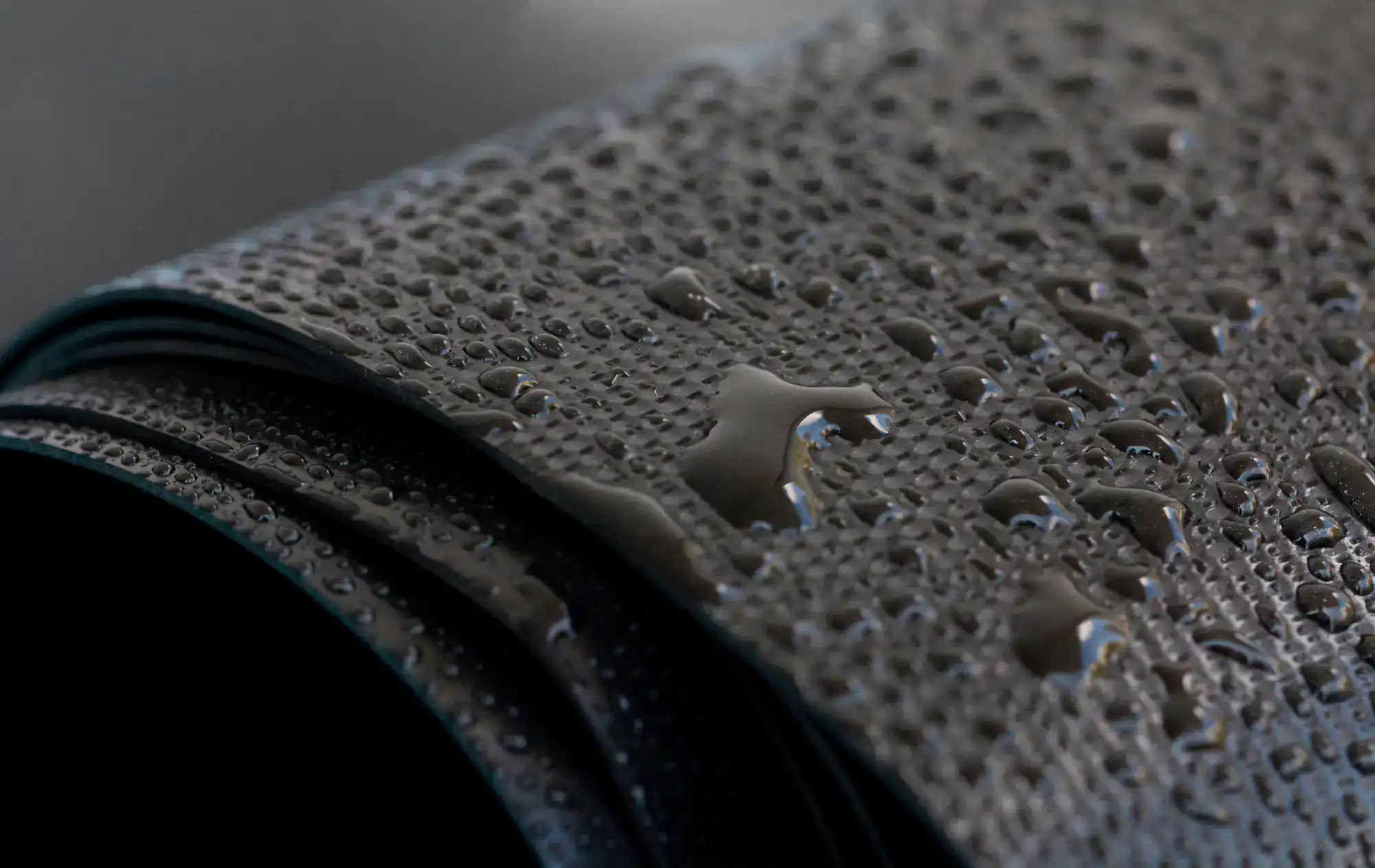
Exterior waterproofing means excavating the soil around your foundation, applying a waterproof membrane or coating to the outside of the foundation wall, and installing drainage to redirect water before it ever reaches the concrete. When done correctly, it’s highly effective but it’s also expensive, disruptive, and in a fully built-out hamlet like Islip Terrace, where homes sit close to property lines and landscaping, excavation isn’t always practical or even possible without significant disruption to the yard.
Interior waterproofing doesn’t stop water from reaching the foundation, but it manages water that gets in before it can cause damage. A perimeter drainage channel collects water at the base of the walls and floor, routes it to a sump pit, and a pump moves it out of the house. For most mid-century homes in Islip Terrace where the foundation has been in the ground for 60-plus years and exterior access is limited interior waterproofing is the more practical and cost-effective solution. The right answer for your home depends on the specific source of the intrusion, which is what the inspection is designed to determine.
Usually it’s both, and one leads to the other. Water intrusion in a basement creates the moisture conditions that mold needs to establish itself and in a 1950s or 1960s home with plaster walls and minimal vapor barriers, which describes most of Islip Terrace’s housing stock, mold can take hold within days of a flooding event. The signs that you’re dealing with both include a persistent musty smell even when the basement appears dry, visible dark staining or fuzzy growth on walls or floor joists, and family members noticing allergy or respiratory symptoms that improve when they leave the house.
The important thing to understand is that cleaning up visible mold without fixing the water source is a temporary fix at best. It will come back. Basement waterproofing addresses the moisture that feeds mold growth sealing the entry points and managing water so the environment in your basement stops being one where mold can survive. If mold is already present, remediation should happen before or alongside the waterproofing work, not after. We’ll be upfront about what we’re seeing during the inspection so you know exactly what you’re dealing with.
This is a fair concern, and it’s worth understanding the difference. Most cracks in poured concrete or concrete block foundations in Islip Terrace are shrinkage cracks or settlement cracks they developed as the foundation cured or shifted slightly over decades, and they’re primarily a water intrusion problem rather than a structural one. These are the cracks that widen slowly through freeze-thaw cycling every winter and eventually let water in. They’re common, they’re fixable, and they don’t mean your foundation is failing.
Structural cracks are a different situation. These typically run horizontally across a block foundation wall, show significant displacement where one side of the crack is higher than the other, or are accompanied by bowing or inward movement of the wall. If you’re seeing any of those signs, that’s a conversation that goes beyond waterproofing and into foundation repair. During the inspection, we’ll identify what type of crack you’re dealing with, explain what it means for your specific foundation, and be straightforward about whether the fix is a waterproofing solution or something that requires a structural engineer’s involvement. You’ll know what you’re looking at before any decision is made.