
Hear from Our Customers
Most North Bay Shore homes were built between the 1940s and 1980s long before modern stormwater standards existed, and long before the South Shore started seeing the kind of storm events that now prompt state of emergency declarations across Suffolk County. If your yard floods after every heavy rain, that’s not bad luck. It’s a drainage system that was never there, or one that’s decades past done.
When a proper drainage system is in place, the difference is immediate. Water moves away from your foundation instead of pooling against it. Your lawn stops turning into a muddy mess after every storm. The basement stays dry. And you stop dreading the forecast every time a nor’easter rolls up the coast.
North Bay Shore’s density makes this more urgent than most people realize. On a quarter-acre lot surrounded by other homes, driveways, and pavement, there’s almost nowhere for runoff to go. The clay subsoil underneath can’t absorb it fast enough, and the water has to go somewhere usually toward your foundation or your neighbor’s yard. A well-designed drainage system intercepts that water before it becomes your problem, and routes it where it belongs.
We’re a landscape drainage contractor serving Long Island’s South Shore and the broader Suffolk County area, including North Bay Shore and the surrounding Bay Shore, Brentwood, and Islip communities. Every project starts with a site assessment not a sales pitch. Before anything gets installed, we map where the water is coming from, where it’s going, and what’s standing in the way.
That matters because drainage failures almost always come down to a bad diagnosis. A single French drain that can’t handle peak rainfall. A pipe without enough fall so water just sits there. A system with no geotextile fabric that silts up within two years. These aren’t fringe cases they’re the most common reasons homeowners in North Bay Shore call us after someone else already tried.
We hold the required Suffolk County Home Improvement Contractor license for residential work in this area, and we’re fully insured. Written quotes before any work starts. No verbal estimates that change once the crew shows up.
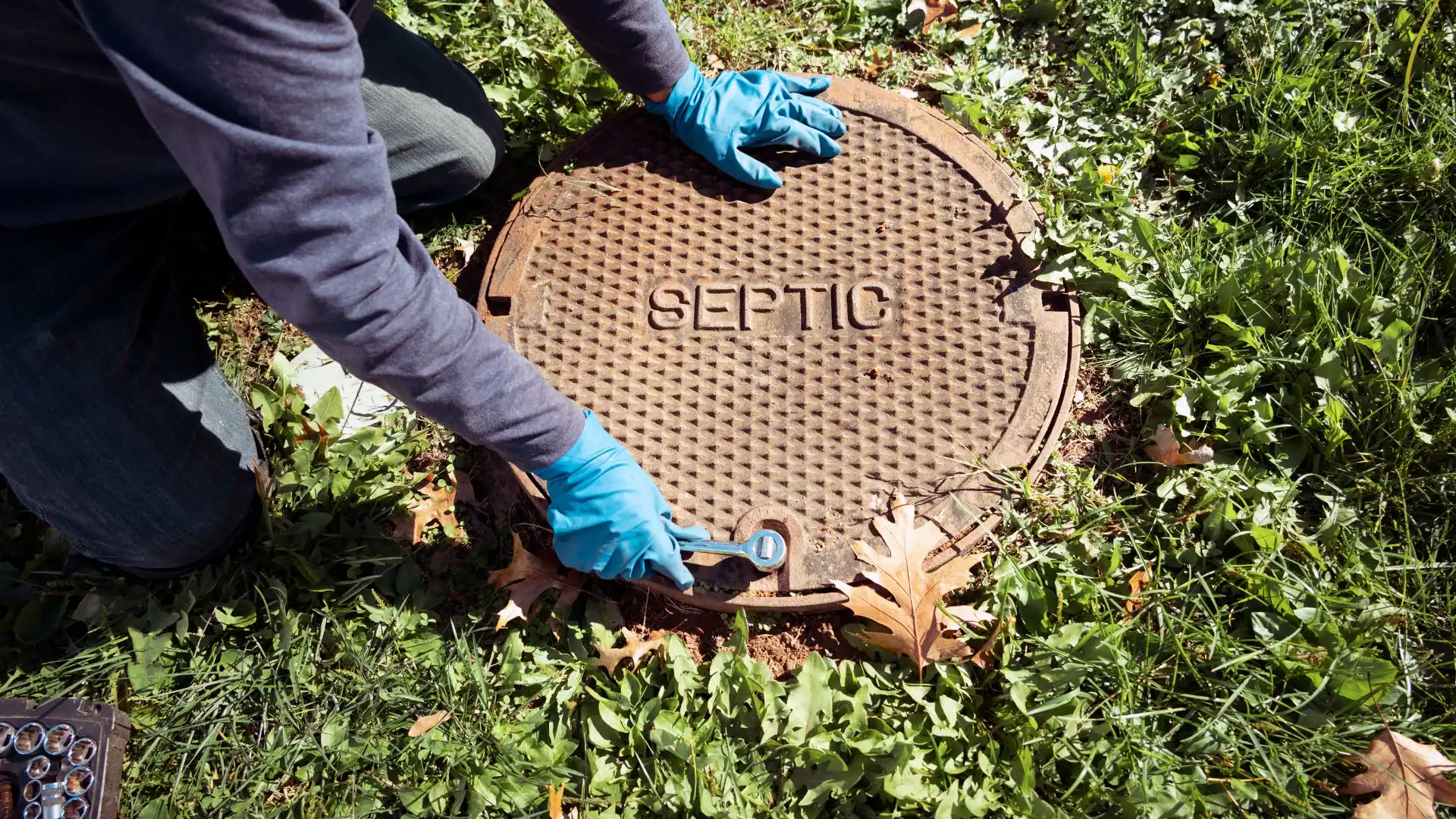
It starts with a site walkthrough. We look at the full picture where water enters the property, how the ground is sloped, what’s impervious, what the soil profile looks like, and where a discharge point actually exists. In North Bay Shore, that last part matters more than most people expect. Suffolk County regulations prohibit storm drainage from being redirected into the County sewer system, so every system has to be designed with a compliant outlet. We know the Town of Islip’s stormwater requirements and design accordingly so you don’t end up with a code violation after the work is done.
Once we understand the full water flow path, we put together a written quote that specifies labor, materials, scope, and timeline. No surprises. If the project requires a permit through the Town of Islip’s Division of Building, we handle that conversation upfront so nothing stalls mid-project.
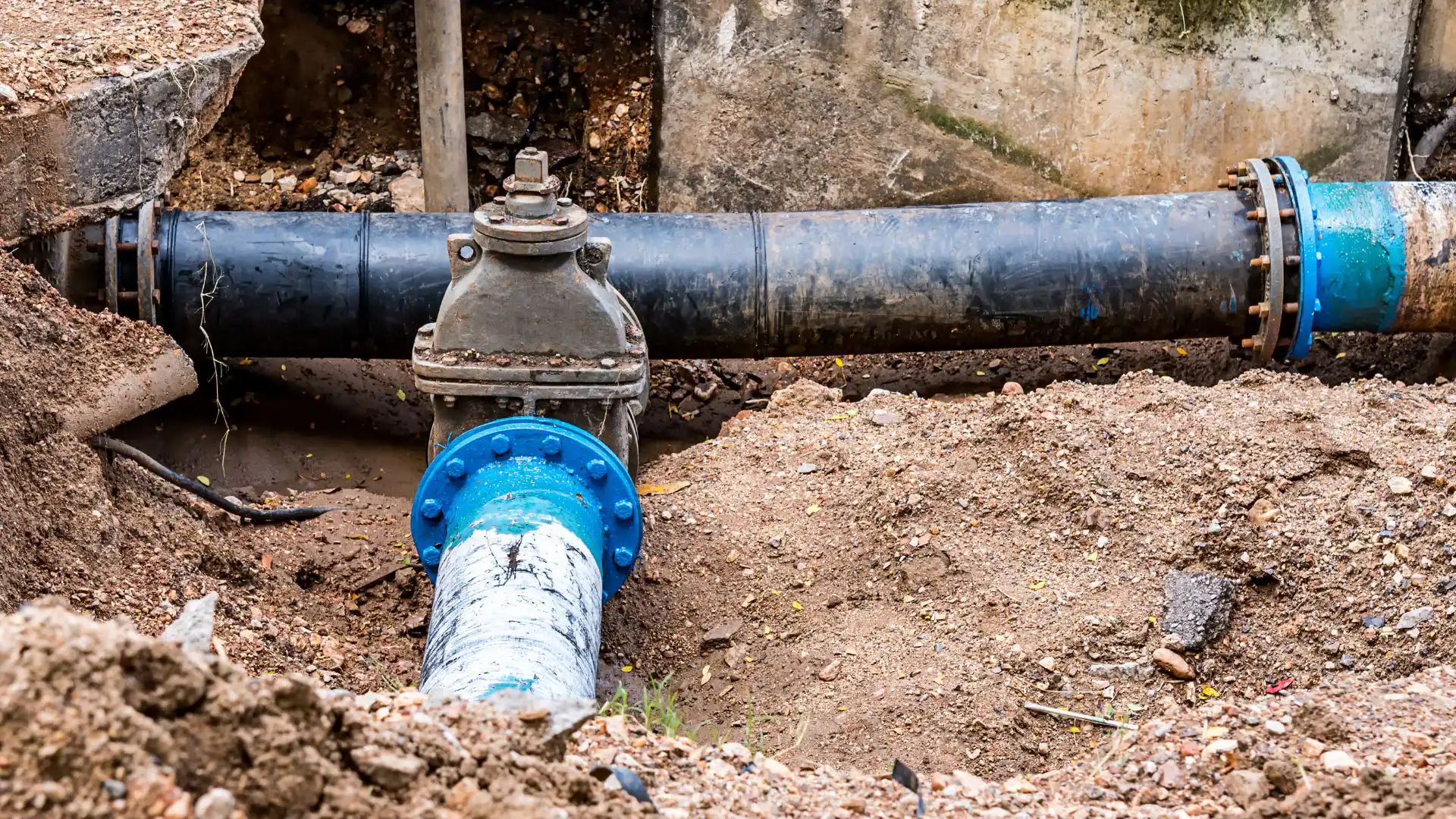
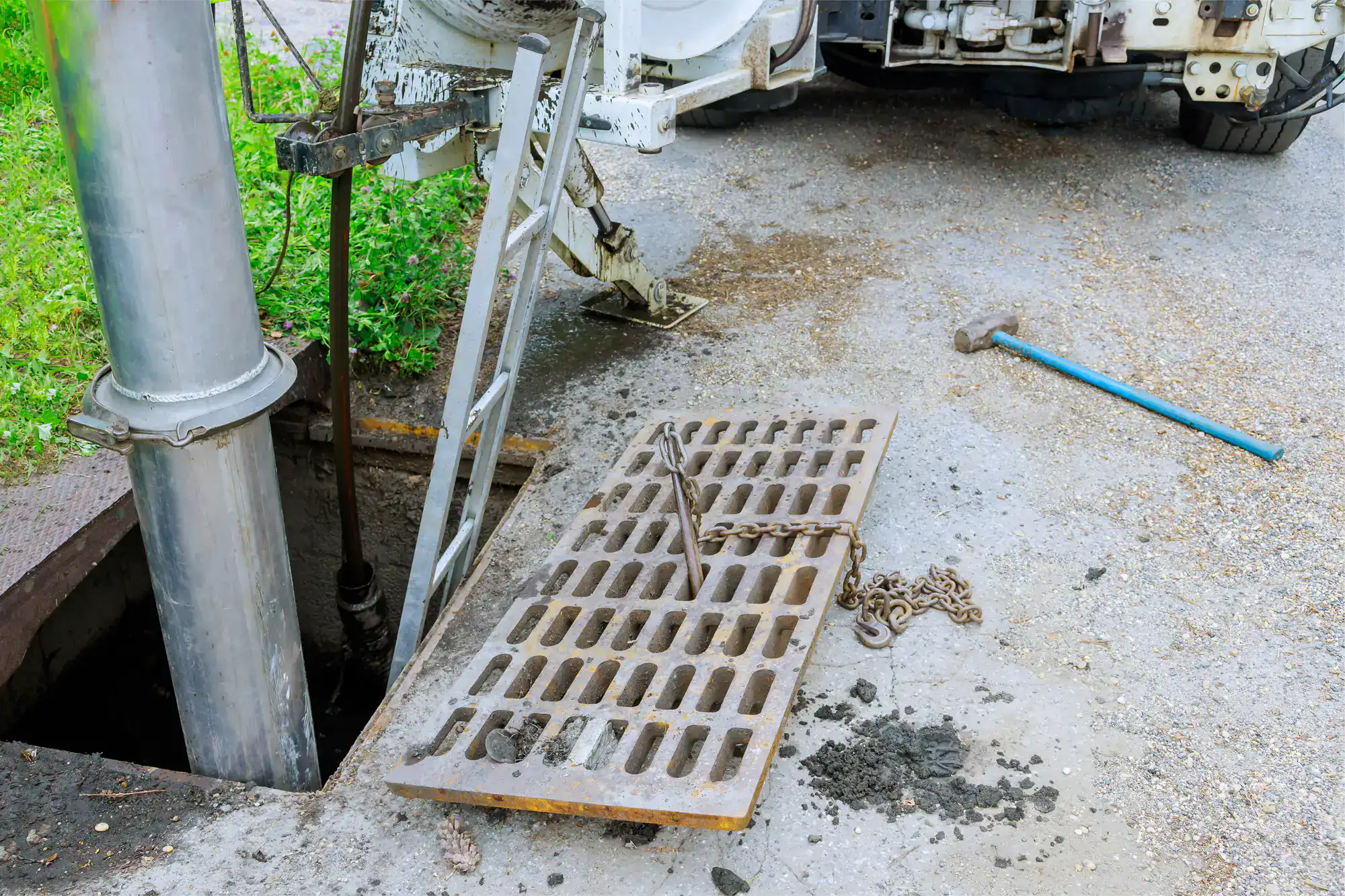
Installation typically involves excavation, placement of the drainage system whether that’s a French drain, catch basin, trench drain, dry well, or a combination proper grading, and full lawn and landscape restoration when the work is complete. Your yard doesn’t look like a construction site when we leave. On a quarter-acre lot in a dense neighborhood, that’s not a small thing.
Ready to get started?
The drainage systems we install in North Bay Shore are designed around the actual conditions on the ground here not a one-size-fits-all solution copied from somewhere else. Long Island’s clay-heavy subsoil acts as a natural barrier to water movement. When you add decades of soil compaction from postwar construction and the impervious surfaces that come with a densely settled neighborhood, you get a drainage problem that requires a system sized and positioned for your specific property.
Depending on what the site assessment reveals, your solution might be a French drain that intercepts groundwater before it reaches the surface, a catch basin that collects surface runoff at a low point in the yard, a trench drain along a driveway or patio edge, a dry well for controlled subsurface discharge, or a combination of several of these working together. The right answer depends on your property’s slope, soil depth, existing impervious surfaces, and where a compliant discharge point can be established under Town of Islip guidelines.
Every installation includes proper geotextile fabric to prevent silting, adequate pipe fall to keep water moving, and full site restoration. We also provide a written workmanship warranty because a drainage system that fails in two years isn’t a drainage system, it’s a delay.
It depends on the scope of the work. In North Bay Shore, you fall under the jurisdiction of the Town of Islip not an incorporated village so all permitting goes through Islip’s Division of Building. Minor drainage improvements may not require a formal permit, but any work that significantly alters stormwater flow patterns, involves major grading changes, or modifies how water discharges from the property typically does. The Town of Islip also maintains a stormwater management ordinance aligned with New York State’s SPDES permit requirements, which governs how properties handle runoff.
Beyond the permit question, there’s a Suffolk County regulation that’s worth knowing: storm drainage, roof runoff, and subsurface water cannot be discharged into the County sewer system. That means your drainage system needs a properly designed outlet a dry well, a compliant surface discharge point, or another approved method. A contractor who doesn’t know this can leave you with a system that violates code the day it’s installed. We handle the permit and compliance questions upfront, before a shovel touches the ground.
This is one of the most common points of confusion homeowners run into, and it’s worth clearing up before you call anyone. Plumbers handle water inside pipes drain cleaning, sewer lines, pipe repairs. If your basement drain is backing up or your sewer is clogged, that’s a plumber’s job. If water is pooling in your yard, migrating toward your foundation, or flooding your lawn after every storm, that’s a landscape drainage problem and it requires a different type of contractor entirely.
A landscape drainage contractor assesses how water moves across and through your property and installs systems to redirect it. French drains, catch basins, dry wells, trench drains, and regrading are all landscape drainage solutions not plumbing work. If you search for drainage help in North Bay Shore, you’ll find plenty of plumbing and drain-cleaning companies in the results. That’s not a knock on them they’re just solving a different problem. If your yard is the issue, you need someone who works with land and water, not pipes and fixtures.
Most residential drainage projects in Suffolk County fall somewhere between $2,100 and $7,200, with the national average sitting around $4,600. Where your project lands in that range depends on the size of the area being addressed, how many drainage components are needed, how deep the excavation has to go, and what the discharge situation looks like on your property. A single French drain on a straightforward lot is at the lower end. A system that combines a catch basin, trench drain, and dry well to handle a serious drainage problem on a quarter-acre North Bay Shore property will be closer to the middle or upper range.
The more useful number to keep in mind is the cost of not fixing it. Foundation repairs triggered by chronic water intrusion run $23,000 to $48,000 for structural work. A single basement flooding event averages $10,000 to $26,000 in damage. Against those numbers, a properly installed drainage system is one of the most cost-effective things you can do for a home in this price range. We provide written, itemized quotes before any work begins so you know exactly what you’re getting and what it costs.
This is a frustrating situation, and it’s more common than it should be. The most frequent reasons a drainage fix fails on Long Island come down to a few recurring mistakes. The system was undersized and can’t handle peak rainfall it works in a light shower but gets overwhelmed in a real storm. The pipe was installed without enough fall, so water stagnates instead of flowing. No geotextile fabric was used, so the system silted up within a year or two and lost most of its capacity. Or the contractor addressed one symptom without tracing the full water flow path, so the problem just moved somewhere else on the property.
South Shore soil conditions make all of these mistakes worse. Clay-heavy subsoil has very limited percolation capacity, which means a marginally undersized or partially clogged system fails much faster here than it might in a sandier area. If your previous drainage work didn’t hold up, the answer isn’t just to replace it with the same thing it’s to start with a proper site assessment that identifies what the original fix missed. That’s where we start every project.
Spring and fall are the two best windows for drainage installation in North Bay Shore, and both have practical reasons behind them. Spring roughly March through May is when the ground is workable again after winter and before summer heat sets in. It’s also when homeowners who made it through the winter realize their drainage problems are worse than they thought, after snowmelt and spring rainfall saturate already-wet ground. Getting a system installed in spring means you’re protected before the summer thunderstorm season, which is when the South Shore sees the most intense short-duration rainfall events.
Fall is the other strong window, particularly September and October before the ground freezes. Nor’easter season starts in late fall, and South Shore communities like North Bay Shore face real flooding risk from those systems. Homeowners who experienced problems the previous winter or spring and want to be ready before the next round of storms often schedule fall installations. That said, drainage work can happen year-round as long as the ground isn’t frozen solid so if you’re dealing with an active problem right now, there’s no reason to wait for a specific season.
For most residential projects in North Bay Shore, installation takes one to three days from start to finish. A straightforward French drain on a single problem area of a quarter-acre lot is typically a one-day job. A more involved system one that combines a catch basin, connecting pipe runs, and a dry well discharge point, or one that requires significant regrading usually runs two to three days. Larger or more complex properties can take longer, but that gets outlined in the written quote before work begins so you’re not caught off guard.
What affects the timeline most in a dense neighborhood like North Bay Shore is access and restoration. Working carefully in tight spaces between homes, protecting existing landscaping, and fully restoring the lawn and grade after installation all take time and they should. A contractor who rushes through a job on a small lot and leaves the yard looking torn up isn’t doing you any favors. When we’re done, the yard should look like the work was done right, not just done fast. Timeline, crew arrival, and project duration are all part of what we cover before the first day on site.