
Hear from Our Customers
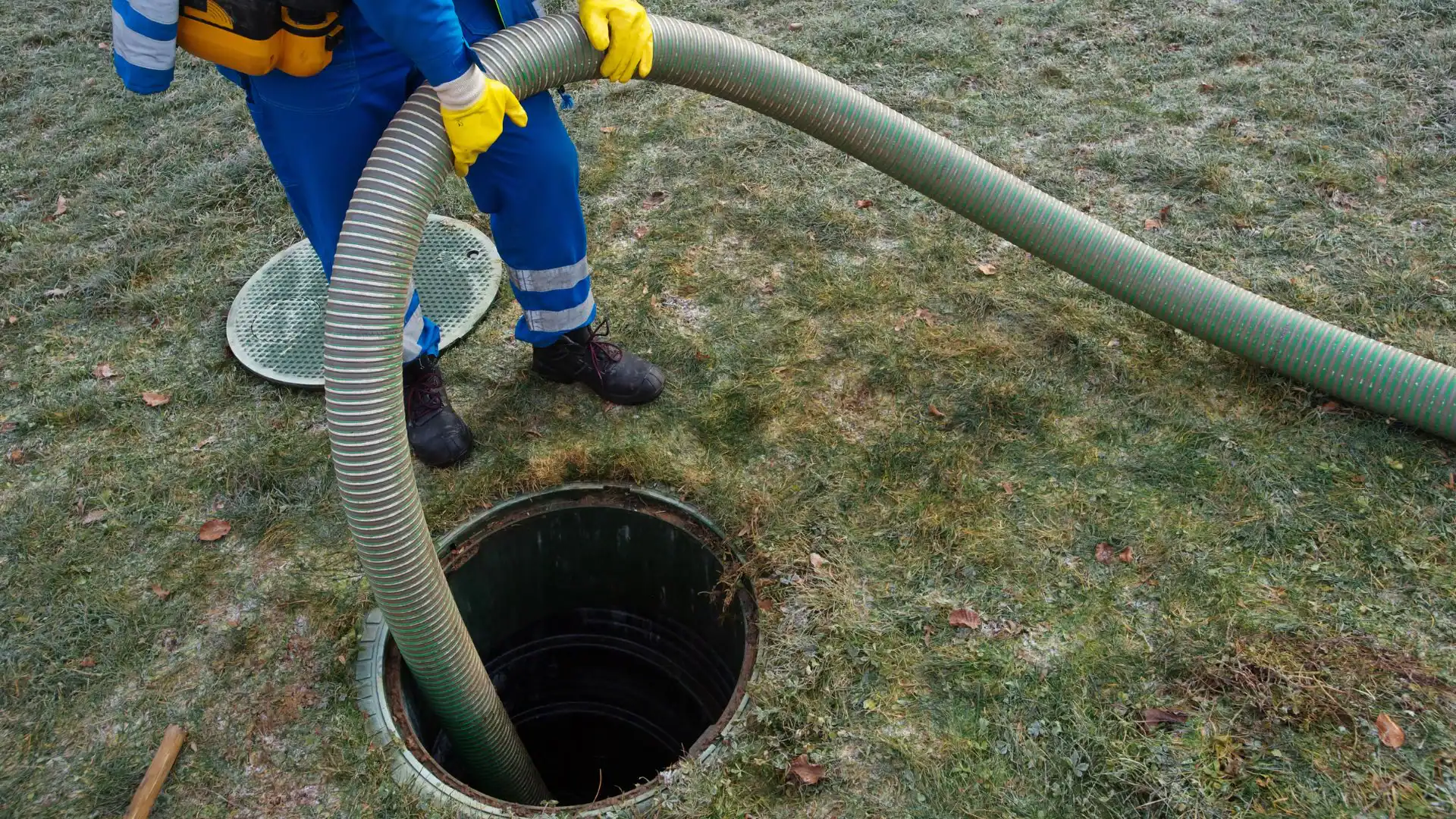
Standing water isn’t just an eyesore. Left unaddressed, it works against your foundation, softens your soil, and compounds every storm event that follows. For Patchogue homeowners, that compounding effect is real because the storms here don’t just bring rain, they push water inland from Great South Bay. When your drainage system isn’t up to that, the damage adds up faster than most people expect.
The good news is that a properly designed drainage system changes the entire picture. Water gets redirected before it reaches your foundation. Your yard recovers after a storm instead of staying waterlogged for days. And that anxious walk around the perimeter after every heavy rain? It stops being part of your routine.
Patchogue’s coastal soil profile adds a layer of complexity that generic installs often miss. Sandy soils near the bay drain quickly under normal conditions but carry fine sediment that clogs drainage pipes within a year or two if the system isn’t built with the right materials. Properties near the Patchogue River or Swan River also deal with tidal backpressure a condition where the receiving water body is high enough that standard gravity drainage slows or reverses. These are Patchogue-specific conditions, and the drainage system serving your property needs to account for all of them.
We’re a landscape drainage contractor serving Patchogue and the surrounding South Shore communities. This isn’t a plumbing company that handles drainage on the side, and it isn’t a general landscaper who installs a French drain and calls it done. Drainage is the work assessing the full site, designing a system that addresses the actual cause, and installing it correctly the first time.
Most homeowners who call us have already tried something else. A plumber cleared a drain. A landscaper added a catch basin. The yard still floods. That’s usually because the fix addressed a symptom, not the source. Before any equipment comes out, we walk the property, read the grade, assess the soil, and trace where the water is actually coming from. That assessment drives everything that follows.
We’re fully licensed and insured, familiar with the Village of Patchogue’s building department and stormwater code, and experienced with the drainage conditions specific to this stretch of Suffolk County from the bay-adjacent neighborhoods near Shorefront Park to the residential streets north of Sunrise Highway.
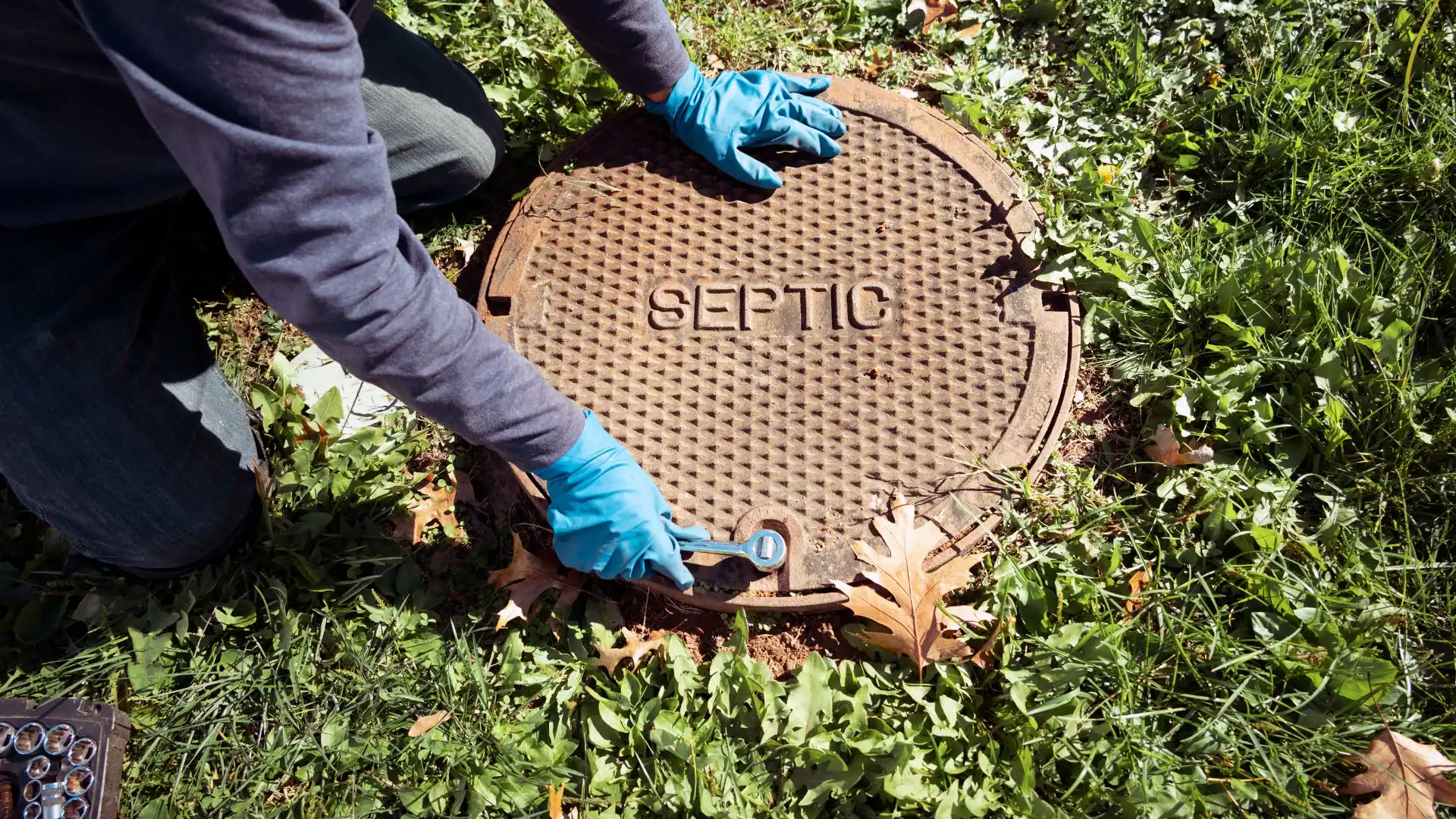
It starts with a site assessment. We walk your property, evaluate the slope and grade, check the soil conditions, and identify where water is entering, accumulating, and failing to exit. For properties near the Patchogue River or the bay, we also account for tidal influence something a lot of contractors overlook entirely. This step isn’t a formality. It’s what determines whether the system we design will actually solve your problem.
From there, we put together a drainage plan specific to your property. That might mean a French drain to address subsurface saturation, a catch basin system for surface pooling, regrading to correct a slope that’s directing water toward the house, or a combination of all three. The components are designed to work together not installed piecemeal and hoped for the best.
Because Patchogue is an incorporated village with its own building department, drainage work that connects to the village stormwater system requires a permit. We handle that process. Once permits are in order, installation begins and when the work is done, we restore the disturbed lawn, topsoil, and landscaping. You’re not left with a yard that looks like a construction site. The system is integrated into the landscape, and we walk you through exactly how it works before we leave.
Ready to get started?
Every drainage project we complete in Patchogue is designed around the specific conditions of that property. That means accounting for the sandy coastal soils that require geotextile fabric to prevent silt migration and premature pipe clogging. It means sizing the system for peak rainfall events not average ones because a nor’easter that drops three inches in twenty-four hours is not an average event on the South Shore. And it means understanding how proximity to Great South Bay affects the water table and drainage system performance in ways that inland properties simply don’t face.
The services we install include French drain systems, catch basins, area drains, channel drains, dry creek beds, downspout extensions, and full site regrading. Some properties need one component. Most need several, working together. We don’t recommend more than what your property actually requires, and we don’t cut corners on materials because drainage systems that fail in year two cost more to fix than doing it right the first time.
For Patchogue homeowners, the investment in a professionally installed drainage system typically runs between $5,000 and $12,000 depending on scope and site complexity with tidal-influenced or bay-adjacent properties sometimes higher. That range looks different when you put it next to foundation repair costs of $23,000 to $48,000, or the average water damage insurance payout of nearly $14,000 per claim. A drainage system isn’t a landscaping upgrade. It’s the most cost-effective form of property protection available to a South Shore homeowner.
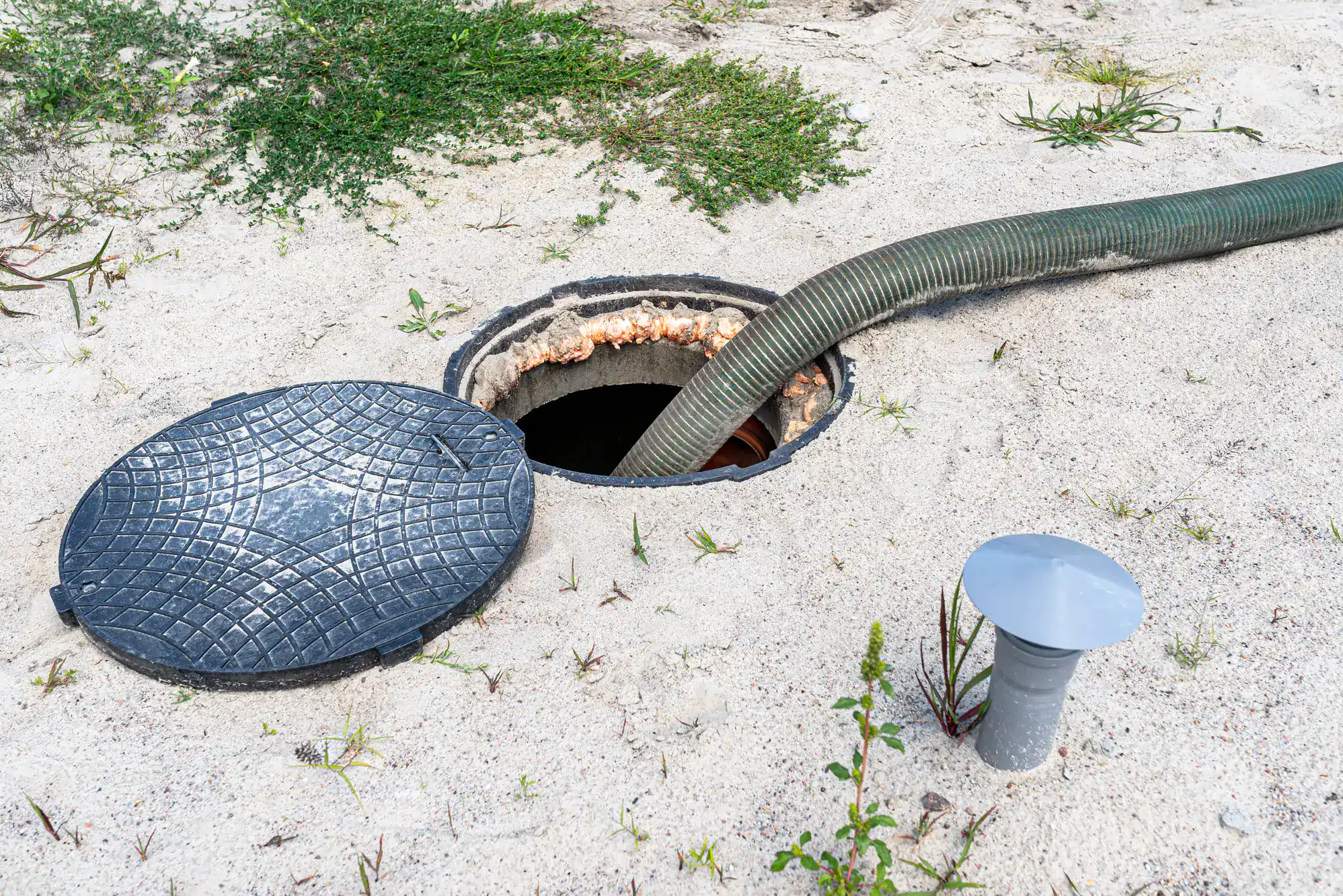
This is one of the most common situations we encounter on South Shore properties. The previous work addressed a symptom a single pooling spot, a blocked drain without accounting for the full water flow path across the property. A catch basin that has nowhere adequate to discharge, or a French drain installed without proper fall, will underperform or fail entirely within a season or two.
In Patchogue specifically, there’s an additional factor that often gets missed: tidal backpressure. Properties near the Patchogue River, Swan River, or the bay can experience conditions where the receiving water body is elevated enough that gravity drainage slows significantly or temporarily reverses. If your previous drainage system didn’t account for that, it was working against physics during the exact storm events when you needed it most. A proper site assessment identifies these conditions before any new work begins.
A plumber handles what’s inside or directly connected to your home’s plumbing system pipes, fixtures, and the connections between your structure and the municipal sewer or septic system. When water is accumulating in your yard, pooling near your foundation, or flooding your lawn after every storm, that’s a land problem, not a pipe problem. It falls outside a plumber’s scope, which is why so many Patchogue homeowners end up calling a plumber first and still have a flooding yard afterward.
A landscape drainage contractor assesses the full picture: where the water is coming from, how the grade is directing it, what the soil is doing with it, and where it needs to go. The fix might involve a French drain, a catch basin, regrading, or a combination but the starting point is always understanding the site as a whole. If a plumber has already told you the problem is outside their scope, that’s accurate. It’s exactly the kind of work we handle.
Yes, in most cases. Because Patchogue is an incorporated village not an unincorporated hamlet like many surrounding communities it has its own building department and stormwater management code, separate from the Town of Brookhaven. Any drainage work that involves excavation, grading, or connection to the village stormwater system requires a permit from the Village of Patchogue’s building department.
The village also operates under a New York State SPDES stormwater permit, which governs how stormwater is discharged from properties within the village. Work that doesn’t comply with those obligations can create problems down the line especially at resale, when unpermitted improvements surface during inspection. We handle the permit process as part of the project, so you’re not navigating village code on your own or left with work that isn’t properly documented.
For most residential properties in Patchogue, a professionally designed and installed drainage system runs between $5,000 and $12,000. The range depends on the size of the property, the number of components required, and the complexity of the site with bay-adjacent or tidal-influenced properties on the higher end because they require additional design consideration that standard inland installs don’t.
That number is easier to evaluate when you compare it to the alternatives. Foundation repair triggered by water intrusion costs $23,000 to $48,000. The average water damage insurance payout is nearly $14,000 per claim and that’s just one event. Research consistently shows that every dollar invested in flood protection saves five to eight dollars in future damage costs. For a homeowner in Patchogue, where property values have climbed significantly over the past two decades, a drainage system is one of the highest-return improvements you can make to a property.
The right system depends on what’s actually happening on your property there’s no single answer that applies to every yard. That said, certain drainage solutions come up consistently on South Shore properties because of the conditions here. French drains are effective for subsurface saturation, particularly in areas where the soil holds water after heavy rainfall. Catch basins address surface pooling in low spots. Channel drains work well along driveways and hardscaped areas where runoff concentrates. Regrading corrects the grade issues that send water toward a structure instead of away from it.
What makes Patchogue properties different from inland Long Island is the coastal soil profile and the bay’s influence on the water table. Sandy soils near the shoreline require geotextile fabric lining in French drain installations without it, fine sediment migrates into the pipe and clogs it within a year or two. Properties near the Patchogue River or Great South Bay also need systems that account for tidal backpressure during storm events. These aren’t details that show up in a generic drainage installation they’re site-specific factors that require a contractor who knows this area.
If water is pooling within ten feet of your foundation after a moderate rain, that’s serious enough. If your yard stays saturated for more than twenty-four hours after a storm, that’s serious enough. If you’ve noticed efflorescence on your basement walls, soft spots in your lawn, or erosion near your downspouts, those are signs that water is already doing work against your property you just can’t see all of it yet.
For Patchogue homeowners, the threshold for action is a little lower than it might be elsewhere because of the bay’s proximity and the intensity of coastal storms. A strong nor’easter pushing water inland from Great South Bay while heavy rain is falling from above puts a real load on any drainage system. If yours is already showing signs of strain under normal conditions, it’s worth getting an assessment before the next significant storm event arrives.