
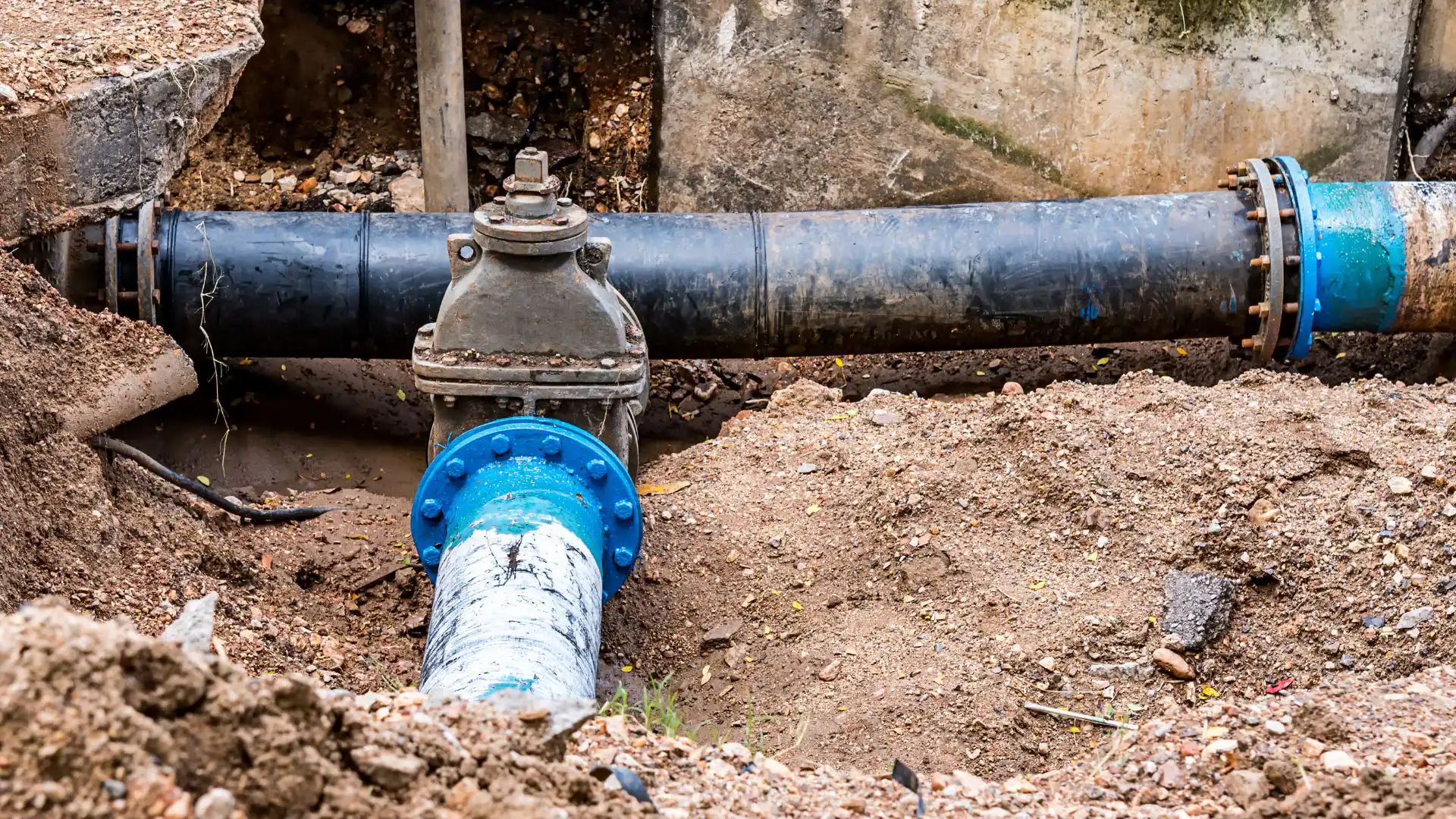
Hear from Our Customers
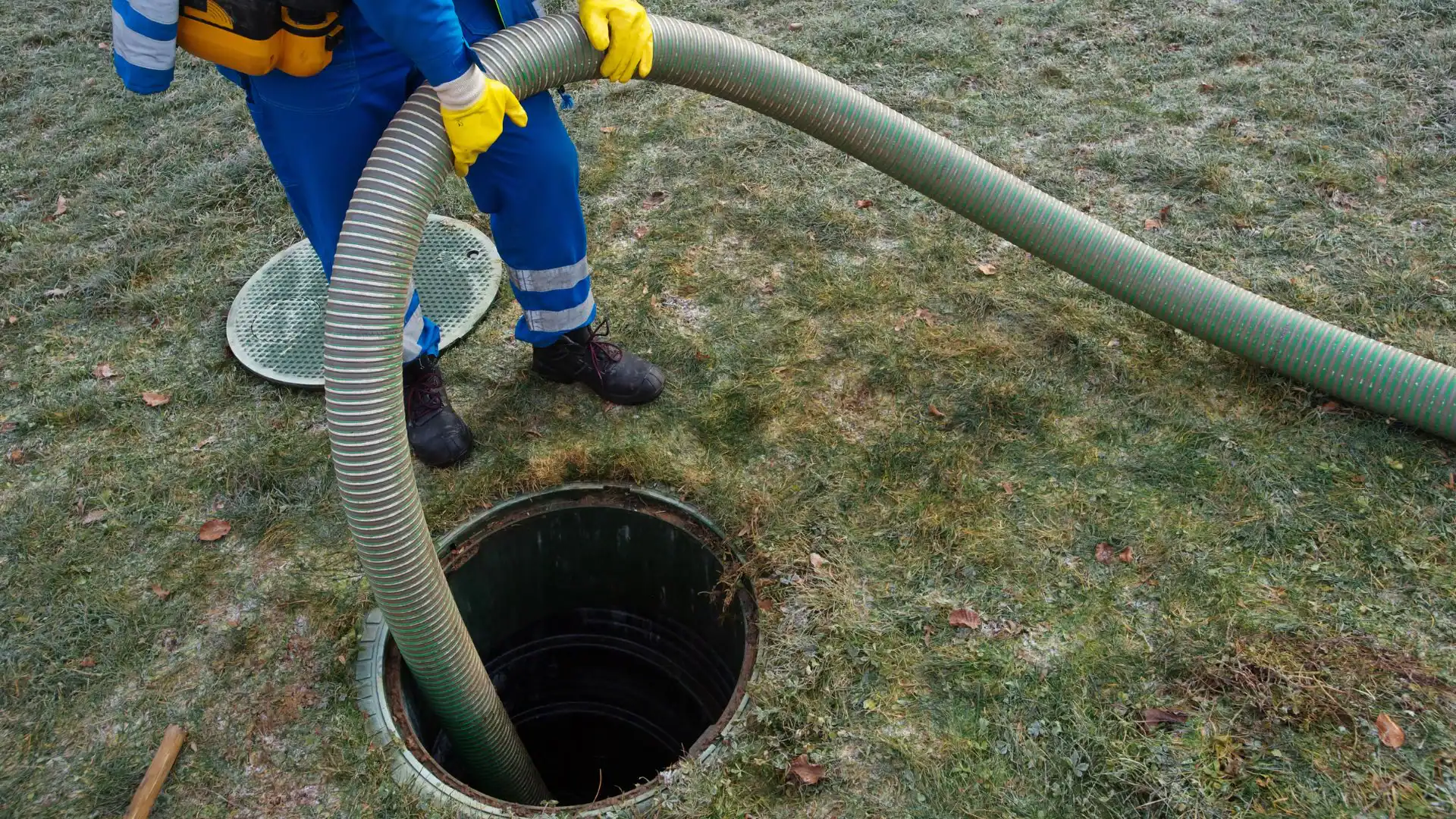
Most Ronkonkoma homeowners don’t call a drainage contractor because they want a project. They call because they’ve watched their backyard turn into standing water one too many times, or because they found moisture creeping toward their foundation after a hard rain. The outcome they want is simple: a yard that drains, a foundation that stays dry, and a lawn they can actually use.
What makes drainage here different from other parts of Long Island is the ground itself. Ronkonkoma sits directly on the Ronkonkoma Moraine the terminal deposit left behind by the last glacier that moved through this area. That means the soil beneath your yard is glacial till: a mix of clay, sand, gravel, and silt that doesn’t drain the same way from one spot to the next. A patch of yard that looks level can hold water for days while the area ten feet away drains fine. That variability is why a drainage system designed without a real site assessment often fails.
If your property is near Lake Ronkonkoma, there’s an additional layer to consider. The lake sits in a glacial kettle depression, and when its water levels rise, the shallow groundwater table in surrounding properties rises with it sometimes to the surface. That’s water coming up from below, not just down from above. A properly designed landscape drainage system accounts for both, and that’s exactly the kind of assessment we start with before recommending anything.
We’re a Long Island landscape drainage contractor that works across Suffolk County including Ronkonkoma and the surrounding communities in the Towns of Islip and Brookhaven. That dual-town reality matters here more than people realize. Depending on where your property sits within Ronkonkoma, you may be dealing with Islip’s building department or Brookhaven’s and the permit process for drainage work, particularly dry well installation, is different between the two. We know which department to call, what documentation they require, and how to keep your project moving without the runaround.
We’re not a national franchise or a plumbing company that added drainage to a service menu. Landscape drainage is what we do from site grading and surface water management to French drains, catch basins, and dry well systems. When we assess your property, we’re looking at the full picture: where the water comes from, where it goes, what the soil is doing, and what it’s going to take to actually fix it.
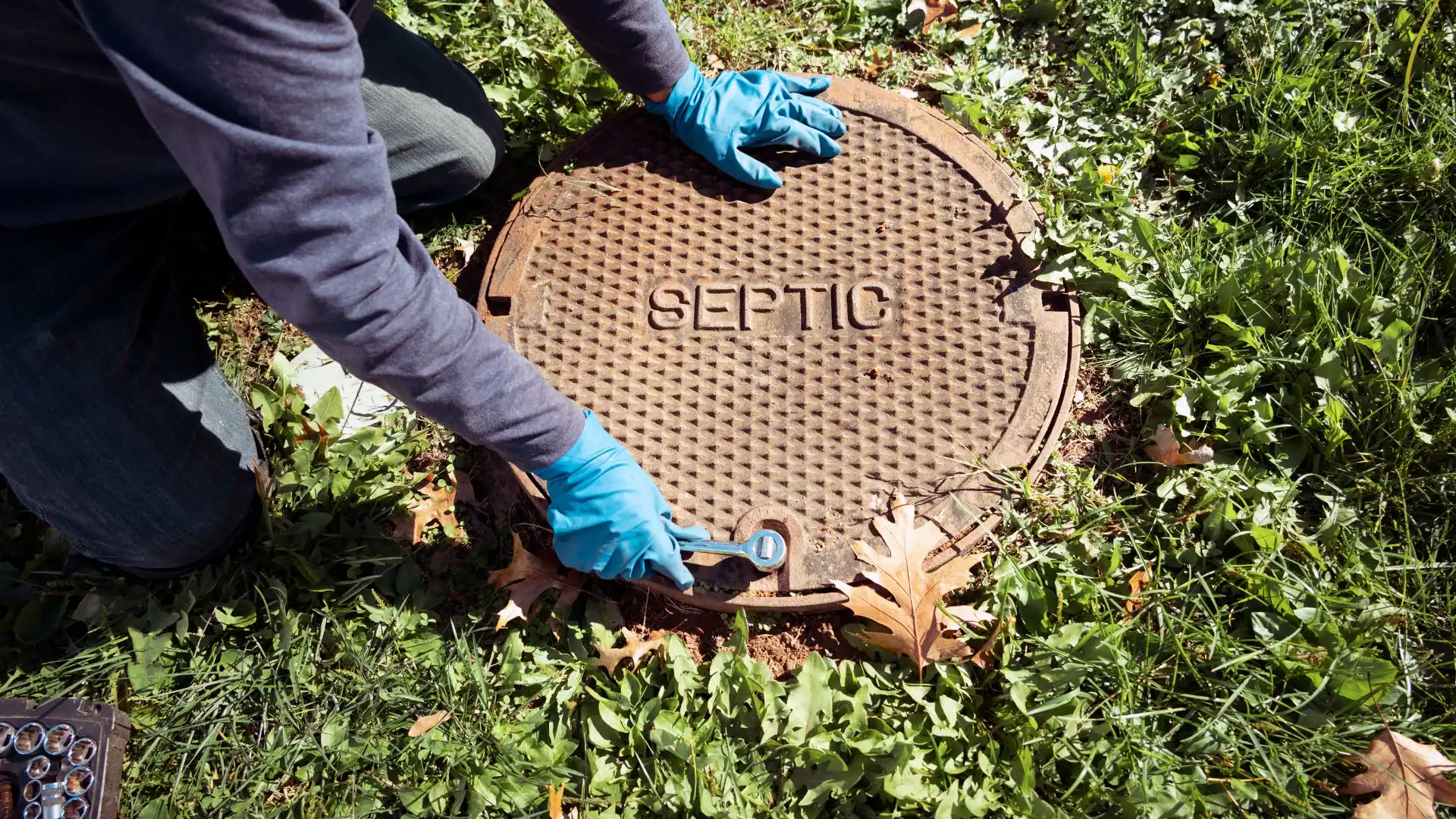
It starts with a site assessment not a quote from the driveway. Before anything gets recommended or priced, we walk your property and map the full water flow: where it enters, where it stalls, where the grade is working against you, and what the soil conditions are telling us. In Ronkonkoma, that assessment step is especially important because glacial till doesn’t behave predictably. We’re looking for clay lenses, low spots, and any indication that groundwater not just surface runoff is contributing to the problem.
Once we understand what’s happening, we design a system that addresses the actual cause. That might mean regrading to redirect slope, installing a French drain to intercept subsurface water, adding a catch basin to collect surface flow, running pipe to a dry well or street outlet, or some combination of all of it. In Suffolk County, dry well installation requires a permit from your local building department either the Town of Islip or the Town of Brookhaven depending on your address. We handle that process as part of the project so you’re not chasing paperwork.
Installation is followed by landscape restoration. The turf, topsoil, and planting areas disturbed during the work get put back together before we leave. The goal is a yard that drains correctly and looks like the work was done right because it was.
Ready to get started?
The drainage services we provide in Ronkonkoma cover the full range of what residential properties here actually need. French drain systems intercept and redirect subsurface water before it saturates your yard or reaches your foundation. Catch basins collect surface water at the low points of your property and channel it away through underground pipe. Dry well systems provide a compliant, permitted discharge point for collected stormwater critical in Suffolk County, where every dry well requires a building permit and must meet county stormwater regulations. Yard regrading corrects the slope issues that send water toward structures instead of away from them.
For properties near Lake Ronkonkoma, where shallow groundwater is a documented issue, we design systems that address both surface drainage and the effects of a rising water table not just the rain that falls on a given day. For properties closer to the Veterans Memorial Highway corridor or the newer residential development near the LIRR station, we account for the increased impervious surface coverage that comes with denser built environments and the faster runoff it creates.
Every project includes a written quote, a clear scope of work, and a workmanship warranty. You know what you’re getting before a shovel goes in the ground, and you have a documented commitment behind the work after it’s done.
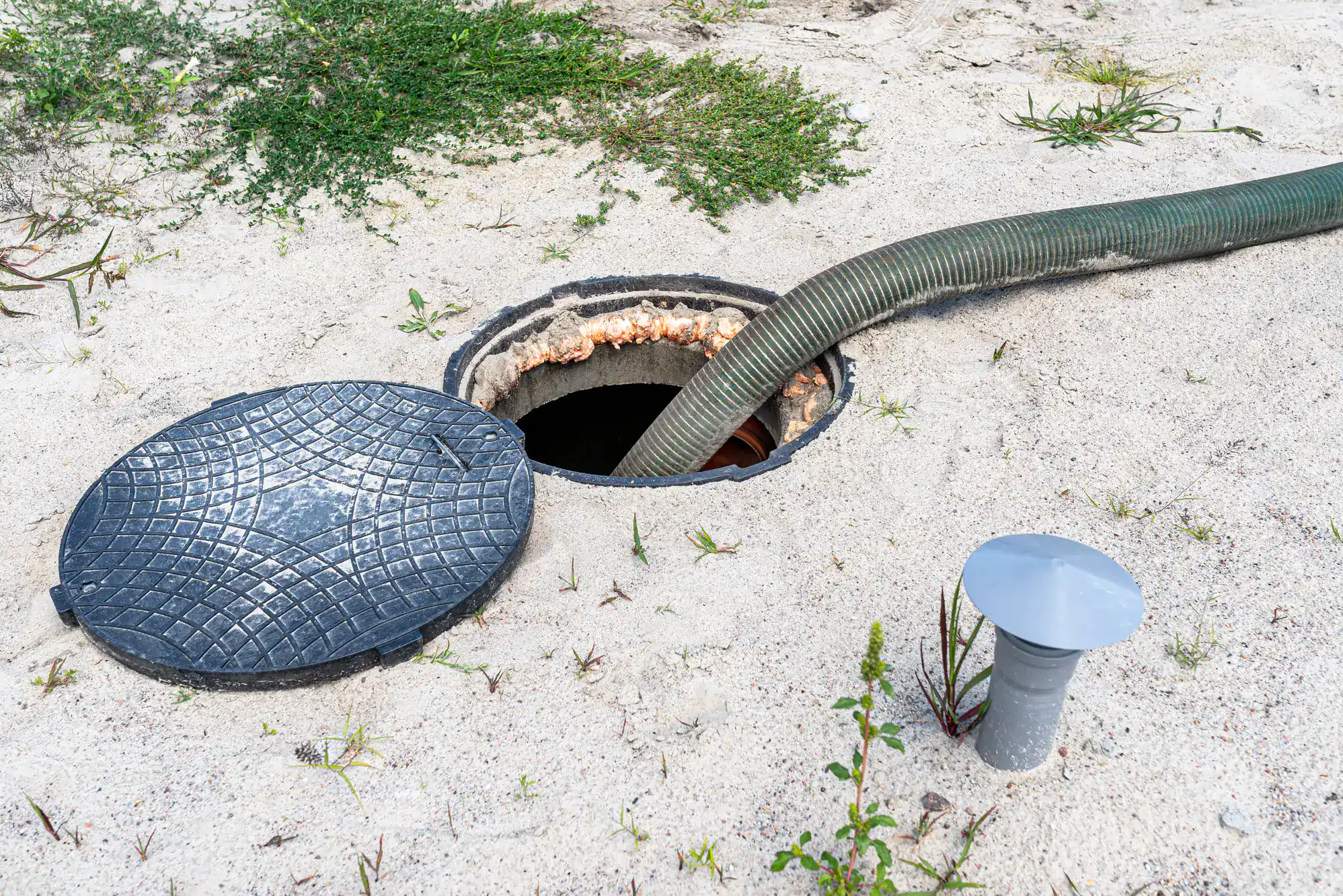
This is one of the most common questions we hear from homeowners in Ronkonkoma, and the answer usually comes down to one of two things or both at once. The first is soil. Ronkonkoma sits on glacial till deposited by the last ice age, and that soil is unpredictable. Clay-heavy pockets within the till drain extremely slowly, so water that can’t percolate downward just sits on the surface. The second is groundwater. Properties near Lake Ronkonkoma are particularly susceptible to a rising water table meaning the ground can become saturated from below, not just from above. When that happens, even a moderate rainfall has nowhere to go.
The fix depends on which problem you’re dealing with, which is why a proper site assessment matters before anything gets installed. A French drain addresses subsurface water movement. A catch basin and pipe system handles surface pooling. Regrading changes where the water flows. Sometimes all three are needed. The only way to know is to actually look at what your specific yard is doing.
The most common systems for residential properties on Long Island are French drains, catch basins, dry wells, and surface regrading and most real-world drainage problems require more than one of them working together. A French drain is a perforated pipe buried in a gravel trench that collects subsurface water and moves it away from the problem area. A catch basin is a surface-level inlet that collects standing water and routes it through underground pipe to a discharge point. A dry well is an underground chamber that holds collected water and allows it to slowly percolate into the surrounding soil.
In Ronkonkoma and the broader Suffolk County area, dry wells are one of the most widely used discharge solutions but they require a permit from your local building department before installation. Depending on where your property sits, that’s either the Town of Islip or the Town of Brookhaven. Regrading is often the piece that gets overlooked: if the slope of your yard is directing water toward your foundation or a low spot in the lawn, no amount of pipe work will fully solve the problem without correcting the grade first.
For most residential drainage projects, the range runs from roughly $2,100 to $7,200 depending on the scope what systems are needed, how much linear footage of pipe is involved, whether regrading is required, and how complex the permit process is. More involved projects that combine multiple systems or address significant grade correction can run higher. The honest answer is that cost varies because every property is different, and a quote without a site assessment isn’t a real quote.
What’s worth keeping in mind is the cost comparison. A single inch of floodwater causes an average of $27,000 in home damage. Foundation repair from water intrusion runs $23,000 to $48,000 for structural work. Basement flooding remediation averages $10,000 to $26,000 per incident. Against those numbers, a properly installed drainage system is one of the better investments a Ronkonkoma homeowner can make especially given the storm exposure this area sees, from summer thunderstorms to Nor’easters that saturate already-wet ground.
Yes for certain types of drainage work, permits are required. Dry well installation in particular requires a permit from your local building department, and in Ronkonkoma that means either the Town of Islip or the Town of Brookhaven depending on which side of the town boundary your property sits on. This is one of the more confusing aspects of doing drainage work in Ronkonkoma specifically, because it’s one of the few communities on Long Island that straddles two separate town jurisdictions. Homeowners who don’t know which town governs their property can end up calling the wrong department and losing time.
Suffolk County also enforces stormwater regulations for drainage systems that connect to or affect the municipal storm sewer system. Any drainage plan that involves catch basins or discharge points near the street needs to account for those requirements. We handle permit coordination as a standard part of every project we know which department to contact, what documentation is required, and how to get approvals without unnecessary delays.
The honest answer is that most drainage problems that are serious enough to prompt a Google search are past the DIY threshold. Surface-level fixes like clearing a clogged catch basin grate or redirecting a downspout extension are reasonable DIY tasks. But if you’re seeing persistent standing water after rain, soggy patches that never fully dry out, water pooling near your foundation, or basement dampness that correlates with rainfall those are symptoms of a system-level problem that a shovel and a bag of gravel won’t solve.
In Ronkonkoma specifically, the variability of glacial till soils means that a drainage solution that looks right on paper can fail because of what’s happening a foot or two beneath the surface. You won’t know what’s there without digging and assessing. Beyond that, dry well installation requires a permit so even if you’re capable of the physical work, doing it without the proper approvals creates liability and can complicate a future home sale. A professional assessment tells you exactly what you’re dealing with and what the right fix actually is.
Late spring roughly May through early June tends to be the best window for drainage installation in Ronkonkoma. The ground is workable, contractor schedules have more availability before the peak summer season, and you can have the system in place before the heavy August thunderstorms that routinely test Long Island drainage capacity. The largest single-day rainfall event in New York State history was recorded at Islip the town that governs part of Ronkonkoma when 13.57 inches fell in a single 24-hour period in August 2014. That’s an extreme case, but it illustrates what these systems need to be built for.
Fall is the second-best window, after the peak storm season and before the ground freezes. Winter installation is possible in mild stretches but harder to schedule reliably. Spring particularly March and April can work but the ground is often saturated from snowmelt and early rains, which can complicate excavation. If you experienced drainage problems last season and want them resolved before the next one, the earlier you schedule an assessment, the better your timing options will be.