
Hear from Our Customers
When drainage works the way it should, you stop watching the weather with dread. No more soggy lawn that stays underwater for days, no more mud tracking through the house, and no more wondering whether this storm is the one that gets into your basement or creeps toward your foundation. That shift from anxiety to confidence is what a properly installed drainage system actually gives you.
For Sayville homeowners, this matters more than it does in most places. The South Shore sits low. The water table is high. When the Great South Bay swells during a nor’easter or a heavy coastal storm, it doesn’t just affect properties right on the water it raises the water table across the surrounding area, leaving yards with nowhere to drain. A system that works fine in an inland town like Holbrook may be completely undersized for what a Sayville property deals with during a real weather event.
Many of the homes here were also built before anyone thought seriously about engineered yard drainage. Victorian-era houses and early 20th-century bungalows throughout Sayville weren’t designed with today’s impervious surfaces in mind the driveways, patios, and additions that have been added over decades have changed how water moves across these lots entirely. Getting the drainage right means accounting for all of that, not just installing a single catch basin and calling it done.
We’re a landscape drainage contractor serving Sayville and the surrounding South Shore communities West Sayville, Bayport, Blue Point, Oakdale, and Great River. This isn’t a regional call center routing jobs from across the island. We work in these neighborhoods regularly and understand the specific drainage challenges that come with South Shore terrain.
That means knowing how the Great South Bay influences water tables, how the sandy-loamy soils of the glacial outwash plain behave during intense rainfall, and how the older housing stock throughout Sayville much of it dating back to the late 1800s was never built with modern stormwater management in mind. That context shapes every site assessment and every system we design.
Every project comes with a written quote, documented scope, and a workmanship warranty. Licensing and insurance documentation is available before any work begins because in a community like Sayville, where reputation matters, we have every reason to do the job right the first time.
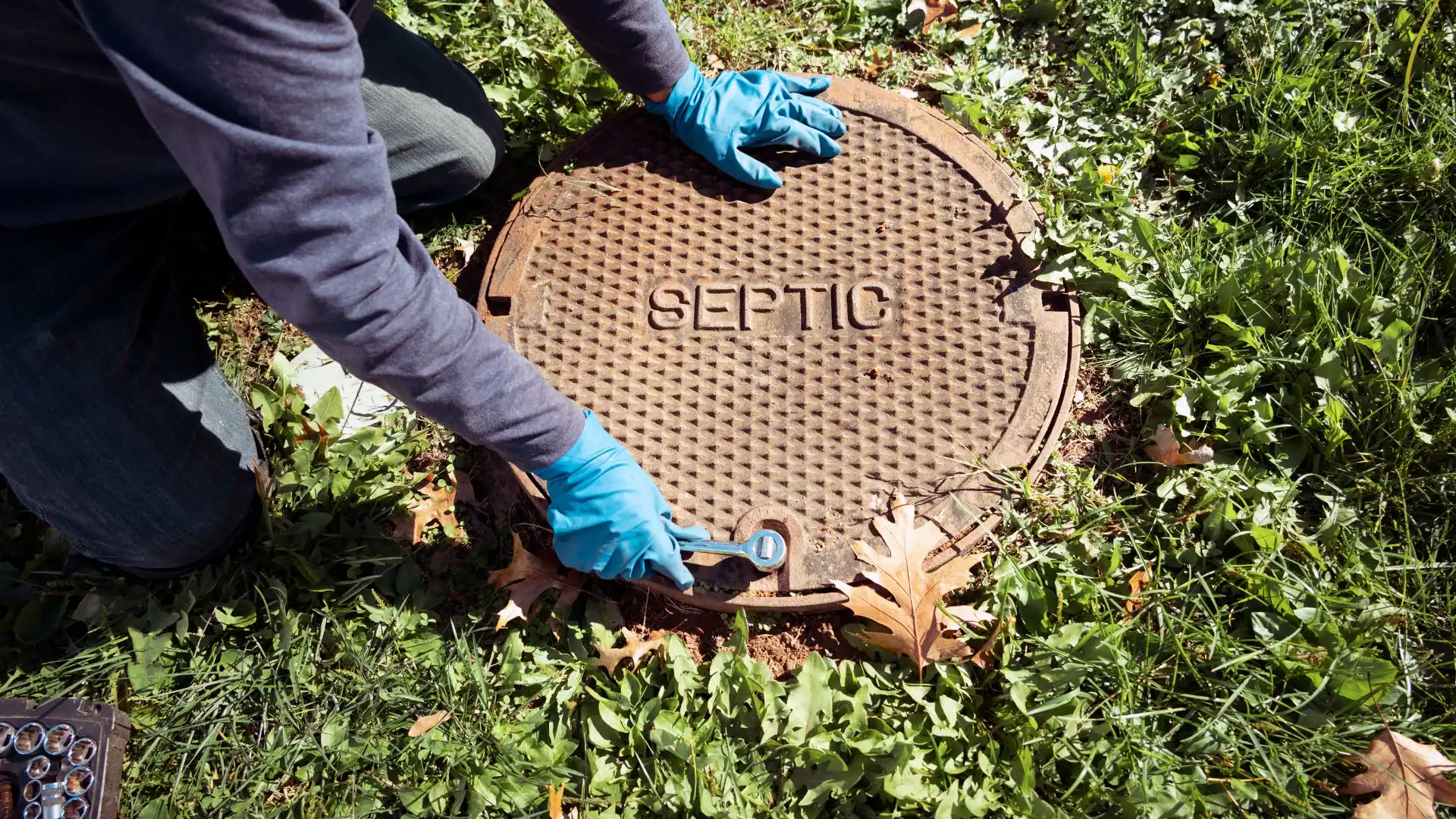
It starts with a site assessment not a quick glance and a quote, but an actual evaluation of where the water is coming from, why it’s accumulating where it is, and where it needs to go. On a Sayville property, that means looking at grade, soil condition, proximity to the water table, existing drainage infrastructure (if any), and how impervious surfaces like driveways and patios are redirecting runoff. A lot of drainage problems on the South Shore have more than one contributing factor, and missing one of them means the system you install won’t hold up when conditions get serious.
Once the diagnosis is clear, we provide a written proposal outlining the recommended system whether that’s a French drain, a catch basin network, a dry well, surface regrading, or a combination of those. Drainage work in Sayville falls under the Town of Islip’s Stormwater Ordinance, and depending on the scope of the project, permit compliance may be part of the process. We handle that navigation you shouldn’t have to figure out Suffolk County regulatory requirements on your own.
Installation is followed by full site restoration. Excavation is part of the job, but so is putting the yard back together. Topsoil, turf, and any disturbed landscaping are restored as part of the project scope because leaving a well-kept Sayville property looking like a construction site isn’t an acceptable outcome.
Ready to get started?
The drainage systems we install are designed around what your property actually deals with not a generic solution pulled from a catalog. For Sayville properties, that often means systems capable of handling the volume that comes with South Shore storm events: the summer thunderstorms that drop three inches in an hour, the fall nor’easters that saturate the soil over multiple days, and the coastal flooding conditions the National Weather Service monitors specifically at the Great South Bay at West Sayville gauge.
Depending on what the site assessment reveals, the solution might be a French drain running along the property perimeter, a series of catch basins connected to a discharge line, a dry well to handle concentrated runoff from a roof or driveway, or a full regrading of the yard to correct slope issues that are sending water toward the house instead of away from it. Most residential projects in Sayville fall somewhere between $2,000 and $8,000 depending on scope and every proposal is written, itemized, and reviewed with you before any work begins.
If you’ve already had drainage work done that didn’t solve the problem, that’s worth a conversation too. Undersized systems, incorrect discharge points, and pipes installed without adequate slope are common reasons previous fixes fail. A proper site assessment can identify exactly what went wrong and what a correct solution looks like.
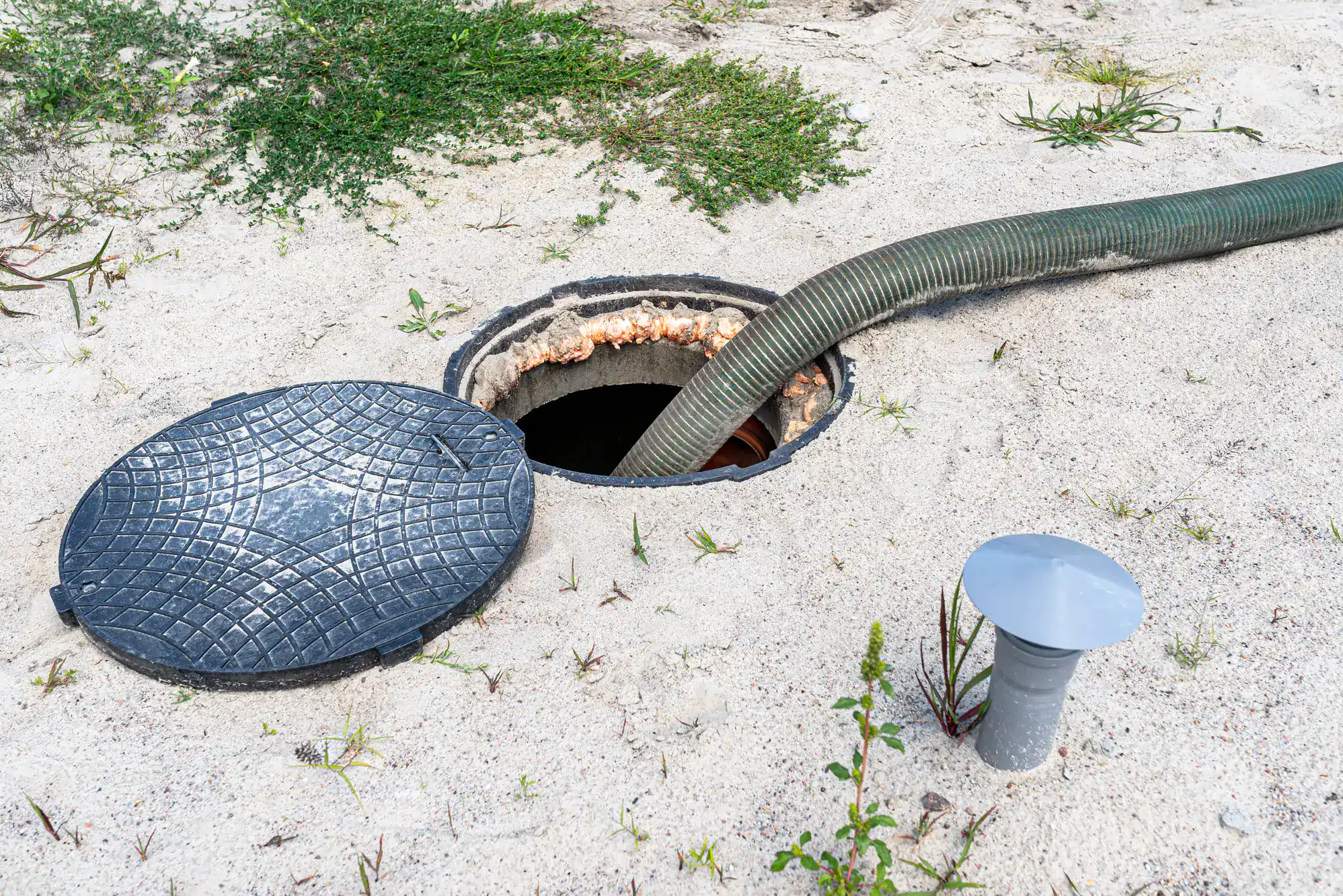
This is one of the most common points of confusion, and it costs homeowners real money when they get it wrong. Plumbers handle what happens inside pipes blockages, broken lines, sewer connections, cesspool issues. If your toilet backs up or your sink won’t drain, that’s a plumber’s job. If your yard floods after a storm, water pools near your foundation, or a section of your lawn stays soggy for days after rain, that’s a landscape drainage problem and it requires a drainage contractor, not a plumber.
The distinction matters because the root cause of yard flooding is almost never a clogged pipe. It’s about how water moves across the surface of your property, where it infiltrates the soil, and whether it has a properly engineered path away from your home and outdoor spaces. A plumber can install a drain, but without addressing grade, slope, soil saturation, and discharge routing, that drain often doesn’t solve the underlying problem. In Sayville, where the water table is high and South Shore storm events can be intense, getting the right contractor involved from the start saves time, money, and a second round of repairs.
Most residential drainage projects in Sayville fall somewhere between $2,000 and $8,000, though the actual number depends on what the site assessment reveals. A straightforward French drain installation on a moderately sized lot is on the lower end of that range. A more complex system multiple catch basins, a longer discharge line, significant regrading, or a property with several contributing drainage issues will sit higher.
What’s worth keeping in mind is the cost comparison. Foundation repairs from water damage run $23,000 to $48,000. A single basement flooding incident averages $10,000 to $26,000 in damage. With Sayville’s median home value sitting around $667,000, a properly installed drainage system is one of the more straightforward property protection investments available to homeowners here. Every proposal we provide is written and itemized before work begins so you know exactly what you’re getting and what it costs before anyone picks up a shovel.
It depends on the scope of the project. Smaller residential drainage improvements like a single French drain or catch basin may not require a formal permit. Larger projects involving significant land disturbance, new drainage structures, or changes that affect stormwater discharge typically fall under the Town of Islip’s Stormwater Ordinance and may require compliance documentation or a Stormwater Pollution Prevention Plan submitted to the Town Engineer.
Suffolk County Department of Health Services also has oversight on certain types of drainage and sanitary construction. The key thing to understand is that drainage work done without proper compliance can create problems for the homeowner down the line during a home sale, a refinance, or if a neighboring property is affected by the discharge. We’re familiar with Town of Islip requirements and handle the regulatory side of the project as part of the service. You don’t need to figure out the permitting process on your own.
These are three different tools that solve different parts of the same problem, and most drainage systems use more than one of them together. A French drain is a perforated pipe buried in a gravel-filled trench that collects groundwater or surface runoff along its length and redirects it to a discharge point. It works well for properties where water is seeping in from a higher-elevation neighboring lot or accumulating along a fence line or foundation.
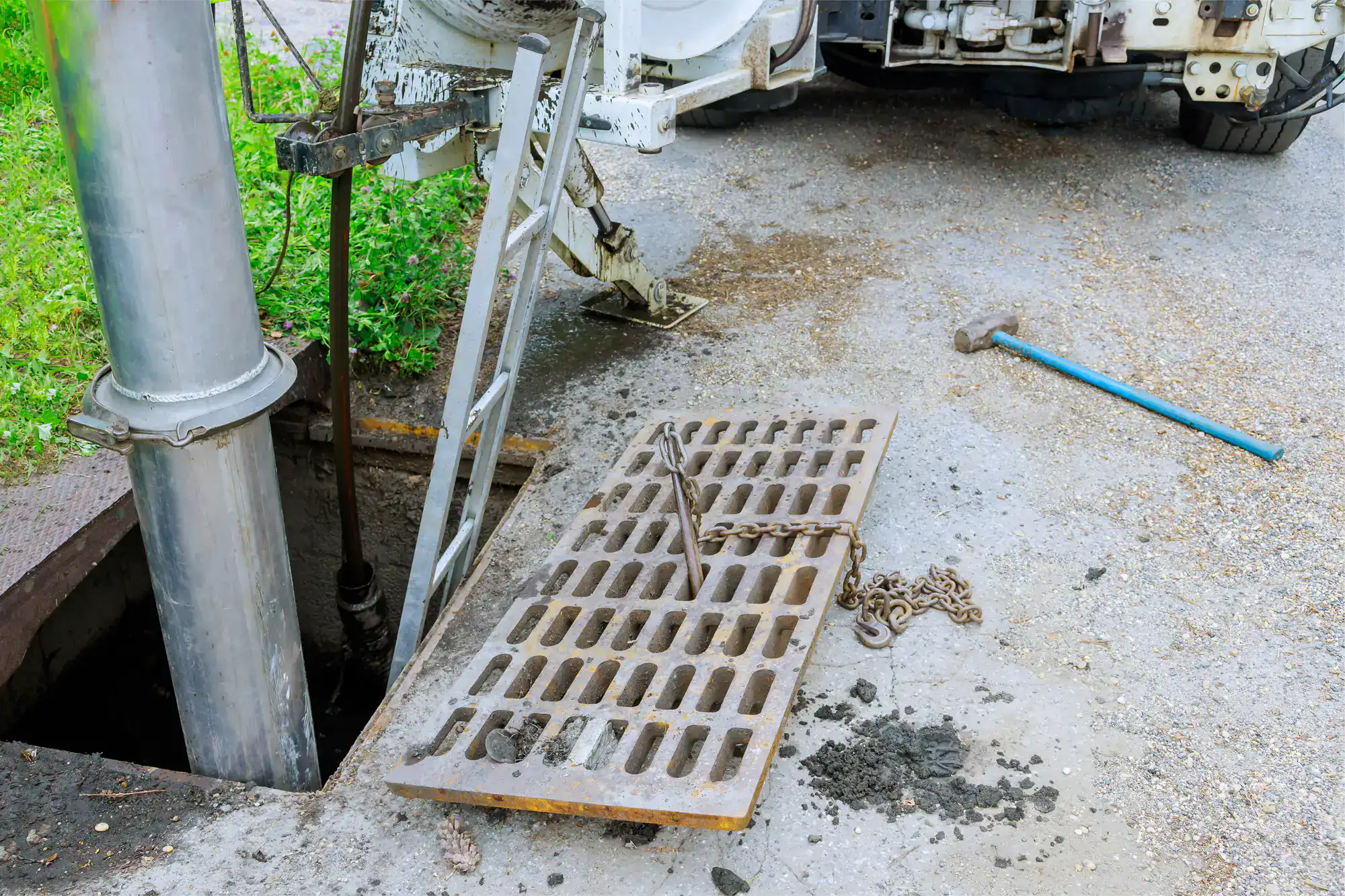
A catch basin is a surface inlet essentially a grated box set into the ground at a low point in the yard that captures concentrated surface water and channels it through a pipe to a discharge point. It’s the right solution when water is pooling in one specific area after rain. A dry well is an underground chamber that receives water and allows it to slowly infiltrate into the surrounding soil useful for handling roof runoff from a downspout or concentrated driveway drainage. On a Sayville property with sandy South Shore soils, dry wells can be effective, but sizing matters: if the water table is too high or the soil becomes saturated during a storm event, an undersized dry well won’t keep up. A proper site assessment determines which combination of these systems is right for your specific property.
Honestly, it’s often both and that’s part of why a site assessment matters before any work is proposed. Grading refers to the slope of your yard and how it directs surface water. If your yard is flat, or if it slopes toward the house instead of away from it, water has nowhere to go after a heavy rain and will pool wherever the terrain is lowest. Regrading can sometimes solve a flooding problem on its own, but only if the issue is purely about surface slope.
If the soil is saturated which happens quickly on South Shore properties during intense storms even a properly graded yard will flood because the ground simply can’t absorb water fast enough. That’s when a drainage system is needed to give the water an engineered path out. Many Sayville properties, particularly those with older housing stock and expanded impervious surfaces, have both problems at once: inadequate slope and no drainage infrastructure to handle overflow. The August 2024 flash flooding that triggered a Suffolk County State of Emergency was a clear example of what happens when yards aren’t equipped for peak rainfall events and many homeowners in this area are still dealing with the aftermath.
Most residential drainage installations in Sayville take one to three days depending on the scope of the work. A single French drain on a smaller lot can often be completed in a day. A more involved system multiple catch basins, longer pipe runs, regrading, and restoration may take two to three days. Weather and soil conditions can affect the timeline, particularly in spring when the ground is wet and in fall when nor’easters can interrupt outdoor work schedules.
As for what the yard looks like when it’s done that’s a fair concern, and one we take seriously. Drainage installation involves excavation, and there’s no way around that. But site restoration is part of the project scope, not something left for you to deal with afterward. Disturbed turf is replaced, topsoil is restored, and any landscaping affected by the work is put back in order before the crew leaves. In Sayville, where homeowners take real pride in how their properties look, that’s not a bonus it’s just how the job should be done.