
Hear from Our Customers
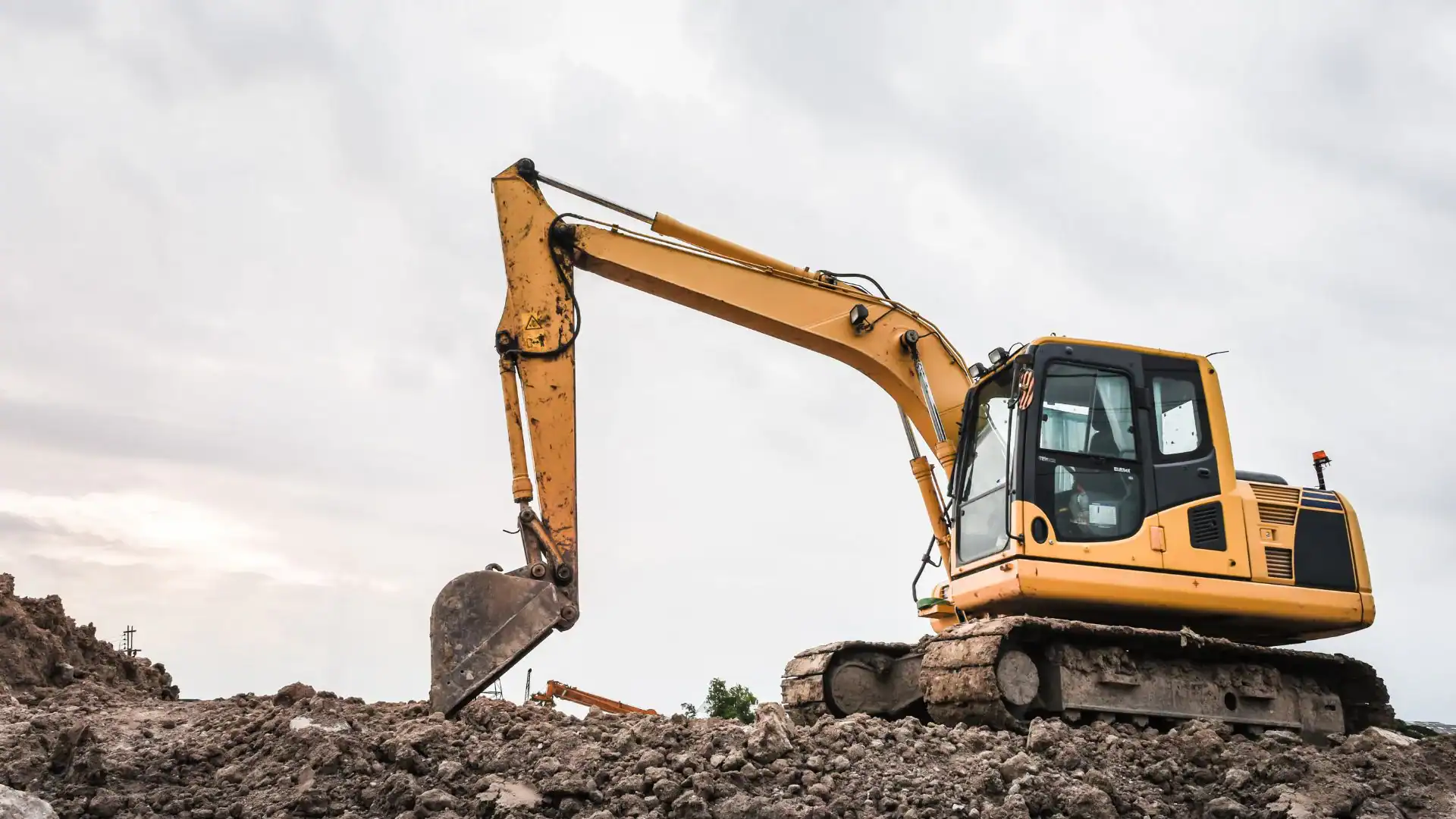
When excavation is handled correctly from the start, the problems that follow a bad dig standing water after every rain, foundation issues that surface years later, spoil piles sitting on your lawn for weeks simply don’t happen. You get a site that’s ready for the next stage, a timeline that holds, and a property that looks and functions the way it should.
In Bayport, that matters more than most places. The South Shore sits on low-lying coastal plain soils, and much of the hamlet is close enough to the Great South Bay that poor grading or improper drainage work has real consequences. A heavy rain shouldn’t mean water pooling against your foundation or running into your neighbor’s yard. Getting the grade right the first time is what prevents that and it’s what separates a qualified excavation contractor from someone who just moves dirt.
The same applies to pool excavation, foundation prep, and site work tied to septic upgrades. Bayport’s housing stock is established and well-maintained, and the homeowners here invest in their properties for the long haul. When excavation is done with that in mind clean spoil removal, precise dimensions, proper site restoration the work holds up and the investment is protected.
We’re a Suffolk County-based excavation contractor handling the full scope of residential site work land clearing, grading, dig and haul, pool excavation, foundation excavation, drainage trenching, and retaining wall excavation under one roof. That means you’re not managing multiple subcontractors or chasing down who’s responsible when something doesn’t line up. One contract, one point of contact, one crew that sees the job through.
We work throughout the Town of Islip, and Bayport is territory we know well. From the sandy upland lots near Montauk Highway to the lower-lying properties closer to the bay, the site conditions here vary and we account for that before the first bucket of dirt moves, not after. We know what the Town of Islip’s Building Division requires at each stage, and we handle NY 811 compliance on every single job without exception.
The Bayport-Blue Point community is close-knit, and local reputation is built one project at a time. We take that seriously.

It starts with a site visit and a written quote. Before anything is scheduled, we walk the property, assess the soil conditions and drainage profile, review what the project requires, and give you a clear, itemized quote that covers scope, spoil removal, and site restoration. No vague estimates that balloon once the machine shows up.
Before any digging begins, we complete the NY 811 underground utility check mandatory under New York State law and explicitly required by the Town of Islip before any excavation activity. This protects your property, your neighbors, and the underground infrastructure running beneath Bayport’s streets. For permitted work foundation excavation, retaining walls over 18 inches, or larger site preparation projects we coordinate with the Town of Islip’s Building Division to confirm inspection requirements and scheduling. You don’t have to become an expert in municipal building codes. That’s what hiring a professional is supposed to mean.
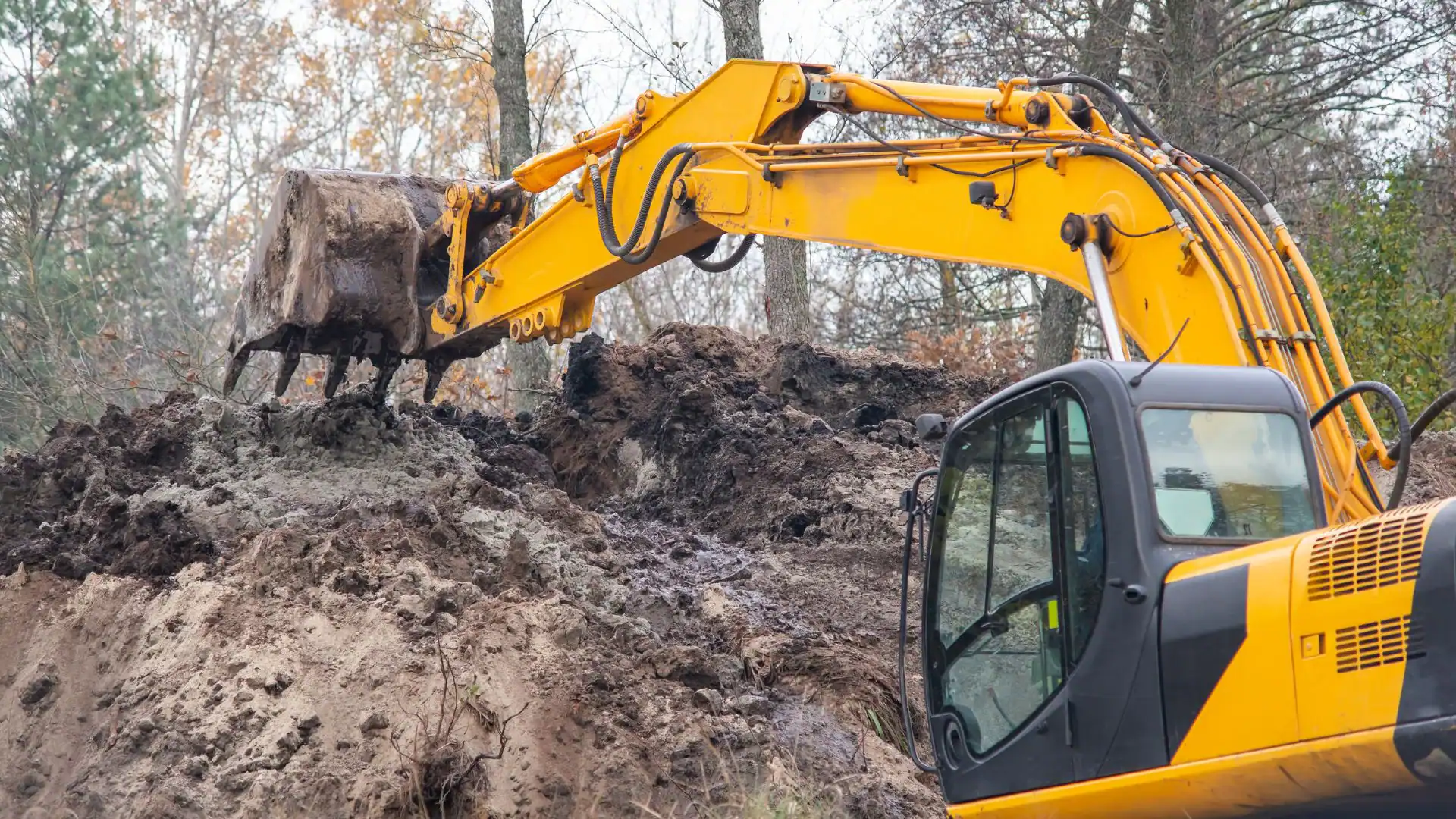
Once work begins, our crew operates with residential properties in mind equipment sized for the lot, defined work windows, and a clean site at the end of each day. Spoil is loaded and removed, not left sitting. When the job is complete, the site is graded and restored to a condition that’s ready for the next contractor, the pool installer, the builder, or whatever comes next on your timeline.
Ready to get started?
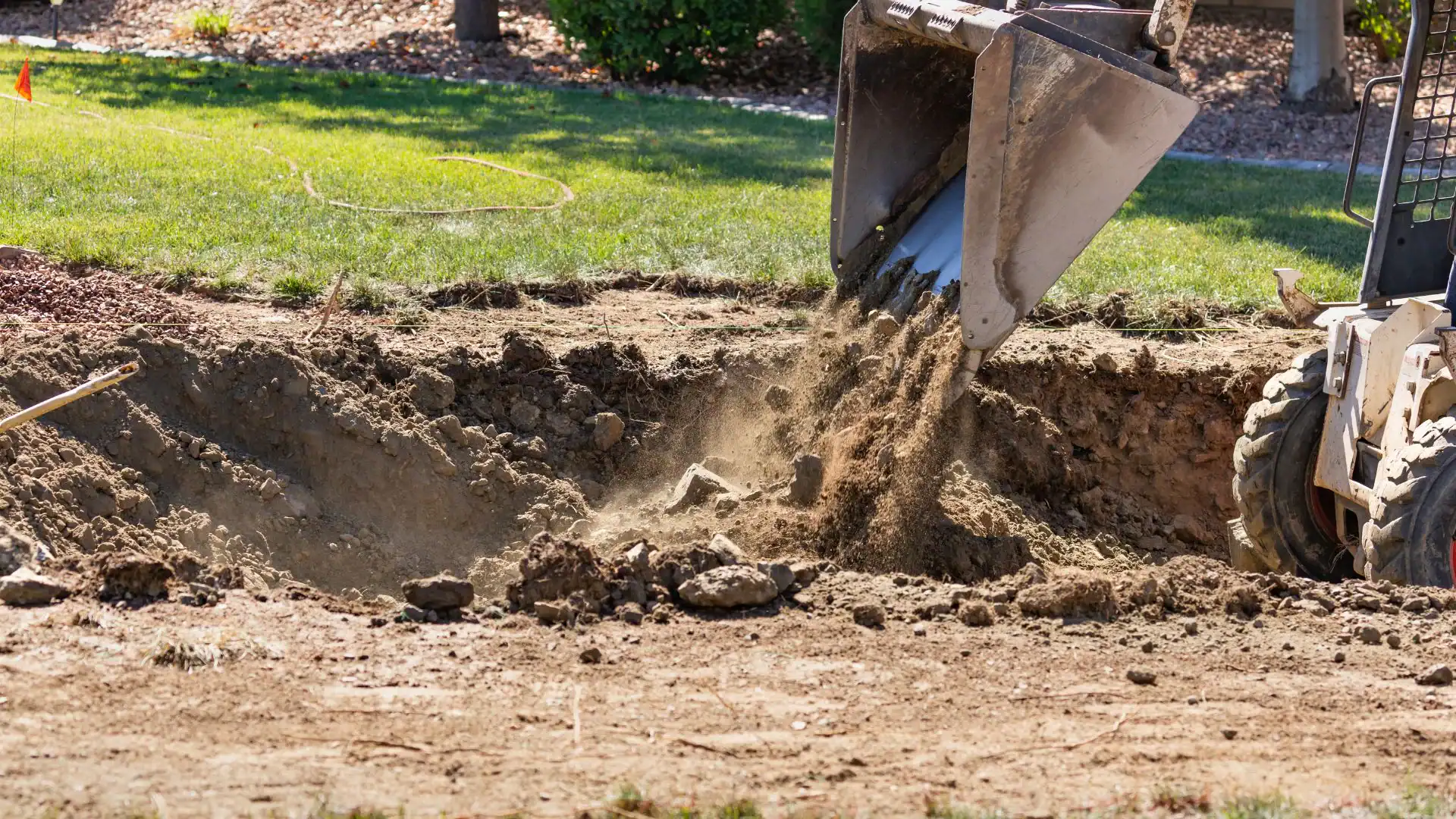
We handle residential and commercial excavation across Bayport and the surrounding South Shore communities of Blue Point, Sayville, and Oakdale. The work we take on includes pool excavation, foundation excavation, land clearing, site grading, drainage trenching, retaining wall excavation, and full dig and haul services. If a project moves earth, we can handle it.
In Bayport specifically, a few service categories come up more than others. Drainage excavation is one of them. The South Shore’s documented stormwater challenges compounded by the hamlet’s proximity to the Great South Bay and the low-lying coastal terrain mean that French drains, dry wells, and grading corrections are not occasional requests here. They’re ongoing needs driven by the area’s hydrology. We approach drainage work with that context in mind, not as a generic trench-and-fill operation.
Septic and cesspool excavation is another growing area. New York State and Suffolk County programs are actively pushing cesspool replacements across the Great South Bay watershed, and Bayport homeowners are increasingly navigating that process. Pool excavation rounds out the high-demand categories Bayport’s high-income, family-oriented demographic creates consistent demand for in-ground pool installations, and we bring the South Shore site experience to execute those digs cleanly and on spec. Whatever the project, you get a fully insured, licensed crew that knows this terrain and knows what the Town of Islip expects.
It depends on the scope of the work. In Bayport, all permits and building approvals go through the Town of Islip’s Department of Planning and Development there’s no separate village government here since Bayport is an unincorporated hamlet. For foundation excavation and structural earthworks, a permit is required. Retaining walls over 18 inches in height also require a building permit, and even walls under that threshold require an engineering site plan determination from the Town of Islip before work can proceed.
Beyond the permit itself, the Town of Islip requires staged inspections at defined points open trench, foundation, and pre-slab before concrete is poured or backfilling occurs. Missing an inspection stage can hold up your entire project. We manage this process as a standard part of the job. We confirm what’s required before work begins, coordinate with the Building Division, and make sure inspections are scheduled at the right time so your timeline doesn’t stall.
NY 811 is New York State’s underground utility notification service the equivalent of “Call Before You Dig.” Before any excavation activity in New York, contractors are legally required to notify NY 811 so that gas, electric, water, telecommunications, and other underground utility lines can be located and marked. The Town of Islip explicitly lists NY 811 compliance in its building permit documentation and makes clear that failure to comply results in penalties, fines, and serious liability exposure for any underground service strike.
This isn’t a formality. Bayport’s residential lots have decades of underground infrastructure running beneath them utility lines, drainage pipes, and service connections that aren’t always where you’d expect. On properties closer to the bay, the picture can be even less predictable. We complete a NY 811 check on every job before any equipment breaks ground, without exception. It protects your property, your neighbors, and everyone on site.
It affects it more than most homeowners expect. Bayport sits on Long Island’s South Shore coastal plain, and much of the hamlet is low-lying terrain that sits close to sea level. Near the Great South Bay, you can encounter higher water tables, softer fill material, and soil profiles that behave differently under load or during excavation than the sandier upland lots further north toward Montauk Highway. A contractor who doesn’t account for that going in can create drainage problems, destabilize surrounding structures, or underestimate the difficulty of the dig.
For drainage-related excavation specifically, the South Shore’s hydrology means that grading decisions have real downstream consequences literally. Water that’s redirected incorrectly during a grading or trenching project can end up against a foundation, in a neighbor’s yard, or contributing to the runoff challenges the area already deals with during heavy rain events. Getting the grade right requires understanding what the ground will do when it’s disturbed, not just what it looks like on the surface.
Timeline depends heavily on the type of work and the site conditions. A straightforward pool excavation on an accessible Bayport residential lot can often be completed in one to two days. Foundation excavation for a new build or addition typically runs two to four days depending on depth, soil conditions, and spoil volume. Drainage work French drains, dry wells, grading corrections varies based on the scope of the drainage problem and how much material needs to move.
What extends timelines in Bayport is usually one of two things: permit and inspection coordination with the Town of Islip, or site conditions that weren’t fully visible before digging began. Both are manageable when accounted for upfront. That’s why the site assessment before quoting matters it’s not a formality, it’s how we catch the variables that would otherwise show up mid-job and push your schedule back. Spring and early fall are the busiest periods on the South Shore, so booking ahead during those windows is worth doing.
Dig and haul refers to the full cycle of excavation: breaking ground, removing the material from the excavated area, loading it, and hauling it off-site. It’s the difference between a clean, ready-to-use excavation and a site with a spoil pile sitting on it waiting for someone else to deal with. For most residential projects in Bayport pool installations, foundation work, drainage excavation dig and haul is part of what makes the job actually complete.
In a community like Bayport, where properties are well-maintained and neighbors are close, leaving excavated material on-site isn’t really an option. It creates access problems, it’s an eyesore, and it can interfere with the next contractor’s work. We include spoil removal as a defined part of the scope on every applicable project. When we quote a job, dig and haul is itemized clearly so you know exactly what material removal is covered and what the site will look like when we’re done.
Yes and there are a few reasons specific to Bayport that make it worth doing sooner rather than later. The South Shore’s drainage challenges are well-documented, and Governor Hochul’s administration has committed over $21 million to flood resiliency projects along the South Shore corridor, including drainage upgrades along Route 27A the same Montauk Highway that runs through Bayport. That kind of public investment reflects a real, recognized problem with how stormwater moves through this area. Private property drainage improvements are a natural complement to that infrastructure work.
Beyond the policy context, Bayport’s proximity to the Great South Bay means that drainage problems on residential lots tend to compound over time. Standing water, foundation seepage, and saturated soil near the bay aren’t issues that stabilize on their own they tend to get worse with each storm season. Addressing the grading or drainage trenching now, before another wet season, is a more straightforward fix than dealing with the downstream consequences of waiting. Spring is the busiest season for this work on Long Island, so reaching out before the rush means better scheduling flexibility and a faster start date.