Hear from Our Customers
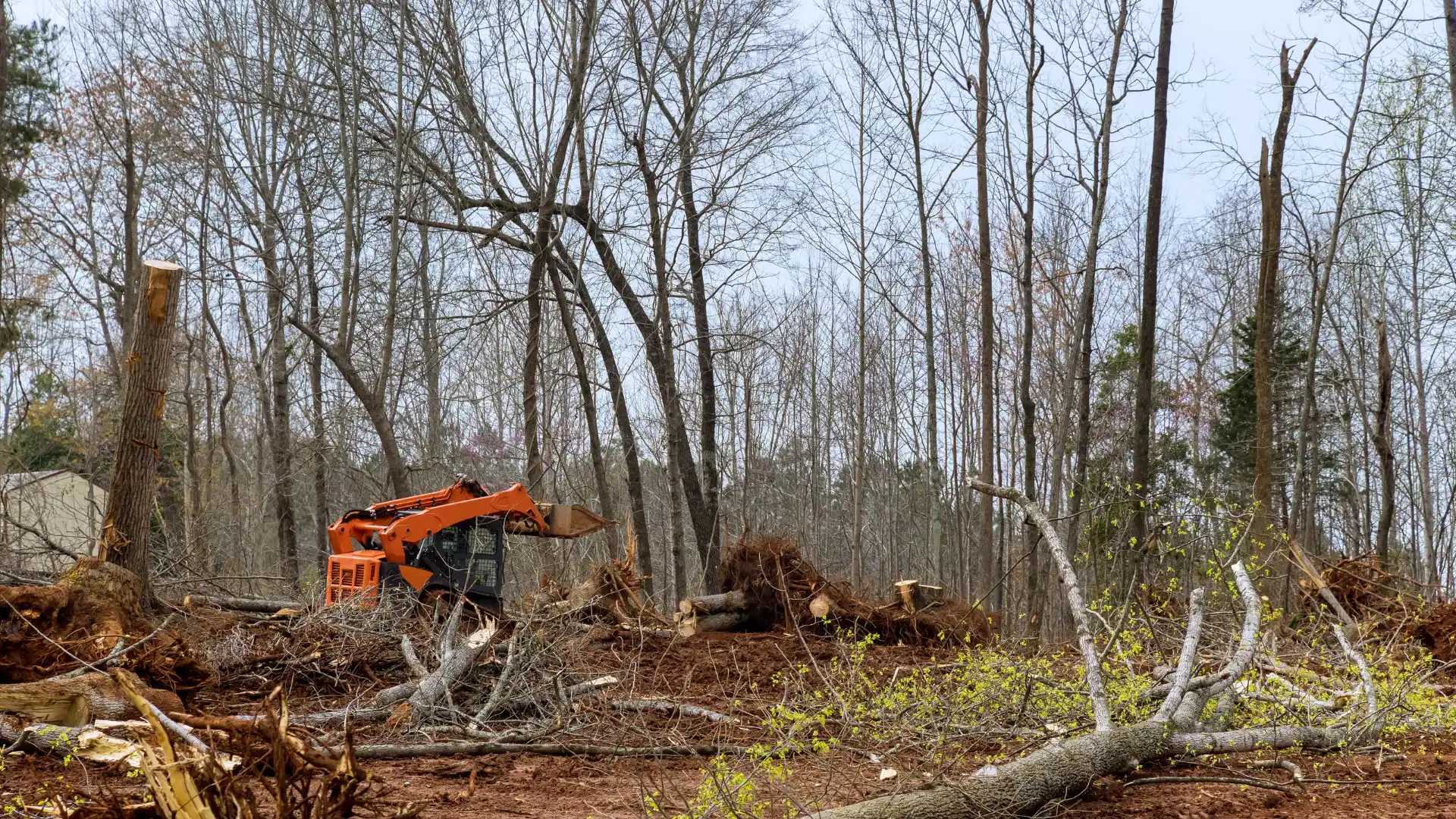
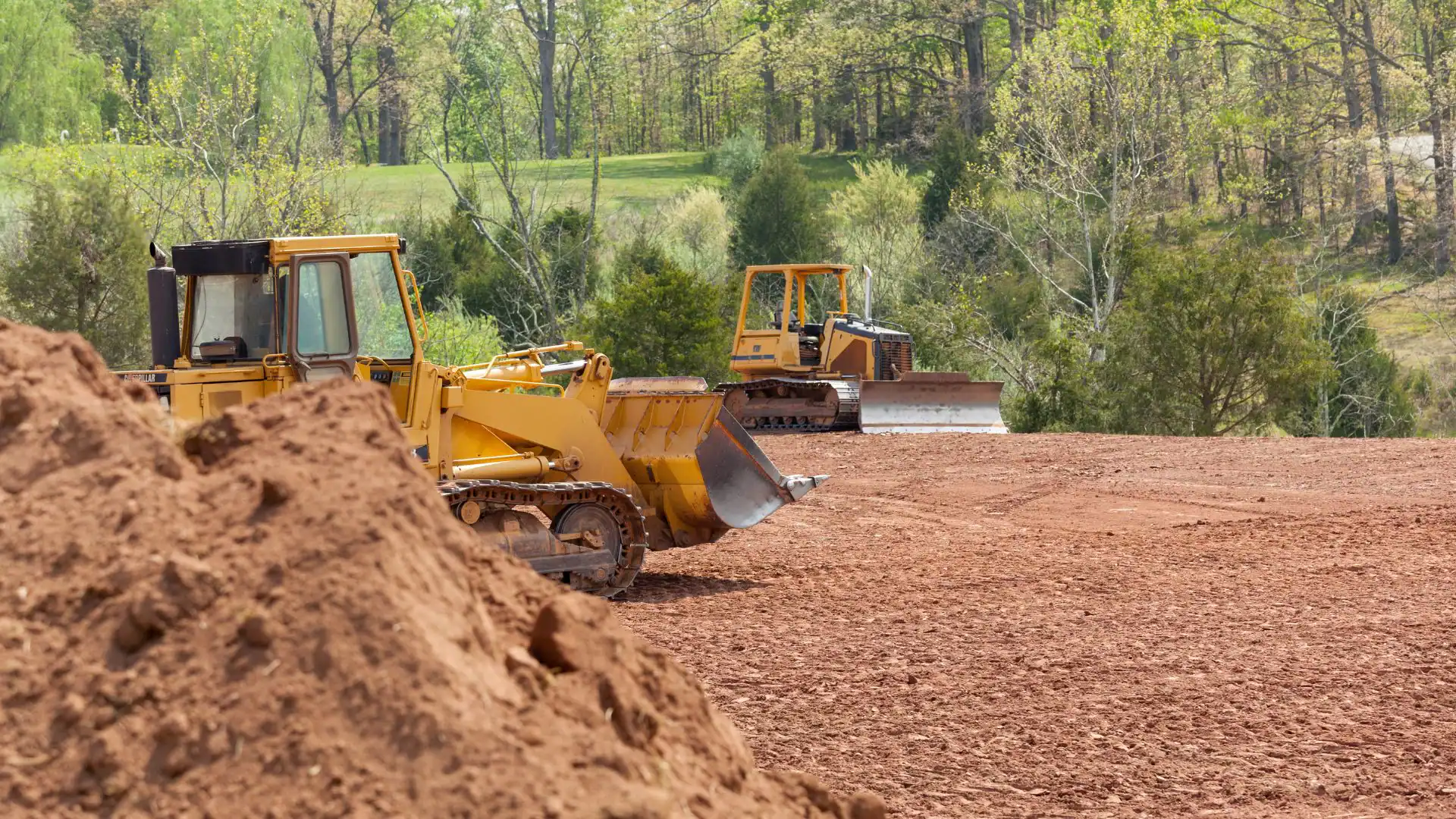
There’s a real difference between a property that’s been hacked at and one that’s genuinely cleared. When the job is done right, you’re looking at clean ground, no debris piles, no half-ground stumps, and a site that’s actually ready for whatever comes next whether that’s a build, a sale, or just getting your land back.
For Bayport homeowners specifically, that outcome takes more than a chainsaw and a trailer. Many properties here sit within or near the regulated wetland buffers tied to the Great South Bay or Browns River. That means the clearing work has to account for NYS DEC tidal and freshwater wetland boundaries before a single branch comes down. A contractor who doesn’t check those maps isn’t saving you time they’re setting you up for an enforcement order.
The properties along Middle Road and through South Bayport also tend to carry decades of established vegetation mature oaks, overgrown understory, and invasive species like Phragmites and Japanese knotweed that have had years to take hold. Getting that kind of land truly cleared takes the right equipment, the right process, and someone who knows what they’re looking at when they walk the site.
We operate across Long Island’s South Shore, and Bayport is terrain we know well. The combination of established residential properties, coastal wetland proximity, and Town of Islip regulatory requirements makes this a market where local knowledge isn’t optional it’s what separates a clean job from a costly mistake.
We’re fully insured and registered as a New York Home Improvement Contractor. Every quote we write is based on a real site assessment, not a number pulled from a phone call. We check the applicable wetland maps, we understand the Town of Islip’s land clearing and tree ordinance requirements, and we tell you upfront if your Bayport property needs a DEC permit before work can begin.
Bayport is a community where reputation matters. We show up on time, finish clean, and leave your property in better shape than we found it.
It starts with a site walk. Before anything is quoted, we assess the property in person vegetation density, terrain, proximity to any mapped wetland boundaries, and what equipment the job actually requires. For Bayport properties near the Great South Bay or Browns River, that first step includes checking whether your parcel falls within a NYS DEC regulated adjacent area. If it does, we tell you before work begins, not after.
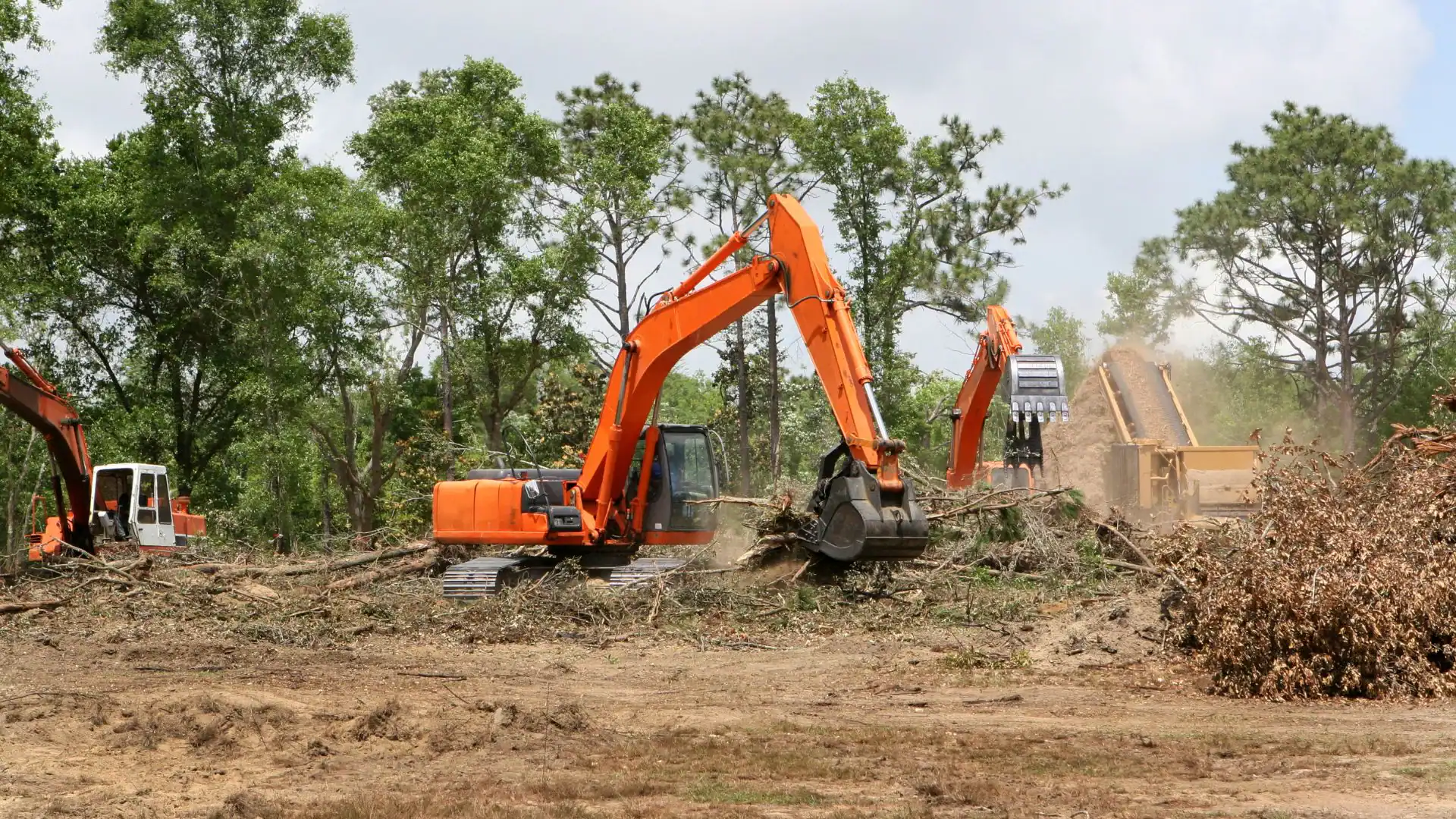
Once the scope is confirmed and any required permits are in order, clearing begins with the right equipment for the specific conditions on your lot. Mature trees, overgrown brush, invasive species each requires a different approach. Phragmites and Japanese knotweed, which are common throughout Bayport’s South Shore corridor, need more than surface cutting. We address root systems where necessary so you’re not watching the same growth return in two seasons.
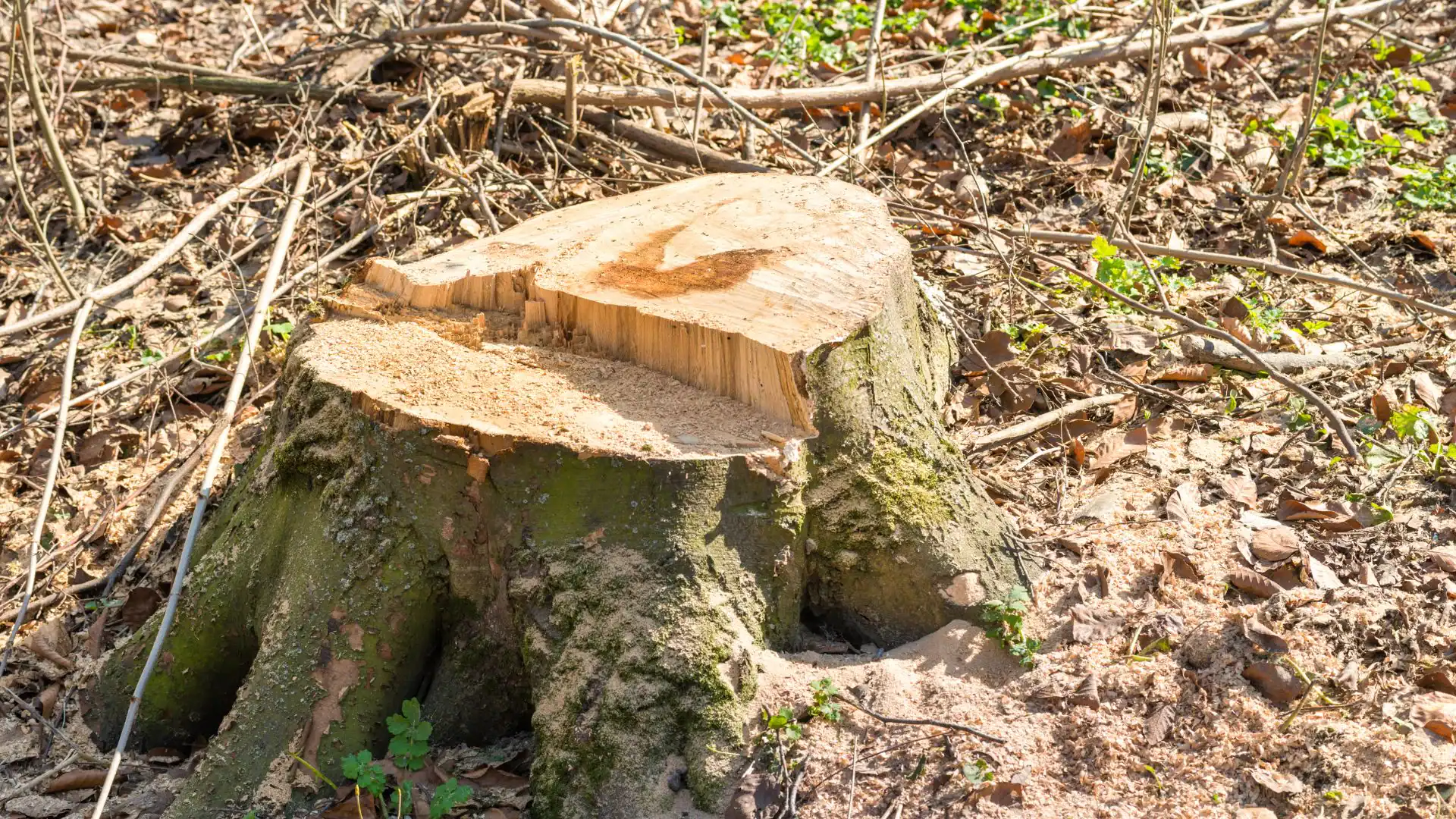
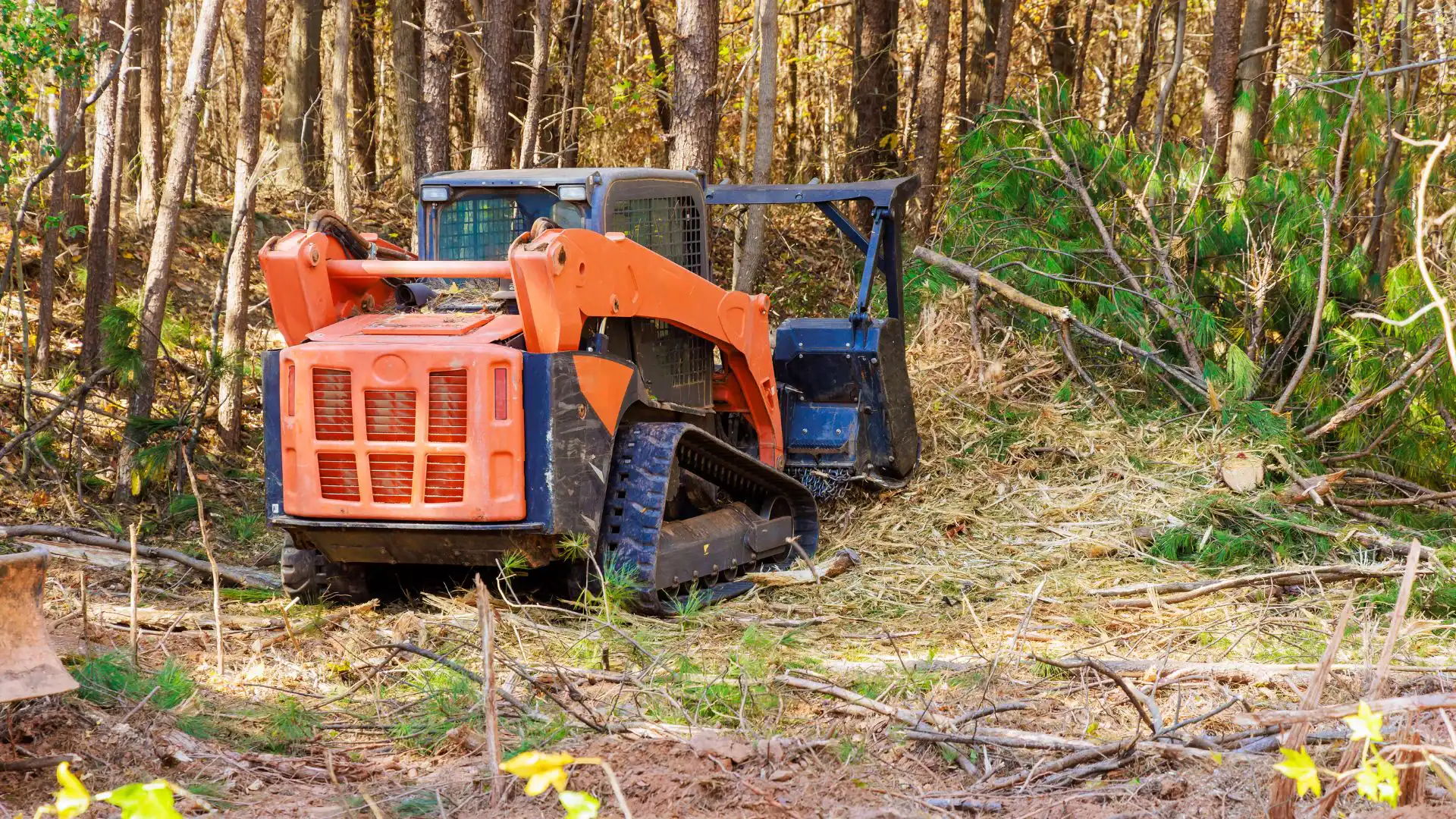
After clearing, stumps are ground, debris is processed, and the site is cleaned. You’re not left coordinating a separate hauler or staring at brush piles. What you get at the end is a site that’s genuinely finished level, clean, and ready for the next step.
Ready to get started?
Land clearing in Bayport isn’t one-size-fits-all. A vacant parcel in South Bayport being prepared for new construction has different needs than an established residential lot on Middle Road that hasn’t been maintained in years. We scope every job based on what’s actually on the property not a generic package that may over-deliver in some areas and miss what matters most.
For overgrown property clearing, that typically means full vegetation removal, stump grinding, invasive species treatment, and site cleanup. For lot clearing tied to development activity, it means working within the Town of Islip’s Land Clearing process including any design submission requirements that apply when clearing is connected to subdivision or building permits. For waterfront and bay-adjacent properties, it means clearing that respects the tidal wetland boundary and doesn’t put you on the wrong side of a DEC regulation.
Land reclamation work on longer-neglected Bayport properties often involves the heaviest scope years of unchecked growth, compromised soil, and invasive species that have moved well beyond the surface. That’s work we do regularly on South Shore properties, and we’re equipped for it. Whatever the condition of your land, the goal is the same: a clean, compliant, finished site.
It depends on where your property sits and what you’re clearing. The Town of Islip has a tree ordinance under Chapter 57 of the Town Code that governs tree removal on private property, and clearing connected to development or subdivision activity must go through the Town’s formal Land Clearing process which includes design submission requirements updated in 2019.
On top of that, if your Bayport property is near the Great South Bay, Browns River, or any mapped tidal or freshwater wetland, you may also need a permit from the NYS DEC before clearing can begin. The regulated adjacent area for tidal wetlands typically extends 300 feet from the wetland boundary which means properties that don’t look like waterfront can still fall inside that buffer. We check the applicable maps as part of every site assessment so you know exactly where you stand before any work starts.
For residential lots in the Bayport area, clearing costs generally range from around $2,000 on the lower end for smaller, less dense jobs, up to $4,500 or more for larger parcels with mature vegetation, significant invasive species pressure, or properties that require stump grinding and full debris removal. Waterfront or wetland-adjacent properties can run higher depending on the scope and any permit requirements involved.
The biggest driver of cost isn’t lot size it’s what’s actually on the land. A half-acre lot in Bayport that’s been left unmanaged for ten years with established Phragmites, mature trees, and deep root systems takes considerably more time and equipment than a half-acre lot with light scrub. Every quote we write is based on a real site walk, so you’re getting a number that reflects your actual property not a ballpark that changes once work begins.
Bayport’s South Shore location makes it particularly susceptible to several invasive species that thrive in coastal and disturbed soil conditions. Phragmites australis common reed is widespread in near-wetland and low-lying areas throughout the Great South Bay corridor and can take over neglected land quickly. Japanese knotweed, multiflora rose, Oriental bittersweet, and porcelain berry are also documented throughout Suffolk County and show up regularly on properties that haven’t been actively maintained.
The key issue with most of these species is that cutting above-ground growth alone doesn’t solve the problem. Phragmites and knotweed in particular have aggressive root systems that will resprout if they’re not treated properly. We address the root systems where necessary not just the visible vegetation so you’re not dealing with the same overgrowth returning in a season or two. If your Bayport property has a significant invasive species presence, we’ll identify it during the site walk and factor the appropriate treatment into the scope.
This is one of the most important questions for Bayport property owners to ask before hiring any clearing contractor. Under New York State’s Tidal Wetlands Act, any regulated activity within tidal wetlands or their adjacent areas requires a permit from the NYS DEC Region 1 office before work begins. That adjacent area typically extends 300 feet from the mapped tidal wetland boundary and the Great South Bay’s wetland fringe covers a significant portion of Bayport’s southern edge.
What that means practically is that even if your property doesn’t sit directly on the water, it may still fall within the regulated buffer. Working without the required permit in that zone can result in stop-work orders, significant fines, and mandatory remediation which costs far more than doing it right the first time. We access the applicable tidal wetland maps for every Bayport job with potential bay proximity and confirm permit requirements before quoting. If a DEC permit is needed, we walk you through what that process looks like so there are no surprises.
Late winter through spring roughly February through May is generally the best window for land clearing on Long Island’s South Shore. Deciduous trees are still bare or just budding, which makes it easier to assess the full canopy and work efficiently. Ground conditions are typically firm before the spring growing season accelerates, and you’re ahead of the summer regrowth cycle that can make cleared areas look overgrown again quickly if you wait too long.
Fall is a solid secondary window, typically September through November, once the growing season winds down. Summer clearing is workable but less efficient full canopy conditions slow the process, and faster regrowth means you’ll see vegetation returning sooner. Bayport’s proximity to the bay gives it slightly moderated temperatures compared to inland Suffolk County communities, but the seasonal pattern is broadly the same. If you’re planning a spring build or a pre-sale cleanup, booking a site assessment in late winter puts you in the best position to start as soon as conditions allow.
Brush clearing typically refers to removing surface-level overgrowth scrub, dense understory, overgrown shrubs, and light woody vegetation without necessarily taking down mature trees or grinding stumps. It’s the right scope for properties that are mostly manageable but have areas that have gotten out of hand, or for maintaining vegetation along a property boundary or riparian edge near Browns River.
Full land clearing is a more comprehensive scope it includes mature tree removal, stump grinding, bulk vegetation removal, invasive species treatment, debris processing, and site cleanup. It’s what’s needed when a lot is being prepared for construction, when a neglected property needs to be fully reclaimed, or when the vegetation density has gone well beyond what brush clearing can address. For Bayport properties, the distinction also affects regulatory considerations larger-scale clearing connected to development activity triggers the Town of Islip’s formal Land Clearing process, while routine brush clearing on an established residential lot typically doesn’t. We’ll walk you through which scope applies to your property during the site assessment.