Hear from Our Customers
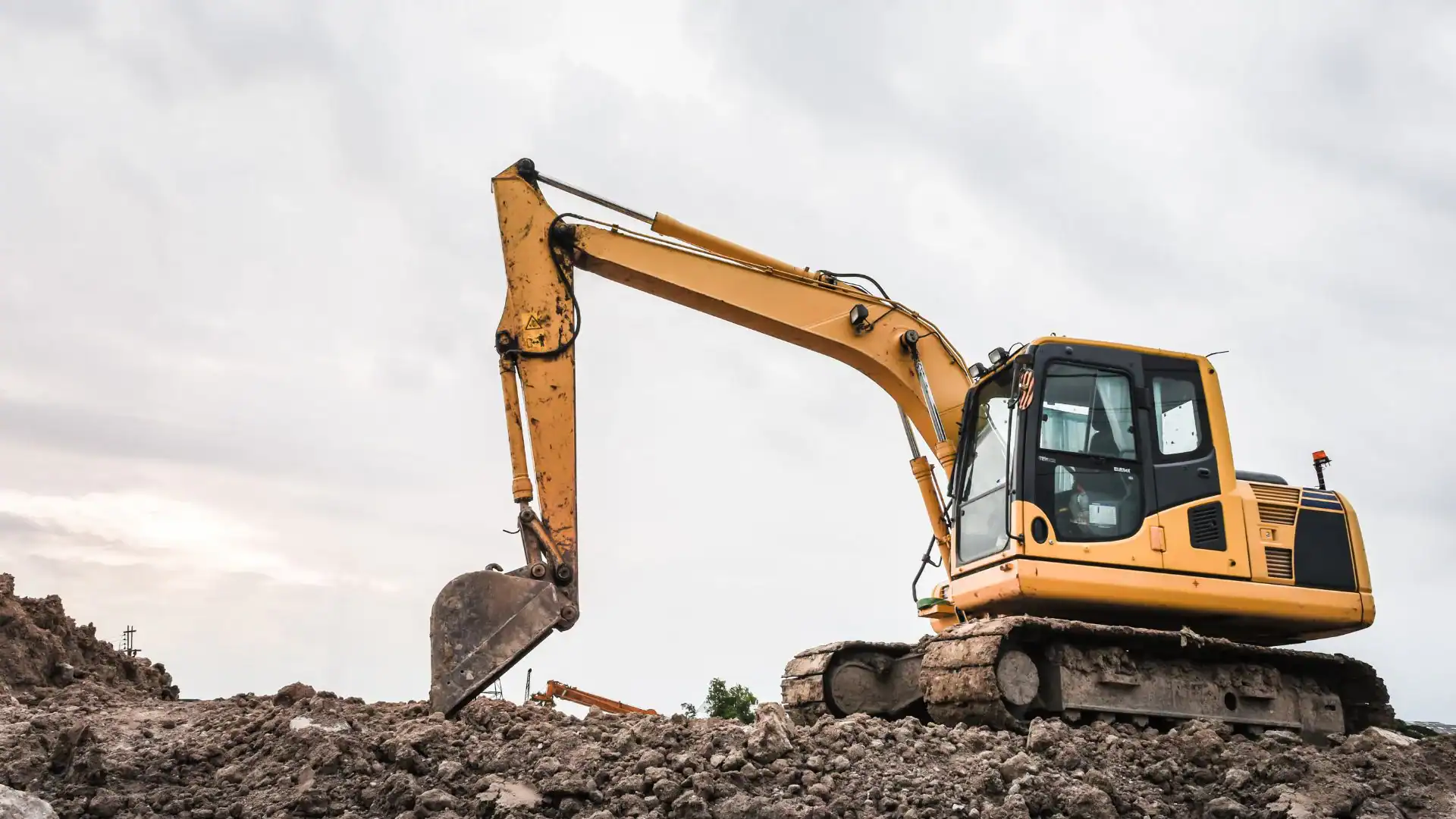
Rocky Point has been growing fast. Property values have more than tripled since 2000, and new construction homes now start well above $600,000. When that kind of investment is on the line, the excavation work underneath it matters more than most people realize. A poorly graded site, an unaddressed drainage issue, or a foundation hole dug without understanding the soil beneath it can create problems that follow a property for years.
The North Shore terrain in Rocky Point is specific. Lots near the bluffs above the Long Island Sound carry significant grade changes, tree cover, and proximity to erosion-active coastline. The sandy, outwash soils that characterize the Pine Barrens edge behave differently from what you’d find on the South Shore they move when saturated, they require careful shoring in deep trenches, and they don’t forgive operators who aren’t paying attention. Rocky Point has also seen documented flooding events that leave cars stuck on local roads. Drainage problems here aren’t hypothetical they’re regular.
When excavation is done right, those risks get managed before they become your problem. You get a site that’s stable, properly graded, and ready for whatever comes next whether that’s a foundation pour, a drainage system, a retaining wall, or a final build pad. That’s what this work is actually for.
We’re a full-service excavation and site preparation contractor operating across Long Island’s North Shore. The work we do land clearing, foundation excavation, cut and fill, grading, dig and haul, drainage excavation, trenching requires real familiarity with the ground you’re working on. Rocky Point, with its bluff terrain, Pine Barrens soil profile, and Brookhaven Town permitting requirements, is a place where that familiarity either shows up or it doesn’t.
We know the difference between working a sloped bluff lot near the Sound and a flat inland lot in Rocky Point. We know which projects trigger wetlands review, which ones require a grading plan submitted to Brookhaven’s Planning Board, and why calling 811 before the first bucket goes in isn’t optional it’s the law, and it protects you. That knowledge is what keeps your project moving and keeps you out of situations you didn’t see coming.
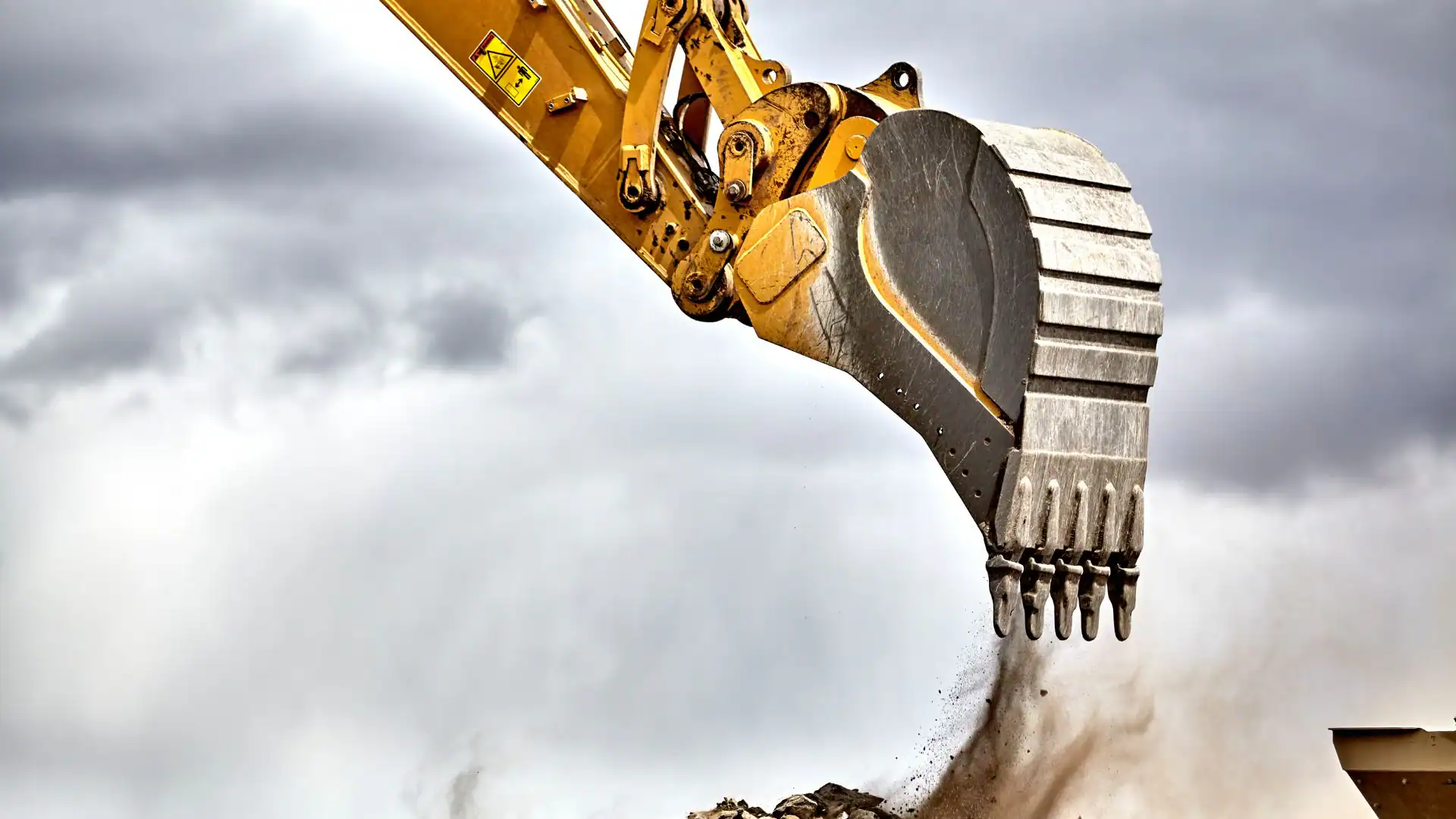
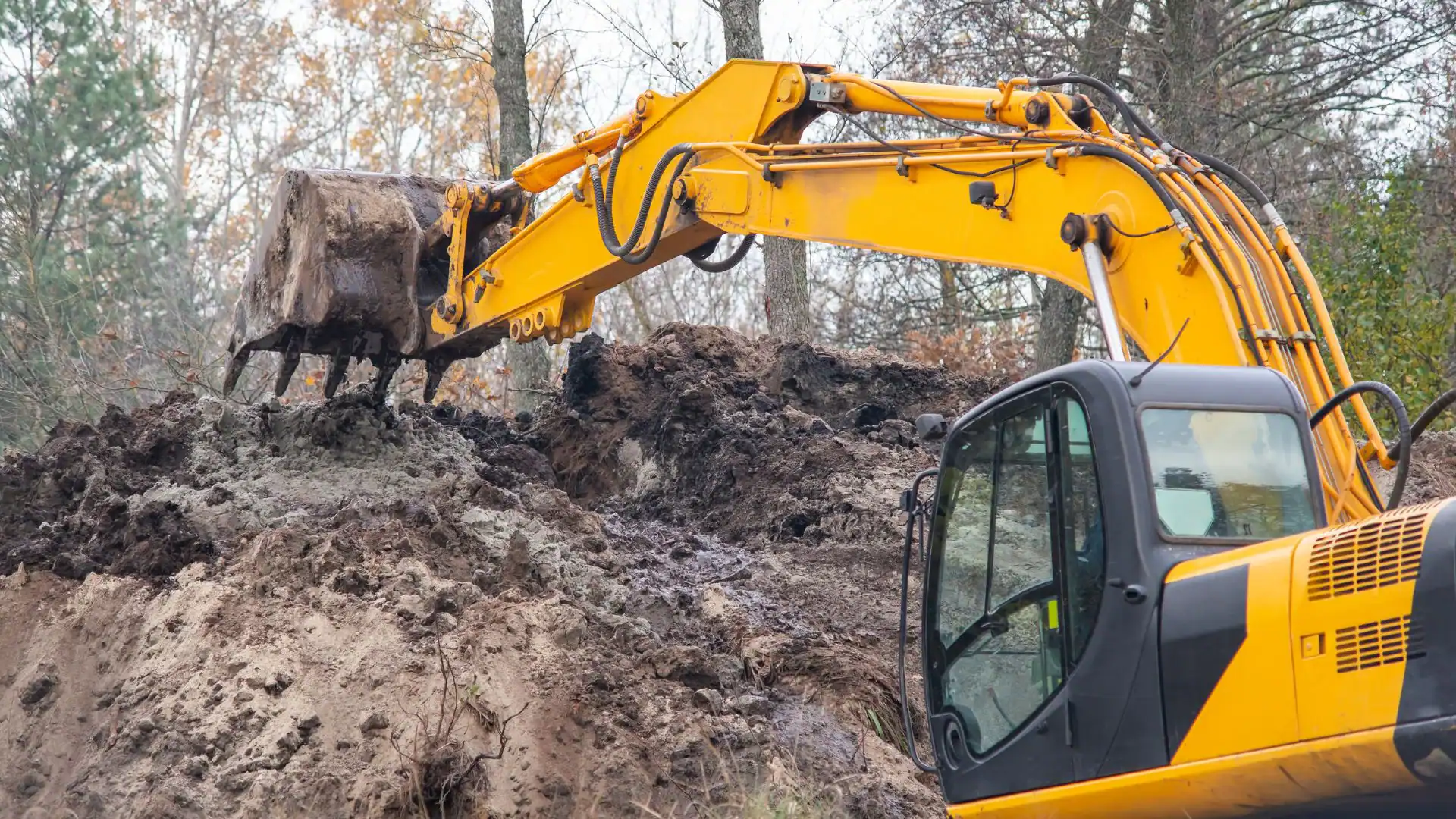
It starts with a site assessment. Before anything gets quoted, we look at what you’re actually working with the slope, the tree cover, the soil conditions, proximity to any wetlands or water bodies, and what the project requires in terms of permits. In Rocky Point, that last part matters. Brookhaven Town requires Planning Board review for many grading and excavation projects, and work within 25 feet of a wetland boundary triggers a separate permit process entirely. If your property sits near one of the area’s small water bodies or in a coastal erosion hazard zone, we identify that before the machine shows up not after.
Once the scope is clear, you get a written quote that spells out what’s included: excavation, spoil removal, erosion controls, and any site cleanup. No surprises when the job starts. We also handle the 811 utility marking notification, which is legally required in New York State before any ground is broken. Underground utilities on Long Island are dense, and a service strike creates immediate risk and real liability we don’t skip that step.
When the work begins, we sequence it to match your site. Wooded lots get cleared before excavation starts. Sloped sites get erosion controls staged early. The goal at the end of every job is a site that’s stable, clean, and exactly where it needs to be for whatever phase comes next.
Ready to get started?
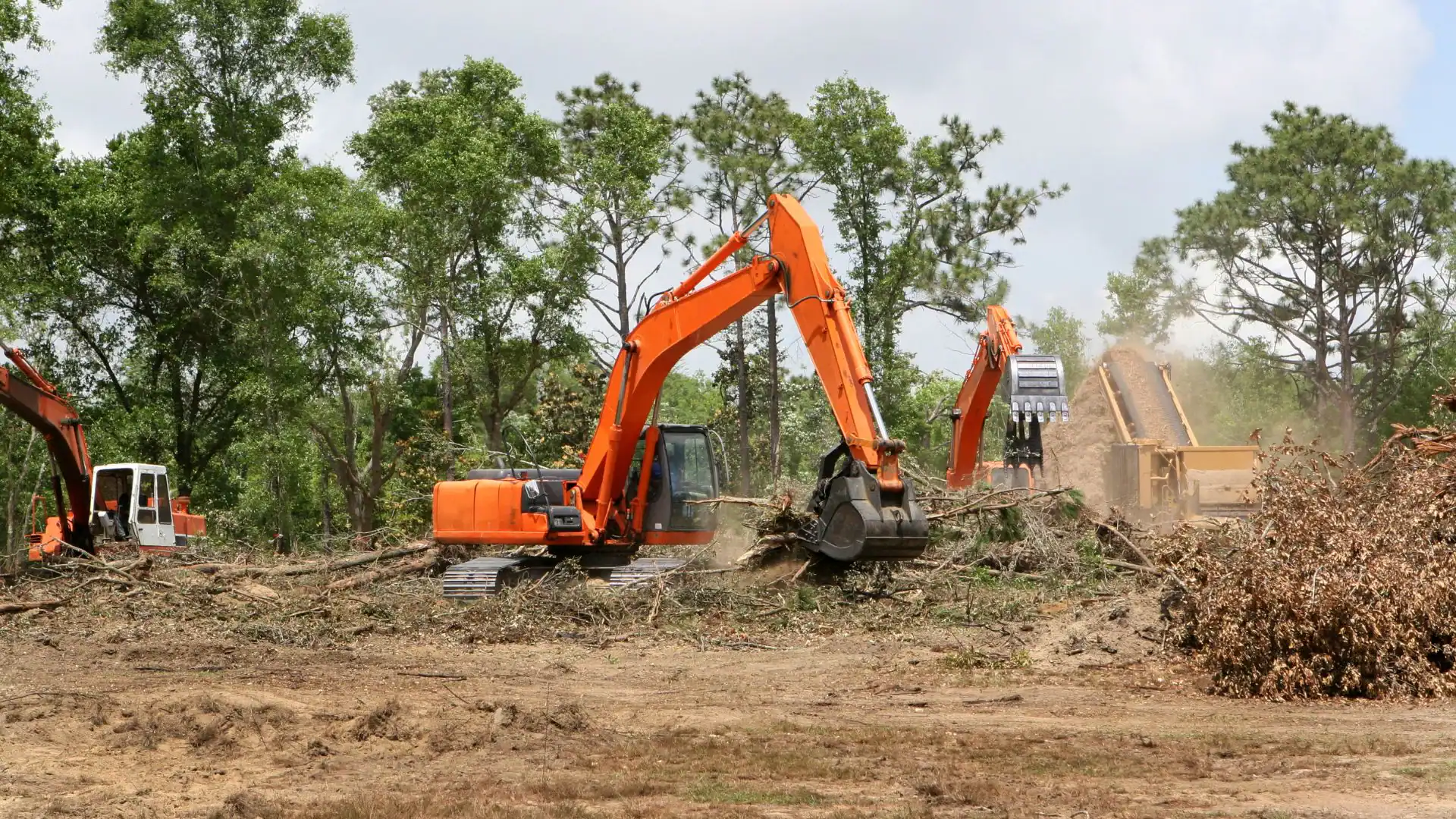
Rocky Point residential projects don’t usually fit a single-service box. A new home build on a wooded lot near Sound Beach or Miller Place typically needs land clearing before excavation can begin, grading after the foundation is set, and spoil removed from a site that may have limited staging room. A bluff-adjacent property dealing with erosion or drainage failure needs a contractor who can excavate for a drainage system while managing the grade carefully enough not to make the problem worse. That’s the range of work we handle.
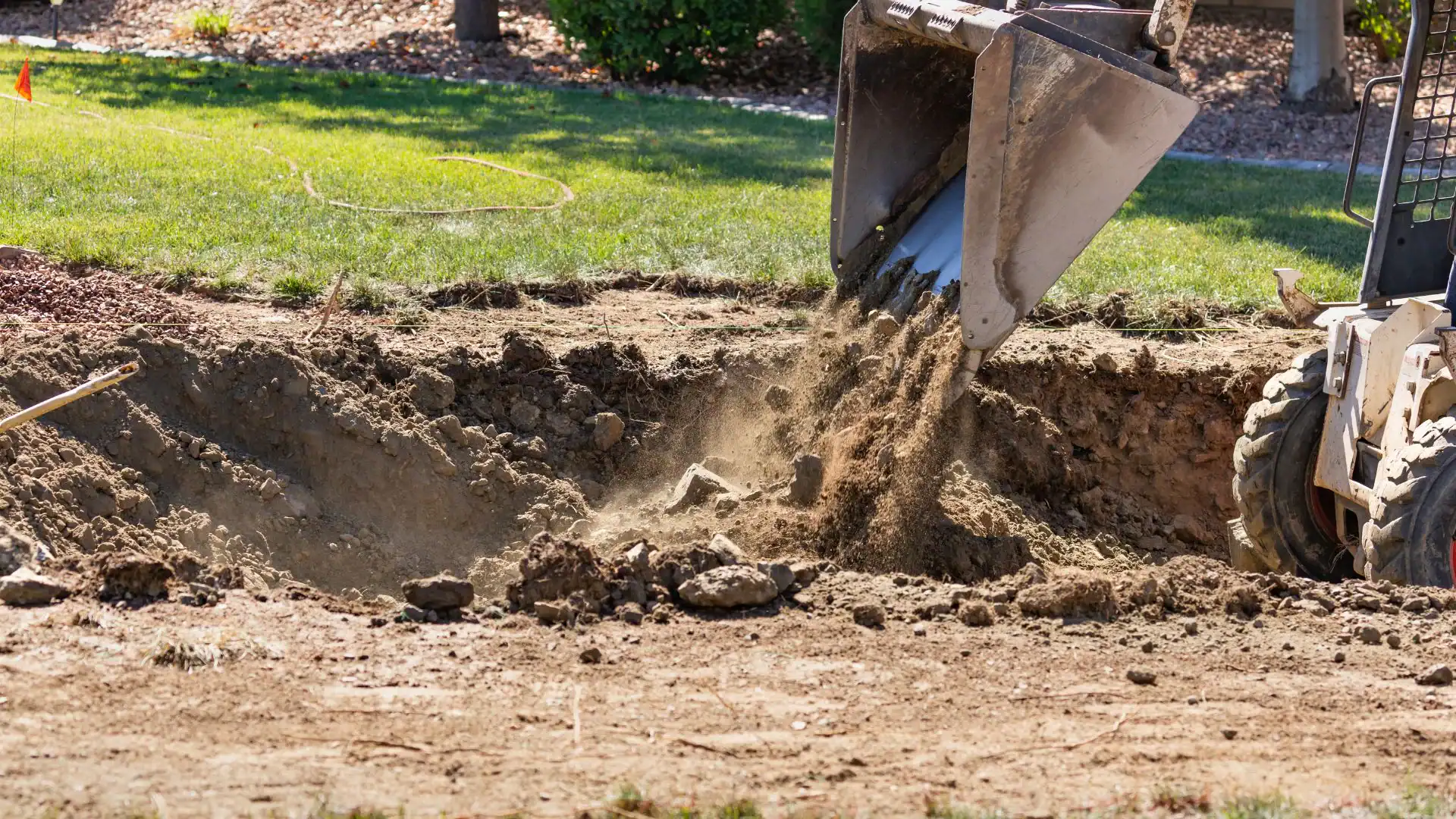
The core services available for Rocky Point projects include residential and commercial excavation, site preparation, land clearing, cut and fill, dig and haul, foundation excavation, retaining wall excavation, drainage excavation, trenching, and finish grading. Whether you’re breaking ground on a new build, correcting a chronic drainage problem, or preparing a lot that’s been sitting wooded and undeveloped, the scope gets defined by what your site actually needs not a pre-packaged tier.
For Rocky Point properties specifically, we pay close attention to Suffolk County Department of Health Services requirements when work is near private wells or septic systems, which are common across this largely unsewered community. If your project requires coordination with Brookhaven Town or the county health department, that’s part of how we work not an add-on.
In most cases, yes and the specifics depend on what you’re doing and where your property sits. Rocky Point falls under the Town of Brookhaven’s jurisdiction, which requires Planning Board review for grading and site preparation connected to new construction. If the work involves regrading, Brookhaven may require a topographic survey prepared by a licensed engineer or land surveyor showing existing conditions and your proposed plan. That’s not a formality it’s a real submission that takes time to prepare and approve.
If your property is near a tidal or freshwater wetland, or within a coastal erosion hazard area, you’ll need a separate wetlands and waterways permit before any clearing or excavation begins within 25 feet of that boundary. Rocky Point has numerous small water bodies and sits along the North Shore coastline, so this applies to more properties here than many homeowners expect. The Suffolk County Department of Health Services also has jurisdiction over any excavation near private wells or cesspools, which are common in Rocky Point. Getting the permit picture right before work starts is the difference between a smooth project and a stop-work order.
Residential excavation costs in Rocky Point vary significantly depending on the scope, site conditions, and what’s involved in the permitting process. A straightforward dig-and-haul or foundation excavation on a relatively flat, accessible lot will cost less than a project on a wooded, sloped bluff lot that requires clearing, erosion controls, and a grading plan submission to Brookhaven Town. As a general range, excavation and site preparation for a new residential build can run anywhere from several thousand dollars for a basic scope to $20,000 or more for a complex site with significant clearing, grading, and spoil removal.
Rocky Point’s cost of living runs well above the national average, and permit fees, topographic surveys, and engineering requirements can add $1,500 to $4,000 or more to a project budget. Properties with slopes, heavy tree cover, or proximity to wetlands should plan for higher costs than a standard flat lot. The best way to get an accurate number is a site visit a quote built from looking at the actual ground is far more reliable than a ballpark figure over the phone.
It’s a real factor that affects how the work gets done. Rocky Point sits on the edge of Long Island’s Central Pine Barrens, and the sandy, well-draining outwash soils in this area behave differently from the heavier clay soils found in other parts of Long Island. Sandy soil is generally easier to move, which is a plus. But it’s also more susceptible to wall collapse in open excavations, particularly in deep foundation holes or trenches. When it’s saturated after heavy rain and Rocky Point has seen serious storm flooding events it can shift in ways that require careful sequencing and shoring to manage safely.
For homeowners, what this means practically is that the operator running your excavation needs to understand these soil conditions and account for them in how the job is staged. Trench shoring decisions, excavation sequencing, and erosion control placement all need to reflect what’s actually underfoot. An operator who treats every Long Island site the same way regardless of soil type is taking shortcuts that can create real problems on a Pine Barrens-edge property like many in Rocky Point.
Yes, it applies to every excavation project in New York State no exceptions. New York’s 811 law requires that any contractor or property owner notify the state’s utility marking service before any ground is broken. Once the call is made, utility companies have a set window to mark the locations of underground lines gas, electric, water, telecommunications, and cable on your property. Work cannot legally begin until that process is complete and markings are in place.
On Long Island, underground utility infrastructure is dense, and the consequences of striking an unmarked line are serious immediate safety risk, potential injury, and financial liability that falls on whoever broke ground without proper notification. We handle the 811 notification process on every Rocky Point project before the first bucket goes in. It’s not a step we treat as optional or administrative it’s a legal requirement and a genuine protection for you, your neighbors, and the project. If you’re hiring any excavation contractor in Rocky Point, confirm that 811 compliance is part of their standard process before signing anything.
The timeline depends heavily on what your specific lot requires. A Rocky Point lot that’s already cleared and relatively flat can be excavated and graded for a foundation in a matter of days once permits are in order and utilities are marked. A wooded lot with significant tree cover, grade change, or proximity to a wetland boundary is a different situation clearing alone can take several days, and if a grading plan submission to Brookhaven Town is required, you’re looking at permit review time on top of the physical work.
Seasonal timing also matters on the North Shore. Spring is the peak demand period, and wet ground conditions after winter or heavy rain events can delay site work on the sandy soils common in Rocky Point. Starting the permit process early before you’re ready to break ground is one of the most effective ways to avoid delays. If you know you’re building in the spring or summer, getting the permit paperwork moving in the fall or winter puts you in a much better position when the season opens up.
Yes, and it’s work that requires specific attention to how it’s approached. The bluff-top properties along Rocky Point’s North Shore coastline above the Long Island Sound are among the most visually striking in all of Suffolk County and some of the most technically demanding to excavate near. Bluff erosion is an ongoing and documented problem in this area, with homes on the North Shore facing increasing risk from storm activity. Any excavation, grading, or drainage work near these properties needs to account for the grade, the erosion exposure, and the potential impact on adjacent parcels.
From a permitting standpoint, work in a coastal erosion hazard area in Brookhaven Town requires a specific permit before any excavation or grading begins. If you’re dealing with drainage failure, foundation concerns, or retaining wall installation on a bluff-adjacent property, the right approach starts with understanding exactly what’s driving the problem not just digging and hoping. We approach bluff-adjacent work in Rocky Point with the site assessment and permit awareness these properties require, because getting it wrong on a coastal lot doesn’t just affect your project it can affect the stability of the ground your home sits on.