Hear from Our Customers
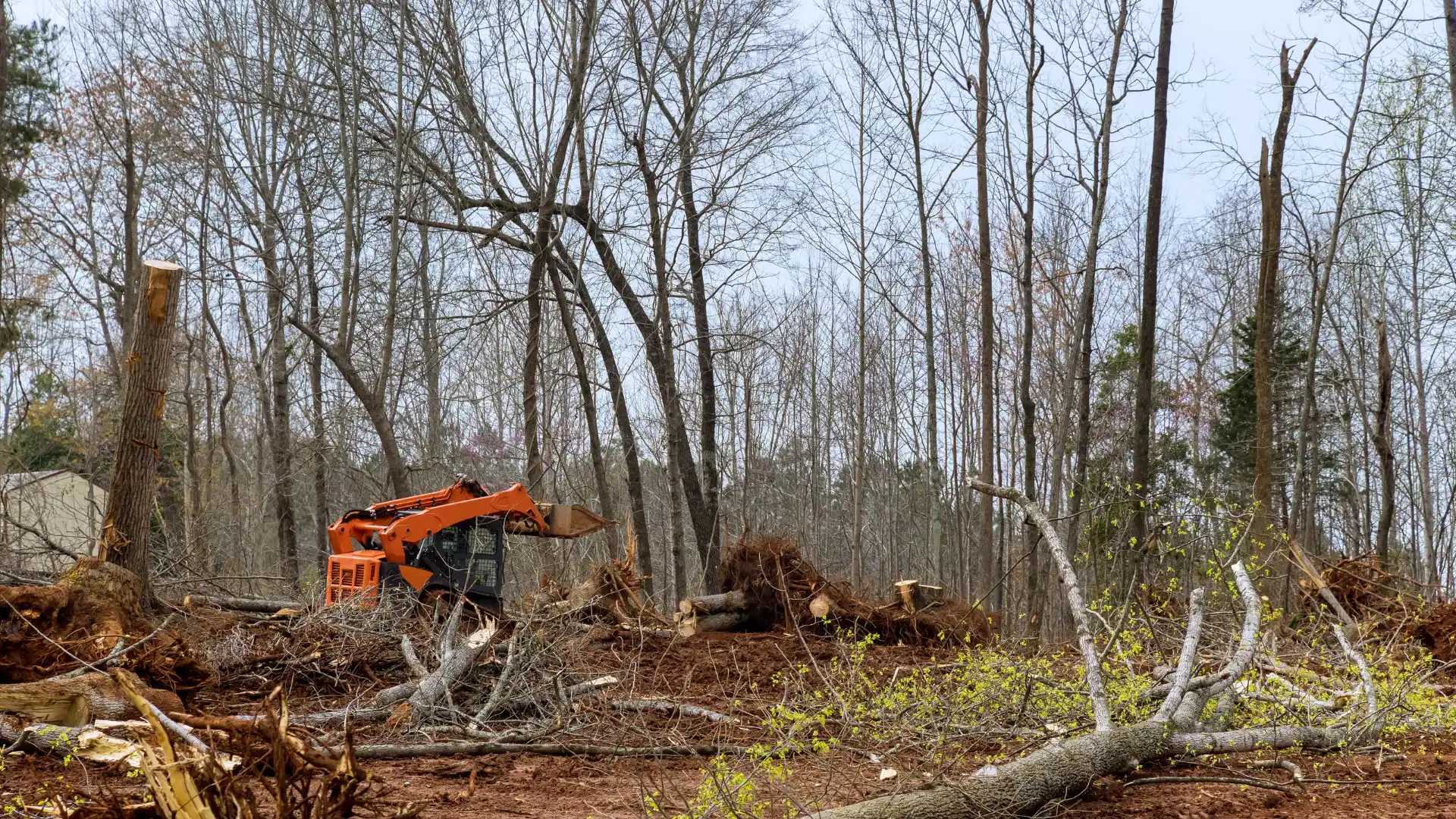
A lot of Rocky Point homeowners come to us after another contractor left the job half-done stumps still in the ground, invasive vines already growing back, debris piled at the edge of the yard. That’s not a cleared property. That’s a problem deferred. When land clearing is done right, your lot is usable, builder-ready, or simply manageable again and it stays that way.
Rocky Point’s vegetation isn’t forgiving. The pitch pine and scrub oak that dominate wooded properties here grow back aggressively from root stock if stumps aren’t properly ground. And if your property sits near the southern edge of town close to the Rocky Point Pine Barrens State Forest you’re also dealing with the invasive species pressure that the Long Island Invasive Species Management Area has formally flagged for this area: Japanese knotweed, Oriental bittersweet, multiflora rose. Cut them back without treating the root system and they return harder the following season.
What you actually get when the job is done properly is a site where the right vegetation is gone, the debris is off the property, and nothing is coming back to undo the work. Whether you’re preparing a lot for a builder, reclaiming an overgrown bungalow property near Broadway, or managing land that’s been neglected for years, the result should be the same a clean, stable site that’s ready for whatever comes next.
We serve Rocky Point as part of an established North Shore service area and that means we understand the regulatory environment that governs every clearing job here. Rocky Point falls entirely within Brookhaven Town jurisdiction, which means Chapter 70 tree preservation rules, Chapter 81 wetlands buffer requirements, and Chapter 75 beach vegetation protections all apply depending on where your property sits. We check all of it before we quote.
That matters more in Rocky Point than almost anywhere else in Suffolk County. Properties near the Rocky Point Natural Resource Management Area, near Lake Panamoka, or along the North Shore bluffs above Long Island Sound each carry their own set of considerations. We assess those before work begins not after a stop-work order arrives.
We bring the right equipment for North Shore woodland, not just a truck and a chainsaw. And when we’re done, the site is clean, the scope is complete, and there are no surprises on the invoice.
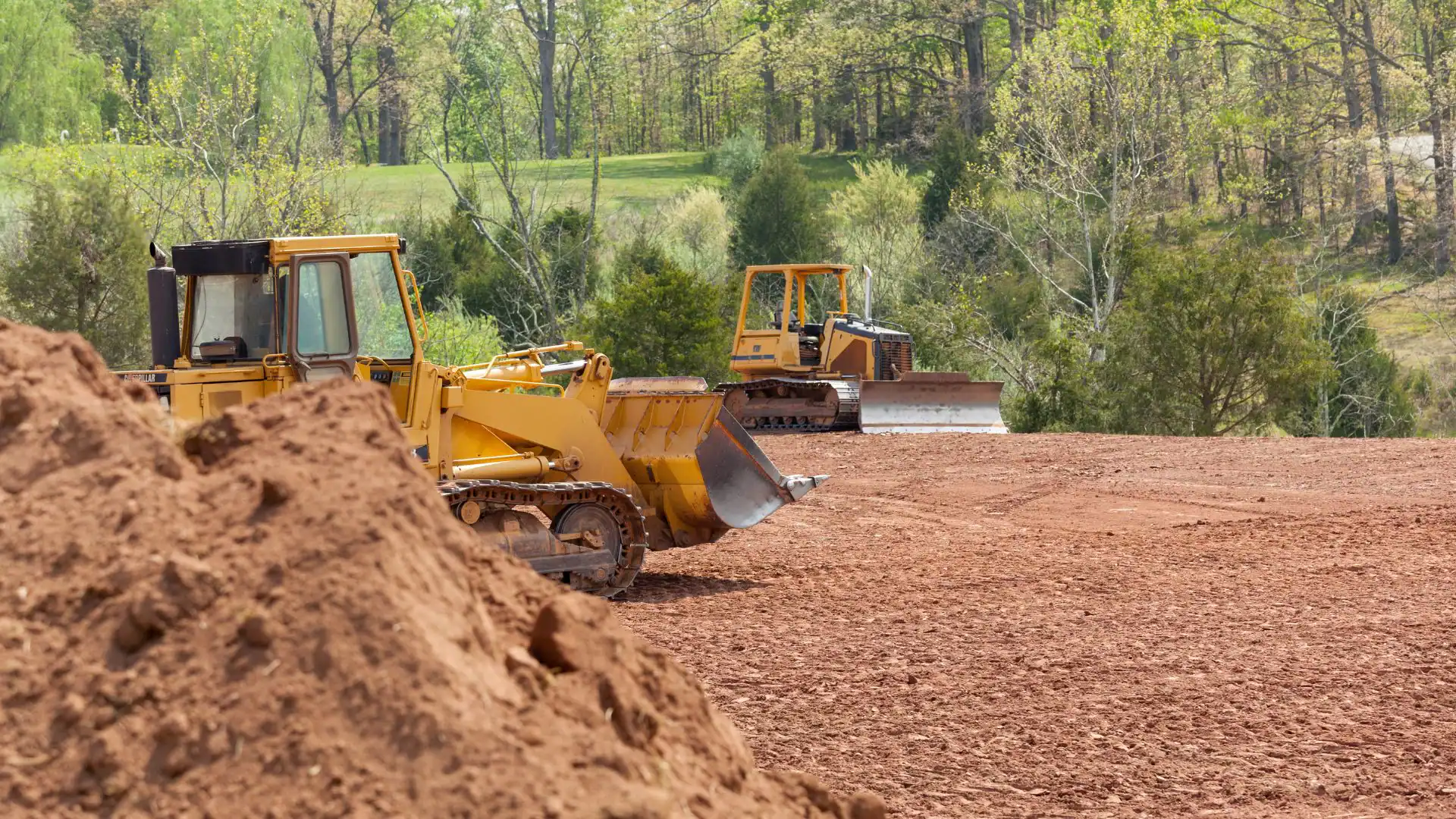
It starts with a site assessment. Before we quote any land clearing or brush clearing job in Rocky Point, we walk the property. We’re looking at what’s there, what’s protected, what’s invasive, and what the scope of work actually involves. If your lot is 2 acres or more, we assess whether a Brookhaven Town Tree Clearing Permit is required under Chapter 70. If there’s a water body or wetland within 25 feet of the clearing area and Rocky Point has several, including Deep Pond and the kettlehole ponds near the NRMA we factor in Chapter 81 requirements before a single machine moves.
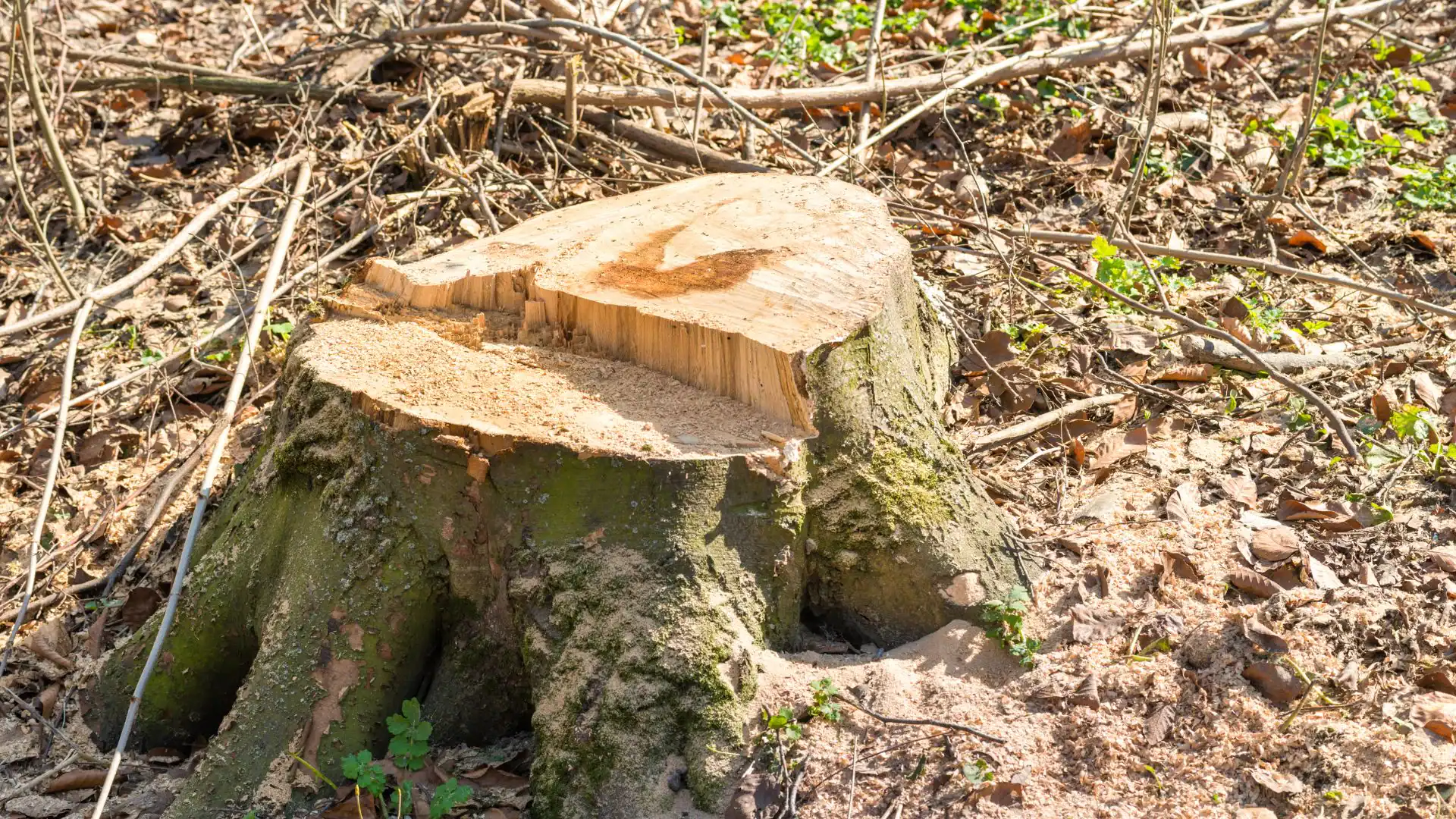
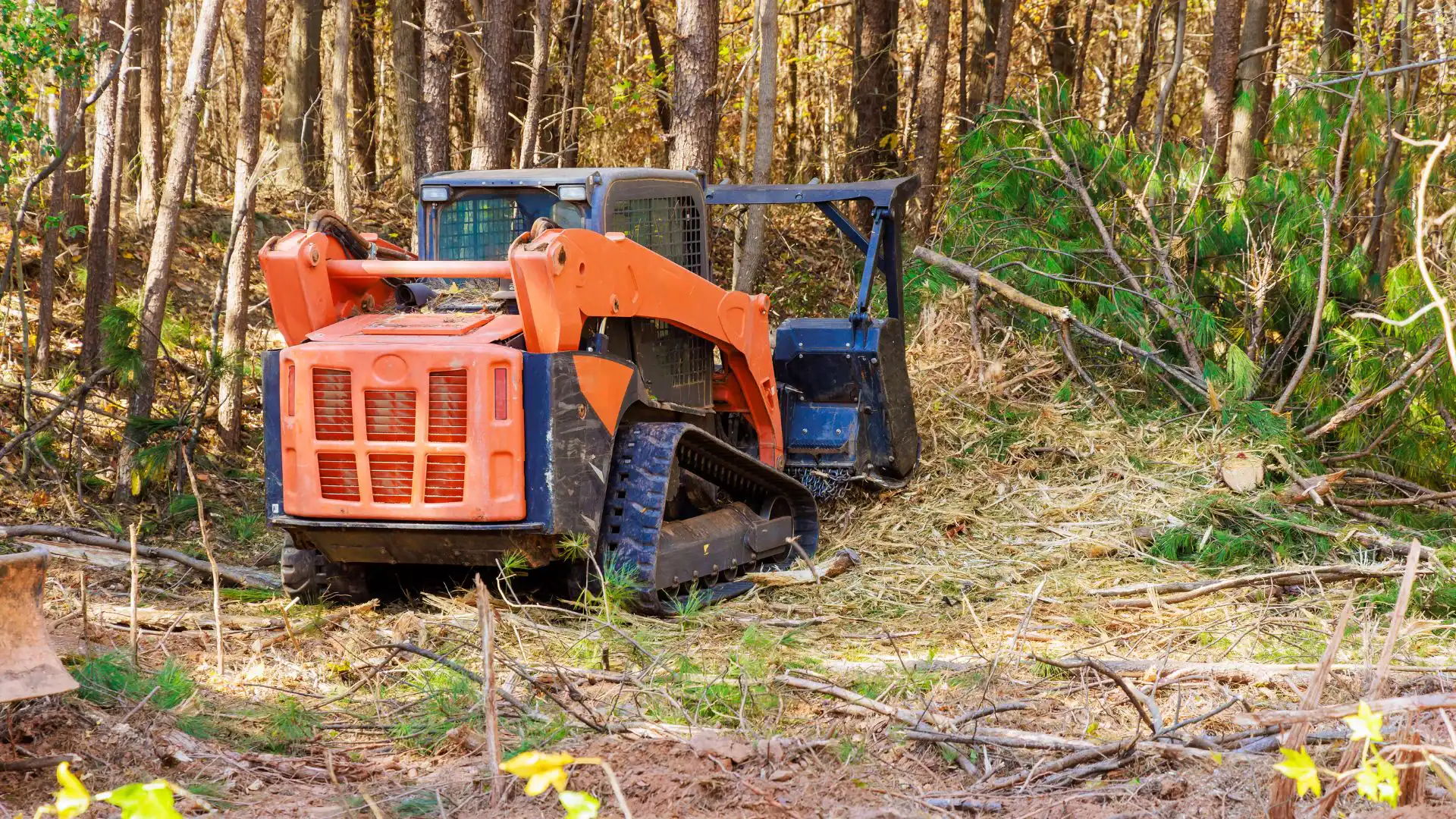
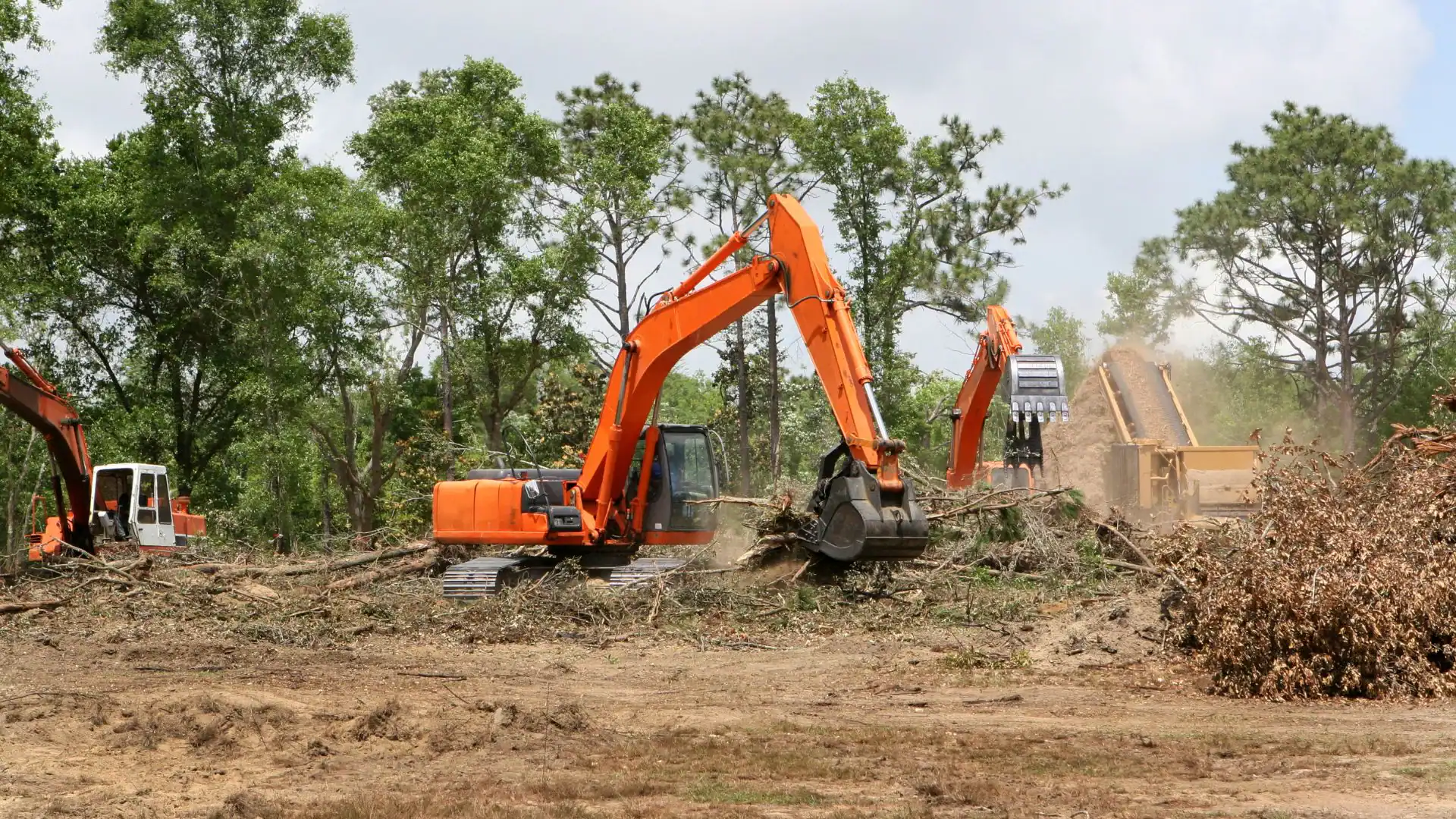
Once the scope is agreed and any required permits are in place, we mobilize the right equipment for the job. Pitch pine and scrub oak need real machinery excavators, mulchers, stump grinders not just a crew with hand tools. We work through the clearing systematically, managing debris as we go so the site doesn’t become a bigger mess mid-job.
When we’re finished, debris is either mulched in place or hauled off-site, stumps are ground below grade, and the property is left in the condition we agreed on at the start. You don’t need to be home to supervise. You’ll know what to expect because we told you upfront and that’s what you’ll get.
Ready to get started?
Rocky Point properties aren’t all the same, and the clearing work they need isn’t either. A bungalow lot near the North Shore bluffs with decades of unchecked growth is a different job from a 2-acre wooded parcel being prepared for a custom build near the Estates at Rocky Point subdivision. We handle both ends of that spectrum and everything in between.
Our land clearing services in Rocky Point cover full vegetation removal, selective clearing, stump grinding, invasive species removal, and debris haulage. For overgrown property clearing the kind of job where a lot has been left unmanaged long enough that multiflora rose and bittersweet have taken over we work through the site in stages, removing invasive species first and addressing native vegetation and stumps after. This matters because improper removal of invasive plants can spread them to adjacent land, including the protected pine barrens to the south.
For land reclamation services on larger or more heavily overgrown properties, we assess the full scope before quoting so there are no mid-job cost surprises. Lot clearing services for new construction are scoped to builder-ready standard. And for properties near Brookhaven Town wetlands or the North Shore bluffs, we confirm regulatory requirements before any vegetation removal services begin because the last thing you need is an enforcement notice on a property you just paid to clear.
It depends on your property size and where it sits. Under Brookhaven Town’s Chapter 70 Tree Preservation Code, a Tree Clearing Permit is required for residential properties that are 2 acres or more including contiguous lots under the same ownership. If your property is under 2 acres, the permit requirement generally doesn’t apply in the same way, but that doesn’t mean clearing is unrestricted.
If your property is near a wetland or water body and Rocky Point has several, including Lake Panamoka and the ponds near the Rocky Point Natural Resource Management Area clearing within 25 feet of that boundary triggers a separate wetlands permit under Chapter 81. Properties along the North Shore bluffs also fall under Chapter 75, which protects beach and cliff vegetation above Long Island Sound. Landmark trees designated by the Town require Town Board approval regardless of lot size. We assess all of this before we quote, so you know exactly what’s required before work begins.
The most common invasive species we encounter on Rocky Point properties are Japanese knotweed, Oriental bittersweet, multiflora rose, autumn olive, and mile-a-minute vine. The Long Island Invasive Species Management Area has formally designated the Rocky Point Natural Resource Management Area as an Invasive Species Prevention Zone, which reflects how active the pressure is in this part of Suffolk County and that pressure doesn’t stop at the conservation boundary. Residential properties adjacent to the NRMA deal with the same species.
Removing these plants correctly matters. Japanese knotweed, for example, can regrow from root fragments left in the soil and has been known to penetrate foundations if left unchecked. Oriental bittersweet girdles and kills native trees if it’s simply cut back without treating the root system. We identify each species on your property, remove it using the appropriate method, and dispose of the material correctly because improper disposal can spread invasive plants to neighboring land, including protected areas nearby.
For residential lot clearing in Rocky Point, costs generally start in the range of $2,000 to $4,650 for smaller properties, based on local market data. Larger or more heavily wooded parcels particularly those with significant pitch pine, mature oak, or invasive species infestations will run higher depending on the scope. The variables that move the number most are lot size, vegetation density, stump removal, debris haulage, and whether any permit applications are required.
Rocky Point’s wooded character and pine barrens-adjacent vegetation mean that clearing jobs here tend to involve more than a basic suburban lot. Properties that have been left unmanaged for several years, or that require invasive species treatment in addition to standard clearing, are typically scoped as land reclamation jobs rather than simple clearing and the pricing reflects that additional scope. We provide itemized quotes before any work begins, so you know exactly what each line item covers and there are no surprises when the invoice arrives.
Yes but it requires knowing exactly where the boundary is and what governs it. The Rocky Point Pine Barrens State Forest and the Rocky Point Natural Resource Management Area together cover nearly 6,000 acres to the south of the residential community, managed by the NYSDEC. Properties that sit adjacent to this conservation area may fall within or near the buffer zones established under the Central Pine Barrens Comprehensive Land Use Plan, which distinguishes between the Core Preservation Area and the Compatible Growth Area with specific clearing restrictions.
Before we touch any vegetation on a property near the NRMA boundary, we assess the parcel against DEC regulations and the Pine Barrens Land Use Plan. Clearing that encroaches on protected land even unintentionally can result in DEC enforcement action, which is a serious and costly outcome for a property owner. We know the boundary, we know the rules, and we make sure every Rocky Point clearing job stays on the right side of both.
Overgrown property clearing in Rocky Point is typically a multi-stage process, not a single pass with a machine. Most neglected lots we assess here have a combination of native woodland pitch pine, scrub oak, mixed oak and invasive species that have colonized the disturbed edges. The invasive plants usually need to come out first, because clearing native vegetation around them without addressing the invasives just gives those species more room to spread.
After invasive species are removed, we work through the native vegetation according to the agreed scope whether that’s full clearing, selective clearing to preserve certain trees, or clearing to a specific footprint for construction. Stumps are ground below grade, not just cut flush, because pitch pine and scrub oak will resprout from surface stumps within a couple of growing seasons. Debris is either mulched in place or hauled off-site depending on what works best for the property. By the end, the lot is genuinely usable not just cut back temporarily.
Timeline depends on the size and condition of the property, but most residential lot clearing jobs in Rocky Point take between one and three days for a standard wooded lot. Larger parcels, heavily overgrown properties requiring land reclamation work, or jobs that involve invasive species treatment across a significant area can run longer sometimes up to a week or more for multi-acre sites.
Rocky Point’s sandy, well-drained soils characteristic of the pine barrens geology are actually an advantage here. Unlike the clay-heavy ground in parts of western Long Island, Rocky Point lots stay accessible to equipment year-round in most conditions, which means clearing can be scheduled in late fall or winter when lead times are shorter and pricing is often more competitive. If your job requires a Brookhaven Town Tree Clearing Permit, factor in the Town’s application and review timeline on top of the field work we walk you through that process during the site assessment so there are no scheduling surprises.