
Hear from Our Customers
Water in your basement isn’t just an inconvenience it’s a slow drain on one of the most valuable things you own. Central Islip home values have climbed nearly 150% over the last decade. Median sale prices are pushing $645,000. A wet, musty basement doesn’t just sit there it chips away at that number every single day. Home inspectors flag it immediately, and buyers negotiate hard when they see it.
The bigger issue is what’s driving the water in the first place. Central Islip sits on Long Island’s outwash plain, where the water table is relatively shallow and responds quickly to rain and snowmelt. After a nor’easter drops a foot of snow and temperatures bounce back up, that water moves fast and a lot of it ends up pressing against your foundation. Homes with concrete block foundations built in the 1950s and 60s, which describes a large portion of Central Islip’s housing stock, are especially vulnerable because block is inherently porous and mortar joints break down over time.
Fix the moisture problem and you get your basement back as usable space, as clean air moving through your home, and as a selling point instead of a liability. For families dealing with anyone who has respiratory sensitivities, it matters even more. Mold doesn’t stay in the basement. It travels.
Gold Coast Landworks is a Long Island-based waterproofing contractor that works across Suffolk County, including Central Islip and the surrounding communities of Brentwood, Bay Shore, and Hauppauge. We’re not a national franchise dispatching crews from a call center. We’re a local operation that knows the difference between a drainage issue near the older streets off Wheeler Road and a foundation problem in one of the newer developments built on the former psychiatric center grounds near Courthouse Drive.
That local knowledge isn’t just a talking point it directly affects what we recommend and why. The soil conditions, the water table depth, the age of the housing stock in Central Islip, the freeze-thaw patterns that hit central Suffolk County every winter we factor all of that in before we suggest a single solution. You get a straight answer about what’s actually happening with your foundation, not a pitch for the most expensive fix on the menu.
Every job starts with a free in-home inspection and a written estimate. No pressure, no manufactured urgency.
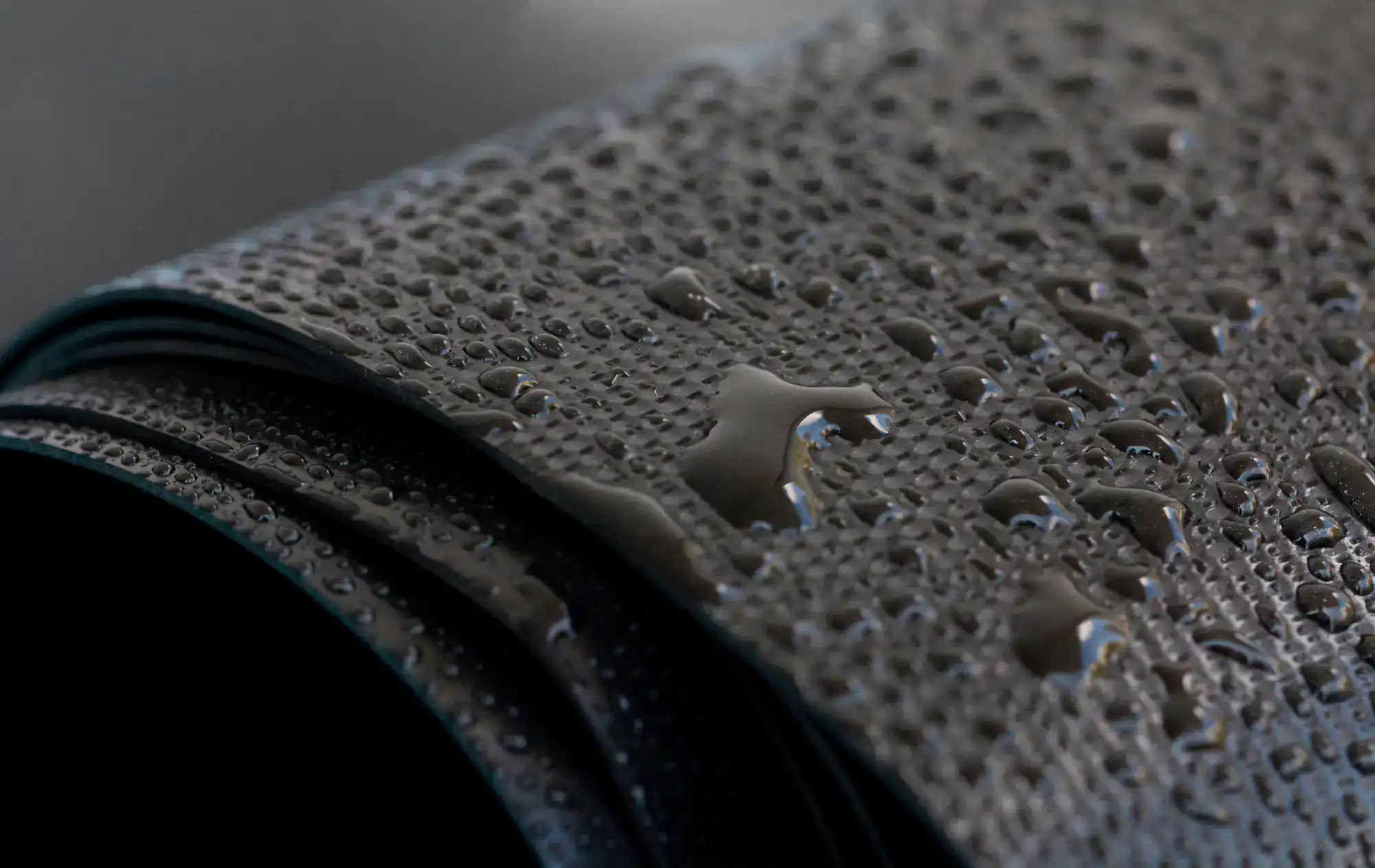
It starts with a real inspection not a quick walk-through designed to justify a pre-written quote. We look at the foundation walls, the floor-wall seam, the grading around the exterior, the existing drainage setup, and wherever water is visibly entering or likely to enter. In Central Islip, that often means paying close attention to block foundation walls that have lost their parging, hairline cracks that have been widening through decades of freeze-thaw cycles, and sump pits that were installed when the home was built and have never been serviced since.
Once we know what’s actually going on, we walk you through what we found and what we recommend in plain language. If the problem is a single foundation crack that needs epoxy or polyurethane injection, that’s what we’ll tell you. If the drainage situation calls for an interior system tied to a properly sized sump pump with battery backup, we’ll explain exactly why before we quote it. Work that involves structural elements or interior drainage installation may require a permit through the Town of Islip Building Department, and we’ll let you know upfront if that applies to your job.
The work itself is done cleanly and on a clear timeline. When we’re finished, you get documentation of what was done and a written warranty you can actually rely on.
Ready to get started?
Basement waterproofing isn’t one thing it’s a category of solutions, and the right one depends entirely on what’s causing the problem in your specific home. For a lot of Central Islip homeowners, that means addressing more than one issue at the same time, because older foundations tend to have layered problems rather than a single clean fix.
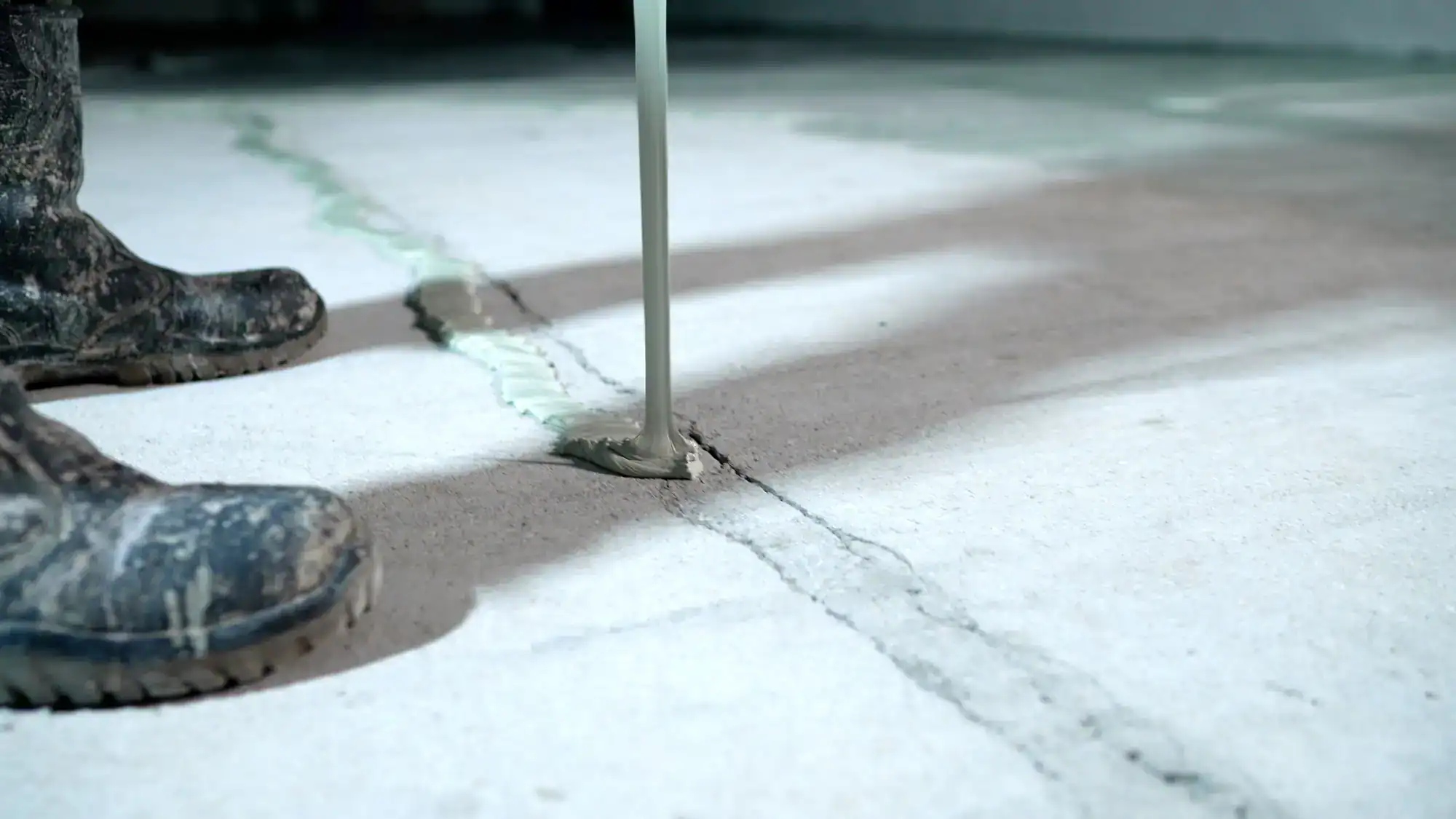
Foundation crack sealing is one of the most common starting points. A crack in a poured concrete or block wall that looks minor is still an open channel for water, cold air, and insects. Epoxy injection works well for structural cracks that need to be bonded back together. Polyurethane foam is typically better for active leaks because it expands on contact with moisture and seals the crack from the inside out. Left alone, those cracks widen every winter and the repair cost grows with them.
For homes where water is coming up through the floor-wall joint or seeping through the base of block walls, an interior drainage system channels that water to a sump pit before it spreads. Paired with a properly sized sump pump and a battery backup for when the power goes out during a storm it’s the most reliable long-term solution for the groundwater conditions common in this part of Suffolk County. We also waterproof basement walls directly where surface intrusion is the primary issue, and we assess and replace aging sump pumps that are past their service life. If your home is one of the newer builds in College Woods or Islip Landings, the original sump system installed at construction may be 20-plus years old and due for an honest evaluation.
This is one of the most common frustrations we hear from Central Islip homeowners, and it usually comes down to treating the symptom instead of the source. Waterproof paint, hydraulic cement over a crack, or a basic sump pump that isn’t sized correctly these are band-aid approaches that don’t account for what’s actually driving the water in. In Central Islip, the water table is shallow enough that groundwater can push up through the floor-wall joint even when the walls themselves look fine. Surface treatments don’t stop hydrostatic pressure.
The other common culprit is drainage that was never designed for the rainfall intensity Central Islip sees today. A nor’easter that drops 12-18 inches of snow followed by a rapid warm-up sends a large volume of water into the soil all at once. If the grading around your home directs that water toward the foundation, or if your sump pump can’t keep up with the volume, flooding follows. A proper inspection identifies which of these factors is at play and usually it’s more than one.
The range is wide, and that’s not a dodge it genuinely depends on what’s needed. Sealing a single foundation crack with epoxy or polyurethane injection typically runs $800 to $1,500 per crack. A full interior drainage system with sump pump installation for a standard-sized basement generally falls in the $5,000 to $15,000 range, with the average homeowner paying around $13,640 for a 1,000-square-foot space. Sump pump installation on its own, when the drainage is already in place, usually runs $600 to $1,900 depending on the pump type and whether a battery backup is included.
What drives the price up is scope how much of the perimeter needs drainage, whether there are multiple crack locations, whether the existing sump pit needs to be enlarged, and how accessible the basement is for the work. In Central Islip, older concrete block foundations often require more preparation than poured concrete because the block surface needs to be addressed before a drainage system can be properly anchored. We provide a written, itemized estimate after the inspection so you know exactly what you’re paying for before any work begins.
It’s a legitimate fix but it’s worth understanding what it does and doesn’t do. Interior waterproofing doesn’t stop water from entering the foundation wall. What it does is intercept that water before it spreads across your floor or wicks up the walls, and channel it to a sump pump that removes it from the basement entirely. For most older Central Islip homes with concrete block foundations, this is actually the more practical and cost-effective solution compared to exterior excavation, which would mean digging down to the footing around the full perimeter of the home.
Exterior waterproofing applying a membrane to the outside of the foundation wall is the more comprehensive approach when it’s feasible, and it makes sense in specific situations, like when you’re already doing significant foundation work or when a single wall is the clear source of intrusion. But for a 1960s ranch or colonial in Central Islip where the block has been absorbing moisture for 50-plus years, a properly installed interior drainage system with a reliable sump pump handles the real-world conditions those homes face. The key word is “properly installed” the system needs to be sized and positioned correctly, or you’re just moving the problem around.
It depends on the scope of the work. Simple crack repairs epoxy or polyurethane injection into a foundation crack typically don’t require a permit. But if the job involves installing an interior drainage system, cutting the concrete floor along the perimeter, or making structural modifications to the foundation, a building permit from the Town of Islip Building Department may be required. The Town of Islip enforces New York State Building Code standards for all residential repair work, and it’s worth confirming the specific requirements for your project before work begins.
Any exterior work that involves digging around the foundation also requires a utility locate call (dial 811 before any excavation). We’ll let you know during the estimate process whether your job is likely to require a permit, and we handle the work in a way that keeps everything above board. Unpermitted work on a significant repair can create complications when you go to sell the home and in a market where Central Islip homes are selling fast and at high prices, that’s not a risk worth taking.
Most homeowners don’t think about their sump pump until it fails which is usually during the worst possible moment, like when a nor’easter is dumping rain at 2 a.m. and the power is flickering. The honest answer is that if your pump is more than 7-10 years old and has never been serviced, it’s worth having it evaluated before you find out the hard way that it’s not up to the job.
A few things to check on your own: pour water into the sump pit and watch whether the float triggers the pump to turn on. Listen for unusual grinding or rattling sounds when it runs. Check that the discharge line is clear and draining away from the house. If the pump runs constantly, that can indicate the water table is unusually high common in central Suffolk County after a prolonged wet stretch or that the pump is undersized for your basement’s needs. If you have an older home in Central Islip and the sump system was installed at original construction, there’s a reasonable chance it’s never been replaced. We assess existing systems as part of every inspection and give you a straight answer on whether it needs to be replaced or just serviced.
The age of the home matters more than most people realize, and it changes what we’re looking for and what we recommend. Homes built in the 1950s and 1960s which make up the majority of Central Islip’s housing stock were almost universally built with concrete block foundations. Block is more porous than poured concrete, and after 50-plus years of freeze-thaw cycles, the mortar joints between blocks deteriorate and the original parging coating cracks and spalls. Water doesn’t need a big crack to get in it moves right through the block itself under hydrostatic pressure.
Newer homes in Central Islip, particularly those built in the late 1990s and early 2000s in developments like College Woods, Courthouse Commons, and Islip Landings on the former psychiatric center grounds, typically have poured concrete foundations that are more resistant to that kind of diffuse seepage. But they’re now 20-plus years old, which is when first-generation waterproofing failures start to show up shrinkage cracks in the poured walls, sump systems reaching end of life, and drainage that wasn’t designed with Long Island’s current storm intensity in mind. The problems are different, but they’re real in both cases. What changes is the diagnostic approach and the solution we recommend.