
Hear from Our Customers
Most basement leaks in East Shoreham don’t come from one obvious crack. They come from the ground itself the Harbor Hill moraine that East Shoreham sits on is a mix of sand, gravel, and clay that moves water unpredictably. Sandy layers push it toward your foundation fast. Clay pockets trap it against your walls and build pressure over time. When you add a shallow groundwater table from the Long Island Sound to the north and the moisture-retaining Rocky Point Pine Barrens to your south, you have a situation that most generic waterproofing contractors aren’t equipped to read correctly.
Getting the diagnosis right is what separates a fix that holds from one that fails after the next nor’easter. Once the actual source is identified whether that’s hydrostatic pressure through a poured concrete wall, a foundation crack that’s been widening through freeze-thaw cycles, or a drainage system that simply can’t keep up the solution becomes straightforward. You stop chasing symptoms and start addressing the cause.
The result is a basement that stays dry through spring snowmelt, summer storms off the Sound, and whatever the next nor’easter brings. For most East Shoreham homeowners, that also means reclaimed square footage, better air quality, no mold risk, and a home that holds its value when it eventually goes to market.
We’re a Long Island-based waterproofing contractor the name Gold Coast Landworks isn’t accidental. The Gold Coast is the North Shore, and that’s the terrain we work in. East Shoreham, Wading River, Rocky Point, Shoreham village these aren’t just service area checkboxes. They’re communities we understand at the ground level, literally.
Homes in Randall Estates and throughout East Shoreham were largely built between the 1960s and 1990s. That original dampproofing is failing now, if it hasn’t already. We work in Brookhaven Town regularly, we know the permit process, and we know how to route a sump pump discharge in compliance with the town’s stormwater code so you’re not left with a code violation on top of a wet basement.
Every job starts with a thorough inspection interior and exterior before anyone talks numbers. You’ll know exactly what’s causing the problem and what it will take to fix it. No phone quotes, no pressure, no surprises.
It starts with a free in-home inspection. We look at the full picture the interior walls, the floor-wall joint, any visible cracks, the current drainage situation, and the exterior grade around the foundation. In East Shoreham, we’re also looking at how your property sits relative to the water table, whether you’re near the Pine Barrens drainage zone, and how your soil profile is likely directing water toward or away from the foundation. That context changes the recommendation.
From there, you get a written estimate with a clear explanation of what we found and why we’re recommending what we are. If a simple crack injection is the right call, that’s what you’ll hear. If the foundation needs a full interior drainage system with a sump pump, we’ll explain why and walk you through what that involves. There’s no pressure to decide on the spot.
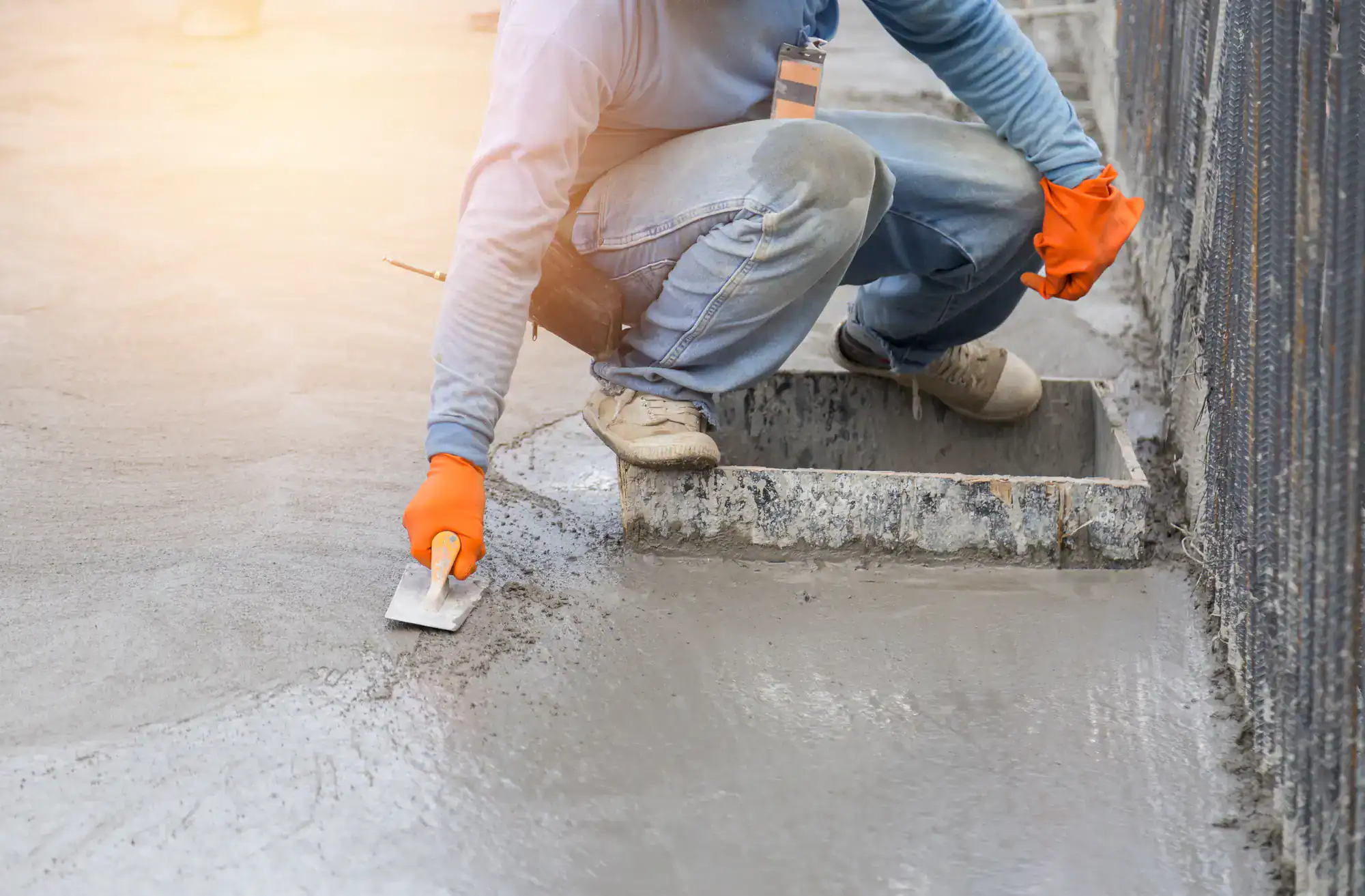
Once the work is scheduled, most jobs are completed in one to two days. Interior drainage installations involve cutting a channel along the perimeter of the basement floor, setting the drainage pipe, and tying it into the sump basin then patching the concrete back. If your job requires a Town of Brookhaven permit, we handle that as part of the process. When we leave, the basement is clean, the system is tested, and you understand exactly how it works.
Ready to get started?
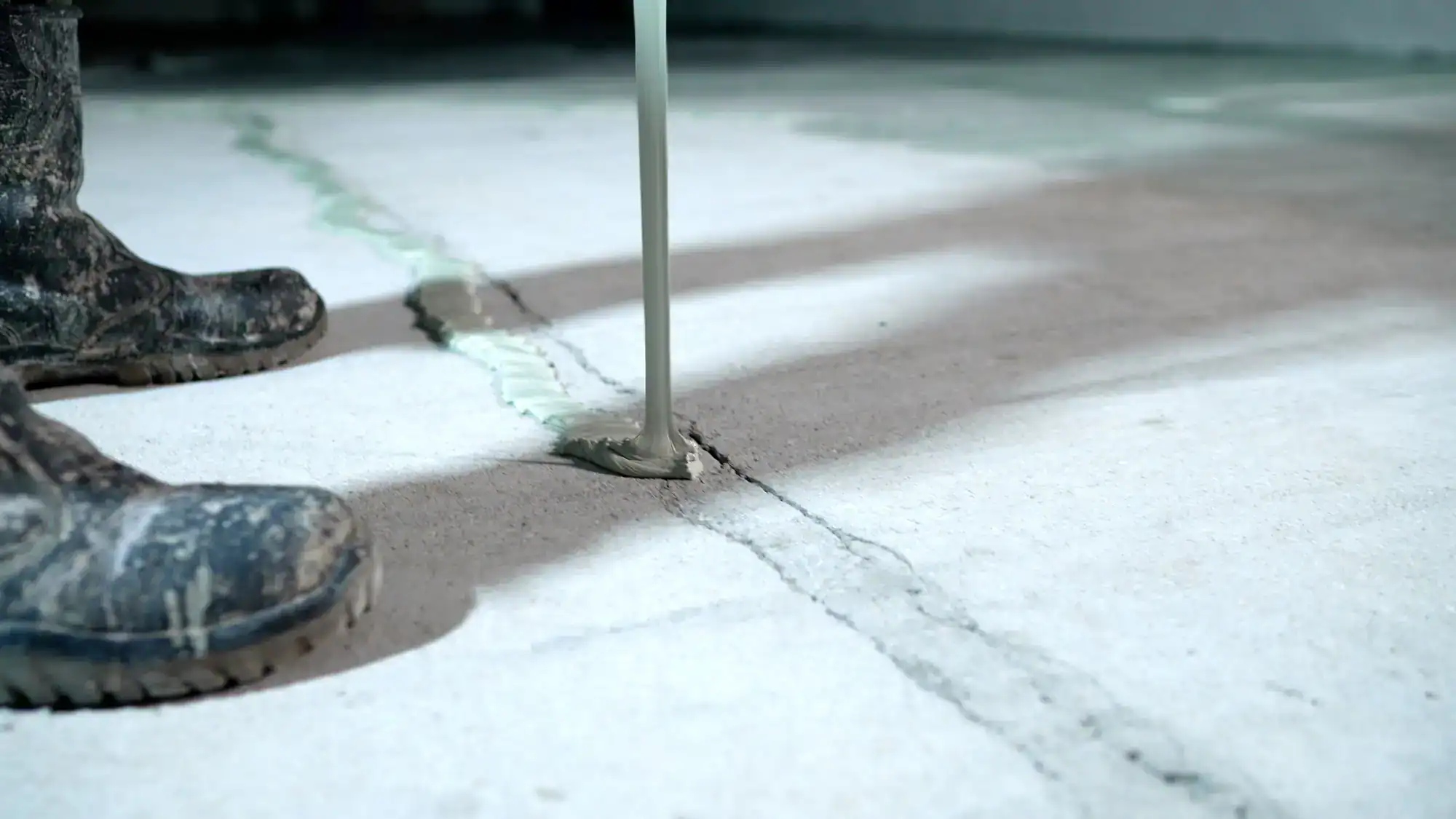
Basement waterproofing isn’t one thing it’s a range of solutions, and the right one depends entirely on what’s happening in your specific foundation. For East Shoreham homes with isolated foundation cracks common in the older housing stock throughout the hamlet epoxy or polyurethane crack injection is often the most direct fix. It bonds into the crack, stops water infiltration, and restores structural integrity. Cost typically runs $800 to $1,500 per crack depending on length and depth.
For homes dealing with consistent seepage through walls or floor-wall joints which is common in properties near the Sound or along the Pine Barrens edge an interior drainage system is usually the more appropriate solution. This involves a perimeter drain channel, a properly sized sump pump, and ideally a battery backup unit. Battery backup isn’t optional on the North Shore. When a nor’easter takes the grid down, your sump pump needs to keep running. A standard interior system with sump pump typically runs $4,500 to $10,000 depending on the basement’s square footage and complexity. Sump pump installation alone ranges from $600 to $1,900.
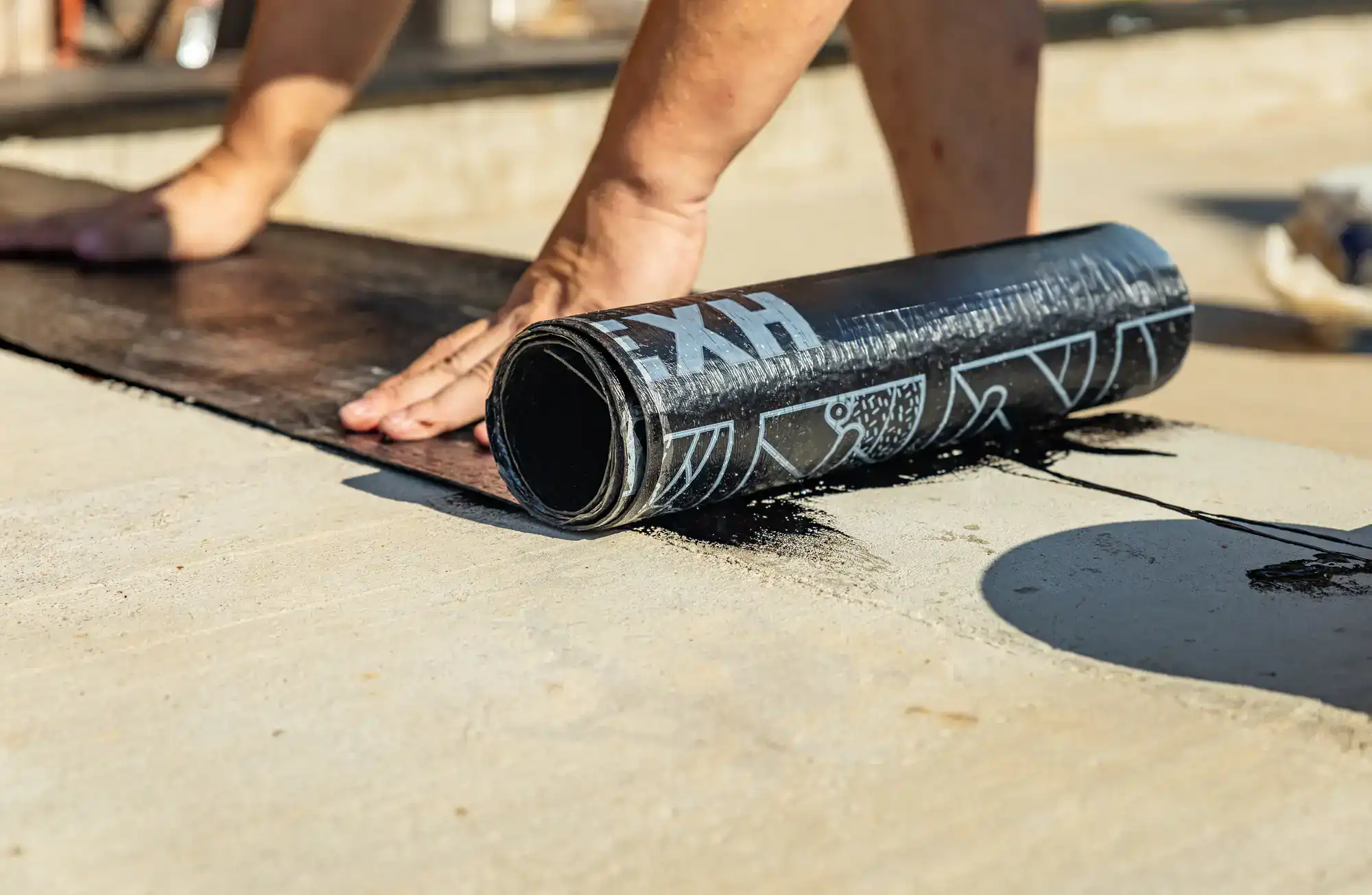
Exterior waterproofing excavating around the foundation, applying a waterproof membrane, and improving drainage at the footing is the most comprehensive option and is best suited for severe cases or new construction. We’ll tell you honestly which approach fits your situation, and we won’t recommend a $10,000 system for a problem that a $1,200 crack repair can solve.
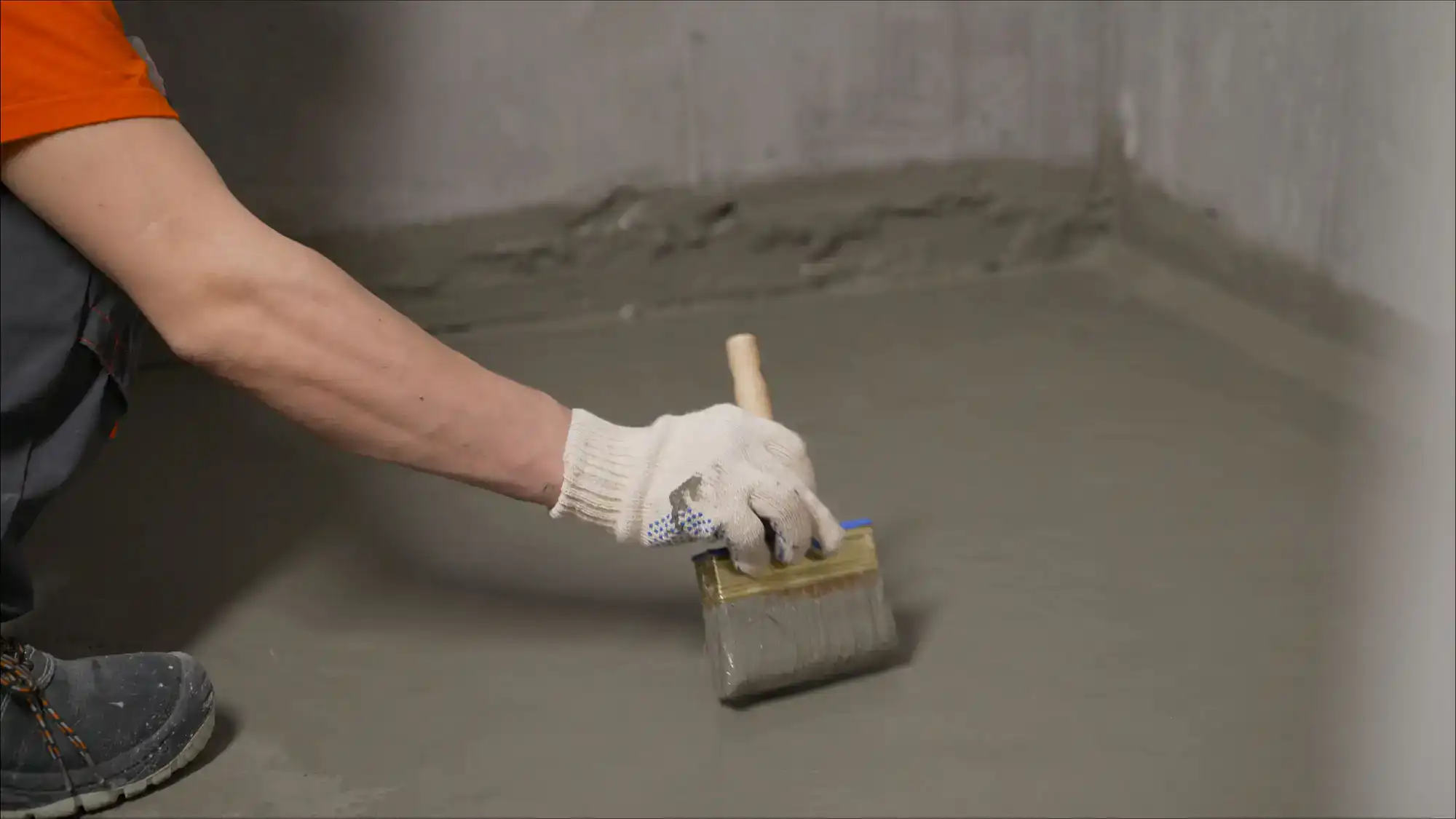
The most common reason is the soil. East Shoreham sits on the Harbor Hill moraine, which is a glacially deposited mix of sand, gravel, and clay. After a heavy rain, water moves quickly through the sandy layers toward your foundation and clay pockets along the way trap moisture against the walls and build hydrostatic pressure. That pressure finds the path of least resistance, which is usually a crack, a cold joint, or a porous section of the foundation wall.
The proximity to the Long Island Sound also plays a role for homes in the northern half of East Shoreham. The groundwater table is naturally higher in Sound-adjacent areas, and when rainfall raises it further, even foundations that have been dry for years can start showing water. The fix depends on the source which is why a proper inspection matters more than a phone quote.
Interior waterproofing manages water after it enters the wall system it collects and redirects it before it can pool on your floor. Exterior waterproofing stops water at the source by applying a membrane to the outside of the foundation and improving drainage at the footing level. Both are legitimate solutions, but they’re not interchangeable.
For most East Shoreham homeowners dealing with seepage through walls or floor-wall joints, interior drainage with a sump pump is the more practical and cost-effective approach. Exterior work makes the most sense when there’s significant soil pressure against the foundation, active deterioration of the exterior wall, or when the home is undergoing other major excavation work. We assess both sides of the foundation and give you a straight answer on which approach actually fits your situation not just the one that costs more.
It depends on the scope of work. Simple crack injection or the installation of a sump pump in an existing basement generally doesn’t require a permit from the Town of Brookhaven. However, if the work involves structural alterations, a basement conversion, or modifications to the drainage system that connect to the town’s stormwater infrastructure, a permit may be required.
Brookhaven Town’s municipal code also has specific rules about where sump pump discharge can be routed it needs to be directed in a way that complies with the town’s stormwater management requirements. Improper discharge routing can result in a code violation, even if the waterproofing work itself was done correctly. We handle permit coordination as part of the job when it’s required, so you’re not navigating the Brookhaven Building Division on your own.
Cost varies based on what the foundation actually needs. Foundation crack sealing with epoxy or polyurethane injection typically runs $800 to $1,500 per crack. A full interior drainage system perimeter drain channel, sump basin, and pump generally falls in the $4,500 to $10,000 range depending on the basement’s square footage and how complex the drainage layout needs to be. Sump pump installation on its own runs $600 to $1,900.
For East Shoreham specifically, homes near the Sound or along the Pine Barrens edge often need a properly sized pump with a battery backup unit, which adds to the cost but is genuinely necessary given how frequently the North Shore loses power during nor’easters. We provide written estimates after a full inspection you’ll know the number before any work begins, and we won’t recommend a larger scope than what your foundation actually requires.
Done correctly, a professional waterproofing system should last decades. Epoxy crack injection, when applied to a structurally sound foundation, creates a bond that’s actually stronger than the surrounding concrete it doesn’t re-crack at the same point. Interior drainage systems, when properly installed and maintained, are essentially permanent infrastructure. The sump pump itself has a mechanical lifespan of 7 to 10 years on average and should be tested annually and replaced proactively.
The bigger variable in East Shoreham is the ongoing freeze-thaw stress on North Shore foundations. If a crack is sealed but the underlying drainage around the foundation isn’t addressed, new cracks can form in adjacent areas over time. That’s why we look at the full picture during the inspection the goal is a system that holds up through Long Island winters, not just one that fixes today’s visible problem.
Yes and more importantly, it removes a significant obstacle. Home sales in the East Shoreham area regularly involve buyers’ inspectors who are thorough, and a wet basement or visible water damage is one of the most common reasons deals fall apart or prices get negotiated down. A documented, professionally waterproofed basement with a transferable warranty gives buyers confidence and takes that objection off the table entirely.
In a market where East Shoreham homes range from $500,000 to well over $1 million for Sound-adjacent properties, a warranty-backed waterproofing system is a selling point, not just a maintenance line item. Families who chose this area for the Shoreham-Wading River school district tend to be long-term owners but when the time comes to sell, having documentation that the foundation was professionally addressed is worth more than the cost of the work itself.