
Hear from Our Customers
In Mattituck, a wet basement isn’t just an inconvenience it’s a direct threat to a property that’s worth real money. Home values on the North Fork have climbed significantly, and buyers’ inspectors flag water intrusion immediately. A documented moisture problem can cost you far more at closing than the waterproofing job ever would have. Getting it handled now protects the asset you’ve been building.
The shallow water table here is the part most homeowners don’t fully account for. According to local Peconic Estuary studies, 34% of buildings in this area sit on lots where groundwater is less than 13 feet below the surface. That means hydrostatic pressure against your foundation walls isn’t a seasonal spike it’s a constant condition. Interior basement waterproofing that’s designed for this kind of sustained pressure performs completely differently than a surface sealant you rolled on yourself.
For seasonal property owners in Mattituck especially, the stakes are higher than they look. A basement that starts leaking in November and goes unnoticed until Memorial Day weekend has had months to grow mold, rot framing, and turn a manageable crack repair into a full remediation project. A properly waterproofed basement with a battery backup sump pump means the property stays protected whether you’re there or not.
We’re a Long Island-based contractor that works specifically in this region not a national franchise routing your call through a distant call center. We understand Mattituck and the North Fork because we work here. The tidal influence of Mattituck Inlet on local groundwater, the freeze-thaw patterns that widen foundation cracks every winter, the agricultural runoff that channels toward homes sitting near vineyard properties these aren’t things we learn from a training manual. They’re things we see on the job.
When you call us, you’re talking to someone who knows Mattituck, knows Suffolk County permitting under the Town of Southold’s building department, and knows the difference between a house that needs a drainage channel and one that just needs a properly sealed crack. We’re not here to sell you the most expensive fix. We’re here to find the right one.
It starts with a real inspection not a phone estimate, not a ballpark based on square footage. We come to your Mattituck property and look at the foundation from the inside and outside. We check the walls, the floor, the grade around the perimeter, and any drainage patterns that might be directing water toward the foundation. On the North Fork, that exterior inspection matters more than people realize. Homes near Mattituck Creek or properties surrounded by flat agricultural land can have water approaching from directions that a quick interior glance would completely miss.
Once we know where the water is coming from and why, we put together a written scope of work. That scope tells you exactly what’s being done, why it addresses your specific problem, and what it costs. No vague line items. No same-day pressure to sign.
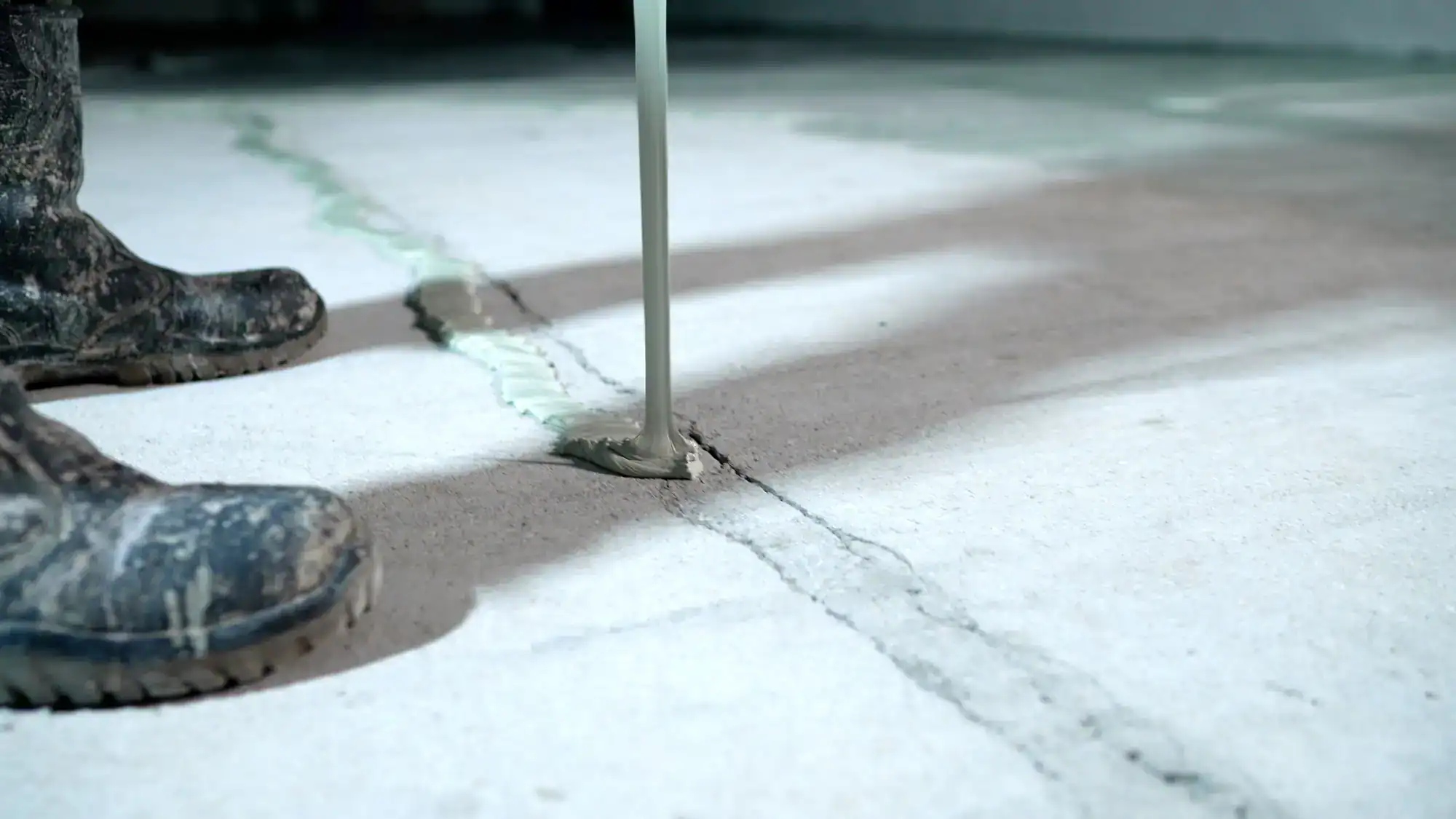
The work itself depends on what the inspection finds. Foundation crack sealing with epoxy or polyurethane injection is often the right call for isolated cracks it bonds to the concrete and stops the freeze-thaw cycle from widening the gap each winter. Interior drainage systems with sump pump installation make sense when the water source is broader or the water table is the primary driver. If your property sits vacant seasonally, we’ll talk through battery backup options so a nor’easter doesn’t become a disaster while you’re back in the city. Work that involves structural modifications may require a permit from the Town of Southold we’ll walk you through what applies to your job before anything starts.
Ready to get started?
The waterproofing work we do in Mattituck is designed around what this area actually throws at a foundation. That means accounting for the Long Island Sound’s tidal influence on groundwater near the inlet, the sandy and clay-mixed glacial soils that move water laterally toward basement walls, and the older housing stock many of these homes were built before 1967, with foundations that were never designed with modern drainage in mind.
For most Mattituck homeowners, the core service options fall into a few clear categories. Waterproofing basement walls through interior drainage channel installation addresses sustained hydrostatic pressure along the full perimeter of the foundation. Foundation crack sealing handles isolated structural cracks before they become larger problems especially important heading into winter, when any water sitting in a crack will freeze, expand, and make it worse. Sump pump installation, with or without a battery backup system, gives the basement an active drainage solution that handles whatever the water table sends its way.
For seasonal property owners along the North Fork, we specifically recommend battery backup sump systems. Power outages during nor’easters are common in this area, and a sump pump that goes offline during the exact storm that’s pushing water into your basement defeats the purpose entirely. Every job we do includes a written estimate before work begins and a warranty on the completed work something worth asking about regardless of which contractor you choose.
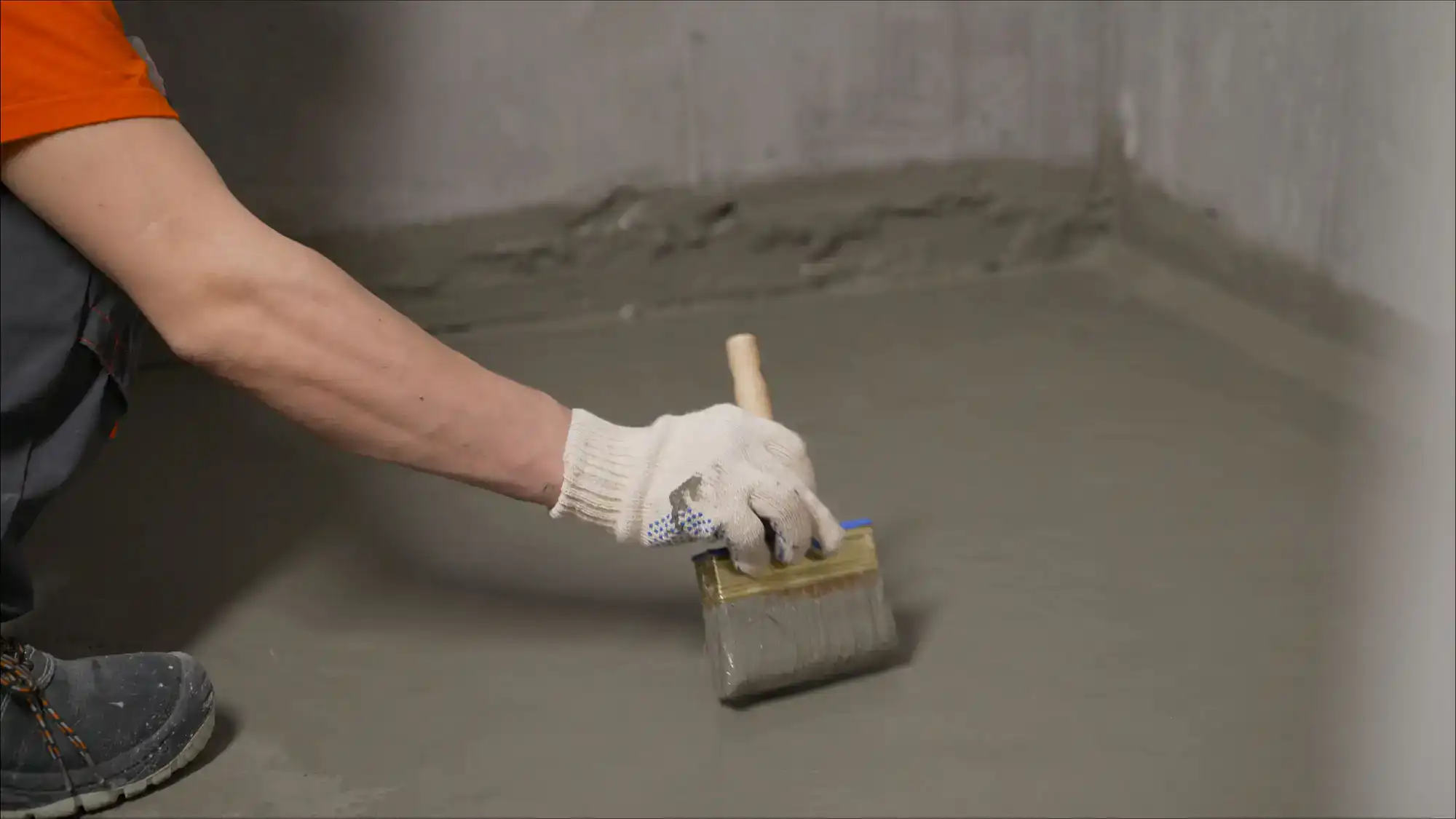
Spring flooding in Mattituck basements is almost always tied to the water table rising not just surface rain. The North Fork has a documented shallow water table, with a significant percentage of properties in the Peconic Estuary area sitting on lots where groundwater is less than 13 feet below the surface. When snowmelt and spring rain saturate the soil, that water table climbs, and the hydrostatic pressure it creates against your foundation walls increases significantly. At a certain point, even a foundation with no visible cracks will allow water to seep through the pressure simply finds the path of least resistance.
The fix depends on the source. If the water is entering through specific cracks, sealing those cracks directly is often the right first step. If the water table is the primary driver and it’s affecting the full perimeter, an interior drainage system with a properly sized sump pump is typically the more durable solution. A thorough inspection will tell you which situation you’re dealing with before any work is recommended.
Exterior waterproofing involves excavating the soil around the foundation to apply a waterproof membrane or coating directly to the outside of the wall, combined with drainage board and a perimeter drain at the footing. It addresses the water before it ever reaches the foundation. It’s the most comprehensive approach when done correctly, but it’s also the most invasive and expensive and in Mattituck, where many homes have landscaping, hardscaping, or structures close to the foundation, full exterior excavation isn’t always practical.
Interior basement waterproofing manages water after it enters the wall system by directing it to a drainage channel installed along the inside perimeter of the floor, which then routes to a sump pump. It doesn’t stop water from entering the wall, but it controls where that water goes and prevents it from pooling on your floor or wicking up into framing and drywall. For most older homes on the North Fork where the water table is the primary pressure source, interior systems are the more realistic and cost-effective long-term solution. The right answer depends on your specific foundation, your water source, and the layout of your property which is exactly why an inspection matters before any recommendation is made.
Cost varies based on what the inspection finds, the size of your basement, and what method is appropriate for your specific situation. For isolated foundation crack sealing using epoxy or polyurethane injection, you’re typically looking at $800 to $1,500 per crack. Sump pump installation alone generally runs $600 to $1,900 depending on the pump, the discharge setup, and whether a battery backup is included. A full interior drainage system for a typical basement runs $4,500 to $10,000 or more depending on linear footage and the complexity of the installation.
For Mattituck homeowners, it’s worth thinking about this as asset protection rather than a repair cost. With median home values well above $500,000 and significant appreciation in the North Fork real estate market, a documented water intrusion history can cost you far more than the waterproofing job at the time of sale. Buyers and their inspectors will find it, and it will show up in the negotiation. Getting it handled now and having a written warranty to show for it is a much stronger position to be in.
It depends on the scope of work. Mattituck falls under the jurisdiction of the Town of Southold Building Department, which administers the New York State Uniform Fire Prevention and Building Code. Straightforward crack sealing typically does not require a permit. Work that involves cutting the concrete floor to install interior drainage channels, or any modifications that affect the structural components of the foundation, may require a building permit before work can begin.
Sump pump discharge is also worth paying attention to in Mattituck specifically. Given the proximity to Mattituck Creek, Mattituck Inlet, and Peconic Bay, improper discharge of sump pump water can create issues under Suffolk County environmental regulations. Before any work starts, your contractor should be able to tell you clearly what permits apply to your job and how discharge will be handled. We walk through all of that with you during the inspection so there are no surprises after the work is done. If you want to verify requirements directly, the Town of Southold Building Department can be reached at 631-765-1802.
Seasonal properties on the North Fork have a specific vulnerability that year-round homes don’t face in the same way: extended periods with no one present to notice a problem. A basement that starts leaking in November and isn’t discovered until Memorial Day weekend has had five or six months for mold to establish, framing to absorb moisture, and a manageable repair to become a serious remediation project. The waterproofing system you install needs to work without supervision.
For seasonal homes in Mattituck, a sump pump with a battery backup is essentially non-negotiable. Nor’easters and late-season storms on the North Fork are known for taking out power and a sump pump that goes offline during a storm is useless at exactly the moment it’s needed most. Beyond the pump, a properly sealed foundation and an interior drainage system sized for the water table conditions in your specific area give you the best chance of arriving in the spring to a dry basement. It’s also worth asking about a warranty that’s transferable if you ever decide to sell that’s a meaningful item in a real estate transaction on the North Fork.
Some foundation cracks are obvious you can see them running vertically or horizontally along the wall, and you may notice water staining, efflorescence (the white mineral deposits left behind as water evaporates), or actual moisture coming through. Others are less visible but still active. Hairline cracks in poured concrete foundations are common in older Mattituck homes and may not look serious until the first hard freeze widens them.
The most reliable way to know what you’re dealing with is a proper inspection. What looks like a surface stain might be a crack that’s been seeping for years. What looks like a crack might actually be a cold joint a seam from the original pour that requires a different repair approach. In Mattituck’s climate, where freeze-thaw cycles run from November through March, any crack that’s currently letting in moisture will be larger by spring than it is today. Catching it before winter is consistently cheaper than dealing with it after.