

Hear from Our Customers
Water in your basement doesn’t stay in your basement. It works its way into floor joists, raises the humidity in your living space, and creates the kind of mold conditions that a lot of Stony Brook families many of whom work in healthcare and know exactly what that means don’t want anywhere near their home. Fixing the source isn’t just a maintenance task. It’s protecting the air your family breathes every day.
Stony Brook sits in the Harbor Hill Moraine zone, which means the soil under your foundation is clay-heavy glacial till that drains slowly and holds moisture for a long time. That’s a very different situation than the sandy outwash soils you’d find in communities further inland. The hydrostatic pressure that builds up against basement walls here is persistent, not seasonal and it doesn’t let up just because the rain stopped last week.
With median home values in Stony Brook pushing close to $800,000 and property taxes averaging around $10,000 a year, your home is a serious financial asset. A professionally waterproofed basement backed by a written, transferable warranty removes a major red flag from any future home inspection and supports your asking price when it’s time to sell.
A lot of contractors walk into a basement and quote you a $12,000 interior drainage system before they’ve spent five minutes figuring out what’s actually causing the problem. That’s not how we operate. Every job starts with a real inspection foundation walls, grading, drainage, the works before anything gets recommended or priced.
We serve homeowners across Long Island’s North Shore, including Stony Brook and the broader Three Village area. We understand the specific water intrusion patterns that come with this part of Suffolk County: the coastal moisture environment near Stony Brook Harbor, the aging housing stock throughout the hamlet, and the foundation stress that followed the August 2024 flooding event that reshaped this community. When we show up at your home, we’re not guessing. We know what we’re looking at.
You get a written, itemized estimate before any work begins. No phone quotes that change when the crew arrives. No pressure. Just a clear picture of what’s happening and what it will take to fix it.

It starts with a free in-home inspection. One of our specialists walks your basement and foundation, looks at the exterior grading, checks the drainage conditions, and identifies exactly where and why water is getting in. In Stony Brook, that often means looking closely at foundation cracks that have been quietly widening through freeze-thaw cycles, or drainage systems that were already near capacity before the August 2024 storm pushed them over the edge. We’re not guessing at the cause we’re finding it.
After the inspection, you receive a written estimate that details exactly what work will be performed, what materials will be used, and what the total cost is. No surprises. If the job requires a permit through the Town of Brookhaven’s Building Division which applies to certain structural repairs, sump pump installations with exterior discharge, and excavation work we handle that process and make sure everything is done to code.
Once the work is underway, we keep the disruption manageable and the communication clear. When we’re done, you’ll know what was done, why it was done, and what your warranty covers. If you’re in a part of Stony Brook that falls under the Village of Head of the Harbor’s jurisdiction rather than Brookhaven’s, we’ll flag that upfront so there are no permitting surprises down the road.
Ready to get started?
Basement waterproofing isn’t one thing. Depending on what’s happening in your specific home, the right fix could be foundation crack sealing, interior drainage, waterproofing the basement walls, a new sump pump, or some combination of all of them. We offer the full range, and the inspection is what determines which services make sense not a default sales script.
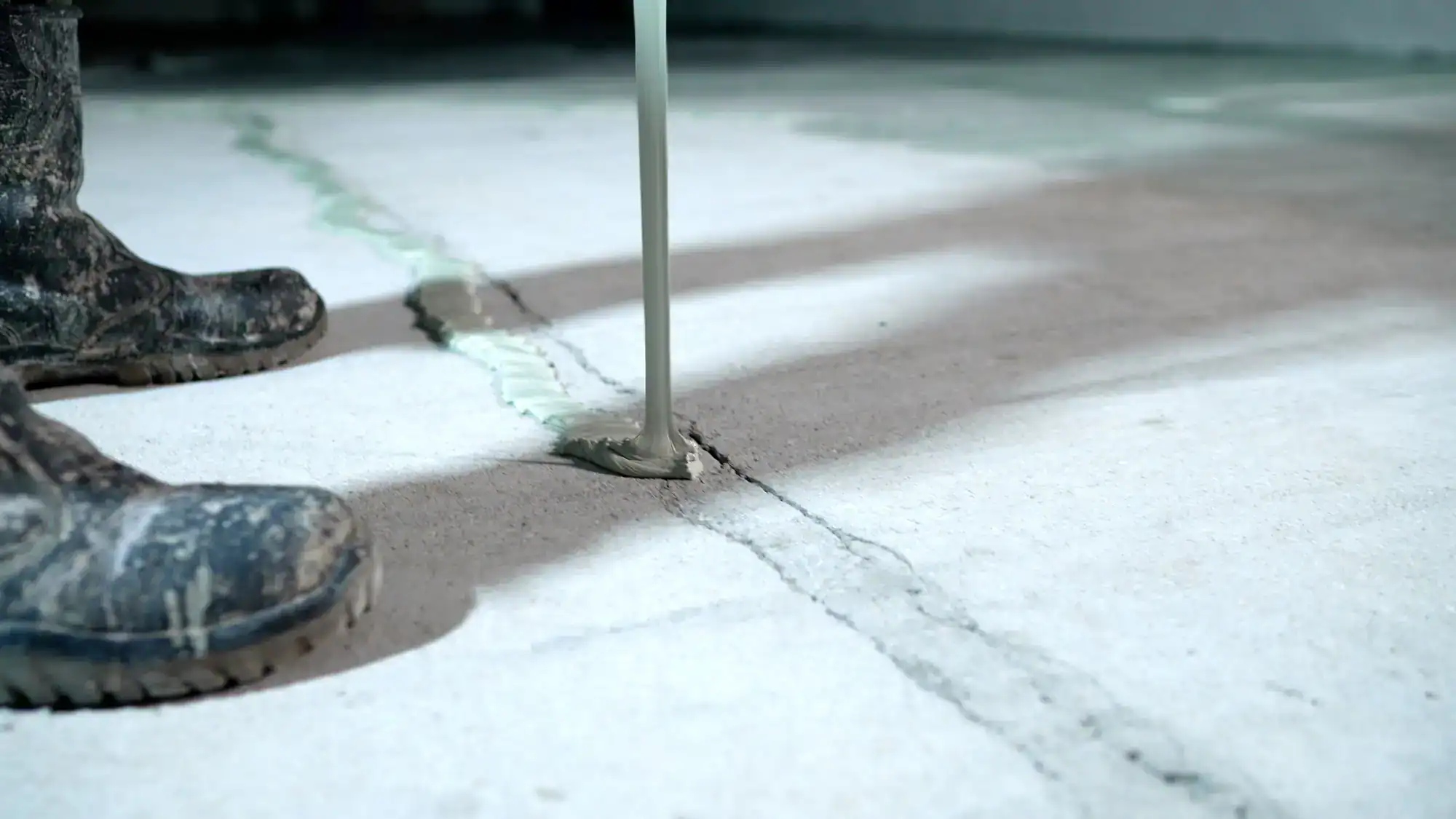
Foundation crack sealing is one of the most time-sensitive services we offer, especially for Stony Brook homes. Every winter, water gets into existing cracks, freezes, expands, and makes them wider. By the time spring arrives, what was a manageable hairline crack has opened further. We use epoxy and polyurethane injection to fill cracks from the inside out, restoring structural integrity rather than just coating the surface. If you noticed new cracking or worsening cracks after the 2024 storm, this is worth addressing before another winter cycle runs through it.
Sump pump installation is another area where cutting corners costs you later. A pump without a battery backup is useless the moment the power goes out which is exactly when you need it most during a major storm. We install complete systems: primary pump, battery backup, and properly sized discharge lines. For homes near Stony Brook Harbor or in lower-lying areas of the hamlet, that redundancy isn’t optional. It’s the difference between a dry basement and a flooded one when the next big storm comes through.
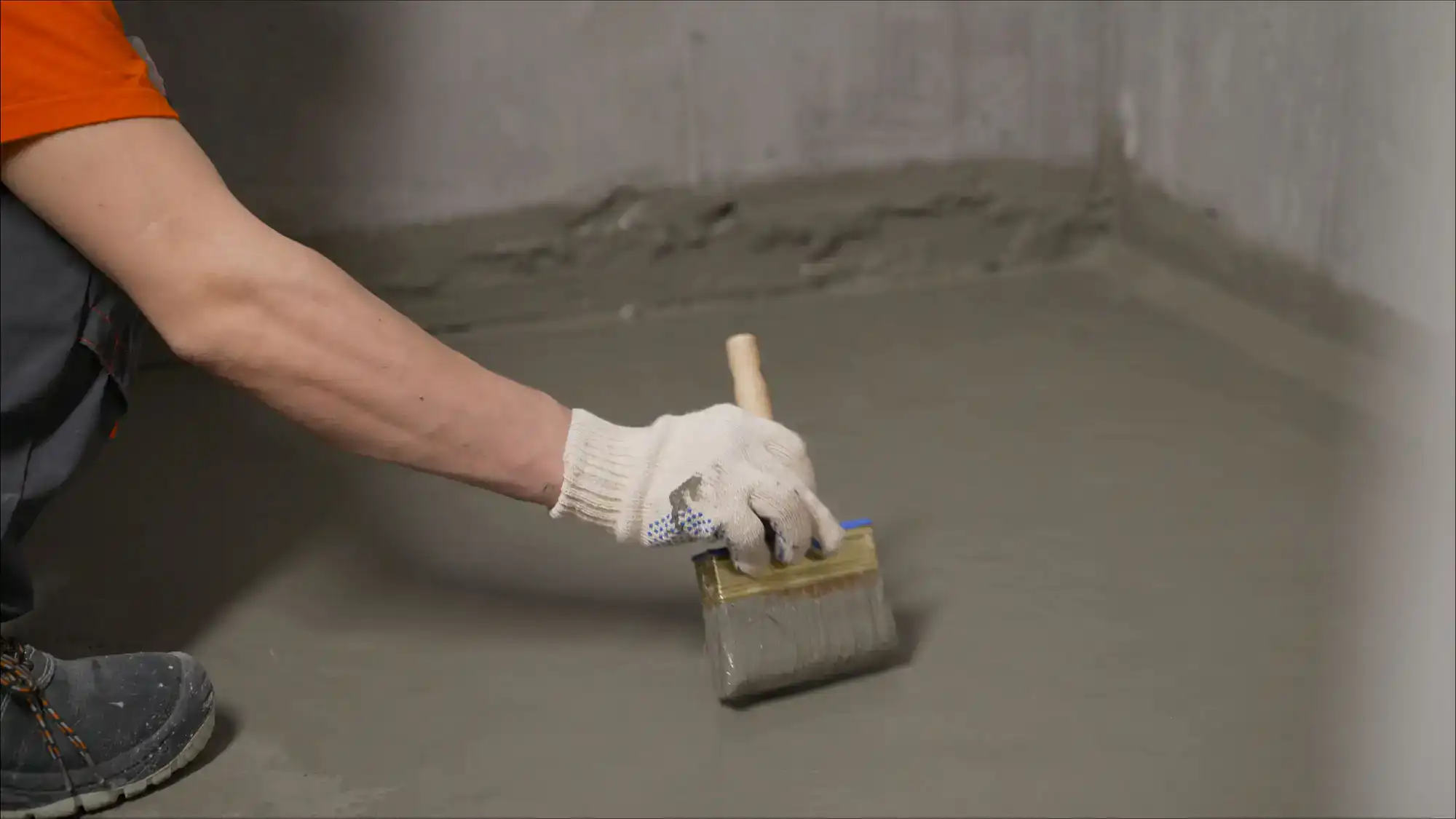
The most common reason is that the fix addressed the symptom, not the source. Waterproofing paint, hydraulic cement, and store-bought sealants can slow surface moisture, but they don’t stop hydrostatic pressure and in Stony Brook, hydrostatic pressure is often the real issue. The clay-heavy glacial till soils in this area drain slowly, which means water builds up against your foundation walls long after the rain has stopped. That sustained pressure will eventually find or create a path through the wall, no matter what’s been applied to the surface.
The other common culprit is a drainage system that’s no longer adequate for current conditions. A lot of homes in Stony Brook were built in the 1960s and 70s with drainage infrastructure that wasn’t designed for the kind of rainfall events this area has experienced in recent years. If your existing system is undersized or partially failing, it’s going to keep losing ground. A proper inspection will identify whether the issue is pressure-related, drainage-related, or both and that diagnosis is what determines the right fix.
It depends on what’s actually causing the problem and how far along the damage is. A foundation crack repair using epoxy or polyurethane injection typically runs in the $800 to $1,500 range per crack, depending on length and location. A full interior drainage system with sump pump installation can range from $5,000 to $15,000 or more depending on the size of the basement and the complexity of the drainage layout. Exterior waterproofing that involves excavation tends to be on the higher end of the cost spectrum.
What’s worth keeping in mind in Stony Brook specifically is the cost of not acting. With homes listed at a median of $799,000 and selling in about 21 days, a basement with documented water intrusion history will show up on a buyer’s inspection and affect your negotiating position. A $1,500 crack repair today is a much better outcome than a $25,000 structural repair after two more winters of freeze-thaw damage or a price reduction on your home sale. The free inspection gives you a clear picture of where things stand before any money changes hands.
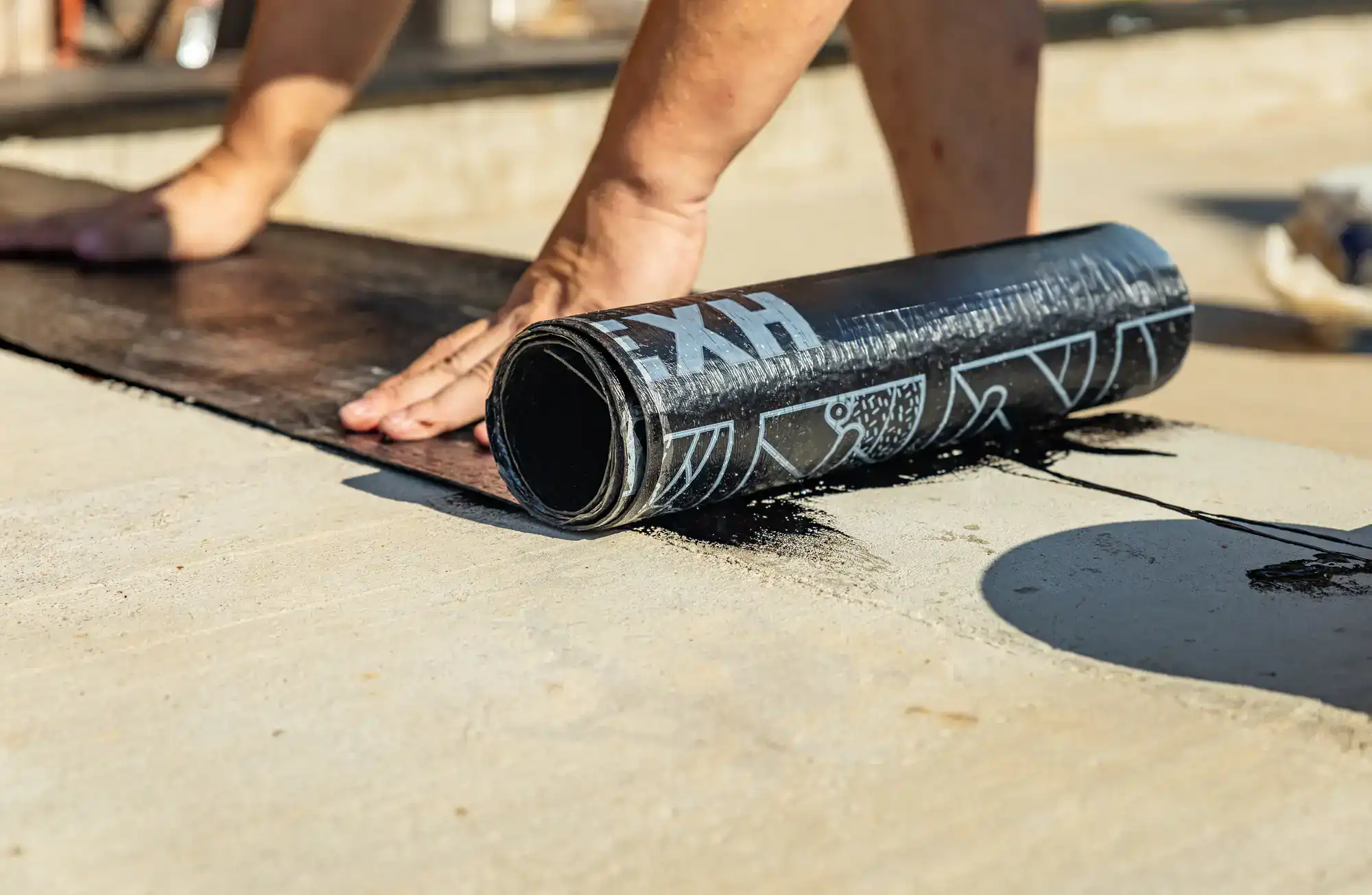
Exterior waterproofing means excavating around the foundation, applying a waterproof membrane or coating to the outside of the wall, and improving the drainage layer so water is redirected away from the foundation before it ever makes contact. It addresses the problem at the source and is generally considered the most comprehensive long-term solution. The tradeoff is cost and disruption it requires excavation, which adds time and expense, and in Stony Brook it typically requires a permit through the Town of Brookhaven.
Interior waterproofing manages water after it’s already entered the foundation perimeter. A drainage channel is installed along the interior footing, water is directed to a sump pit, and a sump pump moves it out of the home. Done correctly, it’s a highly effective system especially for homes where exterior excavation isn’t practical, such as older homes in the historic core of Stony Brook with mature landscaping or limited exterior access. The right choice depends on the source of your water intrusion, the age and construction of your foundation, and your long-term goals for the property. That’s exactly what the inspection is designed to determine.
It depends on the scope of the work. In Stony Brook, which is an unincorporated hamlet within the Town of Brookhaven, building permits are issued through the Town of Brookhaven’s Building Division. Work that involves structural modifications to the foundation, installation of a sump pump with exterior discharge, or exterior excavation for waterproofing membranes will typically require a permit. Interior drainage system installations may also require permits depending on the scale of the project.
There’s one important local nuance worth knowing: if your home is in the adjacent Village of Head of the Harbor which shares the Stony Brook ZIP code but is a separate incorporated municipality the permitting jurisdiction is the Village of Head of the Harbor, not Brookhaven. The requirements and process can differ. We’re familiar with both jurisdictions and will identify which applies to your property during the inspection, so there are no surprises or delays once the work begins.
Some damage is obvious active cracks, visible water staining, efflorescence (the white chalky residue left behind when water evaporates through concrete), or standing water in the basement. But a lot of the damage from an event like the August 2024 storm is less visible in the short term. Nearly 10 inches of rain fell in a matter of hours, saturating the soil around foundations throughout Stony Brook and generating the kind of sustained hydrostatic pressure that opens hairline cracks and stresses drainage systems without leaving an obvious mark right away.
What tends to happen is that the damage shows up gradually a crack that wasn’t there before, a musty smell that starts in late fall, a sump pump that’s running more frequently than it used to. If your home is in a lower-lying part of Stony Brook, near Stony Brook Harbor, or in an area that experienced direct flooding during that storm, it’s worth having a professional inspection even if nothing looks wrong yet. The freeze-thaw cycles of the following winters will be the real test of any stress that event put on your foundation.
Yes and in Stony Brook’s market, the impact is more direct than in most places. Homes here sell fast, with a median of 21 days on market, and buyers in this price range come with thorough inspectors. A wet basement or evidence of past water intrusion is one of the most common triggers for renegotiation, repair credits, or deals falling apart entirely. A professionally waterproofed basement with a written, transferable warranty removes that flag from the inspection report and gives buyers confidence that the issue has been properly addressed not just painted over.
Beyond the sale itself, there’s the practical value of protecting a home where property taxes average around $10,000 a year and the investment in the property is substantial. Moisture that goes unaddressed doesn’t stay contained it works into the structure, creates mold conditions, and compounds over time into repairs that cost significantly more than the original waterproofing would have. For Stony Brook homeowners who’ve put serious money into their properties, keeping the foundation sound is part of protecting everything else above it.